Research Articles
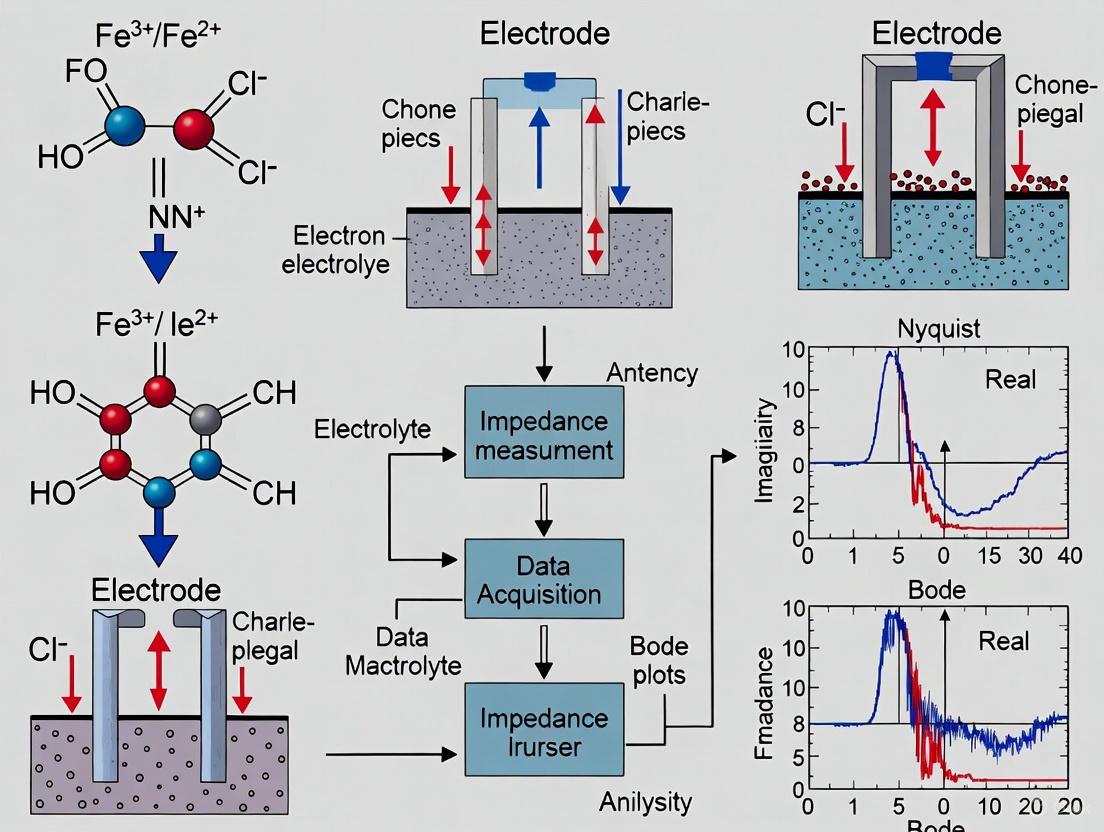
Electrochemical Impedance Spectroscopy for Redox Sensing: A Comprehensive Guide for Biomedical Research and Biosensor Development
This article provides a comprehensive overview of Electrochemical Impedance Spectroscopy (EIS) applied to redox-based sensing, a critical technique for researchers and drug development professionals.
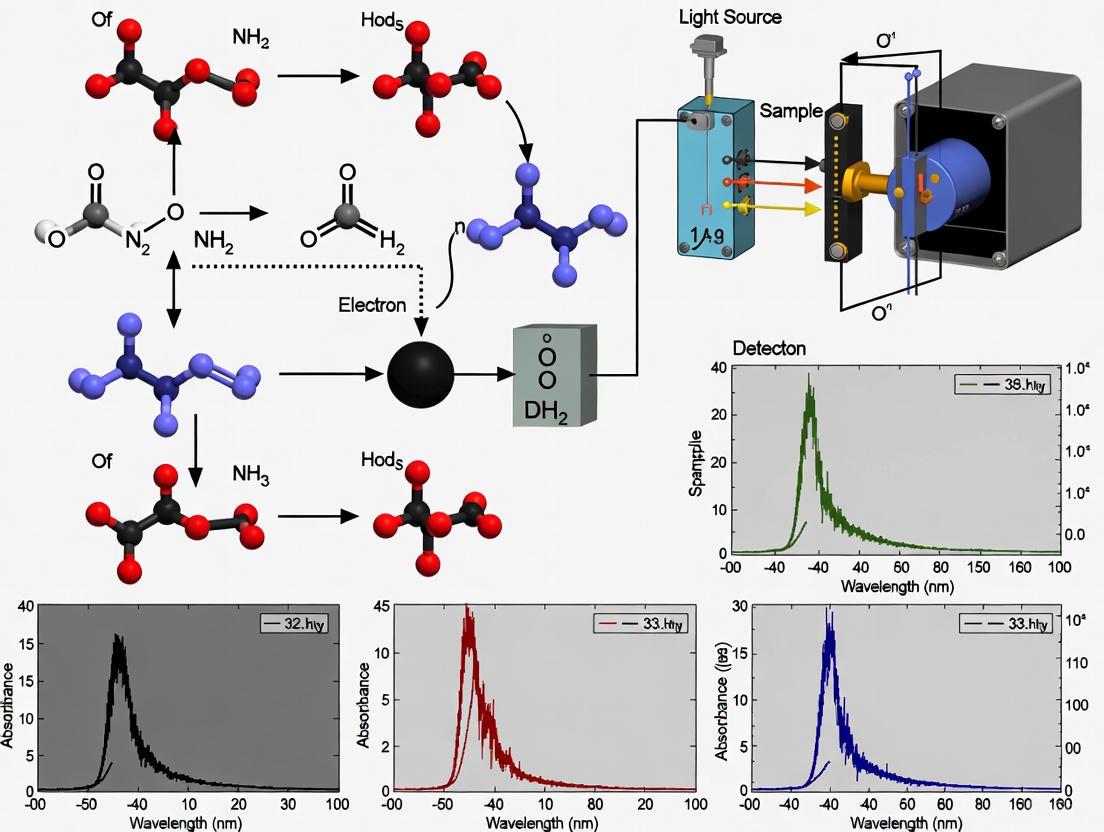
Non-Invasive Redox State Monitoring with Near-Infrared Spectroscopy: Principles, Applications, and Future Directions
This article provides a comprehensive overview of near-infrared spectroscopy (NIRS) for non-invasive monitoring of tissue redox state, a critical parameter in cellular metabolism and oxidative stress.

Redox Protein-Based Fluorescence Biosensors: Development, Applications, and Future Directions in Biomedical Research
This article provides a comprehensive overview of the development and application of redox protein-based fluorescence biosensors, a powerful class of tools enabling real-time, non-invasive monitoring of cellular redox states.
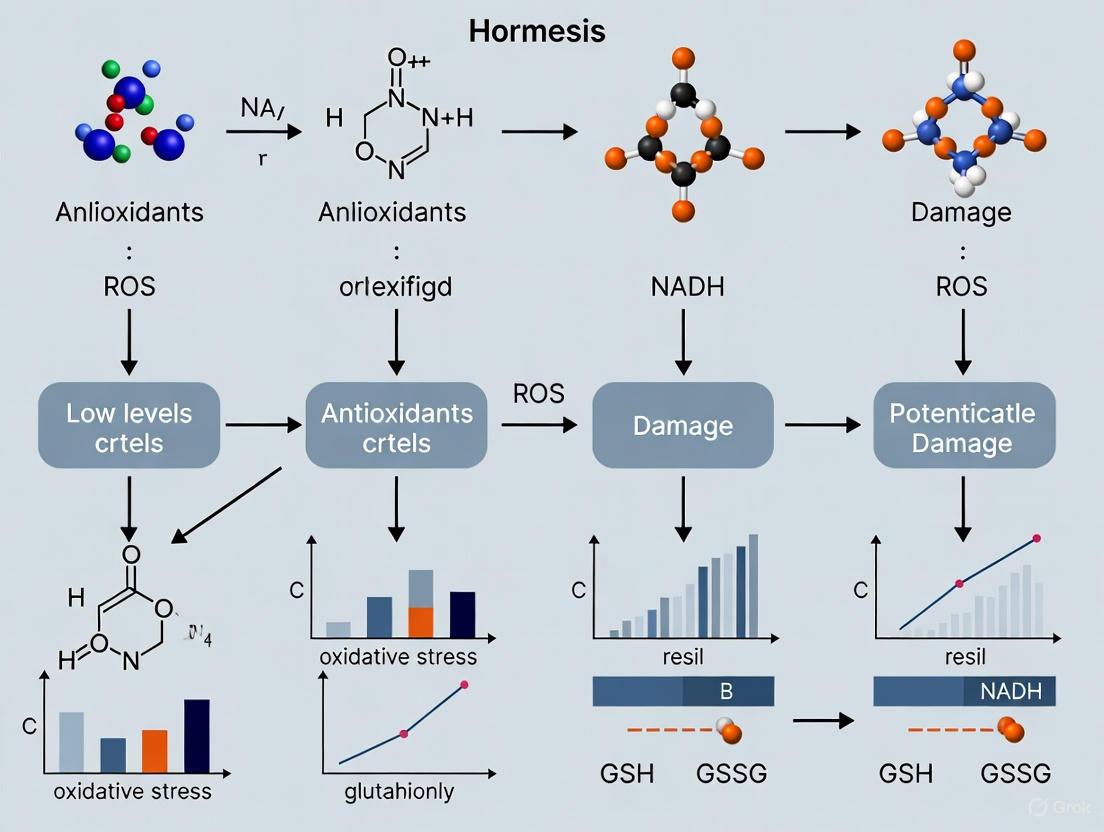
Hormesis in Redox Biology: Unraveling Biphasic Mechanisms from NRF2 Signaling to Therapeutic Innovation
This article explores the fundamental principle of hormesis, the biphasic dose-response phenomenon where low doses of stressors induce adaptive beneficial effects, within the context of redox biology.
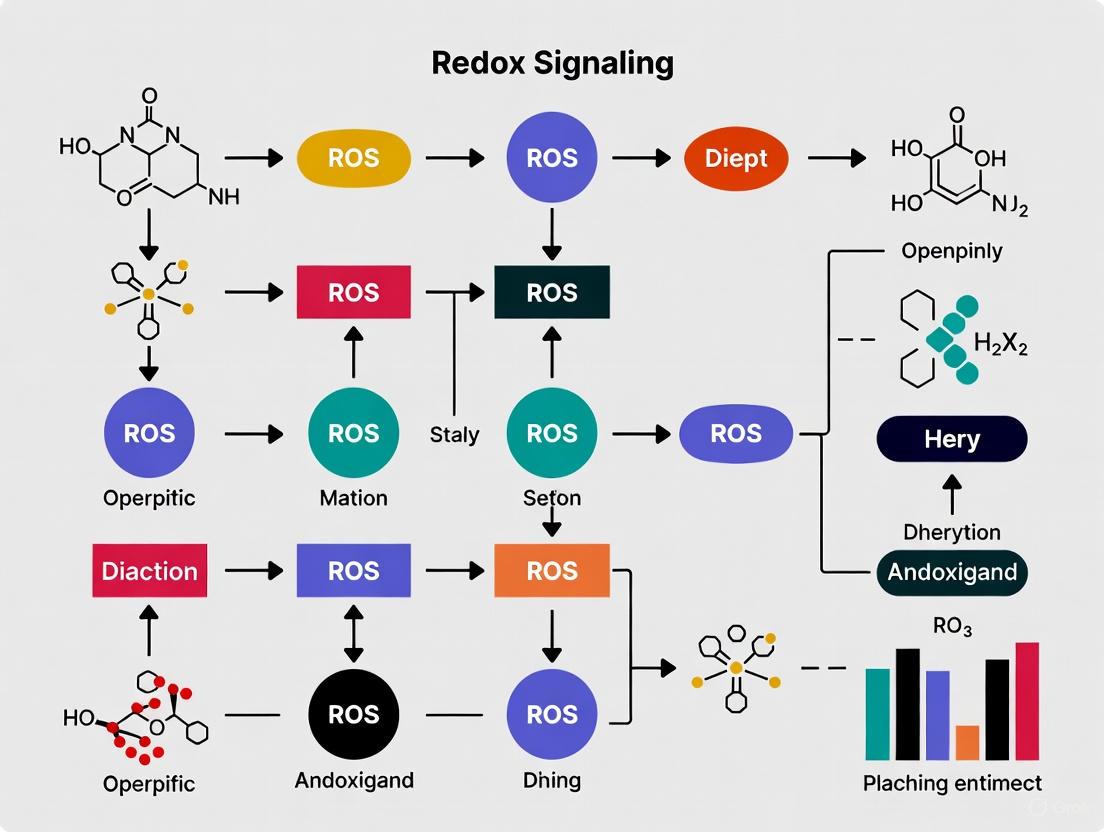
Redox Signaling in Inflammation and Disease: Molecular Mechanisms, Therapeutic Targeting, and Clinical Translation
This article provides a comprehensive analysis of redox signaling's dual role in physiological homeostasis and the pathogenesis of chronic diseases.
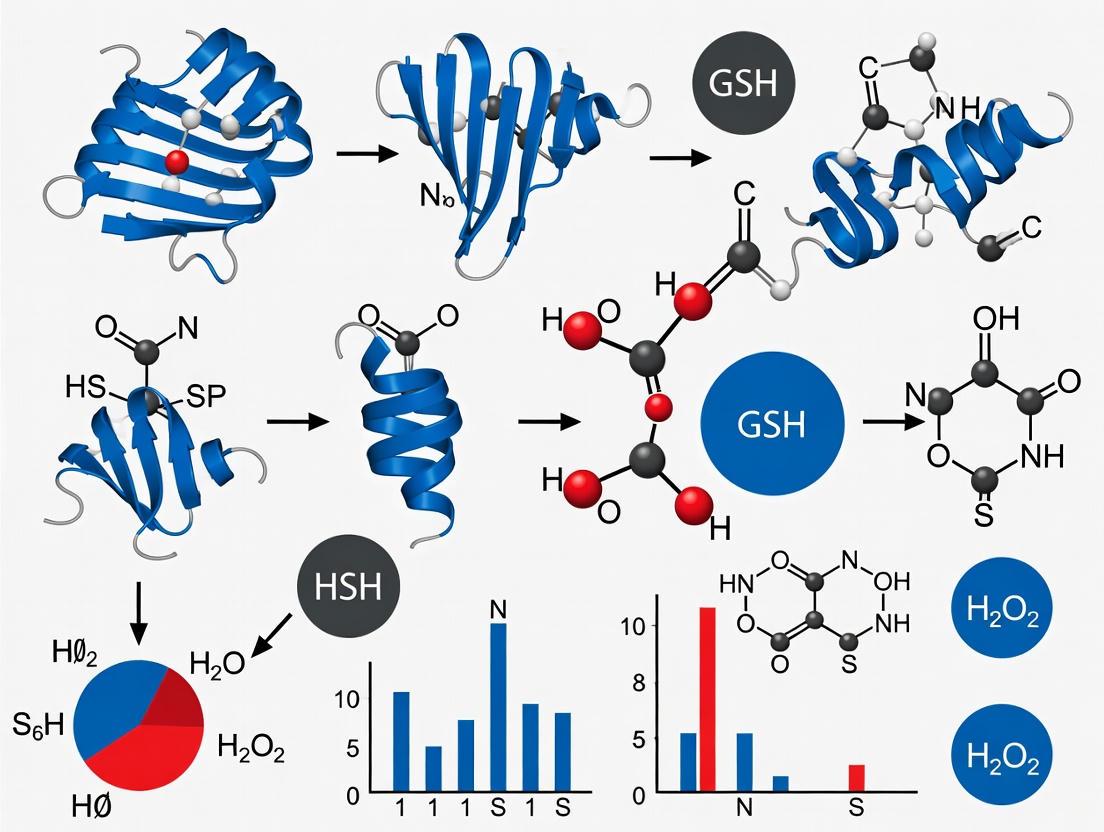
Cysteine Redox Switches: From Molecular Mechanisms to Therapeutic Targeting in Human Disease
This article provides a comprehensive synthesis of the redox regulation of protein cysteine residues, a dynamic post-translational mechanism central to cellular signaling and homeostasis.
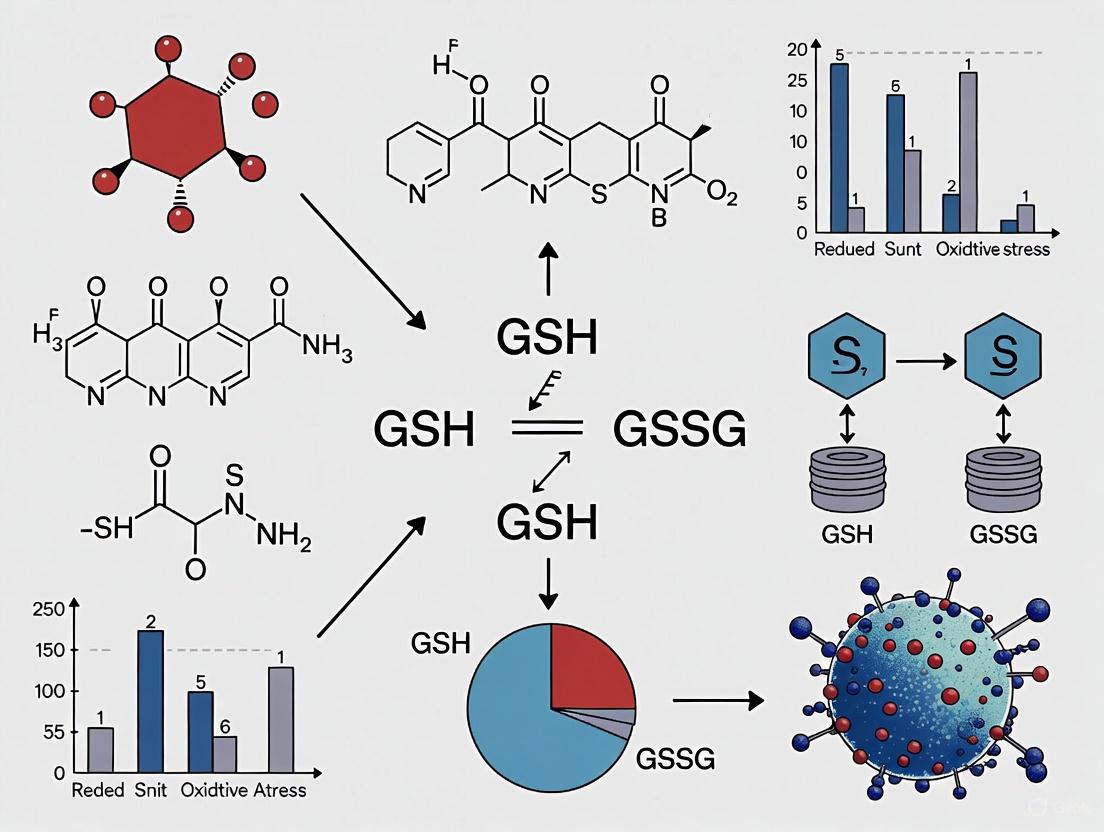
GSH/GSSG Ratio as a Central Biomarker in Oxidative Stress: From Molecular Mechanisms to Clinical Applications in Disease and Therapeutics
This article provides a comprehensive analysis of the glutathione redox system, focusing on the reduced-to-oxidized glutathione (GSH/GSSG) ratio as a critical indicator of cellular oxidative stress.
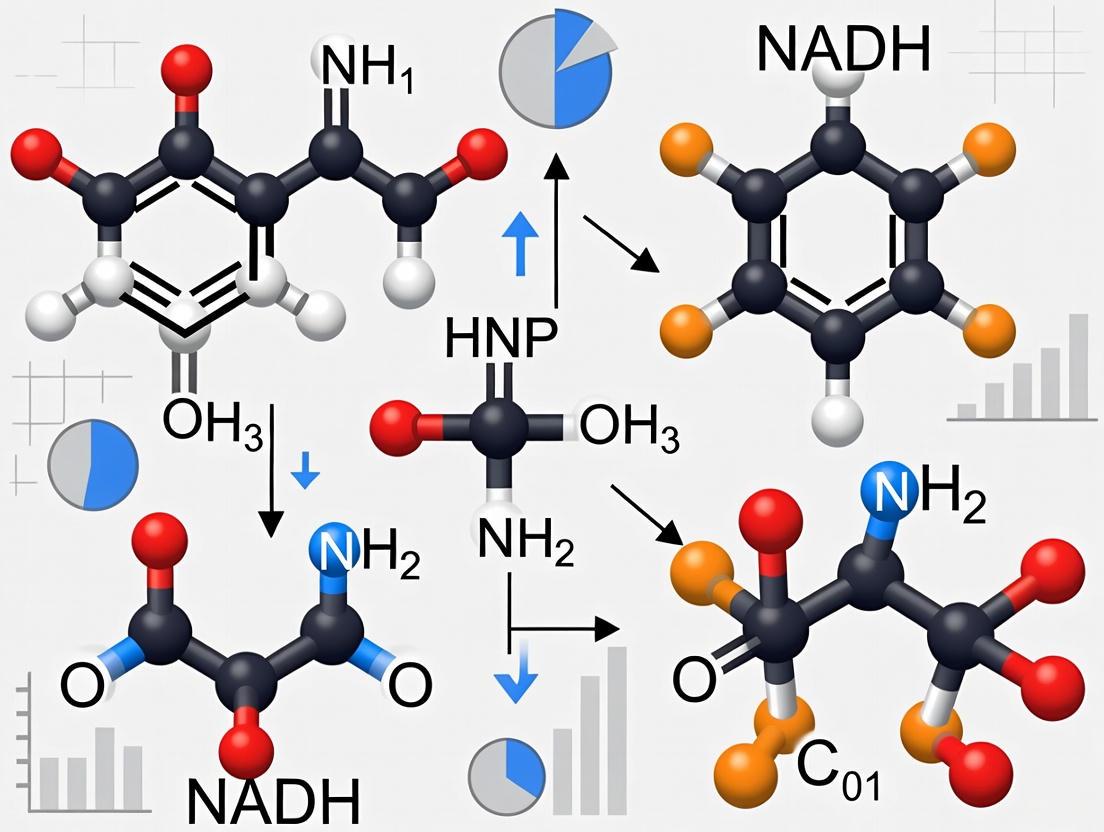
NADPH and NADH: Mastering the Redox Code in Health, Disease, and Therapeutics
This article provides a comprehensive exploration of the distinct yet interconnected roles of NADPH and NADH in cellular redox biology.
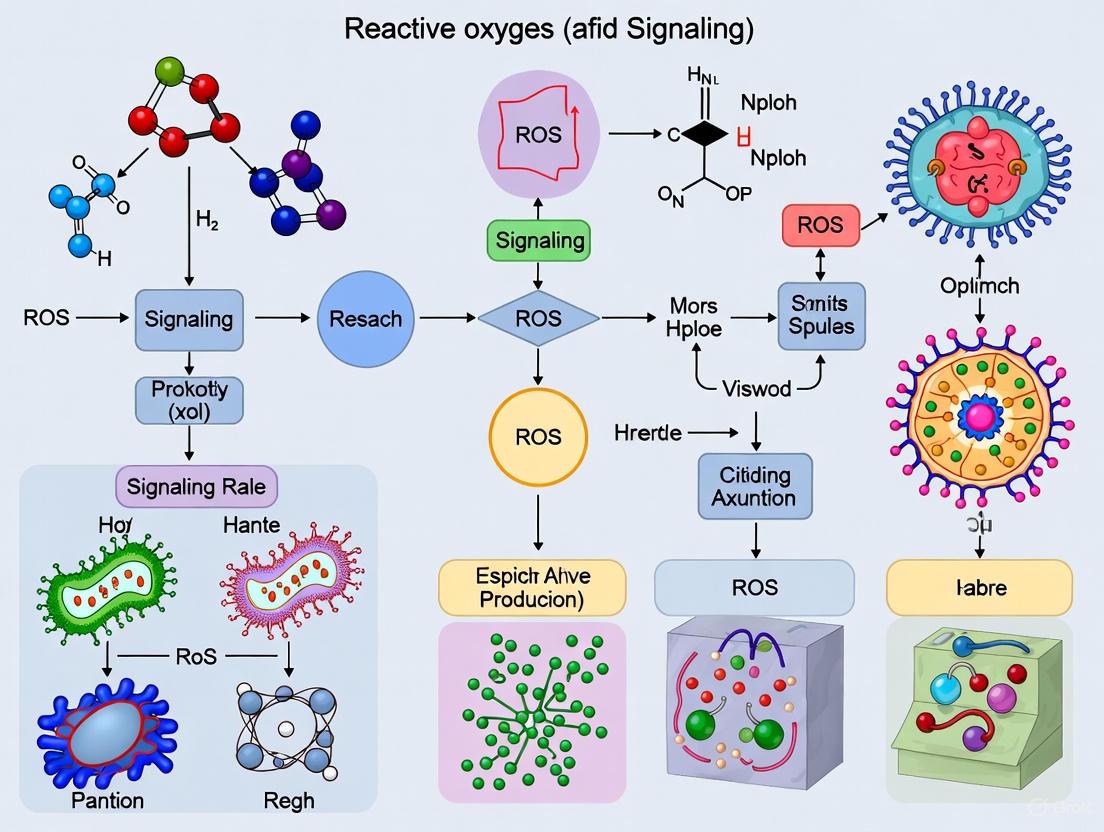
ROS Signaling Mechanisms: From Molecular Foundations to Therapeutic Targeting in Disease
Reactive oxygen species (ROS) are central, dual-function regulators in cellular physiology, acting as crucial signaling molecules at low levels and as agents of oxidative damage at high concentrations.
Redox Homeodynamics vs. Homeostasis: A Paradigm Shift for Precision Medicine and Drug Discovery
This article explores the critical paradigm shift from the static concept of redox homeostasis to the dynamic model of redox homeodynamics.