The Unsinkable Bacterium
How Structural Biology Unlocks the Secrets of Deinococcus radiodurans
In the heart of a microbe that laughs at radiation, scientists are discovering blueprints for humanity's future.
Introduction: The Bacterium That Shouldn't Survive
Imagine a life form that can withstand radiation doses thousands of times higher than what would instantly kill a human, endure years of complete dryness, and laugh in the face of chemical disinfectants that would obliterate other organisms. This isn't science fiction—it's Deinococcus radiodurans, a real-world "extremophile" bacterium that has captured the attention of scientists worldwide. Its almost mythical resilience has prompted a crucial question: what molecular machinery enables such spectacular survival skills?
The answer lies in the intricate architecture of its proteins—the microscopic workhorses that perform cellular functions. By deciphering the 3D structures of these specialized stress proteins, researchers are not only satisfying scientific curiosity but are also uncovering potential applications ranging from advanced biotechnology to novel medical therapies. This structural exploration represents one of modern biology's most fascinating frontiers, where atomic-level details explain phenomenal biological capabilities.

Radiation Resistance
D. radiodurans can survive radiation doses up to 15,000 Gray, while just 5 Gray is lethal to humans.
Desiccation Tolerance
This bacterium can survive for years without water, making it a model for studying extreme dehydration resistance.
Cellular Fortress: The Multi-Layered Defense System of D. radiodurans
More Than Just DNA Repair
For decades, scientists believed D. radiodurans' superpower lay primarily in its exceptional ability to repair shattered DNA. While this proficiency is remarkable—it can seamlessly reassemble its genome from hundreds of fragments while other bacteria perish from a handful of breaks—research has revealed a more complex picture 1 . The bacterium's resistance represents a synergistic defense system where multiple protection strategies work in concert.
The true revolution in understanding came when researchers discovered that D. radiodurans experiences similar numbers of DNA breaks as sensitive bacteria when irradiated—but its proteins suffer significantly less oxidative damage 1 . This insight shifted scientific perspective, highlighting that protein protection is equally crucial as DNA repair. The bacterium employs specialized proteins that act as molecular shields, along with powerful antioxidant systems that neutralize reactive oxygen species (ROS) before they can cause cellular havoc 2 .
The Manganese Mystery and the Protein Shield
At the heart of this protective system lies an intriguing discovery: D. radiodurans accumulates high concentrations of manganese complexes alongside small metabolites 1 3 . These manganese-based antioxidants form a protective barrier around proteins, safeguarding them from radiation-induced oxidative damage. Think of it as an internal suit of armor for the bacterium's molecular machinery, allowing essential enzymes to continue functioning even under assault.
This protective mechanism is particularly important for preserving the activity of DNA repair enzymes. While other organisms see their repair proteins disabled by oxidation, D. radiodurans maintains a fully functional repair crew ready to reconstruct its genome after the danger has passed 1 . This dual strategy—protecting proteins while efficiently repairing DNA—forms the cornerstone of its extraordinary resilience.
Key Classes of Stress-Related Proteins in D. radiodurans
| Protein Class | Primary Function | Significance in Stress Resistance |
|---|---|---|
| DNA Repair Proteins | Repair DNA damage caused by radiation and oxidation | Enables reconstruction of shattered chromosomes with remarkable fidelity |
| Antioxidant Proteins | Neutralize reactive oxygen species (ROS) | Protect all cellular components from oxidative damage |
| Ddr and Ppr Proteins | Stress-induced DNA binding and protection | Unique radiation-induced proteins that aid recovery |
| Regulatory Proteins | Control expression of stress response genes | Coordinate cellular defense strategies under stress |
| Universal Stress Proteins (USPs) | General stress response, various protective functions | Help cells cope with diverse environmental challenges |
DNA Repair Efficiency
D. radiodurans can repair hundreds of DNA breaks with near-perfect accuracy.
Protein Protection
Proteins experience significantly less oxidative damage compared to other bacteria.
Manganese Accumulation
Contains significantly higher manganese levels than radiation-sensitive bacteria.
Molecular Architects: The Tools for Decoding Protein Structures
Why Structure Matters
In the molecular world, function follows form. The specific 3D arrangement of a protein determines what other molecules it can interact with, what reactions it can catalyze, and how it responds to environmental changes. A small alteration in shape can render a protein useless—which is why understanding the precise structure of stress proteins is essential to unraveling D. radiodurans' survival secrets.
Structural biology employs an array of sophisticated techniques to visualize proteins at atomic resolution. X-ray crystallography, nuclear magnetic resonance (NMR) spectroscopy, and cryo-electron microscopy have become the workhorses of this field, each with unique strengths for different types of proteins and research questions 4 . These methods allow scientists to see not just the sequence of amino acids that comprise a protein, but how this chain folds into intricate shapes containing pockets, grooves, and surfaces that define its function.
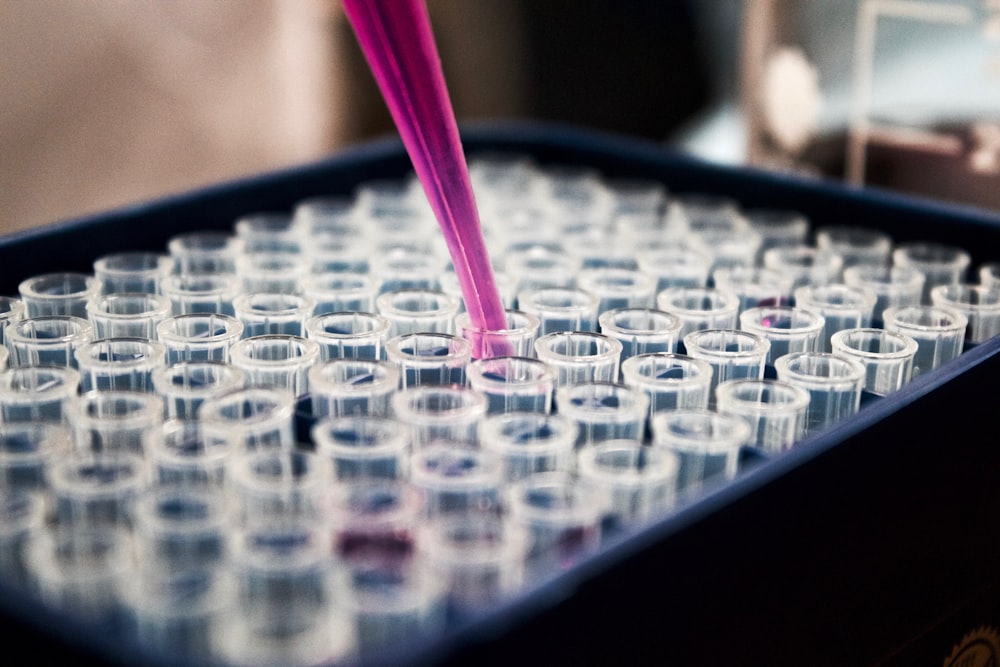
Essential Research Reagents and Their Functions in Protein Structural Studies
| Research Reagent/Tool | Primary Function | Application in D. radiodurans Protein Studies |
|---|---|---|
| E. coli Expression Systems | Host for producing large quantities of target proteins | Allows overexpression of D. radiodurans genes for structural studies |
| Immobilized Metal Affinity Chromatography (IMAC) | Purifies proteins based on engineered histidine tags | Enables rapid purification of stress proteins for crystallization |
| Isothermal Titration Calorimetry (ITC) | Measures binding affinity between molecules | Quantifies how strongly stress proteins bind to protective compounds |
| Differential Scanning Calorimetry (DSC) | Measures protein thermal stability | Reveals how stress proteins maintain structure under extreme conditions |
| Analytical Ultracentrifugation (AUC) | Analyzes protein size and shape in solution | Determines if stress proteins function alone or in complexes |
| Crystallization Screens | Identifies conditions for protein crystal formation | Essential step for X-ray crystallography structure determination |
Protein Expression
D. radiodurans genes are cloned and expressed in E. coli systems to produce sufficient protein quantities for analysis.
Purification
Proteins are purified using chromatography techniques like IMAC to obtain highly pure samples.
Characterization
Biophysical methods (ITC, DSC, AUC) are used to understand protein properties and interactions.
Structure Determination
X-ray crystallography, NMR, or cryo-EM reveal the 3D atomic structure of the proteins.
A Closer Look: Decoding the Flavoprotein DR_1146
The Experiment
In a compelling example of structural investigation, researchers turned their attention to DR_1146, a putative general stress protein from D. radiodurans 4 . The goal was to determine its structure and function, potentially revealing another piece of the puzzle behind the bacterium's remarkable resilience. The research team employed a multi-step approach that illustrates the meticulous nature of structural biology.
First, the gene encoding DR_1146 was cloned and expressed in E. coli, producing large quantities of the protein for study. The protein was then purified using immobilized metal affinity chromatography, taking advantage of an engineered histidine tag that acted like a molecular handle 4 . Despite challenges with protein degradation that initially hampered progress, the researchers persisted, eventually obtaining sufficiently pure and stable samples for detailed analysis.
Methodology and Results
The investigation of DR_1146 employed a suite of biophysical techniques to gradually build a comprehensive picture of its properties. Isothermal titration calorimetry and fluorescence spectroscopy revealed that DR_1146 binds to flavin molecules—riboflavin, FMN, and FAD—with moderate affinity (4-11 μM) 4 . This finding was significant because flavins are involved in redox reactions throughout the cell, potentially implicating DR_1146 in electron transfer processes relevant to stress response.
Further experiments demonstrated that binding to flavin mononucleotide (FMN) significantly increased the protein's chemical and thermal stability 4 . This discovery suggested a possible dual role for DR_1146: it might not only perform a specific cellular function but also gain structural resilience from its ligand—a potential survival strategy for maintaining protein function under stressful conditions.
Key Findings from the Structural Analysis of DR_1146
| Analysis Method | Key Finding | Biological Significance |
|---|---|---|
| Isothermal Titration Calorimetry | Binds flavin molecules with 4-11 μM affinity | Suggests involvement in electron transfer or redox regulation |
| Fluorescence Spectroscopy | Confirmed flavin binding with structural changes | Indicates binding causes conformational changes in protein structure |
| Differential Scanning Calorimetry | Increased thermal stability when bound to FMN | FMN binding may protect protein from heat-induced denaturation |
| Analytical Ultracentrifugation | Exists in monomer-dimer equilibrium | Self-association may regulate protein function under stress conditions |
| Nuclear Magnetic Resonance | Global structural changes upon FMN binding | FMN binding significantly alters protein conformation |
| X-ray Crystallography | Produced crystals of DR_1146-FMN complex | Opens path to full 3D structure determination |
DR_1146 Crystallization
The research team successfully grew yellow crystals of the DR_1146-FMN complex—a technical achievement that enabled preliminary X-ray diffraction studies 4 . These crystals, though imperfect, provided the first visual glimpse into the architecture of this stress-related protein and opened the door to complete structural determination in future studies.
Research Workflow
Beyond the Laboratory: Applications and Future Directions
From Bacterial Superpowers to Human Solutions
Understanding the structural basis of D. radiodurans' resilience isn't merely an academic exercise—it holds tremendous practical potential. The mechanisms that protect bacterial proteins from radiation and oxidative damage could inspire novel approaches to preserving biological materials in medicine and biotechnology 1 . For instance, learning how this bacterium prevents protein oxidation might lead to improved storage methods for vaccines or therapeutic proteins.
The manganese-based antioxidant system that forms the cornerstone of D. radiodurans' defense has already shown promise in protecting human cell lines from radiation-induced death 1 . This finding suggests potential applications in radiation therapy, where such protective compounds could shield healthy tissues during cancer treatment, or in space exploration, where astronauts face increased radiation exposure.
Biotechnology and Astrobiology
D. radiodurans has been engineered for environmental bioremediation, particularly for cleaning up mixed-waste sites containing both radioactive materials and toxic chemicals 3 . Strains have been developed that can metabolize toluene and chlorobenzene while withstanding radiation stress, and others equipped with mercury resistance genes for dealing with toxic mercury contamination 3 .
In the emerging field of astrobiology, D. radiodurans has proven it can survive the vacuum of space, raising intriguing questions about the possibility of microbial life traveling between planets 5 . Understanding the structural basis of its space resistance could inform planetary protection protocols and shed light on the limits of life in the universe.
Medical Applications
- Radiation protection for healthy tissues
- Improved vaccine stability
- Novel antioxidant therapies
Environmental Applications
- Radioactive waste cleanup
- Toxic chemical degradation
- Heavy metal remediation
Space Applications
- Astronaut radiation protection
- Life detection in extreme environments
- Planetary protection protocols
"The structural insights gained from studying D. radiodurans proteins could revolutionize how we approach challenges in medicine, biotechnology, and even space exploration. This bacterium represents a blueprint for resilience that we're only beginning to understand."
Conclusion: The Structural Blueprint of Resilience
The structural exploration of Deinococcus radiodurans represents a fascinating convergence of microbiology, structural biology, and practical engineering. Each protein structure solved adds another piece to the puzzle of how this remarkable organism defies extreme conditions that would obliterate most life. The case of DR_1146 illustrates both the challenges and rewards of this research—the painstaking process of protein production and characterization, followed by the excitement of discovering its flavin-binding capabilities and stability enhancements.
As research continues, scientists are gradually assembling a comprehensive structural picture of the molecular machinery that enables radioresistance. This knowledge transfers power from observation to application—inspiring new technologies, protective strategies, and therapeutic approaches drawn from biological principles refined over billions of years of evolution. In the atomic architecture of these bacterial stress proteins, we may find the blueprints for building a more resilient future for humanity.
Structural Insights
Atomic-level understanding of stress proteins
Mechanistic Understanding
How protection and repair systems work together
Practical Applications
Biotech, medical, and environmental solutions