Research Articles
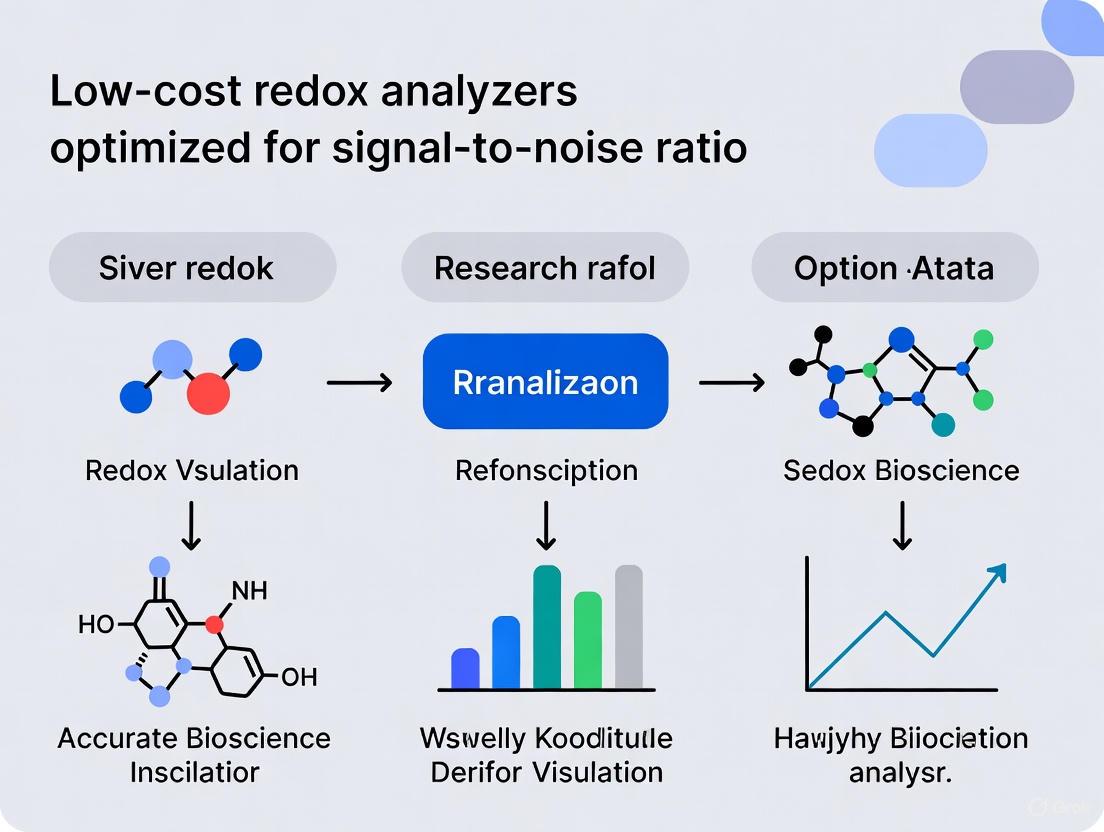
Optimizing Signal-to-Noise Ratio in Low-Cost Redox Analyzers: A Guide for Biomedical Researchers
This article provides a comprehensive framework for researchers and drug development professionals seeking to implement low-cost redox analyzers without compromising data quality.
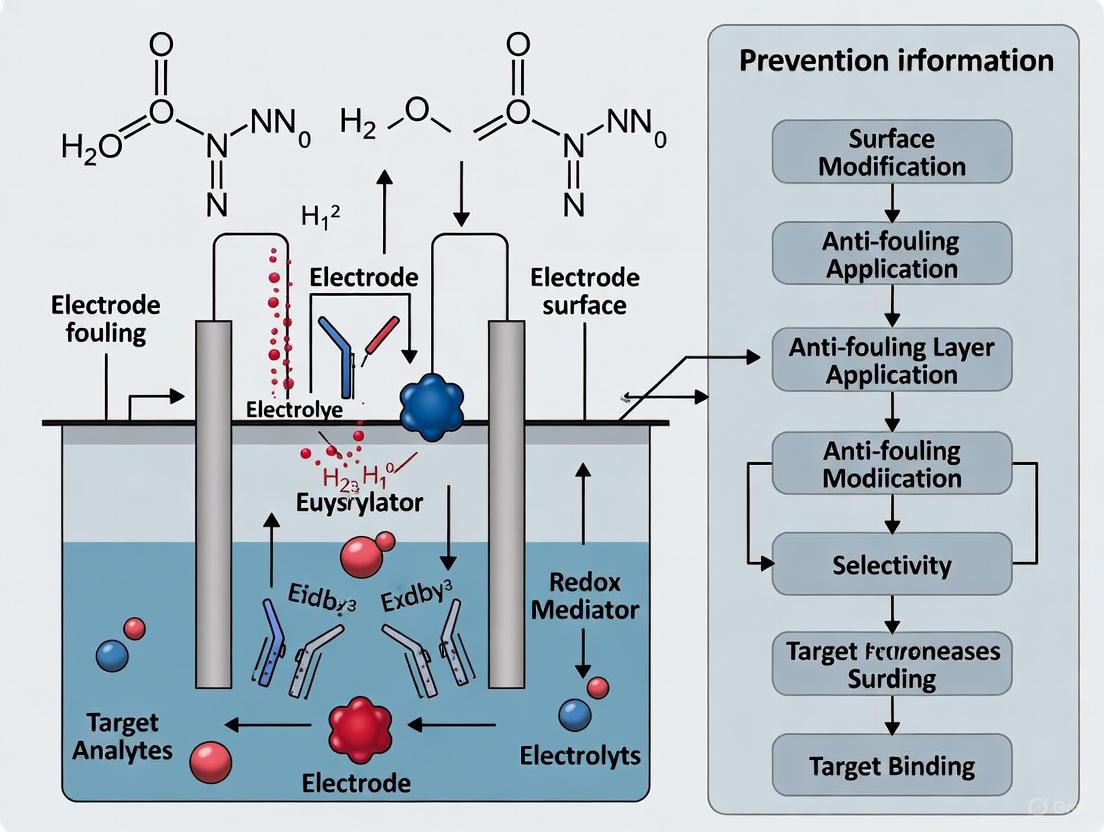
Strategies for Preventing Electrode Fouling in Electrochemical Biosensors: From Materials to Clinical Applications
Electrode fouling remains a critical challenge that compromises the accuracy, reliability, and longevity of electrochemical biosensors, particularly in complex biological media like blood and serum.
Overcoming Kinetic Barriers in Redox Potential Measurements: A Comprehensive Guide for Drug Development Research
This article provides a comprehensive examination of kinetic barriers in redox potential measurements and their critical implications for pharmaceutical research and development.
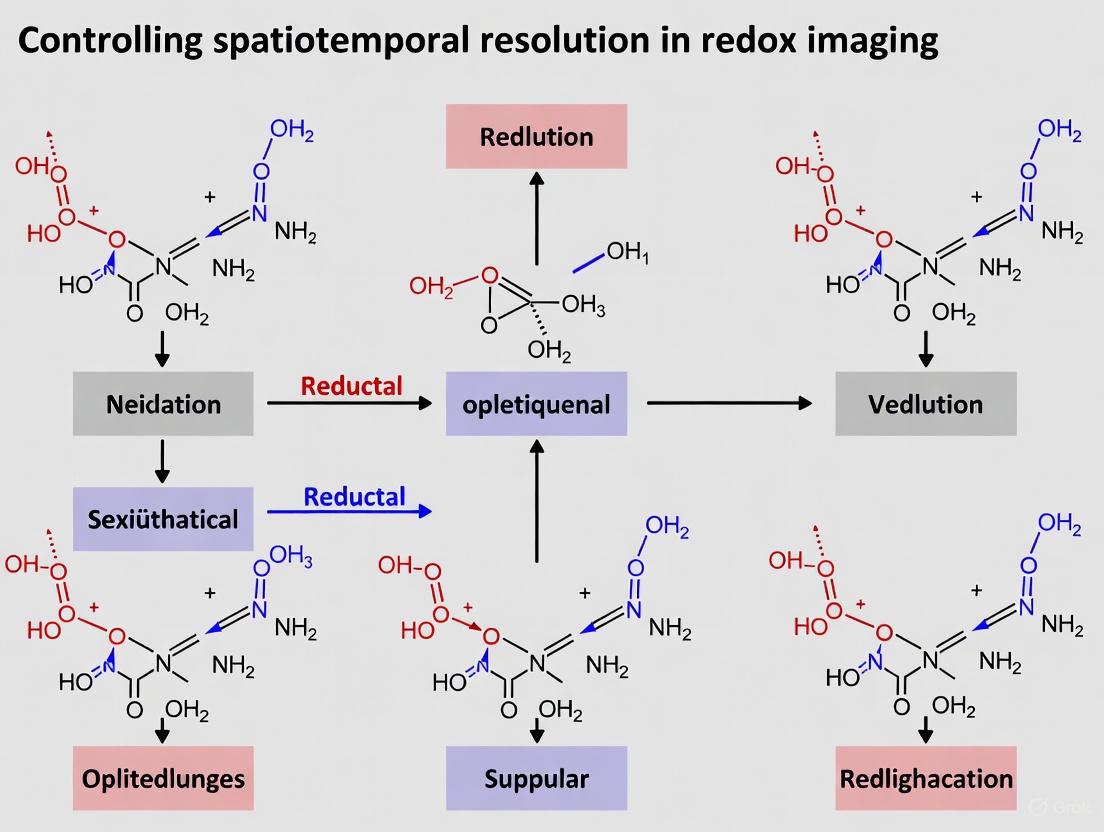
Controlling Spatiotemporal Resolution in Redox Imaging: Techniques, Applications, and Optimization for Biomedical Research
This article provides a comprehensive overview of advanced methodologies for controlling spatiotemporal resolution in redox imaging, a critical capability for studying dynamic metabolic processes and oxidative stress in living systems.
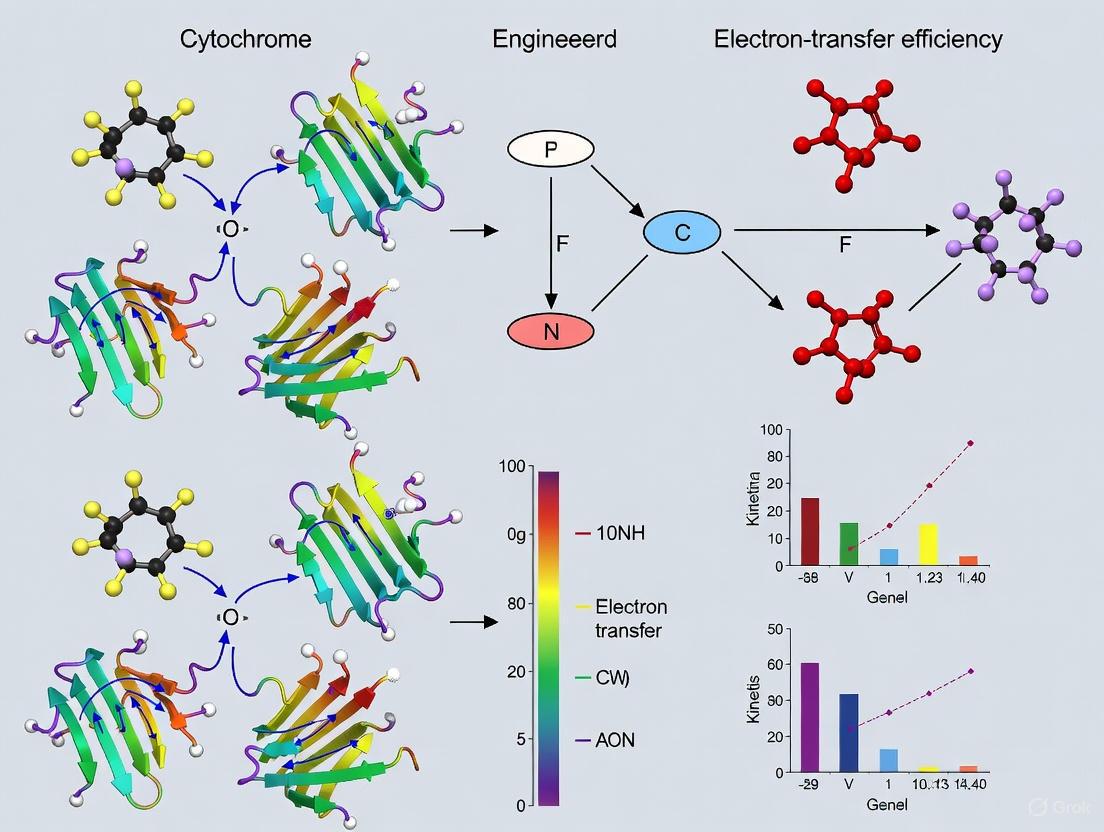
Engineering Electron Transfer in Proteins: Strategies for Enhanced Biocatalysis and Biomedical Applications
This article synthesizes the latest advancements in protein engineering for enhancing electron transfer efficiency, a critical bottleneck in biocatalysis and bioelectrochemical systems.
A Researcher's Guide to Minimizing Oxidative Damage in Redox Measurements
Accurate measurement of reactive oxygen species (ROS) and redox potential is critical for biomedical research, yet the reactive and short-lived nature of these species makes measurements prone to artifacts and...
Strategies to Combat Non-Specific Adsorption in Redox Biosensors: From Antifouling Materials to Clinical Validation
Non-specific adsorption (NSA) remains a critical barrier to the reliability and widespread adoption of redox biosensors in complex biological samples like blood, serum, and milk.
Navigating the Challenges of Redox Potential Measurement: Techniques, Pitfalls, and Clinical Applications
This article provides a comprehensive analysis of redox potential measurement techniques and their significant challenges, tailored for researchers and drug development professionals.
Optimizing Redox Biosensors for Advanced Bioreactor Monitoring and Control
This article provides a comprehensive guide to optimizing redox biosensors for enhanced monitoring and control of bioreactor processes, targeting researchers and drug development professionals.
Advanced MsrB1 Inhibitor Screening Assays: From High-Throughput Biosensors to Clinical Translation
This article provides a comprehensive resource for researchers and drug development professionals on contemporary assays for identifying methionine sulfoxide reductase B1 (MsrB1) inhibitors.