The Goldilocks Zone of Hormesis: A Researcher's Guide to Precise Dosing in Adaptive Stress Experiments
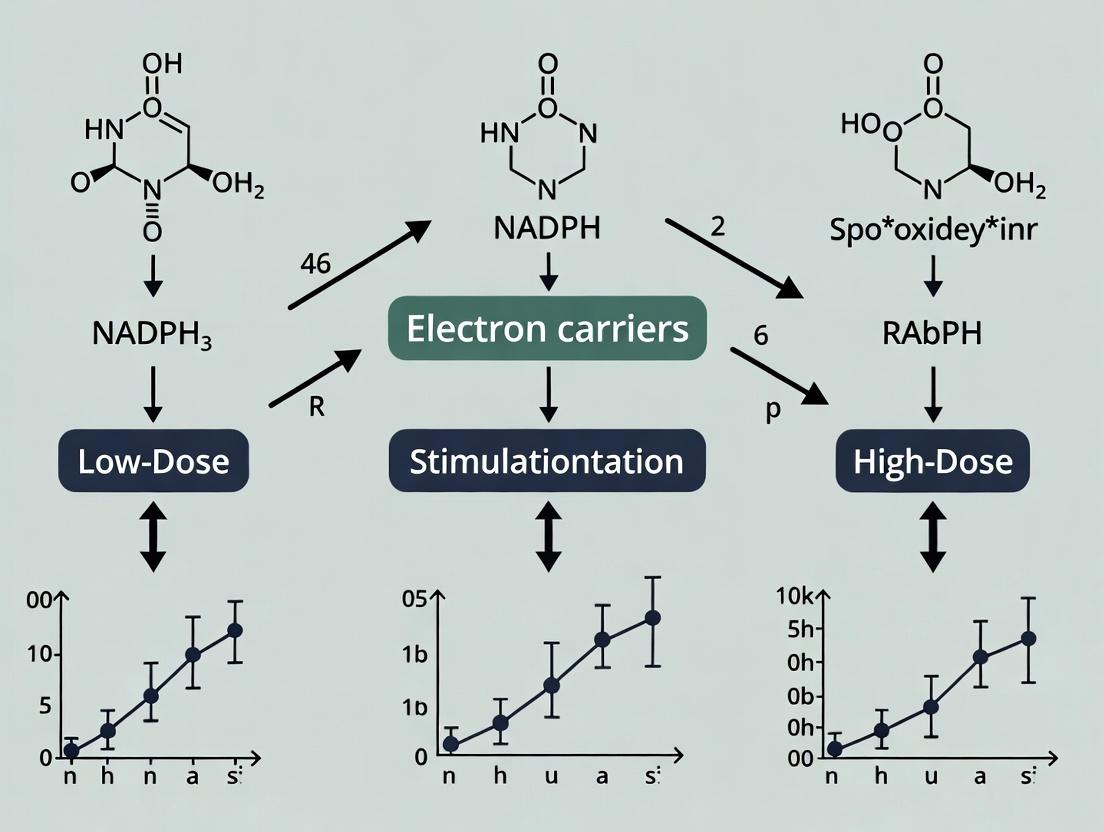
This article provides a comprehensive framework for researchers and drug development professionals to design robust hormesis experiments by avoiding the critical pitfalls of underdosing and overdosing.
The Goldilocks Zone of Hormesis: A Researcher's Guide to Precise Dosing in Adaptive Stress Experiments
Abstract
This article provides a comprehensive framework for researchers and drug development professionals to design robust hormesis experiments by avoiding the critical pitfalls of underdosing and overdosing. It covers the fundamental biphasic dose-response theory, explores advanced methodological approaches for defining the hormetic zone, offers troubleshooting strategies for common experimental errors, and discusses validation techniques to distinguish true hormesis from artifacts. The guidance is aimed at ensuring reproducible, reliable results that can effectively inform therapeutic and nutraceutical development.
Understanding the Biphasic Curve: Defining the Hormetic Zone and Its Boundaries
Technical Support Center: Troubleshooting Hormesis Experiments
This support center addresses common challenges in designing and interpreting hormesis experiments, framed within the critical thesis of Avoiding Underdosing and Overdosing in Hormesis Research. Accurate identification of the biphasic curve is paramount for applications in pharmacology, toxicology, and drug development.
Frequently Asked Questions (FAQs)
Q1: In our cell viability assay, we only see a monotonic decrease with increasing dose. We never observe the low-dose stimulation characteristic of hormesis. What are we doing wrong? A: This is a classic sign of an insufficient number of low-dose concentrations. You are likely "underdosing" the hormetic zone by skipping over it.
- Solution: Drastically increase the granularity of your low-dose range. Use a minimum of 8-10 concentrations below the established NOAEL (No Observed Adverse Effect Level). Employ logarithmic or semi-logarithmic spacing (e.g., 0.001, 0.01, 0.1, 0.5, 1, 2 μM) instead of linear increments. Ensure your sample size (n) is sufficient to detect the statistically significant, modest increases (typically 30-60% above control).
Q2: Our data shows a biphasic curve, but the low-dose stimulation is extremely variable and not statistically significant. How can we improve reproducibility? A: High variability often stems from inconsistent biological materials or environmental conditions, which disproportionately affect the sensitive hormetic zone.
- Solution: Strictly standardize cell passage number, seeding density, serum batch, and incubation conditions. Implement stringent positive controls (e.g., a known growth factor for stimulation, a known toxin for inhibition) in every assay plate. Consider using longer pre-adaptation times for cells after plating before applying the stressor.
Q3: How do we definitively distinguish a true hormetic response from simple experimental noise or variability in the control group? A: This requires rigorous statistical modeling, not just visual inspection.
- Solution: Fit your data to established hormetic models. The Brain-Cousens model is a standard for non-monotonic dose-response:
Response = (a + f*Dose) / (1 + (b*Dose)^c)Where parameter 'f' quantifies the hormetic effect. A significant positive 'f' value indicates a true hormetic stimulation. Compare the model fit (via AIC values) to a standard monotonic sigmoidal (Hill) model.
Q4: When testing a new drug candidate, we observed low-dose stimulation of a cancer cell line. Does this mean the drug is unsafe? A: Not necessarily, but it is a critical red flag requiring immediate follow-up. This phenomenon, called "hormetic masking," could indicate potential risk if the drug stimulates unintended pathways.
- Solution: You must deconstruct the endpoint. Repeat the experiment measuring not just overall viability, but also complementary endpoints like apoptosis (caspase activation), long-term clonogenic survival, and DNA damage response (γ-H2AX foci). A true, detrimental hormetic risk is indicated if low-dose stimulation in viability coincides with activation of pro-survival pathways (e.g., Nrf2, HIF-1α) in a pathological context.
Troubleshooting Guide: Common Experimental Issues
| Symptom | Potential Cause | Diagnostic Check | Corrective Action |
|---|---|---|---|
| No low-dose stimulation | Dose range too high, interval too wide | Review literature for NOAEL. Pilot with extended low-dose log-scale series. | Expand the low-dose range with finer increments. |
| "J-shaped" curve inconsistent between replicates | High biological variability, unstable assay conditions | Calculate CV% for low-dose points vs. control. Check control group stability over time. | Standardize cell culture and assay protocols. Increase replicate number (n≥8). |
| Stimulation plateau is erratic | Contamination, reagent degradation, or edge effects in plate reader | Inspect plate maps for positional patterns. Test fresh batches of stimulant/assay kit. | Randomize treatment assignments on plate. Use fresh, aliquoted reagents. |
| Model fitting fails or is poor | Outliers skewing the low-dose region, insufficient data points | Perform residual analysis. Check if the curve has >1 peak (multiphasic). | Use robust regression methods. Increase data density in the transition zones. |
Table 1: Exemplary Hormetic Response Parameters in Preclinical Models (Compiled from Recent Literature)
| Stressor/Inducer | Biological Model | Hormetic Endpoint | Max Stimulation (% over Control) | Optimal Hormetic Dose (Approx.) | Toxic Threshold (IC10/EC10) |
|---|---|---|---|---|---|
| Metformin | HepG2 cells | Cell proliferation | ~130-140% | 50 µM | 15 mM |
| Resveratrol | C. elegans (wild-type) | Lifespan extension | ~115-125% | 100 µM | 300 µM |
| Ionizing Radiation (Low LET) | Human fibroblast survival | Clonogenic capacity | ~110-120% | 10-20 cGy | >100 cGy |
| Cadmium Chloride | Arabidopsis thaliana | Root growth | ~135% | 0.1 µM | 10 µM |
Experimental Protocol: Establishing a Biphasic Dose-Response Curve
Title: Standardized Protocol for Detecting Chemical Hormesis in Vitro.
Objective: To reliably generate and quantify a biphasic (hormetic) dose-response curve for a test compound on cell viability.
Materials: See "The Scientist's Toolkit" below.
Methodology:
- Cell Seeding: Seed cells in 96-well plates at optimal density (e.g., 3,000-5,000 cells/well for adherent lines) in complete medium. Include blank wells (medium only). Incubate 24h for attachment.
- Dose Preparation: Prepare a 15-point, 3-fold serial dilution of the test compound, spanning a minimum of 6 logs (e.g., from 10 nM to 100 μM). Ensure at least 8 concentrations fall below the anticipated toxic threshold.
- Treatment: Replace medium with treatment medium (n=8-12 wells per concentration). Include vehicle control (0.1% DMSO or equivalent) and a positive control for inhibition (e.g., 100 µM cycloheximide).
- Incubation: Incubate for the determined exposure period (typically 48-72h). Do not disturb plates.
- Viability Assay: Perform a cell viability assay (e.g., MTT, Resazurin). Follow manufacturer protocol precisely. For MTT: add reagent, incubate 4h, solubilize with SDS-HCl, incubate overnight.
- Data Acquisition: Read absorbance/fluorescence on a plate reader. Subtract blank values.
- Normalization & Analysis: Normalize data to the vehicle control mean (set as 100%). Perform outlier detection (e.g., Grubbs' test). Fit normalized data to the Brain-Cousens hormesis model using non-linear regression software (e.g., R, Prism).
The Scientist's Toolkit: Research Reagent Solutions
Table 2: Essential Materials for Hormesis Experimentation
| Item | Function & Rationale |
|---|---|
| High-Precision Liquid Handler | Enables accurate serial dilution and dispensing for high-density dose-response matrices, minimizing volumetric error in critical low-dose ranges. |
| Validated Cell Viability Assay Kits (e.g., MTT, Resazurin, ATP-based) | Quantifies cellular health. Using two orthogonal assays (e.g., metabolic activity and ATP content) strengthens conclusion validity. |
| Stable, Low-Passage Cell Bank | Ensures genetic and phenotypic consistency, reducing replicate variability that can obscure the subtle hormetic response. |
| Defined, Lot-Controlled Fetal Bovine Serum (FBS) | Minimizes batch-to-batch variability in growth factors and hormones, a major source of inconsistent background proliferation signals. |
Non-Linear Regression Software (e.g., GraphPad Prism, R with drc package) |
Essential for fitting complex biphasic models (Brain-Cousens, biphasic sigmoidal) and performing statistical comparison of model parameters. |
| 96-/384-Well Cell Culture Plates with Optically Clear Flat Bottoms | Standardized format for high-throughput screening and accurate spectrophotometric/fluorometric reading. |
Visualizations: Hormesis Signaling and Workflow
Title: Low vs. High Dose Signaling Pathway Divergence
Title: Three-Phase Workflow to Avoid Under/Overdosing
Technical Support Center
Troubleshooting Guides & FAQs
Q1: Our hormesis experiment on neuronal cells with a novel compound showed no protective effect against oxidative stress. What could be wrong? A: This is a classic symptom of underdosing. The biphasic dose-response curve means a sub-threshold dose will show no beneficial effect, masking potential hormetic benefits. Re-run a detailed dose-response curve across at least 8-10 concentrations, spanning 3-6 orders of magnitude below the established toxic threshold. Ensure your positive control (e.g., low-dose H₂O₂ or known hormetin like resveratrol) shows the expected preconditioning effect to validate your assay system.
Q2: In our rodent longevity study, the low-dose intervention group showed increased mortality markers. Are we observing toxicity instead of hormesis? A: Likely yes. This indicates potential overdosing. The hormetic zone is typically narrow. Immediately check for known toxicity biomarkers (e.g., plasma ALT/AST for liver, BUN/creatinine for kidney). Re-evaluate your dosing by calculating it as a percentage of the LD₁₀ or NOAEL (No Observed Adverse Effect Level) from prior acute toxicity studies. For many compounds, the hormetic zone lies between 5-15% of the NOAEL.
Q3: How can we accurately determine the "low dose" for an unknown compound in a cell-based hormesis assay? A: Follow this protocol: 1) First, run a high-resolution cytotoxicity assay (e.g., 10 concentrations in triplicate) to establish the IC₁₀ or EC₁₀ for cell death. 2) Use this value as your upper boundary. 3) Test 5-6 concentrations in logarithmic decrements (e.g., 0.1%, 1%, 5%, 10%, 25% of the IC₁₀) in your functional hormesis assay (e.g., stress resistance). 4) Include a vehicle control and a known stressor. The optimal hormetic dose is often one that induces a 30-60% increase in the adaptive response over the control.
Q4: Our Western blot data for Nrf2 activation is inconsistent at low doses. How do we improve detection of subtle signaling changes? A: Weak or transient pathway activation is common in hormesis. Optimize your protocol: 1) Perform a detailed time-course experiment (e.g., 15min, 30min, 1h, 2h, 4h, 8h post-treatment). Hormetic pathway activation is often early and transient. 2) Use more sensitive detection methods like digital ELISA or Single Molecule Array (Simoa) for key markers like HO-1 or NQO1. 3) Consider phospho-specific flow cytometry for population-level analysis of signaling heterogeneity.
Q5: How do we statistically differentiate a true hormetic response from random variation in a high-throughput screen? A: Implement a four-parameter hormetic dose-response model (e.g., Brain-Cousens model) instead of standard sigmoidal models. Key steps: 1) Use sufficient biological replicates (n≥6). 2) Include intra-plate vehicle and positive controls. 3) Apply model comparison criteria (AIC, BIC) to determine if the hormetic model fits significantly better than a monotonic model. 4) Set a minimum threshold for the hormetic effect size (e.g., >115% of control response) to filter noise.
Key Quantitative Data in Hormesis Dosing
Table 1: Typical Hormetic Dose Ranges Relative to Toxicity Thresholds
| System/Model | Toxic Endpoint (Benchmark) | Typical Hormetic Dose Range (% of Benchmark) | Expected Benefit Magnitude (% over Control) |
|---|---|---|---|
| Mammalian Cell (Viability) | IC₁₀ (Cytotoxicity) | 0.5% - 10% | 120% - 160% |
| Rodent (Acute Toxicity) | LD₁₀ | 0.01% - 1% | 110% - 130% |
| Rodent (Chronic) | NOAEL | 5% - 20% | 105% - 125% |
| Plant Growth | Herbicidal EC₅₀ | 1% - 15% | 115% - 140% |
| Bacterial Stress Resistance | MIC (Growth Inhibition) | 10% - 25% | 130% - 200% |
Table 2: Common Biomarkers for Distinguishing Hormesis from Toxicity
| Biomarker Category | Underdosing (No Effect) | Optimal Hormetic Zone | Overdosing (Toxic) |
|---|---|---|---|
| Oxidative Stress | Baseline ROS | Mild, transient ROS increase (≤150%) | Sustained high ROS (≥200%) |
| Nrf2 Pathway | Cytoplasmic Nrf2 unchanged | Nuclear Nrf2 translocation (2-4 fold) | Nrf2 suppression or excessive activation |
| Heat Shock Response | HSP70/90 at basal levels | HSP70 induction (3-5 fold) | Chronic HSP elevation, ER stress |
| Apoptotic Markers | No change in Caspase-3 | Mild, transient Caspase-3 activity (≤50% increase) | Cleaved Caspase-3 >2-fold, PARP cleavage |
| Metabolic Rate | Baseline OCR/ECAR | Increased mitochondrial respiration (120-140%) | Decreased OCR, glycolytic switch |
Experimental Protocol: Establishing a Hormetic Dose-Response Curve
Objective: To determine the precise hormetic zone for Compound X in primary hepatocytes exposed to acetaminophen (APAP) toxicity.
Materials:
- Primary mouse hepatocytes
- Compound X (stock solution in DMSO)
- Acetaminophen (APAP)
- CellTiter-Glo Luminescent Viability Assay
- ROS-Glo H₂O₂ Assay
- RNA extraction kit & qPCR reagents for Nqo1, Ho-1, Gclc
- 96-well plates, CO₂ incubator, plate reader, qPCR machine.
Method:
- Cytotoxicity Baseline: Plate hepatocytes (10,000/well). After 24h, treat with 8 concentrations of APAP (0-20mM) for 24h. Perform CellTiter-Glo assay. Calculate IC₁₀ (APAP).
- Compound X Pre-treatment Titration: Prepare 10 concentrations of Compound X, from 0.0001µM to 10µM (log dilutions). Pre-treat cells for 2h.
- Hormetic Challenge: After pre-treatment, expose all wells to APAP at the IC₁₀ dose (from Step 1) for 24h.
- Viability Assessment: Measure cell viability. The hormetic dose is identified where viability is significantly greater (p<0.05) than in wells with APAP alone and Compound X alone shows no toxicity.
- Mechanistic Validation: At the putative hormetic dose, repeat pre-treatment and measure: a) Intracellular H₂O₂ at 30min intervals for 2h. b) mRNA levels of Nrf2 targets at 4h.
- Data Modeling: Fit data to the Brain-Cousens hormesis model:
Response = (a + d * (1 + (c/x)^b) - f * x) / (1 + (c/x)^b)wheref*xmodels the low-dose stimulation.
The Scientist's Toolkit: Research Reagent Solutions
Table 3: Essential Materials for Hormesis Research
| Item | Function & Rationale |
|---|---|
| High-Content Screening (HCS) Imaging System | Allows multiparametric analysis of single-cell responses (morphology, ROS, apoptosis) critical for detecting heterogeneous hormetic effects. |
| Cellular Oxygen Consumption Rate (OCR) Analyzer (e.g., Seahorse) | Precisely measures mitochondrial function, a key target of metabolic hormesis (mitohormesis). |
| Phospho-Specific Antibody Multiplex Panels | Enables simultaneous tracking of transient activation in multiple stress-response pathways (e.g., p-AMPK, p-Akt, p-p38). |
| Hormetic Dose-Response Modeling Software (e.g., R package 'drc' with BC.4/BC.5 models) | Statistically robust fitting of biphasic curves to differentiate hormesis from noise. |
| CRISPRi/a Knockdown/Activation Cell Pools | For mechanistic validation by titrating expression of hypothesized mediators (e.g., Nrf2, SIRT1) to see if they shift the hormetic zone. |
| NanoString PanCancer Pathways Panel | Profiles 770+ pathway genes from low-input RNA to capture broad transcriptional changes without amplification bias. |
| Recombinant HSP70/HSP90 Proteins | Serve as positive controls for heat shock response assays and for validating antibody specificity in Western blots. |
Diagrams
Title: Hormetic vs. Toxic Dose-Response Curves
Title: Key Cell Stress Response Pathways in Hormesis
Title: Experimental Workflow for Hormetic Dose-Finding
Troubleshooting Guide & FAQs for Hormetic Dosing Experiments
This technical support center addresses common challenges in designing and interpreting hormesis experiments, framed within the critical thesis of avoiding underdosing and overdosing to isolate the beneficial adaptive response.
FAQ 1: How do I determine the correct low-dose range to elicit a hormetic effect without underdosing?
- Answer: Underdosing fails to induce the mild stress required to trigger adaptive pathways. To avoid this:
- Conduct a preliminary wide-range dose-response. Start with doses spanning 4-6 orders of magnitude below the established toxic threshold (e.g., IC10 or LD1).
- Identify the "Zone of Ignorance." This is the typical region between the maximum "no observed adverse effect level" (NOAEL) and the lowest observed adverse effect level (LOAEL) where traditional toxicology rarely tests. Your hormetic dose range will often be directly below the NOAEL.
- Use Biomarkers of Early Stress. Monitor early, transient indicators of stress response (e.g., Nrf2 activation, HSP70 expression, ROS signaling) to confirm the dose is biologically active. Absence of these markers suggests underdosing.
- Refer to Historical Data (see Table 1) for agent-specific starting points.
FAQ 2: What are the key indicators that my experiment has tipped into overdosing, masking a potential hormetic effect?
- Answer: Overdosing induces damage that overwhelms repair mechanisms. Key indicators include:
- Sustained depression of the measured endpoint (e.g., cell viability, growth rate) below the control group level.
- Persistent, not transient, elevation of damage markers (e.g., sustained high ROS, DNA damage markers like γH2AX, caspase activation).
- Failure of adaptive signaling pathways (e.g., Keap1/Nrf2, HSF1/HSP) to return to baseline levels post-exposure.
- Dose-response curve shape: A J-shaped or inverted U-shaped curve confirms hormesis. A strictly downward-sloping curve indicates overdosing or pure toxicity.
FAQ 3: How should I space my dose concentrations to reliably capture the hormetic zone?
- Answer: Logarithmic spacing is crucial. A linear spacing will likely miss the narrow hormetic window.
- Recommended Protocol: Use a minimum of 8-10 dose groups with 2.5 to 3-fold serial dilutions centered around the suspected NOAEL. This provides sufficient data points to model the non-monotonic curve.
FAQ 4: My positive control for hormesis isn't working. What could be wrong?
- Answer: Common pitfalls with positive controls:
- Cell/Strain Specificity: The classic hormetic agent (e.g., low-dose cadmium, radiation, herbicide) may not work in your specific model system. Verify its efficacy in your lab's hands first.
- Temporal Mismatch: The timing of the measurement is critical. Hormetic peaks are often time-dependent. Perform a time-course experiment for your endpoint.
- Endpoint Mismatch: Ensure your measured endpoint (e.g., proliferation, longevity, stress resistance) is a documented response to your chosen positive control.
Quantitative Data from Landmark Studies
Table 1: Historical Dosing Outcomes in Selected Hormesis Studies
| Study (Agent/Model) | Hormetic Dose (Beneficial) | Underdosing Range (No Effect) | Overdosing/Toxic Threshold | Key Endpoint Measured | Outcome & Lesson |
|---|---|---|---|---|---|
| Calabrese et al. (2019) - Cadmium in Plant Growth | 1.0 - 10.0 µM | < 0.1 µM | > 50 µM | Shoot biomass, root length | Success: Clear J-curve. Lesson: 10x spacing below toxic threshold optimal. |
| Radak et al. (2005) - Exercise in Rat Brain | 0.5-1 km/day treadmill | Sedentary (0 km) | Exhaustive exercise (>5 km) | BDNF levels, cognitive function | Success: Inverted U-curve. Lesson: Duration/intensity is the "dose"; moderation key. |
| Ristow & Schmeisser (2011) - Metformin in C. elegans | 5-25 µM | < 1 µM | > 100 µM | Lifespan, mitochondrial metabolism | Mixed: Later studies show high model/diet dependency. Lesson: Context (food source) dramatically alters dose window. |
| Early Radiation Therapy Studies (1920s) | Low-dose localized exposure | - | High-dose exposure | Tissue repair, tumor resistance | Failure: Overdosing led to toxicity; Lesson: Defined the narrow therapeutic window concept. |
Experimental Protocols for Key Hormesis Experiments
Protocol: Establishing a Dose-Response Curve for a Novel Hormetic Agent
Objective: To determine the dose range that induces a beneficial adaptive response without toxicity.
Materials: See "Scientist's Toolkit" below.
Methodology:
- Pilot Toxicity Range-Finding: Expose your model system (cell culture, organism) to a broad range of concentrations (e.g., 1 nM to 100 µM) of the test agent for 24-72 hours. Use a viability assay (MTT, ATP) to estimate the IC20/IC50.
- Define Test Concentrations: Set up 10-12 treatment groups with concentrations log-spaced below the estimated IC20 (e.g., from 0.001x to 1x IC20). Include vehicle control and a known hormetic positive control.
- Exposure & Recovery: Treat groups for a defined "stimulus" period (e.g., 1-6 hours). Replace medium with standard medium for a "recovery" period (e.g., 24-72 hours).
- Endpoint Assessment: Measure primary endpoints (e.g., growth, function, resilience). In parallel, harvest samples during the stimulus period (e.g., at 1h) to measure early stress signaling markers (e.g., p-AMPK, Nrf2 nuclear localization).
- Data Analysis: Plot dose-response curves. Fit data to both monotonic (Hill) and non-monotonic (β-curve or Brain-Cousens) models. Statistical comparison will indicate if a hormetic model is justified.
Signaling Pathways in Hormetic Response
Experimental Workflow for Hormesis Dose-Finding
The Scientist's Toolkit: Research Reagent Solutions
| Item | Function in Hormesis Research | Example/Catalog Consideration |
|---|---|---|
| Cell Viability Assay Kits | Distinguish between adaptive proliferation (hormesis) and cytotoxicity (overdose). | ATP-based (luminescence) kits offer wide dynamic range. |
| ROS Detection Probes (e.g., DCFH-DA, CellROX) | Quantify transient vs. sustained oxidative stress, a key hormetic trigger. | Use time-course measurements; transient increase indicates hormetic dose. |
| Pathway-Specific Reporter Cell Lines | Real-time monitoring of stress pathway activation (Nrf2, HSF1, p53). | Lentiviral Nrf2-ARE or HSE-driven luciferase/GFP reporters. |
| ELISA/Kits for Stress Markers | Quantify protein-level responses (HSP70, HO-1, phospho-AMPK). | Essential for confirming molecular activation. |
| N-Acetylcysteine (NAC) | Antioxidant used as a control to determine if ROS is required for the hormetic effect. | Pre-treatment with NAC should block ROS-mediated hormesis. |
| High-Content Imaging Systems | Multiparametric analysis of single-cell responses within a population (heterogeneity). | Critical for detecting sub-population shifts. |
| β-Curve / Brain-Cousens Model Software | Statistical packages for fitting non-monotonic dose-response data. | R packages (drc, nls), GraphPad Prism. |
Designing Robust Experiments: Methodologies to Accurately Map the Hormetic Dose Range
Technical Support Center: Troubleshooting Guides & FAQs
This support center addresses common issues encountered during the design and execution of wide-range pilot studies for hormesis research, a critical step in avoiding underdosing and overdosing.
FAQ: Design & Strategy
Q1: How do I determine the starting range for a completely novel agent with no prior in vitro data? A: Begin with a viability assay (e.g., MTT, CellTiter-Glo) using a logarithmically spaced range covering at least 6 orders of magnitude (e.g., 1 pM to 100 µM). Use a high-throughput screening format with reduced replicates (n=2-3) to conserve resources. The goal is to identify the approximate threshold of any detectable effect (both stimulatory and inhibitory).
Q2: My pilot study showed no effect at any dose. What went wrong? A: This typically indicates an insufficiently wide dose range or an inactive compound. Troubleshoot in this order:
- Verify Solubility & Stability: The agent may have precipitated or degraded in your assay media. Check physically for precipitation. Use a fresh stock solution and consider a different vehicle (e.g., DMSO, cyclodextrin).
- Widen the Dose Range: Expand the range upward by 2-3 log units if solubility allows, and downward to sub-picomolar concentrations.
- Confirm Biological System Sensitivity: Use a positive control agent known to induce a hormetic response in your model system (e.g., low-dose cadmium or hydrogen peroxide in certain cell lines).
Q3: How many replicates are sufficient for a wide-range pilot? A: For initial wide-range scanning, prioritize breadth over depth. Use n=2-3 technical replicates per dose point. Once a narrower range of interest (e.g., 3-4 log units showing the hormetic zone and toxicity) is identified, repeat the experiment with n=4-6 biological replicates for statistical rigor.
Q4: My dose-response curve is extremely variable, making the hormetic zone unreliable. How can I improve reliability? A: High variability often stems from cell passage number or seeding density inconsistencies.
- Protocol: Use cells within a narrow passage range (e.g., passages 5-15). Standardize seeding density using an automated cell counter and allow cells to adhere fully (16-24 hours) before treatment.
- Data Normalization: Normalize all data to the untreated control (set to 100%) from the same plate to account for inter-plate variation.
FAQ: Protocol & Execution
Q5: What is the minimum number of dose points required to characterize a hormetic curve? A: A minimum of 8-10 concentration points per log unit is recommended to adequately resolve the biphasic response. Denser spacing is critical in the suspected low-effect region.
Q6: What assay duration is appropriate for a pilot? A: Run parallel pilot studies for 24h and 72h exposure times. Hormetic effects are often time-dependent; a stimulatory effect at 24h may become toxic at 72h. This helps avoid misinterpreting delayed toxicity as a safe, beneficial zone.
Q7: How do I choose between endpoint (e.g., MTT) and real-time (e.g., RTCA) assays for the pilot? A: Start with an endpoint assay for cost-effective wide screening. If resources allow, a real-time cell analysis (RTCA) system on a subset of promising doses provides invaluable kinetic data, showing temporal dynamics of stimulation and inhibition.
Data Presentation: Quantitative Benchmarks from Current Literature
Table 1: Recommended Parameters for Wide-Range Pilot Studies in Hormesis Research
| Parameter | Recommended Specification | Rationale |
|---|---|---|
| Initial Dose Range | 6-8 orders of magnitude (e.g., 1 fM – 100 µM) | Captures potential bioactive range for novel agents where target affinity is unknown. |
| Dose Spacing | Logarithmic (e.g., half-log or 3-fold serial dilutions) | Provides equal weight to each order of magnitude, ensuring no region is undersampled. |
| Minimum Dose Points | 12-15 across the full range | Provides sufficient data density for initial curve shape identification. |
| Replicates (Pilot Phase) | n=2-3 (technical) | Balances resource expenditure with need for reliability in a screening context. |
| Key Assays | Viability (MTT/CTB), Proliferation (BrdU), High-Content Imaging | Multiplexing viability with a functional readout (e.g., mitochondrial activity) can early on hint at mechanism. |
| Positive Control | Agent with known hormetic profile in the model (e.g., low-dose H₂O₂) | Validates experimental system sensitivity and assay performance. |
Experimental Protocol: Wide-Range Dose-Finding Pilot Study
Title: Sequential Wide-Range to Focused-Range Dose-Response Protocol for Hormesis Research.
Objective: To identify the presence and approximate boundaries of a hormetic dose-response zone for a novel agent.
Materials:
- Test agent stock solution.
- Appropriate cell line (e.g., primary fibroblasts, SH-SY5Y).
- Standard cell culture reagents.
- 96-well or 384-well microplates.
- Cell viability assay kit (e.g., CellTiter-Glo 3D).
- Multichannel pipettes and liquid handler (if available).
- Plate reader (luminescence/fluorescence/absorbance).
Methodology:
- Plate Setup: Seed cells in 96-well plates at a density optimized for 72-hour growth (e.g., 5,000 cells/well for many adherent lines).
- Stock Dilution Series: Prepare a 10 mM stock of test agent in appropriate solvent (e.g., DMSO). Create a 1:3 serial dilution series in culture medium to generate 12 concentrations spanning 10 µM to 1.7 pM (e.g., 10 µM, 3.33 µM, 1.11 µM, ... 1.7 pM). Include a vehicle control (0.1% DMSO).
- Treatment: 24 hours post-seeding, treat cells with the dose series. Run each concentration in n=3 technical replicates.
- Incubation: Incubate for 48 hours.
- Viability Assay: Add CellTiter-Glo reagent according to manufacturer's instructions. Measure luminescence.
- Data Analysis: Normalize luminescence of each well to the average of the vehicle control (100%). Plot Log(Concentration) vs. % Viability.
- Iterative Narrowing: If a biphasic trend is observed (e.g., stimulation between 1-100 nM, inhibition >1 µM), repeat the experiment focusing on a 2-3 log range around the stimulatory peak with finer spacing (e.g., 10 concentrations, 2-fold dilutions) and n=6 biological replicates.
The Scientist's Toolkit: Research Reagent Solutions
Table 2: Essential Materials for Hormetic Dose-Finding Studies
| Item | Function & Rationale |
|---|---|
| Dimethyl Sulfoxide (DMSO), High-Purity Grade | Universal solvent for hydrophobic compounds. Must be kept at <0.1% final concentration in cell assays to avoid vehicle toxicity. |
| CellTiter-Glo 3D Assay | Luminescent ATP-based viability assay. Superior for linear range and sensitivity compared to colorimetric assays like MTT, crucial for detecting subtle stimulatory effects. |
| Real-Time Cell Analyzer (e.g., xCELLigence) | Label-free, impedance-based system providing continuous kinetic data on cell health and proliferation. Ideal for identifying the temporal window of hormetic effects. |
| High-Content Imaging System (e.g., ImageXpress) | Allows multiplexed endpoint measurement of viability (Hoechst stain), cytotoxicity (propidium iodide), and functional markers (e.g., mitochondrial membrane potential) in a single well. |
| Automated Liquid Handler (e.g., Integra ViaFlo) | Ensures precision and reproducibility when dispensing wide-range serial dilutions across many plates, reducing human error. |
| Positive Control Agent (e.g., Hydrogen Peroxide, Cadmium Chloride) | Used at low doses (e.g., 5-50 µM H₂O₂) to verify that the experimental model and protocols can detect a classic hormetic response. |
Visualization: Experimental Workflow and Signaling Context
Troubleshooting Guides & FAQs
Q1: My experiment shows no hormetic response; all doses either show toxicity or no effect compared to control. What could be wrong? A: This is a classic sign of an underpowered dose-range exploration. You are likely missing the low-dose stimulatory zone.
- Troubleshooting Steps:
- Review Your Dose Spacing: Log-spaced doses (e.g., 0.001, 0.01, 0.1, 1, 10 µM) are more effective than linear spacing for capturing hormesis.
- Widen the Dose Range: Extend the range to include more, lower doses. The stimulatory zone is often 1/10 to 1/100 of the toxic threshold.
- Increase Replicates: Hormetic responses can have higher variability. Increase from n=3 to n=8-12 per dose to improve statistical power to detect subtle stimulation.
- Check Temporal Measurement: You may have measured the endpoint at the wrong time. Conduct a time-course pilot study.
Q2: How do I determine the optimal number of replicates for my hormesis study? A: The required replicates depend on the expected effect size and variability of your specific assay. Perform a power analysis.
- Protocol for A Priori Power Analysis:
- Run a pilot experiment with a wide dose range using n=4-6 replicates.
- Calculate the mean and standard deviation (SD) for the control and the most promising low-dose group.
- Use statistical software (e.g., G*Power) to calculate sample size. For a t-test comparing control to a low dose, input: Effect size (Cohen's d = Mean_diff / pooled SD), α=0.05, Power=0.8.
- The output is the required n per group. For hormesis, always add 1-2 extra replicates to account for higher biological variability at low doses.
Q3: When is the best time to measure the hormetic response? A: The optimal time point is critical and agent-specific. A biphasic response over time is common: stimulation peaks early, followed by a decline to baseline and then potential toxicity.
- Troubleshooting Protocol:
- Design a Temporal Pilot: Choose one low dose (~estimated stimulatory dose) and one high dose (toxic dose).
- Measure at Multiple Time Points: e.g., 0.5, 1, 2, 4, 8, 12, 24, 48 hours post-exposure.
- Plot Response vs. Time: Identify the peak stimulatory window for your low dose. This becomes the primary endpoint for your full dose-response study.
Q4: How many dose levels are sufficient to reliably model a hormetic dose-response curve? A: A minimum of 10-12 non-zero concentrations is recommended for robust modeling of the non-monotonic J-shaped or U-shaped curve. Fewer doses risk mischaracterizing the response.
Q5: My positive control shows an effect, but my test agent does not, even at very high doses. What should I check? A: This suggests potential compound insolubility or instability, leading to underdosing.
- Troubleshooting Checklist:
- Solubility: Verify solubility in your vehicle using published data or empirical testing (e.g., dynamic light scattering).
- Stock Solution Stability: Prepare fresh stock solutions. For unstable compounds, use protective lighting (amber vials) and inert atmospheres.
- Vehicle Compatibility: Ensure the vehicle (e.g., DMSO, ethanol) concentration is constant and non-toxic across all doses (<0.5% v/v final is often safe).
- Chemical Analysis: Confirm the concentration of your working solutions via HPLC or spectrophotometry.
Table 1: Recommended Experimental Design Parameters for Hormesis Studies
| Parameter | Insufficient Design | Recommended Design | Rationale |
|---|---|---|---|
| Number of Doses | 5-6 linear doses | 10-12 log-spaced doses | Adequately captures the low-dose stimulatory zone and the transition to toxicity. |
| Replicates (n) | 3-4 per dose | 8-12 per dose | Provides sufficient statistical power to detect subtle low-dose stimulation amid biological noise. |
| Temporal Points | Single endpoint | Primary endpoint from pilot + 2 flanking times | Validates response stability; hormesis is often a transient adaptive response. |
| Dose Range | Narrow (e.g., IC10 to IC90) | Very wide (e.g., 0.001x to 100x estimated toxic threshold) | Prevents missing the hormetic zone, which can be orders of magnitude below the toxic threshold. |
| Control Groups | Vehicle control only | Vehicle control + Model-specific positive control (toxicant) | Ensures assay responsiveness and provides a benchmark for maximum stimulation/toxicity. |
Table 2: Example Power Analysis for Replicate Determination
| Assay Type | Expected Effect Size (Cohen's d) | SD (from pilot) | Minimum n per group (Power=0.8, α=0.05) | Recommended n for Hormesis |
|---|---|---|---|---|
| Cell Viability (MTT) | Moderate (0.8) | 12% | 21 | 25 |
| Gene Expression (qPCR) | Large (1.2) | 0.8 (ΔΔCt) | 12 | 15 |
| Enzyme Activity | Small (0.5) | 15 nmol/min/mg | 52 | 60 |
Experimental Protocols
Protocol 1: Temporal Pilot Study for Endpoint Optimization Objective: Identify the time point of peak low-dose stimulatory response.
- Cell Seeding: Seed cells in 96-well plates at optimal density for proliferation.
- Dosing: At ~70% confluence, treat with: a) Vehicle control, b) Low dose (estimated from literature), c) High toxic dose. Use n=6 per group per time point.
- Time-Course Harvest: Harvest cells at pre-determined times (e.g., 2, 6, 12, 24, 48, 72h). Use a non-destructive assay (e.g., ATP-based viability) if tracking the same wells, or seed multiple plates for destructive assays.
- Data Analysis: Plot response (% of control) vs. time for each dose. The time point showing maximum low-dose stimulation (without toxicity) is optimal for the full dose-response.
Protocol 2: Comprehensive Dose-Response with Sufficient Replication Objective: Generate a robust J-shaped dose-response curve.
- Dose Preparation: Prepare a serial dilution of the test agent across 12 concentrations in log spacing (e.g., 0.001, 0.003, 0.01, 0.03, 0.1, 0.3, 1, 3, 10, 30, 100 µM). Include vehicle and positive control wells.
- Plate Layout: Use a randomized block design on a 96-well plate to avoid edge effects and positional bias. Assign n=10 replicates per dose.
- Treatment & Incubation: Treat cells according to Protocol 1's optimized time point.
- Assay & Normalization: Perform endpoint assay. Normalize data to the vehicle control mean (set at 100%).
- Curve Fitting: Fit normalized data to a hormetic model (e.g., Brain-Cousens model) using non-linear regression software.
Visualizations
Title: Hormesis Study Experimental Workflow
Title: Signaling Pathways in Hormesis vs. Toxicity
The Scientist's Toolkit: Research Reagent Solutions
| Item | Function in Hormesis Research | Key Consideration |
|---|---|---|
| High-Purity Chemical Compounds | The active agent being tested. Ensures reproducibility and avoids confounding effects from impurities. | Verify purity (≥98%) via CoA. Store as recommended. |
| Vehicle (e.g., DMSO, Ethanol) | To solubilize compounds. Must be inert at working concentrations. | Keep final concentration constant (<0.5% v/v) and include a vehicle-only control. |
| ATP-Based Viability Assay Kits | Measure metabolically active cells. More sensitive than MTT for low-cell number or subtle changes. | Use for temporal non-destructive tracking if using one plate per time point. |
| ROS Detection Dye (e.g., DCFDA) | Quantifies reactive oxygen species, a common mediator of hormetic signaling. | Load cells with dye before treatment to capture early ROS bursts. |
| qPCR Master Mix & Primers | Quantifies gene expression changes in NRF2, antioxidant, and stress response pathways. | Ideal for mechanistic follow-up after identifying a hormetic dose. |
| Hormesis-Specific Analysis Software | Fits data to non-monotonic models (e.g., Brain-Cousens, Biphasic). | Essential for accurate EC50 and maximum stimulation (MAX) parameter estimation. |
Troubleshooting Guides and FAQs
Q1: My hormesis experiment shows no biphasic response in cell viability. All doses seem to show toxicity. What could be wrong? A: This is a classic sign of potential overdosing. First, verify your concentration range. For many compounds, the hormetic zone is within 1-100 nM, while toxic doses often start >1 µM. Ensure your vehicle (e.g., DMSO) concentration is ≤0.1% to avoid solvent toxicity. Check your positive control (e.g., low-dose curcumin or resveratrol) to confirm assay functionality. Pre-treat cells with a low-dose stressor (e.g., mild heat shock) to prime the adaptive response, which can make the hormetic window more detectable.
Q2: I see an increase in a stress marker (like ROS or p53) at my low dose, but no subsequent improvement in functional outcomes. Does this mean hormesis isn't occurring? A: Not necessarily. This may indicate "isolated stress" without successful adaptive activation. Ensure you are measuring functional endpoints at the correct timepoint. The adaptive functional improvement typically follows the initial stress marker increase by 12-48 hours. If you measure too early, you only see stress; too late, the effect may have dissipated. Also, confirm that your stress marker is part of a protective pathway (e.g., Nrf2-mediated antioxidant response) and not purely a damage indicator.
Q3: How do I distinguish between a true hormetic effect and simple cell proliferation at low doses? A: This requires a multi-endpoint approach. A true hormetic effect involves activation of stress-response pathways leading to enhanced resilience. Compare growth curves: hormesis often shows a temporary growth lag followed by recovery/exceeding control. Include a non-proliferative functional endpoint, such as mitochondrial respiration (Seahorse assay) or resistance to a subsequent high-dose challenge. A hormesis-specific increase in stress resistance markers (e.g., HSP70, SOD2) alongside functional gain confirms the effect.
Q4: My functional assay results (e.g., ATP production, membrane integrity) are highly variable at the low-dose stimulatory zone. How can I improve reproducibility? A: Variability is common in the hormetic zone due to its sensitivity to subtle changes in cell confluency, serum batch, and incubation time. Standardize cell seeding density precisely (±2%). Use a minimum of 8-12 technical replicates for low-dose points. Implement a cell health "biomarker panel" (see table below) to triangulate the effect. Pre-incubate all assay reagents to 37°C to minimize thermal shock upon addition.
Q5: What are the critical controls for a hormesis experiment to avoid misinterpretation? A: Essential controls include: 1) A vehicle control group matching the highest solvent concentration used. 2) A positive control for hormesis (e.g., 1-10 µM resveratrol for 24h). 3) A toxic dose control to confirm assay sensitivity. 4) A time-zero measurement for functional assays. 5) A pathway inhibitor control (e.g., use of an Nrf2 inhibitor like ML385) to confirm the involvement of adaptive pathways in the low-dose benefit.
Key Experimental Protocols
Protocol 1: Multi-Endpoint Cell Health Assessment for Hormesis Screening
- Objective: To concurrently assess viability, stress, and early functional adaptation.
- Method: Seed cells in a 96-well plate. After treatment, use a multiplexed assay kit (e.g., CellTiter-Glo 2.0 for ATP/viability + a fluorogenic ROS dye like H2DCFDA). Read luminescence (viability) followed by fluorescence (ROS) on a plate reader. Fix the same cells and perform an immunofluorescence stain for Nrf2 nuclear translocation. Normalize all data to the vehicle control (set at 100%).
- Critical Step: The ROS measurement must be taken at an early timepoint (e.g., 2-6h post-treatment), while viability is best at 24-48h.
Protocol 2: Sequential Challenge Assay to Confirm Adaptive Resilience
- Objective: To test if a low-dose pretreatment enhances resistance to a subsequent high-dose insult.
- Method: Plate cells and pretreat with a range of low doses (potential hormetic zone) for 24h. Wash cells gently with PBS. Challenge all wells, including an unchallenged control group, with a standardized high-dose toxin (e.g., 300 µM H2O2 for 2h). Wash again and incubate in normal media for 6-18h. Measure cell viability (e.g., via Calcein AM staining) or a functional endpoint like mitochondrial membrane potential (JC-1 assay). A U-shaped response, where pre-treated cells show higher survival/function than both vehicle-pretreated and unchallenged cells, confirms hormesis.
Data Presentation
Table 1: Benchmark Hormetic Response Ranges for Common Inducers
| Inducer | Typical Hormetic Concentration Range | Optimal Exposure Time | Primary Stress Pathway Activated | Key Functional Outcome |
|---|---|---|---|---|
| Resveratrol | 1 - 10 µM | 24 - 48 h | SIRT1/FOXO, Nrf2 | Increased mitochondrial biogenesis |
| Curcumin | 0.1 - 5 µM | 12 - 24 h | Nrf2/ARE | Enhanced antioxidant capacity |
| Hydrogen Peroxide (H2O2) | 10 - 50 µM | 30 - 60 min | Nrf2/KEAP1, HSP | Increased oxidative stress resistance |
| Cadmium Chloride | 0.1 - 1 µM | 6 - 12 h | Metallothionein, HSP | Enhanced heavy metal detoxification |
| Heat Shock | 39 - 41 °C | 30 - 60 min | HSF1/HSP | Improved protein homeostasis |
Table 2: Recommended Endpoint Panel for Hormesis Experiments
| Endpoint Category | Specific Assay/Marker | Measurement Timepoint | Expected Hormetic Signature |
|---|---|---|---|
| Viability/Cytotoxicity | ATP content (CellTiter-Glo), LDH release | 24-72 h post-treatment | ~110-130% of control |
| Oxidative Stress | Cellular ROS (DCFDA), Lipid Peroxidation (MDA) | 2-6 h post-treatment | Transient increase (130-160%) |
| Adaptive Signaling | Nrf2 nuclear localization, p-AMPK, SIRT1 activity | 1-12 h post-treatment | Significant increase |
| Functional Outcome | Mitochondrial Respiration (OCR), ATP-linked respiration | 24-48 h post-treatment | Sustained increase (≥120%) |
| Ultimate Resilience | Survival post-toxic challenge (Sequential Assay) | After challenge | Significant increase vs. control |
The Scientist's Toolkit: Research Reagent Solutions
| Item | Function in Hormesis Research |
|---|---|
| CellTiter-Glo 2.0 Assay | Luminescent assay for quantitating ATP as a marker of metabolically active, viable cells. Preferred over MTT for hormesis due to wider linear range. |
| H2DCFDA / CM-H2DCFDA | Cell-permeable, fluorogenic probe for detecting general reactive oxygen species (ROS). Essential for capturing the initial low-dose stress signal. |
| JC-1 Dye | Mitochondrial membrane potential indicator. A shift from red (aggregates) to green (monomers) indicates depolarization; hormesis often improves potential. |
| MitoSOX Red | Fluorogenic dye specifically targeted to mitochondria for detection of superoxide. More specific than DCFDA for mitochondrial hormesis (mitohormesis). |
| Nrf2 (D1Z9C) XP Rabbit mAb | High-quality antibody for monitoring the critical transcription factor Nrf2's nuclear translocation via immunofluorescence or Western blot. |
| Seahorse XFp Analyzer Kits | For real-time, functional analysis of mitochondrial respiration (OCR) and glycolysis (ECAR). The gold standard for functional metabolic endpoints. |
| ML385 | Specific inhibitor of Nrf2. Used as a control to confirm that low-dose benefits are mediated through the Nrf2-ARE pathway. |
| EX-527 (Selisistat) | Potent and selective SIRT1 inhibitor. Used to test the dependence of hormetic effects on sirtuin-mediated deacetylation pathways. |
Visualizations
Title: Hormesis Signaling Pathway: From Low-Dose Stress to Adaptation
Title: Multi-Endpoint Experimental Workflow for Hormesis
Troubleshooting Guides & FAQs
Q1: My biphasic dose-response model fails to converge during fitting. What are the primary causes and solutions? A: Non-convergence is often due to poor initial parameter estimates or insufficient data points across the transition zone.
- Solution A: Use a two-step fitting approach. First, fit a standard sigmoidal (e.g., 4PL) model to the high-dose data to estimate the Emax and EC50_high. Use these as starting values for the biphasic model's corresponding parameters.
- Solution B: Ensure your experimental design includes a minimum of 2-3 concentration points within the suspected hormetic zone (low-dose stimulation). A minimum of 10-12 concentration points spanning 6-8 orders of magnitude is recommended for reliable biphasic fitting.
- Solution C: Switch the optimization algorithm. If using the Levenberg-Marquardt algorithm, try a derivative-free method like Nelder-Mead for initial exploration.
Q2: How do I statistically distinguish a true biphasic/hormetic response from a flat or monotonic response? A: Perform a model selection test comparing the goodness-of-fit of biphasic versus monotonic models.
- Protocol: Fit your data to both a biphasic model (e.g., Brain-Cousens model) and a constrained monotonic model (e.g., a standard 4-parameter logistic (4PL) model where the hormetic parameter is set to zero). Use an F-test (for nested models) or the Akaike Information Criterion (AIC) to compare fits. A significantly lower residual sum of squares (RSS) or AIC for the biphasic model provides evidence for hormesis.
Q3: What is the impact of outlier data points on biphasic model fitting, and how should they be handled? A: Outliers, particularly in the low-dose region, can artificially create or obscure a hormetic zone, leading to false conclusions.
- Handling Protocol: Do not remove outliers arbitrarily.
- Use robust regression techniques that down-weight the influence of outliers (e.g., iterative reweighted least squares).
- Apply statistical outlier tests (e.g., Grubbs' test) only if the outlier is suspected to be a technical error (e.g., pipetting fault) and the experiment can be validated by raw data traces (e.g., cell viability assay plates).
- Report the presence of any potential outlier and the method of handling it in your analysis.
Q4: How can I determine the optimal dose range to avoid underdosing or overdosing in a hormesis experiment? A: Critical doses are derived from the fitted biphasic model parameters.
- Methodology: After successful fitting, calculate the following key doses:
- NOEL (No Observable Effect Level): The highest dose where the response is not statistically different from the control.
- ZEP (Zero Equivalent Point): The dose where the stimulatory effect crosses back to the control baseline level. This is a critical threshold for avoiding underdosing if stimulation is desired, or overdosing if inhibition is targeted.
- EC50stim and EC50inhib: The half-maximal effective concentrations for the stimulatory and inhibitory phases, respectively. These define the sensitivity ranges.
Data Presentation
Table 1: Key Parameters of Common Biphasic Dose-Response Models
| Model Name | Formula | Key Parameters | Interpretation in Hormesis |
|---|---|---|---|
| Brain-Cousens | $E = \frac{E0 + f \cdot C}{1 + (\frac{C}{EC{50}})^b}$ | $E0$: Baseline response$f$: Hormetic effect factor$EC{50}$: Inhibition $EC_{50}$$b$: Slope factor | f > 0 indicates low-dose stimulation. Directly models a dip then curve. |
| Biphasic 4PL | $E = E{min} + \frac{E{max} - E{min} + h \cdot C}{1 + (\frac{C}{EC{50}})^b}$ | $h$: Hormesis magnitude parameter$E_{min/max}$: Min/Max asymptotes | h quantifies the upward shift of the low-dose arm. |
| Gaussian + 4PL | $E = E0 + A \cdot e^{-0.5(\frac{C-\mu}{\sigma})^2} - \frac{E{max} \cdot C^b}{EC_{50}^b + C^b}$ | $\mu$: Peak stimulatory dose$\sigma$: Width of stimulation zone | Explicitly models the stimulatory peak as a Gaussian bump superimposed on a decay. |
Table 2: Recommended Experimental Design for Biphasic Analysis
| Factor | Recommendation | Rationale |
|---|---|---|
| Dose Range | 8-10 orders of magnitude (e.g., 1e-12 M to 1e-4 M) | Must capture baseline, stimulatory peak, transition, and inhibitory plateau. |
| Replicates | Minimum n=6 per dose (biological) | High variability in low-dose responses requires robust statistical power. |
| Point Density | 3-5 points per log unit in suspected hormetic zone | Crucial for defining the shape and peak of the stimulatory phase. |
| Control Density | 12-16 control wells per plate (≥20% of total) | Accurately defines baseline variance and response window. |
Experimental Protocols
Protocol: Fitting a Biphasic Model to Cell Viability Data (Brain-Cousens Model)
- Data Normalization: Normalize raw absorbance/luminescence data to the mean of vehicle control wells (0% effect) and background/blank wells (100% inhibition if applicable). Express as % viability.
- Initial Parameter Estimation:
- Fit a standard 4PL model ($E = E{min} + \frac{E{max}-E{min}}{1+(C/EC{50})^b}$) to the data, ignoring the low-dose hump.
- Use the obtained $E{min}$, $E{max}$, $EC_{50}$, and $b$ as starting values for the Brain-Cousens parameters.
- Set initial $f$ (hormetic factor) to a small positive value (e.g., 0.1).
- Model Fitting:
- Use nonlinear regression software (e.g., R
drcpackage, Prism, GraphPad). - Fit the Brain-Cousens model:
Response = (E0 + f*Concentration) / (1 + (Concentration/EC50)^b). - Use the estimated initial parameters from step 2.
- Use nonlinear regression software (e.g., R
- Model Diagnostics:
- Examine residual plots for systematic patterns.
- Compare RSS and AIC to the constrained 4PL model (where $f=0$).
- Dose Calculation:
- Solve the fitted equation for the ZEP (set $E = E_0$, solve for C).
- The peak stimulatory dose is approximately $C{peak} = EC{50} \cdot (f \cdot (b-1) / (b+1))^{1/b}$ (for $b>1$).
Mandatory Visualization
Title: Biphasic Dose-Response Analysis Workflow
Title: Key Doses on a Biphasic Curve
The Scientist's Toolkit
Table 3: Research Reagent Solutions for Biphasic Analysis
| Item | Function in Hormesis Experiments |
|---|---|
| High-Precision Liquid Handlers | Ensures accurate serial dilution over wide concentration ranges (e.g., 12 logs) to avoid artefactual "humps" from dilution error. |
| Metabolic Assay Kits (e.g., MTT, CellTiter-Glo) | Quantifies cell viability/proliferation; critical for detecting low-dose stimulation and high-dose toxicity. |
| Low-Adhesion/Suspension Culture Plates | Prevents confounding effects of cell-cell contact inhibition when assessing growth stimulation. |
| Reactive Oxygen Species (ROS) Detection Probes | Common mechanistic tool, as mild ROS induction is a frequent pathway in hormetic responses. |
| Software with Advanced Nonlinear Regression | Platforms like R (drc, nlme packages), GraphPad Prism, or SAS PROC NLMIXED for fitting complex biphasic models. |
| Stable, Inert Vehicle Controls (e.g., DMSO <0.1%) | Essential to ensure the vehicle itself does not induce stress/response, confounding low-dose effects. |
Diagnosing and Correcting Common Pitfalls in Hormesis Dosing Protocols
Troubleshooting Guide: Identifying and Resolving Underdosing in Hormesis Experiments
Q1: What are the primary experimental indicators that my applied stressor dose is too low (underdosed) to elicit a hormetic response? A: Key indicators include:
- No Significant Improvement: The measured beneficial endpoint (e.g., cell viability, growth, stress resistance) shows no statistically significant improvement over the untreated control group.
- Absence of a Biphasic Curve: Data points fit a linear or flat model rather than the characteristic J- or U-shaped dose-response curve.
- Lack of Molecular Activation: Failure to detect transient upregulation of key adaptive signaling pathways (e.g., Nrf2, HSF1, AMPK) at early time points post-treatment.
Q2: How can I distinguish between true underdosing and a simple failure of the experimental system? A: Implement a positive control protocol. Use a stressor with a well-established hormetic dose in your model system (e.g., low-dose rapamycin for autophagy, mild heat shock for HSP induction). If the positive control elicits the expected adaptive response while your test compound does not, it strengthens the case for underdosing of the test agent. If the positive control also fails, investigate fundamental system issues (e.g., cell line health, reagent activity).
Q3: My data shows high variability in the low-dose region, making it difficult to interpret if a response is significant. How should I proceed? A: High variability can mask a weak hormetic signal. Solutions include:
- Increase replicate number (n ≥ 8-12 per dose point) to improve statistical power.
- Review dosing protocol for consistency in preparation and administration.
- Implement more sensitive, high-content assays (e.g., single-cell imaging, qPCR for multiple gene targets) to detect subtle, coordinated changes.
Frequently Asked Questions (FAQs)
Q: How many dose points are necessary to reliably identify an underdosing zone? A: A minimum of 8-10 concentrations spaced logarithmically (e.g., half-log dilutions) below the anticipated threshold zone is critical. This dense sampling below the toxic threshold is essential to capture the narrow hormetic window and clearly define its lower boundary.
Q: What are the critical timepoints for measuring early molecular signals to confirm a dose is adequate? A: Adaptive pathway activation is often transient. For most pathways (Nrf2, HSP, autophagy), measure at 0.5, 1, 2, 4, 8, and 24 hours post-stimulus. This kinetic profile helps distinguish a significant, coordinated adaptive signal from background noise.
Q: Can prolonged exposure to a very low dose compensate for underdosing? A: Generally, no. Hormesis typically involves an acute, sub-inhibitory stress that triggers a defined adaptive cascade. Chronic exposure to an ultralow dose may lead to desensitization or entirely different biological effects, confounding the hormesis study.
Table 1: Expected Magnitude of Early Molecular Responses to an Adequate Hormetic Dose
| Signaling Pathway | Key Readout (Assay) | Expected Fold-Change (vs. Control) | Peak Activation Time (Post-Stimulus) |
|---|---|---|---|
| Nrf2/ARE | NQO1 mRNA (qPCR) | 2.5 - 4.5x | 4 - 8 hours |
| Heat Shock Response | HSP70 protein (Western Blot) | 3.0 - 6.0x | 8 - 16 hours |
| Autophagy | LC3-II/I ratio (Western Blot) | 1.5 - 3.0x | 2 - 4 hours |
| AMPK | p-AMPK/AMPK ratio (ELISA) | 1.8 - 3.5x | 0.5 - 2 hours |
Note: Fold-changes are system-dependent. The critical red flag for underdosing is a consistent lack of statistically significant change across all key pathways.
Experimental Protocol: Validating Dose Adequacy via the Nrf2-Keap1 Signaling Axis
Objective: To confirm that a test stressor is adequately dosed to activate the canonical adaptive antioxidant response. Materials: Cultured cells, test compound, TBHP (tert-butyl hydroperoxide) as a positive control, qPCR reagents, antibodies for NQO1 and β-actin. Method:
- Dense Low-Dose Sampling: Treat cells with 8 concentrations of test compound (e.g., 0.1 nM to 1 μM, log spacing) and a 50 μM TBHP positive control for 6 hours.
- Molecular Harvest: Lyse cells for RNA and protein extraction at the 6-hour mark.
- Multi-Level Analysis:
- mRNA Level: Perform qPCR for canonical Nrf2-target genes (NQO1, HMOX1, GCLC). Calculate fold-change versus vehicle control.
- Protein Level: Perform Western blot for NQO1 protein. Normalize to β-actin.
- Data Interpretation: An adequate hormetic dose will show a coherent, significant upregulation (see Table 1) at both mRNA and protein levels for one or more doses. Underdosing is indicated if no dose produces a significant signal above the positive control's noise level.
The Scientist's Toolkit: Essential Reagents for Hormesis Dose-Finding
Table 2: Key Research Reagent Solutions
| Reagent/Tool | Function in Hormesis Research |
|---|---|
| MTS/XTT Assay Kits | Measures cell viability/proliferation to define the toxic threshold and beneficial zone. |
| Phospho-Specific Antibodies (e.g., p-AMPK, p-mTOR) | Detects rapid activation of energy-sensing and adaptive signaling pathways. |
| LC3B Antibody & Bafilomycin A1 | Essential for monitoring autophagy flux, a common hormetic mechanism. |
| Nrf2 Inhibitor (ML385) | Pharmacological tool to confirm the specific role of the Nrf2 pathway in observed benefits. |
| Reactive Oxygen Species (ROS) Dyes (e.g., DCFDA, MitoSOX) | Quantifies transient ROS bursts that often initiate hormetic signaling. |
| High-Content Imaging Systems | Enables single-cell analysis of heterogeneous adaptive responses to low-dose stimuli. |
Visualizing Signaling Pathways and Workflows
Title: Adequate vs. Underdose Signaling in Hormesis
Title: Experimental Workflow to Rule Out Underdosing
Welcome to the Technical Support Center for Hormesis Experimentation. This resource is designed to assist researchers in identifying and troubleshooting issues related to overdosing, which can obscure the beneficial low-dose adaptive response central to hormesis research.
Troubleshooting Guides & FAQs
Q1: During my repeated low-dose exposure experiment, the expected adaptive improvement (e.g., increased cell viability, enhanced stress resistance) is absent after the initial challenge. What are the primary warning signs I should investigate?
- A1: This suggests a potential loss of adaptive response due to early toxicity. Primary warning signs to quantify include:
- Sustained Inhibition of Basal Proliferation: >20% reduction in cell count/colony formation compared to controls, persisting beyond the initial 24-hour post-exposure period.
- Persistent Morphological Stress: >30% of cells exhibiting sustained rounding, vacuolization, or granulation, as quantified by high-content imaging.
- Failure of Secondary Challenge Resilience: When a standard, sub-lethal secondary stress (e.g., 200 µM H₂O₂ for 1 hour) is applied, pre-conditioned cells show no statistically significant improvement in survival versus naive controls.
- Biomarker Inversion: Markers of adaptation (e.g., Nrf2 activation, HSP70 upregulation) peak and then decline sharply below baseline levels, while markers of sustained damage (e.g., γH2AX, cleaved caspase-3) remain elevated.
Q2: My assay shows a biphasic dose-response curve, but the high-dose toxicity phase is characterized by sudden, catastrophic cell death. How can I detect subtler, earlier signs of toxicity before the endpoint assay?
- A2: Catastrophic failure indicates late-stage overdose. Implement early-window kinetic assays:
- Real-Time Metabolic Flux: Monitor oxygen consumption rate (OCR) and extracellular acidification rate (ECAR) via Seahorse Analyzer. An early, progressive decline in basal OCR and loss of ATP-linked respiration is a key indicator of mitochondrial stress preceding death.
- Impedance Monitoring (e.g., xCELLigence): Track cell index in real-time. A failure to recover normal growth rate patterns after compound washout, or a gradual decline in normalized cell index, signals loss of adaptive capacity.
- Early-Apoptosis Staining: Use Annexin V staining (without PI) at 6-12 hours post-exposure. A shift of >15% of the population to Annexin V+/PI- indicates early apoptosis commitment.
Q3: What are the critical thresholds for common viability assays (MTT, ATP, etc.) that differentiate a potentially adaptive stress response from overt toxicity?
- A3: The threshold is dynamic, but the following table provides guidelines for initial screening. Adaptive zones are typically narrow (often within 70-90% of control activity).
Table 1: Quantitative Benchmarks for Common Viability Assays in Hormesis Research
| Assay Type | Typical Adaptive "Hormetic Zone" (vs. Control) | Early Toxicity Warning Sign | Overt Toxicity Threshold (Loss of Adaptive Potential) |
|---|---|---|---|
| MTT / WST-1 (Metabolic Activity) | 85% - 110% | Sustained reduction to 70-85% for >24h | <70% persistent activity |
| ATP Luminescence | 80% - 105% | Sustained reduction to 65-80% | <65% persistent ATP levels |
| Cell Count / Nuclei Stain | 90% - 102% | Net growth arrest (0% increase) or reduction | <90% of starting cell number |
| Clonogenic Survival | 90% - 115% (after secondary challenge) | Colony size reduction >30% | Plating efficiency <80% of control |
| Membrane Integrity (PI/TRY Bleu) | 95% - 100% viable | Viability 85-95% | Viability <85% |
Detailed Experimental Protocol: Assessing Loss of Adaptive Response
Protocol: Sequential Challenge Assay for Adaptive Capacity
Purpose: To distinguish a robust adaptive response from a transient stress that leads to sensitization.
Materials (Research Reagent Solutions):
| Reagent / Material | Function in Protocol |
|---|---|
| Test Agent (e.g., Herbicide, Metal, Drug) | The hormetic agent under investigation. |
| Secondary Stressor (e.g., H₂O₂, EtOH, UV-C) | A standardized challenge to test acquired resilience. |
| Viability Assay Kit (ATP-based) | For rapid, quantitative endpoint measurement. |
| Real-Time Cell Analysis (RTCA) System | For continuous monitoring of cell health and proliferation. |
| Nrf2/Luciferase Reporter Cell Line | To monitor activation of a key adaptive pathway (antioxidant response). |
| Annexin V-FITC / PI Apoptosis Kit | For flow cytometry-based detection of early and late apoptosis. |
Methodology:
- Priming Phase: Seed cells in 96-well plates. At ~70% confluency, treat with a range of test agent doses (from sub-threshold to supra-threshold) for a predetermined "priming" period (e.g., 4-24h).
- Recovery/Washout: Remove the test agent and provide fresh medium for a recovery period (e.g., 12-48h). Include a group that receives the secondary stressor without priming (negative control) and a group primed with a known mild stressor (positive control).
- Secondary Challenge: Apply a standardized, sub-lethal dose of the secondary stressor (e.g., 200 µM H₂O₂ for 1 hour) to all groups except the unchallenged control.
- Assessment: Measure viability (via ATP assay) 24 hours post-secondary challenge.
- Data Interpretation: A functional adaptive response is indicated when primed cells show significantly higher viability than cells receiving the secondary challenge alone. "Loss of adaptive response" or early toxicity is confirmed when primed cells show equal or lower viability than the challenged-only control.
Pathway & Workflow Visualizations
Title: Dose-Response Decision Tree Leading to Adaptation or Toxicity
Title: Nrf2 Pathway in Adaptation vs. Overdose Overwhelm
Troubleshooting Guides & FAQs
Q1: Our hormesis dose-response curve for a phytochemical (e.g., curcumin) has shifted dramatically between experiments. We suspect batch-to-batch variability from the supplier. How can we confirm this is the source?
A: First, establish a standardized chemical fingerprinting protocol for each new batch. Key steps include:
- High-Performance Liquid Chromatography (HPLC) / LC-Mass Spectrometry (LC-MS): Compare the chromatographic profile and purity percentage of the new batch against your established reference standard.
- Nuclear Magnetic Resonance (NMR) Spectroscopy: Run 1H NMR to confirm the identity and check for solvent or impurity residues.
- Critical Ratio Test: In a pilot bioassay (e.g., cell viability), test the new batch alongside the old batch at the same nominal concentration across your intended dose range. A parallel shift in the dose-response curve suggests differences in bioactive compound concentration.
Q2: After confirming batch differences, how do we adjust our dosing to maintain consistency in our hormesis experiments and avoid under/overdosing?
A: Do not rely on the supplier's labeled mass. Implement a Bioactive Potency Correction Factor.
- Using your HPLC data, calculate the percentage of the target compound in the new batch (e.g., 95%) vs. the old batch (e.g., 98%).
- Apply the correction factor to your stock solution preparation: Adjusted Mass = (Target Mass * (Reference Batch Purity %)) / (New Batch Purity %).
- Validate with a bioassay: The corrected dose of the new batch should elicit an identical response (e.g., % cell viability at the hormetic peak) as the reference batch in your key assay system.
Q3: What are the best practices for sourcing and storing phytochemicals to minimize introduced variability in long-term studies?
A:
- Sourcing: Request Certificates of Analysis (CoA) for every batch, specifying purity (via HPLC), and residue solvents. Purchase a single, large enough lot for an entire study series if possible.
- Storage: Follow supplier guidelines precisely. Typically, store lyophilized compounds desiccated at -20°C or -80°C, protected from light. Prepare aliquots to avoid freeze-thaw cycles of the main stock.
- Vehicle Control: The solvent (e.g., DMSO, ethanol) can degrade compounds. Always use fresh, high-grade solvent, and include a vehicle control that matches the age and storage conditions of your treatment stocks.
Table 1: Hypothetical Batch Analysis of Commercial Curcumin
| Batch ID | Supplier-Stated Purity | HPLC-Analyzed Curcuminoid Content (%) | Major Impurity (LC-MS) | Solvent Residue (NMR) |
|---|---|---|---|---|
| A-123 (Ref.) | 95% | 94.8% (Curcumin: 78.2%) | Bisdemethoxycurcumin (16.1%) | None Detected |
| B-456 | 95% | 90.5% (Curcumin: 70.1%) | Unknown (4.2%) + Degradation products | Acetone (Trace) |
| C-789 | 98% | 97.5% (Curcumin: 82.4%) | Bisdemethoxycurcumin (15.0%) | None Detected |
Table 2: Impact of Batch Variability on Hormetic Response in a Cell Viability Assay
| Nominal Dose (µM) | Batch A-123 Viability (% Ctrl) | Batch B-456 Viability (% Ctrl) | Batch B-456 (Corrected Dose)* Viability (% Ctrl) |
|---|---|---|---|
| 0.1 | 101% | 100% | 101% |
| 1 | 108% (Hormetic Peak) | 102% | 107% |
| 10 | 105% | 98% | 104% |
| 50 | 85% (Toxicity) | 70% | 83% |
*Correction applied based on relative curcumin content from Table 1.
Experimental Protocols
Protocol 1: HPLC Fingerprinting for Phytochemical Batch Consistency
Objective: To generate a chemical profile for quantitative comparison of compound batches. Materials: HPLC system with UV/VIS or diode-array detector, C18 reverse-phase column, reference standard of target compound, HPLC-grade solvents. Method:
- Prepare mobile phases (e.g., Phase A: 0.1% Formic acid in water; Phase B: Acetonitrile).
- Dissolve each batch of the test compound and the reference standard in the appropriate solvent at identical concentrations (e.g., 1 mg/mL). Filter through a 0.22 µm membrane.
- Inject samples and run a gradient elution method (e.g., 5% B to 95% B over 30 minutes).
- Monitor at the compound's λmax (e.g., 430 nm for curcumin).
- Compare retention times and peak areas. Calculate the percentage of the target peak relative to total detected peaks in the chromatogram.
Protocol 2: Bioassay Potency Validation for Dose Correction
Objective: To biologically validate the chemical potency correction factor. Materials: Cell culture system, MTT/WST-1 assay kit, reference batch stock solution, new batch stock solution. Method:
- Prepare a dose-response series (e.g., 6 doses spanning expected hormetic zone) using the corrected concentration of the new batch and the standard concentration of the reference batch.
- Seed cells in a 96-well plate and treat in triplicate for the required duration.
- Perform viability assay (e.g., add MTT reagent, incubate, solubilize, measure absorbance at 570nm).
- Plot dose-response curves. The EC50 and the peak hormetic response for the corrected new batch should show no statistically significant difference from the reference batch (using a paired t-test or ANOVA).
Diagrams
Diagram 1: Workflow for Managing Compound Batch Variability
Diagram 2: Key Signaling Pathways in Phytochemical Hormesis
The Scientist's Toolkit: Research Reagent Solutions
| Item | Function in Accounting for Batch Variability |
|---|---|
| Certified Reference Standard | A highly characterized sample of the pure target compound, essential for calibrating analytical instruments and quantifying batch purity. |
| HPLC-Grade Solvents & Columns | Ensure consistent, high-resolution separation of compound mixtures for accurate fingerprinting and purity analysis. |
| LC-Mass Spectrometer (LC-MS) | Identifies and quantifies the target compound and its impurities based on mass-to-charge ratio, crucial for structural confirmation. |
| Nuclear Magnetic Resonance (NMR) | Provides definitive structural information and detects residual solvents or isomers not easily seen by LC-MS. |
| Stable, Cell-Based Reporter Assay | A biological system (e.g., NRF2-ARE luciferase) that provides a functional readout of bioactivity to complement chemical data. |
| Aliquot Tubes (Pre-Scored) | For dividing a single compound batch into single-use portions to prevent degradation from repeated freeze-thaw cycles. |
| Controlled-Atmosphere Desiccator | For long-term storage of lyophilized compounds, preventing hydrolysis and maintaining stability. |
| Electronic Lab Notebook (ELN) | To meticulously document batch numbers, CoAs, stock preparation calculations, and validation data for full traceability. |
Technical Support Center: Troubleshooting Guides & FAQs
FAQ 1: Initial Range-Finding Experiment Yields No Observable Effect
- Q: My preliminary range-finding experiment, using widely spaced doses, shows no difference between my highest dose and control groups. What should I do before proceeding to the main optimization loop?
- A: This indicates your initial dose range may be too low. Do not proceed to iterative refinement yet. Conduct a new range-finding experiment with a higher maximum dose. Ensure you have a clear, quantifiable endpoint (e.g., cell viability, enzymatic activity). Use the following protocol to establish a new ceiling.
- Protocol: Extended Range-Finding.
- Based on literature or pilot data, estimate a plausible maximum effective dose (e.g., IC50 for cytotoxicity).
- Set your new highest dose at 10x this estimate.
- Use 4-5 doses spaced logarithmically (e.g., 0.1, 1, 10, 100 µM) plus a vehicle control.
- Run the experiment with n≥3 technical replicates.
- Identify the dose that causes ~80-90% of maximal inhibitory effect (or the highest non-lethal dose). This becomes your new upper bound for the optimization loop.
- Protocol: Extended Range-Finding.
FAQ 2: High Variability in Replicate Measurements Obscures the Hormetic Zone
- Q: During iterative refinement, the standard deviation within treatment replicates is too high, making it impossible to confidently identify the hormetic peak (low-dose stimulation). How can I improve precision?
- A: High variability is a major source of error in defining the precise hormetic zone. Focus on standardizing your assay conditions and validate your measurement tools.
- Protocol: Variability Reduction for Cell-Based Assays.
- Cell Source & Passage: Use low-passage-number cells from a certified repository. Never exceed 20 passages. Thaw a fresh vial for each refinement round.
- Seeding Density: Optimize and strictly adhere to a precise seeding density. Use an automated cell counter, not manual hemocytometer counts.
- Assay Plate: Use edge wells for PBS buffer only; seed cells only in inner 60 wells to avoid "edge effect" evaporation.
- Timing: Synchronize all steps (seeding, dosing, incubation, measurement) to within a 30-minute window across all plates.
- Positive Controls: Include a known stimulant and a known toxicant on every plate to confirm assay responsiveness.
- Protocol: Variability Reduction for Cell-Based Assays.
FAQ 3: Determining Optimal Iteration Stopping Point to Avoid Over-Refinement
- Q: How many iterations of the dose-spacing refinement loop are necessary? When do I stop to avoid overfitting to noise in my specific experimental system?
- A: The loop should stop when the confidence interval of the estimated hormetic peak dose narrows to a pre-defined, biologically relevant threshold (e.g., ±0.5 log unit). Typically, 2-3 iterations are sufficient.
- Protocol: Stopping Criterion Definition.
- After each iteration, plot dose-response with 95% confidence bands.
- Fit a model (e.g., Hormetic dose-response model like Brain-Cousens).
- Extract the estimated dose for peak stimulation (Bmax) and its standard error.
- Stopping Rule: If (Upper CI of Bmax - Lower CI of Bmax) < your pre-defined log-range threshold (e.g., 1.0 log unit), cease refinement. Proceed to final validation experiment.
- Protocol: Stopping Criterion Definition.
Data Presentation
Table 1: Example Iterative Refinement of Dose Spacing for Compound X
| Iteration | Dose Range (nM) | Number of Doses | Spacing | Identified Stimulatory Zone (nM) | Peak Response (% over Control) | Next Action |
|---|---|---|---|---|---|---|
| 0 (Pilot) | 1 - 10,000 | 6 | Log10 | 10 - 1000 | +15% ± 8% | Refine within 10-1000 nM |
| 1 | 10 - 1000 | 8 | Linear | 50 - 200 | +22% ± 6% | Refine within 50-200 nM |
| 2 | 50 - 200 | 10 | Linear | 110 - 140 | +25% ± 4% | CI width = 30 nM. Stop & Validate. |
| Final Validation | 80 - 170 | 12 | Linear | 125 | +26% ± 3% | Confirm optimal dose = 125 nM |
Table 2: Critical Reagents & Materials for Hormesis Dose Optimization
| Item Name | Function in Experiment | Example Product/Specification |
|---|---|---|
| Reference Agonist/Toxicant | Serves as a positive control for stimulation or toxicity to validate assay performance each run. | e.g., Hydrogen Peroxide (oxidative stress), BDNF (neurite outgrowth). |
| Viability/Specific Activity Dye | Quantifies the primary hormetic endpoint (cell health) or a target-specific functional readout. | e.g., Resazurin (viability), FLIPR Calcium 4 dye (calcium flux), ATP-lite (proliferation). |
| Low-Adhesion Microplates | Prevents confounding effects from cell adhesion/ spreading differences between doses in suspension or weakly adherent cell types. | U-bottom or V-bottom 96-well plates. |
| Automated Liquid Handler | Ensures precise, reproducible dispensing of serial dilutions and reagents, critical for reducing error in close dose spacing. | e.g., Integra Viaflo, BioTek MultiFlo. |
| Hormesis-Fitted Analysis Software | Enables fitting of non-monotonic data to identify the peak stimulatory dose (Bmax) and its confidence intervals. | e.g., drc package in R (BC.4 model), GraphPad Prism (Biphasic model). |
Experimental Protocols
Core Protocol: One Cycle of the Optimization Loop
Title: Iterative Dose-Spacing Refinement Protocol
Objective: To narrow the dose range containing the maximum hormetic stimulatory effect (Bmax) based on data from the previous experiment.
Materials: See "The Scientist's Toolkit" table. Procedure:
- Data Input: Analyze results from the previous run (Pilot or Iteration n-1). Identify the dose range where response values are > control but < the onset of inhibition.
- Dose Series Design: Define a new minimum and maximum dose as 0.5x the lower bound and 2x the upper bound of the identified stimulatory range, respectively. Generate 8-10 evenly spaced (linear) doses within this new range.
- Plate Layout: Randomize the placement of all dose treatments and controls (vehicle & positive) across the assay plate to control for positional effects.
- Replicate Strategy: Perform experiment with a minimum of n=6 biological replicates per dose (e.g., from independent cell passages/cultures).
- Execution & Measurement: Conduct the treatment and endpoint measurement as per your standardized assay SOP.
- Analysis & Decision:
- Fit a biphasic (hormetic) model to the mean response data.
- Calculate the dose of peak stimulation (Bmax) and its 95% confidence interval (CI).
- Apply the stopping rule: If the CI width for Bmax is ≤ target precision (e.g., 0.3 log units), proceed to final validation. If not, use the new CI as the range for the next iteration (Step 2).
Mandatory Visualization
Diagram 1 Title: Optimization Loop Workflow for Hormesis Dose Finding
Diagram 2 Title: Low vs. High Dose Signaling Pathways in Hormesis
Beyond the Curve: Validating Hormetic Effects and Comparing Agents
Troubleshooting Guides & FAQs
Q1: My treatment shows no activation of Nrf2/ARE pathway markers at any dose. What could be wrong? A: Common issues include:
- Underdosing: The hormetic agent concentration is below the stress threshold. Consult Table 1 for typical dose ranges.
- Incorrect Timing: Peak Nrf2 nuclear translocation often occurs 2-6 hours post-treatment. Perform a time-course experiment.
- Inhibited Pathway: Check for high basal oxidative stress in cells, which may already suppress Nrf2 responsiveness. Pre-treat with an antioxidant (e.g., NAC) as a control.
- Reagent Failure: Validate antibodies and reporter constructs with a known positive control (e.g., sulforaphane).
Q2: I observe bell-shaped dose responses for cell viability but not for AMPK phosphorylation. How should I interpret this? A: This indicates a disconnect between the observed benefit (hormesis in viability) and the hypothesized AMPK mechanism.
- Primary Troubleshooting Steps:
- Verify Overdosing: High doses causing toxicity may trigger cell death pathways that override or deplete AMPK signaling. Measure p-AMPK/AMPK ratio at earlier time points (e.g., 15-60 mins).
- Check Off-Target Effects: The beneficial effects may be mediated by a parallel pathway (e.g., mTOR inhibition). Broaden your phospho-kinase screen.
- Confirm Functional Readout: Correlate p-AMPK with a functional downstream readout like acetyl-CoA carboxylase (ACC) phosphorylation or increased mitochondrial biogenesis markers.
Q3: How do I distinguish between adaptive hormesis and direct activation of a pathway? A: This is a core mechanistic validation challenge. Employ these experimental protocols:
- Protocol 1: Inhibition Test. Pre-treat cells with a specific inhibitor of the suspected pathway (e.g., ML385 for Nrf2, Compound C for AMPK). If the beneficial effect is abolished, it is likely adaptive and mediated by that pathway.
- Protocol 2: Knockdown/Knockout Validation. Use siRNA, shRNA, or CRISPR-Cas9 to create models deficient in the key pathway component (e.g., KEAP1, Nrf2, LKB1, AMPK). If the hormetic effect disappears in the deficient model but persists in wild-type, it confirms pathway dependency.
Q4: My Western blot data for stress pathway proteins (like Nrf2, HO-1) is inconsistent across biological replicates. A: Hormetic responses are highly sensitive to minor variations in the cellular microenvironment.
- Solution Checklist:
- Standardize Cell Density: Maintain a consistent seeding density and confluency at treatment (e.g., 60-70%).
- Control Serum Levels: Reduce serum concentration to 0.5-2% during treatment to minimize variable growth factor signaling.
- Use Internal Controls: Spike-in a recombinant protein or use a stable expressing control cell line to normalize for loading and transfer variability.
- Ensure Acute Treatment: Replace treatment media with fresh media after a precise, short incubation period (e.g., 2h) to prevent metabolite buildup.
Data Presentation
Table 1: Common Hormetic Agents & Their Documented Stress Pathway Activation Doses
| Agent | Pathway Target | Typical Effective In Vitro Dose (Hormetic Zone) | Key Readout | Common Overdose Indicator (>) |
|---|---|---|---|---|
| Sulforaphane | Nrf2-KEAP1-ARE | 0.5 - 5.0 µM | NQO1, HO-1 mRNA/protein | >10 µM (cytotoxicity) |
| Metformin | AMPK | 50 - 500 µM | p-AMPK (Thr172), p-ACC | >2 mM (inhibits mitochondrial complex I) |
| Resveratrol | AMPK/SIRT1 | 1 - 10 µM | p-AMPK, SIRT1 activity, PGC-1α | >50 µM (off-target, pro-oxidant) |
| EGCG | Nrf2/AMPK | 5 - 25 µM | HO-1, p-AMPK | >50 µM (induces apoptosis) |
| Arsenite (NaAsO₂) | Nrf2 (via KEAP1 sulfhydryl modification) | 0.1 - 1.0 µM | Nrf2 nuclear accumulation | >5 µM (severe oxidative stress) |
Table 2: Troubleshooting Matrix: Linking Experimental Pitfalls to Mechanistic Validation Failures
| Observed Problem | Potential Cause in Hormesis Context | Suggested Validation Experiment |
|---|---|---|
| No pathway activation | Underdosing: Concentration below stress threshold. | Perform a wide-range dose curve (e.g., 8 logs) with a sensitive reporter assay. |
| Linear, not biphasic, response | Overdosing: All tested doses are above the hormetic zone. | Lower dose range; include very low doses (nM/pM). Use a viability assay with high sensitivity. |
| High replicate variability | Uncontrolled microenvironment (cell density, metabolism). | Standardize passage number, seeding time, and use synchronized cells if possible. |
| Pathway active but no benefit | Compensatory inhibitory mechanisms; wrong pathway. | Measure downstream functional outcomes (e.g., mitochondrial respiration, glutathione levels). |
Experimental Protocols
Protocol: Validating Nrf2 Pathway Dependency in a Hormetic Response
Title: CRISPR-Cas9 Mediated NRF2 Knockout for Hormesis Mechanism Validation. Objective: To confirm that observed benefits from a low-dose stressor require a functional Nrf2 pathway. Materials: See "The Scientist's Toolkit" below. Method:
- Generate NRF2-KO cells using CRISPR-Cas9. A wild-type (WT) isogenic line serves as control.
- Seed WT and NRF2-KO cells in parallel at 60% confluency.
- Dose-Response Treatment: Treat cells with the hormetic agent across a 8-point dose range (from sub-threshold to toxic) for 24 hours.
- Viability Assay: Measure cell viability using a resazurin (Alamar Blue) assay.
- Mechanistic Readout: In a parallel experiment, treat at the optimal hormetic dose for 4 hours. Harvest cells for:
- Western Blot: Analyze Nrf2, KEAP1, HO-1.
- qPCR: Measure mRNA levels of ARE genes (NQO1, GCLC, HO-1).
- Data Interpretation: If the hormetic viability curve is absent in NRF2-KO but present in WT, and molecular readouts are blunted in KO, it confirms Nrf2 dependency.
Protocol: Time-Course Analysis of AMPK Activation
Title: Kinetic Profiling of AMPK Phosphorylation for Dose Optimization. Objective: To identify the precise timing of AMPK activation to avoid missing transient signals. Materials: Phospho-AMPKα (Thr172) antibody, Total AMPK antibody, AMPK activator (e.g., AICAR) as positive control. Method:
- Seed cells in 6-well plates. At ~80% confluency, serum-starve (0.5% serum) for 4 hours.
- Treat cells with a single hormetic dose (from Table 1) and a known overdose.
- Harvest Time Points: Collect lysates at 0, 5, 15, 30, 60, 120, and 240 minutes post-treatment.
- Perform Western blot analysis for p-AMPK and total AMPK.
- Quantification: Normalize p-AMPK band intensity to total AMPK. Plot normalized intensity vs. time.
- Interpretation: The peak phosphorylation time guides all subsequent experimental timepoints for that agent and cell line.
Pathway & Workflow Diagrams
The Scientist's Toolkit: Research Reagent Solutions
| Item | Function in Mechanistic Validation | Example / Catalog Consideration |
|---|---|---|
| Phospho-Specific Antibodies | Detect transient activation of kinases (e.g., p-AMPK Thr172). | CST #2535, Phospho-antibody validation is critical. |
| Nrf2/ARE Reporter Kit | Luciferase-based assay to quantify Nrf2 transcriptional activity. | BPS Bioscience #79980, or transfection of pGL4-ARE vector. |
| KEAP1 CRISPR Knockout Cell Line | Isogenic control to definitively test Nrf2 pathway necessity. | Available from commercial repositories (e.g., ATCC). |
| AMPK Inhibitor (Compound C) | Pharmacological tool to inhibit AMPK and test dependency. | Tocris #3093; use with caution due to off-target effects. |
| NRF2 Inhibitor (ML385) | Specifically blocks Nrf2 binding to DNA, confirming its role. | Sigma-Aldrich #SML1833. |
| Seahorse XF Analyzer Kits | Functional metabolic readout of AMPK/mitochondrial hormesis. | Agilent MitoStress Test Kit. |
| Recombinant Protein (e.g., HO-1) | Positive control for Western blot normalization and validation. | Abcam #ab154857. |
| Sulforaphane / AICAR | Reliable positive control agonists for Nrf2 and AMPK pathways, respectively. | Sigma #S4441 (Sulforaphane), #A9978 (AICAR). |
Technical Support Center
Troubleshooting Guides & FAQs
Q1: My hormetic dose-response curve shows a low-dose stimulation, but the positive control (a known hormetic agent) does not. What could be wrong? A: This is often an artifact of improper vehicle or solvent control handling. The solvent (e.g., DMSO, ethanol) concentration must be kept constant across all doses, including the control. A common error is to add solvent only to the treated wells, leaving the "untreated" control in a physiologically different medium. Protocol Correction: Prepare a master dilution series of your test compound in the complete culture medium (or appropriate buffer) where the solvent concentration is identical in every tube. Then apply equal volumes from each dilution to your assay wells. Always include a vehicle control (medium with the highest solvent concentration used) and a baseline control (medium only, if physiologically relevant).
Q2: I observe low-dose stimulation in cell viability, but my replicate plates show high variability. What controls am I missing? A: High variability at low doses often signals confounding factors from edge effects or seeding density artifacts. Troubleshooting Protocol:
- Edge Effect Control: Always use a "plate layout control." Fill the outer perimeter wells with PBS or medium only. Use only interior wells for experimental treatments.
- Seeding Uniformity Control: Prior to treatment, include a "pre-treatment viability assay" on 3-5 replicate wells to confirm cell count/health uniformity (±10%).
- Positive Control for Stimulation: Include a low concentration of a known mitogen (e.g., 2.5% FBS for serum-starved cells) to confirm the assay can detect a true stimulatory response.
Q3: How can I distinguish true adaptive hormesis from a simple overcompensation to a transient disturbance? A: This requires a time-course control experiment. A transient artifact often shows stimulation only at one time point, while adaptive hormesis is sustained or appears at multiple time points. Protocol: Expose your model (cells, organisms) to the low-dose stimulus and measure the endpoint (e.g., growth, stress resistance) at multiple time points post-exposure (e.g., 6, 24, 48, 72 hours). Include a recovery phase where the stimulus is removed after initial exposure.
Q4: My animal study shows improved health at low doses, but the effect disappears when I change food suppliers. Is this hormesis? A: Likely not. This points to a nutrient interaction confounding factor. True hormesis should be reproducible under standardized, nutritionally adequate conditions. Control Protocol: Implement a dietary control regimen. Use a defined, consistent diet for all animals. When testing compounds, consider including pair-fed controls to rule out effects due to minor changes in food consumption. The low-dose effect must be significant against both ad libitum and pair-fed control groups.
Q5: How do I rule out that the observed "beneficial" effect is not due to selectively killing a weak subpopulation? A: This is a critical artifact, especially in heterogeneous populations (e.g., mixed-stage cultures, aged animals). Control Experiment: Use a clonogenic or sub-population tracking protocol.
- For cells: Perform a low-dose treatment, then conduct a limiting dilution clonogenic assay. True hormesis should increase the cloning efficiency of surviving individual progenitors, not just the bulk culture.
- For organisms: Use age-synchronized populations and measure lifespan or healthspan of the entire cohort, not just survivors. The mean/median should increase, not just the maximum.
Experimental Protocols for Key Controls
Protocol 1: Vehicle/Solvent Matching Control Objective: To eliminate artifactual responses caused by unequal solvent concentration. Materials: Test compound, vehicle (e.g., DMSO), assay medium, serial dilutions tubes. Method:
- Prepare the highest concentration of test compound in vehicle.
- Perform a serial dilution in assay medium such that the vehicle concentration is constant across all dilution steps.
- Apply dilutions to assay plates. Include two controls: a) Medium only (0% vehicle), b) "Vehicle Control" (medium with the highest vehicle concentration from your dilution series).
- Analyze data, comparing all treatments to the Vehicle Control.
Protocol 2: Time-Course & Reversibility Test Objective: To distinguish sustained adaptive responses from transient disturbances. Materials: Cell culture, treatment compound, equipment for repeated measurement. Method:
- Treat groups with low dose, high dose, and vehicle control.
- For a subset of plates, remove treatment after 2 hours by gentle washing and add fresh medium (pulse-exposure group).
- Measure the endpoint (e.g., ATP levels, GFP reporter signal) at 6h, 24h, 48h, and 72h post-initial exposure for both continuous-exposure and pulse-exposure groups.
- A true adaptive hormesis often persists or is enhanced in the pulse-exposure group.
Data Presentation
Table 1: Summary of Common Artifacts and Required Controls
| Artifact Type | Symptom in Experiment | Required Control Experiment | Expected Outcome for True Hormesis |
|---|---|---|---|
| Solvent Toxicity | Stimulation peaks at mid-dilution, falls at highest dilution. | Constant-Vehicle Control Dilution Series. | Stimulatory response remains when compared to matched vehicle control. |
| Population Heterogeneity | High variance in low-dose response; "benefit" coincides with high control mortality. | Clonogenic Assay or Age-Synchronization. | Increased fitness of individual clones or synchronized cohort median. |
| Nutrient/Medium Interaction | Effect size varies with serum lot or feed batch. | Defined Medium/Pair-Feeding Control. | Effect reproducible under standardized nutritional conditions. |
| Transient Overcompensation | Stimulation at 24h disappears by 48h. | Multi-Time-Point & Pulse-Exposure Assay. | Sustained or delayed stimulatory response after pulse. |
| Edge/Seeding Effects | Poor inter-plate reproducibility; pattern tied to well location. | Plate Layout Control & Pre-Treatment Viability Check. | Stimulation consistent across interior wells and between plates. |
Table 2: Example Data from a Time-Course Control Experiment (Hypothetical Cell Growth Assay)
| Treatment Group | Cell Count (% of Vehicle Control) at Time Post-Exposure | |||
|---|---|---|---|---|
| 6 hours | 24 hours | 48 hours | 72 hours | |
| Vehicle Control | 100 ± 5 | 100 ± 6 | 100 ± 7 | 100 ± 8 |
| Low Dose (Pulse, washed at 2h) | 102 ± 4 | 125 ± 8* | 135 ± 9* | 130 ± 10* |
| Low Dose (Continuous) | 105 ± 5 | 120 ± 7* | 115 ± 8* | 105 ± 9 |
| High Dose (Toxic) | 95 ± 6 | 65 ± 5* | 40 ± 6* | 25 ± 4* |
*Indicates statistically significant difference (p<0.05) from Vehicle Control. Note the sustained effect in the Pulse group, supporting an adaptive hormetic response.
Diagrams
Title: Logic Flow for Validating Hormesis vs. Artifacts
Title: Nrf2 Pathway in Hormetic Adaptation
The Scientist's Toolkit: Research Reagent Solutions
| Item | Function in Hormesis Research |
|---|---|
| Defined Culture Medium (e.g., phenol-red free) | Eliminates confounding estrogenic or other signaling from serum or medium components, standardizing the baseline. |
| Vehicle Control Stocks (e.g., 100% DMSO, Ethanol) | Precisely matched to the highest concentration used in dilutions to create the true experimental baseline. |
| Viability Assay Kits (ATP-based, e.g., CellTiter-Glo) | Provide sensitive, quantitative readouts of metabolic activity/cell number across a wide dynamic range essential for detecting low-dose stimulation. |
| Reactive Oxygen Species (ROS) Probes (e.g., H2DCFDA, MitoSOX) | Measure oxidative stress levels to correlate low-dose stimulation with a mild stress trigger (a hormesis prerequisite). |
| Nrf2 Pathway Reporter Cell Lines | Genetically engineered cells with an ARE-luciferase construct to directly quantify activation of this key hormetic signaling pathway. |
| Clonogenic Assay Materials (e.g., low-melt agarose, crystal violet) | Enable assessment of reproductive integrity of single cells, distinguishing true population growth from selective mortality. |
| Age-Synchronized Organisms (e.g., C. elegans, Drosophila) | Provide a homogeneous model population, reducing variance and artifacts from developmental stage differences. |
| Pair-Feeding Control Apparatus | Critical for animal studies to ensure any effect is from the compound, not from minor changes in nutritional intake caused by the treatment. |
Technical Support Center: Troubleshooting Hormesis Experiments
This technical support center provides troubleshooting guidance for common issues encountered in comparative hormesis research, framed within the thesis of Avoiding Underdosing and Overdosing in Hormesis Experiments. The following FAQs and guides address specific experimental challenges.
Frequently Asked Questions (FAQs)
Q1: How do I determine the appropriate dose range for a novel chemical stressor when establishing a hormetic response? A: Begin with a broad, high-resolution range-finding experiment. Use established cytotoxicity assays (e.g., MTT, CellTiter-Glo) on your model system. The goal is to first identify the toxic threshold (typically LC10-LC30). The hormetic zone (the low-dose stimulatory range) is usually found at doses 1/10 to 1/5 of this toxic threshold. Using too few doses (underdosing the experimental design) is a common pitfall. We recommend a minimum of 8-10 dose points spanning at least 4 orders of magnitude for initial characterization.
Q2: My positive control (e.g., low-dose radiation) shows a clear hormetic curve, but my test compound (e.g., a phytochemical) does not. What could be wrong? A: This often indicates a mismatch between the stressor's mechanism and your chosen efficacy endpoint. Hormesis is endpoint-specific. First, verify you are not overdosing the test compound—re-run a cytotoxicity assay. Second, ensure your measured endpoint (e.g., cell proliferation, stress resistance, metabolic activity) is relevant to the stressor's known biological action. A signaling pathway diagram (see below) can help align stressors with expected endpoints. Consider screening multiple functional endpoints.
Q3: How can I quantitatively compare the "potency" and "efficacy" of hormesis between two different physical stressors (e.g., heat shock vs. hypoxia)? A: Potency in hormesis refers to the dose/concentration or intensity that produces a half-maximal stimulatory response (EC50 for stimulation). Efficacy is the maximum stimulatory effect (Emax) achieved. Fit your dose-response data to a biphasic model (e.g., the Brain-Cousens model). Direct comparison requires standardized, normalized response data (e.g., % of untreated control). See Table 1 for a comparative framework.
Q4: My dose-response data is highly variable, making it difficult to distinguish a true hormetic effect from noise. How can I improve reproducibility? A: High variability often stems from inconsistent stressor application or cell culture conditions. For chemical stressors, ensure precise stock solution preparation and use of vehicle controls. For physical stressors (e.g., hyperthermia), calibrate equipment regularly. Standardize the "recovery period" after stress exposure before assaying the endpoint, as this is critical. Increase biological replicates (n≥6) over technical replicates to account for population heterogeneity.
Q5: What are the key signaling pathways I should investigate to confirm a hormetic mechanism? A: While stressor-specific, common conserved pathways include the Nrf2/ARE pathway for oxidative stress adaption, HSF1/HSP for proteotoxic stress, and AMPK/SIRT1 for metabolic stress. Inhibiting these pathways (e.g., with siRNA or pharmacological inhibitors) should abrogate the low-dose beneficial effect, confirming mechanism. See the signaling pathway diagram below.
Troubleshooting Guides
Issue: No Observable Biphasic Dose-Response
- Step 1: Check for Overdosing. Re-examine your dose range. Dilute your stock solutions and test significantly lower concentrations. The stimulatory window can be narrow.
- Step 2: Verify Endpoint Sensitivity. Your assay may not be sensitive enough to detect a 10-40% stimulation. Switch to a more precise, continuous readout (e.g., real-time ATP monitoring vs. endpoint stain).
- Step 3: Optimize Timing. The hormetic peak is often transient. Perform a time-course experiment to find the optimal interval between stress application and endpoint measurement.
Issue: Inconsistent Replication of Hormesis Between Experiments
- Step 1: Audit Stressor Source. Check lot numbers and stability of chemical compounds. For physical stressors, log exact parameters (e.g., water bath temperature variance, gas controller settings for hypoxia).
- Step 2: Standardize Biological State. Use cells/populations at the same passage number, confluence, and metabolic state. Serum starvation or synchronization can reduce noise.
- Step 3: Implement Rigorous Controls. Include a benchmark stressor (a known hormetic agent like low-dose H2O2 or radiation) in every experiment as a system control. If this control fails, the entire experimental run is invalid.
Table 1: Comparative Hormetic Parameters for Model Stressors Data synthesized from recent literature (2023-2024). Efficacy (Emax) is normalized to untreated control (100%). EC50(stim) represents dose for half-maximal stimulation.
| Stressor Type | Model System | Typical Hormetic Range | Max Efficacy (Emax) | Potency (EC50 stim) | Key Pathway(s) |
|---|---|---|---|---|---|
| Chemical: Sulforaphane | Mammalian cell culture | 0.1 - 1.0 µM | 130-150% | ~0.3 µM | Nrf2/ARE, HSP |
| Physical: Mild Heat Shock | Mammalian cell culture | 39 - 41°C (30-60 min) | 120-140% | ~40°C | HSF1, HSP70 |
| Chemical: Low-Dose H2O2 | Yeast (S. cerevisiae) | 0.05 - 0.2 mM | 115-125% | ~0.1 mM | Yap1, SOD2 |
| Radiation: Low-LET X-ray | Plant seed germination | 5 - 20 cGy | 110-120% | ~10 cGy | ROS signaling, DNA repair |
| Metabolic: Mild Glucose Restriction | C. elegans | 0.5 - 1.0 mM glucose | 125-135% | ~0.7 mM | AMPK, DAF-16/FOXO |
Experimental Protocols
Protocol 1: Establishing a Baseline Hormetic Dose-Response for a Novel Chemical Stressor
- Cell Seeding: Seed cells in 96-well plates at 30-40% confluence. Allow attachment for 24h.
- Dose Preparation: Prepare a 1:3 serial dilution of the test compound in full medium, spanning at least 6 concentrations above and 4 below the suspected toxic threshold (from preliminary data). Include vehicle-only controls.
- Exposure: Replace medium with dose-containing medium. Incubate for a predetermined, fixed period (e.g., 24h).
- Recovery: Carefully wash cells with PBS and replace with fresh, compound-free medium. Incubate for a critical recovery period (e.g., 48h). This step is often missed.
- Viability/Function Assay: Perform a metabolic activity assay (e.g., Resazurin reduction). Measure fluorescence/absorbance.
- Data Analysis: Normalize data to vehicle control (100%). Fit normalized data to a biphasic hormesis model (e.g.,
y = c + (d - c + f * x) / (1 + exp(b * (log(x) - log(e))))using R or GraphPad Prism).
Protocol 2: Validating Pathway Involvement in Hormetic Response
- Genetic/Pharmacological Inhibition: Treat cells with a specific pathway inhibitor (e.g., ML385 for Nrf2) or transfect with targeted siRNA at non-toxic concentrations.
- Optimal Hormetic Challenge: 24h post-inhibition, treat cells with the predetermined optimal hormetic dose of your stressor (from Protocol 1).
- Control Groups: Include: (i) Untreated, (ii) Inhibitor only, (iii) Hormetic dose only, (iv) Inhibitor + Hormetic dose.
- Recovery & Assay: Follow the same recovery and assay procedure as in Protocol 1.
- Interpretation: A true pathway-mediated hormesis will show a significant reduction in the beneficial effect in group (iv) compared to group (iii), while groups (i) and (ii) should be similar.
Diagrams
Diagram 1: Conserved Hormesis Signaling Network
Diagram 2: Workflow for Comparative Hormesis Study
The Scientist's Toolkit: Research Reagent Solutions
| Item | Function in Hormesis Research |
|---|---|
| CellTiter-Glo 3D/2.0 Assay | Luminescent ATP quantitation for viability; sensitive for detecting low-dose stimulation in adherent and 3D cultures. |
| Nrf2 Inhibitor (ML385) | Selective inhibitor of Nrf2 binding to DNA; used to validate involvement of the antioxidant response pathway. |
| HSF1 Inhibitor (KRIBB11) | Potent and specific HSF1 inhibitor for blocking the heat shock response pathway in hormesis. |
| MitoSOX Red | Fluorogenic dye for selective detection of mitochondrial superoxide; critical for measuring the initial ROS pulse. |
| HSP70/HSP27 ELISA Kits | Quantify heat shock protein levels, a common molecular endpoint of proteotoxic hormesis. |
| Resazurin Sodium Salt | Blue dye reduced to fluorescent resorufin by metabolically active cells; cost-effective for high-throughput dose-finding. |
| Biphasic Curve Fitting Software (e.g., GraphPad Prism with Hormesis Model) | Essential for accurate calculation of hormetic parameters (EC50, Emax) from non-monotonic data. |
| Controlled Atmosphere Chamber (for Hypoxia Studies) | Precise regulation of O2 tension (e.g., 0.1-5%) to apply calibrated metabolic stress. |
| Calibrated X-ray Irradiator | For delivering precise, low-dose radiation (cGy range) as a benchmark physical stressor. |
Troubleshooting Guides & FAQs
Q1: My in vivo study fails to replicate the protective hormetic effect observed in vitro. What are the primary causes? A: This is often due to pharmacokinetic (PK) differences. In vitro doses are direct and constant, while in vivo doses are influenced by absorption, distribution, metabolism, and excretion (ADME). Common troubleshooting steps:
- Check Bioavailability: The agent may have poor oral bioavailability. Consider alternative administration routes (e.g., intraperitoneal, subcutaneous).
- Measure Plasma/ Tissue Levels: Use analytical methods (LC-MS) to verify the in vivo concentration reaches the presumed hormetic zone. The effective in vivo dose is often higher than the in vitro EC50.
- Review Dosing Schedule: A single bolus may not maintain the hormetic window. Consider fractionated dosing.
Q2: How do I select an appropriate starting dose for my initial in vivo hormesis study based on in vitro data? A: A tiered approach is recommended. Start with an allometric scaling factor, but anticipate the need for escalation.
- Calculate the Human Equivalent Dose (HED) from the in vitro EC10-EC50 using body surface area (BSA) normalization if possible.
- Apply a safety factor (e.g., 1/10th of the HED) for the first in vivo animal dose.
- Implement a dose-range finding study with at least 5 log-spaced doses to empirically identify the hormetic zone.
Q3: What are the key parameters to monitor to avoid overdosing in an in vivo hormetic study? A: Overdosing shifts the dose-response curve past the beneficial zenith into toxicity. Monitor:
- Clinical Signs: Weight loss >20%, reduced grooming, lethargy.
- Biomarkers of Toxicity: Serum ALT/AST (liver), BUN/Creatinine (kidney).
- Loss of Biphasic Response: The intended beneficial endpoint (e.g., lifespan, cognitive score) begins to decline from its peak, indicating the zenith has been passed.
Q4: How can I confirm I am not underdosing, which misses the hormetic effect entirely? A: Underdosing fails to induce the necessary mild stress response. Confirmation requires:
- Positive Stress Response Markers: Measure transient increases in upstream markers like Nrf2 nuclear translocation, HSP70 expression, or AMPK activation 6-24 hours post-dosing in target tissues.
- Lack of Therapeutic Effect: The primary beneficial endpoint shows no statistically significant difference from the untreated control group.
- Dose Escalation: If stress markers and efficacy are absent, incrementally increase the dose in a new cohort.
Table 1: Common Scaling Factors and Outcomes for Hormetic Agents
| Agent Class | In Vitro Hormetic Zone (μM) | Typical In Vivo Scaling Factor (Mouse) | Key PK Limitation |
|---|---|---|---|
| Polyphenols (e.g., Resveratrol) | 1 - 10 | 10-50x (HED-based) | Rapid Phase II metabolism & clearance |
| Synthetic Small Molecules (e.g., Metformin) | 50 - 500 | 5-10x (BSA scaling) | Bioavailability & tissue distribution |
| Physical Agents (e.g., Radiation) | 5 - 50 mGy (cell) | Direct translation not applicable | Whole-body vs. localized exposure |
Table 2: Key Biomarkers for Distinguishing Hormetic from Toxic Doses In Vivo
| System | Hormetic Dose Marker (Transient/Adaptive) | Toxic Dose Marker (Sustained/Damaging) | Measurement Window |
|---|---|---|---|
| Oxidative Stress | Increased NQO1, HO-1 activity | Sustained lipid peroxidation (MDA), GSH depletion | 12-48 hrs post-dose |
| Inflammation | Mild, non-polarizing cytokine shift (e.g., IL-10) | Significant increase in TNF-α, IL-6, neutrophilia | 24-72 hrs post-dose |
| Apoptosis | Mild increase in pro-survival Bcl-2 | Cleaved Caspase-3, DNA fragmentation | 24-48 hrs post-dose |
Experimental Protocols
Protocol: Establishing an In Vivo Dose-Response Curve from In Vitro Data Objective: To empirically determine the hormetic dose range for a novel agent (Agent X) in a mouse model of age-related cognitive decline.
- In Vitro Foundation: Determine EC10 and EC50 for Agent X on paraquat resistance in SH-SY5Y neuronal cells. Values: EC10 = 0.5 μM, EC50 = 2.0 μM.
- Allometric Scaling: Calculate HED. Mouse starting dose = (Human EC10 * (Mouse Km / Human Km)). Assume EC10 of ~0.1 μM/kg human equivalent. Using Km factors (Human: 37, Mouse: 3), Mouse dose = 0.1 * (3/37) ≈ 0.008 mg/kg. Apply 10x safety factor: 0.0008 mg/kg.
- Dose-Range Finding: Design a 28-day study with 6 groups (n=8): Vehicle control, and Agent X at 0.0008, 0.004, 0.02, 0.1, and 0.5 mg/kg/day (oral gavage).
- Tiered Analysis:
- Week 1: Monitor weight and clinical signs.
- Week 2: Sacrifice one cohort (n=3/group) to assess plasma [Agent X] (LC-MS) and stress markers (Nrf2 in brain homogenate).
- Week 4: Perform primary endpoint analysis (Morris Water Maze) on remaining animals, followed by tissue collection for histology and toxicity panels.
- Data Interpretation: Identify the dose group showing peak cognitive performance with minimal toxicity markers, defining the in vivo hormetic window.
Diagrams
Title: Core Hormetic vs. Toxic Signaling Pathway
Title: In Vitro to In Vivo Translation Workflow
The Scientist's Toolkit: Key Research Reagent Solutions
Table 3: Essential Materials for Hormesis Dose Translation Studies
| Item | Function in Translation Research | Example Product/Catalog |
|---|---|---|
| LC-MS/MS System | Quantifies agent concentration in plasma/tissue to confirm exposure within the hormetic window. | Waters ACQUITY UPLC with Xevo TQ-S |
| Nrf2 Activation Assay Kit | Measures nuclear translocation of Nrf2, a key transcription factor in the adaptive stress response. | Abcam, ab179843 |
| Species-Specific Cytokine Panels (Multiplex) | Profiles inflammatory cytokines to distinguish adaptive from toxic inflammatory responses. | Milliplex Mouse Cytokine/Chemokine Panel |
| Automated Behavioral Suite | Objectively quantifies cognitive/motor endpoints (the hormetic benefit) in rodent models. | Noldus EthoVision XT |
| Clinical Chemistry Analyzer | Runs serum biochemistry panels (ALT, AST, BUN, CRE) to monitor for organ toxicity (overdose). | IDEXX VetTest Analyzer |
| Stable Isotope-Labeled Analogue | Serves as an internal standard for precise bioanalytical quantification of the agent. | Custom synthesis from Cambridge Isotopes |
Conclusion
Mastering dose selection is paramount for credible hormesis research. A successful strategy integrates a solid theoretical understanding of the biphasic curve with meticulous pilot studies and iterative optimization to pinpoint the narrow therapeutic window. By employing robust statistical analysis for nonlinear responses and validating findings with mechanistic insights, researchers can reliably avoid the uninformative null of underdosing and the toxic confounding of overdosing. Future directions must focus on standardizing reporting guidelines for hormesis experiments and developing AI-driven models to predict individualized hormetic zones, thereby accelerating the translation of adaptive stress responses into safe, effective interventions for aging, neurodegenerative diseases, and metabolic disorders.