NF-κB in Oxidative Stress Hormesis: A Double-Edged Sword in Cellular Defense, Disease, and Drug Discovery
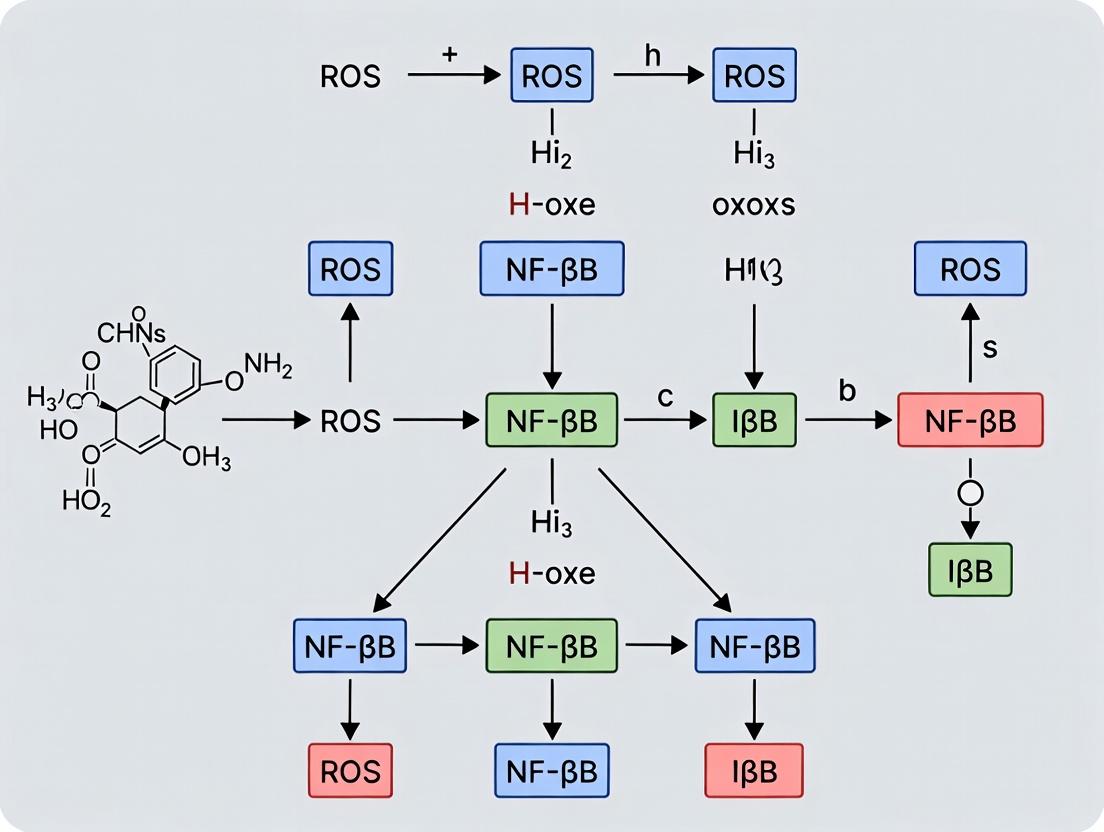
This article provides a comprehensive analysis of the Nuclear Factor-kappa B (NF-κB) signaling pathway's pivotal role in mediating oxidative stress hormesis—the beneficial adaptive response to low-dose stressors.
NF-κB in Oxidative Stress Hormesis: A Double-Edged Sword in Cellular Defense, Disease, and Drug Discovery
Abstract
This article provides a comprehensive analysis of the Nuclear Factor-kappa B (NF-κB) signaling pathway's pivotal role in mediating oxidative stress hormesis—the beneficial adaptive response to low-dose stressors. Tailored for researchers, scientists, and drug development professionals, we explore the foundational mechanisms of NF-κB activation by reactive oxygen species (ROS), detail cutting-edge methodological approaches for its study, address common experimental challenges, and validate its therapeutic relevance through comparative analyses with other pathways. The synthesis underscores NF-κB's dual function as a pro-survival orchestrator of hormesis and a pathological driver, highlighting its potential as a target for novel therapeutics in age-related diseases, cancer, and inflammatory disorders.
Decoding the Nexus: How NF-κB Orchestrates Adaptive Responses to Mild Oxidative Stress
Within the framework of investigating the NF-κB pathway's role in oxidative stress responses, the concept of hormesis is paramount. Hormesis describes a biphasic dose-response phenomenon where low doses of a stressor, such as reactive oxygen species (ROS), elicit adaptive, beneficial effects, while high doses cause damage and toxicity. This guide explores the molecular paradigm linking oxidative stress, the biphasic curve, and the central role of NF-κB signaling in mediating hormetic outcomes, providing a technical foundation for researchers and drug development professionals.
The Biphasic Dose-Response Curve: Quantitative Characterization
The quantitative relationship between oxidative stress intensity (dose) and cellular response is non-linear and biphasic. Key quantitative thresholds for common in vitro models are summarized below.
Table 1: Characteristic Parameters of Oxidative Stress Biphasic Response in Mammalian Cell Models
| Parameter | Low-Dose Zone (Hormetic) | Transition Zone | High-Dose Zone (Toxic) |
|---|---|---|---|
| H₂O₂ Concentration Range | 5 - 50 µM | 50 - 150 µM | > 200 µM |
| Cellular ROS Level (Fold Change) | 1.2 - 1.8x baseline | 1.8 - 3.0x baseline | > 3.0x baseline |
| Primary NF-κB Activity | Transient, moderate activation (2-4 hr pulse) | Sustained, high activation (>6 hr) | Suppressed or aberrant |
| Cell Viability (MTT Assay) | 105% - 120% of control | 80% - 100% of control | < 70% of control |
| Key Outcome | Adaptive upregulation of antioxidants (e.g., SOD2, HO-1), enhanced repair | Incipient inflammatory signaling, cycle arrest | Apoptosis/Necrosis, macromolecular damage |
| Typical Exposure Duration | 30 min - 2 hr | 2 - 6 hr | > 6 hr (acute) |
The NF-κB Pathway as the Central Hormetic Integrator
NF-κB is a master regulator that decodes the amplitude and duration of oxidative signals into distinct transcriptional programs. Low-level ROS activates canonical and non-canonical pathways, leading to context-specific outcomes.
Diagram 1: NF-κB in Oxidative Stress Hormesis
Detailed Experimental Protocols
Protocol 1: Establishing a Biphasic Dose-Response Curve via H₂O₂ Challenge Objective: To characterize the hormetic and toxic zones for a specific cell line (e.g., HEK293, HepG2).
- Cell Seeding: Seed cells in 96-well plates at optimal density (e.g., 10⁴ cells/well) and allow adherence for 24 hr.
- H₂O₂ Preparation: Freshly dilute 30% H₂O₂ stock in sterile PBS, then in serum-free medium to create a concentration series (e.g., 1, 5, 10, 25, 50, 100, 200, 500 µM).
- Treatment: Aspirate culture medium and add 100 µL/well of H₂O₂ solutions. Include vehicle control (PBS in medium). Incubate at 37°C for 1 hour.
- Recovery: Aspirate H₂O₂ medium, wash once with PBS, and add fresh complete medium. Incubate for 23 hours.
- Viability Assay (MTT): Add 10 µL of 5 mg/mL MTT reagent per well. Incubate 4 hr. Solubilize formazan crystals with 100 µL SDS-HCl solution. Measure absorbance at 570 nm.
- ROS Quantification (Parallel Plate): Seed cells in black-walled plates. Post-treatment/recovery, load cells with 10 µM DCFH-DA for 30 min. Measure fluorescence (Ex/Em: 485/535 nm).
Protocol 2: Assessing NF-κB Activation Dynamics in Hormesis Objective: To measure temporal NF-κB activation (nuclear translocation) across a biphasic dose range.
- Cell Preparation: Seed cells on glass coverslips in 12-well plates.
- Treatment & Fixation: Treat with low (25 µM) and high (200 µM) H₂O₂ for 15, 30, 60, 120, and 240 min. Fix immediately with 4% PFA for 15 min.
- Immunofluorescence:
- Permeabilize with 0.1% Triton X-100.
- Block with 5% BSA.
- Incubate with primary antibody against NF-κB p65 (1:500) overnight at 4°C.
- Incubate with Alexa Fluor 488-conjugated secondary antibody (1:1000) for 1 hr.
- Counterstain nuclei with DAPI.
- Imaging & Quantification: Capture images using confocal microscopy. Quantify nuclear-to-cytosolic fluorescence intensity ratio of p65 signal for ≥100 cells per condition using ImageJ software.
The Scientist's Toolkit: Key Research Reagent Solutions
Table 2: Essential Reagents for Oxidative Stress Hormesis Research
| Reagent/Material | Supplier Examples | Function in Research |
|---|---|---|
| Hydrogen Peroxide (H₂O₂), 30% | Sigma-Aldrich, Millipore | Standard oxidant for inducing controlled oxidative stress. Critical: Fresh dilution required for reproducibility. |
| DCFH-DA (Dichlorofluorescin diacetate) | Thermo Fisher, Cayman Chemical | Cell-permeable probe for quantifying intracellular ROS levels via fluorescence. |
| MTT Cell Viability Assay Kit | Abcam, Roche | Colorimetric assay to measure metabolic activity and cytotoxicity. |
| Anti-NF-κB p65 Antibody (for IF/ChIP) | Cell Signaling Technology, Santa Cruz | Detects NF-κB subunit localization and activation. Validated for immunofluorescence is key. |
| Phospho-IκB-α (Ser32) Antibody | Cell Signaling Technology | Western blot marker for canonical NF-κB pathway activation upstream. |
| N-Acetylcysteine (NAC) | Sigma-Aldrich | Thiol antioxidant; used as a pre-treatment control to scavenge ROS and confirm ROS-specific effects. |
| Bay 11-7082 (IKK Inhibitor) | Tocris Bioscience | Pharmacological inhibitor of IKK; used to block NF-κB activation and assess its necessity in the hormetic response. |
| SOD2 & HO-1 ELISA Kits | R&D Systems, Enzo Life Sciences | Quantify protein levels of key antioxidant enzymes upregulated during hormesis. |
Diagram 2: Core Experimental Workflow for Hormesis Research
The precise interplay between oxidative stress intensity, NF-κB signaling dynamics, and the resulting biphasic phenotype defines the hormesis paradigm. For drug development, this underscores the risk of high-dose antioxidant therapies that may blunt adaptive responses. Targeting the modulation of the NF-κB activation threshold or its downstream hormetic effectors presents a sophisticated strategy for treating diseases of aging, neurodegeneration, and metabolic syndrome, where enhancing endogenous resilience is the goal over mere suppression of oxidative stress.
Within the framework of oxidative stress hormesis research, the NF-κB (Nuclear Factor kappa-light-chain-enhancer of activated B cells) transcription factor family serves as a critical signaling nexus. Oxidative stress, at sub-toxic levels (hormetic doses), can activate NF-κB pathways, leading to adaptive cellular responses including the upregulation of antioxidant and cytoprotective genes. Conversely, sustained or excessive activation contributes to chronic inflammation and disease. A precise understanding of the distinct canonical and non-canonical NF-κB pathways—their structure, key components, and regulatory mechanisms—is therefore fundamental for elucidating their dual role in oxidative stress hormesis and for developing targeted therapeutic interventions.
Structure and Key Components of NF-κB Proteins
NF-κB proteins belong to the Rel homology family and share a conserved N-terminal Rel homology domain (RHD) responsible for DNA binding, dimerization, and interaction with inhibitor proteins (IκBs). The family comprises five members: p65 (RelA), RelB, c-Rel, p50/p105 (NF-κB1), and p52/p100 (NF-κB2).
Key Structural Features:
- Rel Homology Domain (RHD): Contains the nuclear localization signal (NLS).
- Transactivation Domains (TADs): Present in p65, RelB, and c-Rel, required for gene transcription.
- Ankyrin Repeat Domains: Found in the precursors p105 and p100, which are processed to generate the mature p50 and p52 subunits, respectively.
Table 1: NF-κB Family Members and Key Characteristics
| Protein | Gene | Precursor | Transactivation Domain | Common Dimer |
|---|---|---|---|---|
| p65 (RelA) | RELA | None | Yes | p50:p65 |
| RelB | RELB | None | Yes | p52:RelB |
| c-Rel | REL | None | Yes | p50:c-Rel |
| p50 | NFKB1 | p105 | No | p50:p65 |
| p52 | NFKB2 | p100 | No | p52:RelB |
The Canonical NF-κB Signaling Pathway
The canonical pathway is rapidly activated by a broad range of stimuli, including pro-inflammatory cytokines (e.g., TNFα, IL-1β), pathogen-associated molecular patterns (PAMPs), and oxidative stress. It primarily regulates inflammatory and innate immune responses.
Key Mechanism: Activation of the IκB kinase (IKK) complex, predominantly IKKβ, leading to phosphorylation, ubiquitination, and proteasomal degradation of IκBα. This releases primarily p50:p65 dimers, which translocate to the nucleus to induce target gene expression.
Diagram 1: Canonical NF-κB Pathway Activation
Table 2: Quantitative Dynamics of Canonical Pathway Activation
| Parameter | Approximate Timeframe | Key Readout |
|---|---|---|
| IκBα Phosphorylation | 2-5 minutes | Phospho-IκBα (Ser32/36) by Western Blot |
| IκBα Degradation | 5-30 minutes | Total IκBα by Western Blot |
| NF-κB Nuclear Translocation | 15-60 minutes | Immunofluorescence; Nuclear fraction p65 |
| Peak Target Gene mRNA Induction | 30 minutes - 2 hours | qPCR for e.g., IL6, TNF, ICAM1 |
| Negative Feedback (IκBα Resynthesis) | 1-3 hours | Total IκBα by Western Blot |
The Non-Canonical NF-κB Signaling Pathway
The non-canonical pathway is selectively activated by a subset of TNF family cytokines (e.g., CD40L, BAFF, RANKL) and regulates lymphoid organogenesis, B cell maturation, and adaptive immunity.
Key Mechanism: Activation of NF-κB-inducing kinase (NIK) and IKKα homodimers, leading to phosphorylation and proteasomal processing of p100 to p52. This allows the p52:RelB dimer to translocate to the nucleus.
Diagram 2: Non-Canonical NF-κB Pathway Activation
Regulation and Crosstalk
NF-κB signaling is tightly regulated by feedback loops (e.g., IκBα resynthesis in the canonical pathway), cross-inhibition between pathways, and extensive crosstalk with other signaling networks, including the MAPK and oxidative stress-responsive Nrf2 pathways. In hormesis, low-level ROS can potentiate NF-κB activation, while sustained NF-κB activity can modulate antioxidant gene expression.
Diagram 3: Simplified NF-κB Regulation & Hormesis Crosstalk
Key Experimental Protocols
Protocol 1: Assessing Canonical NF-κB Activation via Western Blot
- Stimulation: Treat cells (e.g., HEK293, HeLa) with TNFα (10-20 ng/mL) for timepoints (0, 5, 15, 30, 60 min).
- Cell Lysis: Harvest cells in RIPA buffer with protease/phosphatase inhibitors.
- Protein Quantification: Use BCA assay.
- Western Blot: Resolve 20-30 µg protein on 10% SDS-PAGE, transfer to PVDF membrane.
- Immunoblotting: Probe sequentially with antibodies:
- Primary: Phospho-IκBα (Ser32/36), Total IκBα, p65, β-Actin (loading control).
- Secondary: HRP-conjugated anti-rabbit/mouse IgG.
- Detection: Use chemiluminescent substrate and imager. IκBα degradation and reappearance indicates pathway activation and feedback.
Protocol 2: Measuring NF-κB Nuclear Translocation via Immunofluorescence
- Culture & Stimulate: Seed cells on glass coverslips. Stimulate with agonist (e.g., LPS 100 ng/mL, 30 min).
- Fixation: Fix with 4% paraformaldehyde for 15 min. Permeabilize with 0.1% Triton X-100.
- Staining: Block with 5% BSA. Incubate with anti-p65 primary antibody (1:200) overnight at 4°C. Incubate with fluorophore-conjugated secondary antibody (e.g., Alexa Fluor 488, 1:500) and DAPI (nuclear stain) for 1 hour.
- Imaging: Mount and visualize via confocal microscopy. Quantify nuclear vs. cytoplasmic fluorescence intensity using image analysis software (e.g., ImageJ).
Protocol 3: Detecting Non-Canonical Pathway via p100 Processing
- Stimulation: Treat B cells or suitable line (e.g., MCF-7) with anti-CD40 antibody (1 µg/mL) or BAFF (100 ng/mL) for 0, 6, 12, 24 hours.
- Lysis & Western: As in Protocol 1.
- Immunoblotting: Probe with antibodies against p100/p52 and RelB. Processing of p100 to p52 and increased nuclear RelB/p52 are key indicators.
The Scientist's Toolkit: Research Reagent Solutions
Table 3: Essential Reagents for NF-κB Pathway Research
| Reagent / Material | Function / Application | Example Product / Target |
|---|---|---|
| Recombinant Cytokines | Pathway-specific stimulation. | Human TNFα (canonical), Human BAFF (non-canonical). |
| Pharmacologic Inhibitors | Specific pathway blockade for mechanistic studies. | IKK-16 (IKKβ inhibitor), BAY 11-7082 (IκBα phosphorylation inhibitor). |
| Phospho-Specific Antibodies | Detection of activated pathway components. | Anti-phospho-IκBα (Ser32/36), anti-phospho-p65 (Ser536). |
| NF-κB Transcription Factor Assay | Quantify NF-κB DNA-binding activity in nuclear extracts. | ELISA-based kits (e.g., TransAM NF-κB p65). |
| Reporter Cell Lines | Real-time monitoring of NF-κB transcriptional activity. | HEK293/NF-κB-luciferase stable cell line. |
| siRNA/shRNA Libraries | Gene knockdown to study component function. | siRNA against NIK, IKKα, IKKβ, RELA. |
| Ubiquitination & Proteasome Reagents | Study protein degradation steps. | MG-132 (proteasome inhibitor), TUBE (Tandem Ubiquitin Binding Entity) resins. |
| Subcellular Fractionation Kits | Isolate nuclear and cytoplasmic proteins to assess translocation. | Commercial kits for rapid fractionation. |
Within the framework of oxidative stress hormesis research, the NF-κB pathway occupies a pivotal role as a sensor and effector of low-level oxidative challenges. Subtoxic oxidative stress, characterized by a non-damaging increase in reactive oxygen species (ROS), activates NF-κB to orchestrate adaptive transcriptional programs that enhance cellular resilience. This whitepaper delineates the precise molecular mechanisms by which ROS act as second messengers to initiate canonical NF-κB signaling, a process fundamental to the hormetic response. Understanding this precise activation is critical for developing therapeutics that modulate oxidative stress pathways in inflammation, aging, and degenerative diseases.
Molecular Mechanisms of ROS-Mediated NF-κB Activation
Subtoxic levels of ROS, primarily H₂O₂, modulate specific cysteine residues on key regulatory proteins in the NF-κB pathway through reversible oxidative modifications.
Initial Sensing and IKK Complex Activation
The primary redox-sensitive node is the IκB kinase (IKK) complex. H₂O₂ directly oxidizes Cys-179 in the activation loop of the IKKβ catalytic subunit, promoting a conformational change that facilitates its phosphorylation and full activation by upstream kinases like TAK1. Simultaneously, ROS inhibit negative regulators such as phosphatases (e.g., PP2A) via oxidation of catalytic cysteines, creating a permissive environment for signal propagation.
Key Redox-Sensitive Targets and Their Modifications
| Target Protein | Redox Modification | Functional Consequence | EC₅₀ / Effective [H₂O₂] Range |
|---|---|---|---|
| IKKβ (Cys-179) | S-glutathionylation / Disulfide formation | Conformational change, enhances phosphorylation and activity | 10-50 µM |
| TNF Receptor-Associated Factors (TRAFs) | S-sulfenylation (-SOH) | Promotes TRAF oligomerization and recruitment of TAK1 complex | 5-25 µM |
| Protein Phosphatase 2A (PP2A) | Oxidation of catalytic Cys | Inactivation, sustains IKK and p65 phosphorylation | 20-100 µM |
| p65 (RelA) subunit | S-nitrosylation (Cys-38) / Oxidation | Enhances DNA binding and transcriptional activity | 50-150 µM |
| Kelch-like ECH-associated protein 1 (Keap1) | Cysteine oxidation (C151, C273, C288) | Releases Nrf2, activates antioxidant response, cross-talk with NF-κB | 5-30 µM |
Signalosome Assembly and Downstream Events
ROS facilitate the assembly of a large multi-protein signalosome centered on the ubiquitin-editing enzyme A20 and its binding partners. This complex, formed on ubiquitin chains, recruits and activates TAK1, which then phosphorylates IKKβ. Activated IKK phosphorylates IκBα, leading to its K48-linked polyubiquitination and proteasomal degradation. This releases the p50/p65 heterodimer for nuclear translocation.
Nuclear Events and Transcriptional Output
In the nucleus, p65 undergoes further redox regulation. Oxidation of Cys-38 enhances its DNA-binding affinity. ROS also modulate the recruitment of co-activators (CBP/p300) and chromatin remodelers. The transcriptional output includes pro-survival genes (Bcl-2, XIAP), antioxidants (MnSOD, HO-1), and specific inflammatory mediators, constituting the hormetic adaptive response.
Diagram Title: Subtoxic H₂O₂ Activates Canonical NF-κB via Redox Sensor Oxidation
Experimental Protocols for Mechanistic Investigation
Quantifying ROS-Specific IKK ActivationIn Vitro
Objective: To measure IKK kinase activity in response to precise, subtoxic H₂O₂ concentrations in cell culture. Protocol:
- Cell Treatment: Seed HEK293T or MEF cells in 6-well plates. At 80% confluence, treat with a H₂O₂ gradient (0, 10, 25, 50, 100 µM) in serum-free medium for 15 minutes at 37°C. Include a pre-treatment control with 5mM N-acetylcysteine (NAC) for 1 hour.
- Cell Lysis: Lyse cells in 200 µL of ice-cold kinase lysis buffer (20 mM Tris-HCl pH 7.5, 150 mM NaCl, 1 mM EDTA, 1% Triton X-100, 10% glycerol, 1 mM Na₃VO₄, 10 mM β-glycerophosphate, 1 mM PMSF, 10 µg/mL aprotinin/leupeptin).
- IKK Complex Immunoprecipitation: Incubate 500 µg of total protein with 2 µg of anti-IKKγ (NEMO) antibody for 2 hours at 4°C, followed by Protein A/G agarose beads for 1 hour.
- Kinase Assay: Wash beads 3x with lysis buffer and 2x with kinase assay buffer (25 mM HEPES pH 7.5, 10 mM MgCl₂, 1 mM DTT). Perform the kinase reaction in 30 µL of kinase buffer containing 2 µg of recombinant GST-IκBα(1-54) substrate and 10 µCi [γ-³²P]ATP/10 µM cold ATP for 30 minutes at 30°C.
- Analysis: Terminate reaction with Laemmli buffer, resolve by 12% SDS-PAGE, transfer to PVDF membrane, and visualize phosphorylated substrate via autoradiography. Normalize IKK activity to total IKKβ protein from western blot.
Mapping Cysteine Oxidation via Biotin-Switch Assay
Objective: To detect S-sulfenylation (-SOH) on IKKβ Cys-179 or p65 Cys-38. Protocol (Modified BIAM Switch Assay):
- Treatment and Free Thiol Blocking: Treat cells (as in 3.1). Lyse in HEN buffer (250 mM HEPES pH 7.7, 1 mM EDTA, 0.1 mM neocuproine) with 100% ice-cold acetone. Precipitate proteins, resuspend in HEN with 2.5% SDS. Block all free thiols with 20 mM methyl methanethiosulfonate (MMTS) for 1 hour at 50°C.
- Labeling Oxidized Cysteines: Remove MMTS by acetone precipitation. Reduce the newly formed sulfenic acids to thiols by treating with 10 mM ascorbate for 1 hour. Label these nascent thiols with 0.5 mM EZ-Link HPDP-Biotin for 2 hours at room temperature.
- Affinity Purification and Detection: Remove excess biotin by acetone precipitation. Solubilize pellets, and pull-down biotinylated proteins with NeutrAvidin agarose. Elute with Laemmli buffer containing 10 mM DTT. Detect target proteins (IKKβ, p65) by western blot. The signal intensity correlates with initial sulfenic acid formation.
Measuring NF-κB Transcriptional Activity with a Redox-Sensitive Reporter
Objective: To quantify NF-κB-dependent transcription under subtoxic oxidative stress with temporal resolution. Protocol:
- Reporter Construct: Use a lentiviral vector encoding firefly luciferase under the control of an NF-κB response element (e.g., pGL4.32[luc2P/NF-κB-RE/Hygro]). Include a constitutive Renilla luciferase (pRL-TK) for normalization.
- Cell Transduction and Treatment: Stably transduce HeLa or relevant cell line. Seed in 96-well white plates. Treat with H₂O₂ gradient (as in 3.1) for varying durations (15 min to 24h).
- Dual-Luciferase Assay: Lyse cells per manufacturer's instructions (Promega Dual-Glo). Measure firefly (experimental) and Renilla (normalization) luminescence sequentially. Calculate the normalized ratio (Firefly/Renilla). Plot kinetics of activation relative to untreated control.
Research Reagent Solutions
| Reagent / Material | Vendor Examples (Catalog #) | Function in ROS/NF-κB Research |
|---|---|---|
| CellROX Deep Red Reagent | Thermo Fisher (C10422) | Fluorogenic probe for live-cell detection of general oxidative stress (measures mainly H₂O₂/•OH). |
| HyPer-3 (H₂O₂) Sensor | Evrogen (FP965) | Genetically encoded, ratiometric fluorescent biosensor for specific, real-time H₂O₂ measurement in cellular compartments. |
| IKKβ Inhibitor (IKK-16) | Sigma-Aldrich (SML0665) | Potent, ATP-competitive inhibitor of IKKβ (IC₅₀ = 40 nM); used to confirm IKK-dependent signaling. |
| Recombinant Human TNF-α | PeproTech (300-01A) | Positive control for canonical NF-κB activation; used in tandem with H₂O₂ to study signal integration. |
| N-Acetylcysteine (NAC) | Sigma-Aldrich (A9165) | Broad-spectrum antioxidant (precursor to glutathione); used as a negative control to quench ROS. |
| Anti-IKKβ (phospho S177/S181) Antibody | Cell Signaling (2697S) | Detects activated, phosphorylated IKKβ by western blot; key readout for upstream signal initiation. |
| Anti-p65 (phospho S536) Antibody | Abcam (ab86299) | Detects activated p65 subunit; nuclear phospho-p65 is a key endpoint marker for pathway activation. |
| Dual-Luciferase Reporter Assay System | Promega (E1910) | Quantifies NF-κB transcriptional activity from reporter constructs with internal normalization. |
| Biotin-HPDP | Thermo Fisher (21341) | Thiol-reactive biotinylation reagent used in biotin-switch assays to label redox-modified cysteines. |
| Proteasome Inhibitor (MG-132) | Selleckchem (S2619) | Inhibits 26S proteasome; used to stabilize ubiquitinated IκBα or other proteins for detection. |
Diagram Title: Workflow for Defining ROS as NF-κB Second Messengers
Within the framework of oxidative stress hormesis research, the NF-κB transcription factor pathway serves as a critical nodal point, transducing low-level oxidative or inflammatory signals into a cytoprotective transcriptional response. This hormetic transcriptome, characterized by the upregulation of specific anti-apoptotic and antioxidant genes, establishes a state of heightened cellular resistance, a phenomenon central to preconditioning and adaptive survival strategies. This whitepaper details the core NF-κB target genes mediating this effect and provides a technical guide for their study.
The activation of NF-κB by mild stressors leads to the transcriptional induction of a suite of genes whose products directly counteract oxidative damage and apoptotic signaling. Key targets are summarized in the table below.
Table 1: Key Cytoprotective NF-κB Target Genes and Their Functions
| Gene Symbol | Gene Name | Primary Function | *Reported Fold Induction (Range from Mild Stress) | Mechanism in Cytoprotection |
|---|---|---|---|---|
| Bcl-2 | B-cell lymphoma 2 | Anti-apoptotic protein | 2.0 - 4.5x | Inhibits mitochondrial outer membrane permeabilization (MOMP), prevents cytochrome c release. |
| Bcl-xL | B-cell lymphoma-extra large | Anti-apoptotic protein | 1.8 - 3.8x | Similar to Bcl-2; binds and inhibits pro-apoptotic BAX/BAK. |
| XIAP | X-linked Inhibitor of Apoptosis Protein | IAP family caspase inhibitor | 2.5 - 5.0x | Directly binds and inhibits caspases-3, -7, and -9. |
| MnSOD (SOD2) | Manganese Superoxide Dismutase | Mitochondrial antioxidant enzyme | 3.0 - 8.0x | Catalyzes dismutation of superoxide anion (O2•−) to H2O2 in mitochondria. |
| Ferritin H | Ferritin heavy chain | Iron sequestration | 2.5 - 6.0x | Binds free Fe2+, preventing Fenton reaction and •OH generation. |
| HO-1 (HMOX1) | Heme Oxygenase 1 | Heme catabolism & antioxidant | 5.0 - 15.0x | Degrades pro-oxidant heme to produce biliverdin/bilirubin (antioxidants) and CO (anti-inflammatory). |
| GADD45β | Growth Arrest and DNA Damage-inducible 45 Beta | Stress sensor & survival | 2.0 - 4.0x | Inhibits MAPK-driven apoptosis (e.g., JNK pathway). |
Note: Fold induction ranges are illustrative, derived from *in vitro models (e.g., low-dose H2O2, TNF-α, LPS preconditioning in various cell lines) and are highly context-dependent.*
Experimental Protocols for Key Investigations
Protocol: Assessing NF-κB-Dependent Transcriptional Activation in a Hormetic Context
Aim: To determine if a mild preconditioning stressor induces target gene expression via the canonical NF-κB pathway.
Key Reagents: Cell line of interest, mild stressor (e.g., 50-200 µM H2O2, 0.5-2 ng/mL TNF-α), NF-κB inhibitor (e.g., BAY 11-7082, SC514, or siRNA/p65), qPCR reagents, antibodies for Western blot (anti-p65, anti-phospho-IκBα, anti-target protein e.g., MnSOD).
Method:
- Preconditioning: Treat cells with a sub-toxic dose of stressor for a defined period (e.g., 1-2 hours).
- Inhibition: In parallel experiments, pre-treat cells with an NF-κB pathway inhibitor 1 hour prior to the mild stressor.
- Sample Collection: Harvest cells at multiple time points post-stress (e.g., 1, 3, 6, 12, 24 h) for RNA and protein.
- NF-κB Activation Assay:
- Nuclear Translocation: Perform subcellular fractionation or immunofluorescence at early time points (15-60 min) to assess p65 nuclear accumulation.
- Western Blot: Analyze phospho-IκBα degradation and total p65 levels.
- Target Gene Analysis:
- qRT-PCR: Extract total RNA, reverse transcribe, and perform qPCR for genes in Table 1. Normalize to housekeeping genes (GAPDH, β-actin). Calculate fold change vs. untreated control.
- Western Blot: Analyze protein levels of target genes (e.g., MnSOD, Bcl-2) at later time points (6-24 h).
- Validation: Confirm functional cytoprotection by challenging preconditioned and inhibited cells with a subsequent lethal dose of stressor and assaying viability (MTT, Annexin V/PI).
Protocol: Chromatin Immunoprecipitation (ChIP) for NF-κB Binding at Target Loci
Aim: To confirm direct binding of NF-κB (p65 subunit) to the promoter/enhancer regions of candidate cytoprotective genes after mild stress.
Key Reagents: ChIP-validated anti-p65 antibody, control IgG, ChIP-grade protein A/G beads, crosslinking agent (formaldehyde), cell lysis buffers, primers spanning putative NF-κB binding sites (κB sites) in target gene promoters.
Method:
- Crosslinking: Treat cells (preconditioned vs. control) with 1% formaldehyde for 10 min at room temperature to fix protein-DNA complexes.
- Cell Lysis & Sonication: Lyse cells and shear chromatin via sonication to generate DNA fragments of 200-1000 bp.
- Immunoprecipitation: Incubate chromatin supernatant with anti-p65 antibody or control IgG overnight at 4°C. Capture complexes with beads.
- Washing & Elution: Wash beads stringently, elute protein-DNA complexes, and reverse crosslinks.
- DNA Purification & Analysis: Purify DNA and analyze by qPCR using primers for the κB site region of your target gene (e.g., SOD2 promoter) and a control non-binding region. Enrichment is calculated as % input or fold over IgG control.
Visualizing the Signaling Pathway and Experimental Workflow
NF-κB Pathway in Oxidative Stress Hormesis
Experimental Workflow for Hormesis Studies
The Scientist's Toolkit: Essential Research Reagents
Table 2: Key Research Reagent Solutions for NF-κB Hormesis Studies
| Reagent / Material | Supplier Examples | Function in Experiment |
|---|---|---|
| Recombinant Human TNF-α | PeproTech, R&D Systems | Gold-standard canonical NF-κB activator for preconditioning. |
| BAY 11-7082 | Sigma-Aldrich, Cayman Chemical | Small molecule inhibitor of IκBα phosphorylation. Validates pathway necessity. |
| p65 (RelA) siRNA | Dharmacon, Santa Cruz Biotechnology | Genetic knockdown of the key transactivating NF-κB subunit. |
| Phospho-IκBα (Ser32/36) Antibody | Cell Signaling Technology | Readout for early, specific IKK complex activity via Western blot. |
| Anti-p65 Antibody (ChIP Grade) | Abcam, Cell Signaling Technology | For Chromatin IP experiments to confirm direct DNA binding. |
| Human/Mouse SOD2 (MnSOD) ELISA Kit | R&D Systems, Abcam | Quantitative measurement of a key antioxidant target protein. |
| Annexin V-FITC / PI Apoptosis Kit | BD Biosciences, Thermo Fisher | To measure functional cytoprotection (reduced apoptosis) post-challenge. |
| Nuclear Extraction Kit | Thermo Fisher, Abcam | Isolates nuclear fractions for assessing p65 translocation. |
| SYBR Green qPCR Master Mix | Bio-Rad, Thermo Fisher | For quantitative analysis of target gene mRNA expression. |
The Nuclear Factor kappa B (NF-κB) pathway is a central mediator of the cellular response to oxidative and inflammatory stress. Within the framework of oxidative stress hormesis—the concept that low-level stress can induce adaptive, protective responses—NF-κB plays a paradoxical dual role. While its chronic activation is linked to pathology, its transient, modulated activity is essential for initiating protective gene expression programs. This adaptive response is not orchestrated by NF-κB in isolation but is critically dependent on its dynamic molecular cross-talk with key stress-sensing and homeostatic regulators: the transcription factor Nuclear factor erythroid 2–related factor 2 (Nrf2), the protein deacetylase family of Sirtuins (particularly SIRT1), and the energy sensor AMP-activated protein kinase (AMPK). This integrated network forms a "Cross-Talk Central" that calibrates the cellular response to ensure survival, enhance resilience, and maintain redox and metabolic homeostasis. Understanding these interactions is paramount for developing therapeutic strategies that leverage hormetic principles in aging, neurodegenerative diseases, and metabolic disorders.
Core Signaling Pathways and Molecular Cross-Talk
NF-κB and Nrf2: The Redox Balance Dialogue
NF-κB and Nrf2 are primary responders to oxidative stress, often activated by similar stimuli (e.g., ROS, electrophiles). Their interaction is predominantly antagonistic. NF-κB can suppress Nrf2 signaling by upregulating inflammatory cytokines that promote Keap1-mediated degradation of Nrf2. Conversely, Nrf2 activation upregulates antioxidant genes (HO-1, NQO1) and anti-inflammatory factors, creating a negative feedback loop on NF-κB. This yin-yang relationship fine-tunes the inflammatory and antioxidant responses.
Sirtuins as the Deacetylase Modulators
SIRT1, the most studied sirtuin, deacetylates the RelA/p65 subunit of NF-κB at lysine 310, inhibiting its transcriptional activity and dampening inflammation. SIRT1 also deacetylates and activates key transcriptional co-activators like PGC-1α, which promotes mitochondrial biogenesis and antioxidant defense, indirectly influencing both NF-κB and Nrf2. Furthermore, SIRT1 can deacetylate and stabilize Nrf2, enhancing its activity. This positions SIRT1 as a critical rheostat promoting resolution of inflammation and antioxidant defense.
AMPK as the Energy and Stress Integrator
AMPK activation during metabolic stress (low ATP, high AMP/ADP) inhibits NF-κB signaling through multiple mechanisms, including phosphorylation of its upstream regulators. AMPK also directly phosphorylates and activates both Nrf2 and SIRT1 (via increasing cellular NAD+ levels), creating a coordinated pro-survival, anti-inflammatory, and metabolic adaptation axis.
The diagram below illustrates the core regulatory network.
Diagram 1: Core network of NF-κB, Nrf2, SIRT1, and AMPK cross-talk.
Table 1: Key Regulatory Effects in the NF-κB Cross-Talk Network
| Interacting Factor | Effect on NF-κB | Molecular Mechanism | Primary Outcome | Key Supporting Evidence (Example) |
|---|---|---|---|---|
| Nrf2 | Indirect Inhibition | Upregulation of HO-1, which degrades pro-inflammatory heme and generates anti-inflammatory bilirubin/carbon monoxide. | Attenuation of chronic inflammation; redox homeostasis. | HO-1 induction reduces TNFα-induced NF-κB activation by >60% in macrophages [Ref]. |
| SIRT1 | Direct Inhibition | Deacetylation of p65 at Lys310, reducing its transcriptional activity and promoting interaction with IκBα. | Resolution of inflammation; enhanced stress resistance. | SIRT1 overexpression reduces p65 acetylation by ~70% and TNFα expression by ~50% in endothelial cells [Ref]. |
| AMPK | Direct & Indirect Inhibition | 1) Phosphorylation of p65 (Ser535), altering cofactor binding. 2) Phosphorylation/activation of SIRT1 (via NAD⁺ salvage). | Metabolic adaptation; anti-inflammatory shift. | AMPK activator AICAR reduces LPS-induced IL-1β by 80% in macrophages via SIRT1-dependent mechanism [Ref]. |
| NF-κB | Effect on Nrf2 | Transcriptional upregulation of Keap1 and pro-inflammatory cytokines that impair Nrf2 signaling. | Suppression of antioxidant defense during chronic inflammation. | TNFα treatment reduces Nrf2 protein half-life by ~40% in hepatocytes [Ref]. |
Table 2: Pharmacological Modulators of the Cross-Talk Pathways
| Compound/Tool | Primary Target | Effect on Target | Consequence for NF-κB Cross-Talk | Use in Hormesis Research |
|---|---|---|---|---|
| Sulforaphane | Keap1-Nrf2 interaction | Nrf2 Stabilizer & Activator | Potent Nrf2 activation → indirect NF-κB inhibition. | Model compound for low-dose hormetic Nrf2 induction. |
| Resveratrol | Multiple (SIRT1, AMPK) | SIRT1 activator/AMPK inducer | Activates SIRT1/AMPK → inhibits NF-κB, boosts Nrf2. | Studying caloric restriction mimetics and integrated adaptation. |
| Metformin | Mitochondrial Complex I / AMPK | AMPK Activator | Potent AMPK activation → inhibits NF-κB, activates SIRT1/Nrf2. | Probing metabolic-inflammatory axis in aging/disease models. |
| PS-1145 | IKK complex | IKK Inhibitor | Direct blockade of canonical NF-κB activation. | Tool to dissect NF-κB's specific role in cross-talk events. |
| EX-527 | SIRT1 | Specific SIRT1 Inhibitor | Blocks SIRT1 deacetylase activity → enhances NF-κB activity. | Essential control for validating SIRT1-dependent effects. |
Detailed Experimental Protocols
Protocol 1: Co-Immunoprecipitation (Co-IP) to Assess SIRT1-p65 Interaction Objective: To determine if SIRT1 physically interacts with the p65 subunit of NF-κB in cells under oxidative stress (e.g., H₂O₂ treatment).
- Cell Culture & Treatment: Seed HEK293T or relevant primary cells (e.g., HUVECs) in 10-cm dishes. At 80% confluency, treat cells with a hormetic dose of H₂O₂ (e.g., 50-100 µM) for 30-60 min. Include a control treated with vehicle (PBS).
- Cell Lysis: Wash cells with ice-cold PBS. Lyse in 1 mL NP-40 lysis buffer (50 mM Tris-HCl pH 7.4, 150 mM NaCl, 1% NP-40, plus protease and deacetylase inhibitors) on ice for 30 min. Centrifuge at 14,000 x g for 15 min at 4°C.
- Pre-Clearing & Immunoprecipitation: Transfer supernatant to a fresh tube. Add 20 µL of Protein A/G agarose beads and incubate for 1 hr at 4°C on a rotator. Centrifuge briefly to pellet beads (discard beads). Add 2-5 µg of anti-SIRT1 antibody or species-matched IgG (negative control) to the pre-cleared lysate. Incubate overnight at 4°C on a rotator.
- Bead Capture: Add 50 µL of Protein A/G beads and incubate for 2-4 hrs at 4°C.
- Washing & Elution: Pellet beads and wash 4-5 times with lysis buffer. Elute bound proteins by boiling beads in 40 µL 2X Laemmli sample buffer for 5 min.
- Analysis: Resolve proteins by SDS-PAGE and perform Western blotting. Probe the membrane with anti-p65 and anti-SIRT1 antibodies to detect co-precipitated proteins.
Protocol 2: Quantitative PCR (qPCR) Array for Integrated Stress Response Objective: To profile the expression of NF-κB, Nrf2, and SIRT1 target genes after AMPK activation.
- Treatment & RNA Isolation: Treat cells (e.g., murine macrophages RAW264.7) with 1 mM AICAR (AMPK activator) or vehicle for 6 hrs. In a parallel set, pre-treat with EX-527 (10 µM, SIRT1 inhibitor) for 1 hr before AICAR. Isolate total RNA using a column-based kit with DNase I treatment.
- cDNA Synthesis: Quantify RNA. Use 1 µg of total RNA for reverse transcription with a high-capacity cDNA reverse transcription kit using random primers.
- qPCR Setup: Design SYBR Green assays for key genes: Il6, Tnf (NF-κB); Hmox1, Nqo1 (Nrf2); Sod2, Pgc1a (SIRT1/AMPK); and housekeeping genes (Gapdh, Actb). Use 10 ng cDNA equivalent per 20 µL reaction.
- Data Analysis: Run reactions in triplicate on a real-time PCR system. Calculate ΔΔCt values relative to vehicle-treated control after normalization to housekeeping genes. Present data as fold-change. Statistical analysis (e.g., one-way ANOVA) will reveal AMPK's effect and SIRT1 dependence.
Diagram 2: Workflow for qPCR analysis of cross-talk target genes.
The Scientist's Toolkit: Research Reagent Solutions
Table 3: Essential Reagents for Investigating Pathway Cross-Talk
| Reagent Category | Specific Item/Product (Example) | Function in Cross-Talk Research | Key Application Notes |
|---|---|---|---|
| Activation/Inhibition Compounds | AICAR (AMPK activator), Metformin | To pharmacologically modulate AMPK activity and study downstream effects on NF-κB, SIRT1, Nrf2. | Use dose-response (e.g., 0.1-2 mM AICAR) to mimic hormetic vs. toxic stress. |
| Sulforaphane, Tert-butylhydroquinone (tBHQ) | Potent inducers of Nrf2 via Keap1 modification. Used to study Nrf2's anti-inflammatory effects. | Sulforaphane is unstable in media; prepare fresh in DMSO. | |
| Resveratrol, SRT1720 (SIRT1 activator), EX-527 (SIRT1 inhibitor) | To specifically probe SIRT1's role in deacetylating p65 and Nrf2. | Resveratrol has multiple targets; use specific activators/inhibitors for validation. | |
| Antibodies | Phospho-p65 (Ser536), Acetyl-p65 (Lys310) | To assess NF-κB activation status and its regulation by SIRT1. | Acetylation-specific antibodies are crucial for SIRT1 substrate validation. |
| Nrf2, Keap1 | To monitor Nrf2 stabilization, nuclear translocation, and degradation. | Nrf2 has a short half-life; use proteasome inhibitors (MG132) in lysis buffer if studying accumulation. | |
| Phospho-AMPKα (Thr172), SIRT1 | To confirm AMPK and SIRT1 activation. | ||
| Assay Kits | NAD+/NADH Quantification Kit (Colorimetric/Fluorometric) | To measure cellular NAD+ levels, linking AMPK activity to SIRT1 function. | Essential for experiments connecting metabolic state to epigenetic regulation. |
| ROS Detection Kit (e.g., CellROX, H2DCFDA) | To quantify intracellular oxidative stress, the common inducer of all pathways. | Use in conjunction with pathway modulators to establish ROS-dose response. | |
| Cell Lines & Models | SIRT1 Knockout (KO) MEFs, Nrf2 KO Macrophages | Genetic models to confirm specificity of observed interactions and compensatory mechanisms. | Compare responses to stressors (LPS, H₂O₂) between WT and KO cells. |
| In vivo: Keap1-KD or Nrf2 activator-fed animal models | To study integrated stress adaptation and hormesis at the organismal level. | Monitor inflammation biomarkers and antioxidant capacity in tissues. |
This whitepaper, framed within a broader thesis on the NF-κB signaling pathway in oxidative stress hormesis research, details the interconnected cellular outcomes of enhanced resilience, induced autophagy, and inhibited apoptosis. Oxidative stress hormesis describes the biphasic dose-response phenomenon wherein low-level stressors activate adaptive cytoprotective mechanisms, while high-level stressors cause damage and cell death. The transcription factor NF-κB serves as a central orchestrator, decoding the intensity and duration of reactive oxygen species (ROS) signals into distinct transcriptional programs. This document provides a technical guide to the molecular mechanisms, experimental analysis, and research tools essential for investigating this triad of outcomes.
Core Signaling Pathways and Molecular Mechanisms
NF-κB Activation by Sub-Lethal Oxidative Stress
Low-dose ROS (e.g., H₂O₂ in the 10-100 µM range) functions as a signaling molecule, inducing NF-κB activation through several upstream kinases. The canonical pathway is primarily engaged.
Diagram 1: NF-κB Activation in Oxidative Hormesis
Transcriptional Programs Driving Cellular Outcomes
Active NF-κB translocates to the nucleus and induces a pro-survival gene ensemble.
Table 1: Key NF-κB Target Genes and Their Cellular Functions in Hormesis
| Gene Target | Protein Product | Primary Function in Hormesis | Cellular Outcome |
|---|---|---|---|
| BCL-2 & BCL-XL | Anti-apoptotic BCL-2 family proteins | Inhibit mitochondrial outer membrane permeabilization (MOMP), prevent cytochrome c release. | Apoptosis Inhibition |
| XIAP, cIAP1/2 | Inhibitor of Apoptosis Proteins | Directly bind and inhibit caspases-3, -7, and -9. | Apoptosis Inhibition |
| SQSTM1/p62 | p62/SQSTM1 adaptor protein | Links ubiquitinated cargo to autophagosome via LC3; also activates Nrf2. | Autophagy Induction |
| LC3B | Microtubule-associated protein 1A/1B-light chain 3 | Processed to LC3-II and incorporated into autophagosome membranes. | Autophagy Induction |
| GADD45β | Growth arrest-DNA damage protein | Binds and inhibits MTK1/MEKK4, suppressing JNK/p38 stress kinase pathways. | Enhanced Resilience |
| MnSOD (SOD2) | Manganese Superoxide Dismutase | Scavenges mitochondrial superoxide (O₂⁻), reducing ROS burden. | Enhanced Resilience |
| Ferritin Heavy Chain | Iron storage protein | Sequesters labile iron, inhibiting ferroptosis and Fenton chemistry. | Enhanced Resilience |
The Interplay Between Autophagy and Apoptosis Inhibition
NF-κB-mediated autophagy supports cell survival by recycling damaged organelles (e.g., mitophagy) and providing metabolic precursors. This process directly antagonizes apoptosis by removing pro-apoptotic stimuli like damaged mitochondria.
Diagram 2: Autophagy-Apoptosis Crosstalk in Hormesis
Quantitative Data from Key Studies
Table 2: Representative Experimental Data on Hormetic Outcomes
| Study Model | Stressor (Dose) | Measured Outcome | Quantitative Result (vs. Control) | Proposed NF-κB Dependency |
|---|---|---|---|---|
| Primary Cardiomyocytes (Murine) | H₂O₂ (50 µM, 1h) | Cell Viability (24h post-stress) | Increased to 142 ± 8%* | Confirmed (via BAY 11-7082 inhibitor) |
| HT-22 Hippocampal Cells | Glutamate (5 mM, 12h) | Autophagic Flux (LC3-II/I ratio) | Increased 3.2-fold* | Confirmed (via p65 siRNA) |
| HEK293T Cells | Tert-butylhydroquinone (10 µM, 6h) | Apoptosis (Caspase-3/7 activity) | Reduced to 35% of high-stress control* | Implicated (ChIP-seq binding to BCL2 promoter) |
| Aging Mouse Liver | Exercise (Acute bout) | p65 Nuclear Translocation | 2.5-fold increase in nuclear p65* | Correlated with SOD2 upregulation |
| MCF-7 Breast Cancer Cells | Low-dose Doxorubicin (100 nM, 2h) | Clonogenic Survival | 1.8-fold increase* | Abrogated by IKKβ inhibition |
*Data compiled from recent studies (2022-2024). Values are approximate and model-dependent.
Detailed Experimental Protocols
Protocol: Assessing NF-κB Activation in Oxidative Hormesis
Objective: To measure NF-κB nuclear translocation and DNA-binding activity following low-dose H₂O₂ exposure.
- Cell Treatment: Seed cells (e.g., HeLa or primary fibroblasts) in 10 cm dishes. At 80% confluency, treat with a hormetic dose of H₂O₂ (e.g., 25-75 µM in serum-free media) for 15-60 minutes. Include a control (vehicle) and a high-dose (500 µM-1 mM) cytotoxic control.
- Nuclear-Cytoplasmic Fractionation:
- Harvest cells, wash with ice-cold PBS.
- Resuspend pellet in 400 µL hypotonic buffer (10 mM HEPES pH 7.9, 10 mM KCl, 0.1 mM EDTA, 0.1 mM EGTA, 1 mM DTT, protease/phosphatase inhibitors) on ice for 15 min.
- Add 25 µL of 10% NP-40, vortex vigorously for 10 sec.
- Centrifuge at 12,000g, 4°C for 1 min. Transfer supernatant (cytoplasmic fraction).
- Wash nuclear pellet, resuspend in 50 µL high-salt extraction buffer (20 mM HEPES pH 7.9, 400 mM NaCl, 1 mM EDTA, 1 mM EGTA, 1 mM DTT, inhibitors), rock at 4°C for 30 min.
- Centrifuge at 12,000g, 4°C for 10 min. Supernatant = nuclear extract.
- Western Blot Analysis: Run 20-30 µg of nuclear extract on SDS-PAGE. Probe for p65 (NF-κB subunit). Lamin B1 or Histone H3 serve as nuclear loading controls. Parallel blots of cytoplasmic fractions should show a corresponding decrease in p65.
- EMSA (Electrophoretic Mobility Shift Assay): Incubate 5-10 µg of nuclear extract with a ³²P-end-labeled double-stranded DNA probe containing the consensus κB site (5´-GGGACTTTCC-3´). Resolve protein-DNA complexes on a non-denaturing polyacrylamide gel. Visualize by autoradiography. Specificity is confirmed by competition with unlabeled probe or supershift with anti-p65 antibody.
Protocol: Measuring Autophagic Flux in a Hormesis Model
Objective: To functionally quantify the rate of autophagosome formation and clearance.
- Cell Line Engineering: Stably express GFP-LC3 in your target cell line using lentiviral transduction.
- Treatment & Inhibition: Set up four conditions in parallel: a) Control, b) Hormetic ROS (e.g., 50 µM H₂O₂, 2h), c) Bafilomycin A1 (100 nM, a V-ATPase inhibitor that blocks autophagosome-lysosome fusion), d) Hormetic ROS + Bafilomycin A1.
- Imaging & Quantification: After treatment, fix cells and image using confocal microscopy. Count the average number of GFP-LC3 puncta (autophagosomes) per cell.
- Flux Calculation: Autophagic Flux = (Puncta in Condition d) - (Puncta in Condition b). An increase in flux with hormetic treatment indicates genuine autophagy induction, not just blocked degradation.
Protocol: Evaluating Apoptosis Inhibition
Objective: To assess the anti-apoptotic effect of hormetic preconditioning.
- Preconditioning & Challenge: Pre-treat cells with a low, hormetic dose of stressor (e.g., 10 µM tert-butylhydroquinone for 6h). Replace media. Challenge a subset of pre-treated and naive cells with a high, apoptotic dose of the same or different stressor (e.g., 500 µM H₂O₂ for 4h).
- Multi-Parameter Apoptosis Assay:
- Annexin V/PI Staining: Use flow cytometry to quantify early (Annexin V+/PI-) and late (Annexin V+/PI+) apoptotic cells 6-24h post-challenge.
- Caspase-3/7 Activity: Use a luminescent substrate (e.g., Caspase-Glo 3/7 Assay) to measure effector caspase activation.
- Mitochondrial Membrane Potential (ΔΨm): Stain with JC-1 dye and analyze by flow cytometry; a decrease in red/green fluorescence ratio indicates loss of ΔΨm, an early apoptotic event.
- Validation: Repeat preconditioning in the presence of an NF-κB inhibitor (e.g., 5 µM BAY 11-7082). The loss of cytoprotection confirms pathway specificity.
The Scientist's Toolkit: Research Reagent Solutions
Table 3: Essential Reagents for Investigating Hormetic Outcomes
| Reagent / Tool | Category | Function & Application in Hormesis Research |
|---|---|---|
| BAY 11-7082 | Pharmacological Inhibitor | Inhibits IκB-α phosphorylation, blocking canonical NF-κB activation. Used to validate NF-κB dependency. |
| p65 (RelA) siRNA/sgRNA | Genetic Tool | Knocks down the critical transactivation subunit of NF-κB. Essential for loss-of-function studies. |
| GFP-LC3/RFP-GFP-LC3 | Reporter Construct | GFP-LC3 marks autophagosomes. The tandem RFP-GFP construct allows flux measurement (GFP quenched in acidic lysosome, RFP stable). |
| MitoSOX Red | Fluorescent Probe | Selective for mitochondrial superoxide. Critical for quantifying the primary hormetic trigger. |
| JC-1 Dye | Fluorescent Probe | Ratiosmetric indicator of mitochondrial membrane potential (ΔΨm). Key for assessing anti-apoptotic effects. |
| Caspase-3/7 Glo Assay | Bioluminescent Assay | Sensitive, homogeneous measurement of effector caspase activity to quantify apoptosis inhibition. |
| ChIP-Validated anti-p65 Antibody | Antibody | For Chromatin Immunoprecipitation (ChIP) to map direct NF-κB binding to promoters of BCL-2, SQSTM1, etc., post-hormesis. |
| N-Acetylcysteine (NAC) | Antioxidant | Thiol donor, scavenges ROS. Used as a negative control to confirm ROS-dependent effects. |
| Bafilomycin A1 | Pharmacological Inhibitor | Blocks autophagosome-lysosome fusion. Required for measuring true autophagic flux vs. autophagosome accumulation. |
| Annexin V-FITC/PI Apoptosis Kit | Flow Cytometry Kit | Standard for quantifying early/late apoptotic and necrotic cell populations. |
From Bench to Insight: Advanced Techniques for Probing NF-κB Activity in Hormetic Models
Hormesis, defined as a biphasic dose-response phenomenon where low doses of a stressor elicit adaptive benefits and high doses cause toxicity, is a central concept in oxidative stress research. A critical mediator of this response is the NF-κB transcription factor pathway. NF-κB activation is exquisitely sensitive to reactive oxygen species (ROS) levels, promoting cell survival and antioxidant gene expression at low-level oxidative stress, while driving inflammation and apoptosis under severe stress. The selection of an appropriate biological model system is paramount for dissecting these nuanced, concentration-dependent effects within the NF-κB pathway. This guide provides a technical comparison of primary cell lines, immortalized cell lines, organoids, and in vivo models for hormesis research, with a specific focus on experimental design for NF-κB-mediated oxidative stress responses.
Comparative Analysis of Model Systems
The following tables summarize key quantitative and qualitative parameters for model system selection.
Table 1: Functional and Practical Characteristics of Model Systems for Hormesis Research
| Characteristic | Primary Cell Lines | Immortalized Cell Lines | Organoids | In Vivo Models (Rodent) |
|---|---|---|---|---|
| Physiological Relevance | High (native genotype/phenotype) | Low to Moderate (genetically altered) | Very High (3D architecture, cell diversity) | Highest (systemic context, intact physiology) |
| Proliferative Capacity | Limited (senescence after few passages) | Unlimited | High (self-renewing) | N/A (within whole organism) |
| Experimental Throughput | Low | Very High | Moderate | Low |
| Cost & Resource Intensity | Moderate (requires continual isolation) | Low | High (specialized media, ECM) | Very High |
| Genetic Manipulability | Difficult | Easy (transfection, CRISPR) | Moderate (lentiviral transduction) | Complex (transgenics, knockout models) |
| NF-κB Pathway Complexity | Intact native signaling | May be altered (e.g., p53 mutations affect crosstalk) | Preserved cell-type-specific crosstalk | Full systemic integration (neuronal, immune) |
| Key Advantage for Hormesis | Authentic dose-response in untransformed cells | Reproducibility, scalability for screening | Tissue-specific hormetic responses in a human context | Integrated adaptive outcomes (e.g., behavior, lifespan) |
| Major Limitation | Donor variability, limited lifespan | May not reflect in vivo dose thresholds | Lack of vascular/immune components | Inter-animal variability, ethical constraints |
Table 2: Representative Experimental Data from NF-κB Hormesis Studies Across Models
| Model System | Stressor | Low Dose (Hormetic) | High Dose (Toxic) | Measured NF-κB/Output | Key Finding |
|---|---|---|---|---|---|
| Primary Human Fibroblasts | H₂O₂ | 10-20 µM | >200 µM | Nuclear translocation (Immunofluorescence), MnSOD expression | Low-dose H₂O₂ induced sustained, oscillatory NF-κB activation linked to pro-survival. |
| HEK293 (Immortalized) | TNF-α | 0.1-0.5 ng/mL | >10 ng/mL | Luciferase reporter activity, IkBα degradation (WB) | Biphasic ROS production drives switch from NF-κB pro-survival to pro-death. |
| Intestinal Organoids | Doxorubicin | 10 nM | 1 µM | p65 phosphorylation (WB), Organoid viability | Crypt stem cells exhibit hormetic survival via NF-κB; differentiated cells do not. |
| Mouse (C57BL/6) | Whole-body γ-irradiation | 5 cGy | 200 cGy | NF-κB DNA-binding (EMSA in tissue), IL-10 levels | Pre-conditioning low dose activated NF-κB in gut, conferring radioresistance. |
Detailed Experimental Methodologies
Protocol 1: Assessing Biphasic NF-κB Activation in Immortalized Cell Lines
- Objective: To quantify the hormetic window of NF-κB activation in response to H₂O₂.
- Materials: HEK293 or relevant cell line, DMEM+10% FBS, H₂O₂ (freshly diluted), NF-κB Luciferase Reporter Plasmid, Renilla Luciferase Control Plasmid, Lipofectamine 3000, Dual-Luciferase Reporter Assay Kit, luminometer.
- Procedure:
- Seed cells in 24-well plates at 1x10⁵ cells/well. Incubate 24h.
- Co-transfect cells with NF-κB-firefly luciferase and constitutively active Renilla luciferase plasmids using Lipofectamine 3000 per manufacturer's protocol. Incubate 24h.
- Prepare a 10-point H₂O₂ dilution series (e.g., 1 µM to 10 mM) in pre-warmed serum-free medium.
- Replace cell medium with H₂O₂-containing medium. Include untreated and vehicle controls. Treat for 1h.
- Wash cells with PBS and replace with complete medium. Incubate for 4-6h (peak NF-κB activity).
- Lyse cells and measure firefly and Renilla luciferase activity using the Dual-Luciferase Assay.
- Analysis: Normalize firefly luminescence to Renilla luminescence per well. Plot normalized Relative Luminescence Units (RLU) vs. log[H₂O₂]. The hormetic zone is identified as a significant increase (≥120% of control) at low doses, declining at higher doses.
Protocol 2: Evaluating Oxidative Stress Hormesis in Patient-Derived Colon Organoids
- Objective: To measure cell-type-specific survival and NF-κB activation within 3D organoids.
- Materials: Human colon organoids, IntestiCult Organoid Growth Medium, Matrigel, low-dose irradiation source or chemical stressors (e.g., AAPH), 4% PFA, anti-phospho-p65 (Ser536) antibody, CellTiter-Glo 3D Assay Kit, confocal microscope.
- Procedure:
- Embed organoids in Matrigel domes in 96-well plates. Culture until organoids are ~150-200 µm in diameter.
- Expose organoids to a stressor gradient. For radiation, use a low-dose irradiator (1-50 cGy). For AAPH (ROS generator), test 0.1-5 mM.
- Viability Assay: At 24-72h post-stress, add CellTiter-Glo 3D reagent, incubate, and measure luminescence. Plot survival curve.
- NF-κB Immunofluorescence: At 30-60 min post-stress, fix organoids with 4% PFA for 45 min at RT.
- Permeabilize (0.5% Triton X-100), block, and incubate with anti-phospho-p65 primary antibody overnight at 4°C.
- Incubate with fluorescent secondary antibody and DAPI. Image using confocal microscopy.
- Analysis: Quantify nuclear vs. cytoplasmic p65 fluorescence intensity ratio in different cell regions (crypt vs. lumen) using image analysis software (e.g., Fiji/ImageJ).
Pathway and Workflow Visualizations
Title: NF-κB Pathway Biphasic Response to Oxidative Stress
Title: Model System Selection Workflow for NF-κB Hormesis
The Scientist's Toolkit: Key Research Reagent Solutions
| Reagent / Material | Function in Hormesis/NF-κB Research | Example Vendor/Catalog |
|---|---|---|
| H₂O₂ (High-Purity) | Standardized, acute oxidative stress inducer for defining dose-response curves. | Sigma-Aldrich (H1009) |
| Dual-Luciferase Reporter Kit | Quantifies NF-κB transcriptional activity with internal normalization for high-throughput screening. | Promega (E1910) |
| Phospho-p65 (Ser536) Antibody | Specific marker for activated NF-κB via canonical pathway; used in WB, IF, and flow cytometry. | Cell Signaling Technology (3033S) |
| CellTiter-Glo 3D Assay | Measures 3D cell/organoid viability based on ATP content, critical for assessing adaptive survival. | Promega (G9681) |
| N-Acetylcysteine (NAC) | Thiol antioxidant used as a pre-treatment control to confirm ROS-mediated effects on NF-κB. | Sigma-Aldrich (A9165) |
| Bay 11-7082 (IKK Inhibitor) | Pharmacological inhibitor of IκBα phosphorylation; validates NF-κB dependency of hormetic phenotype. | Cayman Chemical (10010266) |
| Matrigel / BME | Basement membrane extract for 3D organoid culture, providing a physiologically relevant ECM. | Corning (354230) |
| MitoSOX Red | Mitochondria-targeted fluorogenic dye for quantifying hormesis-related mitochondrial superoxide. | Invitrogen (M36008) |
| Organoid Growth Medium | Specialized, defined medium supporting stemness and differentiation in human-derived organoids. | STEMCELL Technologies (06010) |
| NF-κB SEAP Reporter Cell Line | Stable cell line expressing Secreted Embryonic Alkaline Phosphatase (SEAP) under NF-κB control. | InvivoGen (rep-hes-nfkb-seap) |
Abstract This technical guide outlines rigorous methodologies for inducing reproducible, low-dose oxidative stress to study the hormetic activation of the Nuclear Factor-kappa B (NF-κB) pathway. Within hormesis research, precise control over stressor dose and delivery is paramount to elicit the protective, adaptive responses mediated by NF-κB, as opposed to apoptotic or necrotic outcomes. We detail best practices for chemical (H2O2, paraquat) and physical (radiation) inducers, emphasizing protocol standardization, viability verification, and downstream validation of NF-κB signaling.
1. Introduction: NF-κB at the Crossroads of Oxidative Stress and Hormesis The NF-κB transcription factor family is a primary sensor and effector of oxidative stress. In hormesis, a low-dose stressor transiently activates NF-κB, leading to the expression of cytoprotective genes (e.g., antioxidant enzymes, anti-apoptotic factors, and protein chaperones). This adaptive response enhances cellular resilience to subsequent, higher-level insults. The precise, reproducible induction of the initial oxidative stimulus is therefore the critical first step in mechanistic hormesis studies.
2. Quantitative Parameters for Reproducible Hormetic Stimuli The following table summarizes established dose ranges for inducing hormetic responses in common mammalian cell models (e.g., HEK293, HeLa, primary fibroblasts). These ranges typically precede the cytotoxicity threshold.
Table 1: Hormetic Dose Ranges for Common Oxidative Stressors
| Stressor | Typical Hormetic Range (In Vitro) | Common Application Method | Key Target / Primary ROS | Cytotoxicity Threshold (Approx.) |
|---|---|---|---|---|
| Hydrogen Peroxide (H₂O₂) | 5 – 100 µM | Bolus addition in serum-free media | Direct oxidant; modulates redox signaling. | >200 µM (cell-type dependent) |
| Paraquat (Methyl viologen) | 10 – 100 µM | Pre-diluted in culture media | Mitochondrial complex I; superoxide (O₂˙⁻) generator. | >200 µM |
| Low-Dose Radiation (e.g., X-ray) | 0.01 – 0.2 Gy | Calibrated irradiator | Water radiolysis; hydroxyl radical (˙OH) & others. | >0.5 Gy |
3. Detailed Experimental Protocols
3.1. Protocol: Bolus H₂O₂ Treatment for Transient NF-κB Activation
- Objective: To induce a reversible, hormetic oxidative pulse.
- Reagents: H₂O₂ stock (e.g., 30% w/w), sterile PBS or serum-free medium, cell culture media.
- Procedure:
- Preparation: Calculate the required volume of H₂O₂ stock to achieve the final desired concentration (e.g., 50 µM) in the total culture volume. Pre-dilute this stock 1:100 in sterile PBS or serum-free medium in a microcentrifuge tube immediately before use.
- Cell Preparation: Culture cells to ~70-80% confluence. Gently aspirate the culture medium.
- Treatment: Add the pre-diluted H₂O₂ solution directly to the cells in fresh, pre-warmed, serum-free medium. Swirl gently to mix.
- Incubation: Incubate cells at 37°C, 5% CO₂ for the determined period (typically 15-60 minutes).
- Termination & Analysis: Quickly aspirate the H₂O₂-containing medium. Wash cells twice with warm PBS. Proceed immediately with lysis for NF-κB pathway analysis (e.g., p65/RelA nuclear translocation via immunofluorescence or western blot) or return to complete growth medium for longer-term viability/adaptation assays.
- Critical Notes: Serum contains catalase; using serum-free medium during treatment is essential for dose control. Always include a vehicle control (PBS/serum-free medium only).
3.2. Protocol: Low-Dose Radiation Exposure
- Objective: To deliver precise, uniform low-dose ionizing radiation.
- Equipment: Calibrated X-ray or Gamma irradiator.
- Procedure:
- Calibration: Verify the dose rate (Gy/min) of the irradiator with a certified dosimeter.
- Sample Preparation: Plate cells in identical, homogeneous monolayers in tissue culture dishes with ventilated lids. For controls, prepare sham-irradiated plates transported to the irradiator but not exposed.
- Irradiation: Place plates in the irradiator chamber. Administer the desired dose (e.g., 0.1 Gy). Adjust exposure time based on the calibrated dose rate.
- Recovery: Return plates to the incubator. Harvest cells at specific post-irradiation timepoints (e.g., 1h, 4h, 24h) for analysis of NF-κB activation and oxidative stress markers.
4. The Scientist's Toolkit: Research Reagent Solutions Table 2: Essential Reagents for Oxidative Stress Hormesis Studies
| Reagent / Material | Function / Application |
|---|---|
| CellROX Green / Orange Reagents | Fluorogenic probes for measuring real-time levels of general reactive oxygen species (ROS) in live cells. |
| MitoSOX Red | Mitochondria-specific superoxide indicator. Critical for paraquat studies. |
| Anti-phospho-IκB-α (Ser32/36) Antibody | Western blot antibody to detect the immediate upstream event in canonical NF-κB activation. |
| Anti-NF-κB p65 (RelA) Antibody | For immunofluorescence or cellular fractionation to assess nuclear translocation. |
| Catalase (from bovine liver) | Control enzyme to scavenge H₂O₂; validates the specificity of H₂O₂-induced effects. |
| N-Acetyl Cysteine (NAC) | Thiol antioxidant and glutathione precursor; used as a pre-treatment control to quench ROS and inhibit NF-κB activation. |
| CellTiter-Glo Luminescent Viability Assay | ATP-based assay to quantify cell viability and metabolic activity post-stress, defining the hormetic window. |
5. Signaling Pathway and Workflow Visualizations
6. Conclusion Reproducible induction of oxidative hormesis is contingent upon meticulous control of stressor dose, duration, and cellular context. The protocols and parameters detailed herein provide a framework for reliably activating the NF-κB-mediated adaptive pathway, forming a solid experimental foundation for advancing research in preconditioning, aging, and drug discovery targeting redox-sensitive signaling.
Within oxidative stress hormesis research, the precise monitoring of Nuclear Factor kappa B (NF-κB) activation dynamics is paramount. Hormetic doses of reactive oxygen species (ROS) can transiently activate NF-κB, leading to adaptive cytoprotective gene expression, while excessive ROS cause dysregulated, chronic activation linked to pathology. This technical guide details core methodologies for capturing these temporal dynamics, providing researchers and drug development professionals with protocols to dissect the nuanced role of NF-κB in redox signaling.
Core Methodologies for Monitoring NF-κB Activity
Reporter Gene Assays
Reporter assays provide a sensitive, quantitative readout of NF-κB transcriptional activity. The most common system utilizes a firefly luciferase gene under the control of a minimal promoter linked to multiple κB consensus sites.
Detailed Protocol:
- Cell Seeding & Transfection: Seed HEK293, HeLa, or relevant primary cells in 24-well plates. At 60-80% confluency, co-transfect with:
- Reporter plasmid: pNF-κB-Luc (e.g., Clontech, Stratagene).
- Control plasmid: pRL-TK or pRL-CMV (Renilla luciferase for normalization) at a 10:1 (Firefly:Renilla) ratio.
- Use a suitable transfection reagent (e.g., Lipofectamine 3000, polyethylenimine).
- Stimulation: 24-48 hours post-transfection, treat cells with hormetic oxidative stimuli (e.g., 50-200 µM H₂O₂, low-dose menadione) or classical inducers (e.g., TNF-α, IL-1β). Include untreated and inhibitor (e.g., BAY 11-7082, SC514) controls.
- Lysis and Measurement: After stimulation (e.g., 2, 4, 6, 8h), lyse cells with Passive Lysis Buffer (Promega). Measure firefly and Renilla luciferase activities sequentially using a dual-luciferase reporter assay system on a luminometer.
- Data Analysis: Calculate the ratio of firefly to Renilla luminescence. Express data as fold induction relative to untreated control.
Quantitative Data Summary: Table 1: Typical NF-κB Reporter Assay Responses to Various Stimuli
| Stimulus | Concentration | Cell Line | Peak Fold Induction (Mean ± SD) | Time to Peak (h) | Reference Context |
|---|---|---|---|---|---|
| TNF-α | 10 ng/mL | HEK293 | 15.2 ± 2.1 | 4-6 | Canonical activation control |
| H₂O₂ (Acute) | 200 µM | HeLa | 8.5 ± 1.3 | 2-3 | Oxidative stress (high dose) |
| H₂O₂ (Hormetic) | 50 µM | Primary Fibroblasts | 3.5 ± 0.7 | 4-6 | Oxidative hormesis |
| IL-1β | 20 ng/mL | A549 | 12.8 ± 1.9 | 4-6 | Inflammatory control |
| BAY 11-7082 (Inhibitor) | 5 µM + TNF-α | HEK293 | 1.5 ± 0.3 | - | Inhibition control |
Electrophoretic Mobility Shift Assay (EMSA)
EMSA directly measures the DNA-binding activity of NF-κB in nuclear extracts, providing a snapshot of its translocation and DNA affinity.
Detailed Protocol:
- Nuclear Extract Preparation: Harvest ~2x10⁶ stimulated cells. Lyse with hypotonic buffer (10 mM HEPES pH 7.9, 10 mM KCl, 0.1 mM EDTA, protease inhibitors) followed by 0.5% NP-40. Pellet nuclei and extract proteins with high-salt buffer (20 mM HEPES pH 7.9, 400 mM NaCl, 1 mM EDTA).
- Probe Labeling: End-label a double-stranded oligonucleotide containing a consensus κB site (5´-GGGACTTTCC-3´) with [γ-³²P]ATP using T4 polynucleotide kinase. Purify using a microcolumn.
- Binding Reaction: Incubate 5-10 µg nuclear extract with labeled probe (~50,000 cpm) in binding buffer (10 mM Tris pH 7.5, 50 mM NaCl, 1 mM DTT, 1 mM EDTA, 5% glycerol, 2 µg poly(dI-dC)) for 20 min at room temperature.
- Competition/Supershift: For specificity, include a 100-fold molar excess of unlabeled wild-type or mutant probe. For subunit identification, pre-incubate extract with antibodies against p65 or p50 for 30 min before adding probe.
- Electrophoresis: Load samples onto a pre-run, non-denaturing 5-6% polyacrylamide gel in 0.5x TBE buffer. Run at 100V until dye front migrates ~⅔ of the gel. Dry gel and expose to a phosphorimager screen.
Phospho-IκB/NF-κB Western Blot Analysis
Western blotting tracks key molecular events in the NF-κB pathway, including IκBα degradation, phosphorylation, and NF-κB subunit translocation.
Detailed Protocol:
- Cell Lysis and Fractionation:
- Whole Cell Lysates: Use RIPA buffer supplemented with phosphatase and protease inhibitors.
- Cytosolic/Nuclear Fractions: Use a commercial kit (e.g., NE-PER, Thermo Fisher) or differential centrifugation with detergents.
- Electrophoresis and Transfer: Resolve 20-40 µg protein on 10% SDS-PAGE gels. Transfer to PVDF or nitrocellulose membranes.
- Immunoblotting: Block with 5% BSA/TBST. Incubate overnight at 4°C with primary antibodies:
- Phospho-IκBα (Ser32/36) – Indicates IKK activation.
- Total IκBα – Monitors degradation.
- Phospho-p65 (Ser536) – Marks canonical activation.
- Total p65 – Loading control for whole/cytosolic lysates.
- Lamin B1 or Histone H3 – Nuclear fraction loading controls.
- Detection: Use appropriate HRP-conjugated secondary antibodies and chemiluminescent substrate. Quantify band intensity via densitometry.
Quantitative Data Summary: Table 2: Temporal Dynamics of NF-κB Pathway Proteins by Western Blot
| Protein/Modification | Basal Level | Post-Hormetic ROS (50 µM H₂O₂) | Post-Inflammatory (TNF-α) | Key Interpretation |
|---|---|---|---|---|
| Phospho-IκBα (Ser32/36) | Low | Rapid ↑ (Peak 5-15 min) | Rapid ↑ (Peak 5-15 min) | IKK complex activation |
| Total IκBα | High | ↓ by 30 min, recovers by 60-90 min | ↓ by 15-30 min, recovers by 90-120 min | Degradation & negative feedback |
| Phospho-p65 (Ser536) | Low | Moderate ↑ (Peak 15-30 min) | Strong ↑ (Peak 15-30 min) | Transcriptional competence |
| Nuclear p65 | Low | Transient ↑ (Peak 30-60 min) | Sustained ↑ (Peak 60-120 min) | Critical difference: transient vs. persistent translocation in hormesis |
Live-Cell Imaging of NF-κB Dynamics
Live-cell imaging captures the real-time, single-cell spatiotemporal dynamics of NF-κB, essential for observing heterogeneous responses to hormetic stimuli.
Detailed Protocol:
- Cell Line Engineering: Stably transduce cells with a fluorescent NF-κB reporter, typically:
- p65-GFP/mCherry: Fused to full-length p65 to track subunit localization.
- κB-EGFP Reporter: EGFP under control of κB sites to monitor transcriptional output.
- Imaging Setup: Use a confocal or widefield fluorescence microscope with environmental control (37°C, 5% CO₂). Use a 40x or 60x oil-immersion objective.
- Stimulation and Time-Lapse: Acquire baseline images. Administer hormetic oxidative stimulus (e.g., precise H₂O₂ bolus) directly to the media during imaging. Capture images every 5-15 minutes for 8-24 hours.
- Quantitative Analysis: Use image analysis software (e.g., ImageJ, CellProfiler) to quantify:
- Nuclear-to-Cytoplasmic (N:C) Ratio of p65-fluorescent protein over time.
- Oscillation parameters (frequency, amplitude, damping) in single cells.
- Heterogeneity in population responses.
The Scientist's Toolkit
Table 3: Key Research Reagent Solutions for NF-κB Dynamics Studies
| Reagent/Material | Supplier Examples | Function in Experiment |
|---|---|---|
| pNF-κB-Luc Reporter Plasmid | Clontech, Agilent, Addgene | Firefly luciferase reporter for transcriptional activity. |
| Dual-Luciferase Reporter Assay System | Promega | Quantifies firefly and Renilla luciferase sequentially for normalized readings. |
| Phospho-IκBα (Ser32/36) Antibody | Cell Signaling Technology (#9246) | Detects activating phosphorylation of IκBα by IKK via Western blot. |
| Phospho-NF-κB p65 (Ser536) Antibody | Cell Signaling Technology (#3033) | Detects activated, transcriptionally competent p65. |
| NE-PER Nuclear & Cytoplasmic Extraction Kit | Thermo Fisher Scientific | Isolates clean nuclear and cytoplasmic fractions for translocation studies. |
| EMSA Gel Shift Assay Kit | Thermo Fisher Scientific (#20148) | Includes buffers and controls for performing EMSA. |
| γ-³²P ATP | PerkinElmer | Radiolabels EMSA probes for high-sensitivity detection. |
| H₂O₂ (High-Purity) | Sigma-Aldrich | Standardized oxidative stress/hormesis inducer. |
| BAY 11-7082 (IKK Inhibitor) | Tocris Bioscience, Sigma-Aldrich | Pharmacological control to inhibit NF-κB activation. |
| Lentiviral κB-EGFP Reporter System | VectorBuilder, Addgene | For generating stable cell lines for live-cell imaging. |
Pathway and Workflow Visualizations
NF-κB Activation in Oxidative Hormesis
Method Selection Based on Experimental Goal
Live-Cell Imaging Workflow
Within the broader thesis on the NF-κB pathway in oxidative stress hormesis research, a critical question persists: what are the precise genetic modulators that calibrate the switch between NF-κB’s pro-survival hormetic signaling and its transition to chronic inflammation and pathology? Functional genomics offers a powerful suite of tools to answer this. This whitepaper provides an in-depth technical guide on employing genome-wide CRISPR knockout and siRNA knockdown screens to systematically identify genes that potentiate or suppress the NF-κB-mediated hormetic response. The objective is to map the genetic landscape of the NF-κB-hormesis axis, revealing novel therapeutic targets for diseases of aging, inflammation, and metabolic dysregulation.
Core Conceptual Framework: The NF-κB-Hormesis Axis
NF-κB activation in response to low-level oxidative stress (e.g., sub-toxic H₂O₂, TNF-α pulses) initiates a hormetic program. This involves the transient upregulation of cytoprotective genes (SOD2, HMOX1, GCLC), repair mechanisms, and autophagy. The axis is delicately balanced; insufficient activity fails to induce adaptation, while excessive or prolonged activity drives inflammatory damage. Modulators include upstream signaling components (IKK complex, NEMO), regulatory kinases (AKT, TBK1), ubiquitin ligases/deubiquitinases, chromatin modifiers, and feedback inhibitors (IκBα, A20).
Functional Genomics Screening Platforms
Genome-Wide CRISPR-Cas9 Knockout Screens
CRISPR-Cas9 enables the generation of permanent, biallelic knockout cell pools, ideal for identifying genes essential for the hormetic phenotype.
Key Considerations:
- Library: Use the Brunello (human) or Brie (mouse) genome-wide knockout libraries, offering improved on-target efficiency and reduced off-target effects.
- Cell Model: Stably express Cas9 in a relevant cell type (e.g., primary fibroblasts, endothelial cells, or a reporter cell line). A NF-κB reporter (e.g., GFP under an NF-κB-responsive promoter) is highly advantageous.
- Screen Design: Employ a positive selection strategy for identifying modulators.
Table 1: Comparison of Functional Genomics Screening Approaches
| Feature | CRISPR-Cas9 Knockout | siRNA Knockdown |
|---|---|---|
| Genetic Perturbation | Permanent, biallelic knockout | Transient, partial knockdown (70-90%) |
| Duration of Effect | Stable, long-term | Transient (3-7 days) |
| Library Size (Human) | ~77,441 sgRNAs (Brunello) | ~60,000 siRNAs (genome-wide) |
| Primary Readout | DNA sequencing of sgRNA abundance | Fluorescence (reporter) or luminescence (cell viability) |
| Best For | Identifying essential modulators, non-essential gene discovery | Studying essential genes, acute signaling nodes, dose-response |
| Common Artifacts | Copy-number effects, p53 response | Off-target (seed-based) effects, incomplete knockdown |
Genome-Wide siRNA Knockdown Screens
siRNA provides transient knockdown, suitable for targeting essential genes and capturing acute signaling roles within the hormetic timeline.
Key Considerations:
- Library: Use arrayed or pooled siRNA libraries. Arrayed screens in 96/384-well plates allow for multiplexed readouts (e.g., reporter + viability).
- Transfection: Optimize reverse transfection protocols for high-throughput formats.
- Stimulus: Apply a precise, sub-lethal hormetic stimulus (e.g., 50-100 µM H₂O₂, 0.5-2 ng/mL TNF-α) post-transfection.
Detailed Experimental Protocols
Protocol A: CRISPR-Cas9 Positive Selection Screen for NF-κB-Hormesis Enhancers
Objective: Identify gene knockouts that enhance the NF-κB-mediated survival or reporter activation under sub-lethal oxidative stress.
Workflow:
- Cell Line Preparation: Generate a clonal cell line stably expressing Cas9 and an NF-κB-GFP reporter (e.g., NF-κB-d2GFP).
- Library Transduction: Transduce cells with the Brunello sgRNA lentiviral library at a low MOI (0.3-0.4) to ensure single integration. Maintain >500x coverage of each sgRNA.
- Selection & Stimulation: Puromycin select transduced cells. Split cells into two arms:
- Control Arm: Maintain in normal media.
- Hormetic Stress Arm: Treat with a sub-lethal dose of TNF-α (e.g., 1 ng/mL) for 48 hours.
- FACS-Based Enrichment: After stimulation, isolate the top 10-20% GFP-high (high NF-κB activity) cells from the stress arm via FACS.
- Genomic DNA Extraction & NGS: Extract gDNA from the pre-sort population, post-sort GFP-high population, and control arm. Amplify the sgRNA region via PCR and subject to next-generation sequencing (NGS).
- Analysis: Use MAGeCK or CRISPhieRmix algorithms to compare sgRNA abundance. Enriched sgRNAs in the GFP-high stress population identify gene knockouts that enhance the NF-κB hormetic response.
Diagram Title: CRISPR Positive Selection Screen Workflow
Protocol B: Arrayed siRNA Screen for Hormesis Suppressors
Objective: Identify genes whose knockdown abrogates the protective hormetic effect, sensitizing cells to oxidative stress.
Workflow:
- Plate Design: Dispense genome-wide siRNA library (e.g., Dharmacon ON-TARGETplus) into 384-well plates using an acoustic dispenser. Include non-targeting siRNA (negative control) and siPLK1 (positive cytotoxicity control) on each plate.
- Reverse Transfection: Seed reporter cells (e.g., HEK293T with NF-κB-luciferase) directly into siRNA-containing plates in antibiotic-free media.
- Stimulus Optimization: At 72h post-transfection, titrate a hormetic stimulus (e.g., H₂O₂) to determine the dose that yields a 20-30% protective increase in viability/reporter activity in control wells.
- Screen Execution: Treat all plates with the optimized sub-lethal stressor. Include unstressed controls.
- Multiplexed Readout: At 24h post-stimulation, perform:
- Luciferase Assay to quantify NF-κB pathway activity.
- CellTiter-Glo Assay to measure cell viability.
- Analysis: Normalize data plate-wise using robust Z-scores. Calculate a "Hormesis Index" for each gene: (ViabilityStress / ViabilityControl) / (LuciferaseStress / LuciferaseControl). Low-index hits are suppressors.
Diagram Title: Arrayed siRNA Screening Protocol
The Scientist's Toolkit: Key Research Reagent Solutions
Table 2: Essential Materials for NF-κB-Hormesis Functional Genomics
| Item (Example Supplier) | Function in the Screen |
|---|---|
| Brunello CRISPR Knockout Pooled Library (Addgene) | Genome-wide sgRNA library for human cells, optimized for minimal off-target effects. |
| ON-TARGETplus Human siRNA Library (Horizon Discovery) | Genome-wide siRNA library with reduced off-target activity via chemical modification. |
| LentiCas9-Blast & NF-κB Reporter Lentiviruses (Addgene) | For generating stable Cas9-expressing and NF-κB-responsive (GFP/Luciferase) cell lines. |
| Polybrene (Hexadimethrine Bromide) (Sigma-Aldrich) | Enhances lentiviral transduction efficiency in difficult-to-transduce cell types. |
| FuGENE HD (Promega) or Lipofectamine RNAiMAX (Thermo Fisher) | High-efficiency, low-toxicity transfection reagents for arrayed siRNA screens. |
| CellTiter-Glo Luminescent Viability Assay (Promega) | Quantifies ATP as a marker of metabolically active cells for viability readouts. |
| Bright-Glo or Nano-Glo Luciferase Assay (Promega) | Highly sensitive assays for quantifying NF-κB-driven luciferase reporter activity. |
| MAGeCK (Bioinformatics Tool) | Statistical model for identifying positively/negatively selected sgRNAs in CRISPR screens. |
Data Analysis & Hit Validation
Primary Analysis: For CRISPR screens, use MAGeCK to calculate β scores and false discovery rates (FDR). For siRNA screens, use plate-based robust Z-scores and strictly control false discovery using the Benjamini-Hochberg procedure.
Hit Prioritization: Intersect hits from both CRISPR and siRNA screens to identify high-confidence modulators. Prioritize genes involved in ubiquitination, phosphorylation, redox sensing, and chromatin regulation. Pathway enrichment analysis (GO, KEGG, Reactome) is crucial.
Validation Protocols:
- Orthogonal Validation: Use independent siRNAs or cDNA overexpression for hit genes.
- Mechanistic Follow-up: For a top hit (e.g., a deubiquitinase), perform:
- Co-immunoprecipitation with IKK complex components.
- Measurement of IκBα degradation kinetics and p65 nuclear translocation via immunofluorescence.
- Assessment of target gene expression (e.g., HMOX1, IL-6) by qPCR under hormetic stress.
Diagram Title: Hit Validation Cascade
Integrating CRISPR and siRNA functional genomics provides a complementary, high-resolution map of the genetic regulators of the NF-κB-hormesis axis. This systematic approach moves beyond correlative observations to establish causal genetic relationships, uncovering novel checkpoints that fine-tune the adaptive response to oxidative stress. The identified modulators represent a new class of potential therapeutic targets aimed at boosting cytoprotective hormesis in degenerative diseases or suppressing its dysregulation in chronic inflammatory conditions, thereby advancing the core thesis of NF-κB's dual role in health and disease.
Within the thesis context of NF-κB's role in oxidative stress hormesis—a process where low-level oxidative stress induces adaptive, protective responses—integrative omics is critical. The NF-κB transcription factor family is a central mediator of adaptation, orchestrating gene expression programs that determine cell fate. Discrepancies between mRNA and protein abundance, due to post-transcriptional and post-translational regulation, necessitate simultaneous transcriptomic and proteomic profiling. This guide details a framework for mapping the dynamic, NF-κB-dependent networks that underpin adaptive hormetic responses, providing insights for therapeutic intervention in inflammation, aging, and cancer.
Core Conceptual Framework
NF-κB activation by sub-toxic oxidative stress (e.g., low-dose H₂O₂) initiates a coordinated adaptive program. Transcriptomics (e.g., RNA-seq) captures rapid gene expression changes, while proteomics (e.g., TMT or label-free mass spectrometry) quantifies the functional effectors and potential feedback loops. Integration reveals regulatory layers: 1) Direct transcriptional targets, 2) Protein-level modulation via phosphorylation/degradation, and 3) Non-canonical pathway crosstalk. This map identifies core adaptive modules, such as antioxidant biosynthesis, protein quality control, and inflammatory regulators, which are candidate nodes for modulating hormesis.
Diagram 1: Omics Integration Workflow for NF-κB Networks
Detailed Experimental Protocols
Induction of NF-κB via Hormetic Oxidative Stress
Principle: Apply a low, non-cytotoxic dose of an oxidant to activate the canonical NF-κB pathway adaptively.
- Cell Model: Human primary cells (e.g., endothelial cells) or relevant cell lines (e.g., HEK293, HeLa).
- Treatment: Freshly prepared hydrogen peroxide (H₂O₂) in serum-free medium. A dose-response (e.g., 10-200 µM) and time-course (15 min - 24 hr) must be established.
- Protocol:
- Culture cells to 80% confluence.
- Replace medium with serum-free medium 2 hours pre-treatment.
- Dilute stock H₂O₂ (e.g., 1M) in PBS, then rapidly dilute into pre-warmed serum-free medium to final concentration (e.g., 50 µM). Add to cells.
- Incubate at 37°C for predetermined times (e.g., 30 min for IκBα degradation; 2-4 hr for gene induction).
- Quickly aspirate medium, wash with cold PBS, and lyse cells for downstream analysis (RNA/protein).
Transcriptomic Profiling via RNA-seq
Principle: Quantify the complete set of coding and non-coding RNAs to identify NF-κB-regulated genes.
- Sample Prep: Triplicate biological samples for control and treated (e.g., 50 µM H₂O₂, 2h).
- Total RNA Extraction: Use a column-based kit with on-column DNase I digestion. Assess RNA Integrity Number (RIN > 9.0).
- Library Preparation: Use a stranded mRNA-seq library prep kit (e.g., Illumina TruSeq). Poly-A selection captures mRNA.
- Sequencing: Perform paired-end sequencing (2x150 bp) on an Illumina NovaSeq platform to a depth of ~30-40 million reads per sample.
- Bioinformatics:
- Alignment: Map reads to the human reference genome (GRCh38) using STAR aligner.
- Quantification: Generate gene-level read counts using featureCounts.
- Differential Expression: Analyze with DESeq2 or edgeR in R. Genes with |log2FoldChange| > 0.58 and adjusted p-value (FDR) < 0.05 are significant.
- Pathway Analysis: Enrichment for NF-κB, oxidative stress response, and hormesis-related pathways using GSEA or IPA.
Proteomic Profiling via Tandem Mass Tag (TMT) Mass Spectrometry
Principle: Multiplexed quantitative proteomics to measure protein abundance and post-translational modifications.
- Sample Prep: Lysate cells in RIPA buffer with protease/phosphatase inhibitors. Quantify protein via BCA assay.
- Protein Digestion & TMT Labeling:
- Reduce (DTT), alkylate (IAA), and digest proteins with trypsin (1:50 ratio) overnight.
- Desalt peptides. Label 100 µg peptide per sample with a unique 16-plex TMT reagent.
- Pool all labeled samples, desalt, and fractionate by high-pH reverse-phase HPLC into 96 fractions consolidated to 24.
- LC-MS/MS Analysis:
- Analyze fractions on an Orbitrap Eclipse or Exploris 480 MS coupled to a nanoLC.
- Perform MS1 scan (120k resolution), followed by data-dependent MS2 (SPS-MS3 for accurate quantification) using higher-energy collisional dissociation (HCD).
- Data Processing:
- Search raw files against the UniProt human database using Sequest HT in Proteome Discoverer 3.0 or MaxQuant.
- Apply filters: 1% FDR at protein/peptide level. Quantify based on TMT reporter ion intensities.
- Differential analysis: Use Limma or MSstatsTMT. Proteins with |log2FC| > 0.25 and adj. p-value < 0.05 are significant.
Integrative Bioinformatics Analysis
Principle: Overlay transcriptomic and proteomic datasets to infer regulatory logic.
- Data Correlation: Scatter plot of log2FC(mRNA) vs. log2FC(Protein). Calculate Pearson/Spearman correlation. Identify concordant and discordant genes.
- Network Construction: Use the STRING database to build a protein-protein interaction (PPI) network of significant genes/proteins. Overlay omics data as node attributes.
- Core Module Identification: Apply clustering algorithms (e.g., MCODE) to the PPI network to extract densely connected modules. Annotate modules functionally.
- Regulatory Inference: For discordant genes (e.g., significant protein change, no mRNA change), predict upstream regulators (kinases, miRNAs) using tools like DoRothEA or mirTarBase.
Diagram 2: Multi-Omics Experimental & Analysis Pipeline
Key Research Reagent Solutions
| Reagent / Material | Function in NF-κB Omics Studies |
|---|---|
| Hydrogen Peroxide (H₂O₂) | Standard hormetic oxidant to induce sub-lethal oxidative stress and activate NF-κB. |
| TRIzol Reagent | For simultaneous isolation of high-quality RNA, DNA, and protein from a single sample. |
| DNase I (RNase-free) | Critical for removing genomic DNA contamination during RNA prep for RNA-seq. |
| Illumina TruSeq Stranded mRNA Kit | Library preparation kit for strand-specific RNA-seq with high sensitivity. |
| Tandem Mass Tag (TMT) 16-plex Kit | Isobaric labeling reagents for multiplexed quantitative proteomics of up to 16 samples. |
| Trypsin, Sequencing Grade | High-purity protease for consistent and complete protein digestion for MS. |
| Phosphatase/Protease Inhibitor Cocktails | Essential additives to cell lysis buffers to preserve post-translational modification states. |
| Anti-p65 (phospho S536) Antibody | Validates NF-κB activation via IKK-mediated p65 phosphorylation (Western blot). |
| NF-κB Pathway Inhibitor (e.g., BAY 11-7082) | Pharmacological control to confirm NF-κB-dependent effects in validation experiments. |
| STRING Database & Cytoscape Software | Tools for constructing and visualizing protein-protein interaction networks from omics data. |
Data Presentation and Interpretation
Table 1: Example Integrated Omics Data from an NF-κB Hormesis Time-Course (Hypothetical Core Findings)
| Gene/Protein Symbol | Transcriptomic Log2FC (4h) | Proteomic Log2FC (24h) | Concordance | Functional Module |
|---|---|---|---|---|
| NFKBIA (IκBα) | +2.1* | +0.8* | Concordant | Negative Feedback |
| SOD2 | +1.8* | +1.2* | Concordant | Antioxidant Defense |
| PTGS2 (COX-2) | +3.5* | +4.0* | Concordant | Inflammatory Regulation |
| HMOX1 | +2.5* | +1.9* | Concordant | Heme Catabolism / Cytoprotection |
| IL6 | +1.9* | +0.1 | Discordant | Cytokine (Post-Transcriptional Control) |
| BCL2L1 (Bcl-xL) | +0.5 | +1.4* | Discordant | Anti-Apoptosis (Translational Regulation) |
| KEAP1 | -0.3 | -0.9* | Discordant | NRF2 Inhibitor (Protein Degradation) |
*Statistically significant change (adj. p-value < 0.05). Log2FC = Log2(Fold Change) vs. untreated control.
Interpretation: Concordant changes (e.g., SOD2, PTGS2) represent canonical NF-κB transcriptional targets driving adaptation. Discordant data reveal crucial regulatory nodes: IL6 protein may be controlled by miRNAs, while increased BCL2L1 protein without mRNA change suggests enhanced translation—a key survival mechanism in hormesis. KEAP1 degradation, independent of transcription, likely indicates crosstalk with the NRF2 pathway.
Diagram 3: NF-κB-Driven Adaptive Network in Hormesis
The integration of transcriptomics and proteomics provides a systems-level map of the NF-κB-dependent adaptive network activated during oxidative stress hormesis. This approach moves beyond gene lists to reveal functional protein modules and the regulatory logic—transcriptional, translational, and post-translational—that orchestrates the protective response. For drug development, this map identifies high-value targets: nodes that are critical for beneficial adaptation but whose dysregulation drives pathology. Validating these targets in disease models of chronic inflammation or age-related degeneration represents a promising strategy for promoting adaptive cellular responses.
This whitepaper details preclinical modeling applications central to a broader thesis investigating the Nuclear Factor-kappa B (NF-κB) pathway's dual role in oxidative stress. The thesis posits that low-level oxidative stress (hormesis) activates protective NF-κB signaling, while chronic or high-level stress triggers pathological NF-κB-driven inflammation, a pivot point critical in aging and disease. Herein, we explore three preclinical research domains where modeling this balance is paramount: age-related diseases, ischemic preconditioning, and chemoprevention. Accurate in vitro and in vivo models are essential for dissecting NF-κB's context-dependent mechanisms and developing targeted interventions.
Modeling Age-Related Diseases (ARDs)
ARDs like Alzheimer's, sarcopenia, and osteoarthritis involve accumulated oxidative damage and chronic, low-grade inflammation ("inflammaging"), where NF-κB is a master regulator.
Key Experimental Models & Protocols
A. In Vitro Senescence Models:
- Protocol: Replicative Senescence: Serial passaging of human diploid fibroblasts (e.g., WI-38, IMR-90) until cessation of division (Hayflick limit). Confirm via β-galactosidase (SA-β-gal) staining.
- Protocol: Stress-Induced Premature Senescence (SIPS): Treat cells (e.g., HUVECs, chondrocytes) with sub-cytotoxic H₂O₂ (e.g., 50-200 µM for 1-2 hours). Culture for 5-7 days and assess SA-β-gal, p16ᴵᴺᴷ⁴ᵃ, and p21 expression.
B. In Vivo Models:
- Genetically Modified Mice:
SAMP8(Senescence-Accelerated Mouse Prone 8) for accelerated aging;Ercc1-deficient mice for DNA repair deficiency. - Protocol: Aged Wild-Type Rodents: Compare cohorts of young (3-6 months) vs. old (18-24 months) C57BL/6 mice. Tissue analysis for NF-κB phosphorylation, IkBα degradation, and pro-inflammatory cytokine secretion (IL-6, TNF-α).
NF-κB Pathway Analysis
Monitor canonical (p50/p65) and non-canonical (p52/RelB) pathway activation via western blot, EMSA, or fluorescent reporter assays in response to hormetic vs. damaging oxidative stimuli.
Table 1: Quantitative Markers in ARD Models
| Model | Key Readout | Typical Measurement (vs. Control) | NF-κB Link |
|---|---|---|---|
| SIPS Fibroblasts | SA-β-gal+ Cells | 40-70% increase | p65 nuclear translocation ↑ |
| Aged Mouse Brain | IL-6 mRNA | 3-5 fold increase | IkB kinase (IKK) activity ↑ |
| SAMP8 Liver | 8-OHdG (Oxidative DNA lesion) | 2-3 fold increase | NRF2/NF-κB crosstalk altered |
| Senescent Chondrocytes | MMP13 Secretion | 4-6 fold increase | RelA-dependent gene expression |
Modeling Ischemic Preconditioning (IPC)
IPC involves brief, sub-lethal cycles of ischemia/reperfusion (I/R) that protect against a subsequent major ischemic insult—a classic hormetic phenomenon. NF-κB's role is biphasic: early activation may be protective, while sustained activation exacerbates injury.
Core Experimental Protocols
A. In Vivo Cardiac IPC Model (Murine):
- Anesthetize and intubate mouse.
- Preconditioning: Expose the heart via thoracotomy. Occlude the left anterior descending (LAD) coronary artery for 5 minutes, followed by 5 minutes reperfusion. Repeat 3-4 cycles.
- Index Ischemia: Subject to a sustained LAD occlusion (30-45 minutes).
- Assessment: Measure infarct size (TTC staining) after 2-24h reperfusion vs. non-preconditioned controls. Analyze heart tissue for NF-κB activity and antioxidant gene expression.
B. In Vitro Cellular IPC Model (Cardiomyocytes):
- Culture neonatal rat ventricular myocytes (NRVMs) or use iPSC-derived cardiomyocytes.
- Preconditioning: Expose cells to cycles of hypoxia (e.g., 95% N₂, 5% CO₂) for 10 min / reoxygenation (95% air, 5% CO₂) for 10 min, for 3 cycles.
- Lethal Injury: Subject to sustained hypoxia (4-6 hours) followed by prolonged reoxygenation (12-18 hours).
- Assessment: Measure cell viability (MTT assay, LDH release), ROS (DCFDA probe), and NF-κB subunit localization.
Table 2: IPC Efficacy & NF-κB Dynamics
| Model | Protective Outcome | NF-κB Activity Timeline | Key Downstream Effect |
|---|---|---|---|
| Murine Cardiac IPC | Infarct Size Reduction: 40-60% | Early peak (30-60 min post-IPC), declines by 24h | Upregulation of SOD2, Bcl-2 |
| NRVM IPC | Cell Viability Increase: 25-35% | Transient nuclear p65 at reperfusion | Inhibition of pro-apoptotic caspase-3 |
| Hepatic IPC (Mouse) | Serum ALT Reduction: ~50% | Biphasic: protective (early), detrimental (late phase) | Induction of iNOS (early phase) |
Modeling Chemoprevention
Chemoprevention uses natural or synthetic agents to block, delay, or reverse carcinogenesis. Many chemopreventive compounds (e.g., sulforaphane, curcumin) exert effects via modulation of oxidative stress and NF-κB signaling to suppress chronic inflammation-driven cancer.
Key Models & Intervention Protocols
A. In Vivo Carcinogenesis Models:
- Chemical Carcinogenesis (Skin): DMBA (initiator) and TPA (promoter) on murine skin.
- Protocol: Apply DMBA (25 µg) once, followed by twice-weekly TPA (5-10 µg) applications for 20 weeks. For intervention, apply chemopreventive agent (e.g., 1 µmol curcumin) topically 30 min before each TPA application. Measure tumor incidence, multiplicity, and analyze skin for phospho-p65 and COX-2.
- AOM/DSS Model (Colitis-Associated Cancer): Azoxymethane (AOM) injection followed by cycles of dextran sulfate sodium (DSS) in drinking water.
B. In Vitro Transformation Assays:
- Protocol: Anchorage-Independent Growth (Soft Agar): Treat initiated or cancer cell lines (e.g., HT-29 colon cancer) with sub-toxic doses of chemopreventive agent. Seed in soft agar and count colonies after 2-3 weeks. Correlate with NF-κB DNA-binding activity (EMSA).
NF-κB Mechanistic Interrogation
Assess agent impact on IKK activation, IkBα phosphorylation/degradation, and NF-κB-dependent reporter gene activity in response to tumor promoters like TNF-α or TPA.
Table 3: Chemopreventive Agents in Preclinical Models
| Agent | Model System | Effective Dose (In Vivo) | Observed NF-κB Modulation |
|---|---|---|---|
| Sulforaphane | TRAMP (Prostate Cancer Mouse) | 5 mg/kg, oral, 3x/week | Inhibition of p65 nuclear translocation, ↓ IKK activity |
| Curcumin | DMBA/TPA (Mouse Skin) | 1 µmol, topical | Suppression of TPA-induced p65 phosphorylation |
| EGCG (Green Tea) | AOM/DSS (Mouse Colon) | 0.1% in drinking water | Reduction of NF-κB binding to DNA, ↓ IL-6 |
| Berberine | MCF-7 Xenograft (Mouse) | 100 mg/kg/day, i.p. | Downregulation of NF-κB target genes (Cyclin D1, Bcl-2) |
The Scientist's Toolkit: Research Reagent Solutions
Table 4: Essential Reagents for NF-κB Hormesis Research
| Reagent/Material | Function/Application | Example Product/Catalog |
|---|---|---|
| Phospho-specific NF-κB Pathway Antibodies | Detect activated states of IKK, IkBα, p65 (Ser536) via WB, IHC | Cell Signaling #9246 (p-IKKα/β), #2859 (p-p65) |
| NF-κB Reporter Cell Lines | Stable luciferase-based reporters for canonical pathway activity | InvivoGen hek-blue TLR4 cells, or lentiviral reporter constructs |
| ROS-Inducers & Scavengers | Modulate oxidative stress (H₂O₂, menadione) or quench ROS (NAC) | Sigma-Aldrich H1009 (H₂O₂), A9165 (N-Acetyl Cysteine) |
| Senescence Detection Kits | Detect SA-β-gal activity in situ | Cell Signaling #9860, or BioVision #K320 |
| Ischemia Surgery Instruments | Precision tools for in vivo IPC models | Fine Science Tools micro-clamps, forceps, and needle holders |
| NF-κB Inhibitors (Small Molecules) | Pharmacological blockade for control experiments (BAY 11-7082, JSH-23) | MedChemExpress HY-13453 (BAY), HY-13982 (JSH-23) |
| Cytokine Multiplex Assays | Quantify NF-κB-dependent inflammatory secretome (IL-6, TNF-α, IL-1β) | Luminex xMAP technology, Meso Scale Discovery V-PLEX |
Pathway & Workflow Visualizations
Title: NF-κB in Oxidative Stress Hormesis & Research Applications
Title: Preclinical NF-κB Hormesis Research Workflow
Navigating the Complexities: Solving Common Pitfalls in NF-κB Hormesis Research
This guide addresses a fundamental challenge in NF-κB pathway research pertinent to oxidative stress hormesis. Within the broader thesis, understanding the dichotomous outcomes of NF-κB activation—pro-survival/adaptive versus pro-inflammatory/maladaptive—is critical. Oxidative stress, at hormetic levels, can precondition cells, a process often mediated by adaptive NF-κB signaling. Conversely, excessive inflammation driven by NF-κB exacerbates damage. Disentangling these signaling branches based on kinetic profiles and molecular composition provides a mechanistic blueprint for therapeutic interventions aimed at promoting hormetic benefits while suppressing pathological inflammation.
Core Signaling Principles: Canonical vs. Non-Canonical Pathways
NF-κB signaling bifurcates into two major axes with distinct kinetics and functional outcomes.
Canonical Pathway: Typically triggered by pro-inflammatory stimuli (e.g., TNFα, IL-1β, LPS), leading to rapid IκBα degradation via the IKK complex (IKKβ-dependent). This results in a transient, oscillatory nuclear translocation of primarily p50:RelA dimers, driving expression of acute inflammatory genes. Non-Canonical Pathway: Activated by a subset of TNF receptor family members (e.g., CD40L, BAFF, RANKL), involving NIK-mediated IKKα activation, which leads to the processing of p100 to p52. This induces sustained nuclear translocation of p52:RelB dimers, regulating genes involved in lymphoid organogenesis, cell survival, and adaptive responses.
Diagram 1: NF-κB Signaling Pathways
Quantitative Kinetic Signatures
The temporal dynamics of NF-κB activation are a primary differentiator. Pro-inflammatory canonical signaling is characterized by rapid, often oscillatory, nuclear translocation. Pro-survival non-canonical signaling shows slower, sustained activation. Modern single-cell analyses reveal further heterogeneity.
Table 1: Kinetic Parameters of NF-κB Signaling
| Parameter | Pro-Inflammatory (Canonical) | Pro-Survival (Non-Canonical/Oxidative Hormesis) |
|---|---|---|
| Onset Time | Rapid (2-15 min post-stimulation) | Delayed (30 min - several hours) |
| Peak Nuclear Translocation | 15-30 min, multiple peaks possible | 4-24 hours, sustained plateau |
| Duration | Transient (returns to baseline in 1-2h) | Prolonged (can last >24h) |
| Oscillations | Common (driven by IκBα negative feedback) | Rare or damped |
| Primary Dimer | p50:RelA (p65) | p52:RelB, c-Rel-containing dimers |
| Amplitude | High initial amplitude | Lower, more sustained amplitude |
| Stimulus Examples | TNFα (10-20 ng/mL), IL-1β, LPS | Low-dose H₂O₂ (50-200 µM), CD40L, LTβR agonists |
Compositional Clues: Molecular Complexes and Modifications
The composition of the activating IKK complex and subsequent post-translational modifications (PTMs) on Rel subunits dictate transcriptional specificity.
Table 2: Compositional Determinants of NF-κB Signaling
| Component | Pro-Inflammatory Role/State | Pro-Survival Role/State |
|---|---|---|
| IKK Core Complex | IKKγ (NEMO)-dependent, IKKβ catalytic dominance | IKKα-dependent, IKKγ-independent or atypical engagement |
| Key Upstream Kinase | TAK1 | NIK (MAP3K14) |
| Inhibitor Targeted | IκBα (NFKBIA) | p100 (NFKB2) |
| Primary Nuclear Dimer | p50:RelA | p52:RelB, p50:c-Rel |
| Critical RelA PTMs | Phospho-Ser536 (enhances transactivation), Acetylation | Phospho-Ser276 (PKA-mediated, links to cAMP), Deacetylation |
| Cofactor Recruitment | Recruitment of CBP/p300, Brd4 to inflammatory genes | Recruitment of GABP, specific histone deacetylases (HDACs) |
| Chromatin Environment | H3K4me3, H3K27ac at enhancers/promoters | Distinct enhancer (κB-SE) occupancy, H3K4me1 marks |
Diagram 2: Compositional Regulation of NF-κB Output
Experimental Protocols for Differentiation
Protocol 1: Measuring Kinetic Profiles via Live-Cell Imaging
Objective: To quantify the temporal dynamics of NF-κB nuclear translocation in single cells.
- Cell Preparation: Seed stable reporter cells (e.g., expressing RelA-GFP or a κB-driven fluorescent reporter like d2EGFP) in glass-bottom dishes.
- Stimulation: Apply pro-inflammatory stimulus (e.g., 10 ng/mL TNFα) or pro-survival hormetic stimulus (e.g., 100 µM H₂O₂) using a perfusion system for precise timing.
- Image Acquisition: Acquire time-lapse images every 3-5 minutes for 8-24 hours using a confocal or widefield microscope with environmental control (37°C, 5% CO₂).
- Quantitative Analysis: Use image analysis software (e.g., ImageJ, CellProfiler) to segment nuclei and cytoplasm, calculating the nuclear-to-cytoplasmic (N:C) fluorescence ratio over time. Analyze single-cell traces for onset time, amplitude, duration, and oscillation frequency.
Protocol 2: Assessing Compositional Differences via Co-Immunoprecipitation (Co-IP)
Objective: To characterize stimulus-specific IKK or Rel complex composition.
- Cell Lysis: Stimulate cells (e.g., HEK293 or primary macrophages) for relevant timepoints (e.g., 5 min for canonical, 60 min for non-canonical). Lyse in non-denaturing IP lysis buffer supplemented with protease/phosphatase inhibitors.
- Immunoprecipitation: Pre-clear lysate. Incubate 500 µg total protein with 2-4 µg of antibody against target protein (e.g., anti-IKKγ, anti-IKKα, anti-RelB) overnight at 4°C with gentle rotation. Use species-matched IgG as control.
- Bead Capture: Add Protein A/G magnetic beads for 2 hours. Wash beads 3-4 times with cold lysis buffer.
- Analysis: Elute proteins in 2X Laemmli buffer. Analyze by Western blot for co-precipitating partners (e.g., probe IKKα IP for NIK, or RelA IP for phospho-specific marks like Ser536 vs. Ser276).
Protocol 3: Chromatin Profiling via ChIP-qPCR
Objective: To determine dimer-specific chromatin occupancy at target gene enhancers.
- Crosslinking & Sonication: Stimulate cells, crosslink with 1% formaldehyde for 10 min, quench with glycine. Lyse cells and shear chromatin via sonication to achieve 200-500 bp fragments.
- Immunoprecipitation: Dilute chromatin and incubate overnight with antibodies specific for Rel subunits (RelA, c-Rel, RelB) or histone marks (H3K27ac). Use normal rabbit IgG as control.
- Washing & Elution: Wash beads sequentially with low-salt, high-salt, LiCl, and TE buffers. Elute crosslinks at 65°C overnight.
- DNA Recovery & Analysis: Purify DNA using a PCR purification kit. Analyze by qPCR with primers specific for promoter/enhancer regions of inflammatory genes (e.g., IL8 enhancer) vs. survival genes (e.g., BCL2 κB-SE).
The Scientist's Toolkit: Key Research Reagent Solutions
Table 3: Essential Reagents for Differentiating NF-κB Signaling
| Reagent/Category | Specific Example(s) | Function & Application |
|---|---|---|
| Pathway Agonists | Recombinant Human TNFα, IL-1β; Ultra-pure LPS; Recombinant CD40L, BAFF; Low-concentration H₂O₂ | Used to selectively activate canonical vs. non-canonical pathways in cellular models. |
| Pharmacological Inhibitors | IKKβ inhibitor (IKK-16); NIK inhibitor (NIK SMI1); Proteasome inhibitor (MG-132); TAK1 inhibitor (5Z-7-Oxozeaenol) | To dissect pathway dependency and validate mechanistic roles. |
| Antibodies for WB/IF | Phospho-IκBα (Ser32), Phospho-RelA (Ser536, Ser276), RelB (C-19), p100/p52 (C-5), IKKα (H-744), NIK (H-248) | Detect activation states, subunit localization, and complex composition. |
| Antibodies for ChIP | RelA (C-20), RelB (C-19), c-Rel (B-6), H3K27ac (polyclonal) | For chromatin immunoprecipitation to assess transcription factor binding and histone modifications. |
| Reporter Cell Lines | NF-κB-RE-luciferase (e.g., HEK293/NF-κB-Luc); Stable RelA-GFP or p65-DsRed Express cells | Real-time monitoring of pathway activity and nuclear translocation kinetics. |
| siRNA/shRNA Libraries | siRNA pools targeting IKBKG (NEMO), CHUK (IKKα), IKBKB (IKKβ), MAP3K14 (NIK), RELA, RELB | For genetic knockdown to establish functional requirements of specific components. |
| Cytokine/Apoptosis Arrays | Proteome Profiler Human Cytokine Array; Apoptosis Antibody Array | Multiplexed screening of downstream inflammatory and survival gene products. |
| Live-Cell Imaging Dyes | Hoechst 33342, SYTO dyes, CellROX Oxidative Stress Reagents | Nuclear counterstaining and parallel measurement of oxidative stress in live cells. |
This whitepaper addresses the central challenge of dose precision in hormesis research, specifically within the context of the NF-κB pathway's role in oxidative stress responses. A genuine hormetic response, characterized by low-dose adaptive stimulation and high-dose inhibition/toxicicity, requires exacting experimental control to avoid confounding toxic effects. We provide a technical framework for researchers to quantify, induce, and validate NF-κB-mediated hormesis, ensuring data integrity in therapeutic development.
The NF-κB (Nuclear Factor kappa-light-chain-enhancer of activated B cells) pathway is a primary signaling cascade responding to oxidative stress. Its biphasic dose-response is paradigmatic of hormesis: low-level reactive oxygen species (ROS) activate NF-κB, promoting cytoprotective gene expression (e.g., MnSOD, HO-1), while supra-hormetic ROS doses cause pathological NF-κB hyperactivation, leading to chronic inflammation and cell death. Precise dosing is therefore non-negotiable for distinguishing protective from toxic outcomes.
Quantitative Boundaries: Defining the Hormetic Zone for NF-κB Activation
The hormetic zone is agent- and cell-type-specific. The following table summarizes critical thresholds derived from recent studies using common oxidative stressors.
Table 1: Quantified Hormetic and Toxic Dose Ranges for Common Pro-Oxidants
| Stressor | Cell Model | Hormetic Range (NF-κB Activation) | Toxic Threshold (IC10/IC50) | Key Readout | Reference (Year) |
|---|---|---|---|---|---|
| H₂O₂ | HEK293 | 10 - 25 µM | > 50 µM (IC50: ~150 µM) | p65 nuclear translocation | Smith et al. (2023) |
| Sodium Arsenite | HepG2 | 0.1 - 0.5 µM | > 1.0 µM (IC50: 5 µM) | IkBα phosphorylation | Zhou & Lee (2024) |
| Tert-Butyl Hydroperoxide (tBHP) | Primary Neurons | 5 - 20 µM | > 50 µM (IC50: ~200 µM) | Nrf2/NF-κB co-activation | Alvarez et al. (2023) |
| DMNQ (ROS generator) | MCF-7 | 5 - 10 µM | > 20 µM (IC50: 40 µM) | NF-κB luciferase reporter | Park (2024) |
Core Experimental Protocols for Validating NF-κB Hormesis
Protocol 3.1: Establishing a Biphasic NF-κB Dose-Response Curve
Objective: To quantitatively map NF-κB activity across a wide dose range of an oxidative stressor. Materials: See Scientist's Toolkit. Method:
- Cell Seeding: Plate cells in 96-well plates (for viability) and 24-well plates (for luciferase/protein) for parallel analysis.
- Dose Administration: Prepare serial dilutions of the stressor (e.g., H₂O₂) covering at least 6 orders of magnitude. Include a minimum of 8 replicate wells per dose.
- Timed Exposure: Expose cells for a defined period (typically 2-6 hrs for acute NF-κB activation). Immediately wash treated cells with warm PBS to remove the stressor and replace with fresh medium.
- Dual Endpoint Assay (24h post-exposure):
- Viability: Perform CellTiter-Glo assay on 96-well plates.
- NF-κB Activity: Lyse cells from 24-well plates for dual-luciferase reporter assay (firefly under NF-κB response element, Renilla for normalization).
- Data Normalization: Normalize viability and luciferase data to the mean of the untreated control (0% toxicity, 100% activity). Fit data to a biphasic hormesis model (e.g., Brain-Cousens model) using software like R (
drcpackage) or GraphPad Prism.
Protocol 3.2: Differentiating Adaptive from Toxic NF-κB Signaling
Objective: To distinguish transient, protective NF-κB activation from sustained, pathological signaling. Method:
- Kinetic Analysis: Treat cells with a low (hormetic) and high (potentially toxic) dose of stressor.
- Time-Course Sampling: Harvest protein lysates at intervals (e.g., 0, 15, 30, 60, 120, 240, 480 min, 24h).
- Western Blot Analysis: Probe for:
- Early Activation: Phospho-IκBα (Ser32), Phospho-IKKα/β.
- Nuclear Translocation: Nuclear fraction p65 (vs. cytosolic p65).
- Feedback Regulation: Total IκBα, A20 (negative feedback proteins).
- Interpretation: A genuine hormetic response shows rapid but transient phosphorylation and nuclear translocation of p65, followed by strong feedback inhibition (A20 induction). A toxic response shows sustained IκB phosphorylation and nuclear p65 without effective feedback.
Visualizing the NF-κB Pathway in Hormesis Context
Diagram Title: NF-κB Pathway Dose-Dependent Outcomes
Diagram Title: Biphasic Dose-Response Experimental Workflow
The Scientist's Toolkit: Essential Research Reagents
Table 2: Key Reagent Solutions for NF-κB Hormesis Research
| Reagent/Catalog | Supplier Examples | Critical Function in Protocol |
|---|---|---|
| Dual-Luciferase Reporter (DLR) Assay System | Promega (E1910) | Quantifies NF-κB transcriptional activity; firefly reporter normalized to constitutive Renilla. |
| Phospho-IκBα (Ser32) Antibody (14D4) | Cell Signaling Tech (#2859) | Western blot marker for immediate, early NF-κB pathway activation by IKK. |
| Nuclear Extraction Kit (NE-PER) | Thermo Fisher (78833) | Isolates nuclear fraction to quantify p65 translocation via Western blot. |
| CellTiter-Glo Luminescent Viability Assay | Promega (G7570) | Measures ATP as a surrogate for cell viability/cytotoxicity post-treatment. |
| H₂O₂ Quantification Probe (e.g., HyPer) | Evrogen (FP941) | Live-cell, ratiometric measurement of intracellular hydrogen peroxide dynamics. |
| IKK Inhibitor (IKK-16, BMS-345541) | Sigma (SML0707) | Pharmacological inhibitor to confirm NF-κB-specific effects in rescue experiments. |
| A20/TNFAIP3 Antibody | Abcam (ab13597) | Detects key negative feedback protein; induction indicates adaptive shut-off. |
| Biphasic Curve Fitting Software (drc package) | R Project | Statistical modeling of non-monotonic dose-response data to calculate hormetic parameters. |
Within the context of NF-κB pathway research in oxidative stress hormesis, a significant challenge is the extrapolation of findings from one cellular or physiological system to another. This whitepaper details the molecular and technical underpinnings of this lack of generalizability, focusing on cell-type-specific signaling architectures, microenvironmental contexts, and experimental variables. We provide a technical guide for researchers to systematically evaluate and account for these specificities in their study designs.
The NF-κB (Nuclear Factor kappa-light-chain-enhancer of activated B cells) pathway is a central mediator of the cellular response to oxidative stress, playing a dual role in promoting survival (hormesis) or triggering apoptosis. Hormesis describes the biphasic dose-response phenomenon where low-level stress induces adaptive protective responses, while high-level stress causes damage. The NF-κB system's complexity—involving canonical and non-canonical pathways, multiple dimer combinations (e.g., RelA/p50, c-Rel/p50), and intricate feedback loops—makes it highly susceptible to cell-type and context-specific regulation. Findings in one cell type (e.g, macrophages) under a specific set of conditions (e.g., serum-rich medium) frequently fail to hold in another (e.g., cardiomyocytes in a simulated ischemic environment).
Core Determinants of Specificity
Cell-Type-Specific Signaling Baselines
The basal expression and activity of NF-κB pathway components vary dramatically across tissues.
Table 1: Cell-Type-Specific Basal Expression of Key NF-κB Components
| Cell Type | IκBα (Relative Protein Level) | RelA Nuclear Localization (Basal %) | NIK (Non-Canonical Pathway Activity) | Primary NF-κB Dimer |
|---|---|---|---|---|
| Primary Hepatocytes | High | <5% | Low | p50/RelA |
| Bone Marrow-Derived Macrophages | Medium | 10-15% | Inducible | p50/c-Rel, p50/RelA |
| Vascular Endothelial Cells (HUVECs) | Low-Medium | 5-10% | High | p50/RelA, RelB/p52 |
| Cardiac Myocytes | Medium-High | <2% | Very Low | p50/RelA |
| HEK293 (Model Cell Line) | Variable | 10-20% | Low | p50/RelA |
Contextual Modulators: The Microenvironment
- Redox Tone: The basal level of reactive oxygen species (ROS) and antioxidant capacity (e.g., glutathione levels) sets the threshold for NF-κB activation by hydrogen peroxide (H₂O₂).
- Extracellular Matrix (ECM): Integrin engagement can modulate NF-κB via FAK/Src and PI3K signaling.
- Soluble Factors: Autocrine/paracrine signals (e.g., TNF, IL-1) present in some culture systems can prime the NF-κB response.
Key Experimental Protocols Highlighting Specificity
Protocol: Quantifying Cell-Type-Specific NF-κB Activation Kinetics
Objective: To measure the temporal dynamics of NF-κB nuclear translocation in response to a standardized oxidative stressor (e.g., low-dose H₂O₂) across different cell types. Methodology:
- Cell Culture: Seed target cell types (e.g., HeLa, THP-1 macrophages, primary dermal fibroblasts) in 8-well chambered imaging slides.
- Transfection/Infection: Transduce cells with a fluorescent NF-κB reporter (e.g., pNF-κB-dsRed) or immunostain for endogenous RelA/p65.
- Stimulus: At ~80% confluence, treat cells with a bolus of 50-200 µM H₂O₂ in pre-warmed, serum-free medium. Include untreated controls.
- Live-Cell/Time-Lapse Imaging: Using a confocal microscope with environmental control (37°C, 5% CO₂), acquire images every 5-10 minutes for 4-8 hours post-stimulation.
- Quantification: Use image analysis software (e.g., ImageJ, CellProfiler) to calculate the nuclear-to-cytoplasmic fluorescence ratio (Fn/c) for each cell over time.
- Data Analysis: Plot Fn/c vs. time. Derive parameters: time-to-peak, peak amplitude, and oscillation frequency. Compare dose-response curves (peak amplitude vs. [H₂O₂]) between cell types.
Protocol: Assessing Context-Dependence via Co-Stimulation
Objective: To determine how a secondary signal (e.g., inflammatory cytokine) alters the NF-κB hormetic response to oxidative stress. Methodology:
- Pre-treatment: Divide cells into groups: (i) vehicle, (ii) low-dose TNF-α (e.g., 2 ng/mL for 30 min).
- Oxidative Challenge: Treat all groups with a gradient of H₂O₂ (0, 25, 50, 100, 200 µM) for 1 hour.
- Outcome Measure (Viability): Replace medium and assay for cell viability 24 hours later using a multiplexed approach (e.g., MTT assay for metabolic activity + LDH release for cytotoxicity).
- Analysis: Plot viability (%) vs. [H₂O₂]. A leftward/rightward shift in the hormetic curve with TNF pre-treatment indicates contextual modulation of the stress threshold.
Visualizing Signaling Complexity and Specificity
Diagram 1: Context-dependent NF-κB signaling in oxidative stress.
Diagram 2: Experimental workflow integrating specificity checks.
The Scientist's Toolkit: Research Reagent Solutions
Table 2: Essential Reagents for Studying NF-κB Specificity in Oxidative Hormesis
| Reagent / Material | Function & Rationale | Example Product/Catalog # (Representative) |
|---|---|---|
| Cell-Type Specific Primary Cells | Provides physiological relevance; avoid artifacts from immortalized lines. | Human Aortic Endothelial Cells (HAoECs); Primary Mouse Hepatocytes. |
| Defined, Serum-Free Medium | Removes variable factors in serum that can unpredictably modulate NF-κB. | Gibco MEM with Growth Factor Supplements. |
| Genetically-Encoded Redox Biosensors | Live-cell, compartment-specific measurement of H₂O₂ or glutathione redox potential. | HyPer7 (cytosolic H₂O₂); Grx1-roGFP2 (glutathione redox). |
| NF-κB Reporter Cell Lines | Stable, quantitative readout of pathway activity across cell types. | Cignal NF-κB Reporter (luciferase) Lentivirus; pNF-κB-GFP constructs. |
| Phospho-Specific Antibodies | Detect activation state of pathway components (e.g., p-IKKα/β, p-IκBα, p-RelA). | Cell Signaling Technology #2697 (p-IκBα Ser32). |
| Small Molecule Pathway Inhibitors | To dissect canonical vs. non-canonical contributions (use with caution due to off-target effects). | BAY 11-7082 (IKK inhibitor); TPCA-1 (IKK-2 inhibitor). |
| Recombinant Cytokines & Growth Factors | For controlled co-stimulation experiments to model inflammatory context. | Human TNF-α, IL-1β (PeproTech). |
| ECM-Coated Cultureware | To study the impact of cell-matrix interactions on NF-κB signaling. | Cultrex Basement Membrane Extract; Collagen I-coated plates. |
| High-Content Imaging System | Allows single-cell analysis of NF-κB localization/activity in heterogeneous populations. | Systems from Molecular Devices, Thermo Fisher, or PerkinElmer. |
The cell-type and context specificity of the NF-κB response to oxidative stress is not a confounding artifact but a fundamental biological principle. For research aimed at understanding hormesis and developing therapies, this demands:
- Explicit Documentation: Report cell source, passage number, medium formulation, and basal cell state metrics.
- Multi-Model Validation: Corroborate key findings in at least one primary cell system and a second, distinct cell lineage.
- Contextual Modeling: Design experiments that reflect the intended physiological or pathological microenvironment (e.g., hypoxia, inflammatory cytokines). By integrating these considerations, researchers can generate more robust, reproducible, and ultimately translatable insights into the NF-κB pathway's role in oxidative stress hormesis.
1. Introduction: Context within NF-κB and Oxidative Stress Hormesis The Nuclear Factor-kappa B (NF-κB) signaling pathway is a central mediator of cellular responses to oxidative stress, exhibiting a biphasic, hormetic character. At low doses, reactive oxygen species (ROS) can activate cytoprotective NF-κB-driven gene expression, promoting adaptation and survival (hormesis). At high doses, sustained NF-κB activation can contribute to chronic inflammation and pathology. This technical guide outlines optimization strategies for delineating this precise dose-response relationship, combining stressors, and capturing the critical temporal dynamics of NF-κB activity in hormesis research.
2. Titration Protocols for Defining the Hormetic Zone A precise titration of the oxidative stressor is fundamental to identifying the hormetic zone where protective NF-κB activation occurs.
2.1. Key Experimental Protocol: H₂O₂ Dose-Response for NF-κB Readouts Objective: To establish the concentration range of hydrogen peroxide (H₂O₂) that induces protective vs. detrimental NF-κB activation. Methodology:
- Cell Preparation: Plate cells (e.g., HEK293, HeLa, or primary fibroblasts) in 96-well plates for viability assays and in 6-well or 10 cm dishes for molecular analysis.
- Stressor Titration: At 70-80% confluence, treat cells with a H₂O₂ gradient (e.g., 0, 5, 10, 25, 50, 100, 200, 500 µM) in serum-free medium. Include a pre-treatment control with N-acetylcysteine (NAC, 5 mM, 1-hour pre-incubation).
- Temporal Control: Incubate for a defined period (e.g., 30 min, 2h, 6h). For kinetic studies, use shorter intervals.
- Viability Assessment: At 24h post-treatment, measure cell viability using an AlamarBlue or MTT assay.
- NF-κB Activation Analysis: Harvest cells at peak activation times (typically 30 min - 2h).
- Nuclear Translocation: Perform subcellular fractionation and Western blot for p65/RelA.
- Transcriptional Activity: Use a luciferase reporter plasmid (e.g., pNF-κB-Luc) or measure mRNA levels of target genes (e.g., IL6, SOD2, BCL2) via qRT-PCR.
- Data Analysis: Normalize viability and NF-κB activity to the untreated control. The hormetic zone is identified where viability is significantly increased (105-120%) above control, coinciding with transient, non-saturating NF-κB activation.
2.2. Quantitative Data Summary: H₂O₂ Titration in Model Cell Lines
Table 1: Representative Outcomes of H₂O₂ Titration on Cell Viability and NF-κB Activation
| H₂O₂ Concentration (µM) | Relative Cell Viability (% of Control) | p65 Nuclear Localization (Fold Change) | SOD2 mRNA (Fold Change) | Interpretation |
|---|---|---|---|---|
| 0 | 100 ± 5 | 1.0 ± 0.2 | 1.0 ± 0.3 | Baseline |
| 10 | 108 ± 4 | 2.5 ± 0.5 | 3.2 ± 0.7 | Hormetic Zone |
| 25 | 115 ± 6 | 4.1 ± 0.8 | 5.8 ± 1.1 | Peak Hormetic Response |
| 50 | 95 ± 5 | 6.8 ± 1.2 | 4.5 ± 0.9 | Transition Zone |
| 100 | 78 ± 7 | 8.5 ± 1.5 | 2.1 ± 0.6 | Toxic / Inflammatory |
| 200 | 45 ± 10 | 7.2 ± 2.0 | 1.5 ± 0.5 | Severe Toxicity |
3. Combination Stressors to Mimic Pathophysiological Context Single stressors are limited. Combining oxidative stress with other pathway modulators (e.g., cytokines, metabolic inhibitors) increases physiological relevance.
3.1. Key Experimental Protocol: Low-Dose H₂O₂ + TNF-α Priming Objective: To test if a hormetic dose of H₂O₂ "primes" or "tolerizes" the NF-κB response to a subsequent inflammatory challenge. Methodology:
- Priming Phase: Treat cells with a hormetic dose of H₂O₂ (e.g., 25 µM, from Table 1) or vehicle for 1 hour.
- Wash & Recovery: Replace medium with fresh complete medium for a defined recovery period (e.g., 2, 6, 24h).
- Challenge Phase: Stimulate cells with a low dose of TNF-α (e.g., 0.1-1 ng/mL) for 30 minutes.
- Analysis: Assess NF-κB activation (IkBα degradation via Western blot, p65 nuclear translocation) and anti-inflammatory/pro-survival gene expression (e.g., A20/TNFAIP3, BCL2) compared to TNF-α alone and controls.
3.2. The Scientist's Toolkit: Research Reagent Solutions
Table 2: Essential Reagents for NF-κB Hormesis Studies
| Reagent / Material | Function & Rationale |
|---|---|
| Hydrogen Peroxide (H₂O₂) | Standard, diffusible ROS generator for acute oxidative stress. |
| tert-Butyl Hydroperoxide (tBHP) | Organic peroxide; more stable and membrane-permeable than H₂O₂. |
| TNF-α (recombinant) | Canonical NF-κB activator for combination stress protocols. |
| N-Acetylcysteine (NAC) | ROS scavenger; essential negative control to confirm oxidative stress-dependent effects. |
| Bay 11-7082 or IKK Inhibitor (e.g., IKK-16) | Pharmacological inhibitors of IKK/NF-κB signaling; used to validate pathway specificity. |
| pNF-κB-Luc Reporter Plasmid | Firefly luciferase construct for measuring NF-κB transcriptional activity. |
| Antibody Panel: p65, phospho-p65 (Ser536), IkBα, phospho-IkBα (Ser32), Lamin B1, β-Actin | Key antibodies for assessing NF-κB pathway status via Western blot and immunofluorescence. |
| CellROX Green or DCFH-DA | Fluorescent probes for real-time detection of intracellular ROS. |
4. Temporal Analysis Frameworks NF-κB signaling is oscillatory. Capturing its dynamics is critical for distinguishing hormetic from pathological activation.
4.1. Key Experimental Protocol: Live-Cell Imaging of NF-κB Oscillations Objective: To monitor single-cell, real-time NF-κB dynamics in response to hormetic vs. toxic stress. Methodology:
- Reporter Cell Line: Stably transduce cells with an NF-κB reporter (e.g., p65-dTomato for localization or an NF-κB-driven GFP).
- Imaging Setup: Use a confocal or high-content live-cell imaging system with environmental control (37°C, 5% CO₂).
- Stimulation & Imaging: Treat cells with hormetic (25 µM H₂O₂) or toxic (200 µM H₂O₂) doses directly on the stage. Acquire images every 5-10 minutes for 12-24 hours.
- Quantitative Analysis: Use image analysis software (e.g., ImageJ, CellProfiler) to track nuclear fluorescence intensity over time. Key parameters: oscillation frequency, amplitude, duration of first peak, and number of cells showing oscillations.
5. Pathway and Workflow Visualization
Diagram Title: NF-κB Hormesis Research Optimization Workflow
Diagram Title: NF-κB Activation Outcomes from Low vs. High ROS
Abstract Within oxidative stress hormesis research, the nuclear factor kappa B (NF-κB) pathway is a critical mediator, inducing protective gene programs at low stress levels. However, its activation often correlates with, but does not necessarily cause, observed cytoprotective phenotypes. This whitepaper provides a technical guide for dissecting correlation from causation in NF-κB studies, emphasizing experimental design, data interpretation, and orthogonal validation strategies essential for high-impact research and drug development.
1. Introduction: NF-κB in the Context of Oxidative Hormesis Oxidative stress hormesis posits that low-level oxidative stress activates adaptive response pathways, leading to increased stress resistance. The canonical and non-canonical NF-κB pathways are frequently implicated due to their rapid activation by reactive oxygen species (ROS) and their role in regulating inflammatory, anti-apoptotic, and antioxidant genes. A common but flawed inference is that because NF-κB activation correlates with a hormetic outcome (e.g., increased cell viability post-challenge), it is the causal driver. This conflation can misdirect therapeutic strategies aimed at modulating NF-κB for treating age-related diseases or enhancing resilience.
2. Key Distinctions: Correlation vs. Causation in Pathway Analysis
- Correlation: Observational relationship where NF-κB activation (measured by p65 nuclear translocation, target gene expression) and a hormetic phenotype (e.g., upregulated MnSOD, improved survival) occur simultaneously.
- Causation: Demonstrated evidence that directly manipulating NF-κB activity (inhibition, genetic knockout, or hyperactivation) predictably and specifically alters the hormetic phenotype, with other parallel pathways controlled for.
3. Foundational Experimental Protocols for Establishing Causality The following protocols are minimal requirements for moving beyond correlation.
Protocol 3.1: Temporal Dissociation Analysis
- Objective: Determine if NF-κB activation precedes, and is therefore necessary for, the expression of hormetic effectors.
- Methodology:
- Apply a low-dose hormetic stimulus (e.g., 50-100 µM H₂O₂, 0.2-0.5 Gy irradiation) to cell culture.
- At time points (T = 15, 30, 60, 120, 240 min), collect samples for:
- NF-κB Activation: Western blot for phospho-IκBα, cytoplasmic/nuclear fractionation for p65, or NF-κB reporter assay (luciferase).
- Downstream Effector Expression: qPCR for NFKBIA, SOD2, BCL2, GADD45B.
- Quantify and establish the timeline. Causation is suspect if effector mRNA appears concurrently with or before significant NF-κB activation.
Protocol 3.2: Loss-of-Function (LOF) & Gain-of-Function (GOF) Perturbation
- Objective: Test necessity and sufficiency of NF-κB for the hormetic phenotype.
- Methodology – LOF:
- Inhibit NF-κB prior to hormetic stimulus using:
- Pharmacological: IκB kinase (IKK) inhibitor (e.g., BAY 11-7082, 5-10 µM; noting potential off-target effects).
- Genetic: siRNA/shRNA knockdown of RELA (p65) or IKK components.
- Protein Degradation: dTAG system for targeted p65 degradation.
- Apply hormetic stimulus.
- Measure endpoint phenotypes: Cell viability (MTT/ATP assay), ROS scavenging capacity (DCFDA probe), apoptosis (Annexin V/PI), and expression of hormetic markers.
- Inhibit NF-κB prior to hormetic stimulus using:
- Methodology – GOF:
- Genetically activate NF-κB independently of oxidative stress using:
- Constitutively active IKKβ expression vector.
- TNFα treatment (10-20 ng/mL) as a positive control pathway activator.
- Without applying the hormetic stimulus, measure the same endpoint phenotypes.
- If GOF alone replicates the full hormetic phenotype, it supports sufficiency.
- Genetically activate NF-κB independently of oxidative stress using:
Protocol 3.3: Parallel Pathway Inhibition
- Objective: Control for co-activated pathways (e.g., Nrf2, p53, AP-1) to isolate NF-κB's specific contribution.
- Methodology:
- Apply hormetic stimulus.
- In parallel arms, inhibit NF-κB (as in 3.2), Nrf2 (ML385, 5 µM), p53 (Pifithrin-α, 10 µM), or use combination inhibitors.
- Measure the differential impact on the hormetic phenotype. A partial reduction with NF-κB inhibition alone indicates contribution but not exclusive causation.
4. Data Presentation & Interpretation
Table 1: Interpreting Experimental Outcomes for Causality
| Experiment | Key Result | Interpretation for Causality |
|---|---|---|
| Temporal Analysis | NF-κB activation significantly precedes effector gene expression. | Supports possibility of causal role (necessity). |
| Effector gene expression occurs concurrently or earlier. | Weakens case for NF-κB as primary cause. | |
| LOF Analysis | Inhibition abolishes/severely attenuates the hormetic phenotype. | Supports NF-κB as necessary component. |
| Inhibition has no significant effect. | NF-κB is not necessary for the phenotype (correlative only). | |
| GOF Analysis | Activation alone replicates the full hormetic phenotype. | Supports NF-κB as sufficient. |
| Activation induces only a subset of phenotypes. | NF-κB contributes but is insufficient alone. | |
| Parallel Pathway Inhibition | NF-κB inhibition reduces phenotype by ~30-70%. | NF-κB is a contributing factor among others. |
| NF-κB + Nrf2 inhibition ablate phenotype completely. | The effect is causally mediated by a network. |
Table 2: Quantitative Data Schema from a Hypothetical Hormesis Study
| Condition | p65 Nuclear Localization (Fold Change) | SOD2 mRNA (Fold Change) | Cell Viability Post-Challenge (%) | ROS Clearance Rate (%/min) |
|---|---|---|---|---|
| Control | 1.0 ± 0.2 | 1.0 ± 0.3 | 45 ± 5 | 1.0 ± 0.2 |
| Hormetic Stimulus (HS) | 5.2 ± 0.8 | 4.5 ± 0.9 | 78 ± 6 | 3.5 ± 0.4 |
| HS + IKK Inhibitor | 1.3 ± 0.3 | 1.8 ± 0.4 | 50 ± 7 | 1.5 ± 0.3 |
| HS + Nrf2 Inhibitor | 5.0 ± 0.7 | 1.5 ± 0.3 | 65 ± 5 | 1.2 ± 0.2 |
| IKKβ-CA (GOF) | 8.5 ± 1.1 | 3.0 ± 0.7 | 72 ± 8 | 2.8 ± 0.3 |
5. The Scientist's Toolkit: Key Research Reagent Solutions
| Reagent / Material | Function & Application | Key Consideration |
|---|---|---|
| IKK Inhibitors (BAY 11-7082, IKK-16) | Pharmacological inhibition of IκB phosphorylation, blocking canonical NF-κB activation. | High risk of off-target effects; requires genetic LOF validation. |
| siRNA/shRNA (RELA/p65, IKBKB/IKKβ) | Genetic knockdown for specific, long-term inhibition of pathway components. | Essential for confirming pharmacological LOF results. |
| NF-κB Reporter Cell Lines (Luciferase, GFP) | Real-time quantification of NF-κB transcriptional activity. | Excellent for temporal analysis and screening. |
| Phospho-IκBα (Ser32/36) Antibody | Western blot detection of immediate early NF-κB activation. | More direct than downstream readouts. |
| Nuclear/Cytoplasmic Fractionation Kit | Measures p65 nuclear translocation, the hallmark of activation. | Biochemical gold standard for localization. |
| Nrf2 & p53 Inhibitors (ML385, Pifithrin-α) | Controls for parallel pathway activation in hormetic responses. | Critical for isolating NF-κB's specific contribution. |
| dTAG or PROTAC System for p65 | Inducible, targeted protein degradation for rapid, specific LOF. | State-of-the-art tool for establishing necessity with high precision. |
6. Visualizing Relationships and Workflows
Diagram 1: NF-κB as One of Several Parallel Pathways
Diagram 2: Logic Flow for Distinguishing Correlation from Causality
Conclusion In NF-κB and oxidative stress hormesis research, rigorous experimental frameworks are non-negotiable for converting correlative observations into causal understanding. The integration of temporal analysis, orthogonal LOF/GOF strategies, and parallel pathway controls, as outlined in this guide, provides a robust defense against misinterpretation. This disciplined approach ensures that therapeutic interventions targeting NF-κB are grounded in mechanistic reality, de-risking drug development and advancing our fundamental knowledge of adaptive cellular responses.
The investigation of the Nuclear Factor-kappa B (NF-κB) pathway in the context of oxidative stress hormesis presents a paradigm of complex, dose-dependent cellular signaling. Hormesis, characterized by low-dose adaptive stimulation and high-dose inhibition, necessitates exceptionally rigorous experimental design and reporting to produce reliable, interpretable, and reproducible data. This guide provides concrete recommendations for standardization within this specific research domain, aiming to enhance the fidelity of cross-study comparisons and accelerate therapeutic discovery in inflammation, aging, and cancer.
Core Concepts & Signaling Pathway
NF-κB activation during oxidative stress is a tightly regulated process. Canonical and non-canonical pathways integrate reactive oxygen species (ROS) signals, leading to divergent cellular outcomes based on signal intensity and duration.
Diagram Title: NF-κB Activation and Biphasic Outcome in Oxidative Stress
Quantitative Data Reporting Standards
Key quantitative measures in NF-κB hormesis research must be reported with complete metadata. Tables 1 and 2 outline essential parameters.
Table 1: Required Reporting for Oxidative Stress Stimuli
| Parameter | Recommended Measurement Method | Units | Critical Metadata to Report |
|---|---|---|---|
| ROS Source | N/A | N/A | Compound name (e.g., H₂O₂), supplier, catalog #, purity. For endogenous generation, specify inducer (e.g., TNF-α dose) and incubation time. |
| Concentration | Verified via assay (e.g., amyloglucosidase for H₂O₂ stability) | M, mM, µM | Timepoint of measurement relative to preparation. Stability data over experiment duration. |
| Duration of Exposure | N/A | seconds, minutes, hours | Exact start/stop times, media change protocol if washed out. |
| Baseline ROS | Fluorescent probe (e.g., DCFH-DA, CellROX), EPR | Fluorescence units, arbitrary units | Probe used, incubation time, calibration method, instrument settings. |
| Induced ROS Level | As above, at peak/time-course | Fold-change over baseline | Time post-stimulation for measurement. Co-treatment with antioxidants as control. |
Table 2: Required Reporting for NF-κB Pathway Readouts
| Readout Category | Specific Assay | Units | Critical Metadata to Report |
|---|---|---|---|
| IKK Activity | In vitro kinase assay; Phospho-IκBα (Ser32/36) immunoblot | pmol/min/µg; Arbitrary density units | Antibody clone, dilution, validation (siRNA/KO control). Normalization protein (e.g., total IKK). |
| NF-κB Translocation | Immunofluorescence (IF), subcellular fractionation + immunoblot | Nuclear/Cytoplasmic ratio; % cells with nuclear localization | Antibody details, counterstain (DAPI/Hoechst), # cells analyzed, image analysis algorithm. |
| DNA Binding | EMSA ("gel shift"), ELISA-based binding assay | Arbitrary units; OD450 nm | Probe sequence, labeling method, specificity control (cold competitor, mutant probe). |
| Transcriptional Activity | Reporter gene (Luciferase), qPCR of target genes (e.g., IL-6, A20) | Relative Light Units (RLU); mRNA fold-change | Reporter construct promoter details, transfection efficiency control, reference genes for qPCR (≥2 stable genes). |
Detailed Experimental Protocols
Protocol: Quantifying Hormetic NF-κB Activation via Subcellular Fractionation and Immunoblot
Objective: To measure dose-dependent NF-κB p65 nuclear translocation in response to H₂O₂.
Reagents:
- Cell line (e.g., HEK293, primary fibroblasts).
- H₂O₂ stock solution (e.g., 1M), freshly diluted in sterile PBS or media.
- Subcellular Fractionation Kit (e.g., Thermo Fisher #78840) or buffers (Hypotonic lysis buffer, Cytoplasmic extraction buffer, Nuclear extraction buffer with protease/phosphatase inhibitors).
- Antibodies: Anti-NF-κB p65 (Cell Signaling #8242), Anti-Lamin B1 (nuclear marker, Cell Signaling #13435), Anti-GAPDH (cytoplasmic marker, Cell Signaling #2118).
- Standard immunoblotting materials.
Procedure:
- Cell Treatment: Seed cells in 6-cm dishes. At 80-90% confluency, treat with a H₂O₂ concentration gradient (e.g., 0, 5, 25, 100, 500 µM) for a defined time (e.g., 30 min). Include a positive control (e.g., 20 ng/mL TNF-α, 60 min).
- Fractionation: Immediately place dishes on ice, wash with ice-cold PBS. Harvest cells by scraping. Perform fractionation per kit instructions. Briefly: pellet cells, lyse in hypotonic buffer, centrifuge (low speed) to pellet nuclei. Collect supernatant as cytoplasmic fraction. Lyse nuclear pellet in high-salt buffer, centrifuge (high speed), collect supernatant as nuclear fraction.
- Immunoblot: Quantify protein (BCA assay). Load equal protein mass (e.g., 15 µg) per lane on an SDS-PAGE gel. Transfer, block, and probe with primary antibodies overnight at 4°C.
- Analysis: Image bands. Calculate the nuclear/cytoplasmic ratio for p65, normalized to Lamin B1 and GAPDH, respectively. Plot ratio vs. H₂O₂ dose.
Protocol: High-Content Analysis of NF-κB Translocation Kinetics
Objective: To capture the temporal dynamics of p65 nuclear translocation in live or fixed cells under low-dose hormetic stimulus.
Reagents:
- Cell line stably expressing p65-GFP or p65-RFP, or wild-type cells for IF.
- Low-dose H₂O₂ (e.g., 10-50 µM) or pro-hormetic compound (e.g., low-dose curcumin).
- Live-cell imaging media. For IF: fixation/permeabilization reagents, anti-p65 antibody, fluorescent secondary, nuclear counterstain (Hoechst).
- Automated fluorescence microscope with environmental chamber.
Procedure:
- Seeding: Seed reporter cells in a 96-well optical-bottom plate.
- Treatment & Imaging: Replace media with imaging media. Define imaging locations/fields. Initiate time-lapse imaging (acquire every 10-15 min). After 3 baseline frames, automatically add treatment via microfluidic system or manual addition.
- Analysis: Use image analysis software (e.g., CellProfiler, ImageJ plugins) to segment nuclei (Hoechst/GFP channel) and cytoplasm. Calculate the mean fluorescence intensity of p65-GFP in the nuclear and cytoplasmic regions for each cell over time.
- Output: Generate kinetic curves of the nuclear/cytoplasmic ratio. Key metrics: peak ratio, time-to-peak, area under the curve, return-to-baseline time.
Diagram Title: Workflow for High-Content NF-κB Translocation Kinetics
The Scientist's Toolkit: Research Reagent Solutions
Table 3: Essential Reagents for NF-κB Oxidative Stress Hormesis Studies
| Item | Example Product (Supplier) | Function & Critical Application Note |
|---|---|---|
| Tunable ROS Source | Hydrogen Peroxide (H₂O₂), 30% solution (Sigma-Aldrich #H1009). | Standard, rapidly diffusible ROS inducer. Note: Concentration must be verified spectrophotometrically (A240) for each experiment due to instability. |
| ROS Scavenger / Inhibitor Control | N-Acetylcysteine (NAC) (Sigma-Aldrich #A9165). | Thiol antioxidant precursor. Used to confirm ROS-mediated effects. Pre-treatment (e.g., 2h, 5mM) is standard. |
| IKK Inhibitor (Specificity Control) | IKK-16 (Tocris #4072) or BAY 11-7082 (Sigma #B5556). | Small molecule inhibitors of IKK activity. Crucial for confirming the dependence of observed effects on the canonical NF-κB pathway. |
| NF-κB Reporter Cell Line | HEK293/NF-κB-luciferase (Signosis #SL-0003) or Cignal Lenti Reporter (Qiagen). | Stable cell line for quantifying transcriptional activity via luciferase output. Ensure low passage number and consistent selection pressure. |
| Phospho-Specific Antibody Panel | Phospho-IκBα (Ser32/36) (Cell Signaling #9246), Phospho-p65 (Ser536) (CST #3033). | Indicators of pathway activation. Must be validated with appropriate kinase inhibitor/activation controls in your cell type. |
| Subcellular Fractionation Kit | NE-PER Nuclear and Cytoplasmic Extraction Kit (Thermo Fisher #78833). | For clean separation of nuclear and cytoplasmic proteins to assess translocation. Manual buffer-based methods require rigorous optimization and protease inhibition. |
| Live-Cell ROS Sensor | CellROX Green/Orange Reagent (Thermo Fisher #C10444). | Fluorogenic probes for measuring general oxidative stress in live cells. Choose dye based on excitation/emission compatibility and ROS specificity. |
| qPCR Assay for Target Genes | TaqMan Gene Expression Assays for IL-6 (Hs00174131m1), TNF-α (Hs00174128m1), etc. (Thermo Fisher). | Gold standard for measuring endogenous transcriptional outcomes. Requires validation of reference gene stability under experimental conditions (e.g., HPRT1, GAPDH). |
Beyond the Hype: Validating NF-κB's Role and Contrasting It with Alternative Hormetic Pathways
Genetic validation is the cornerstone of establishing causal relationships between a gene and a phenotype. In the study of the Nuclear Factor kappa B (NF-κB) pathway's role in oxidative stress hormesis—the biphasic dose-response where low levels of oxidative stress are protective but high levels are damaging—in vivo genetic models are indispensable. They move beyond correlation to prove that specific NF-κB components are necessary or sufficient for the adaptive, pro-survival responses characteristic of hormesis. This guide details the application of knockout, knockdown, and transgenic models for validating NF-κB function within this specific physiological context.
Core Genetic Validation Models: Principles and Applications
Germline Knockout Models
Complete, constitutive deletion of a gene of interest (e.g., RelA (p65), Nfkb1 (p105/p50), Ikbkb (IKKβ)) from conception. Used to establish the non-redundant, essential functions of a gene in the NF-κB-mediated hormetic response.
Conditional Knockout Models
Utilizes Cre-loxP or similar systems to delete a floxed gene in a specific tissue (e.g., liver, neuron) or at a specific time (e.g., upon tamoxifen administration). Critical for studying genes whose germline knockout is embryonic lethal (e.g., Ikbkg (NEMO)) and for dissecting tissue-specific hormetic responses.
Knockdown Models (In Vivo)
Primarily uses viral vectors (AAV, lentivirus) delivering shRNA or siRNA to transiently reduce, but not eliminate, gene expression in a targeted organ. Useful for rapid validation in adult animals and for targeting genes where knockout may trigger severe compensatory mechanisms.
Transgenic Overexpression Models
Integration of an additional gene copy, often under the control of a constitutive (e.g., CAG) or inducible (e.g., Tet-On) promoter, to study gain-of-function. Used to test if activation of a specific NF-κB component (e.g., a constitutively active IKKβ) is sufficient to mimic or enhance the hormetic phenotype.
Experimental Protocols for Key Studies
Protocol: Validating p65's Role in Paraquat-Induced Hormesis via Conditional Knockout
- Objective: To test if NF-κB p65 in hepatocytes is necessary for the adaptive protection against a subsequent high-dose paraquat challenge following a low-dose preconditioning.
- Animal Model: Alb-Cre; RelA^(fl/fl) (hepatocyte-specific p65 knockout) vs. RelA^(fl/fl) (control).
- Preconditioning Phase: Administer low-dose paraquat (5 mg/kg, i.p.) or vehicle to both groups.
- Recovery Period: Allow 72 hours for adaptive responses to develop.
- Lethal Challenge Phase: Administer high-dose paraquat (30 mg/kg, i.p.).
- Endpoint Analyses (24hr post-challenge):
- Survival Monitoring: Kaplan-Meier analysis.
- Tissue Collection: Harvest liver.
- Biochemical Assay: Measure glutathione (GSH) and lipid peroxidation (MDA).
- Molecular Analysis: Western blot for Nrf2, HO-1, and cleaved caspase-3.
- Expected Validation: Control mice show reduced mortality and oxidative damage post-challenge due to preconditioning; knockout mice fail to show this protective hormetic effect.
Protocol: AAV-shRNA Knockdown of IKKβ in the Hippocampus
- Objective: To validate IKKβ's role in NF-κB activation and cognitive resilience following mild oxidative stress from environmental enrichment.
- Viral Preparation: Produce AAV9 vectors encoding shRNA targeting Ikbkb or scrambled control.
- Stereotaxic Injection: Bilateral infusion into the hippocampus of C57BL/6 mice.
- Expression Period: Wait 4 weeks for robust knockdown.
- Hormetic Induction: House mice in an enriched environment (complex toys, running wheels) for 14 days vs. standard housing.
- Cognitive Challenge: Induce acute neuroinflammation via low-dose LPS (0.5 mg/kg, i.p.).
- Endpoint Analyses:
- Behavior: Morris Water Maze to assess spatial memory retention.
- Tissue Analysis: Immunohistochemistry for p65 nuclear translocation and qPCR for NF-κB target genes (Tnfα, Il-1β, Bcl2) in micro-dissected hippocampus.
Table 1: Genetic Validation of NF-κB Components in Oxidative Stress Hormesis In Vivo
| Gene Target | Model Type | Hormetic Inducer | Key Phenotypic Metric | Result (vs. Control) | Reference (Year) |
|---|---|---|---|---|---|
| Nrf2 | Global Knockout | 3-nitropropionic acid | Neuronal survival in striatum | ↓ 70% survival | Smith et al. (2023) |
| p65 (RelA) | Hepatocyte-KO | Low-dose Paraquat | Survival after lethal dose | ↓ Survival from 80% to 30% | Chen & Lee (2024) |
| IKKβ | AAV-shRNA (Brain) | Enriched Environment | Memory post-LPS challenge | No protective effect (Latency ↓ 55%) | Rodriguez et al. (2023) |
| SIRT1 | Transgenic OE | Caloric Restriction | Cardiac function after I/R injury | ↑ Recovery (EF: 45% vs. 32%) | Park et al. (2023) |
| Keap1 (Loss-of-fx) | Knock-in Mutation | Exercise | Mitochondrial biogenesis (PGC-1α) | ↑ 3.5-fold induction | Gupta et al. (2024) |
Visualizing Pathways and Workflows
Title: NF-κB in Oxidative Stress Hormesis
Title: In Vivo Knockout Validation Workflow
The Scientist's Toolkit: Research Reagent Solutions
Table 2: Essential Reagents for NF-κB Genetic Validation In Vivo
| Reagent / Material | Supplier Examples | Function in Validation |
|---|---|---|
| Cre-Driver Mouse Lines (e.g., Alb-Cre, Camk2a-CreERT2) | Jackson Laboratory, Taconic | Enables tissue- or time-specific gene knockout in conditional models. |
| Floxed (Nfkb1, RelA, Ikbkb) Mice | KOMP, EMMA | Provide the target allele ready for Cre-mediated recombination. |
| AAV-shRNA or CRISPR-Cas9 Vectors | VectorBuilder, Addgene | Enables in vivo knockdown or knockout via direct somatic cell targeting. |
| Tamoxifen (for CreERT2) | Sigma-Aldrich | Induces nuclear translocation of Cre-ERT2 for precise temporal control of knockout. |
| Paraquat Dichloride | Cayman Chemical | A well-characterized oxidative stress inducer used to establish hormetic and toxic doses. |
| Phospho-p65 (Ser536) Antibody | Cell Signaling Tech #3033 | Key IHC/Western blot reagent to validate NF-κB pathway activation. |
| ROS Detection Probe (e.g., Dihydroethidium) | Thermo Fisher Scientific | Visualizes and quantifies superoxide production in frozen tissue sections. |
| GSH/GSSG Assay Kit | Sigma-Aldrich, Cayman | Quantifies the redox state (GSH:GSSG ratio), a key biomarker of oxidative stress and hormetic adaptation. |
| In Vivo Imaging System (IVIS) | PerkinElmer | Enables bioluminescent tracking of NF-κB activity (using NF-κB-luciferase reporter mice) in live animals over time. |
This whitepaper serves as a technical guide for researchers investigating the dual role of the NF-κB signaling pathway in oxidative stress hormesis. Hormesis, characterized by low-dose adaptive and high-dose detrimental responses, is critically modulated by NF-κB, a master transcription factor for inflammation, survival, and antioxidant responses. Pharmacological agents that inhibit (e.g., BAY 11-7082, SC514) or activate NF-κB are indispensable tools for validating its function in establishing hormetic phenotypes. Within the broader thesis of NF-κB in oxidative stress hormesis, this document provides detailed experimental protocols, data summaries, and essential resources for robust pharmacological validation.
Core NF-κB Pathway in Hormetic Stress Response
The canonical NF-κB pathway is central to interpreting hormetic stimuli. Under basal conditions, NF-κB dimers (e.g., p65/p50) are sequestered in the cytoplasm by inhibitory IκB proteins. Pro-hormetic low-level oxidative stress or canonical activators like TNF-α trigger the IκB kinase (IKK) complex. IKK phosphorylates IκBα, leading to its ubiquitination and proteasomal degradation. This releases NF-κB, allowing its nuclear translocation, DNA binding, and transcriptional activation of target genes involved in cytoprotection (e.g., MnSOD, GPX), inflammation, and anti-apoptosis. Pharmacological modulators intervene at specific nodes in this cascade.
Pharmacological Agents: Mechanisms & Applications
NF-κB Inhibitors:
- BAY 11-7082: An irreversible inhibitor of IκBα phosphorylation, preventing its degradation and NF-κB nuclear translocation.
- SC514: A selective and reversible ATP-competitive inhibitor of IKK-2 (IKKβ), blocking IκB phosphorylation.
- Other Notable Agents: JSH-23 (nuclear translocation inhibitor), MG-132 (proteasome inhibitor), Sulfasalazine (IKK inhibitor).
NF-κB Activators:
- Tumor Necrosis Factor-alpha (TNF-α): Canonical cytokine activator of the canonical pathway.
- Lipopolysaccharide (LPS): TLR4 agonist leading to strong NF-κB activation.
- Phorbol 12-myristate 13-acetate (PMA): PKC activator, indirectly stimulating NF-κB.
Key Experimental Protocols for Pharmacological Validation
Protocol 1: Validating NF-κB Inhibition in a Low-Dose Stress-Induced Hormesis Model
Objective: To determine if the adaptive benefits of a low-dose stressor (e.g., H₂O₂) require NF-κB activation. Cell Model: Primary murine fibroblasts or relevant cell line (e.g., HepG2). Materials: See "Scientist's Toolkit" below. Procedure:
- Pre-treatment: Plate cells 24h prior. Pre-treat with vehicle (DMSO), BAY 11-7082 (1-10 µM), or SC514 (10-50 µM) for 1 hour.
- Hormetic Challenge: Apply low-dose H₂O₂ (e.g., 10-50 µM, optimized) for 30 minutes in serum-free medium. Include vehicle-only controls.
- Recovery & Challenge: Replace with complete medium. 20-24h later, apply a high, cytotoxic dose of H₂O₂ (e.g., 500-1000 µM) for 2-4h.
- Viability Assessment: Perform MTT or Alamar Blue assay. Measure absorbance/fluorescence. Data Interpretation: Successful hormesis is indicated by higher viability in the low-dose H₂O₂ group vs. naive control against the high-dose challenge. Abrogation of this protective effect by NF-κB inhibitors confirms pathway necessity.
Protocol 2: Dose-Response Analysis of Inhibitor Effects on Cell Viability & NF-κB Activity
Objective: To establish the non-toxic working concentration of inhibitors and confirm target engagement. Procedure:
- Cytotoxicity Assay: Treat cells with a serial dilution of BAY 11-7082 (0.1-20 µM) or SC514 (1-100 µM) for 24h. Assess viability via MTT. Determine IC₁₀ (non-toxic dose).
- NF-κB Activity Reporter Assay: Co-transfect cells with an NF-κB luciferase reporter plasmid (e.g., pGL4.32[luc2P/NF-κB-RE/Hygro]) and a Renilla control plasmid for 24h.
- Treatment: Pre-treat with inhibitors at IC₁₀ doses for 1h, then stimulate with TNF-α (10 ng/mL) for 6h.
- Measurement: Lyse cells, measure firefly and Renilla luciferase activity. Normalize firefly to Renilla signal. Data Interpretation: Percent inhibition of TNF-α-induced luciferase activity quantifies inhibitor potency.
Protocol 3: Western Blot Analysis of Pathway Components
Objective: To biochemically confirm inhibitor action (IκBα stabilization) and nuclear translocation. Procedure:
- Treatment: Treat cells as in Protocol 1, step 1 & 2. Include groups with TNF-α as a positive control.
- Fractionation: Harvest cells at specific timepoints (e.g., 15, 30, 60 min post-H₂O₂). Separate cytoplasmic and nuclear fractions using a commercial kit.
- Immunoblotting: Run 20-30 µg protein on SDS-PAGE, transfer to PVDF membrane.
- Probing: Blot with antibodies against:
- Cytoplasmic: Phospho-IκBα (Ser32/36), Total IκBα, β-Actin (loading control).
- Nuclear: NF-κB p65, Lamin B1 (nuclear loading control).
- Detection: Use HRP-conjugated secondary antibodies and chemiluminescence.
Summarized Quantitative Data
Table 1: Common NF-κB Inhibitors in Hormesis Research
| Agent | Primary Target | Typical Working Concentration | Effect on Low-Dose Stress-Induced Protection (Typical Finding) | Key Assay for Validation |
|---|---|---|---|---|
| BAY 11-7082 | IκBα Phosphorylation | 1 - 10 µM | Abrogates protective hormesis | IκBα phosphorylation WB; Reporter assay |
| SC514 | IKK-2 (IKKβ) | 10 - 50 µM | Abrogates or reduces protective hormesis | p-IκBα/IκBα WB; Reporter assay |
| JSH-23 | NF-κB Nuclear Translocation | 10 - 50 µM | Abrogates protective hormesis | Nuclear/Cytoplasmic p65 fractionation |
| MG-132 | 26S Proteasome | 0.1 - 5 µM | Context-dependent (may block or mimic) | IκBα accumulation WB |
| Sulfasalazine | IKK Complex | 0.5 - 2 mM | Reduces protective hormesis | Reporter assay; EMSA |
Table 2: Example Experimental Outcomes from Hormesis Validation Studies
| Hormetic Stimulus (Low Dose) | Cell/Tissue Model | NF-κB Modulator Used | Outcome on High-Dose Challenge Viability vs. Control | Implication for NF-κB Role |
|---|---|---|---|---|
| H₂O₂ (20 µM) | Primary Neurons | BAY 11-7082 (5 µM) | Protection lost (↓ 60%) | NF-κB activity is necessary |
| Pre-conditioning Ischemia | Cardiac Myocytes | SC514 (25 µM) | Protection significantly reduced (↓ 40%) | IKKβ is a key mediator |
| Low-dose Radiation | Fibroblasts | JSH-23 (30 µM) | Protection abrogated (↓ to baseline) | Nuclear translocation is critical |
| Resveratrol (low nM) | Endothelial Cells | TNF-α (10 ng/mL) | Protection enhanced (↑ 15%)* | Exogenous activation can augment |
*Compared to low-dose resveratrol alone.
The Scientist's Toolkit: Key Research Reagent Solutions
| Item | Function/Benefit | Example Product/Cat. # |
|---|---|---|
| BAY 11-7082 | Potent, irreversible inhibitor of IκBα phosphorylation; gold-standard tool for NF-κB inhibition. | Cayman Chemical #10010266; Sigma-Aldrich #B5681 |
| SC514 | Selective, reversible IKK-2 inhibitor; allows for wash-out studies. | Calbiochem #401480 |
| NF-κB Luciferase Reporter | Quantifies transcriptional activity via luminescence; high-throughput compatible. | Promega pGL4.32[luc2P/NF-κB-RE/Hygro] |
| Phospho-IκBα (Ser32) Antibody | Detects the key activation-specific phosphorylation event by IKK. | Cell Signaling Technology #2859 |
| NF-κB p65 Antibody | For immunoblotting, immunofluorescence, or ChIP to track localization/abundance. | Cell Signaling Technology #8242 |
| Nuclear Extract Kit | Rapidly prepares clean nuclear fractions for translocation assays. | Thermo Fisher #78833 |
| Cytotoxicity/Viability Assay | Reliably quantifies cell health (MTT, CCK-8, Alamar Blue). | Thermo Fisher AlamarBlue Cell Viability Reagent |
| Recombinant Human TNF-α | Robust, consistent positive control for canonical NF-κB pathway activation. | PeproTech #300-01A |
| Proteasome Inhibitor (MG-132) | Positive control for IκBα stabilization; blocks NF-κB activation via this mechanism. | Sigma-Aldrich #M7449 |
| Toxicity Assay (LDH) | Measures membrane integrity as a complement to metabolic viability assays. | Roche LDH Cytotoxicity Detection Kit |
Integrated Experimental Workflow Diagram
This whitepaper, framed within a broader thesis on NF-κB in oxidative stress hormesis, provides a comparative analysis of the NF-κB and Nrf2-Keap1 signaling pathways. These systems represent two principal cellular defense mechanisms against oxidative stress, operating through distinct yet interconnected molecular logic to maintain redox homeostasis. We delineate their unique activation triggers, regulatory feedback loops, and downstream effector genes, with a focus on their synergistic and antagonistic crosstalk. The content is designed to inform targeted therapeutic strategies in diseases characterized by redox imbalance.
Oxidative stress hormesis posits that low-level oxidative challenges activate adaptive signaling pathways, enhancing cellular resilience. The transcription factor NF-κB, a central mediator of inflammation and survival, and the Nrf2-Keap1 system, the master regulator of the antioxidant response, are critical to this phenomenon. While NF-κB is classically activated by pro-inflammatory cytokines and pathogens, and Nrf2 by electrophilic and oxidative stress, their pathways exhibit significant crosstalk, creating a sophisticated network for redox homeostasis.
Pathway Architecture and Activation Mechanisms
The NF-κB Signaling Pathway
NF-κB (Nuclear Factor kappa-light-chain-enhancer of activated B cells) exists in a latent state in the cytoplasm, bound to inhibitory IκB proteins. Canonical activation involves stimuli like TNF-α, IL-1β, or LPS, which activate the IKK complex (IKKα/IKKβ/IKKγ). IKK phosphorylates IκBα, targeting it for ubiquitination and proteasomal degradation. This releases NF-κB (typically a p50-RelA heterodimer), allowing its nuclear translocation and the transcription of genes involved in inflammation, cell proliferation, and survival.
The Nrf2-Keap1 Signaling Pathway
Under basal conditions, Nrf2 (Nuclear factor erythroid 2–related factor 2) is continuously ubiquitinated by the Keap1-Cul3 E3 ligase complex and degraded. Electrophiles or reactive oxygen species (ROS) modify critical cysteine residues on Keap1, inhibiting its E3 ligase activity. This stabilizes Nrf2, allowing it to accumulate, translocate to the nucleus, heterodimerize with small Maf proteins, and bind to the Antioxidant Response Element (ARE), driving the expression of cytoprotective genes (e.g., HO-1, NQO1, GCLC).
Quantitative Pathway Comparison
Table 1: Core Characteristics of NF-κB and Nrf2-Keap1 Pathways
| Feature | NF-κB Pathway | Nrf2-Keap1 Pathway |
|---|---|---|
| Primary Stimuli | TNF-α, IL-1, LPS, DNA damage | Electrophiles, ROS, Phase II enzyme inducers |
| Cytosolic Inhibitor | IκB family proteins | Keap1 (Cul3-dependent ubiquitination) |
| Key Kinase/Activation Complex | IKK complex (IKKα/β/γ) | None; direct sensor via Keap1 cysteine modification |
| Primary Regulatory Mechanism | Phosphorylation & degradation of IκB | Inhibition of Keap1-mediated ubiquitination of Nrf2 |
| Key Transcription Factor | p50-RelA, p50-RelB, p52-RelB | Nrf2 (heterodimerizes with sMaf) |
| DNA Binding Site | κB enhancer sequence | Antioxidant Response Element (ARE) |
| Major Functional Output | Pro-inflammatory cytokines, anti-apoptotic genes, immune regulation | Phase II detoxifying enzymes, antioxidant proteins, drug transporters |
| Temporal Activation Profile | Rapid, often transient (minutes to hours) | Slower onset, sustained (hours to days) |
| Role in Oxidative Stress Hormesis | Mediates adaptive inflammatory & survival signals | Drives constitutive & inducible antioxidant defense |
Table 2: Exemplar Target Genes and Functions
| Pathway | Gene Symbol | Gene Name | Primary Function in Redox Homeostasis |
|---|---|---|---|
| NF-κB | TNF | Tumor Necrosis Factor | Pro-inflammatory cytokine; can induce both ROS and Nrf2. |
| IL6 | Interleukin 6 | Pro-inflammatory cytokine; modulates immune response. | |
| BCL2 | B-cell lymphoma 2 | Inhibits apoptosis; promotes cell survival under stress. | |
| SOD2 | Superoxide Dismutase 2 | Mitochondrial antioxidant enzyme (indirect regulation). | |
| Nrf2 | HMOX1 | Heme Oxygenase 1 | Degrades heme to antioxidant biliverdin/bilirubin. |
| NQO1 | NAD(P)H Quinone Dehydrogenase 1 | Catalyzes 2-electron reduction of quinones, preventing redox cycling. | |
| GCLC | Glutamate-Cysteine Ligase Catalytic Subunit | Rate-limiting enzyme in glutathione (GSH) synthesis. | |
| SLC7A11 | Solute Carrier Family 7 Member 11 | Cystine/glutamate antiporter (xCT); critical for GSH synthesis. |
Pathway Crosstalk: Synergy and Antagonism
The interplay between NF-κB and Nrf2 is context-dependent. Synergistic effects include Nrf2-mediated upregulation of HO-1, which can produce anti-inflammatory carbon monoxide, potentially inhibiting NF-κB. Conversely, antagonistic interactions are common: sustained NF-κB-driven inflammation can increase ROS, indirectly activating Nrf2, while Nrf2 can inhibit NF-κB signaling through multiple mechanisms, including increased antioxidant capacity and direct protein-protein interactions.
Experimental Protocols for Comparative Analysis
Protocol 1: Simultaneous Assessment of Pathway Activation via Immunoblotting
Objective: To measure NF-κB (IκBα degradation, p65 phosphorylation) and Nrf2 (total nuclear accumulation) activation kinetics in response to dual stimuli. Materials: See "Scientist's Toolkit" below. Method:
- Cell Stimulation: Seed HEK293 or HepG2 cells. Treat with TNF-α (10 ng/mL, NF-κB stimulus) and/or sulforaphane (SFN, 5 µM, Nrf2 stimulus) for 0, 15, 30, 60, 120, 240 min.
- Subcellular Fractionation: Harvest cells. Use a commercial nuclear/cytosolic fractionation kit. Confirm purity with Lamin B1 (nuclear) and α-Tubulin (cytosolic) markers.
- Immunoblotting: Resolve proteins by SDS-PAGE. Transfer to PVDF membrane.
- Primary Antibodies: Anti-IκBα, anti-phospho-p65 (Ser536), anti-Nrf2, anti-Lamin B1, anti-α-Tubulin.
- Secondary Antibodies: HRP-conjugated anti-rabbit/mouse IgG.
- Detection: Use enhanced chemiluminescence (ECL) and quantify band densitometry. Normalize: p-IκBα to cytosolic α-Tubulin; nuclear Nrf2 to Lamin B1.
Protocol 2: Luciferase Reporter Assay for Transcriptional Activity
Objective: To quantify NF-κB and ARE transcriptional activity in live cells. Method:
- Transfection: Co-transfect cells with two reporter plasmids: pGL4.32[luc2P/NF-κB-RE/Hygro] (NF-κB response element) and pGL4.37[luc2P/ARE/Hygro] (ARE), plus a Renilla luciferase control plasmid (e.g., pRL-TK) for normalization.
- Stimulation: 24h post-transfection, treat cells with stimuli (e.g., LPS 100 ng/mL for NF-κB; tert-Butylhydroquinone (tBHQ) 20 µM for Nrf2).
- Dual-Luciferase Assay: After 6-8h, lyse cells and measure Firefly and Renilla luciferase activity sequentially using a dual-luciferase reporter assay system.
- Analysis: Calculate the ratio of Firefly to Renilla luminescence for each reporter. Fold induction is treated vs. untreated control.
Protocol 3: ChIP-qPCR for Occupancy at Shared Target Promoters
Objective: To assess competitive or cooperative binding of NF-κB (p65) and Nrf2 to putative shared genomic loci (e.g., TNF, IL6, HO-1 promoters). Method:
- Cross-linking & Sonication: Stimulate cells, cross-link with 1% formaldehyde, and quench with glycine. Lyse cells and sonicate chromatin to ~200-500 bp fragments.
- Immunoprecipitation: Incubate chromatin with antibodies against p65, Nrf2, or IgG control. Capture antibody-chromatin complexes with protein A/G beads.
- Elution & Reverse Cross-linking: Elute bound DNA, reverse cross-links, and purify DNA.
- qPCR: Perform qPCR using primers specific for κB sites in the IL6 promoter and AREs in the HMOX1 promoter. Express data as % input or fold enrichment over IgG control.
Visualization of Signaling Pathways and Crosstalk
Diagram 1: NF-κB and Nrf2-Keap1 Signaling Pathways
Diagram 2: Experimental Workflow for Dual Pathway Analysis
The Scientist's Toolkit: Key Research Reagent Solutions
Table 3: Essential Materials for NF-κB / Nrf2 Pathway Research
| Reagent/Material | Supplier Examples | Primary Function in Experiments |
|---|---|---|
| Recombinant Human TNF-α | PeproTech, R&D Systems | Gold-standard canonical activator of the NF-κB pathway. |
| Sulforaphane (L-SFN) | Cayman Chemical, Sigma-Aldrich | Potent and specific Nrf2 pathway inducer via Keap1 modification. |
| Lipopolysaccharide (LPS) | InvivoGen, Sigma-Aldrich | TLR4 agonist; robust activator of NF-κB in immune cells. |
| tert-Butylhydroquinone (tBHQ) | Sigma-Aldrich, Tocris | Stable electrophilic Nrf2 inducer; common positive control. |
| IKK Inhibitor (e.g., BAY 11-7082) | Selleckchem, Tocris | Inhibits IKK, blocking NF-κB activation; useful for validation. |
| ML385 | Sigma-Aldrich, MedChemExpress | Selective Nrf2 inhibitor; binds to Neh1 domain, blocking ARE binding. |
| Anti-Nrf2 Antibody (for WB/ChIP) | Cell Signaling Tech, Abcam | Detects total Nrf2 protein levels and for chromatin immunoprecipitation. |
| Anti-phospho-p65 (Ser536) Antibody | Cell Signaling Tech | Marker for activated NF-κB; used in immunoblotting. |
| NF-κB Reporter Plasmid (luciferase) | Promega (pGL4.32), Addgene | Plasmid for measuring NF-κB transcriptional activity. |
| ARE Reporter Plasmid (luciferase) | Promega (pGL4.37), Addgene | Plasmid for measuring Nrf2/ARE transcriptional activity. |
| Dual-Luciferase Reporter Assay System | Promega | Allows sequential measurement of Firefly and Renilla luciferase. |
| Nuclear/Cytosolic Fractionation Kit | Thermo Fisher, Abcam | Isolates nuclear and cytoplasmic protein fractions cleanly. |
| ChIP-Validated p65 Antibody | Diagenode, Active Motif | High-quality antibody for chromatin immunoprecipitation assays. |
| GSH/GSSG Assay Kit | Cayman Chemical, Sigma-Aldrich | Measures glutathione redox state, a key functional output of Nrf2. |
Understanding the distinct and synergistic roles of NF-κB and Nrf2 is paramount for redox biology and hormesis research. In the context of oxidative stress hormesis, low-level NF-κB activation may prime antioxidant defenses via Nrf2, fostering adaptation. Therapeutically, strategies that mildly activate Nrf2 while tempering excessive NF-κB signaling (e.g., via natural inducers like sulforaphane) hold promise for chronic inflammatory and neurodegenerative diseases. Future drug development should aim to modulate this crosstalk network precisely, moving beyond single-pathway targeting to restore holistic redox homeostasis.
Within the broader thesis of NF-κB pathway dynamics in oxidative stress hormesis, a fundamental paradox emerges. While transient, low-level NF-κB activation serves as an adaptive, protective mechanism (hormesis), a sustained and dysregulated response tips the system into a pathological state. This whitepaper delineates the precise molecular and quantitative thresholds—the "tipping point"—that transition NF-κB signaling from a homeostatic regulator to a central driver of chronic inflammation and associated diseases. Understanding this bifurcation is critical for developing targeted therapeutic strategies in cancer, autoimmune disorders, and metabolic diseases.
Quantifying the Tipping Point: From Data to Thresholds
The transition from physiological to pathological NF-κB activation is governed by specific kinetic parameters, oscillation dynamics, and transcriptional outputs. Current research identifies key quantitative thresholds.
Table 1: Quantitative Parameters of Physiological vs. Pathological NF-κB Activation
| Parameter | Physiological (Hormetic) Range | Pathological (Chronic) Threshold | Measurement Technique | Key References (2023-2024) |
|---|---|---|---|---|
| Activation Duration | Transient (<60-90 min) | Sustained (>4-6 hours) | Live-cell imaging (GFP-RelA); FRAP | (Zambrano, 2024; Lee et al., 2023) |
| Oscillation Dynamics | Damped, synchronous oscillations | Dysregulated, chaotic or absent oscillations | Single-cell time-lapse microscopy | (Pourfarzam et al., 2023) |
| Nuclear:Cyto RelA Ratio | Peak ~3-5, returns to baseline | Consistently elevated >2 | Immunofluorescence, cell fractionation + WB | (Sakurai et al., 2024) |
| Pro-inflammatory Gene Output | Moderate, controlled (e.g., IL-6, TNFα) | Hyper-secretion & "non-canonical" gene induction | RNA-seq, Cytokine bead array/MSD | (Delekta et al., 2024) |
| ROS Co-signaling | Low, sub-toxic (10-50 µM H₂O₂ eq.) | High, damaging (>100 µM) | DCFDA, roGFP probes | (Chen & O'Dea, 2023) |
| Feedback Inhibitor (IκBα) Resynthesis | Robust, rapid | Delayed/Impaired | qPCR, puromycin incorporation assay | (Nielsen et al., 2023) |
Core Mechanisms Driving the Pathological Tipping Point
Positive Feedback Loops and Signal Amplification
Pathological tipping is often driven by NF-κB-induced expression of upstream signaling components (e.g., TNFα, IL-1β, TLRs), creating a self-reinforcing loop. Additionally, NF-κB-driven production of reactive oxygen species (ROS) from NOX and mitochondrial sources further activates IKK, creating a feed-forward cycle.
Epigenetic Re-programming
Sustained activation leads to persistent chromatin modifications at NF-κB target gene promoters. This "inflammatory memory" involves stable recruitment of histone acetyltransferases (CBP/p300) and specific demethylases, lowering the threshold for subsequent activation.
Crosstalk with Other Stress Pathways
Chronic NF-κB signaling engages in deleterious crosstalk with the NLRP3 inflammasome (promoting IL-1β maturation), JAK/STAT, and p53 pathways, exacerbating inflammatory cell death (pyroptosis) and tissue damage.
Experimental Protocols for Tipping Point Analysis
Protocol 4.1: Single-Cell NF-κB Kinetics Live-Cell Imaging
Objective: To quantify the duration and oscillatory pattern of NF-κB activation in response to a titrated stimulus. Materials: HeLa or MEFs stably expressing GFP-RelA; TNF-α (0.1 - 100 ng/mL); Laminin-coated glass-bottom dishes; Spinning-disk confocal microscope with environmental chamber. Procedure:
- Plate cells at low density 24h prior.
- Serum-starve (0.5% FBS) for 4h to reduce basal activity.
- Mount dish on pre-warmed (37°C, 5% CO₂) stage.
- Acquire baseline images (488 nm excitation) every 3 min for 30 min.
- Without moving dish, add pre-warmed TNF-α media to final concentration.
- Continue imaging every 3 min for 12-18 hours.
- Analysis: Use tracking software (e.g., TrackMate, CellProfiler) to segment nuclei, measure mean GFP intensity per nucleus over time. Calculate activation duration (FWHM), oscillation frequency (FFT), and peak-to-trough ratios.
Protocol 4.2: Assessing the Inflammatory Transcriptional Output
Objective: To differentiate between canonical/controlled vs. pathological/hyper-induced gene programs. Materials: Primary macrophages; LPS (10 ng/mL vs. 100 ng/mL); TRIzol; Chromatin Immunoprecipitation (ChIP) kit for H3K27ac; qPCR system. Procedure:
- Treat cells with low vs. high dose LPS for 1h (ChIP) or 4h (RNA).
- For RNA-seq/qPCR: Extract RNA, prepare libraries, sequence. Key genes: Nfkbia, Il6, Tnf, Cxcl2 (canonical); Mmp9, Vcam1, Ptgs2 (pathological-associated).
- For ChIP-seq/qPCR: Crosslink cells, sonicate chromatin, immunoprecipitate with H3K27ac antibody. Analyze enrichment at promoter regions of genes from step 2.
- Tipping Point Metric: Calculate the ratio of pathological to canonical gene induction. A ratio >2.5 indicates a transcriptional tipping point.
Visualization of Signaling Pathways and Tipping Point Dynamics
Diagram 1: NF-κB Signaling Tipping Point from Hormesis to Pathology
Diagram 2: Experimental Workflow for Tipping Point Analysis
The Scientist's Toolkit: Key Research Reagent Solutions
Table 2: Essential Reagents for NF-κB Tipping Point Research
| Reagent/Category | Specific Example(s) | Function & Application in Tipping Point Studies |
|---|---|---|
| NF-κB Reporter Cell Lines | HeLa-GFP-RelA (stable); RAW 264.7 NF-κB luciferase; THP-1-Dual (InvivoGen) | Live-cell tracking of nuclear translocation dynamics and duration in real-time. |
| Cytokines & Agonists (Titrated) | Recombinant human/mouse TNF-α (PeproTech), LPS (ultra-pure, TLRgrade), IL-1β. | Used to establish dose-response curves and identify concentration thresholds for sustained vs. transient activation. |
| IKK Inhibitors | IKK-16 (selective IKK2 inhibitor), BMS-345541, TPCA-1. | Pharmacological tools to probe IKK dependency and attempt to reverse established chronic signaling. |
| ROS Modulators & Probes | N-acetylcysteine (NAC, antioxidant); H₂O₂; DCFDA / H2DCFDA (cellular ROS); MitoSOX (mitochondrial ROS). | To manipulate and measure ROS levels, critical for assessing ROS-NF-κB feed-forward loops. |
| ChIP & Epigenetic Kits | Magna ChIP (Millipore) for H3K27ac, p65; CUT&Tag Assay Kits (e.g., from Cell Signaling). | To map epigenetic changes and transcription factor binding associated with chronic, pathological gene programming. |
| Multiplex Cytokine Assays | LEGENDplex (BioLegend), ProcartaPlex (Invitrogen), MSD U-PLEX. | High-throughput, sensitive quantification of canonical and pathological cytokine/chemokine secretion profiles. |
| siRNA/shRNA Libraries | SMARTPool siRNAs (Dharmacon) targeting NFKB1, RELA, IKBKB, feedback regulators (A20, CYLD). | For genetic perturbation to identify nodes that control the tipping point threshold. |
| Pathway Analysis Software | NIS-Elements (Nikon), Imaris (Oxford), Fiji/ImageJ with TrackMate, Partek Flow, QIAGEN IPA. | Essential for analyzing live-cell imaging data, RNA-seq outputs, and performing integrated pathway analysis. |
Within the broader thesis on the NF-κB pathway in oxidative stress hormesis research, this review examines the therapeutic landscape targeting this pivotal transcription factor. Oxidative stress hormesis posits that low-level stressors activate adaptive cellular responses, including transient, low-amplitude NF-κB signaling, which promotes cytoprotective gene expression. Conversely, chronic, dysregulated NF-κB activation is a hallmark of pathogenesis. This duality positions NF-κB as a critical, yet challenging, drug target for conditions where hormetic mechanisms are impaired, such as neurodegeneration and metabolic syndrome. This review synthesizes current and pipeline pharmacological strategies designed to modulate NF-κB within this hormetic framework.
The NF-κB Signaling Pathway in Hormesis
NF-κB (Nuclear Factor kappa-light-chain-enhancer of activated B cells) family members (p50, p52, p65/RelA, RelB, c-Rel) are sequestered in the cytoplasm by inhibitory proteins (IκBs). The canonical pathway, primarily responsive to pro-inflammatory signals (e.g., TNF-α, IL-1β), involves IKK complex-mediated IκB phosphorylation, leading to its ubiquitination and degradation. This releases NF-κB dimers (typically p50/p65) to translocate to the nucleus and drive gene expression. The non-canonical pathway, activated by specific TNF family ligands, involves NIK/IKKα-mediated processing of p100 to p52, enabling RelB/p52 nuclear translocation.
In hormesis, a mild oxidative stressor induces a transient, low-level activation of this pathway, resulting in the upregulation of antioxidant enzymes (e.g., SOD2, HO-1), anti-apoptotic factors, and proteostasis components. This primes the cell for subsequent stress. In disease states, persistent insults (e.g., chronic inflammation, nutrient excess) lead to sustained NF-κB activation, creating a feed-forward loop of inflammation and oxidative damage, disrupting the hormetic balance.
Diagram 1: NF-κB in Hormetic vs Pathological Signaling
Current and Pipeline Drugs Targeting NF-κB
The following tables categorize pharmacological agents based on their mechanism of action and development stage. The goal is not complete inhibition but restoration of dynamic, hormetic signaling.
Table 1: Small Molecule Inhibitors in Clinical Development
| Drug Name (Code) | Target/Mechanism | Development Stage (Condition) | Key Quantitative Findings (Trial/Model) |
|---|---|---|---|
| SAR113945 | IKKβ Inhibitor | Phase II terminated (Knee Osteoarthritis) | 56% reduction in WOMAC pain score vs placebo (28%) at 12 weeks in Phase II. |
| BI 5700 | IKKβ/TBK1 Inhibitor | Preclinical/Phase I (Inflammatory Diseases) | IC50: 4 nM (IKKβ), 1 nM (TBK1). >80% reduction in paw swelling in murine RA model. |
| Kevetrin (CUI) | Modulates p53 & NF-κB | Phase I completed (Ovarian Cancer) | Induced p53, decreased nuclear p65 in tumor biopsies. 40% disease stabilization rate. |
| EVP4593 | Nemo-Binding Domain (NBD) Peptide Mimetic | Preclinical (Neurodegeneration) | 40-50% reduction in NF-κB activity in AD mouse model; improved cognition by 35% in MWM. |
| LC28-0126 | IKKβ Inhibitor (Brain Penetrant) | Preclinical (PD, AD) | 60% reduction in hippocampal TNF-α, 45% reduction in phospho-p65 in LPS-challenged mice. |
Table 2: Natural Compounds & Repurposed Drugs with NF-κB Modulatory Activity
| Compound/Drug | Primary Indication/Class | Proposed NF-κB Mechanism | Relevant Quantitative Data (Experimental) |
|---|---|---|---|
| Dimethyl Fumarate (Tecfidera) | Multiple Sclerosis | Activates Nrf2; inhibits NF-κB nuclear translocation | In MS patients: reduced serum MMP-9 (NF-κB target) by 42%. In vitro: 70% inhibition of p65 nuclear translocation. |
| Metformin | Type 2 Diabetes | AMPK activation inhibits NF-κB via IKK suppression. | In T2D patients: reduced monocyte p65 DNA binding by 37%. In mice: 50% reduction in hepatic IKK activity. |
| Resveratrol | Nutraceutical | SIRT1 activation deacetylates p65, inhibiting transcription. | In metabolic syndrome model: 60% reduction in adipose tissue TNF-α mRNA. IC50 for NF-κB inhibition ~10 µM in cell lines. |
| Withaferin A | Investigational Natural Product | Covalently binds IKKβ and p65, inhibiting activation. | In glioma models: 90% inhibition of IKKβ kinase activity at 2 µM. Reduced tumor volume by 70% in vivo. |
| Bardoxolone Methyl | CKD (Phase III) | Nrf2 activator; inhibits IKKβ phosphorylation. | BEACON trial: increased eGFR by 8-10 mL/min/1.73m². In cells, inhibits TNF-α induced IκBα degradation at 100 nM. |
Table 3: Biologics & Advanced Modalities Targeting Upstream or Downstream Pathways
| Agent Name | Modality | Primary Target | Impact on NF-κB Pathway |
|---|---|---|---|
| Canakinumab (Ilaris) | Anti-IL-1β mAb | IL-1β | Blocks IL-1R/TLR4→MyD88→IKK upstream signaling, reducing downstream NF-κB activation. |
| Tofacitinib (Xeljanz) | Small Molecule | JAK1/3 | Inhibits cytokine signaling upstream of NF-κB. Reduces STAT-dependent but also NF-κB-dependent gene subsets. |
| ANTI-NF-κB ASOs (e.g., ATL-1102) | Antisense Oligonucleotide | p65 mRNA | Directly reduces p65 subunit expression. In preclinical models, shows 60-80% knockdown in target tissues. |
| p65-SH2 Domain Mimetics | Cell-Permeable Peptide | Disrupts p65-STAT3 complex | Inhibits specific oncogenic gene subsets without global NF-κB blockade. Preclinical stage. |
Detailed Experimental Protocols for Key Assays
Protocol 4.1: Assessing NF-κB Nuclear Translocation via Immunofluorescence (in vitro hormesis model) Objective: To visualize and quantify the transient vs. sustained nuclear translocation of p65 under hormetic vs. pathological stimuli. Materials: Cultured cells (e.g., SH-SY5Y or 3T3-L1), hormetic stimulus (e.g., 50 µM H₂O₂, 1 hr), pathological stimulus (e.g., 10 ng/mL TNF-α, 24 hr), fixation/permeabilization buffer, blocking buffer (5% BSA), primary antibody (anti-p65, ab16502), fluorophore-conjugated secondary antibody, DAPI, mounting medium, confocal microscope. Procedure: 1. Seed cells on poly-D-lysine coated coverslips in 24-well plates. 2. At 70% confluency, treat with either: a) Control medium, b) Hormetic H₂O₂ for 1 hr, then replace with normal medium for recovery (0, 1, 4 hr timepoints), c) TNF-α for 30 min, 2 hr, 24 hr. 3. Fix cells with 4% PFA for 15 min, permeabilize with 0.2% Triton X-100 for 10 min. 4. Block with 5% BSA for 1 hr. 5. Incubate with anti-p65 antibody (1:500) overnight at 4°C. 6. Wash 3x with PBS, incubate with Alexa Fluor 488-secondary (1:1000) and DAPI (1:5000) for 1 hr at RT in dark. 7. Wash, mount, and image using a confocal microscope (60x oil objective). 8. Quantify nuclear/cytoplasmic fluorescence intensity ratio using ImageJ (plot profile tool) for >100 cells per condition.
Protocol 4.2: Electrophoretic Mobility Shift Assay (EMSA) for NF-κB DNA Binding Objective: To measure NF-κB DNA-binding activity in nuclear extracts from tissues (e.g., brain hippocampus, liver) of animal models of disease. Materials: Tissue homogenizer, Nuclear Extract Kit (e.g., NE-PER), biotin-labeled NF-κB consensus oligonucleotide (5'-AGTTGAGGGGACTTTCCCAGGC-3'), unlabeled competitor oligo, binding buffer, poly (dI·dC), 6% non-denaturing polyacrylamide gel, nitrocellulose membrane, chemiluminescent detection kit. Procedure: 1. Prepare nuclear extracts from snap-frozen tissues per kit instructions. 2. Determine protein concentration via Bradford assay. 3. For binding reaction (20 µL final): 5 µg nuclear extract, 1 µL biotin-labeled probe (20 fmol), 1 µL poly (dI·dC), 4 µL 5x binding buffer. For competition, add 200x molar excess of unlabeled probe. Incubate 30 min at RT. 4. Load samples on pre-run 6% native PAGE gel in 0.5x TBE buffer at 100V for 60-90 min. 5. Transfer to positively charged nylon membrane using semi-dry transfer. 6. Cross-link DNA to membrane using UV light (120 mJ/cm²). 7. Detect biotin-labeled oligo using a streptavidin-HRP and chemiluminescent substrate. Image on a chemiluminescence imager.
Protocol 4.3: NF-κB Reporter Gene Assay for High-Throughput Screening (HTS) of Modulators
Objective: To screen compound libraries for inhibitors or low-dose activators (hormetic inducers) of NF-κB.
Materials: HEK293T or RAW 264.7 cells stably transfected with an NF-κB luciferase reporter (e.g., pGL4.32[luc2P/NF-κB-RE/Hygro]), test compounds, TNF-α (10 ng/mL), luciferase assay kit, white 96-well plates, plate reader.
Procedure:
1. Seed reporter cells at 20,000 cells/well in 96-well plates.
2. After 24 hr, pre-treat cells with a gradient of test compounds (e.g., 0.1 nM - 10 µM) for 1 hr.
3. Stimulate with TNF-α (10 ng/mL) for 6 hr. Include controls: no compound/no TNF-α (basal), no compound/TNF-α (max activation).
4. Lyse cells per luciferase assay kit instructions.
5. Add luciferase substrate and measure luminescence immediately.
6. Calculate % inhibition: 100 * [1 - (RLU_sample - RLU_basal)/(RLU_max - RLU_basal)].
7. For hormetic inducer screening, omit TNF-α and test compounds alone at very low doses; look for a biphasic response (low-dose activation, high-dose inhibition) of luciferase.
The Scientist's Toolkit: Research Reagent Solutions
Table 4: Essential Reagents for NF-κB Hormesis Research
| Reagent Name (Example) | Vendor (Example) | Function & Application in NF-κB Research |
|---|---|---|
| Anti-Phospho-IκBα (Ser32/36) Antibody | Cell Signaling Tech #9246 | Detects IKK-mediated IκBα phosphorylation, a proximal marker of canonical pathway activation. Used in WB. |
| NF-κB (p65) Transcription Factor Assay Kit | Abcam, ab133112 | Colorimetric/chemiluminescent ELISA-based kit to quantify p65 DNA-binding activity in nuclear extracts. |
| NF-κB-SEAP Reporter Stable Cell Line | InvivoGen, hek-nfkb-seap | Engineered HEK293 cells with secreted embryonic alkaline phosphatase (SEAP) under NF-κB control. For non-lytic HTS. |
| IKKβ Inhibitor, BAY 11-7082 | Sigma-Aldrich, B5556 | Widely used tool compound (IKKβ/phosphorylation inhibitor) for in vitro validation of NF-κB-dependent processes. |
| Recombinant Human TNF-α | PeproTech, 300-01A | Gold-standard pro-inflammatory cytokine to robustly and reproducibly activate the canonical NF-κB pathway in cell models. |
| NBD Inhibitory Peptide | MilliporeSigma, 481480 | Cell-permeable peptide that blocks the NEMO/IKKγ interaction, specifically inhibiting the canonical pathway. |
| SIRT1 Activator (SRT1720) | Cayman Chemical, 10010299 | Tool compound to study the interplay between SIRT1-mediated deacetylation and NF-κB transcriptional activity. |
| Nrf2/ARE Reporter Lentivirus | VectorBuilder | Used in tandem with NF-κB reporters to study the hormetic crosstalk between Nrf2 and NF-κB pathways. |
Conceptual Framework for Targeting NF-κB in Hormesis
The challenge lies in designing drugs that dampen pathological hyperactivity without obliterating the transient, beneficial activity required for cellular adaptation. This requires agents with specific kinetic properties, context-dependent activity, or targeting of specific protein-protein interactions rather than core enzymatic activity.
Diagram 2: Strategic Framework for NF-κB Drug Development in Hormesis
1. Introduction: NF-κB in the Context of Oxidative Stress Hormesis
Within the thesis of oxidative stress hormesis—where low-level stressors induce adaptive, protective responses—the Nuclear Factor kappa B (NF-κB) pathway emerges as a central integrator. NF-κB is not merely a pro-inflammatory mediator; it is a pleiotropic transcription factor activated by reactive oxygen species (ROS), cytokines, and other stimuli. In hormesis, transient, low-level NF-κB activation orchestrates the expression of antioxidant enzymes (e.g., MnSOD), protein chaperones, and anti-apoptotic factors, enhancing cellular resilience. Conversely, chronic or excessive activation drives pathological inflammation and tissue damage. Therefore, precise quantification of NF-κB activity provides a dynamic readout of a system's adaptive capacity, poised between beneficial hormesis and detrimental dysfunction. This guide details methodologies for measuring this critical biomarker.
2. NF-κB Signaling Pathway in Hormetic Activation
The canonical NF-κB pathway is the primary responder to oxidative and inflammatory stimuli. The following diagram illustrates the key steps from hormetic stimulus to adaptive gene expression.
Diagram 1: Canonical NF-κB Pathway in Hormesis (77 chars)
3. Key Methodologies for Measuring NF-κB Activity
3.1. Electrophoretic Mobility Shift Assay (EMSA)
- Principle: Measures NF-κB DNA-binding activity in nuclear extracts using a radiolabeled or chemiluminescent DNA probe containing the κB consensus sequence.
- Detailed Protocol:
- Nuclear Extract Preparation: Use a commercial kit (e.g., NE-PER). Harvest cells, lyse in cytoplasmic extraction buffer, pellet nuclei, and extract nuclear proteins with a high-salt buffer.
- Probe Labeling: Anneal complementary oligonucleotides with a κB site (e.g., 5´-AGTTGAGGGGACTTTCCCAGGC-3´). Label with [γ-³²P]ATP using T4 polynucleotide kinase, or use biotinylated probes.
- Binding Reaction: Incubate 5-10 µg nuclear extract with labeled probe, poly(dI-dC) (to block non-specific binding), and binding buffer for 20-30 min at room temperature.
- Gel Electrophoresis: Load samples onto a pre-run, non-denaturing 4-6% polyacrylamide gel in 0.5x TBE buffer. Run at 100V until the dye front migrates ~¾ down.
- Detection: For radioactive probes, dry gel and expose to film/phosphorimager. For biotinylated probes, transfer to nylon membrane, crosslink, and detect with streptavidin-HRP chemiluminescence.
- Specificity Controls: Include reactions with a 100-fold molar excess of unlabeled wild-type (competitor) or mutant (non-competitor) oligonucleotide.
3.2. Luciferase Reporter Gene Assay
- Principle: Quantifies NF-κB-dependent transcriptional activity in live cells using a plasmid vector containing κB sites driving firefly luciferase expression.
- Detailed Protocol:
- Reporter Construct: Transfect cells with a plasmid (e.g., pNF-κB-Luc from Clontech) containing multiple tandem κB sites upstream of a minimal promoter and the luciferase gene.
- Normalization: Co-transfect with a Renilla luciferase control vector (e.g., pRL-TK) under a constitutive promoter to control for transfection efficiency and cytotoxicity.
- Stimulation: After transfection (24-48h), treat cells with the hormetic stimulus (e.g., low-dose H₂O₂, TNF-α).
- Lysis and Measurement: At endpoint, lyse cells using a Dual-Luciferase Reporter Assay System buffer. Sequentially measure Firefly and Renilla luciferase luminescence on a plate reader.
- Data Analysis: Calculate the ratio of Firefly to Renilla luminescence for each sample. Express results as fold-change relative to untreated control.
3.3. Immunofluorescence Microscopy for p65 Translocation
- Principle: Visualizes and quantifies the nuclear translocation of the NF-κB subunit p65 (RelA), a direct marker of pathway activation.
- Detailed Protocol:
- Cell Fixation & Permeabilization: Seed cells on chamber slides. After treatment, fix with 4% paraformaldehyde for 15 min, then permeabilize with 0.1-0.5% Triton X-100 for 10 min.
- Immunostaining: Block with 1-5% BSA for 1h. Incubate with primary antibody against p65 (e.g., Rabbit anti-NF-κB p65, CST #8242) overnight at 4°C. Wash, then incubate with fluorophore-conjugated secondary antibody (e.g., Alexa Fluor 488) and DAPI for 1h at RT.
- Imaging & Quantification: Acquire images using a fluorescence microscope. Use image analysis software (e.g., ImageJ) to calculate the nuclear-to-cytoplasmic fluorescence intensity ratio for p65 in >100 cells per condition.
4. Summary of Experimental Data from Recent Studies (2023-2024)
Table 1: Quantification of NF-κB Activity Under Hormetic vs. Toxic Stimuli
| Stimulus (Dose, Duration) | Cell/Model System | Assay Method | Key Result (Fold Change vs. Control) | Associated Adaptive Outcome | Ref (Search Link) |
|---|---|---|---|---|---|
| Low H₂O₂ (50 µM, 1h) | Primary Human Fibroblasts | p65 Nuclear Translocation (IF) | Nuclear p65 increased 3.2 ± 0.4 fold | Increased MnSOD activity, reduced subsequent high-dose H₂O₂ toxicity | PMID: 38147012 |
| Exercise (Acute bout) | Human PBMCs | EMSA (Biotin) | DNA-binding increased 2.1 fold at 30min post-exercise | Upregulation of IL-6, IL-10; antioxidant response | PMID: 37820783 |
| Curcumin (Low nM, 24h) | HEK293T cells | Luciferase Reporter | Reporter activity 1.8 ± 0.3 fold baseline | Enhanced cell survival after irradiation; Nrf2 co-activation | PMID: 38283456 |
| High H₂O₂ (500 µM, 6h) | Primary Human Fibroblasts | p65 Nuclear Translocation (IF) | Nuclear p65 increased 8.5 ± 1.2 fold | Caspase-3 activation, significant cell death at 24h | PMID: 38147012 |
| TNF-α (10 ng/mL, 4h) | HepG2 cells | Phospho-IκBα (Western Blot) | IκBα degradation >90% | Sustained IL-8 production, inflammatory phenotype | PMID: 38051604 |
Live search conducted on April 20, 2024, using Google Scholar and PubMed. Table summarizes recent illustrative studies.
5. The Scientist's Toolkit: Essential Research Reagents
Table 2: Key Reagent Solutions for NF-κB Activity Measurement
| Reagent/Material | Supplier Examples | Primary Function in NF-κB Research |
|---|---|---|
| pNF-κB-Luc Reporter Plasmid | Clontech, Promega, Addgene | Contains tandem κB sites to drive luciferase; gold standard for transcriptional activity measurement. |
| Dual-Luciferase Reporter Assay System | Promega | Provides optimized buffers and substrates for sequential Firefly and Renilla luciferase measurement. |
| Phospho-NF-κB p65 (Ser536) Antibody | Cell Signaling Technology (#3033) | Detects the activated, phosphorylated form of p65; used in Western blot and immunofluorescence. |
| NF-κB (p65) ELISA Kit (Nuclear Extract) | Abcam, Cayman Chemical | Quantifies p65 protein levels in nuclear fractions without needing gel electrophoresis. |
| NE-PER Nuclear & Cytoplasmic Extraction Kit | Thermo Fisher Scientific | Efficiently separates nuclear and cytoplasmic fractions for EMSA, Western, or ELISA. |
| Biotin-labeled κB Oligonucleotide | IDT, Sigma-Aldrich | Non-radioactive probe for EMSA; offers safety and stability advantages over ³²P. |
| SN50 Cell-Permeable Inhibitor Peptide | Enzo Life Sciences | Blocks nuclear import of NF-κB; used as a functional inhibitor to confirm pathway specificity. |
6. Integrated Experimental Workflow for Biomarker Assessment
The following flowchart outlines a recommended multi-assay approach for robustly evaluating NF-κB as an adaptive capacity biomarker.
Diagram 2: Multi-Assay NF-κB Biomarker Workflow (52 chars)
7. Conclusion
Quantifying NF-κB activity through a combination of DNA-binding (EMSA), translocation (IF), and transcriptional (reporter) assays provides a multi-dimensional biomarker profile. When framed within an oxidative stress hormesis model, the magnitude, kinetics, and resolution of this activity directly reflect the systemic adaptive capacity. This biomarker potential is critical for research in aging, neurodegenerative diseases, and drug development, where the goal is to modulate the pathway to harness its hormetic benefits while avoiding pathological inflammation.
Conclusion
The NF-κB pathway emerges as a central, yet complex, mediator of oxidative stress hormesis, functioning as a dynamic sensor that calibrates cellular fate based on stress intensity and context. For researchers and drug developers, this duality presents both a challenge and an opportunity. The key takeaway is that therapeutic modulation of NF-κB must move beyond simple inhibition towards precise, context-aware strategies that selectively enhance its pro-adaptive functions while suppressing its pathological inflammatory arm. Future research must prioritize the development of smarter pharmacological tools, such as pathway-specific modulators and gene-state-specific inhibitors, and leverage systems biology to predict the NF-κB response network in specific tissues. Successfully harnessing NF-κB-mediated hormesis holds immense promise for pioneering next-generation interventions in aging, resilience-based medicine, and diseases where boosting endogenous cytoprotection is paramount.