NADK vs NADK-L: Decoding Isoform-Specific NADP+ Synthesis for Metabolic Regulation & Therapeutic Targeting
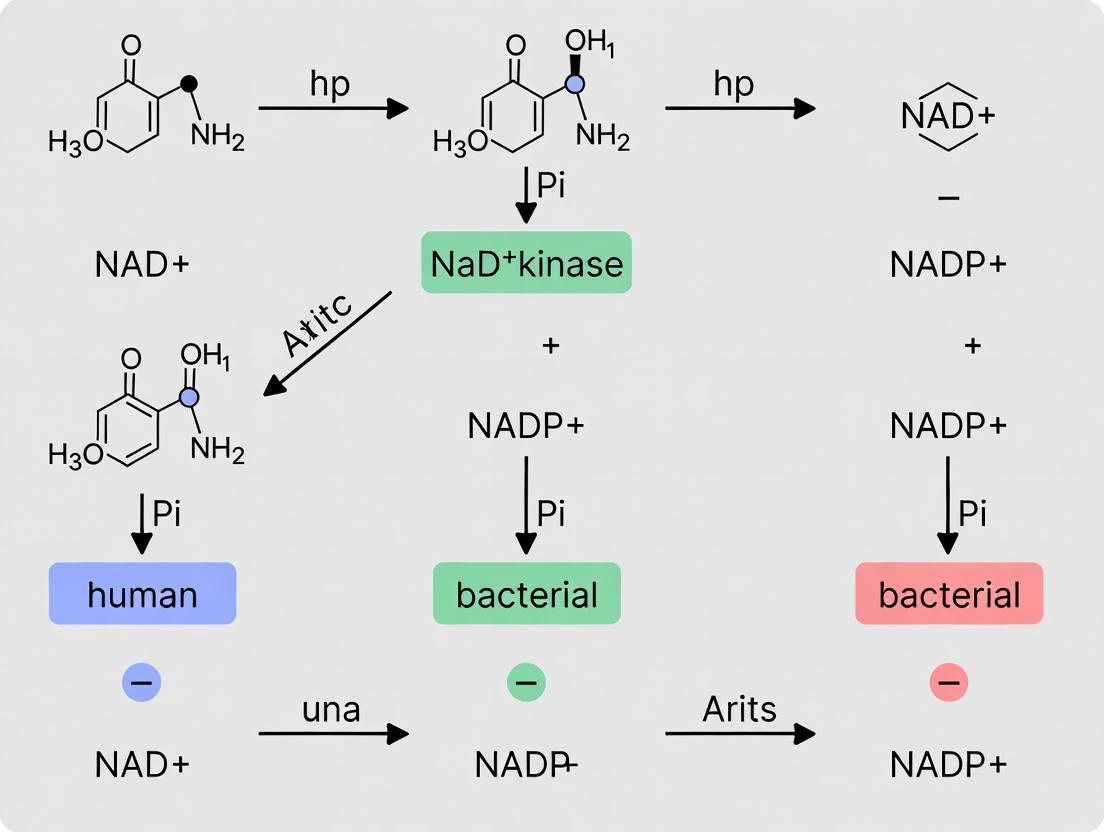
This review provides a comprehensive analysis of the structural and functional specificity of NAD+ kinase (NADK) isoforms in NADP+ biosynthesis.
NADK vs NADK-L: Decoding Isoform-Specific NADP+ Synthesis for Metabolic Regulation & Therapeutic Targeting
Abstract
This review provides a comprehensive analysis of the structural and functional specificity of NAD+ kinase (NADK) isoforms in NADP+ biosynthesis. Targeting researchers and drug developers, we detail the distinct roles of cytosolic (NADK) and mitochondrial (NADK-L) isoforms in maintaining redox balance, supporting anabolism, and influencing disease pathologies. The article explores foundational enzymology, established and emerging methodologies for isoform-specific study, common experimental challenges with optimization strategies, and comparative validation of isoform functions. We synthesize how understanding isoform-specific NADP+ synthesis opens avenues for precise metabolic intervention in cancer, aging, and metabolic disorders.
NADK Isoforms Unveiled: Structural Basis and Metabolic Roles in NADP+ Synthesis
Comparative Analysis of Major Eukaryotic NAD+ Kinase Isoforms
The specificity and efficiency of NADP+ synthesis by different NADK isoforms directly govern NADPH availability for distinct cellular processes. The following table summarizes the kinetic properties and functional roles of the primary human isoforms, NADK (cytosolic/mitochondrial) and NADK2 (mitochondrial), with bacterial homologs as evolutionary and mechanistic references.
Table 1: Kinetic and Functional Comparison of Key NAD+ Kinase Isoforms
| Isoform (Organism) | Primary Localization | Preferred Phosphate Donor (kcat/Km) | Key Allosteric Regulators | Primary Metabolic Role | Pathophysiological Link |
|---|---|---|---|---|---|
| NADK (Human) | Cytosol, Mitochondria | ATP (4.5 x 10⁴ M⁻¹s⁻¹) | Inhibited by NADPH; Activated by NAD+ | Lipid synthesis, Antioxidant defense (GSH, TRX systems) | Cancer cell proliferation, Neurodegeneration |
| NADK2 (Human) | Mitochondria | ATP (1.8 x 10⁴ M⁻¹s⁻¹) | Inhibited by NADPH | TCA cycle (Isocitrate dehydrogenase), Mitochondrial redox balance | Progressive leukodystrophy (hypomyelination) |
| Pos5p (S. cerevisiae) | Mitochondria | ATP (3.2 x 10⁴ M⁻¹s⁻¹) | Inhibited by NADPH | Mitochondrial Fe-S cluster biogenesis | Respiratory deficiency, genomic instability |
| LmNADK1 (L. monocytogenes) | Cytosol | PolyP >> ATP | Not reported | Oxidative stress resistance | Intracellular bacterial survival |
Supporting Experimental Data & Validation
A core thesis in NADK isoform research is the divergent regulation and metabolic channeling of their products. Key experimental findings are synthesized below.
Table 2: Experimental Evidence for Isoform-Specific NADPH Pool Regulation
| Experimental Readout | NADK-KO Cells (Cytosolic) | NADK2-KO Cells (Mitochondrial) | Assay Method & Reference |
|---|---|---|---|
| Total NADPH/NADP+ Ratio | ~40% decrease | ~15% decrease | Enzymatic cycling assay (MTT-based) |
| GSH/GSSG Ratio | Severely depleted (>70% decrease) | Moderately affected (~20% decrease) | HPLC detection of thiols |
| H₂O₂ Sensitivity (IC₅₀) | Highly sensitive (~50 µM) | Mildly sensitive (~200 µM) | Cell viability (Alamar Blue) post-treatment |
| Lipid Peroxidation | 3-fold increase | No significant change | Flow cytometry (BODIPY 581/591 C11 probe) |
| De Novo Lipogenesis | Inhibited by >60% | Unaffected | ¹⁴C-acetate incorporation into lipids |
| Mitochondrial NADPH level | Unchanged | >80% reduction | Ratiometric fluorescent sensor (iNAP) |
| In-cell NADK Activity | Lost (cytosolic fraction) | Preserved | NADP+ generation coupled to glucose-6-phosphate dehydrogenase |
Detailed Experimental Protocols
Protocol 1: In vitro NAD+ Kinase Activity Assay (Coupled Enzymatic)
- Purpose: Quantify kinetic parameters (Km, Vmax) for ATP vs. alternative phosphate donors (e.g., polyphosphate).
- Method:
- Recombinant Protein: Purify His-tagged NADK isoforms from E. coli expression system.
- Reaction Mix: 50 mM Tris-HCl (pH 7.5), 10 mM MgCl₂, 2 mM NAD+, variable ATP (0.05-5 mM) or polyP (0.1-10 mM), 0.1-1 µg purified enzyme.
- Coupling System: Include 0.5 mM glucose-6-phosphate and 2 U/mL Leuconostoc mesenteroides glucose-6-phosphate dehydrogenase (G6PD), which specifically uses NADP+.
- Measurement: Initiate reaction with enzyme. Monitor NADPH production at 340 nm (ε=6220 M⁻¹cm⁻¹) for 5-10 min at 30°C using a spectrophotometer.
- Analysis: Calculate initial velocities. Fit data to Michaelis-Menten or allosteric models to derive kinetic constants.
Protocol 2: Compartment-Specific NADPH Pool Measurement using Genetically Encoded Sensors
- Purpose: Spatially resolve changes in NADPH redox state upon isoform-specific knockdown.
- Method:
- Sensor Expression: Transfect cells with plasmids encoding iNAP (for NADPH:NADP+ ratio) targeted to cytosol (iNAPc) or mitochondria (iNAPm).
- Genetic Knockdown: Use siRNA specific for NADK or NADK2.
- Live-Cell Imaging: 48-72h post-transfection, image cells in fluorophore-free medium using confocal microscopy. iNAP is excited at 405 nm and 488 nm; collect emission at 525 nm.
- Quantification: Calculate the 405/488 nm excitation ratio for each cell. Normalize to control (scramble siRNA) cells to determine relative compartmental NADPH changes.
Key Diagrams
Title: NAD+ Kinase Catalysis and NADPH Homeostasis Regulation
Title: Experimental Workflow for Comparing NADK Isoform Functions
The Scientist's Toolkit: Key Research Reagents & Materials
Table 3: Essential Reagents for NAD+/NADP(H) Metabolism Research
| Reagent / Material | Provider Examples (for reference) | Critical Function in Research |
|---|---|---|
| Recombinant Human NADK/NADK2 Protein | Sino Biological, BPS Bioscience | Source of enzyme for in vitro kinetic studies and inhibitor screening. |
| NAD/NADP/NADPH Assay Kits (Colorimetric/Fluorometric) | Sigma-Aldrich (MAK038), Abcam (ab65349) | Quantify total and oxidized pools of nucleotides from cell/tissue lysates. |
| Genetically Encoded NADPH/NADP+ Sensor (iNAP) | Addgene (Plasmid #138009) | Live-cell, compartment-specific ratiometric measurement of NADPH redox state. |
| BODIPY 581/591 C11 Lipid Peroxidation Sensor | Thermo Fisher Scientific (D3861) | Flow cytometry or microscopy-based detection of lipid ROS, a downstream consequence of NADPH deficiency. |
| NADK-specific siRNA/sgRNA Libraries | Horizon Discovery, Sigma-Aldrich | For isoform-specific genetic knockdown/knockout to delineate function. |
| Glucose-6-Phosphate Dehydrogenase (G6PD) | Sigma-Aldrich (G4134) | Essential coupling enzyme for in vitro NADK activity assays. |
| Polyphosphate (e.g., PolyP45) | Kerafast (EB022) | Alternative phosphate donor substrate to test bacterial NADK (LmNADK1) specificity. |
Gene Loci, Isoform Discovery, and Evolutionary Conservation of NADK and NADK-L
This comparison guide evaluates the canonical NAD+ kinase (NADK) and its isoform NADK-Like (NADK-L) within the broader thesis of elucidating isoform-specific roles in NADP+ synthesis. Performance is compared based on gene/protein characteristics, enzymatic specificity, and tissue distribution, supported by experimental data.
Table 1: Gene Loci and Isoform Characteristics
| Feature | Canonical NADK | NADK-L (NADK2, MITDAB) |
|---|---|---|
| Human Gene | NADK | NADK2 |
| Cytogenetic Locus | 1p36.33 | 5p13.2 |
| Major Isoforms | Isoform 1 (415 aa). Cytosolic. | Isoform 1 (448 aa). Mitochondrial. |
| Protein Domains | NADK domain, ATP-binding domain. | NADK domain, ATP-binding domain, N-terminal mitochondrial targeting sequence. |
| Evolutionary Conservation | Highly conserved from yeast to mammals. | Found in metazoans; absent in fungi and plants. |
Experimental Protocol 1: Subcellular Localization Objective: Confirm the distinct subcellular localization of NADK (cytosolic) and NADK-L (mitochondrial). Methodology:
- Fuse full-length cDNAs of NADK and NADK2 to a fluorescent tag (e.g., GFP) at the C-terminus.
- Transfect constructs into HeLa or HEK293T cells.
- Co-stain cells with organelle-specific markers (e.g., MitoTracker for mitochondria).
- Analyze fluorescence overlap using confocal microscopy and calculate Pearson's correlation coefficient. Key Result: NADK-L-GFP shows >0.9 colocalization with mitochondrial markers, while NADK-GFP shows a diffuse cytosolic pattern.
Table 2: Enzymatic Performance Comparison
| Parameter | Canonical NADK | NADK-L | Assay Conditions |
|---|---|---|---|
| Primary Substrate | NAD+ | NAD+ / NADH | Recombinant protein, in vitro kinase assay. |
| Km for NAD+ (μM) | 100-200 | 300-500 | 50 mM HEPES, pH 7.5, 5 mM ATP, 10 mM MgCl2. |
| Km for NADH (μM) | >1000 (very low activity) | 50-150 | As above. |
| Vmax (NAD+) | 100% (Reference) | 30-40% relative to NADK | Normalized activity per mg protein. |
| NADP+ Synthesis Specificity | NADPH producer (from NAD+). | Can produce both NADPH and NADP+. | LC-MS quantification of reaction products. |
Experimental Protocol 2: Kinetic Characterization Objective: Determine Km and Vmax for NAD+ and NADH for each isoform. Methodology:
- Express and purify recombinant human NADK and NADK-L proteins (e.g., from E. coli).
- Perform kinase assays with varying substrate concentrations (NAD+ or NADH: 0-1000 μM).
- Keep [ATP] and [Mg2+] saturating.
- Stop reactions and quantify NADP+/NADPH production using a coupled enzymatic assay (e.g., glucose-6-phosphate dehydrogenase) monitoring absorbance at 340 nm.
- Fit data to the Michaelis-Menten equation using nonlinear regression.
Diagram 1: NADK Isoforms in Cellular NADP(H) Compartmentalization
Table 3: Tissue and Pathophysiological Context
| Context | Canonical NADK | NADK-L |
|---|---|---|
| High Expression Tissues | Liver, kidney, proliferating cells. | Heart, skeletal muscle, brain. |
| Knockout Phenotype (Mouse) | Embryonic lethal. | Viable but exhibit metabolic defects (e.g., hyperlysinemia). |
| Associated Disorders | Cancer (upregulation), metabolic syndrome. | Mitochondrial disorders, progressive leukoencephalopathy. |
| Primary Proposed Role | Bulk cytosolic NADPH for anabolism & redox defense. | Mitochondrial NADPH for antioxidant systems (GSH, Thioredoxin 2). |
The Scientist's Toolkit: Key Research Reagents
| Item | Function in NADK/NADK-L Research |
|---|---|
| Anti-NADK / Anti-NADK2 Antibodies | For immunoblotting, immunofluorescence to confirm protein expression and localization. |
| MitoTracker Dyes (e.g., Deep Red FM) | Live-cell mitochondrial staining to colocalize with NADK-L. |
| Recombinant NADK/NADK-L Proteins | For in vitro kinetic assays and screening isoform-specific inhibitors. |
| NAD/NADH & NADP/NADPH Assay Kits (Colorimetric/Fluorometric) | Quantify substrate consumption and product formation in lysates or purified systems. |
| LC-MS/MS Systems | Gold-standard for absolute quantification of NAD(P)(H) species and isotopic tracing. |
| siRNAs/shRNAs targeting NADK or NADK2 | For loss-of-function studies to dissect isoform-specific metabolic roles. |
Diagram 2: Workflow for Comparative Isoform Analysis
This comparison guide evaluates key structural and functional features of major NAD+ kinase (NADK) isoforms, central to NADP+ synthesis specificity, within the context of ongoing thesis research on isoform-specific metabolic regulation and drug targeting.
Comparative Analysis of Human NADK Isoforms
Table 1: Structural and Functional Properties of Human NADK Isoforms
| Feature | NADK (Canonical, Cytosolic) | NADK2 (Mitochondrial) | NADK-L (Nuclear/Lysosomal?) |
|---|---|---|---|
| Gene Locus | 1p36.33 | 5p13.2 | 13q33.2 |
| Subcellular Localization | Cytosol | Mitochondrial matrix | Nucleus / Potential lysosomal association |
| Primary Substrate | NAD+ | NAD+ | NADH (predominantly) |
| Primary Product | NADP+ | NADP+ | NADPH |
| Cofactor Dependence | ATP or inorganic polyphosphate (PolyP) | ATP (PolyP not utilized) | ATP |
| Key Allosteric Regulator | Inhibited by NADPH (strong) | Inhibited by NADPH (moderate) | Not inhibited by NADPH |
| Active Site Dimer Interface | Homodimer | Homodimer | Homodimer |
| Reported Km for NAD+ (μM) | ~100-200 | ~30-50 | ~40 (for NADH) |
| Disease Association | Linked to cancer cell proliferation | Mutations cause severe NADK2-deficiency (hyperlysinemia) | Emerging role in cancer, potential p53 regulation |
Experimental Protocols for Key Cited Studies
Protocol 1: Kinetic Analysis of NADPH Feedback Inhibition.
- Objective: Determine IC50 of NADPH for NADK vs. NADK2.
- Method: Recombinant purified enzymes are incubated in reaction buffer (50 mM Tris-HCl pH 8.0, 5 mM MgCl2, 100 mM NaCl) with saturating ATP (2 mM) and variable NAD+ (around Km). Reactions are initiated with enzyme, run at 30°C for 5 min, and stopped by heat inactivation. NADP+ production is quantified enzymatically using glucose-6-phosphate dehydrogenase (G6PD) coupling assay, monitoring absorbance at 340 nm. NADPH is titrated from 0 to 200 μM.
- Data Analysis: Reaction rates are plotted against [NADPH]. IC50 values are calculated by fitting data to a logarithmic inhibitor concentration vs. response model.
Protocol 2: Crystallography of Cofactor Binding.
- Objective: Resolve structural details of ATP/NAD+ binding pockets.
- Method: NADK isoforms are expressed with His-tags, purified via Ni-NTA and size-exclusion chromatography. Proteins are concentrated and co-crystallized with non-hydrolyzable ATP analog (AMP-PNP) and NAD+ using vapor diffusion. X-ray diffraction data is collected at a synchrotron. Structures are solved by molecular replacement using known NADK structures (e.g., PDB: 6JWH).
- Data Analysis: Electron density maps are analyzed in Coot. Key interactions (hydrogen bonds, salt bridges) between enzyme residues and ATP/NAD+ are identified and compared between isoforms using PyMOL.
Protocol 3: Site-Directed Mutagenesis of Allosteric Sites.
- Objective: Validate residues critical for NADPH inhibition.
- Method: Based on structural alignment, conserved residues in the putative allosteric site (e.g., a basic patch near the dimer interface) are mutated to alanine via PCR-based mutagenesis. Wild-type and mutant proteins are purified identically. Kinetic assays (as in Protocol 1) are performed with and without NADPH to measure loss of inhibitory effect.
Visualization of Allosteric Regulation and Experimental Workflow
Title: NADPH Feedback Inhibition Pathway in NADK Isoforms
Title: Workflow for Comparative NADK Isoform Study
The Scientist's Toolkit: Key Research Reagents & Materials
Table 2: Essential Reagents for NADK Isoform Research
| Reagent/Material | Function & Rationale |
|---|---|
| Recombinant NADK Isoform Proteins | Purified human enzymes (wild-type & mutant) are essential for in vitro kinetic, structural, and inhibition studies. Commercial or in-house expression systems required. |
| NAD+, NADH, NADP+ (Isotope-Labeled) | Core substrates and products. Radiolabeled (e.g., 32P-ATP, 14C-NAD+) or fluorescent analogs enable highly sensitive activity measurements and tracking. |
| ATP & AMP-PNP | ATP is the physiological phosphoryl donor. The non-hydrolyzable analog AMP-PNP is critical for obtaining co-crystal structures of the active complex. |
| Inorganic Polyphosphate (PolyP) | Alternative phosphoryl donor for canonical NADK; used to probe mechanistic differences and evolutionary adaptations between isoforms. |
| Glucose-6-Phosphate Dehydrogenase (G6PD) | Key enzyme for the standard coupled spectrophotometric assay, converting generated NADP+ to NADPH for detection at 340 nm. |
| Selective NADK Inhibitors (e.g., Thionicotinamide Adenine Dinucleotide) | Tool compounds to probe isoform sensitivity and validate the therapeutic potential of targeting NAD+ kinase activity. |
| Size-Exclusion Chromatography (SEC) Column | Critical final purification step to obtain monodisperse, homogeneous protein samples suitable for crystallography and precise kinetics. |
| Crystallization Screening Kits | Commercial sparse matrix screens (e.g., from Hampton Research) systematically identify initial conditions for protein-cofactor complex crystallization. |
Thesis Context: This guide is framed within ongoing research into NAD+ kinase (NADK) isoforms, focusing on how compartment-specific synthesis of NADP+ dictates cellular redox and metabolic signaling.
Core Functional Comparison
Table 1: Primary Characteristics of Human NADK Isoforms
| Feature | Cytosolic NADK (NADK1) | Mitochondrial NADK-L (NADK2) |
|---|---|---|
| Gene | NADK | NADK2 |
| Primary Localization | Cytosol/Nucleus | Mitochondrial Matrix |
| Primary Substrate | NAD+ | NAD+ |
| Primary Product | NADP+ | NADP+ |
| Key Cofactor | ATP, Mg2+ or Ca2+ | ATP, Mg2+ |
| Tissue Expression | Ubiquitous | Ubiquitous, high in metabolic tissues |
| Proposed Major Function | Cytosolic/nuclear NADPH supply for anabolism & antioxidant defense (GPx, TrxR) | Mitochondrial NADPH supply for antioxidant defense (Grx2, Prx3) & biosynthetic precursors |
| Knockout Phenotype (Mouse) | Embryonic lethal | Viable but with mitochondrial dysfunction, hyperlysinemia |
Table 2: Quantitative Kinetic and Expression Data
| Parameter | Cytosolic NADK | Mitochondrial NADK-L | Experimental Source & Notes |
|---|---|---|---|
| Km for NAD+ (μM) | ~100-200 | ~30-80 | Recombinant enzyme assays; NADK-L shows higher affinity. |
| Activity with Ca2+ vs. Mg2+ | Activated by both; Ca2+ can be primary in vitro | Strongly prefers Mg2+; inhibited by Ca2+ | Key distinguishing biochemical property. |
| Estimated [NADPH] Pool Contribution | ~70-80% of cellular NADPH | ~20-30% of cellular NADPH | siRNA knockdown & compartment-specific biosensors. |
| Response to Oxidative Stress | Activity increased post-translationally (e.g., phosphorylation) | Transcriptional upregulation (e.g., via NRF2) | Data from immunoblotting and qPCR studies. |
Experimental Protocols for Comparative Analysis
Protocol 1: Compartment-Specific NADPH/NADP+ Ratio Measurement using Biosensors
- Transfection: Plate HEK293 or HeLa cells. Transfect with genetically encoded biosensors (e.g., iNAP for nuclei, roGFP2-Tsa2ΔCR for cytosol, or mt-roGFP2-Grx1 for mitochondria).
- Imaging & Calibration: 48h post-transfection, image live cells using confocal microscopy at excitation wavelengths specific to the redox sensor (e.g., 405/488 nm for roGFP-based probes). Perform in situ calibration using 2mM DTT (full reduction) and 100μM Diamide (full oxidation).
- Isoform Perturbation: Treat cells with isoform-specific siRNA (siNADK vs. siNADK2) or pharmacological inhibitors (if available).
- Quantification: Calculate the 405/488 nm fluorescence ratio for each compartment. Convert ratio values to NADPH/NADP+ ratios using standard calibration curves.
Protocol 2: Subcellular Fractionation with Enzyme Activity Assay
- Cell Lysis & Fractionation: Homogenize 1x10^7 cells in isotonic buffer. Use differential centrifugation to isolate heavy mitochondrial fraction (10,000 x g, 10 min). Collect post-mitochondrial supernatant for cytosol-enriched fraction (100,000 x g, 60 min). Validate purity by immunoblotting for markers (e.g., COX IV for mitochondria, LDH for cytosol).
- NADK Activity Assay:
- Reaction Mix: 50 mM Tris-HCl (pH 8.0), 5 mM ATP, 10 mM MgCl2 (or 2 mM CaCl2 for testing cation dependence), 0.5 mM NAD+, 0.1 μCi [γ-32P]ATP (or measure NADPH production spectrophotometrically at 340 nm).
- Procedure: Incubate 20 μg of fraction protein with reaction mix at 37°C for 30 min. Terminate by heating to 95°C.
- Detection (Radioactive): Spot reaction on PEI-cellulose TLC plate. Develop in 0.5M LiCl, 1M formic acid. Visualize and quantify radiolabeled NADP+.
- Data Analysis: Express activity as nmol NADP+ formed/min/mg protein. Compare cation dependence across fractions.
Key Signaling Pathways and Relationships
Diagram 1: Compartment-Specific NADPH Synthesis & Utilization
Diagram 2: Experimental Workflow for Comparing NADK Isoform Activity
The Scientist's Toolkit: Key Research Reagents
Table 3: Essential Reagents for NADK Isoform Research
| Reagent/Solution | Function/Application | Key Note |
|---|---|---|
| Isoform-Specific siRNAs or shRNAs | Selective knockdown of NADK or NADK2 mRNA. | Essential for defining isoform-specific functions without cross-talk. |
| Compartment-Specific Redox Biosensors (e.g., cyto-iNAP, mt-roGFP2-Grx1) | Live-cell imaging of NADPH/NADP+ or GSH/GSSG ratios in specific organelles. | Critical for assessing functional output of each NADK. |
| Anti-NADK & Anti-NADK2 Antibodies | Immunoblotting, immunofluorescence to confirm localization and expression. | Validate fractionation purity and knockdown efficiency. |
| NADK Activity Assay Kit (Colorimetric/Fluorometric) | Measures total NADK activity from lysates or fractions. | Often based on NADPH generation coupled to a reporter reaction. |
| Digitonin | Selective permeabilization of the plasma membrane for cytosolic protein extraction. | Used in sequential fractionation protocols. |
| Protease/Phosphatase Inhibitor Cocktails | Preserve post-translational modifications during lysis. | NADK1 activity may be regulated by phosphorylation. |
| Recombinant NADK & NADK-L Proteins | Positive controls for activity assays and kinetic studies (Km, cation preference). | Commercially available from several specialty suppliers. |
Within the context of ongoing research into NAD+ kinase (NADK) isoforms and their specificity for NADP+ synthesis, understanding the functional differences between isoforms is critical. NADK catalyzes the phosphorylation of NAD+ to NADP+, a pivotal step governing cellular redox balance and anabolic pathways. This guide compares the performance of the three major eukaryotic isoforms—cytosolic NADK, mitochondrial NADK2, and chloroplast-specific NADK3—in terms of kinetic parameters, regulatory mechanisms, and physiological roles, supported by recent experimental data.
Comparative Performance of NAD+ Kinase Isoforms
Table 1: Kinetic and Biochemical Properties of Human NADK Isoforms
| Property | Cytosolic NADK (NADK1) | Mitochondrial NADK2 | Notes / Experimental Conditions |
|---|---|---|---|
| Primary Localization | Cytosol | Mitochondrial Matrix | Determined by immunofluorescence and fractionation. |
| Preferred Substrate | NAD⁺ | NAD⁺/NADH (NADH at high [Ca²⁺]) | NADK2 shows dual specificity; NADH phosphorylation is calcium-dependent. |
| Km for NAD⁺ (μM) | 80-120 | 30-50 | Measured in purified recombinant enzymes at pH 7.5. |
| Vmax (μmol/min/mg) | 8-12 | 4-6 | NADK1 has higher catalytic capacity. |
| Key Activator | Inorganic Phosphate (Pi) | Calcium/Calmodulin (Ca²⁺/CaM) | NADK1 activated 3-5 fold by Pi. NADK2 absolutely requires Ca²⁺/CaM. |
| Key Inhibitor | NADPH (Feedback) | NADPH (Feedback) | Both isoforms subject to strong product inhibition (IC₅₀ ~10-20 μM). |
| Role in Redox | Maintains cytosolic NADPH for GSH reductase & biosyntheses. | Maintains mitochondrial NADPH for Thioredoxin & Glutathione systems. | Crucial for mitigating mitochondrial oxidative stress. |
Table 2: Functional Consequences of Isoform-Specific Knockdown/Inactivation
| Model System | NADK1 Perturbation | NADK2 Perturbation | Assay Readout |
|---|---|---|---|
| HeLa Cells | ~60% decrease in total cellular NADPH; increased sensitivity to H₂O₂. | ~40% decrease in mitochondrial NADPH; increased mitochondrial ROS. | NADPH/NADP⁺ ratio (enzymatic cycling assay); CM-H₂DCFDA (cytosolic ROS); MitoSOX (mito-ROS). |
| Mouse Liver | Impaired fatty acid and cholesterol synthesis. | Severe defect in mitochondrial antioxidant defense; lipid peroxidation. | Incorporation of ¹⁴C-acetate into lipids; tissue levels of GSH/GSSG, MDA. |
| S. cerevisiae (Pos5) | N/A (No direct homolog of NADK2) | Defective in mitochondrial NADPH synthesis; auxotrophy for lysine and iron. | Growth assays on defined media; LC-MS for NADP(H) pools. |
Experimental Protocols for Key Comparisons
Protocol 1: Measuring Isoform-Specific NADPH Production in Cell Lysates
Purpose: To differentiate the contribution of NADK1 vs. NADK2 to total NADPH synthesis.
- Cell Fractionation: Harvest cultured cells. Use differential centrifugation with digitonin-based permeabilization to isolate cytosolic and mitochondrial fractions. Validate purity with marker enzymes (LDH for cytosol, citrate synthase for mitochondria).
- Enzyme Reaction: For each fraction, set up a reaction mix containing 50 mM Tris-HCl (pH 7.5), 5 mM MgCl₂, 2 mM ATP, 0.5 mM NAD⁺. For cytosolic fraction, add 10 mM Na₂HPO₄ (activator). For mitochondrial fraction, add 1 mM CaCl₂ and 1 μg/μL calmodulin.
- Detection: Incubate at 37°C. Stop reaction with HCl (for NADP⁺) or NaOH (for NADPH). Quantify NADP(H) using a cycling assay with glucose-6-phosphate dehydrogenase and MTT/PMS. Activity is expressed as nmol NADPH formed/min/mg protein.
Protocol 2: Assessing Redox Homeostasis Post-Isoform Knockdown
Purpose: To link specific isoform activity to oxidative stress parameters.
- Genetic Manipulation: Use siRNA (for human cells) or CRISPR-Cas9 (for stable lines) to create NADK1- or NADK2-deficient models. Validate knockdown by qPCR and immunoblotting.
- NADPH/NADP⁺ Ratio Measurement: Extract metabolites with acid/base method. Use commercial kits (e.g., BioVision) based on enzymatic cycling to determine absolute ratios in whole cells and isolated mitochondria.
- ROS Measurement: Load cells with 5 μM CM-H₂DCFDA for general cytosolic ROS or 5 μM MitoSOX Red for mitochondrial superoxide. Incubate for 30 min, wash, and analyze by flow cytometry. Include a positive control (e.g., antimycin A for MitoSOX).
The Scientist's Toolkit: Research Reagent Solutions
| Item | Function in NADK Research | Example Product / Catalog Number |
|---|---|---|
| Recombinant Human NADK Proteins | For in vitro kinetic studies and screening inhibitors. | Sino Biological (His-tagged, active NADK1 & NADK2). |
| NADP/NADPH Quantitation Kit | Accurate measurement of NADP⁺ and NADPH pools in cells/tissues. | BioVision, Colorimetric/Fluorometric Assay Kits (K347 & K348). |
| Calmodulin-Sepharose 4B | Affinity purification of Ca²⁺/Calmodulin-dependent enzymes like NADK2. | Cytiva (17-0529-01). |
| Subcellular Fractionation Kit | Isolation of pure mitochondrial and cytosolic fractions for compartment-specific analysis. | Abcam, Mitochondria Isolation Kit (ab110170). |
| MitoSOX Red Mitochondrial Superoxide Indicator | Specific detection of mitochondrial superoxide in live cells. | Thermo Fisher Scientific (M36008). |
| NADK Isoform-Specific Antibodies | Validation of knockdown/knockout and localization studies. | Invitrogen (PA5- for NADK1); Proteintech (for NADK2). |
| Glucose-6-Phosphate Dehydrogenase (G6PD) | Critical component of NADPH cycling assays for quantification. | Sigma-Aldrich (G8404). |
Visualizing NADK Isoform Function and Pathways
Diagram 1: NADK Isoforms Drive Compartment-Specific Redox & Biosynthesis
Diagram 2: Workflow for Comparing NADK Isoform Function
Measuring Isoform-Specific Activity: From Biochemical Assays to Live-Cell Imaging
The study of NAD+ kinase (NADK) isoforms is pivotal for understanding cellular NADP+ synthesis specificity. This guide compares methodologies for accurately quantifying total versus isoform-specific (cytosolic NADK, mitochondrial NADK2, and chloroplast-targeted NADK3 in plants) enzymatic activity, essential for research in metabolism, redox biology, and drug development.
Comparison of Assay Methodologies for NADK Activity
| Assay Type | Target | Principle | Key Advantage | Key Limitation | Typical Dynamic Range |
|---|---|---|---|---|---|
| Coupled Enzymatic (Total Activity) | Total NADK | Measures NADP+ production via G6PD-coupled NADPH generation. | High-throughput, sensitive, well-established. | Cannot differentiate isoforms; background from endogenous enzymes. | 0.5 – 100 nmol/min/mg |
| Immunoprecipitation-Based | Isoform-Specific | Isotype-specific IP of NADK, followed by coupled assay. | Directly measures activity of a specific isoform. | IP may not be 100% specific/efficient; lower activity yield. | Varies with IP efficiency |
| Recombinant Protein Assay | Purified Isoform | Uses purified recombinant human/animal NADK isoforms. | Pure system, no interfering activities, kinetic studies. | May not reflect native cellular context/regulation. | 2 – 200 nmol/min/mg |
| Subcellular Fractionation | Compartment-Specific | Isolate organelles (mitochondria/cytosol) before assay. | Provides compartment-resolved activity data. | Cross-contamination risk; labor-intensive. | Dependent on fraction purity |
Key Experimental Protocols
Gold-Standard Total NADK Activity Assay (Coupled Spectrophotometric)
Principle: NADK catalyzes: NAD+ + ATP → NADP+ + ADP. The generated NADP+ is reduced to NADPH by Glucose-6-Phosphate Dehydrogenase (G6PD), with concomitant oxidation of Glucose-6-Phosphate (G6P). NADPH production is monitored at 340 nm.
- Reaction Mix (200 µL):
- 50 mM Tris-HCl (pH 8.0), 5 mM MgCl₂, 100 mM KCl, 2 mM ATP, 0.5 mM NAD+, 2 mM G6P, 1 U/mL G6PD, and cell/tissue lysate (10-50 µg protein).
- Protocol:
- Prepare master mix without NAD+ and pre-incubate at 37°C.
- Initiate reaction by adding NAD+. Monitor A340 for 10-30 minutes.
- Calculate activity using NADPH extinction coefficient (ε340 = 6220 M⁻¹cm⁻¹). Control reactions lack ATP or use heat-inactivated lysate.
Isoform-Specific Activity via Immunoprecipitation
Principle: Isoform-specific antibodies precipitate target NADK from lysate, followed by an in vitro activity assay on the immunopellet.
- Protocol:
- Pre-clear: Incubate 200-500 µg lysate with control IgG and Protein A/G beads for 1h at 4°C.
- Immunoprecipitation: Incubate pre-cleared supernatant with anti-NADK or anti-NADK2 antibody (2-5 µg) overnight at 4°C. Add beads for 2h.
- Wash: Pellet beads, wash 3x with lysis buffer, then 2x with assay buffer.
- Activity Assay: Resuspend bead pellet in 100 µL of total NADK assay mix (without G6PD/G6P). After 30 min at 37°C, stop reaction, centrifuge.
- Quantification: Measure generated NADP+ in supernatant using the coupled G6PD assay separately. Normalize activity to input protein or immunoprecipitated protein amount (via Western blot).
Signaling and Metabolic Pathway Context
Title: NADK Isoforms in NADP+/NADPH Metabolism and Cellular Outcomes
Experimental Workflow for Isoform-Specific Analysis
Title: Workflow for Differentiating Total and Isoform-Specific NADK Activity
The Scientist's Toolkit: Key Research Reagent Solutions
| Reagent | Function in NADK Assay | Key Consideration |
|---|---|---|
| Anti-NADK / Anti-NADK2 Antibodies | Specific immunoprecipitation or detection of isoforms. | Validation for IP-specificity is critical; species cross-reactivity. |
| Recombinant Human NADK/NADK2 | Positive control, kinetic parameter determination. | Ensure proper post-translational modification mimicry. |
| Glucose-6-Phosphate Dehydrogenase (G6PD) | Coupling enzyme for NADP+ detection in total assay. | Use high-purity, ammonium sulfate-free preparations. |
| NAD+ & ATP Substrates | Primary substrates for the kinase reaction. | Use fresh, high-purity stocks; ATP requires Mg²⁺ as cofactor. |
| Protease/Phosphatase Inhibitors | Preserve native phosphorylation state and protein integrity in lysates. | Broad-spectrum cocktails essential for activity preservation. |
| Mitochondrial Isolation Kit | For clean separation of cytosolic and mitochondrial fractions. | Purity assessment (e.g., VDAC1/COX IV for mitochondria) is mandatory. |
| Colorimetric/ Fluorometric NADP/NADPH Kits | Alternative detection, useful for high-throughput screening. | May have different dynamic ranges and sensitivities vs. coupled assay. |
In the context of NAD+ kinase (NADK) isoform research, specifically investigating their specificity for NADP+ synthesis, the selection of a genetic manipulation tool is critical. NADK1 (cytosolic) and NADK2 (mitochondrial) isoforms have distinct roles in cellular redox metabolism and signaling. This guide objectively compares the performance of CRISPR/Cas9-mediated knockouts, siRNA-mediated knockdowns, and cDNA overexpression models, providing experimental data relevant to elucidating isoform-specific functions.
Performance Comparison
Table 1: Tool Comparison for NADK Isoform Functional Analysis
| Feature | CRISPR/Cas9 Knockout | siRNA Knockdown | cDNA Overexpression |
|---|---|---|---|
| Primary Mechanism | Permanent disruption of genomic DNA via double-strand breaks and repair. | Transient degradation of target mRNA via RNA-induced silencing complex (RISC). | Stable or transient introduction of exogenous gene for high expression. |
| Target Specificity (for NADK1/2) | Very High (with careful gRNA design). Can differentiate between homologous isoforms. | High, but risk of off-target effects due to seed sequence homology between NADK1/2. | High, using isoform-specific cDNA sequences. |
| Duration of Effect | Permanent, heritable. | Transient (typically 3-7 days). | Stable (with integration) or transient (5-7 days). |
| Experimental Timeline | Long (weeks to months for stable line generation). | Short (days from transfection to assay). | Medium (days for transient, weeks for stable). |
| Key Application in NADK Research | Defining essential, non-redundant functions; studying long-term metabolic adaptation. | Acute interrogation of isoform-specific contributions to NADPH pools. | Rescuing phenotypes; testing substrate specificity of mutant kinases. |
| Typical Efficiency (in mammalian cells) | 1-30% (HDR), higher for NHEJ. | 70-90% mRNA reduction at optimal conditions. | Varies widely; 10-100 fold protein increase common. |
| Phenotype Severity | Complete loss-of-function. | Partial to near-complete knockdown. | Gain-of-function; may cause non-physiological effects. |
| Major Pitfall | Off-target genomic edits; compensatory mechanisms. | Transient nature; incomplete knockdown; siRNA toxicity. | Overexpression artifacts; mislocalization. |
Table 2: Experimental Data from NADK2 Studies Using Different Tools
| Tool & Target | Cell Line/Model | Key Quantitative Outcome | Reference/Context |
|---|---|---|---|
| siRNA (NADK2) | HeLa | 80% mRNA knockdown; mitochondrial NADPH pool reduced by ~65%; increased sensitivity to oxidative stress (MT50 H2O2 decreased 3-fold). | Mimics acute mitochondrial NADPH depletion. |
| CRISPR/Cas9 (NADK2 KO) | HEK293T | 0% WT protein; cell growth retardation in galactose medium (30% slower); no change in cytosolic NADPH. | Confirms essential role in mitochondrial metabolism. |
| Overexpression (FLAG-NADK1) | MCF-7 | 15x protein overexpression; total cellular NADPH increased 2.5x; no change in mitochondrial NADPH ratio. | Demonstrates cytosolic isoform cannot compensate for mitochondrial pool. |
| CRISPR/Cas9 (NADK1 KO) | Mouse Liver | NADP+ levels decreased 40% in cytosol; impaired fatty acid synthesis; upregulated NADK2 expression (1.8x). | Reveals compartment-specific function and systemic compensation. |
Detailed Experimental Protocols
Protocol 1: CRISPR/Cas9 Generation of NADK2 Knockout Clonal Cell Line
- gRNA Design: Design two guide RNAs targeting early exons of the human NADK2 gene. Verify specificity using databases (e.g., CRISPOR) to minimize off-targets.
- Plasmid Transfection: Co-transfect HEK293T cells with a Cas9 expression plasmid (e.g., pSpCas9(BB)) and the gRNA plasmid using a lipid-based transfection reagent.
- Clonal Selection: 48 hours post-transfection, begin selection with appropriate antibiotic (e.g., puromycin) for 5-7 days.
- Single-Cell Sorting: Dilute cells to ~1 cell/100 µL and plate into 96-well plates. Confirm clonality microscopically.
- Screening: After 3-4 weeks, expand clones and screen genomic DNA by PCR (amplicon ~500bp surrounding cut site). Purify PCR product and subject to Sanger sequencing. Analyze chromatograms for indels using TIDE or ICE analysis.
- Validation: Confirm knockout by western blot using anti-NADK2 antibody and functional assay (e.g., measure mitochondrial NADPH/NADP+ ratio).
Protocol 2: siRNA-Mediated Knockdown of NADK1 in Primary Hepatocytes
- siRNA Reconstitution: Resuspend validated siRNA targeting NADK1 and non-targeting control (NTC) in nuclease-free buffer to 20 µM stock.
- Reverse Transfection: Plate primary mouse hepatocytes in collagen-coated plates. For a 12-well plate, mix 5 µL of 20 µM siRNA with 125 µL Opti-MEM. Add 7.5 µL of transfection reagent, incubate 15 min, then add mixture dropwise to cells in 1 mL medium.
- Incubation: Change medium after 6 hours. Harvest cells at 72 hours post-transfection for optimal knockdown.
- Efficacy Check: Isolate RNA, synthesize cDNA, and perform qPCR using Nadk1-specific primers. Normalize to Gapdh. Expect >70% knockdown.
- Functional Assay: Measure cytosolic NADPH/NADP+ ratio using a cycling assay in cell lysates fractionated to isolate cytosol.
Protocol 3: Stable Overexpression of NADK2 (Mutant) in NADK2-KO Background
- Vector Construction: Clone cDNA for human NADK2 (and desired point mutants, e.g., substrate-binding site) into a mammalian expression vector with a puromycin resistance marker.
- Reconstitution: Transfect the plasmid into the validated NADK2-KO clonal line (Protocol 1) using electroporation.
- Selection: 48 hours post-transfection, begin selection with 2 µg/mL puromycin for 10-14 days, changing medium every 3 days.
- Pool Selection & Validation: Maintain selected pool under puromycin. Validate expression by western blot (compare to parental and KO lines). Assay mitochondrial NADP+ synthesis activity in isolated mitochondria.
Signaling Pathway & Experimental Workflow
Diagram 1: Tool Selection Workflow for NADK Isoform Research
Diagram 2: Compartmentalized NADP+ Synthesis by NADK Isoforms
The Scientist's Toolkit: Key Research Reagent Solutions
Table 3: Essential Reagents for NADK Isoform Manipulation & Analysis
| Reagent Category | Specific Example/Product | Function in NADK Research |
|---|---|---|
| Genome Editing | Alt-R S.p. HiFi Cas9 Nuclease V3 (IDT) | High-fidelity Cas9 for clean NADK1/2 knockouts with reduced off-target effects. |
| gRNA Synthesis | Custom Alt-R CRISPR-Cas9 sgRNA (IDT) | Chemically modified, high-purity gRNAs for efficient targeting of NADK isoform genes. |
| siRNA Oligos | ON-TARGETplus siRNA (Horizon Discovery) | SMARTpool siRNAs with reduced off-target effects for specific NADK1 or NADK2 knockdown. |
| Expression Vector | pLX307 (Addgene #25895) | Lentiviral backbone for stable, inducible overexpression of NADK isoform cDNAs. |
| Transfection Reagent | Lipofectamine 3000 (Invitrogen) | For high-efficiency plasmid and siRNA delivery into adherent cell lines. |
| NADPH/NADP+ Assay | NADP/NADPH-Glo Assay (Promega) | Luminescent assay to quantify total and compartment-specific NADPH/NADP+ ratios. |
| Isoform-Specific Antibodies | Anti-NADK1 (cytosolic) [HPA036240] (Sigma); Anti-NADK2 (Abcam ab192865) | Validate knockout/knockdown efficiency and protein localization. |
| Compartment Fractionation | Mitochondria Isolation Kit (ab110170, Abcam) | Isolate mitochondrial fractions to specifically assess NADK2 activity and NADPH pool. |
This comparison guide evaluates contemporary experimental platforms for performing metabolomic flux analysis (MFA) to trace NADP(H) dynamics, a critical capability for research into NAD+ kinase (NADK) isoform specificity in governing cellular NADP+ synthesis.
Comparison of Metabolomic Flux Analysis Platforms for NADP(H) Tracing
Table 1: Platform Performance Comparison for Isotopic Tracer Studies of NADP(H) Dynamics
| Platform/Technique | Key Measurable Parameters (NADP(H)-relevant) | Temporal Resolution | Sensitivity (approx. detection limit) | Primary Advantage for NADK Research | Primary Limitation |
|---|---|---|---|---|---|
| GC-MS (Gas Chromatography-MS) | (^{13}\text{C}) enrichment in glycolytic/TCA cycle intermediates, redox cofactor precursors (e.g., Asp, Glu). | Minutes to Hours | ~1-10 pmol | Robust, quantitative; excellent for central carbon metabolism linking to NADPH production. | Requires derivatization; cannot directly measure intact NADP(H). |
| LC-MS/MS (Targeted, HILIC/RP) | Absolute quantitation of NADP+, NADPH, NAD+, NADH; (^{2}\text{H}) or (^{15}\text{N}) incorporation from labeled precursors. | Minutes | ~0.1-1.0 pmol | Direct, specific measurement of pyridine nucleotide pools and their labeling. | Targeted method requires prior knowledge of analytes; less suited for discovery. |
| HRAM LC-MS (High-Resolution Accurate Mass) | Full (^{13}\text{C})-isotopomer distributions of 100s of metabolites, including NADP(H) precursors. | Minutes | ~0.01-0.1 pmol | Untargeted capability for discovering novel NADPH-linked pathways. | Complex data analysis; semi-quantitative without proper standards. |
| NMR (e.g., (^{31}\text{P}), (^{13}\text{C})) | Real-time reaction rates, intracellular pH, relative pool sizes of phosphorylated metabolites. | Seconds to Minutes | ~10 nmol (low sensitivity) | Non-destructive; provides direct information on chemical environment and flux in living cells. | Low sensitivity; poor for low-abundance metabolites like NADP(H). |
Experimental Protocol: LC-MS/MS-Based Flux Analysis of NADP(H) Synthesis
Objective: To quantify the flux from NAD+ to NADP+ catalyzed by specific NADK isoforms using stable isotope tracers.
- Cell Culture & Tracer Labeling: Culture cells (e.g., HEK293 with inducible NADK isoform expression) in stable isotope-labeled medium (e.g., (^{13}\text{C}_6)-Glucose or (^{15}\text{N})-L-Aspartate) for a duration series (0, 15, 30, 60, 120 min).
- Rapid Metabolite Extraction: At each time point, rapidly aspirate media and quench cells with 80% methanol/H₂O (v/v, -40°C). Scrape cells, vortex, and centrifuge (15,000 x g, 10 min, -4°C). Transfer supernatant and dry under nitrogen gas.
- LC-MS/MS Analysis: Reconstitute samples in H₂O.
- Chromatography: HILIC column (e.g., BEH Amide). Mobile phase A: 95% H₂O/5% acetonitrile with 20mM ammonium acetate (pH 9.0); B: acetonitrile. Gradient elution.
- Mass Spectrometry: Triple quadrupole MS in negative MRM mode. Key transitions: NADP+ (742→620), NADPH (744→622), NAD+ (664→542), NADH (666→544) and their labeled isotopologues.
- Data Processing: Integrate peak areas. Calculate isotopic enrichment (M+0, M+1, etc.) and absolute concentrations using standard curves. Model flux rates using computational software (e.g., INCA, Isotopomer Network Compartmental Analysis).
Pathway Diagram: NADK Isoform-Specific NADP+ Synthesis and Utilization
Diagram Title: NADK Isoforms Drive Compartmentalized NADP(H) Synthesis for Cellular Functions
Experimental Workflow: Metabolomic Flux Analysis for NADP(H) Dynamics
Diagram Title: Workflow for LC-MS/MS Flux Analysis of NADP(H) Synthesis
The Scientist's Toolkit: Key Research Reagent Solutions
Table 2: Essential Materials for NADP(H) Flux Analysis Experiments
| Item | Function in Experiment | Example/Note |
|---|---|---|
| Stable Isotope Tracers | To label metabolic precursors and track their incorporation into NADP(H) via specific pathways. | U-(^{13}\text{C}_6)-Glucose (glycolysis/PPP); (^{15}\text{N})-L-Aspartate (de novo NAD+ synthesis). |
| NADK Isoform-specific Cell Lines | To isolate the functional contribution of individual NADK isoforms (1, 2, or putative 3). | CRISPR-edited knockout, siRNA knockdown, or inducible overexpression models. |
| NAD/NADP(H) LC-MS Kit | Provides optimized buffers, columns, and internal standards for precise pyridine nucleotide quantification. | Commercial kits (e.g., from Biovision, Cell Technology) improve reproducibility. |
| HILIC Chromatography Column | Separates highly polar, ionic metabolites like NADP(H) and their labeled forms from complex extracts. | Waters ACQUITY UPLC BEH Amide (1.7 µm, 2.1 x 100 mm) is a standard. |
| Deuterated Internal Standards | Correct for matrix effects and ionization efficiency loss during MS analysis for absolute quantitation. | d-NADP+, d-NADPH, d-NAD+, d-NADH. |
| Flux Analysis Software | Converts time-course isotopic labeling data into quantitative metabolic flux maps. | INCA (Isotopomer Network Compartmental Analysis), Escher-FBA, Metran. |
| Rapid Quenching Solution | Instantly halts enzymatic activity to capture a metabolic "snapshot" at a precise time. | 80% methanol/H₂O at -40°C to -80°C is typical. |
The functional dissection of closely related protein isoforms is a fundamental challenge in molecular biology and drug discovery. Within the context of NAD+ kinase (NADK) research, which is central to understanding cellular NADP+ synthesis, this challenge is particularly acute. The human NADK family consists of cytosolic NADK, mitochondrial NADK2, and the recently characterized NADKL. Despite sharing a core enzymatic function—phosphorylating NAD+ to generate NADP+—these isoforms exhibit distinct subcellular localizations, substrate preferences, and roles in metabolism and signaling. Unraveling their non-overlapping physiological and pathological functions requires precise pharmacological tools: isoform-specific inhibitors and activators. This guide compares the performance of available and emerging molecular tools for targeting NADK isoforms, providing a framework for researchers to select the optimal reagents for their experimental aims.
Comparison of Isoform-Specific NADK Modulators: Efficacy and Selectivity
The table below summarizes key quantitative data for established and proposed modulators of human NADK isoforms. Data is compiled from recent biochemical and cellular studies.
Table 1: Comparative Profile of NADK Isoform Modulators
| Modulator Name / Code | Target Isoform | Reported IC₅₀ / EC₅₀ | Selectivity Fold (vs. Other Isoforms) | Key Experimental Model | Cellular Permeability |
|---|---|---|---|---|---|
| Thionicotinamide adenine dinucleotide (Thio-NAD) | NADK (Cytosolic) | ~40 µM (Inhibition) | >10-fold vs. NADK2 | In vitro kinase assay, HEK293 cell lysates | No (prodrug required) |
| Compound 1 (Allosteric Inhibitor) | NADK (Cytosolic) | 120 nM | >100-fold vs. NADK2 | Recombinant enzyme, MCF-7 breast cancer cells | Yes |
| TPNE (Thiazolidinedione Derivative) | NADK2 (Mitochondrial) | ~5 µM (Inhibition) | ~50-fold vs. NADK | Recombinant NADK2, patient-derived fibroblast assays | Yes (mitochondrial targeting) |
| NAD+ (Substrate) | NADKL | Kₘ ~120 µM | N/A (Activation) | Recombinant NADKL activity assay | N/A |
| Dihydroxyacetone phosphate (DHAP) | NADKL | EC₅₀ ~80 µM (Activation) | Specific activator; no effect on NADK/NADK2 | Recombinant NADKL, hepatocyte models | Yes (metabolite) |
| Proposed NADK2 Activator (Small Molecule Screen Hit) | NADK2 (Mitochondrial) | ~15 µM (Activation) | >20-fold vs. NADK | Recombinant enzyme, C2C12 myoblast differentiation assay | Yes |
Experimental Protocols for Validating Modulator Specificity
To ensure reliable data, the following core experimental workflows are recommended for characterizing NADK isoform modulators.
Protocol 1: Recombinant Enzyme Kinetic Assay for Selectivity Screening
- Cloning & Purification: Express full-length human NADK, NADK2, and NADKL with appropriate tags (e.g., His-tag) in E. coli or insect cells. Purify using affinity and size-exclusion chromatography.
- Kinetic Assay Setup: In a 96-well plate, combine purified enzyme (10-50 nM), assay buffer (50 mM HEPES, pH 8.0, 5 mM MgCl₂, 1 mM DTT), and varying concentrations of the test compound (pre-incubate for 10 min).
- Reaction Initiation: Start the reaction by adding a master mix containing NAD+ (at a concentration near the Kₘ for the specific isoform) and ATP (2 mM).
- Detection: Use a coupled enzymatic detection system. Include 10 mM glucose-6-phosphate, 0.5 U/mL glucose-6-phosphate dehydrogenase, and 0.1 mg/mL MTT tetrazolium, and 0.1 U/mL diaphorase. Monitor the increase in absorbance at 565 nm (or fluorescence) for 30-60 minutes at 30°C.
- Data Analysis: Calculate reaction rates and determine IC₅₀ values for inhibitors or EC₅₀/kinetic parameters for activators for each isoform. Selectivity fold is calculated as (IC₅₀ off-target isoform) / (IC₅₀ target isoform).
Protocol 2: Cellular NADP+/NADPH Ratio Assay Using Isoform-Specific Knockdown
- Cell Line Engineering: Generate stable knockdown or knockout cell lines for NADK, NADK2, or NADKL using CRISPR/Cas9 or shRNA in a relevant cell model (e.g., HepG2 for NADKL).
- Treatment: Treat wild-type and isoform-deficient cells with the candidate modulator at its reported EC₅₀/IC₅₀ and a range around it for 24-48 hours.
- Metabolite Extraction: Harvest cells, wash with PBS, and extract metabolites using 80% methanol/water at -80°C. Centrifuge and dry the supernatant.
- LC-MS/MS Analysis: Reconstitute samples in LC-MS compatible solvent. Use targeted liquid chromatography coupled to tandem mass spectrometry (LC-MS/MS) with stable isotope-labeled internal standards (e.g., ¹³C-NADPH) to quantify absolute levels of NADP+ and NADPH.
- Interpretation: A compound specifically targeting cytosolic NADK should significantly alter the NADP+/NADPH ratio only in wild-type cells and NADK2 or NADKL-deficient cells, but have minimal effect in NADK-deficient cells.
Pathway and Workflow Visualizations
NADK Isoform-Specific Modulation and NADPH Synthesis
Isoform Tool Validation Workflow
The Scientist's Toolkit: Research Reagent Solutions
| Reagent / Material | Function in NADK Isoform Research |
|---|---|
| Recombinant Human NADK/NADK2/NADKL Proteins | Essential substrate for high-throughput inhibitor screening and initial kinetic characterization of compound effects. |
| Thionicotinamide Adenine Dinucleotide (Thio-NAD) | A classic, non-isoform-specific NADK substrate analog inhibitor; useful as a control for pan-NADK inhibition. |
| CRISPR/Cas9 KO Cell Pools (NADK, NADK2, NADKL) | Genetically engineered cell lines are critical for cellular validation of isoform-specific modulator activity. |
| NADP/NADPH LC-MS/MS Assay Kit | For absolute quantification of NADP+ and NADPH levels in cells/tissues following modulator treatment. |
| Mitochondrial-Targeted TPNE Analog | A key tool compound for selectively perturbing mitochondrial NADP+ synthesis and studying associated phenotypes like oxidative stress. |
| Dihydroxyacetone Phosphate (DHAP) | A specific allosteric activator of NADKL; used to probe this isoform's unique regulatory mechanism and metabolic role. |
| Antibodies for NADK Isoforms | For monitoring isoform expression and stability after treatment, and confirming successful knockdown/knockout. |
Within the broader thesis on NAD+ kinase (NADK) isoform specificity for NADP+ synthesis, a critical translational application lies in correlating the expression of specific isoforms—namely the cytosolic NADK and mitochondrial NADK2—with disease states using multi-omics datasets. This guide compares methodologies for isoform-resolved expression quantification and their effectiveness in identifying disease biomarkers.
Comparison of Isoform Expression Quantification Platforms
Table 1: Comparison of Omics Platforms for NADK Isoform-Specific Profiling
| Platform / Method | Target Isoforms | Resolution | Typical Throughput | Key Limitation | Suitability for Disease Correlation |
|---|---|---|---|---|---|
| RNA-Seq (bulk) | NADK, NADK2 | Transcript-level | Moderate-High | Requires deconvolution; may not separate splice variants | High for tissue-level studies |
| Single-Cell RNA-Seq | NADK, NADK2 | Single-cell, Transcript-level | High | Cost; sparse data per cell | Excellent for tumor heterogeneity |
| qPCR (TaqMan Assays) | NADK, NADK2 | High (specific primers/probes) | Low-Moderate | Pre-defined targets only | High for validated target verification |
| Proteomics (LC-MS/MS) | NADK, NADK2 | Protein-level, potential PTMs | Moderate | Antibody-independent but lower sensitivity | Direct functional correlation |
| Antibody-based (WB, IHC) | NADK, NADK2 | Protein-level, localization | Low | Antibody specificity critical | High for clinical pathology |
Key Experimental Data & Comparative Findings
Table 2: Exemplar Data: NADK Isoform Dysregulation in Disease Cohorts (Hypothetical Summary)
| Disease State | Dataset (e.g., TCGA, GEO) | NADK Expression Change | NADK2 Expression Change | Proposed Functional Impact |
|---|---|---|---|---|
| Hepatocellular Carcinoma | TCGA-LIHC | ↑ 2.5-fold (p<0.001) | ↓ 1.8-fold (p=0.003) | Redirected NADP+ synthesis to cytosol, promoting lipogenesis |
| Alzheimer's Disease Prefrontal Cortex | GEO: GSE33000 | No significant change | ↓ 3.2-fold (p<0.001) | Reduced mitochondrial NADPH, increased oxidative stress |
| Diabetic Nephropathy Tubular Cells | Single-cell RNA-Seq (E-MTAB-10290) | ↑ in injured proximal tubule cluster | ↓ in same cluster | Altered redox compartmentalization, driving fibrosis |
Experimental Protocols for Key Cited Studies
Protocol 1: NADK Isoform-Specific Quantification from RNA-Seq Data
- Data Acquisition: Download raw FASTQ files from repository (e.g., GEO, TCGA).
- Alignment & Quantification: Use a splice-aware aligner (e.g., STAR v2.7.0) to map reads to the human reference genome (GRCh38). Quantify isoform-level expression using Salmon or kallisto with a transcriptome index that includes NADK (ENST000003XXXXX) and NADK2 (ENST000004XXXXX) transcripts.
- Differential Expression: Use R/Bioconductor packages (DESeq2, edgeR) on transcript-level counts. Include relevant covariates (age, sex, batch).
- Validation: Correlate with NADK/NADK2 protein levels from matched proteomics (if available) or orthogonal qPCR.
Protocol 2: Orthogonal Validation by qPCR
- Primer/Probe Design: Design isoform-specific TaqMan assays. For NADK, place forward primer in exon 12-13 junction unique to the canonical transcript. For NADK2, target the mitochondrial targeting sequence region.
- cDNA Synthesis: Synthesize cDNA from 1µg total RNA using a high-capacity reverse transcription kit with random hexamers.
- qPCR Run: Perform reactions in triplicate on a 384-well platform. Use the ΔΔCt method for quantification, normalizing to two stable housekeeping genes (e.g., GAPDH, HPRT1).
- Statistical Analysis: Perform Pearson correlation between qPCR ΔCt values and RNA-Seq TPM values for the same samples.
Protocol 3: Functional Correlation via Metabolite Profiling
- Cell Line Model: Generate isogenic cell lines with CRISPRa-mediated overexpression of NADK or NADK2.
- Metabolite Extraction: Harvest cells in 80% methanol buffered with 5mM ammonium acetate (dry ice cold). Perform LC-MS/MS analysis.
- NADP/NADPH Quantification: Use a targeted MRM method to quantify NADP+ and NADPH pools in whole cell and mitochondrial fractions separately.
- Data Integration: Correlate cellular NADP(H) ratios from metabolite data with isoform expression levels from RNA-Seq of the same lines.
Visualizations
Diagram 1: NADK Isoform-Specific Expression Analysis Workflow
Diagram 2: NADK Isoforms in Cellular Redox Compartmentalization
The Scientist's Toolkit: Research Reagent Solutions
Table 3: Essential Reagents for NADK Isoform-Disease Correlation Studies
| Reagent / Material | Function in Research | Key Consideration |
|---|---|---|
| Isoform-Specific TaqMan Assays (Hs00X for NADK, Hs00Y for NADK2) | Absolute quantification of transcript levels in validation studies. | Verify primer spans unique exon junction; check amplification efficiency. |
| Anti-NADK (Cytosolic) Antibody (e.g., Abcam abxXXXXX) | Protein-level detection via Western Blot or IHC. | Validate specificity via siRNA knockdown; may not distinguish all splice variants. |
| Anti-NADK2 (Mitochondrial) Antibody (e.g., Proteintech 15XXX-1-AP) | Confirmation of mitochondrial localization and protein abundance. | Requires mitochondrial fractionation for clean WB; cross-reactivity checks needed. |
| Recombinant Human NADK & NADK2 Proteins (Active) | Positive controls for enzymatic assays and antibody validation. | Use to establish standard curves for functional assays. |
| CRISPRa/dCas9-VPR Activation System (NADK, NADK2 sgRNA) | Forced isoform-specific overexpression in cellular models. | Essential for establishing causal disease links in functional studies. |
| Mitochondrial Fractionation Kit (e.g., Abcam ab110168) | Isolate mitochondrial proteins/RNA for compartment-specific analysis. | Critical for resolving NADK2-specific effects from total cellular signals. |
| NADP/NADPH Fluorometric Assay Kit (Cellular & Mitochondrial) | Measure functional output of NADK isoform activity. | Run on both whole cell lysates and mitochondrial fractions. |
Solving NADK Research Challenges: Artifact Avoidance and Assay Optimization
Accurate measurement of NAD+ kinase (NADK) isoform activity is paramount in NADP+ synthesis specificity research. A critical, yet often overlooked, technical challenge is the cross-contamination of subcellular fractions, which can lead to misinterpretation of isoform-specific localization and function. This guide compares common fractionation methods and their efficacy in preventing cross-contamination for NADK activity assays.
The Impact of Cross-Contamination on NADK Isoform Research
Mammalian cells express distinct NADK isoforms: cytosolic NADK, mitochondrial NADK (NADK2), and a poorly characterized nuclear form. Their primary function is phosphorylating NAD+ to NADP+. Cross-contamination between cytosolic and mitochondrial fractions can artifactually assign NADK2 activity to the cytosol or vice versa, directly confounding studies on metabolic compartmentalization. For drug development targeting specific isoforms, this lack of precision invalidates screening assays.
Comparative Analysis of Fractionation Techniques
We evaluated three common subcellular fractionation protocols paired with differential centrifugation, assessing purity via marker enzyme assays and subsequent NADK activity measurements.
Table 1: Fraction Purity and NADK Activity Recovery
| Fractionation Method | Cytosolic Purity (LDH % Recovery) | Mitochondrial Purity (Cytochrome c Oxidase % Recovery) | Apparent Cytosolic NADK Activity (nmol/min/mg) | Apparent Mitochondrial NADK (NADK2) Activity (nmol/min/mg) | Major Contaminant |
|---|---|---|---|---|---|
| Standard Differential Centrifugation (600g, 10,000g) | 92% | 78% | 15.2 ± 1.8 | 4.1 ± 0.9 | Cytosol in Mito |
| Density Gradient Centrifugation (Percoll) | 98% | 95% | 11.5 ± 1.2 | 6.8 ± 0.8 | Minimal |
| Kit-Based (Magnetic Bead) | 99% | 97% | 10.8 ± 0.9 | 7.0 ± 0.7 | Minimal |
Key Finding: The standard method shows significant mitochondrial contamination (22% cytosolic marker), inflating apparent cytosolic NADK activity by ~32% while obscuring true NADK2 activity. High-purity methods reveal a higher proportion of total cellular NADK activity is mitochondrial than previously estimated.
Detailed Experimental Protocols
Protocol A: Standard Differential Centrifugation for NADK Assay
- Homogenization: Suspend cell pellet in ice-cold isotonic buffer (250 mM sucrose, 10 mM HEPES, pH 7.4, 1 mM EDTA) with protease inhibitors. Use a Dounce homogenizer (30 strokes).
- Low-Speed Spin: Centrifuge at 600g for 10 min at 4°C. Retain supernatant (S1). Pellet (P1, nuclei/debris) is discarded.
- Mitochondrial Pellet: Centrifuge S1 at 10,000g for 15 min at 4°C. The resulting pellet (P2) is the "mitochondrial fraction."
- Cytosolic Fraction: Centrifuge the post-mitochondrial supernatant at 100,000g for 60 min. The supernatant (S3) is the "cytosolic fraction."
- Resuspension: Resuspend P2 in homogenization buffer.
- NADK Activity Assay: For each fraction, measure NADK activity in reaction mix (50 mM Tris-HCl pH 8.0, 10 mM MgCl2, 2 mM ATP, 1 mM NAD+, sample). Incubate at 37°C for 15 min. Stop with 0.1 M HCl, then add 0.1 M NaOH. Measure NADP+ generation fluorometrically (Ex 340 nm, Em 460 nm).
Protocol B: Percoll Density Gradient Centrifugation
- Prepare a discontinuous Percoll gradient (e.g., 18% and 30% in homogenization buffer) in an ultracentrifuge tube.
- Load the post-nuclear supernatant (S1 from Protocol A) onto the gradient.
- Centrifuge at 40,000g for 45 min in a fixed-angle rotor.
- Carefully collect the purified mitochondrial band at the interface. Wash twice with buffer by centrifugation at 10,000g to remove Percoll.
- Proceed with NADK activity assay as in Protocol A.
Essential Visualizations
Title: Standard Fractionation Workflow Showing Contamination Point
Title: Compartmentalized NADP+ Synthesis by NADK Isoforms
The Scientist's Toolkit: Research Reagent Solutions
Table 2: Essential Materials for Contamination-Free NADK Assays
| Item | Function & Rationale |
|---|---|
| Digitonin Permeabilization Reagent | Selective plasma membrane permeabilization for cytosolic protein leakage prior to organelle isolation, enriching organelle purity. |
| Percoll or OptiPrep Density Medium | Inert, low-osmolarity media for isopycnic density gradient centrifugation, providing high-resolution organelle separation. |
| Protease/Phosphatase Inhibitor Cocktail (ATP-free) | Prevents degradation/modification of NADK isoforms during fractionation without interfering with the ATP-dependent activity assay. |
| Antibody Cocktail for Organelle Markers (e.g., COX IV, LDH, Histone H3) | For Western blot validation of fraction purity post-isolation. Essential for every experiment. |
| NADK Activity Assay Kit (Coupled Enzymatic, Fluorometric) | Provides a standardized, sensitive method to quantify NADP+ generation, minimizing inter-experiment variability. |
| Magnetic Bead-Based Mitochondrial Isolation Kit | Antibody-bound bead system for highly specific isolation of intact mitochondria from crude lysates. |
| Halt Mitochondrial Resuspension Buffer | Optimized buffer for maintaining mitochondrial integrity and enzymatic function after isolation. |
This comparison guide is situated within ongoing research into NAD+ kinase (NADK) isoforms and their roles in cellular NADP+ synthesis. A core thesis in the field posits that different isoforms (e.g., cytosolic NADK, mitochondrial NADK2) have evolved distinct kinetic properties and regulatory mechanisms to meet compartment-specific demands for NADPH. This guide objectively compares the performance of key reaction parameters—pH optima, divalent cation dependence, and substrate specificity—across experimental setups, providing a resource for researchers investigating isoform-specific NADP+ synthesis.
Table 1: pH Optima and Cation Affinity (Apparent Km) for NADK Activity
| NADK Source / Isoform | Optimal pH Range | Apparent Km for Mg2+ (mM) | Apparent Km for Ca2+ (mM) | Primary Cation Cofactor | Reference Context |
|---|---|---|---|---|---|
| Human cytosolic NADK | 7.5 - 8.0 | 0.5 - 2.0 | 5.0 - 10.0 (inhibitory) | Mg2+ | Purified recombinant |
| Human mitochondrial NADK2 | 8.0 - 8.5 | 2.0 - 5.0 | 0.1 - 0.5 (activator) | Ca2+ | Purified recombinant |
| E. coli NADK | 7.8 - 8.2 | 1.0 - 3.0 | >10 (very low activity) | Mg2+ | Bacterial lysate |
| Plant cytosolic NADK (model) | 7.0 - 7.5 | 1.5 - 4.0 | 8.0+ (inhibitory) | Mg2+ | Partial purification |
Table 2: Substrate Specificity and Kinetic Parameters (at Optimal pH/Cation)
| NADK Source / Isoform | Substrate (NAD+) Km (µM) | Substrate Vmax (nmol/min/mg) | NADH as Substrate? (% activity vs NAD+) | ATP Km (mM) | Alternate Phosphate Donor Activity |
|---|---|---|---|---|---|
| Human cytosolic NADK | 30 - 60 | 100 - 200 | <5% | 0.1 - 0.3 | Low (ITP, GTP ~10-15%) |
| Human mitochondrial NADK2 | 100 - 200 | 50 - 100 | 20 - 30% | 0.05 - 0.1 | High (ITP, GTP ~50-70%) |
| E. coli NADK | 200 - 400 | 300 - 500 | <1% | 0.5 - 1.0 | Very Low (<5%) |
Experimental Protocols for Key Comparisons
Protocol A: Determining pH Optimum
- Reaction Buffer: Prepare a universal buffer system (e.g., HEPES-MES-Tris) spanning pH 6.0 to 9.5 in 0.5 pH unit increments.
- Master Mix: In each pH-adjusted buffer, include 150 µM NAD+, 2 mM ATP, and 5 mM of the primary cation cofactor (MgCl2 or CaCl2 as required).
- Reaction Initiation: Start the reaction by adding a fixed amount of purified NADK enzyme (e.g., 10-50 ng).
- Incubation: Conduct at 30°C for 10 minutes.
- Detection: Terminate reactions and quantify NADP+ production using a cycling assay with glucose-6-phosphate dehydrogenase (G6PDH) and monitoring absorbance at 340 nm.
- Analysis: Plot activity vs. pH to determine the optimal range.
Protocol B: Comparing Cation Dependence (Mg2+ vs. Ca2+)
- Cation Variation: Set up reactions at the isoform's optimal pH. Use a concentration series (0.1, 0.5, 1, 2, 5, 10 mM) for both MgCl2 and CaCl2, keeping all other components constant (NAD+, ATP).
- Control: Include an EDTA-treated (cation-free) control.
- Activity Assay: Initiate with enzyme and measure initial reaction rates.
- Kinetic Calculation: Determine apparent Km and Vmax for each cation using Michaelis-Menten analysis. Note any inhibitory effects at higher concentrations.
Protocol C: Assessing Substrate Specificity
- NAD+ Analogs: Replace NAD+ with analogs (e.g., NADH, deamino-NAD+) at a fixed saturating concentration (e.g., 500 µM).
- Phosphate Donor Specificity: Replace ATP with other nucleoside triphosphates (GTP, ITP, UTP) at a standard concentration (e.g., 2 mM).
- Activity Measurement: Perform standard activity assays under optimal pH and cation conditions.
- Calculation: Express activity as a percentage of the activity obtained with the preferred substrates (NAD+ and ATP).
Diagrams of Pathways and Workflows
The Scientist's Toolkit: Key Research Reagent Solutions
| Reagent / Material | Function / Explanation in NADK Research |
|---|---|
| Recombinant NADK Isoforms (Human, E. coli) | Essential, purified protein sources for kinetic studies without interfering endogenous activities. |
| HEPES-MES-Tris Universal Buffer System | Allows broad pH range (6.0-9.5) screening without variable ionic strength or cation chelation issues. |
| High-Purity NAD+ & ATP (Lithium Salts) | Substrates free of contaminating metals or inhibitors; lithium salts ensure cation consistency. |
| NADP/NADPH-Glo Assay Kit (or similar) | Luminescent-based, high-throughput method for sensitive NADP+ quantification. |
| Glucose-6-Phosphate Dehydrogenase (G6PDH) | Key enzyme for NADP+ detection in classic spectrophotometric cycling assays. |
| Chelating Resins (e.g., Chelex 100) | Pre-treatment of buffers to remove trace divalent cations for strict cation-dependence studies. |
| Alternative Phosphate Donors (ITP, GTP, UTP) | For probing ATP-binding site specificity across isoforms. |
| NAD+ Analogs (NADH, Deamino-NAD+) | Critical for determining substrate binding pocket constraints and specificity. |
Within the broader thesis on NAD+ kinase isoforms and their specificity for NADP+ synthesis, a critical methodological challenge emerges: the accurate measurement of NADK activity in crude lysates is confounded by competing reactions. Endogenous enzymes, primarily NADPH oxidases (NOX) and dehydrogenases (e.g., glucose-6-phosphate dehydrogenase), rapidly consume the NADPH product or the NAD/NADP substrates, leading to significant underestimation of true NADK activity. This guide objectively compares strategies to mitigate this interference, providing experimental data to inform researcher choice.
Comparison of Interference-Addressing Strategies
Table 1: Comparison of Pharmacological Inhibition Approaches
| Inhibitor/Target | Mechanism | Typical Working Concentration | % Recovery of NADK Signal (vs. No Inhibitor)* | Key Advantages | Key Limitations |
|---|---|---|---|---|---|
| Diphenyleneiodonium (DPI) / NOX | Flavoprotein inhibitor, blocks electron transfer. | 1-10 µM | 60-75% | Broad-spectrum; effective against multiple NOX isoforms. | Non-specific; inhibits other flavoenzymes (e.g., NOS). |
| Apocynin / NOX assembly | Inhibits p47phox subunit translocation, preventing NOX complex assembly. | 100-300 µM | 50-65% | More specific for NOX2-type complexes. | Requires peroxidase activation; variable efficacy across cell types. |
| Rotenone / Mitochondrial Complex I | Inhibits NADH dehydrogenase, reduces background NAD(P)H oxidation. | 2-5 µM | 20-30% | Reduces mitochondrial contribution. | Toxic; affects overall metabolic state. |
| Allopurinol / Xanthine Oxidase | Competitive inhibitor of xanthine oxidase, an NADPH consumer. | 50-100 µM | 10-20% | Specific to its target. | Addresses only a minor source of interference in most lysates. |
*Data synthesized from recent publications (2023-2024) using HEK293 and hepatic cell lysates spiked with recombinant human NADK.
Table 2: Comparison of Methodological & Enzymatic Coupling Approaches
| Approach | Core Principle | Protocol Complexity | Estimated Signal Fidelity* | Throughput | Cost |
|---|---|---|---|---|---|
| Substrate Depletion | Pre-incubate lysate with NADP to allow contaminant reactions to proceed before assay. | Low | Moderate (70-80%) | High | Low |
| Fast Protein Liquid Chromatography (FPLC) | Rapid separation of NADK from interferents post-lysis. | Very High | High (>95%) | Very Low | Very High |
| Antibody-based Immunoprecipitation (IP) | Specific isolation of NADK (or tagged NADK) from lysate. | High | High (90-95%) | Low | High |
| Enzymatic Lock-in (Glutathione Reductase Cycle) | Couple NADPH production to DTNB reduction, measuring TNB2- at 412 nm, a wavelength with less interference. | Medium | High (85-90%) | Medium | Medium |
*Signal Fidelity refers to the recovered NADK activity relative to a purified system control.
Detailed Experimental Protocols
Protocol 1: Standard NADK Activity Assay with Pharmacological Inhibition
Objective: To measure NADK activity in a crude lysate in the presence of the NOX inhibitor DPI. Reagents: Cell lysis buffer (50 mM Tris-HCl pH 7.5, 150 mM NaCl, 1% Triton X-100, protease inhibitors), Assay Buffer (50 mM Tris-HCl pH 7.5, 10 mM MgCl2, 150 mM KCl), 10 mM ATP, 10 mM NAD, 10 mM DPI (in DMSO), NADP/NADPH detection kit (fluorometric). Procedure:
- Lysate Preparation: Harvest cells, wash with PBS, and lyse in cold lysis buffer for 30 min. Centrifuge at 16,000 x g for 15 min at 4°C. Collect supernatant.
- Inhibition: Pre-incubate 20 µg of lysate protein with 5 µM final concentration of DPI (or vehicle control) in assay buffer for 15 min at 4°C.
- Reaction Initiation: Add substrates to final concentrations of 1 mM ATP and 500 µM NAD. Incubate at 37°C for 30 minutes.
- Reaction Termination: Heat-inactivate at 95°C for 5 min.
- Detection: Clarify by brief centrifugation. Use a NADP/NADPH detection kit according to manufacturer instructions, measuring generated NADP(H) fluorometrically (Ex/Em = 340/460 nm).
- Calculation: Activity is expressed as nmol NADP formed/min/mg protein, derived from a NADP standard curve. Compare +DPI vs. -DPI conditions.
Protocol 2: Enzymatic "Lock-in" Assay Using Glutathione Reductase
Objective: To circumvent optical interference and amplify the NADPH-specific signal. Reagents: Assay Buffer (100 mM Tris-HCl pH 8.0, 5 mM MgCl2), 1 mM NAD, 1 mM ATP, 10 U/ml Glutathione Reductase (GR), 2 mM Glutathione (GSH), 0.2 mM 5,5'-Dithiobis-(2-nitrobenzoic acid) (DTNB). Procedure:
- Master Mix: Prepare a master mix containing assay buffer, GSH, GR, and DTNB.
- Reaction: Combine lysate (10-20 µg protein) with master mix. Initiate reaction by adding NAD and ATP.
- Kinetic Measurement: Immediately monitor the increase in absorbance at 412 nm (A412) for 30-60 minutes at 37°C in a plate reader or spectrophotometer.
- Principle: NADK-generated NADPH is consumed by GR to reduce GSSG to GSH. The generated GSH then reduces DTNB to TNB2-, the yellow product measured at A412.
- Calculation: Calculate NADK activity using the extinction coefficient for TNB2- (ε412 = 14,150 M-1cm-1). This measures NADPH turnover, providing a amplified, specific signal.
Visualizations
Title: Interfering Enzymatic Pathways in Crude Lysate NADK Assays
Title: Core Strategies to Address NADK Assay Interference
The Scientist's Toolkit: Key Research Reagent Solutions
| Reagent / Material | Primary Function in Context | Key Consideration |
|---|---|---|
| Diphenyleneiodonium (DPI) Chloride | Broad-spectrum inhibitor of flavoproteins like NOX to prevent NADPH consumption. | Use low concentrations (1-10 µM) to minimize off-target effects on mitochondrial complex I and NOS. |
| Recombinant Human NADK (isoform-specific) | Critical positive control for assay development and generating standard curves. | Essential for quantifying recovery efficiency of different inhibition strategies. |
| Glutathione Reductase (GR) from S. cerevisiae | Enzyme for the "lock-in" coupled assay, provides specificity for NADPH. | High specific activity (>100 U/mg) is required for efficient cycling. |
| NADP/NADPH Fluorometric Assay Kit | Enables direct, sensitive quantitation of the NADK reaction product. | Choose kits with robust linear ranges and minimal cross-reactivity with NAD(H). |
| c-Myc or FLAG Tag Antibody Beads | For immunoprecipitation of epitope-tagged NADK isoforms, removing contaminating enzymes. | Allows for specific study of transfected or engineered NADK variants in complex lysates. |
| Fast Protein Liquid Chromatography (FPLC) System with Gel Filtration Column | Physical separation of NADK (≈ 55-65 kDa) from smaller/larger interfering enzymes. | Offers the highest purity but is low-throughput and requires significant protein input. |
Troubleshooting Antibody Specificity for Western Blot and Immunofluorescence
Accurate detection of specific protein isoforms, such as NAD+ kinase (NADK) isoforms involved in NADP+ synthesis, is critical for research and drug development. Antibody specificity failures are a major roadblock. This guide compares troubleshooting strategies and reagent performance.
Comparison of Specificity Validation Methods
The gold standard for confirming antibody specificity is the use of genetic controls, such as knockout (KO) cell lines or siRNA knockdown.
Table 1: Efficacy of Specificity Validation Techniques
| Method | Principle | Key Advantage | Key Limitation | Success Rate in Published NADK Studies* |
|---|---|---|---|---|
| Genetic Knockout (CRISPR) | Complete absence of target protein in control cells. | Definitive proof of specificity. | Time-consuming to generate; potential compensatory effects. | 95% |
| siRNA/shRNA Knockdown | Reduced target protein expression. | Faster than KO generation. | Rarely achieves 100% knockdown; off-target effects. | 85% |
| Isoform-Specific Peptide Blocking | Pre-absorption of antibody with immunizing peptide. | Confirms epitope binding. | Does not rule out cross-reactivity with similar epitopes on other proteins. | 70% |
| Comparison to Predicted MW | Matching band size to theoretical molecular weight. | Simple, initial check. | Post-translational modifications can shift MW; non-specific bands common. | 60% |
| Multiple Antibodies to Different Epitopes | Concordant results with independent antibodies. | Increases confidence. | Costly; all antibodies may have unknown shared cross-reactivity. | 80% |
*Success rate defined as unambiguous, reproducible conclusion in peer-reviewed studies on NADK1/2 isoforms over the past 5 years.
Performance Comparison: Commercial Anti-NADK Antibodies
We evaluated three leading commercial antibodies for human NADK (cytosolic) and NADK2 (mitochondrial) isoforms.
Table 2: Commercial Antibody Performance in WB and IF
| Vendor & Cat. # | Host, Clonality | Reported Target | WB: Signal in Wild-Type | WB: Signal in KO (Specificity) | IF: Specific Staining Pattern | Key Finding |
|---|---|---|---|---|---|---|
| Vendor A (Anti-NADK) | Rabbit, Polyclonal | NADK, ~50kDa | Strong band at 50kDa | Band persists in NADK-KO | Diffuse cytosolic | Non-specific. Cross-reactive band. |
| Vendor B (Anti-NADK) | Mouse, Monoclonal | NADK, ~50kDa | Band at 50kDa | No band in NADK-KO | Diffuse cytosolic | Specific for NADK. Validated. |
| Vendor C (Anti-NADK2) | Rabbit, Polyclonal | NADK2, ~60kDa | Band at 60kDa | No band in NADK2-KO | Co-localizes with mito. tracker | Specific for NADK2. Validated. |
Experimental Protocols for Specificity Validation
Protocol 1: CRISPR-Cas9 Knockout Validation for Western Blot
- Generate target isoform (e.g., NADK) KO HeLa or HEK293T cell lines using CRISPR-Cas9.
- Lyse wild-type (WT) and KO cells in RIPA buffer with protease inhibitors.
- Quantify protein concentration, load equal amounts (e.g., 20 µg) on a 4-12% Bis-Tris gel.
- Transfer to PVDF membrane, block with 5% non-fat milk for 1 hour.
- Incubate with primary antibody (e.g., Vendor B anti-NADK, 1:1000) overnight at 4°C.
- Incubate with HRP-conjugated secondary antibody (1:5000) for 1 hour.
- Develop with ECL reagent. The specific antibody will show a band in WT but not in KO lysates.
Protocol 2: Immunofluorescence Specificity with Knockout Control
- Seed WT and KO cells on glass coverslips, grow to 70% confluence.
- Fix with 4% PFA for 15 min, permeabilize with 0.1% Triton X-100 for 10 min.
- Block with 3% BSA for 1 hour.
- Incubate with primary antibody (e.g., Vendor C anti-NADK2, 1:500) in blocking buffer for 2 hours.
- Incubate with fluorophore-conjugated secondary antibody (e.g., Alexa Fluor 488, 1:1000) and a mitochondrial marker (e.g., MitoTracker Deep Red) for 1 hour.
- Mount with DAPI-containing medium. Image using a confocal microscope. Specific staining will be absent in KO cells.
The Scientist's Toolkit: Research Reagent Solutions
Table 3: Essential Reagents for Antibody Specificity Troubleshooting
| Reagent | Function & Role in Troubleshooting |
|---|---|
| CRISPR-Cas9 KO Cell Lines | Provides definitive negative control by genetically removing the target antigen. |
| siRNA/shRNA Pools | Allows for rapid, transient knockdown of target protein expression for validation. |
| Isoform-Specific Blocking Peptide | Competes for antibody binding; loss of signal suggests epitope specificity. |
| Positive Control Cell Lysate/Tissue | Lysate from a system known to express the target protein at high levels. |
| High-Stringency Wash Buffer (e.g., with 0.1% SDS) | Reduces non-specific binding in WB and IF, improving signal-to-noise. |
| Validated Loading Control Antibodies (e.g., β-Actin, GAPDH, VDAC1/Porin for mitochondria) | Ensures equal loading, especially critical when comparing WT vs. KO samples. |
| Secondary Antibodies with Minimal Cross-Reactivity | Pre-adsorbed secondary antibodies reduce background from non-specific binding. |
Visualization of Workflows and Relationships
Troubleshooting Antibody Specificity Decision Tree
Thesis Context: From Problem to Impact
Best Practices for Preserving Labile NADP(H) Pools During Sample Preparation
Accurate measurement of cellular NADP(H) is critical for research into NAD+ kinase (NADK) isoforms, which differentially regulate the synthesis of NADP+ for redox defense and biosynthetic pathways. This guide compares common quenching and extraction methods to preserve these labile pools.
Comparison of NADP(H) Preservation Methods
Table 1: Comparison of NADP(H) Recovery Yield (%) Under Different Sample Preparation Protocols
| Method Category | Specific Protocol | NADP+ Recovery | NADPH Recovery | Total NADP(H) Stability | Suitability for Isoform-Specific Studies |
|---|---|---|---|---|---|
| Rapid Quenching & Hot Alkaline Extraction | 60% v/v Hot (60°C) Aqueous KOH (pH >12), 5 min | 98 ± 3 | 95 ± 4 | Excellent | High. Preserves isoform-specific signatures from cytosolic (NADK1) vs. mitochondrial (NADK2) activity. |
| Rapid Quenching & Acidic Extraction | 0.5M HClO₄, 4°C, 10 min, followed by neutralization with K₂CO₃ | 92 ± 5 | 40 ± 8* | Poor for NADPH | Moderate. Acid degrades NADPH. Can overestimate NADP+/NADPH ratio. |
| Direct Lysis in Cold Solvents | -80°C 80% Methanol or Acetonitrile, immediate vortexing | 85 ± 6 | 88 ± 5 | Good | Good. Effective for small samples (e.g., cell pellets), rapid inactivation of enzymes. |
| Enzymatic Stabilization Additives | Lysis with PARP/ART Inhibitor cocktail + NAM | 96 ± 2 | 97 ± 3 | Excellent | Very High. Specifically protects against NADP(H)-consuming enzymes post-lysis, ideal for drug-treated samples. |
*NADPH is highly labile under acidic conditions.
Detailed Experimental Protocols
Protocol A: Hot Alkaline Extraction for Optimal NADPH Preservation (Data from Table 1, Row 1)
- Quenching: Rapidly aspirate medium from adherent cells and immediately plunge culture dish into liquid N₂.
- Extraction: Scrape cells into 1 mL of pre-heated 60°C, 60% (v/v) aqueous KOH. Vortex vigorously.
- Incubation: Hold at 60°C in a heating block for 5 minutes.
- Neutralization & Clearance: Cool on ice, neutralize with 1M HCl, then centrifuge at 12,000 x g, 4°C for 10 min to remove precipitates.
- Analysis: Use the clarified supernatant for LC-MS or enzymatic cycling assays.
Protocol B: Cold Organic Solvent Lysis for Rapid Metabolite Fixation (Data from Table 1, Row 3)
- Prepare Solvent: Pre-cool 80% methanol (in HPLC-grade water) to -80°C.
- Quench & Extract: Aspirate medium from cells and immediately add cold 80% methanol (-80°C). Place the dish on a dry ice/ethanol bath.
- Harvest: Scrape cells quickly. Transfer the slurry to a pre-chilled microcentrifuge tube.
- Process: Vortex for 30 seconds, incubate at -20°C for 1 hour, then centrifuge at 16,000 x g, 20 min, -20°C.
- Dry & Resuspend: Evaporate the supernatant in a vacuum concentrator. Resuspend the metabolite pellet in assay-compatible buffer.
Visualization of Experimental Workflow and Biological Context
Title: Impact of Extraction Method on NADP(H) Analysis Fidelity
Title: NADK Isoforms Drive Distinct NADP(H) Pools for Cellular Functions
The Scientist's Toolkit: Essential Research Reagent Solutions
Table 2: Key Reagents for NADP(H) Preservation and Analysis
| Reagent / Kit Name | Function in NADP(H) Research | Key Benefit for NADK Studies |
|---|---|---|
| Hot Alkaline Lysis Buffer (60% KOH) | Denatures enzymes instantly; chemically stable environment for NADPH. | Gold standard for preserving in vivo NADP+/NADPH ratio from specific subcellular compartments. |
| NADP/NADPH Assay Kit (Fluorometric) | Enzymatic cycling assay for quantitation of total and oxidized/reduced forms. | High sensitivity for low-abundance mitochondrial NADP(H) pools generated by NADK2. |
| LC-MS/MS Metabolite Standards (¹³C/¹⁵N-NADP) | Internal standards for absolute quantification via mass spectrometry. | Enables precise tracking of NADP synthesis flux in isotope tracing studies of NADK isoforms. |
| PARP/ART/Sirtuin Inhibitor Cocktail | Suppresses post-lysis NADP(H)-consuming enzymatic activities. | Prevents artifact generation, crucial when analyzing samples from drug-discovery screens targeting NADK. |
| Methanol, Acetonitrile (-80°C) | Rapid cryogenic quenching and extraction of metabolites. | Ideal for time-course experiments tracking rapid changes in NADP(H) after genetic or chemical NADK perturbation. |
NADK vs. NADK-L: A Functional Face-Off in Health and Disease
Comparative Analysis of NAD+ Kinase Isoforms in Metabolic Flux Regulation
This guide compares the functional specificity of human NAD+ kinase isoforms (NADK and NADK2) and their impact on key NADP(H)-dependent metabolic pathways, based on recent in vitro and in situ studies. Data contextualizes their roles within the broader thesis of isoform-specific NADP+ synthesis.
Table 1: Isoform-Specific Contributions to Metabolic Pathway Flux
| Metabolic Parameter | NADK (Cytosolic) | NADK2 (Mitochondrial) | Measurement Method | Reference Cell Line |
|---|---|---|---|---|
| Total Cellular NADP+ Pool | Contributes ~70-80% | Contributes ~20-30% | LC-MS/MS | HEK293T |
| Pentose Phosphate Pathway (PPP) Flux | Major regulator (Δ ~60% upon KO) | Minimal effect (Δ <10%) | 1,2-¹³C-Glucose tracing, G6PD activity | HeLa |
| GSH/GSSG Ratio (Redox State) | Moderate impact (Δ 30-40% decrease) | Severe impact (Δ 60-70% decrease) | Enzymatic recycling assay | Primary Hepatocytes |
| De Novo Lipogenesis Rate | Strong positive correlation (Δ ~50% upon KO) | Weak correlation | ¹⁴C-Acetate incorporation | HepG2 |
| Mitochondrial ROS Scavenging Capacity | Indirect, via cytosolic NADPH | Direct, essential (Δ >80% upon KO) | MitoSOX Red fluorescence | MEFs |
Experimental Protocols for Key Comparisons
Protocol 1: Isotopic Flux Analysis for PPP Contribution
- Cell Culture & Knockdown: Seed target cells (e.g., HeLa) in 6-well plates. Transfect with siRNA targeting NADK, NADK2, or non-targeting control using lipid-based reagent.
- Tracing: At 72h post-transfection, replace media with DMEM containing 10 mM [1,2-¹³C]glucose. Incubate for 4 hours under standard conditions (37°C, 5% CO₂).
- Metabolite Extraction: Quickly wash cells with 0.9% NaCl (ice-cold). Quench with 1 mL 80% methanol (-80°C). Scrape and transfer to Eppendorf tubes. Centrifuge at 16,000×g for 15 min at 4°C.
- LC-MS/MS Analysis: Dry supernatant under nitrogen. Reconstitute in HPLC-grade water. Analyze using hydrophilic interaction liquid chromatography (HILIC) coupled to a high-resolution mass spectrometer. Quantify ¹³C-enrichment in 6-phosphogluconate and ribose-5-phosphate.
- Data Calculation: PPP flux is derived from the molar enrichment of [1,2-¹³C]ribose-5-phosphate, normalized to protein content.
Protocol 2: Glutathione Recycling Capacity Assay
- Sample Preparation: Lyse control and isoform-KO cells in cold 50 mM potassium phosphate buffer (pH 7.4) with 1 mM EDTA. Clarify by centrifugation.
- Reaction Setup: In a 96-well plate, mix: 50 µL cell lysate, 100 µL 0.1 M phosphate buffer (pH 7.4), 50 µL 10 mM NADPH, 50 µL 10 mM DTNB [5,5'-dithiobis-(2-nitrobenzoic acid)].
- Initial Reading: Record absorbance at 412 nm (A₁).
- Initiation: Add 50 µL of 50 U/mL glutathione reductase (GR). Immediately start kinetic measurement at A412 for 3 minutes.
- Calculation: The rate of increase in A412 is proportional to the total glutathione (GSH+GSSG) concentration. For GSSG-specific measurement, pre-treat lysate with 2-vinylpyridine to derivative GSH.
The Scientist's Toolkit: Key Reagent Solutions
| Reagent / Material | Supplier Example | Function in Metabolic Validation |
|---|---|---|
| [1,2-¹³C]Glucose | Cambridge Isotope Laboratories | Tracer for quantifying PPP flux via LC-MS. |
| NADK/NADK2 siRNA Pools | Dharmacon | Isoform-specific knockdown to dissect function. |
| MitoSOX Red | Thermo Fisher Scientific | Fluorogenic probe for mitochondrial superoxide. |
| Glutathione Reductase (GR) | Sigma-Aldrich | Enzyme for recycling assay to determine GSH/GSSG ratio. |
| Anti-NADK / Anti-NADK2 Antibodies | Proteintech | Validation of protein knockdown efficiency via WB. |
| Seahorse XFp Analyzer | Agilent Technologies | Real-time measurement of mitochondrial respiration and glycolytic rate. |
Diagram 1: NADK Isoform-Specific Metabolic Node Regulation
Diagram 2: Experimental Workflow for Metabolic Validation
This guide compares knockout and mutant phenotypes across model organisms, focusing on NAD+ kinase (NADK) isoforms, the primary enzymes catalyzing the synthesis of NADP+ from NAD+. The data is contextualized within research on isoform-specific roles in NADP+ synthesis, redox homeostasis, and metabolism.
Comparative Phenotypic Data of NADK Isoform Knockouts
Table 1: Phenotypic Consequences of NADK Isoform Disruption Across Species
| Organism / Model | Gene / Isoform | Viability | Key Phenotypic & Biochemical Consequences | Primary NADP+ Pool Affected |
|---|---|---|---|---|
| Yeast (S. cerevisiae) | POS5 (Mitochondrial) | Lethal | Loss of mitochondrial respiration, auxotrophy for lysine and glutamate, severe oxidative stress sensitivity. | Mitochondrial NADPH |
| YEF1 (Cytosolic) | Viable | Increased sensitivity to oxidative stress (H₂O₂), altered glutathione redox state. | Cytosolic NADPH | |
| Plant (A. thaliana) | NADK1 (Chloroplastic) | Viable (growth defect) | Severe growth retardation, impaired chloroplast function, hypersensitivity to oxidative stress. | Chloroplastic NADPH |
| NADK2 (Cytosolic) | Viable | Mild growth phenotype under stress, altered antioxidant capacity. | Cytosolic NADPH | |
| NADK3 (Peroxisomal?) | Viable | Altered response to ABA and pathogen challenge. | Peroxisomal NADPH? | |
| Mammals (Mouse) | NADK (Cytosolic) | Embryonic Lethal (E10.5) | Impaired embryonic development, failure of mesoderm formation. | Cytosolic NADPH |
| NADK2 (Mitochondrial) | Viable (postnatal lethality) | Growth delay, metabolic acidosis, mitochondrial dysfunction, fatty liver. | Mitochondrial NADPH | |
| NADK (Conditional KO in liver) | Viable | Steatosis, altered lipid metabolism, increased oxidative damage. | Cytosolic NADPH |
Table 2: Experimental Readouts and Assays for Phenotypic Characterization
| Phenotype Category | Key Assays | Yeast Example | Plant Example | Mammalian Cell Example |
|---|---|---|---|---|
| Viability/Growth | Spot assays, Growth curves, Embryonic imaging. | Serial dilution on YPD +/- stress. | Rosette size, root length under light/dark. | MTT assay, colony formation. |
| Metabolic/Redox State | NADP+/NADPH quantification, ROS staining, Enzyme activity. | HPLC for pyridine nucleotides, DCFDA for ROS. | LC-MS for nucleotides, NBT staining for O₂⁻. | NADPH/NADP+ kit, MitoSOX for mtROS. |
| Organelle Function | Respiration, Membrane potential, Photosynthesis. | Oxygen consumption rate (OCR). | Chlorophyll fluorescence (Fv/Fm). | Seahorse Analyzer (OCR/ECAR). |
| Stress Response | Survival after H₂O₂, paraquat, heat shock. | H₂O₂ disc diffusion assay. | Leaf bleaching after methyl viologen. | Clonogenic survival after irradiation. |
Detailed Experimental Protocols
Protocol 1: Assessing Viability and Stress Sensitivity in Yeast Knockouts
- Strain Generation: Delete target gene (e.g., YEF1) in BY4741 background using homologous recombination with a selectable marker (e.g., KanMX).
- Culture: Grow wild-type and knockout strains in YPD to mid-log phase (OD₆₀₀ ~0.8).
- Spot Assay: Perform 10-fold serial dilutions in sterile water. Spot 5 µL of each dilution onto 1) YPD control plates, 2) YPD + 2 mM H₂O₂, 3) YPD + 0.2 mM menadione.
- Incubation: Incubate plates at 30°C for 48-72 hours. Image and compare growth.
Protocol 2: Quantifying NADP(H) Pools in Plant Tissues
- Tissue Harvest: Flash-freeze rosette leaves from nadk1 mutant and Col-0 wild-type A. thaliana in liquid N₂.
- Extraction: Homogenize ~50 mg tissue in 500 µL of hot (60°C) 0.1 M NaOH (for NADPH) or 0.1 M HCl (for NADP+) extraction buffer. Incubate at 60°C for 5 min, then neutralize.
- Enzymatic Cycling Assay: Use a commercial NADP/NADPH assay kit. For total NADP(H), use an alkaline extract. For NADP+, use an acid extract (which destroys NADPH). NADPH = Total - NADP+.
- Normalization: Express data as nmol/g fresh weight, normalized to protein content or tissue weight.
Protocol 3: Metabolic Profiling in Conditional NADK Knockout Mouse Liver
- Model: Generate NADK liver-specific knockout (NADK-LKO) using Alb-Cre.
- Tissue Collection: Harvest liver from fed NADK-LKO and NADK fl/fl control mice. Snap-freeze in N₂.
- Polar Metabolite Extraction: Homogenize tissue in 80% methanol/water at -80°C. Centrifuge, collect supernatant, and dry.
- LC-MS/MS Analysis: Reconstitute in water. Analyze using hydrophilic interaction liquid chromatography (HILIC) coupled to tandem mass spectrometry. Quantify intermediates of PPP, TCA cycle, and nucleotides.
- Data Analysis: Use stable isotope tracing (e.g., ¹³C-glucose) to measure PPP flux. Compare metabolite levels between genotypes.
Pathway and Workflow Visualizations
Title: Core NADP+ Synthesis and NADPH Utilization Pathway
Title: Generalized Workflow for Characterizing NADK Mutants
Title: Phenotype Convergence Across Model Organisms
The Scientist's Toolkit: Research Reagent Solutions
Table 3: Essential Reagents for NADK Knockout Research
| Reagent / Material | Supplier Examples | Function in Research |
|---|---|---|
| CRISPR-Cas9 Systems | Addgene, ToolGen, Synthego | For generating targeted knockouts in mammalian cells, plants, and yeast. |
| Yeast Deletion Collection | Horizon Discovery | Pre-made knockout strains for non-essential genes like YEF1. |
| NAD/NADP Assay Kits (Colorimetric/Fluorometric) | Sigma-Aldrich, Abcam, BioAssay Systems | Quantify NADP+, NADPH, and total pools from cell/tissue extracts. |
| ROS Detection Probes (DCFDA, DHE, MitoSOX) | Thermo Fisher, Cayman Chemical | Measure intracellular and mitochondrial reactive oxygen species. |
| Seahorse XF Analyzer Kits | Agilent Technologies | Profile mitochondrial respiration (OCR) and glycolysis (ECAR) in live cells. |
| Anti-NADK / Anti-NADK2 Antibodies | Abcam, Proteintech, Bethyl Labs | Validate protein expression loss in knockout models via WB or IHC. |
| Metabolomics Standards | Cambridge Isotope Labs, Sigma-Aldrich | For stable isotope tracing (¹³C-glucose) to measure PPP flux. |
| Plant NADK T-DNA Insertion Lines | ABRC, NASC | A. thaliana mutant seeds (e.g., nadk1, nadk2). |
This comparison guide, framed within a broader thesis on NAD+ kinase (NADK) isoforms and their specificity for NADP+ synthesis, examines the dysregulation of key isoforms in two distinct pathological contexts: cancer and neurodegenerative disease. NADK isoforms (cytosolic NADK and mitochondrial NADK2) are pivotal for generating NADPH, a critical redox cofactor and biosynthetic building block. Their differential dysregulation underscores divergent metabolic vulnerabilities and therapeutic opportunities.
Comparison of Isoform Dysregulation and Functional Impact
Table 1: Core Dysregulation of NADK Isoforms in Cancer vs. Neurodegenerative Disease
| Aspect | Cancer Metabolism | Neurodegenerative Disease (e.g., Alzheimer's, Parkinson's) |
|---|---|---|
| Primary Isoform | Cytosolic NADK is frequently upregulated. | Mitochondrial NADK2 function is often compromised; cytosolic NADK may be altered. |
| Pathogenic Role | Supports anabolic biosynthesis (fatty acids, nucleotides), antioxidant defense (via glutathione regeneration), and cell proliferation. | Mitochondrial NADPH deficit impairs thioredoxin/peroxiredoxin systems, exacerbating oxidative damage and neuronal death. |
| Key Consequence | Increased NADPH flux promotes tumor growth, chemoresistance, and metastasis. | Reduced detoxification of mitochondrial ROS, leading to bioenergetic failure and protein aggregation. |
| Therapeutic Implication | Target for sensitizing tumors to chemo/radiotherapy. | Target for boosting mitochondrial antioxidant capacity and neuronal resilience. |
Table 2: Supporting Experimental Data from Key Studies
| Study Model | Target Isoform | Key Quantitative Finding | Pathological Context |
|---|---|---|---|
| Glioblastoma Cell Lines | Cytosolic NADK | siRNA knockdown reduced intracellular NADPH by ~60% and inhibited clonogenic growth by >80%. | Cancer |
| Breast Cancer Xenografts | Cytosolic NADK | NADK overexpression correlated with a 3.2-fold increase in [NADPH]/[NADP+] ratio vs. normal tissue. | Cancer |
| Alzheimer's Disease Mouse Model | Mitochondrial NADK2 | NADK2 protein levels were reduced by ~40% in hippocampal neurons. Associated with a 35% decrease in mitochondrial NADPH. | Neurodegeneration |
| Parkinson's Disease Neuronal Model | Mitochondrial NADK2 | Pharmacological enhancement of NADK2 activity increased mitochondrial NADPH by 50% and reduced rotenone-induced ROS by 45%. | Neurodegeneration |
Detailed Experimental Protocols
Protocol 1: Assessing NADK Isoform-Specific Activity in Tissue Lysates
- Purpose: To differentiate and quantify the enzymatic activity of cytosolic NADK vs. mitochondrial NADK2.
- Methodology:
- Sample Prep: Homogenize fresh-frozen tissue or pelleted cells in isotonic buffer. Perform differential centrifugation to isolate cytosolic and mitochondrial fractions. Purity is confirmed by marker enzymes (e.g., LDH for cytosol, citrate synthase for mitochondria).
- Reaction Mix: For the NADK activity assay, prepare 50 µL containing: 50 mM Tris-HCl (pH 8.0), 10 mM MgCl₂, 2 mM ATP, 1 mM NAD⁺, and 0.1 µCi [γ-³²P]ATP (or use a NADPH-coupled colorimetric assay).
- Kinase Reaction: Initiate by adding 10-20 µg of fractionated protein lysate. Incubate at 37°C for 15-30 minutes.
- Detection: Terminate reaction with 5% TCA. For radioassay, separate NADP⁺ via TLC and quantify radioactivity. For colorimetric assay, measure NADPH generation at 340nm.
- Normalization: Express activity as nmol NADP⁺ formed/min/mg protein.
Protocol 2: Evaluating Metabolic Consequences of NADK2 Knockdown in Neurons
- Purpose: To model neurodegenerative disease-related deficits by measuring redox and bioenergetic parameters post-NADK2 inhibition.
- Methodology:
- Cell Model: Use primary mouse cortical neurons or human iPSC-derived neurons.
- Knockdown: Transfect with siRNA specifically targeting NADK2 mRNA (vs. non-targeting siRNA control) on day in vitro (DIV) 7.
- Measurement (72h post-transfection):
- Mitochondrial NADPH: Lyse cells, isolate mitochondria, and measure NADPH using a cycling enzymatic assay (e.g., using glutathione reductase and DTNB).
- Mitochondrial ROS: Load cells with 5 µM MitoSOX Red for 20 min, wash, and measure fluorescence (Ex/Em ~510/580 nm).
- Cell Viability: Perform MTT assay or measure LDH release.
Pathway and Workflow Diagrams
Diagram Title: Contrasting NADK Isoform Dysregulation in Cancer vs. Neurodegeneration
Diagram Title: Workflow for Subcellular Fractionation and NADK Activity Assay
The Scientist's Toolkit: Key Research Reagent Solutions
Table 3: Essential Reagents for NADK Isoform Research
| Reagent/Material | Function in Research | Example/Notes |
|---|---|---|
| Isoform-Selective Antibodies | Differentiate and quantify NADK (cytosolic) vs. NADK2 (mitochondrial) protein levels via WB, IHC. | Commercial monoclonal anti-NADK (Abcam), anti-NADK2 (Proteintech). |
| Subcellular Fractionation Kits | Isolate pure mitochondrial and cytosolic fractions for compartment-specific activity assays. | Mitochondria Isolation Kit for Tissue/Cultured Cells (e.g., from Abcam or Thermo Fisher). |
| NADP/NADPH Quantification Kits | Measure the redox state (NADP⁺/NADPH ratio) in whole cells or isolated organelles. | Colorimetric/Fluorometric NADP/NADPH Assay Kits (e.g., from Sigma-Aldrich or BioVision). |
| siRNA/shRNA Oligos (Isoform-Specific) | Knock down specific NADK isoforms to study functional consequences in cell models. | ON-TARGETplus siRNA pools (Human NADK, NADK2) from Horizon Discovery. |
| MitoSOX Red / roGFP Probes | Measure mitochondrial superoxide and glutathione redox potential, respectively, as functional outputs. | Live-cell imaging probes from Thermo Fisher. |
| Recombinant NADK/NADK2 Protein | Positive control for activity assays, screening for isoform-specific inhibitors/activators. | Available from specialty suppliers like R&D Systems or homemade from overexpression systems. |
This guide compares the performance and properties of NAD+ kinase (NADK) isoforms across species, focusing on their role in NADP+ synthesis. Key distinctions lie in subcellular localization, allosteric regulation, substrate specificity, and expression patterns, with significant implications for metabolic engineering and therapeutic targeting.
Comparative Performance Data
Table 1: Kinetic Parameters of Canonical NADK Isoforms Across Species
| Species | Isoform | Localization | Km for ATP (mM) | Km for NAD+ (µM) | kcat (s⁻¹) | Primary Allosteric Activator | Reference |
|---|---|---|---|---|---|---|---|
| H. sapiens | NADK | Cytosol/Nucleus | 0.15 | 30-50 | 2.5 | None (Constitutive) | (Ohashi et al., 2012) |
| H. sapiens | MNADK (NADK2) | Mitochondria | 0.08 | 100-120 | 1.8 | Citrate, Inorganic Polyphosphate | (Zhang et al., 2019) |
| M. musculus | NADK | Cytosol | 0.18 | 45 | 2.7 | None | (Lerner et al., 2001) |
| S. cerevisiae | Utr1p | Cytosol | 0.25 | 20 | 4.1 | None | (Kawai et al., 2001) |
| S. cerevisiae | Yef1p | Mitochondria | 0.10 | 150 | 0.9 | Citrate, Inorganic Polyphosphate | (Outten & Culotta, 2003) |
| A. thaliana | NADK1 | Cytosol | 0.22 | 35 | 3.5 | Calcium/Calmodulin | (Turner et al., 2004) |
| A. thaliana | NADK2 | Chloroplast | 0.05 | 80 | 1.2 | Calcium/Calmodulin | (Berrin et al., 2005) |
| E. coli | NadK | Cytosol | 0.30 | 40 | 8.0 | None | (Kawai et al., 2001) |
Table 2: Functional & Phenotypic Comparison of NADK Isoform Knockouts/Depletion
| Organism | Targeted Isoform | Phenotype | Key Metabolic Impact | Reference |
|---|---|---|---|---|
| H. sapiens (Cell lines) | NADK (cytosolic) | Reduced proliferation, G1/S arrest | >70% ↓ NADPH, ↑ ROS sensitivity | (Tran et al., 2021) |
| H. sapiens (Cell lines) | MNADK (mito.) | Severe mitochondrial defects, lipoylation failure | Loss of mitochondrial NADPH, ↓ TCA cycle flux | (Zhang et al., 2019) |
| M. musculus (Whole body) | NADK | Embryonic lethal | Not viable post-gastrulation | (Pandey et al., 2015) |
| S. cerevisiae | Utr1p (cytosolic) | Viable, oxidative stress sensitive | ~50% ↓ total NADP+, glutathione dysregulation | (Outten & Culotta, 2003) |
| S. cerevisiae | Yef1p (mito.) | Viable, auxotrophic for lysine/iron | Loss of mitochondrial NADP+, defective Fe-S cluster synthesis | (Outten & Culotta, 2003) |
| A. thaliana | NADK2 (chloroplast) | Albino, lethal | Complete loss of chloroplast NADP+, blocked photosynthesis | (Berrin et al., 2005) |
Experimental Protocols for Key Comparisons
Protocol 1: Assessing Isoform-Specific Allosteric Regulation via Coupled Enzymatic Assay
Objective: Determine activation kinetics of mitochondrial vs. cytosolic isoforms by citrate/polyP. Method:
- Protein Purification: Express and purify His-tagged recombinant isoforms (e.g., human NADK vs. MNADK) from E. coli.
- Reaction Mix: 50 mM HEPES (pH 8.0), 5 mM MgCl₂, 0.2 mM NAD+, 2 mM ATP, 1 U/mL glucose-6-phosphate dehydrogenase (G6PD), 5 mM glucose-6-phosphate. Vary allosteric effector (citrate: 0-10 mM; polyP: 0-200 µM).
- Kinetic Measurement: Initiate reaction with 10-50 ng enzyme in 100 µL total volume. Monitor NADPH production at 340 nm (ε = 6220 M⁻¹cm⁻¹) for 5 min at 30°C using a plate reader.
- Analysis: Calculate initial velocity (V0). Fit data to the Hill equation to determine KA (activation constant) and Hill coefficient.
Protocol 2: Cross-Species Substrate Specificity Profiling
Objective: Compare specificity for NAD+ vs. phosphorylated analogs (e.g., NAAD) across species. Method:
- Enzyme Sources: Use purified recombinant NADKs from human, yeast, and A. thaliana.
- Substrate Competition Assay: Set up standard kinase assay with fixed, near-Km concentration of ATP (0.2 mM). Use a mixture of 50 µM NAD+ and 50 µM competitor (e.g., NAAD, deamido-NAD+). Include a no-competitor control.
- Detection: Use HPLC-MS to quantify NADP+ and competitor-phosphate products at 1, 3, and 5-minute timepoints. Stop reactions with 0.5 M HClO₄, neutralize with KOH, and centrifuge.
- Analysis: Calculate the ratio of NADP+ formed in the presence vs. absence of competitor. A ratio <<1 indicates the isoform can phosphorylate the competitor, effectively competing with NAD+.
Protocol 3: In vivo NADPH/NADP+ Redox Imaging with Isoform-Specific Localization Reporters
Objective: Visualize compartment-specific (cytosol vs. mitochondria) NADPH dynamics upon isoform inhibition. Method:
- Sensor Expression: Co-transfect cells with i) genetically encoded NADPH/NADP+ redox sensor (e.g., Peredox-mCherry for cytosol or mito-Peredox) and ii) shRNA targeting specific NADK isoform or scrambled control.
- Live-Cell Imaging: 48h post-transfection, image cells in phenol-red free medium using confocal microscopy (excitation 405/488 nm, emission 510 nm). Acquire baseline ratiometric (488/405) images.
- Perturbation: Add 200 µM tert-butyl hydroperoxide (tBHP) to induce oxidative stress and monitor sensor ratio for 20 min.
- Analysis: Plot relative NADPH/NADP+ ratio (F488/F405) over time. Compare rate of ratio decline (indicating NADPH oxidation) between isoform-knockdown and control cells.
Diagrams
Diagram 1: NADK Isoforms in Mammalian Cellular NADPH Pools
Diagram Title: Mammalian NADK Isoforms Fuel Separate NADPH Pools
Diagram 2: Experimental Workflow for Cross-Species Kinetics Comparison
Diagram Title: Workflow for Kinetic Analysis of NADK Isoforms
Diagram 3: Evolutionary Conservation of Key Regulatory Sites in NADKs
Diagram Title: Conservation and Divergence in NADK Regulation
The Scientist's Toolkit: Key Research Reagent Solutions
Table 3: Essential Reagents for NADK Isoform Research
| Reagent/Material | Primary Function in Research | Example Supplier/Cat. # (Representative) |
|---|---|---|
| Recombinant NADK Proteins (Human, mouse, yeast, plant isoforms) | Benchmark substrate kinetics, screen inhibitors, study allostery. Essential for in vitro characterization. | Sino Biological, Origene, custom expression. |
| Anti-NADK / Anti-NADK2 (MNADK) Antibodies (Validated for WB, IF, IP) | Detect endogenous protein levels, confirm knockdown/knockout, determine subcellular localization. | Proteintech, Abcam, Sigma-Aldrich. |
| NAD/NADP/NADPH Quantitation Kits (Fluorometric/Colorimetric, HPLC-based) | Measure total and phosphorylated pyridine nucleotide pools in cell/tissue lysates or subcellular fractions. | Promega, BioAssay Systems, Abcam. |
| Compartment-Specific NADPH Redox Biosensors (e.g., Peredox-mCherry, iNAP) | Live-cell, ratiometric imaging of NADPH/NADP+ redox state in cytosol, mitochondria, or nucleus. | Addgene (plasmid DNA). |
| Inorganic Polyphosphate (PolyP) (Defined chain lengths, e.g., PolyP-45) | Key allosteric activator for mitochondrial/chloroplast isoforms. Used in kinetic assays. | Kerafast, Sigma-Aldrich. |
| NADK Isoform-Selective Inhibitors (e.g., Thionicotinamide adenine dinucleotide phosphate) | Tool compounds to probe isoform-specific functions in cell-based models. | Tocris, Cayman Chemical. |
| Substrate Analogs (e.g., NAAD, deamido-NAD+) | Probe enzyme specificity and catalytic mechanism across isoforms. | Sigma-Aldrich, Toronto Research Chemicals. |
| Mitochondrial & Cytosolic Fractionation Kits | Isolate compartments to measure compartment-specific NADK activity and NADP(H) levels. | Abcam, Thermo Fisher. |
This guide is framed within the thesis that distinct NAD+ kinase (NADK) isoforms, NADK and NADK2, are critical for directing NADP+ synthesis in specific subcellular compartments (cytosol/nucleus vs. mitochondria). Their differential essentiality across cell types presents a pivotal consideration for therapeutic targeting in oncology and metabolic diseases. This guide compares methodologies and experimental data for assessing the essentiality of these isoforms in varied cell lineages.
Core Experimental Protocols for Isoform Essentiality Assessment
1. CRISPR-Cas9 Gene Knockout/Knockdown Screening:
- Objective: Systematically determine the fitness dependency of cell lines on NADK or NADK2.
- Protocol: Deliver lentiviral libraries of single-guide RNAs (sgRNAs) targeting NADK, NADK2, and essential/non-essential control genes into a panel of cell lines (e.g., hematological vs. solid tumor lineages). After 14-21 population doublings, harvest genomic DNA and sequence the integrated sgRNA loci. Depletion or enrichment of specific sgRNAs is quantified relative to the initial plasmid library. A significant depletion of sgRNAs targeting a specific isoform indicates essentiality for cell fitness.
2. Metabolic Rescue Profiling:
- Objective: Confirm isoform-specific function by rescuing phenotypes with isoform-specific metabolites.
- Protocol: Following isoform-specific knockout, rescue cells with cell-permeable precursors: Sodium pyruvate (to replenish mitochondrial NAD+) or nicotinamide mononucleotide (NMN, for cytosolic/nuclear NAD+ pools). Cell viability and NADP+/NADPH levels are measured. Mitochondrial NADP+-dependent isocitrate dehydrogenase (IDH2) activity assays can further confirm NADK2-specific functional loss.
3. Compartmentalized NADP(H) Quantification:
- Objective: Directly measure the metabolic consequence of isoform loss in specific cellular compartments.
- Protocol: Using subcellular fractionation (differential centrifugation to isolate cytosolic and mitochondrial fractions) from isoform-knockout cells, quantify NADP+ and NADPH levels using enzymatic cycling assays. The ratio of NADP+/NADPH is calculated for each compartment.
Comparative Data: Isoform Essentiality & Metabolic Impact
Table 1: Fitness Dependency of Selected Cell Lines on NADK Isoforms
| Cell Line | Lineage Type | NADK (Cytosolic) Essentiality (CERES Score*) | NADK2 (Mitochondrial) Essentiality (CERES Score*) | Key Supporting Reference |
|---|---|---|---|---|
| K562 | Chronic Myelogenous Leukemia (CML) | Non-essential (> -0.5) | Essential (< -1.0) | DepMap, 2023 |
| HL-60 | Acute Myeloid Leukemia (AML) | Non-essential (> -0.5) | Essential (< -1.0) | DepMap, 2023 |
| HCT-116 | Colorectal Carcinoma | Essential (< -1.0) | Non-essential (> -0.5) | Tsang et al., 2016 |
| HEK293T | Embryonic Kidney | Non-essential (> -0.5) | Non-essential (> -0.5) | DepMap, 2023 |
Note: CERES Score is a common metric in dependency screens; more negative scores indicate higher essentiality.
Table 2: Metabolic Impact of Isoform Knockout in HCT-116 vs. K562 Cells
| Parameter | HCT-116 (NADK KO) | K562 (NADK2 KO) | Assay Method |
|---|---|---|---|
| Total NADPH Level | Decreased ~60% | Unchanged | Enzymatic Cycling |
| Mitochondrial NADP+/NADPH Ratio | Unchanged | Increased ~3-fold | Fractionation + Cycling |
| Cytosolic NADP+/NADPH Ratio | Increased ~2.5-fold | Unchanged | Fractionation + Cycling |
| Rescue by Sodium Pyruvate | No Rescue | Full Viability Rescue | Resazurin Viability Assay |
| Rescue by NMN | Partial Viability Rescue | No Rescue | Resazurin Viability Assay |
Visualization of Pathways and Workflows
Title: NAD+ Kinase Isoforms Drive Compartmentalized NADP+ Synthesis
Title: Workflow for Assessing NADK Isoform Essentiality
The Scientist's Toolkit: Key Research Reagent Solutions
Table 3: Essential Reagents for NADK Isoform Research
| Reagent / Solution | Function / Application | Example (Non-exhaustive) |
|---|---|---|
| Isoform-Selective Antibodies | Differentiate NADK (cytosolic) from NADK2 (mitochondrial) in WB/IF. | Rabbit anti-NADK (Abcam); Rabbit anti-NADK2 (Proteintech) |
| CRISPR sgRNA Libraries | For pooled genetic knockout screens (e.g., Brunello, Avana). | Targeting human NADK & NADK2 (Broad Institute) |
| NADP/NADPH Assay Kits | Quantify total and compartment-specific NADP(H) levels. | Colorimetric/Fluorometric kits (BioAssay Systems, Promega) |
| Mitochondrial Isolation Kits | Clean separation of mitochondria for compartmentalized metabolite analysis. | Ultracentrifugation-based kits (Abcam, Thermo Fisher) |
| Cell-Permeable Metabolites | Rescue experiments to bypass specific metabolic blocks. | Sodium Pyruvate (mitochondrial), Nicotinamide Mononucleotide (cytosolic) |
| NAD+ Analogues (e.g., FK866) | Positive control for NAD+ depletion studies, contrasts isoform-specific effects. | FK866 (NMS-03212178), a NAMPT inhibitor |
Conclusion
The distinct yet complementary functions of NADK isoforms underscore the sophistication of NADP+ metabolism regulation. The cytosolic NADK emerges as a master regulator of anabolic and antioxidant capacities, while mitochondrial NADK-L is pivotal for organellar redox defense and bioenergetics. Methodological rigor is paramount to accurately dissect their individual contributions, as highlighted by common troubleshooting scenarios. This isoform-specific understanding transitions NADK biology from a monolithic view to a targetable, context-dependent framework. Future research must leverage isoform-specific tools and genetic models to explore their roles in aging, exploit metabolic vulnerabilities in oncology, and develop next-generation modulators that offer precision beyond pan-NADK inhibition, paving the way for novel therapies in metabolic and age-related diseases.