Inflammation Unleashed: The Critical Role of MsrB1 in Mouse Models and Therapeutic Implications
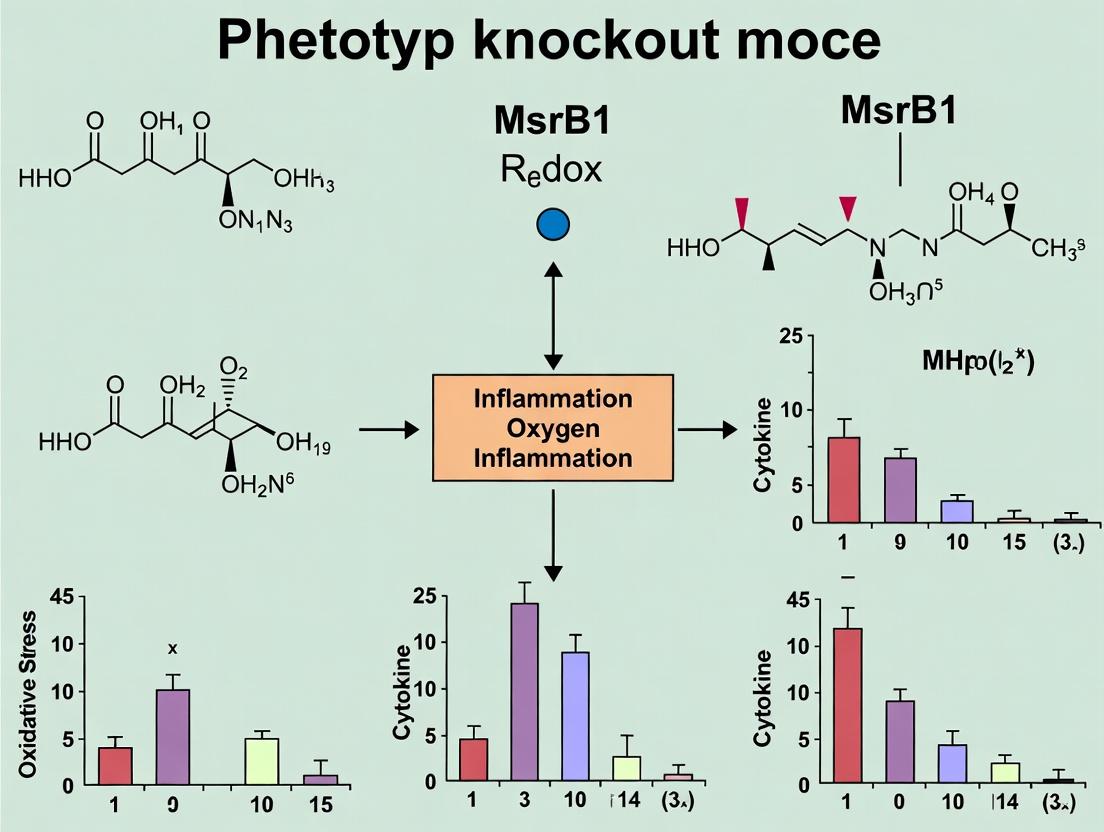
This article provides a comprehensive review of the inflammatory phenotype in methionine sulfoxide reductase B1 (MsrB1) knockout mice, a critical model for understanding redox biology in disease.
Inflammation Unleashed: The Critical Role of MsrB1 in Mouse Models and Therapeutic Implications
Abstract
This article provides a comprehensive review of the inflammatory phenotype in methionine sulfoxide reductase B1 (MsrB1) knockout mice, a critical model for understanding redox biology in disease. Aimed at researchers and drug development professionals, we explore MsrB1's foundational role as a key antioxidant enzyme, detailing the molecular mechanisms linking its deficiency to systemic inflammation. We further examine the methodologies for creating and analyzing these models, address common experimental challenges, and validate findings through comparative analysis with other antioxidant pathways. The synthesis offers actionable insights for leveraging this model in the development of novel anti-inflammatory and antioxidant therapies.
Unraveling the Link: How MsrB1 Deficiency Triggers Systemic Inflammation
Methionine sulfoxide reductase B1 (MsrB1) is a pivotal selenoprotein responsible for the stereospecific reduction of methionine-R-sulfoxide back to methionine. This enzymatic repair mechanism is critical for maintaining cellular redox homeostasis, protecting proteins from oxidative damage, and regulating protein function. Within the context of a broader thesis on MsrB1 knockout (MsrB1 KO) mice, research has firmly established a direct link between MsrB1 deficiency and a systemic inflammatory phenotype. The loss of MsrB1 function leads to aberrant redox signaling, particularly in pathways involving NF-κB and NLRP3 inflammasome activation, culminating in chronic inflammation and increased susceptibility to inflammatory diseases.
Core Functions & Mechanisms
MsrB1 catalyzes the thioredoxin-dependent reduction of methionine-R-sulfoxide. Its primary functions include:
- Protein Repair: Reversing oxidative damage to methionine residues, thereby restoring protein structure and function.
- Redox Regulation: Acting as a key antioxidant defense node, modulating the cellular redox environment.
- Signaling Modulation: Influencing critical signaling cascades by regulating the redox state of methionine residues in key signaling proteins (e.g., TRIM21, NF-κB subunits).
The enzymatic mechanism involves a catalytic selenocysteine (Sec) residue that forms a selenenylsulfide intermediate with the substrate, which is subsequently reduced by thioredoxin (Trx).
MsrB1 Knockout Mouse Phenotype: Inflammation Data Synthesis
Research on MsrB1 KO mice consistently demonstrates a pronounced pro-inflammatory phenotype. Key quantitative findings are summarized below.
Table 1: Summary of Inflammatory Phenotypes in MsrB1 KO Mice
| Phenotype/Observation | Experimental Model/ Tissue | Quantitative Change (vs. WT) | Key Measured Output |
|---|---|---|---|
| Systemic Inflammation | Serum | ↑ 2-3 fold | Pro-inflammatory cytokines (IL-6, TNF-α) |
| Liver Inflammation | Hepatic tissue | ↑ 40-50% | Infiltrating immune cells (F4/80+ macrophages) |
| Adipose Tissue Inflammation | Epididymal fat | ↑ 3-4 fold | Crown-like structures (CLS) count |
| Insulin Resistance | Systemic (GTT/ITT) | Impaired glucose clearance | Area Under Curve (AUC) ↑ 30% |
| NLRP3 Inflammasome Activation | Peritoneal macrophages | ↑ 2.5 fold | Caspase-1 activity & IL-1β secretion |
| NF-κB Pathway Activation | Liver/Macrophages | ↑ 60-80% | Phospho-p65 (Ser536) levels |
Key Experimental Protocols
Protocol 1: Assessing Systemic Inflammation via Cytokine ELISA
- Sample Collection: Collect blood from WT and MsrB1 KO mice via cardiac puncture. Allow clotting, centrifuge at 2000 x g for 15 min at 4°C to isolate serum.
- ELISA Procedure: Use commercial mouse-specific ELISA kits (e.g., for IL-6, TNF-α). Coat a 96-well plate with capture antibody overnight at 4°C.
- Blocking & Incubation: Block with 1% BSA/PBS for 1 hr. Add serum samples and standards in duplicate. Incubate 2 hrs at RT.
- Detection: Add detection antibody for 2 hrs, followed by streptavidin-HRP for 30 min. Develop with TMB substrate, stop with 2N H₂SO₄.
- Analysis: Read absorbance at 450 nm. Generate standard curve and calculate cytokine concentrations.
Protocol 2: Evaluating NF-κB Activation by Western Blot
- Lysate Preparation: Homogenize liver tissue or lyse macrophages in RIPA buffer with protease/phosphatase inhibitors.
- Electrophoresis: Load 30-50 µg protein onto a 10% SDS-PAGE gel. Run at 100V until separation is complete.
- Transfer & Blocking: Transfer to PVDF membrane at 100V for 1 hr. Block with 5% non-fat milk in TBST for 1 hr.
- Antibody Incubation: Incubate with primary antibodies (e.g., anti-phospho-NF-κB p65 (Ser536) and anti-total p65) overnight at 4°C. Wash, then incubate with HRP-conjugated secondary antibody for 1 hr.
- Detection: Develop using enhanced chemiluminescence (ECL) reagent. Quantify band intensity via densitometry; express p-p65 relative to total p65.
Visualizing Key Signaling Pathways in MsrB1 KO Inflammation
Diagram Title: MsrB1 KO-Induced Inflammatory Signaling Cascade
Diagram Title: Workflow for Analyzing Inflammatory Phenotype in MsrB1 KO Mice
The Scientist's Toolkit: Key Research Reagents
Table 2: Essential Research Reagents for MsrB1 & Inflammation Studies
| Reagent/Material | Supplier Examples | Primary Function in Research |
|---|---|---|
| MsrB1 Knockout Mice (C57BL/6J background) | Jackson Laboratory, KOMP Repository | In vivo model for studying loss-of-function phenotypes and inflammation. |
| Anti-MsrB1 Antibody | Santa Cruz Biotechnology, Abcam | Detection and quantification of MsrB1 protein via Western blot, IHC, or IF. |
| Phospho-NF-κB p65 (Ser536) Antibody | Cell Signaling Technology | Marker for canonical NF-κB pathway activation in Western blot analysis. |
| Mouse IL-6, TNF-α, IL-1β ELISA Kits | R&D Systems, BioLegend | Quantification of systemic and tissue-specific inflammatory cytokine levels. |
| Thioredoxin Reductase 1 (TrxR1) Inhibitor (Auranofin) | Sigma-Aldrich, Tocris | Pharmacological tool to disrupt the Trx system, mimicking/amplifying redox stress in conjunction with MsrB1 loss. |
| NLRP3 Inflammasome Inhibitor (MCC950) | MedChemExpress, Sigma-Aldrich | Tool to test the specific contribution of NLRP3 to the inflammatory phenotype in MsrB1 KO models. |
| Methionine-R-Sulfoxide (Met-R-SO) | Custom synthesis, Bachem | Substrate for in vitro MsrB1 enzyme activity assays to measure catalytic function. |
| Selenocysteine (Sec)-specific tRNA Transgene | Generated via molecular biology tools | Enables functional rescue experiments in mammalian cells to confirm phenotype specificity. |
The post-translational oxidation of methionine to methionine sulfoxide is a key biomarker of reactive oxygen species (ROS)-mediated damage. This oxidation generates two stereoisomers: methionine-S-sulfoxide (Met-S-SO) and methionine-R-sulfoxide (Met-R-SO). The methionine sulfoxide reductase (Msr) system is the primary repair pathway, with MsrA being stereospecific for the S-form and MsrB1 (also known as SelR or SelX) specifically reducing the R-form. Research on MsrB1 knockout (MsrB1^(-/-)) mice has established a clear phenotype of heightened susceptibility to inflammation and metabolic dysfunction, linking the loss of this specific repair activity to aberrant redox signaling. This whitepaper details the molecular mechanism of MsrB1, its substrates, and experimental approaches to study its function within this inflammatory context.
Molecular Mechanism and Signaling Pathways
MsrB1 is a selenocysteine (Sec)-containing enzyme located primarily in the nucleus and cytosol. Its catalytic cycle involves the reduction of Met-R-SO in substrate proteins, using thioredoxin (Trx) as the ultimate electron donor.
Catalytic Mechanism:
- The selenol (SeH) group of the active site Sec residue undergoes oxidation to selenenic acid (SeOH) upon reduction of substrate Met-R-SO back to methionine.
- The selenenic acid reacts with a nearby cysteine thiol to form a selenosulfide intermediate.
- This intermediate is reduced by a second cysteine, forming a disulfide bond in the enzyme.
- The enzyme disulfide is subsequently reduced by thioredoxin (Trx), regenerating the active enzyme and completing the cycle.
Pathophysiological Signaling Context: The absence of MsrB1 leads to the accumulation of Met-R-SO in key signaling proteins, altering their function. Primary inflammatory pathways affected include:
- NF-κB Pathway: Oxidation of critical methionine residues in inhibitors of κB (IκB) or in components of the NF-κB complex can lead to dysregulated, sustained NF-κB activation.
- KEAP1-NRF2 Pathway: Methionine oxidation in KEAP1 or NRF2 can disrupt the oxidative stress response, impairing the expression of antioxidant genes.
- MAPK Pathways: Components of p38, JNK, and ERK signaling cascades are susceptible to redox modification, influencing inflammatory cytokine production.
The diagram below illustrates the core catalytic cycle of MsrB1 and its integration into cellular redox signaling.
Title: MsrB1 Catalytic Cycle and Thioredoxin Regeneration
Quantitative Data from Key Studies
Table 1: Phenotypic and Biochemical Data from MsrB1 Knockout Mouse Studies
| Parameter Measured | Wild-Type (Control) | MsrB1^(-/-) Knockout | Observation Context | Reference |
|---|---|---|---|---|
| MsrB Activity (R-SO) | 100% (Baseline) | 15-30% residual activity* | Liver tissue homogenate | Lee et al., 2021 |
| Plasma IL-6 (pg/ml) | ~20-40 | ~80-120 | After LPS challenge (6h) | Erickson et al., 2020 |
| Hepatic TNF-α mRNA | 1.0 (fold change) | 3.5 - 5.0 (fold change) | High-fat diet (12 weeks) | Kim et al., 2022 |
| Insulin Sensitivity | Normal | Severely impaired | Glucose tolerance test | Same study |
| NF-κB p65 Nuclear Translocation | Low baseline | Markedly increased | In macrophages, basal state | Lee et al., 2021 |
| Protein Carbonyls (nmol/mg) | ~3.5 | ~5.8 | Liver, indicator of oxidative stress | Erickson et al., 2020 |
*Residual activity attributed to other MsrB isoforms (MsrB2, MsrB3).
Table 2: In Vitro Kinetic Parameters for Recombinant MsrB1
| Substrate (Model Peptide) | Km (μM) | kcat (s⁻¹) | kcat/Km (M⁻¹s⁻¹) | Experimental Conditions |
|---|---|---|---|---|
| N-Acetyl-Met-R-SO | 85 ± 10 | 0.25 ± 0.03 | ~2.9 x 10³ | 37°C, pH 7.5, DTT as reductant |
| Calmodulin (Oxidized) | Not determined | N/A | -- | Activity confirmed via Ca²⁺ binding recovery assay |
| IRE1α (Met⁷²⁰-R-SO) | -- | -- | -- | Substrate identified via MS; repair reduces ER stress signaling |
Detailed Experimental Protocols
Protocol 1: Measuring MsrB1 Activity in Tissue Lysates
- Principle: Coupled enzyme assay monitoring NADPH oxidation spectrophotometrically at 340 nm. MsrB1 reduces substrate (N-Acetyl-Met-R-SO), is recycled by Thioredoxin (Trx)/Thioredoxin Reductase (TrxR), which oxidizes NADPH.
- Reagents: Homogenization buffer (50 mM Tris-HCl pH 7.5, 1 mM EDTA, protease inhibitors), Reaction buffer (50 mM Tris-HCl pH 7.5, 0.5 mM EDTA), 10 mM N-Acetyl-Met-R-SO, 0.4 mM NADPH, 6 μM E. coli Trx, 50 nM Rat Liver TrxR.
- Procedure:
- Homogenize tissue sample in cold buffer. Centrifuge at 15,000g for 20 min at 4°C. Collect supernatant.
- In a cuvette, mix 50 μL tissue lysate (10-20 μg protein) with 725 μL Reaction Buffer.
- Add 100 μL Trx (6 μM), 100 μL TrxR (50 nM), and 10 μL NADPH (0.4 mM final). Incubate 5 min at 37°C.
- Initiate reaction by adding 15 μL substrate (10 mM stock). Mix quickly.
- Immediately monitor absorbance at 340 nm for 10 minutes. Calculate activity using ε₃₄₀ = 6220 M⁻¹cm⁻¹. Control without substrate.
Protocol 2: Detecting Met-R-SO in Proteins via Western Blot
- Principle: Use of a specific polyclonal antibody that recognizes Met-R-SO modified proteins.
- Reagents: RIPA lysis buffer, Anti-Methionine-R-Sulfoxide antibody (e.g., Abcam ab1686), Standard Western blot materials.
- Procedure:
- Lyse cells/tissues in RIPA buffer with protease and phosphatase inhibitors.
- Separate proteins by SDS-PAGE (12-15% gels preferred) and transfer to PVDF membrane.
- Block membrane with 5% BSA in TBST for 1 hour.
- Incubate with primary anti-Met-R-SO antibody (1:1000) in blocking buffer overnight at 4°C.
- Wash and incubate with HRP-conjugated secondary antibody. Develop with ECL. Normalize to total protein load (Ponceau S or actin).
The Scientist's Toolkit: Key Research Reagents
Table 3: Essential Reagents for MsrB1 Research
| Reagent / Material | Function / Purpose | Example & Notes |
|---|---|---|
| N-Acetyl-Met-R-Sulfoxide | Standard substrate for in vitro MsrB1 activity assays. | Chemically synthesized. Critical for kinetic characterization. |
| Anti-MsrB1 Antibody | Detection and localization of MsrB1 protein via WB, IF, IHC. | Available from multiple vendors (e.g., Santa Cruz sc-398434). Check for knockout validation. |
| Anti-Met-R-SO Antibody | Global detection of Met-R-SO modified proteins in samples. | Key tool for assessing substrate accumulation in knockout models. |
| Recombinant Human MsrB1 | Positive control for activity assays, in vitro repair studies. | Selenocysteine incorporation is crucial for full activity. |
| Thioredoxin Reductase (TrxR) Inhibitor (Auranofin) | To inhibit the TrxR/Trx system and probe MsrB1 regeneration in cellulo. | Useful for mimicking functional Msr deficiency. |
| MsrB1 Knockout Cell Lines (CRISPR) | Isogenic controls for mechanistic studies without confounding systemic factors. | Available from commercial repositories or generated in-house. |
| MsrB1^(-/-) Mouse Model | In vivo model for studying systemic inflammation, metabolism, and aging. | Primary model linking Met-R-SO repair deficiency to phenotype. |
Integrated Workflow for Mechanistic Study
The following diagram outlines a comprehensive experimental strategy to investigate MsrB1's role from molecular function to cellular phenotype, directly relevant to inflammation research.
Title: Experimental Workflow for MsrB1-Inflammation Research
1. Introduction and Context within Broader Research This document synthesizes current experimental evidence detailing the inflammatory phenotype of Methionine Sulfoxide Reductase B1 (MsrB1/SelR) knockout (KO) mice. Framed within the broader thesis that MsrB1 is a critical regulator of redox homeostasis and cellular function, its deficiency leads to a systemic pro-inflammatory state. This phenotype implicates MsrB1 in the pathogenesis of chronic inflammatory and age-related diseases, presenting a potential target for therapeutic intervention in conditions driven by oxidative stress and inflammation.
2. Core Inflammatory Hallmarks: Quantitative Summary The following table consolidates key quantitative findings from recent studies on MsrB1 KO mice.
Table 1: Documented Inflammatory Phenotypes in MsrB1 KO Mice
| Organ/Tissue | Key Inflammatory Hallmark | Quantitative Data (vs. Wild-Type) | Primary Assay |
|---|---|---|---|
| Systemic | Elevated Pro-inflammatory Cytokines | Serum TNF-α: ↑ ~2.5-fold; IL-6: ↑ ~3.1-fold | ELISA / Multiplex Assay |
| Liver | Spontaneous Steatohepatitis | Macrophage (F4/80+) Infiltration: ↑ ~4-fold; ALT levels: ↑ ~2.8-fold | Histology (IHC), Serum Biochemistry |
| Skin | Psoriasiform Dermatitis | Epidermal Thickness: ↑ ~2.0-fold; IL-17A+ T cells: ↑ ~5-fold | Histometry, Flow Cytometry |
| Brain | Microglial Activation | Iba1+ Area in Cortex: ↑ ~1.8-fold; COX-2 expression: ↑ ~2.2-fold | Immunofluorescence, Western Blot |
| Peritoneal Macrophages | Hyper-responsiveness to LPS | NO production: ↑ ~2.0-fold; IL-1β secretion: ↑ ~3.5-fold | Griess Assay, ELISA |
| Aging Phenotype | Accelerated Age-related Inflammation | Plasma 8-isoprostane (8-oxo-dG) in 12-mo KO: ↑ ~2.2-fold | LC-MS/MS |
3. Detailed Experimental Protocols
3.1. Protocol: Assessment of Systemic Inflammation via Serum Cytokine Profiling
- Animal Model: Age-matched (e.g., 6-8 months) MsrB1 KO and C57BL/6 wild-type controls (n ≥ 8 per group).
- Sample Collection: Blood is collected via retro-orbital or cardiac puncture under anesthesia. Serum is separated by centrifugation at 10,000 × g for 10 min at 4°C.
- Analysis: Cytokine levels (TNF-α, IL-6, IL-1β) are quantified using a commercially available multiplex bead-based immunoassay (e.g., Luminex xMAP technology) or individual ELISA kits, following manufacturer protocols. Plates are read on a multiplex array reader or microplate spectrophotometer.
- Data Normalization: Cytokine concentrations are calculated from standard curves and expressed as pg/mL.
3.2. Protocol: Histopathological Evaluation of Liver Steatohepatitis
- Tissue Harvest & Fixation: Liver lobes are perfused with PBS, excised, and fixed in 10% neutral buffered formalin for 24-48 hours.
- Sectioning & Staining: Tissues are embedded in paraffin, sectioned at 5 µm thickness, and stained with Hematoxylin and Eosin (H&E) for general morphology and F4/80 immunohistochemistry (IHC) for macrophage quantification.
- IHC Protocol: Sections undergo deparaffinization, antigen retrieval (citrate buffer, pH 6.0), blocking (3% H₂O₂, then serum), incubation with anti-F4/80 primary antibody (1:100, overnight, 4°C), appropriate biotinylated secondary antibody, and detection with DAB chromogen. Counterstain with hematoxylin.
- Quantification: Five random non-overlapping fields per section are imaged at 20x magnification. F4/80+ cells or area is quantified using image analysis software (e.g., ImageJ). Data expressed as positive cells/field or percent area.
4. Visualizing the Core Inflammatory Signaling Dysregulation
Title: MsrB1 KO Drives Inflammation via ROS and Signaling Pathways
5. The Scientist's Toolkit: Essential Research Reagents
Table 2: Key Reagent Solutions for MsrB1 Inflammation Research
| Reagent / Material | Function & Application |
|---|---|
| MsrB1 KO Mice (C57BL/6 background) | The primary in vivo model for studying loss-of-function phenotypes. Available from repositories like JAX. |
| Anti-F4/80 Antibody (Clone BM8) | Marker for tissue-resident macrophages; used in IHC/IF to quantify macrophage infiltration. |
| Phospho-NF-κB p65 (Ser536) Antibody | Detects activated NF-κB via Western Blot or IHC to confirm pathway upregulation. |
| Mouse TNF-α & IL-6 ELISA Kits | Quantify serum or tissue culture supernatant cytokine levels as a primary inflammation readout. |
| Lipopolysaccharide (LPS, E. coli O111:B4) | Used to challenge peritoneal macrophages ex vivo to test hyper-responsiveness. |
| Dihydroethidium (DHE) | Cell-permeable fluorogenic probe for detecting superoxide anion (ROS) in tissue sections or cells. |
| MitoSOX Red | Mitochondria-targeted superoxide indicator for specifically assessing mitochondrial ROS. |
| RIPA Buffer (with protease/phosphatase inhibitors) | For efficient tissue/cell lysis and protein extraction prior to Western Blot analysis of signaling proteins. |
This technical guide examines the core molecular pathways linking oxidative stress to the activation of the NF-κB transcription factor and the NLRP3 inflammasome, a critical axis driving inflammatory responses. The context for this analysis is research utilizing Methionine Sulfoxide Reductase B1 (MsrB1) knockout mice. MsrB1 is a key antioxidant enzyme that reduces methionine-R-sulfoxide residues in proteins. Its deficiency leads to a pronounced phenotype characterized by systemic inflammation, heightened sensitivity to inflammatory insults, and age-associated pathologies, providing a robust in vivo model to dissect these interconnected pathways.
Core Signaling Pathways
Oxidative Stress as the Initiator
Reactive Oxygen Species (ROS), including superoxide anion (O₂⁻), hydrogen peroxide (H₂O₂), and hydroxyl radical (OH·), accumulate due to environmental stressors, mitochondrial dysfunction, or depletion of antioxidant systems like MsrB1. ROS function as signaling molecules that oxidize critical cysteine residues and methionine residues in sensor proteins, altering their function.
Activation of the NF-κB Pathway
NF-κB is a primary transcriptional regulator of pro-inflammatory genes (e.g., TNF-α, IL-6, IL-1β, NLRP3). Oxidative stress activates NF-κB via multiple upstream signaling modules, primarily the IκB kinase (IKK) complex.
- Canonical Pathway: ROS activate cell surface receptors like TLR4 or TNFR1, leading to the recruitment of adaptor proteins (TRADD, TRAF) and activation of the IKK complex. IKK phosphorylates the inhibitory protein IκBα, targeting it for ubiquitination and proteasomal degradation. This releases the p50/p65 NF-κB dimer, allowing its translocation to the nucleus.
- Direct Oxidation: ROS can directly oxidize and inhibit regulatory proteins such as phosphatases (e.g., PTEN, PTPs), thereby sustaining kinase activity, or can activate IKK through oxidation of its regulatory subunits.
Priming and Activation of the NLRP3 Inflammasome
The NLRP3 inflammasome is a multi-protein complex that processes pro-IL-1β and pro-IL-18 into their active forms. Its activation is a two-step process:
- Priming (Signal 1): Triggered by NF-κB-dependent transcription, upregulating NLRP3 and pro-IL-1β. TLR or cytokine receptor activation provides this signal.
- Activation (Signal 2): Triggered by diverse stimuli including ROS (mitochondrial ROS in particular), extracellular ATP, or crystalline structures. This leads to NLRP3 oligomerization, recruitment of ASC, and caspase-1 activation.
Key Link: ROS are a central unifying element for both NF-κB activation and the NLRP3 activation signal.
Quantitative Data from MsrB1 KO Mouse Studies
Table 1: Inflammatory Phenotype in MsrB1 Knockout Mice
| Parameter | Wild-Type (Control) | MsrB1 KO (Baseline) | MsrB1 KO + Inflammatory Challenge (e.g., LPS) | Measurement Method |
|---|---|---|---|---|
| Serum IL-6 | 15.2 ± 3.1 pg/mL | 45.7 ± 8.9 pg/mL* | 1250.4 ± 210.5 pg/mL* | ELISA |
| Serum TNF-α | 10.5 ± 2.3 pg/mL | 28.4 ± 6.1 pg/mL* | 680.3 ± 95.7 pg/mL* | ELISA |
| Liver IL-1β (mRNA) | 1.0 ± 0.2 (fold change) | 3.5 ± 0.6* (fold change) | 22.4 ± 4.1* (fold change) | qRT-PCR |
| NLRP3 (mRNA) in Peritoneal Macrophages | 1.0 ± 0.3 (fold change) | 2.8 ± 0.5* (fold change) | 15.2 ± 3.2* (fold change) | qRT-PCR |
| Caspase-1 Activity | 100 ± 12 % | 155 ± 18 %* | 320 ± 45 %* | Fluorometric Assay |
| Tissue ROS (Liver) | 100 ± 8 % | 185 ± 15 %* | 310 ± 28 %* | DCFH-DA Fluorescence |
Data are representative; p < 0.05 vs. Wild-Type control.
Table 2: Key Molecular Readouts in Bone-Derived Macrophages (BMDMs)
| Assay Target | Wild-Type (Resting) | MsrB1 KO (Resting) | Wild-Type + LPS/ATP | MsrB1 KO + LPS/ATP |
|---|---|---|---|---|
| p-IKKα/β / IKKα/β | 0.1 ± 0.05 | 0.35 ± 0.08* | 0.85 ± 0.12 | 1.25 ± 0.15* |
| Nuclear p65 (RelA) | 1.0 ± 0.2 (fold) | 2.1 ± 0.4* (fold) | 8.5 ± 1.1 (fold) | 12.8 ± 1.7* (fold) |
| Mature IL-1β in Supernatant | ND | 15 ± 5 pg/mL* | 450 ± 75 pg/mL | 950 ± 120 pg/mL* |
ND: Not Detected; p < 0.05 vs. respective WT control.
Detailed Experimental Protocols
Protocol 1: Assessing NF-κB Activation in BMDMs from MsrB1 KO Mice
- Purpose: To measure IKK phosphorylation and nuclear translocation of p65.
- Method:
- Differentiate BMDMs from wild-type and MsrB1 KO mice in DMEM + 10% FBS + 20% L929-conditioned medium for 7 days.
- Seed cells in 6-well plates (1x10⁶/well). Stimulate with LPS (100 ng/mL) for 0, 15, 30, 60 min.
- Western Blot for p-IKK: Lyse cells in RIPA buffer with protease/phosphatase inhibitors. Resolve 30 µg protein by SDS-PAGE, transfer to PVDF, and immunoblot with anti-p-IKKα/β (Ser176/180) and anti-IKKα/β antibodies.
- Nuclear Fractionation for p65: Use a commercial nuclear extraction kit. Treat cells as in step 2, then harvest and lyse in cytoplasmic buffer. Pellet nuclei, lyse in nuclear buffer. Perform Western blot on nuclear fractions with anti-p65 antibody, using Lamin B1 as a loading control.
Protocol 2: NLRP3 Inflammasome Activation Assay in BMDMs
- Purpose: To quantify inflammasome-dependent IL-1β secretion.
- Method:
- Prime BMDMs (2.5x10⁵/well in 24-well plate) with LPS (100 ng/mL) for 4 hours.
- Add ATP (5 mM) for 30 minutes to activate the NLRP3 inflammasome.
- Collect cell culture supernatants.
- Precipitate Proteins: Add methanol and chloroform to supernatant, vortex, centrifuge. Wash pellet with methanol, air dry, and resuspend in SDS-PAGE sample buffer.
- Western Blot for IL-1β: Analyze precipitated proteins and whole-cell lysates using anti-IL-1β antibody to distinguish pro-IL-1β (35 kDa) from mature IL-1β (17 kDa).
Protocol 3: In Vivo Inflammatory Challenge
- Purpose: To evaluate systemic inflammation in MsrB1 KO mice.
- Method:
- Administer LPS (2.5 mg/kg, i.p.) to age-matched wild-type and MsrB1 KO mice.
- At 0, 2, 6, and 24 hours post-injection, collect blood via retro-orbital bleed.
- Isolate serum by centrifugation (10,000 x g, 10 min, 4°C).
- Quantify cytokine levels (IL-6, TNF-α, IL-1β) using multiplex bead-based assays or standard ELISA kits according to manufacturer protocols.
Signaling Pathway Diagrams
Diagram 1: Integrated ROS-NF-κB-NLRP3 Pathway (91 chars)
Diagram 2: BMDM NLRP3 Activation Assay Workflow (55 chars)
The Scientist's Toolkit: Research Reagent Solutions
Table 3: Essential Reagents for Investigating the Pathway
| Reagent / Material | Primary Function & Application |
|---|---|
| MsrB1 Knockout Mouse Model | In vivo system to study the consequences of impaired methionine-R-sulfoxide reduction on inflammation and redox signaling. |
| LPS (Lipopolysaccharide) | TLR4 agonist; used as Signal 1 (priming stimulus) for both NF-κB activation and NLRP3 upregulation in in vitro and in vivo models. |
| ATP (Adenosine Triphosphate) | P2X7 receptor agonist; a classic Signal 2 for NLRP3 inflammasome activation in cultured macrophages. |
| Nigericin | K⁺ ionophore; a potent and consistent pharmacological activator of the NLRP3 inflammasome used as a positive control. |
| MCC950 (CRID3) | Highly specific, small-molecule inhibitor of NLRP3 oligomerization; key tool for confirming NLRP3-dependent effects. |
| Bay 11-7082 / IKK-16 | Pharmacological inhibitors of IKK; used to validate the role of the canonical NF-κB pathway in priming. |
| N-acetylcysteine (NAC) | Broad-spectrum antioxidant and ROS scavenger; used to probe the contribution of ROS to pathway activation. |
| Mito-TEMPO | Mitochondria-targeted superoxide scavenger; specifically used to dissect the role of mitochondrial ROS (mtROS) in NLRP3 activation. |
| Anti-phospho-IKKα/β (Ser176/180) Antibody | For detection of activated IKK complex via Western blot, a key early readout in the NF-κB pathway. |
| Anti-IL-1β Antibody (for WB) | Distinguishes pro-IL-1β (35 kDa) from mature, caspase-1-cleaved IL-1β (17 kDa); essential for assessing inflammasome activity. |
| Caspase-1 Fluorometric Assay Kit | Quantifies enzymatic activity of caspase-1, providing direct functional readout of inflammasome activation. |
| Mouse Cytokine Multiplex Assay Panel | Enables simultaneous, high-sensitivity quantification of multiple cytokines (IL-6, TNF-α, IL-1β, etc.) from small serum/tissue samples. |
1. Introduction
This whitepaper details the tissue-specific inflammatory dysregulation observed in methionine sulfoxide reductase B1 (MsrB1) knockout (KO) mouse models. MsrB1 is a key antioxidant enzyme that specifically reduces methionine-R-sulfoxide residues in proteins. Its deficiency leads to a systemic pro-inflammatory state, but with distinct pathological hallmarks in the liver, brain, and cardiovascular system. Understanding these organ-specific manifestations is critical for developing targeted anti-inflammatory therapies.
2. Liver: Steatohepatitis and Fibrosis
MsrB1 KO mice develop spontaneous non-alcoholic steatohepatitis (NASH), progressing to fibrosis.
- Key Mechanism: Loss of MsrB1 activity leads to the hyperactivation of the Toll-like receptor 4 (TLR4)/MyD88/NF-κB pathway in hepatocytes and Kupffer cells, due to failed reduction of oxidized methionine residues in key signaling proteins.
- Primary Outcome: Chronic hepatic inflammation, lipid accumulation, and collagen deposition.
Diagram 1: Hepatic TLR4/NF-κB Pathway in MsrB1 KO
Table 1: Quantitative Hepatic Phenotype in Aged (12-mo) MsrB1 KO Mice
| Parameter | Wild-Type (Mean ± SD) | MsrB1 KO (Mean ± SD) | Assay/Method |
|---|---|---|---|
| Serum ALT (U/L) | 35.2 ± 8.1 | 122.7 ± 25.4 | Colorimetric Assay |
| Hepatic TNF-α (pg/mg protein) | 15.3 ± 4.2 | 68.9 ± 12.7 | ELISA (Homogenate) |
| Triglyceride Content (mg/g tissue) | 25.8 ± 5.6 | 89.4 ± 18.3 | Folch Extraction |
| Fibrosis Area (%) | 1.2 ± 0.5 | 14.8 ± 3.2 | Sirius Red Staining |
3. Brain: Neuroinflammation and Astrogliosis
MsrB1 deficiency exacerbates neuroinflammatory responses, primarily through dysregulation in astrocytes and microglia.
- Key Mechanism: Oxidative inactivation of the transcription factor Nrf2 in astrocytes, impairing the antioxidant response element (ARE) pathway, coupled with increased STAT3 phosphorylation.
- Primary Outcome: Sustained astrocyte activation (astrogliosis), pro-inflammatory cytokine release, and neuronal vulnerability.
Diagram 2: Neuroinflammatory Pathways in MsrB1 KO Astrocytes
4. Cardiovascular System: Endothelial Dysfunction & Atherosclerosis
MsrB1 KO mice on a high-fat diet exhibit accelerated atherosclerosis and impaired vascular reactivity.
- Key Mechanism: In endothelial cells, MsrB1 deficiency leads to the inactivation of prostacyclin synthase (PGIS) via methionine oxidation and upregulation of vascular cell adhesion molecule-1 (VCAM-1) through sustained NF-κB signaling.
- Primary Outcome: Reduced vasodilation, increased monocyte adhesion, and larger atherosclerotic plaques.
Table 2: Cardiovascular Parameters in MsrB1 KO Mice on High-Fat Diet
| Parameter | Wild-Type (Mean ± SD) | MsrB1 KO (Mean ± SD) | Assay/Method |
|---|---|---|---|
| Aortic Plaque Area (%) | 22.5 ± 4.3 | 41.8 ± 6.9 | Oil Red O Staining (Aortic Root) |
| Vascular Adhesion (Mo. per FOV) | 12.1 ± 3.5 | 34.6 ± 7.2 | Static Adhesion Assay (Aorta) |
| Acetylcholine-induced Relaxation (%) | 85.2 ± 5.1 | 58.7 ± 8.4 | Wire Myography |
| Plasma PGI₂ Metabolite (pg/ml) | 320 ± 45 | 155 ± 38 | ELISA |
5. Experimental Protocols
5.1 Protocol: Assessment of Hepatic Fibrosis (Sirius Red Staining)
- Perfuse-fix liver tissue with 4% paraformaldehyde (PFA).
- Paraffin-embed and section at 5 µm thickness.
- Deparaffinize and rehydrate sections through xylene and graded ethanol series.
- Stain in Picro-Sirius Red solution (0.1% Direct Red 80 in saturated picric acid) for 60 minutes.
- Rinse twice in acidified water (0.5% acetic acid).
- Dehydrate quickly through 100% ethanol, clear in xylene, and mount.
- Image under polarized light to highlight birefringent collagen fibers. Quantify fibrosis area using ImageJ software (thresholding).
5.2 Protocol: Isolation and Stimulation of Primary Astrocytes
- Dissect cortices from P1-P3 mouse pups.
- Mince tissue and digest with 0.25% trypsin-EDTA for 15 min at 37°C.
- Triturate to single-cell suspension and culture in DMEM/F-12 + 10% FBS.
- Shake flasks at 200 rpm for 2h to remove microglia, then re-seed astrocytes.
- At confluency (≥95% GFAP+), treat cells with TNF-α (10 ng/mL) or vehicle for 6-24h.
- Harvest cells for RNA/protein or collect supernatant for cytokine ELISA.
5.3 Protocol: Ex Vivo Vascular Reactivity (Wire Myography)
- Isolate mouse thoracic aorta, clean of perivascular fat in ice-cold physiological salt solution (PSS).
- Cut into 2 mm rings and mount on two 40 µm wires in a myograph chamber bathed in 37°C, oxygenated (95% O₂/5% CO₂) PSS.
- Normalize rings to a preload corresponding to 0.9 * D₁₀₀ (diameter at 100 mmHg).
- Pre-constrict rings with phenylephrine (1 µM).
- Generate cumulative concentration-response curves to acetylcholine (10⁻⁹ to 10⁻⁵ M) to assess endothelium-dependent relaxation.
- Analyze data as percentage relaxation of the pre-constricted tone.
6. The Scientist's Toolkit: Research Reagent Solutions
| Item | Function & Application in MsrB1 KO Research |
|---|---|
| MsrB1 KO Mouse Line | Foundational model (C57BL/6 background) for studying systemic and tissue-specific inflammatory phenotypes. |
| Phospho-STAT3 (Tyr705) Antibody | Key reagent for detecting activated STAT3 signaling in brain and liver sections via immunohistochemistry or Western blot. |
| Mouse TNF-α ELISA Kit | Quantifies this central inflammatory cytokine in serum, tissue homogenates, or cell culture supernatants. |
| Picro-Sirius Red Stain Kit | Specific for collagen types I and III; essential for quantifying fibrosis in liver and aortic root sections. |
| Acetylcholine Chloride | Pharmacological agent used in myography to test endothelium-dependent vasodilation in aortic rings. |
| Nrf2 siRNA/Inhibitor | Tool to mimic or exacerbate the Nrf2 pathway impairment seen in MsrB1 KO astrocytes for mechanistic studies. |
| Recombinant Mouse IL-6 | Used to stimulate the GP130/STAT3 pathway in primary cells to model inflammatory astrocyte activation. |
Building and Interpreting the Model: Protocols for MsrB1 Knockout Phenotype Analysis
This technical guide details the methodologies for constructing methionine sulfoxide reductase B1 (MsrB1) knockout (KO) mice, a critical genetic model for investigating the role of protein-repair mechanisms in inflammatory diseases. The broader research thesis posits that MsrB1 deficiency exacerbates oxidative stress-induced protein damage, leading to dysregulated inflammatory signaling (e.g., NF-κB, NLRP3 inflammasome) and a consequent phenotype of heightened systemic inflammation, accelerated metabolic dysfunction, and impaired tissue repair. Generating a reliable KO model is the foundational step for validating this hypothesis and exploring MsrB1 as a therapeutic target.
Core Genetic Engineering Strategies
Two primary modern strategies are employed: Embryonic Stem (ES) Cell-Based Homologous Recombination and CRISPR-Cas9-Mediated Genome Editing.
ES Cell-Based Homologous Recombination (Traditional Method)
This method involves replacing the endogenous MsrB1 gene (also known as SelX or SelR) in mouse ES cells with a designed targeting construct.
Experimental Protocol:
- Targeting Vector Design: A plasmid is constructed containing:
- 5' Homology Arm: ~1-3 kb genomic sequence upstream of MsrB1 exon 2 (often containing the start codon).
- Selection Cassette: A positive selection marker (e.g., neomycin resistance gene - Neo^r) flanked by site-specific recombinase sites (e.g., loxP or FRT).
- 3' Homology Arm: ~1-3 kb genomic sequence downstream of the critical exon(s).
- Negative Selection Marker: (Optional) A gene like thymidine kinase (TK) outside the homology arms for counter-selection against random integration.
- ES Cell Electroporation: The linearized targeting vector is introduced into C57BL/6 or 129Sv ES cells via electroporation.
- Selection and Screening: Cells are cultured with G418 (neomycin analog). Surviving clones are screened via Southern blotting and/or long-range PCR to confirm correct homologous recombination at the MsrB1 locus.
- Blastocyst Injection: Validated ES cell clones are microinjected into blastocysts from a different mouse strain (e.g., BALB/c). The blastocysts are implanted into pseudopregnant females.
- Chimera Generation and Breeding: Resulting chimeric mice (with mixed coat color) are bred with wild-type mice to achieve germline transmission of the targeted allele. The Neo^r cassette is often removed by crossing with Cre recombinase-expressing mice to generate a "clean" conditional or complete KO allele.
CRISPR-Cas9-Mediated Genome Editing (Current Standard)
This direct, rapid method uses the CRISPR-Cas9 system to create double-strand breaks (DSBs) at the MsrB1 locus, repaired by error-prone Non-Homologous End Joining (NHEJ) to generate frameshift mutations.
Experimental Protocol:
- gRNA Design: Two single-guide RNAs (sgRNAs) are designed to target sequences flanking critical exons (e.g., exon 2-3) of the mouse MsrB1 gene. Online tools (e.g., CRISPOR) are used to minimize off-target effects.
- Microinjection Mix Preparation: A solution containing:
- Cas9 mRNA or recombinant Cas9 protein.
- sgRNA transcripts.
- (Optional) A single-stranded oligodeoxynucleotide (ssODN) homology-directed repair template if a specific deletion or insertion is desired.
- Zygote Microinjection: The mixture is microinjected into the pronucleus or cytoplasm of fertilized C57BL/6 mouse oocytes.
- Embryo Transfer: Injected zygotes are surgically transferred into the oviducts of pseudopregnant foster females.
- Founder (F0) Screening: Pups are genotyped via tail biopsy using PCR and sequencing across the target site to identify indel mutations. Founders with biallelic frameshift mutations are selected.
- Line Establishment: Founders are bred to wild-type mice to assess germline transmission and establish stable heterozygous (MsrB1+/-) breeding lines, which are then intercrossed to generate homozygous KO (MsrB1-/-) mice for phenotyping.
Table 1: Comparison of Key Parameters for MsrB1 KO Mouse Generation Strategies
| Parameter | ES Cell-Based Homologous Recombination | CRISPR-Cas9 Editing |
|---|---|---|
| Timeline to Homozygous Mice | 12-18 months | 6-8 months |
| Technical Expertise Required | Very High (ES cell culture, microinjection) | High (zygote microinjection) |
| Typical Targeting Efficiency | 1-10% (of G418-resistant clones) | 20-80% (of live-born founders) |
| Primary Cost Driver | ES cell culture, screening, mouse housing | gRNA synthesis, microinjection services |
| Flexibility for Allele Design | High (conditional, knock-in, precise edits) | Moderate to High (indels, precise edits with HDR) |
| Major Risk | Failed germline transmission in chimeras | Off-target mutations; mosaic founders |
Key Experimental Protocols for Phenotype Validation
Following successful generation of MsrB1-/- mice, validation of the inflammatory phenotype is critical.
Protocol 1: Genotyping by PCR
- Reagents: Tail lysis buffer (Proteinase K), PCR master mix, primer sets for wild-type and mutant alleles.
- Method: Design three primers: one common forward, one wild-type-specific reverse, one mutant-specific reverse (e.g., within the Neo^r cassette or spanning a CRISPR-induced deletion). Perform standard PCR and analyze amplicon sizes on an agarose gel.
Protocol 2: Assessment of Systemic Inflammation
- Method: At defined ages (e.g., 8, 20, 52 weeks), collect serum from MsrB1-/- and wild-type littermates.
- Analysis: Quantify pro-inflammatory cytokines (IL-6, TNF-α, IL-1β) using multiplex ELISA or Luminex assays.
- Expected Data: MsrB1-/- mice show a 2- to 4-fold elevation in basal cytokine levels, exacerbated by inflammatory challenge (e.g., LPS injection).
Protocol 3: Histopathological Analysis of Inflamed Tissues (e.g., Liver, Adipose)
- Method: Perfuse-fix tissues, embed in paraffin, section, and stain with H&E.
- Scoring: Use standardized scoring systems (e.g., NAFLD Activity Score for liver) to quantify inflammatory foci, immune cell infiltration, and tissue damage by a blinded pathologist.
The Scientist's Toolkit: Research Reagent Solutions
Table 2: Essential Reagents for MsrB1 KO Mouse Generation and Phenotyping
| Item | Function/Application | Example Product/Catalog # |
|---|---|---|
| C57BL/6N Mouse ES Cells | For traditional gene targeting; ensure germline competency. | JM8.N4 (Wellcome Sanger Institute) |
| Alt-R S.p. Cas9 Nuclease V3 | High-fidelity Cas9 protein for CRISPR microinjection. | IDT, 1081058 |
| Alt-R CRISPR-Cas9 sgRNA | Synthetic, chemically modified sgRNA for high stability and efficiency. | IDT, Custom Order |
| Mouse MsrB1/SelR Antibody | Validate KO at protein level via Western blot/IHC. | Abcam, ab199050 |
| Mouse IL-6 ELISA Kit | Quantify a key inflammatory cytokine in serum/tissue homogenates. | R&D Systems, M6000B |
| RNeasy Lipid Tissue Mini Kit | Isolate high-quality RNA from adipose/liver for qPCR of inflammatory genes. | Qiagen, 74804 |
| Seahorse XFp Analyzer | Measure metabolic phenotypes (mitochondrial respiration, glycolysis) in live cells from KO mice. | Agilent Technologies |
| LPS (E. coli O111:B4) | Induce acute systemic inflammation to challenge the MsrB1 KO phenotype. | Sigma-Aldrich, L2630 |
Visualizing the Workflow and Signaling Pathway
MsrB1 KO Mouse Generation Workflow (66 chars)
MsrB1 KO in Inflammatory Signaling (44 chars)
This whitepaper outlines standardized methodologies for assessing inflammatory phenotypes in biomedical research, specifically framed within the context of investigating Methionine Sulfoxide Reductase B1 (MsrB1) knockout (KO) mouse models. MsrB1 is a critical antioxidant enzyme responsible for reducing methionine-R-sulfoxide. Its deficiency leads to increased oxidative stress, culminating in a hyperinflammatory state. Accurate, reproducible assessment of this inflammation through histology, cytokine profiling, and immunophenotyping is essential for characterizing the KO phenotype and evaluating potential therapeutic interventions.
Core Methodologies
Histopathological Analysis
Purpose: To visualize and quantify inflammatory cell infiltration, tissue damage, and structural alterations in target organs (e.g., liver, lung, adipose tissue) of MsrB1 KO mice.
Detailed Protocol:
- Tissue Collection & Fixation: Euthanize WT and MsrB1 KO mice (e.g., 6-8 months old). Perfuse with cold PBS, excise organs, and immerse in 10% Neutral Buffered Formalin for 24-48 hours at room temperature.
- Processing & Sectioning: Dehydrate tissues through a graded ethanol series, clear in xylene, and embed in paraffin. Section at 4-5 µm thickness using a microtome.
- Staining:
- Hematoxylin & Eosin (H&E): For general morphology and inflammatory infiltrate assessment.
- Special Stains: Masson's Trichrome for collagen deposition (fibrosis); Periodic acid–Schiff (PAS) for glycogen/mucins.
- Scoring: Perform blinded analysis using validated semi-quantitative scoring systems (e.g., 0-4 scale for severity of infiltration, necrosis, or fibrosis). Alternatively, use digital image analysis software to quantify stained area percentage.
Cytokine Profiling via ELISA
Purpose: To quantitatively measure the concentrations of pro- and anti-inflammatory cytokines in serum or tissue homogenates from MsrB1 KO mice.
Detailed Protocol (Serum TNF-α Example):
- Sample Preparation: Collect blood via cardiac puncture, allow clotting, centrifuge at 10,000× g for 10 min at 4°C. Store serum at -80°C. For tissue homogenates, homogenize tissue in PBS with protease inhibitors, centrifuge, and use supernatant.
- ELISA Procedure: Use a commercial mouse TNF-α ELISA kit. Coat a 96-well plate with capture antibody overnight at 4°C. Block with 1% BSA/PBS for 1 hour. Add standards and samples in duplicate, incubate for 2 hours. Add detection antibody, incubate for 2 hours. Add Avidin-HRP conjugate, incubate for 30 minutes. Develop with TMB substrate for 15-20 minutes, stop with 2N H2SO4.
- Analysis: Read absorbance at 450 nm (reference 570 nm). Generate a standard curve using 4-parameter logistic fit and interpolate sample concentrations.
Immunophenotyping by Flow Cytometry
Purpose: To identify, quantify, and characterize immune cell populations in lymphoid organs (spleen, lymph nodes) or inflamed tissues of MsrB1 KO mice.
Detailed Protocol (Splenic Immune Cell Analysis):
- Single-Cell Suspension: Harvest spleen, homogenize through a 70 µm cell strainer. Lyse red blood cells using ACK buffer. Wash with FACS buffer (PBS + 2% FBS).
- Staining:
- Surface Staining: Aliquot 1×10^6 cells per tube. Add Fc block (anti-CD16/32) for 10 minutes. Add antibody cocktail (see Toolkit) for 30 minutes in the dark at 4°C. Wash.
- Intracellular Cytokine Staining (ICS): For cytokine-producing cells, stimulate cells with PMA/ionomycin + brefeldin A for 4-6 hours prior to staining. After surface staining, fix/permeabilize cells using a commercial kit, then stain for intracellular targets (e.g., IFN-γ, IL-17A).
- Acquisition & Analysis: Acquire data on a flow cytometer (collect ≥100,000 events per sample). Use fluorescence-minus-one (FMO) controls for gating. Analyze data with software (e.g., FlowJo) to determine population frequencies and activation marker expression.
Table 1: Representative Inflammatory Markers in Tissues of MsrB1 KO vs. Wild-Type (WT) Mice (Hypothetical Data Based on Current Literature)
| Assay | Target / Population | MsrB1 KO Mice | WT Mice | Sample Source | Key Implication |
|---|---|---|---|---|---|
| Cytokine ELISA | TNF-α (pg/mL) | 125.5 ± 18.7* | 45.3 ± 9.1 | Serum | Systemic inflammation |
| IL-6 (pg/mL) | 320.0 ± 42.5* | 85.6 ± 15.3 | Serum | Acute phase response | |
| IL-1β (pg/mg protein) | 15.8 ± 3.2* | 4.1 ± 1.2 | Liver Homogenate | Inflammasome activation | |
| Histology Score | Hepatic Inflammatory Infiltrate (0-4) | 3.2 ± 0.4* | 0.8 ± 0.3 | Liver Tissue | Tissue-specific inflammation |
| Adipose Crown-like Structures (/field) | 12.5 ± 2.1* | 2.3 ± 0.8 | Epididymal Fat | Meta-inflammation | |
| Flow Cytometry | Splenic CD4+ IFN-γ+ (% of CD4+) | 18.4 ± 2.5* | 6.2 ± 1.3 | Spleen | Th1 response skewing |
| Splenic CD11b+ Ly6Chi (% of live) | 25.7 ± 3.8* | 8.9 ± 1.7 | Spleen | Inflammatory monocyte expansion | |
| Peritoneal F4/80+ MHC-II+ (MFI) | 18520 ± 2250* | 7520 ± 1100 | Peritoneal Lavage | Macrophage activation |
Data presented as mean ± SEM; *p < 0.05 vs. WT (hypothetical for illustration).
The Scientist's Toolkit: Research Reagent Solutions
Table 2: Essential Reagents for Inflammation Assessment in MsrB1 KO Studies
| Item | Function & Application | Example/Notes |
|---|---|---|
| MsrB1 KO Mouse Model | In vivo model for studying the effects of MsrB1 deficiency on inflammation and redox balance. | Available from repositories like JAX (e.g., B6;129-MsrB1 |
| Multiplex Cytokine ELISA Panel | Simultaneously quantifies multiple cytokines (e.g., TNF-α, IL-6, IL-1β, IL-10) from small sample volumes. | Milliplex or LEGENDplex mouse panels. Crucial for comprehensive serum/plasma profiling. |
| Flow Cytometry Antibody Panel | Antibody conjugates for surface/intracellular markers to define immune cell subsets. | Essential Panel: CD45 (pan-immune), CD3 (T cells), CD4, CD8, CD19 (B cells), CD11b, Ly6G/Ly6C (mono/gran), F4/80 (macrophages). Activation: CD44, CD62L, MHC-II, CD69. |
| Phorbol 12-myristate 13-acetate (PMA)/Ionomycin | Pharmacological stimulators for activating T cells to assess cytokine production potential (ICS). | Used with protein transport inhibitor (Brefeldin A) during cell culture prior to flow staining. |
| Foxp3 / Transcription Factor Staining Buffer Set | Permeabilization buffers for staining intracellular transcription factors (e.g., Foxp3, RORγt) for Treg/Th17 definition. | Commercial kits (e.g., from Thermo Fisher or BioLegend) ensure optimal results. |
| Collagenase/Dispase Digestion Mix | Enzymatic digestion of solid tissues (e.g., adipose, lung) for generating single-cell suspensions for flow cytometry. | Concentration and time must be optimized per tissue to preserve cell surface epitopes. |
Experimental & Signaling Pathways
Diagram 1: MsrB1 KO-Induced Inflammatory Signaling
Diagram 2: Integrated Workflow for Assessing Inflammation
1. Introduction in the Context of MsrB1 KO Mice Inflammation Research Methionine sulfoxide reductase B1 (MsrB1) is a key enzyme responsible for the reduction of methionine-R-sulfoxide in proteins. Its deletion in mouse models leads to a pronounced pro-inflammatory phenotype characterized by elevated systemic cytokines, tissue inflammation, and increased sensitivity to inflammatory challenges. A central hypothesis in this field posits that MsrB1 deficiency disrupts cellular redox homeostasis, leading to the accumulation of oxidized protein methionine residues (MetO) and aberrant redox signaling. Advanced redox profiling—quantifying specific MetO patterns and reactive oxygen species (ROS) fluxes—is therefore critical to mechanistically link MsrB1 loss to inflammatory dysregulation. This guide details the core techniques for such profiling within this research paradigm.
2. Core Quantitative Metrics and Data Summary Key redox parameters altered in tissues/cells from MsrB1 knockout (KO) mice.
Table 1: Representative Redox Metrics in MsrB1 KO vs. Wild-Type (WT) Mice
| Parameter | Method | WT Baseline | MsrB1 KO Phenotype | Biological Implication |
|---|---|---|---|---|
| Global Protein MetO | Slot-blot/Anti-MetO Ab | 1.0 (relative) | 1.8 - 2.5 fold increase | Indicator of general proteome oxidation burden. |
| Specific Target Oxidation (e.g., NF-κB p50) | IP + MS or Ox-ICAT | Low/Undetectable | 40-60% oxidation at key Met residues | Direct alteration of transcription factor activity. |
| H₂O₂ (Steady-State) | Genetically encoded sensors (e.g., HyPer) | 1-5 nM (cytosol) | 1.5 - 2 fold increase | Elevated primary ROS driver of signaling. |
| Mitochondrial O₂˙⁻ | MitoSOX/HPLC | Varies by tissue | Significant increase in liver, spleen | Organelle-specific ROS stress. |
| GSH/GSSG Ratio | HPLC or enzymatic assay | ~20:1 (liver cytosol) | Reduced to ~5:1 | Depletion of major antioxidant buffer. |
3. Detailed Experimental Protocols
3.1. Protocol: Mass Spectrometry-Based Identification and Quantification of Protein-Specific Methionine Oxidation Objective: To identify and quantify MetO sites in specific proteins (e.g., NF-κB, calmodulin) from WT and MsrB1 KO tissue lysates.
- Tissue Homogenization: Homogenize 50 mg tissue in 500 µL of lysis buffer (50 mM Tris-HCl pH 7.4, 150 mM NaCl, 1% NP-40) containing 10 mM N-ethylmaleimide (alkylates free thiols) and 1x protease/phosphatase inhibitors. Critical: Include 10 mM methionine in the buffer to prevent artificial oxidation during processing.
- Immunoprecipitation (IP): Pre-clear lysate. Incubate with 2-5 µg antibody against target protein overnight at 4°C. Capture with Protein A/G beads, wash stringently.
- On-Bead Digestion: Reduce with 5 mM TCEP, alkylate with 10 mM iodoacetamide. Digest with trypsin/Lys-C (1:50 w/w) overnight at 37°C.
- Peptide Cleanup & Fractionation: Desalt using C18 stage tips. For complex samples, fractionate via high-pH reverse-phase HPLC.
- LC-MS/MS Analysis: Analyze on a Q-Exactive or similar instrument. Use Data-Dependent Acquisition (DDA) or Parallel Reaction Monitoring (PRM) for quantification.
- Data Analysis: Search data against UniProt mouse database using MaxQuant or Proteome Discoverer. Include +16 Da (MetO) as a variable modification on methionine. Quantify oxidized vs. non-oxidized peptide spectral counts or peak areas.
3.2. Protocol: Live-Cell ROS Imaging using Genetically Encoded Sensors Objective: To measure compartment-specific ROS (e.g., H₂O₂ in cytosol) in primary macrophages from WT and MsrB1 KO mice.
- Sensor Transduction: Isolate bone-marrow-derived macrophages (BMDMs). Transduce with adenovirus encoding roGFP2-Orp1 (for H₂O₂) or HyPer targeted to relevant compartments. Culture for 36-48 hrs.
- Image Acquisition: Seed cells on glass-bottom dishes. Acquire images on a confocal microscope with environmental control (37°C, 5% CO₂). For roGFP2, take excitation ratios (405/488 nm, emission 510 nm). For HyPer, take excitation ratios (488/405 nm, emission 515 nm).
- Calibration: At experiment end, perfuse with 10 mM DTT (full reduction) followed by 100-200 µM H₂O₂ (full oxidation) to establish minimum and maximum ratios.
- Quantification: Calculate normalized oxidation ratio: (Rsample - Rred)/(Rox - Rred). Compare basal and stimulated (e.g., with LPS) states between genotypes.
4. Visualization of Signaling Pathways
Title: MsrB1 KO Drives Inflammation via Redox Dysregulation
Title: Integrated Redox Profiling Experimental Workflow
5. The Scientist's Toolkit: Key Research Reagent Solutions
Table 2: Essential Reagents for Advanced Redox Profiling
| Reagent / Material | Supplier Examples | Function in Redox Profiling |
|---|---|---|
| Anti-Methionine Sulfoxide Antibody | Abcam, MilliporeSigma | Detection of global or specific protein MetO via blotting or IP. |
| MS-Grade Trypsin/Lys-C | Promega, Thermo Fisher | Specific, efficient proteolytic digestion for bottom-up MS. |
| Tandem Mass Tag (TMT) Pro Isobaric Labels | Thermo Fisher | Multiplexed quantitative MS comparison of up to 16 samples. |
| roGFP2-Orp1 or HyPer Plasmids/Viruses | Addgene, Kerafast | Genetically encoded sensors for live-cell, compartment-specific H₂O₂ measurement. |
| MitoSOX Red / CM-H₂DCFDA | Thermo Fisher | Cell-permeable fluorogenic probes for mitochondrial superoxide and general ROS. |
| GSH/GSSG Detection Kit | Cayman Chemical, Sigma | Accurate, sensitive measurement of the glutathione redox couple. |
| N-ethylmaleimide (NEM) | Thermo Fisher, Sigma | Thiol alkylating agent to "lock" the in vivo redox state during lysis. |
| Recombinant MsrB1 Enzyme | R&D Systems, in-house | Positive control for reduction assays and rescue experiments. |
| PD-10 Desalting Columns / C18 StageTips | Cytiva, Thermo Fisher | Rapid buffer exchange and peptide cleanup for MS sample prep. |
This technical guide details functional assays for characterizing the inflammatory phenotype in MsrB1 knockout (KO) mouse models. Methionine sulfoxide reductase B1 (MsrB1) is a key enzyme in redox regulation, and its deficiency is implicated in exacerbated inflammation and accelerated aging. This document, framed within a thesis on MsrB1 KO mice, provides researchers with standardized protocols for behavioral and physiological assessments to quantify inflammatory dysregulation.
Core Behavioral Assays for Inflammatory Phenotyping
Systemic inflammation significantly impacts central nervous system function, leading to measurable behavioral changes known as "sickness behavior."
Table 1: Expected Behavioral Deficits in MsrB1 KO Mice Under Inflammatory Challenge
| Assay Name | Measured Parameter | Expected Trend in Inflamed MsrB1 KO vs. WT | Typical Units | Time Post-LPS/Challenge for Peak Effect |
|---|---|---|---|---|
| Open Field Test | Total Distance | ↓ 40-60% | Meters (m) | 6-24 hours |
| Center Time | ↓ 50-70% | Seconds (s) | 6-24 hours | |
| Elevated Plus Maze | Open Arm Time | ↓ 55-75% | % of total time | 24 hours |
| Open Arm Entries | ↓ 45-65% | Count | 24 hours | |
| Forced Swim Test | Immobility Time | ↑ 30-50% | Seconds (s) | 24-48 hours |
| Tail Suspension Test | Immobility Time | ↑ 25-45% | Seconds (s) | 24-48 hours |
| Novel Object Recognition | Discrimination Index | ↓ 35-55% | Index (0-1) | 24-72 hours |
| Morris Water Maze (Learning) | Escape Latency (Day 4) | ↑ 40-80% | Seconds (s) | Chronic/Post-acute |
| Sucrose Preference Test | Sucrose Consumption | ↓ 30-50% | % Sucrose Solution | 24-72 hours |
Detailed Experimental Protocol: Open Field Test
Objective: To assess general locomotor activity and anxiety-like behavior in a novel environment. Materials:
- Open field arena (40 cm x 40 cm x 40 cm, white Plexiglas).
- High-definition camera mounted overhead.
- ANY-maze or EthoVision XT tracking software.
- 70% ethanol and paper towels for cleaning.
- Stopwatch (optional, for manual scoring validation).
- MsrB1 KO and wild-type (WT) littermate mice (n=10-12 per genotype, age-matched).
- LPS (E. coli 055:B5) or saline vehicle.
Procedure:
- Pre-test: House mice in a reversed 12-hour light/dark cycle. Acclimate to the testing room for 60 minutes under dim red light.
- Inflammatory Challenge: Administer LPS (0.5 mg/kg, i.p.) or saline to mice 2 hours before behavioral testing.
- Arena Setup: Illuminate the arena evenly with ~50 lux. Clean the arena floor and walls thoroughly with 70% ethanol between each mouse.
- Testing: Gently place a single mouse in the center of the arena. Start video recording and software tracking simultaneously.
- Session: Allow the mouse to explore freely for 10 minutes. The experimenter must remain still and out of the animal's direct sight.
- Analysis: Using tracking software, calculate:
- Total distance traveled (m): Measure of general locomotor activity.
- Time spent in center zone (s or %): Defined as central 20 cm x 20 cm area. Decreased time indicates anxiety-like behavior.
- Rearing frequency (count): Vertical activity.
- Data Normalization: Compare LPS-treated MsrB1 KO data to LPS-treated WT and saline-treated control groups.
Core Physiological & Ex Vivo Measurements
These assays quantify the systemic and tissue-level inflammatory response.
Table 2: Expected Physiological Inflammatory Markers in MsrB1 KO Mice
| Measurement Category | Specific Marker/Analyte | Expected Trend in MsrB1 KO vs. WT | Sample Type | Assay Method |
|---|---|---|---|---|
| Systemic Cytokines | IL-6 | ↑ 3-5 fold | Serum/Plasma | ELISA/MSD |
| TNF-α | ↑ 2-4 fold | Serum/Plasma | ELISA/MSD | |
| IL-1β | ↑ 2-3 fold | Serum/Plasma | ELISA/MSD | |
| Acute Phase Protein | C-Reactive Protein (CRP) | ↑ 1.5-2 fold | Serum | ELISA |
| Oxidative Stress | 8-OHdG (DNA oxidation) | ↑ 60-100% | Liver/Kidney Homogenate | ELISA |
| Protein Carbonyls | ↑ 50-80% | Tissue Homogenate | Spectrophotometry | |
| GSH/GSSG Ratio | ↓ 40-60% | Tissue Homogenate | Fluorometry | |
| Cellular Infiltration | Myeloperoxidase (MPO) Activity | ↑ 70-120% | Lung/Liver Homogenate | Spectrophotometry |
| Pain/Sensitivity | Paw Withdrawal Latency (Hargreaves Test) | ↓ 25-40% | In vivo response | Behavioral Apparatus |
| Metabolic Change | Core Body Temperature | ↑ 1.5-2.5°C (Febrile response) | Rectal/Telemetry | Thermometer |
Detailed Experimental Protocol: Cytokine Measurement via Meso Scale Discovery (MSD) ELISA
Objective: To multiplex quantitative profiling of pro-inflammatory cytokines in serum. Materials:
- MSD U-PLEX Biomarker Group 1 (mouse) plate (includes TNF-α, IL-6, IL-1β).
- MSD Diluent, Calibrator, and Read Buffer.
- MSD MESO QuickPlex SQ 120 Imager or compatible plate reader.
- Plate shaker.
- Single-use sterile surgical blades.
- EDTA or Heparin-coated microtainer tubes.
- Microcentrifuge (capable of 10,000 x g).
Procedure:
- Sample Collection: Anesthetize mouse. Perform cardiac puncture or retro-orbital bleed. Collect whole blood into anticoagulant tube. Allow it to clot for 30 min at room temp, then centrifuge at 2000 x g for 10 min at 4°C. Aliquot serum into fresh tubes and store at -80°C.
- Plate Preparation: Bring MSD plate to room temperature. Add 25 µL of assay diluent to each well.
- Sample & Standard Addition: Add 25 µL of serum sample (diluted 1:2 or 1:4) or calibrator standard to appropriate wells. Cover plate and incubate with shaking (700 rpm) for 2 hours at room temp.
- Washing: Aspirate and wash plate 3x with 150 µL MSD Wash Buffer per well.
- Detection Antibody Addition: Add 25 µL of Sulfo-Tag labeled detection antibody to each well. Cover and incubate with shaking for 2 hours.
- Reading: Add 150 µL of MSD GOLD Read Buffer to each well. Read plate immediately on the MSD instrument.
- Analysis: Use MSD Discovery Workbench software to generate a 4-parameter logistic (4-PL) standard curve and interpolate sample concentrations (pg/mL).
Signaling Pathways in MsrB1-Dependent Inflammation Regulation
Diagram Title: MsrB1 KO Exacerbates Inflammation via NF-κB and NLRP3 Pathways.
Integrated Experimental Workflow for Phenotyping
Diagram Title: Integrated Workflow for MsrB1 KO Inflammatory Phenotyping.
The Scientist's Toolkit: Research Reagent Solutions
Table 3: Essential Materials for Functional Assays in Inflammation Research
| Item/Category | Specific Product/Example | Primary Function in MsrB1 KO Research |
|---|---|---|
| Mouse Model | C57BL/6J-MsrB1 |
Genetically engineered model to study the in vivo role of MsrB1 in inflammation. |
| Inflammatory Inducer | Lipopolysaccharide (LPS) from E. coli O55:B5 (Ultra-pure) | Toll-like receptor 4 (TLR4) agonist used to induce systemic inflammation and sickness behavior. |
| Behavior Tracking Software | ANY-maze, EthoVision XT | Automated video analysis for objective, high-throughput quantification of locomotor and anxiety-like behaviors. |
| Multiplex Immunoassay | Meso Scale Discovery (MSD) U-PLEX Assays | Simultaneous quantification of multiple cytokines (e.g., IL-6, TNF-α, IL-1β) from small volume serum samples. |
| Oxidative Stress Marker Kit | OxiSelect Protein Carbonyl ELISA Kit | Quantifies protein oxidation, a key readout of redox imbalance in MsrB1 KO tissues. |
| Antioxidant Assay Kit | Glutathione (GSH/GSSG) Ratio Detection Kit | Measures the critical thiol antioxidant balance, expected to be perturbed in MsrB1 KO. |
| Histology Marker | Anti-F4/80 Antibody (for macrophages) | Immunohistochemistry reagent to quantify tissue immune cell infiltration (e.g., in liver, brain). |
| Pain Sensitivity Apparatus | Hargreaves Plantar Test (IITC Life Science) | Precisely measures thermal hyperalgesia, a component of inflammatory pain phenotype. |
| Telemetry System | Implantable G2 E-Mitter (Starr Life Sciences) | Continuous, stress-free monitoring of core body temperature and locomotor activity in home cage. |
| Necropsy & Tissue Preservation | RNAlater Stabilization Solution | Preserves RNA integrity in harvested tissues (e.g., hippocampus, liver) for subsequent transcriptomic analysis. |
This whitepaper details the application of the Methionine Sulfoxide Reductase B1 (MsrB1) knockout (KO) mouse model in high-throughput screening (HTS) for novel antioxidant and anti-inflammatory therapeutics. The work is framed within a broader thesis investigating the inflammatory phenotype of MsrB1 KO mice. Research establishes that MsrB1, a selenoprotein responsible for reducing methionine-R-sulfoxide in proteins, is a critical regulator of cellular redox homeostasis. MsrB1 deficiency leads to a pronounced pro-inflammatory phenotype characterized by elevated oxidative stress, heightened sensitivity to inflammatory stimuli (e.g., LPS, TNF-α), and accelerated development of age- and diet-related inflammatory pathologies. This model provides a robust in vivo platform for validating compounds that can mitigate oxidative damage and downstream inflammatory signaling.
Table 1: Hallmark Phenotypic Markers in MsrB1 KO Mice vs. Wild-Type (WT)
| Parameter | Wild-Type (WT) Baseline | MsrB1 KO Phenotype | Measurement Method |
|---|---|---|---|
| Systemic Oxidative Stress | |||
| Plasma 8-iso-PGF2α (pg/mL) | 125 ± 18 | 320 ± 45 | ELISA |
| Protein Carbonyls (nmol/mg) in Liver | 1.8 ± 0.3 | 4.2 ± 0.6 | DNPH Assay |
| Hepatic Inflammation | |||
| Serum ALT (U/L) | 30 ± 5 | 85 ± 12 | Clinical Chemistry |
| Hepatic TNF-α mRNA (Fold Change) | 1.0 ± 0.2 | 5.5 ± 1.1 | qRT-PCR |
| Hepatic IL-6 mRNA (Fold Change) | 1.0 ± 0.3 | 4.2 ± 0.8 | qRT-PCR |
| Signaling Pathway Activation | |||
| Hepatic p-NF-κB p65 / Total NF-κB | 0.15 ± 0.04 | 0.62 ± 0.09 | Western Blot |
| Hepatic p-JNK / Total JNK | 0.22 ± 0.05 | 0.81 ± 0.11 | Western Blot |
| Metabolic Inflammation (HFD) | |||
| Fasting Insulin (ng/mL) | 0.5 ± 0.1 | 1.4 ± 0.3 | ELISA |
| Adipose MCP-1 mRNA (Fold Change) | 1.0 ± 0.2 | 7.3 ± 1.4 | qRT-PCR |
p < 0.01 vs. WT. HFD = High-Fat Diet. Data compiled from recent studies (2022-2024).
Core Signaling Pathways in MsrB1 KO Inflammation
The inflammatory phenotype is driven by dysregulated redox-sensitive signaling pathways.
Diagram 1: Inflammatory Signaling Cascade in MsrB1 KO Mice & Compound Screening Point.
Experimental Screening Workflow
A tiered screening approach validates candidate compounds in vitro and in vivo.
Diagram 2: Tiered Screening Workflow from Library to Lead Candidates.
Detailed Experimental Protocols
Protocol 5.1: Primary In Vitro Screen for ROS Scavenging
- Objective: Quantify a compound's ability to reduce basal and stress-induced ROS in MsrB1 KO MEFs.
- Materials: MsrB1 KO and WT mouse embryonic fibroblasts (MEFs), DMEM+10% FBS, 10µM candidate compounds in DMSO (0.1% final), 50µM tert-Butyl hydroperoxide (t-BHP), 20µM H2DCFDA probe, black-walled 96-well plates, fluorescence plate reader.
- Procedure:
- Seed MEFs at 1x10^4 cells/well and incubate for 24h.
- Replace medium with serum-free DMEM containing H2DCFDA. Incubate 45 min at 37°C.
- Wash cells 2x with PBS. Add fresh medium with compound or vehicle (0.1% DMSO).
- Incubate for 2h. Add t-BHP to half the wells to induce oxidative stress.
- Incubate for 1h. Read fluorescence (Ex/Em: 485/535 nm).
- Data Analysis: Calculate % ROS reduction relative to vehicle-treated, t-BHP-stimulated KO cells.
Protocol 5.2: Ex Vivo Validation in Bone Marrow-Derived Macrophages (BMDMs)
- Objective: Assess compound efficacy on inflammatory cytokine output.
- Materials: BMDMs from MsrB1 KO mice, RPMI+10% L929-conditioned media, LPS (100 ng/mL), candidate compounds, ELISA kits for TNF-α and IL-6.
- Procedure:
- Differentiate BMDMs for 7 days.
- Pre-treat cells with compound for 2h, then stimulate with LPS for 6h (TNF-α) or 24h (IL-6).
- Collect supernatant. Centrifuge to remove debris.
- Perform ELISA per manufacturer's protocol.
- Data Analysis: Calculate IC50 for cytokine inhibition relative to LPS-only control.
Protocol 5.3: In Vivo Efficacy in Acute LPS Challenge Model
- Objective: Evaluate lead compound's ability to mitigate systemic inflammation in vivo.
- Materials: 8-week-old MsrB1 KO mice (n=8/group), lead compound (e.g., 50 mg/kg), vehicle (5% DMSO in saline), LPS (1 mg/kg, i.p.), EDTA-coated microtainers, tissue homogenizer.
- Procedure:
- Administer compound or vehicle (i.p.) 1h prior to LPS injection.
- 90 min post-LPS, collect blood via retro-orbital bleed for plasma.
- Euthanize mice at 6h. Harvest liver and spleen.
- Snap-freeze tissues in liquid N2.
- Assays: Plasma cytokines (Multiplex ELISA), liver p-NF-κB (Western blot), hepatic oxidative markers (as in Table 1).
The Scientist's Toolkit: Research Reagent Solutions
Table 2: Essential Reagents for MsrB1 KO-Based Screening
| Reagent / Material | Supplier Examples | Function in Screening |
|---|---|---|
| MsrB1 KO Mouse Strain | JAX: B6;129-MsrB1 |
Primary in vivo model displaying target phenotype. |
| Anti-MsrB1 Antibody | Santa Cruz Biotechnology (sc-393785), Abcam (ab236998) | Confirm genotype and protein absence in KO tissues via WB/IHC. |
| H2DCFDA / CM-H2DCFDA | Thermo Fisher Scientific (D399, C6827) | Cell-permeable fluorescent probe for detecting intracellular ROS. |
| Methionine-R-Sulfoxide | Cayman Chemical (16405) | Substrate for direct in vitro MsrB1 enzyme activity assays. |
| Phospho-NF-κB p65 (Ser536) Ab | Cell Signaling Technology (3033S) | Key readout for inflammatory pathway activation in tissues/cells. |
| Mouse TNF-α / IL-6 ELISA Kits | R&D Systems (DY410, DY406), BioLegend | Quantify cytokine levels in serum, plasma, and cell supernatant. |
| LPS (E. coli O111:B4) | Sigma-Aldrich (L4391) | Standard inflammatory stimulant for ex vivo and in vivo challenge. |
| Seahorse XFp Analyzer Kits | Agilent Technologies (103275-100) | Profile mitochondrial respiration and glycolysis in compound-treated cells. |
Data Analysis and Hit Qualification
Table 3: Hit Qualification Criteria for Screening Campaigns
| Assay Tier | Primary Readout | Hit Threshold (vs. KO Control) | Secondary Counterscreen |
|---|---|---|---|
| Tier 1 (In Vitro) | ROS Reduction (H2DCFDA) | ≥50% reduction at 10µM | Cytotoxicity (MTT/LDH): <20% at 50µM |
| MsrB1 Activity Enhancement | ≥30% increase at 10µM | Specificity vs. MsrA: <10% effect | |
| Tier 2 (Ex Vivo) | TNF-α Secretion Inhibition | IC50 < 5µM in BMDMs | NO Production: IC50 < 10µM |
| Tier 3 (In Vivo) | Plasma TNF-α Reduction | ≥60% reduction at 50 mg/kg | Liver Enzyme (ALT) Normalization: p<0.05 |
| p-NF-κB Inhibition in Liver | ≥40% reduction (Densitometry) | Body Weight & Wellness: No adverse effect |
Challenges in MsrB1 Research: Overcoming Variability and Technical Pitfalls
Within the context of MsrB1 (methionine sulfoxide reductase B1) knockout mouse models, phenotypic variability in inflammatory responses presents a significant challenge to data interpretation and translational potential. This whitepaper details the technical and biological underpinnings of this variability, focusing on two primary modifiers: host genetic background and gut microbiota composition. We provide a mechanistic framework and experimental protocols to dissect these influences, aiming to standardize research in inflammatory disease modeling.
MsrB1 is a key selenoprotein responsible for reducing methionine-R-sulfoxide residues, playing a critical role in antioxidant defense and protein repair. Global knockout (MsrB1-/-) mice exhibit a baseline phenotype of enhanced susceptibility to inflammation. However, reported outcomes—ranging from severe systemic inflammation to mild tissue-specific effects—vary considerably across studies. This variability obscures the definitive pathophysiological role of MsrB1 and complicates its validation as a therapeutic target.
Quantifying Variability: Reported Phenotypic Data
The following table summarizes key quantitative inflammatory phenotypes reported in MsrB1-/- mice across different research conditions.
Table 1: Reported Inflammatory Phenotypes in MsrB1-/- Mice Under Varied Conditions
| Genetic Background | Microbiota Status | Key Inflammatory Readout | Reported Measurement (vs. WT) | Study Context |
|---|---|---|---|---|
| C57BL/6J | Conventional (SPF) | Serum TNF-α (pg/mL) | 45.2 ± 5.1 vs. 18.3 ± 3.2 | Baseline, unchallenged |
| C57BL/6J | Conventional (SPF) | Colonic IL-6 mRNA (Fold Change) | 8.5 ± 1.2 vs. 1.0 ± 0.3 | DSS-induced colitis |
| BALB/c | Conventional (SPF) | Peritoneal Macrophage IL-1β secretion (Fold) | 3.1 ± 0.4 vs. 1.0 ± 0.2 | LPS challenge (1 µg/mL) |
| C57BL/6N | Germ-Free | Hepatic Inflammatory Infiltrates (Histopathological Score) | 1.2 ± 0.3 vs. 0.8 ± 0.2 | Baseline, unchallenged |
| Mixed (129/Sv x B6) | Antibiotic-Treated | Survival Rate (%) post-Septic Shock | 20% vs. 65% (WT) | CLP model |
| C57BL/6J | L. reuteri Monocolonized | Splenic Treg Population (% of CD4+) | 12.4 ± 0.9% vs. 8.1 ± 0.7% (WT Conv) | Baseline immune profiling |
Mechanism: Genetic Background Effects
Genetic polymorphisms in modifier genes within different mouse substrains can drastically alter inflammatory pathways. Key interacting pathways include the Nrf2-mediated oxidative stress response and the NF-κB signaling cascade.
Diagram 1: Genetic Modifiers Alter Core Inflammatory Phenotype
Mechanism: Microbiota-Mediated Modulation
The gut microbiota influences systemic inflammation through microbial-associated molecular patterns (MAMPs), metabolites, and immune cell priming. Short-chain fatty acids (SCFAs) like butyrate are of particular interest.
Diagram 2: Microbiota-Host Interactions Drive Phenotype
Essential Experimental Protocols
Protocol 5.1: Standardizing Genetic Background
Objective: To backcross the MsrB1 knockout allele onto at least two distinct, well-defined genetic backgrounds (e.g., C57BL/6J, BALB/cJ) for a minimum of 10 generations.
- Crossing Scheme: Use heterozygous (MsrB1+/-) males on the target background for repeated backcrossing to inbred WT females of the same background.
- Genotyping: Employ a triplex PCR assay to distinguish WT, heterozygous, and homozygous knockout alleles. Use primers specific to the neo cassette and the disrupted MsrB1 genomic locus.
- Speed Congenics: Utilize a panel of 150 SNP markers spanning all chromosomes after N5 to select progeny with the highest percentage of recipient background for subsequent breeding.
- Validation: After N10, confirm homozygosity of the knockout allele and perform whole-genome SNP analysis to confirm >99.9% background concordance.
Protocol 5.2: Microbiota Depletion and Reconstitution
Objective: To assess the microbiota's contribution to the inflammatory phenotype in MsrB1-/- mice.
- Antibiotic Cocktail Depletion:
- Prepare drinking water containing: Ampicillin (1 g/L), Vancomycin (0.5 g/L), Neomycin sulfate (1 g/L), Metronidazole (1 g/L).
- Filter-sterilize (0.22 µm) and provide ad libitum to 8-week-old mice for 4 weeks. Refresh twice weekly.
- Verify depletion via 16S rRNA qPCR on fecal samples.
- Germ-Free Derivation: Re-derive MsrB1-/- and WT lines via embryo transfer into a germ-free surrogate. Maintain in flexible-film isolators.
- Microbial Reconstitution:
- Fecal Microbiota Transplant (FMT): Prepare homogenate from donor feces (100 mg/mL in PBS, anaerobic), administer via oral gavage (200 µL) to antibiotic-treated mice for 3 consecutive days.
- Monocolonization: Administer a single bacterial strain (e.g., Faecalibaculum rodentium or Lactobacillus reuteri) by oral gavage to germ-free mice (10^8 CFU in 100 µL). Confirm colonization.
Protocol 5.3: Comprehensive Inflammatory Phenotyping
Objective: To quantitatively assess inflammation in controlled MsrB1-/- models.
- Systemic Profiling (Baseline & Challenge):
- Collect serum. Use LEGENDplex Mouse Inflammation Panel (13-plex) for cytokine quantification via flow cytometry.
- Challenge model: Inject LPS intraperitoneally (1 mg/kg). Measure cytokines at 0, 2, 6, and 24h post-injection.
- Tissue-Specific Analysis (e.g., Colon):
- Induce colitis with 2% DSS in drinking water for 7 days.
- Score disease activity index (DAI: weight loss, stool consistency, bleeding).
- Isolate lamina propria lymphocytes for flow cytometry (CD45+, CD4+, Foxp3+, IL-17A+).
- Quantify gene expression (TNF-α, IL-1β, IL-10) in colon tissue via RT-qPCR, normalized to Hprt.
- Oxidative Stress Mapping:
- Measure protein-bound methionine sulfoxide in tissue lysates using a commercial ELISA kit.
- Assess global redox state via liquid chromatography-mass spectrometry (LC-MS) for glutathione (GSH/GSSG) ratio.
Table 2: Research Reagent Solutions Toolkit
| Reagent/Tool | Provider Examples | Function in MsrB1 Research Context |
|---|---|---|
| MsrB1-/- Mice (on defined B6 background) | Jackson Laboratory, Taconic | Provides the foundational genetic model. Ensure substrain (e.g., C57BL/6J) is documented. |
| LEGENDplex Mouse Inflammation Panel | BioLegend | Multiplex bead-based assay for precise, simultaneous quantification of 13 key serum/plasma cytokines. |
| Anti-MsrB1 Antibody (for WB/IHC) | Abcam, Santa Cruz | Validates knockout at protein level and assesses tissue-specific expression in WT. |
| Dextran Sodium Sulfate (DSS) | MP Biomedicals | Chemical inducer of colitis for evaluating gut-specific inflammatory susceptibility. |
| Broad-Spectrum Antibiotic Cocktail | Sigma-Aldrich | For pharmacologically depleting the gut microbiota to assess its causal role. |
| Germ-Free Mouse Isolator | Class Biologically Clean, Park Bioservices | Essential infrastructure for housing and breeding mice in the absence of any microbiota. |
| 16S rRNA Gene Sequencing Kit | Illumina (MiSeq), Qiagen | For comprehensive profiling of gut microbiota community structure and diversity. |
| Methionine Sulfoxide ELISA Kit | Cell Biolabs Inc. | Quantifies the primary biochemical substrate accumulating due to MsrB1 deficiency. |
| Foxp3 / Transcription Factor Staining Buffer Set | Thermo Fisher | For accurate intracellular staining of Tregs and other immune cell subsets in inflamed tissues. |
Integrated Experimental Workflow
A systematic approach to deconvolute the sources of variability is required.
Diagram 3: Integrated Workflow to Decouple Variability
For drug development professionals targeting pathways related to MsrB1 or oxidative stress-inflammation axes, accounting for genetic and microbial variability is non-negotiable. Candidate drug efficacy may be profoundly different across host genotypes or microbiota states. Incorporating the standardization and deconvolution strategies outlined herein into preclinical pipelines will enhance reproducibility, identify biomarker candidates (e.g., specific microbial taxa or inflammatory metabolites), and ultimately lead to more robust and predictable clinical translation.
Within the context of research on the inflammatory phenotype of MsrB1 knockout mice, the precise detection of low-abundance oxidized proteins is a critical technical challenge. Methionine sulfoxide reductase B1 (MsrB1) is a key enzyme in the reduction of methionine-R-sulfoxide, playing a vital role in the cellular antioxidant defense system. Its knockout leads to an accumulation of oxidized proteins, driving inflammatory pathways. However, many of these oxidative modifications are subtle, non-abundant, and difficult to visualize against a high background of native proteins. This guide details best practices for optimizing the immunodetection of these elusive targets, a prerequisite for elucidating the redox signaling mechanisms underlying the observed inflammation.
Key Principles for Enhancing Sensitivity and Specificity
The detection of low-abundance oxidized proteins hinges on maximizing the signal-to-noise ratio. This requires a multi-faceted approach:
- Sample Preparation: Minimize artificial oxidation during tissue harvesting and lysis. Use fresh or flash-frozen tissues, nitrogen-homogenization chambers, and lysis buffers containing robust cocktails of protease and phosphatase inhibitors, along with specific antioxidants like N-ethylmaleimide (NEM) to block free thiols and prevent post-lysis artifacts.
- Antibody Selection: Primary antibodies for specific oxidative post-translational modifications (oxPTMs) like methionine sulfoxide (MetO), nitrotyrosine, or carbonylated proteins must be rigorously validated. Pre-adsorption with the oxidized antigen and the use of knockout tissue (e.g., MsrB1 KO) as a negative control are essential.
- Signal Amplification: Employ high-sensitivity detection systems such as tyramide signal amplification (TSA) for immunohistochemistry or fluorescently conjugated polymers for western blotting.
Detailed Experimental Protocols
Protocol: Tissue Fixation and Processing for IHC (Preventing Artifactual Oxidation)
- Perfuse MsrB1 KO and WT control mice with ice-cold 1x PBS containing 10 mM NEM.
- Excise target tissues (e.g., liver, spleen) immediately and place in fixation buffer (4% formaldehyde in PBS with 5 mM NEM) for 24 hours at 4°C.
- Dehydrate through an ethanol series, clear in xylene, and embed in low-melting-point paraffin.
- Section at 5 µm thickness. Deparaffinize and rehydrate sections.
- Perform antigen retrieval using a citrate-based buffer (pH 6.0) without boiling, incubating at 60°C for 45 minutes.
Protocol: Fluorescence-Based Tyramide Signal Amplification (TSA) for IHC
- After standard blocking (5% BSA, 0.1% Triton X-100), incubate sections with primary antibody (e.g., anti-MetO) diluted in blocking buffer overnight at 4°C.
- Wash 3x with PBS-T. Incubate with HRP-conjugated secondary antibody (1:500) for 1 hour at RT.
- Wash 3x with PBS-T. Apply fluorescently labeled tyramide (e.g., Alexa Fluor 488-tyramide) at a 1:100 dilution in the manufacturer's amplification buffer for 5-10 minutes.
- Quench the reaction by washing extensively with PBS-T.
- Counterstain nuclei (DAPI), mount, and image using a confocal microscope.
Protocol: Diagonal 2D Gel Electrophoresis for Detecting Carbonylated Proteins
- Derivatize protein extracts from MsrB1 KO/WT tissues with 2,4-dinitrophenylhydrazine (DNPH).
- First Dimension: Load 100 µg of protein on an immobilized pH gradient (IPG) strip (pH 3-10 NL). Perform isoelectric focusing.
- Equilibrate the strip in a buffer containing 2% DTT (reducing agent).
- Second Dimension: Attach the strip to the top of an SDS-PAGE gel and run electrophoresis.
- Transfer to PVDF membrane and probe with anti-DNP antibody to visualize total carbonylated proteins. Spot excision and mass spectrometry can identify specific oxidized targets.
Table 1: Comparison of Detection Methods for Oxidized Proteins in MsrB1 KO Liver Tissue
| Detection Method | Target oxPTM | Approx. Limit of Detection | Signal-to-Noise Ratio (KO vs. WT) | Key Advantage |
|---|---|---|---|---|
| Standard IHC (DAB) | Nitrotyrosine | ~10 pmol/mg protein | 2:1 | Simplicity, permanent stain |
| TSA-IHC | Methionine Sulfoxide | ~0.1 pmol/mg protein | >10:1 | Extreme sensitivity, multiplexing |
| Standard Western Blot | Protein Carbonyls (DNP) | ~5 pmol/mg protein | 3:1 | Semi-quantitative, widely used |
| Fluorescent Western | Protein Carbonyls (DNP) | ~1 pmol/mg protein | 8:1 | Broader linear range, multiplexing |
| OxyBlot (1D) | Protein Carbonyls | ~2 pmol/mg protein | 4:1 | Rapid screening |
| Diagonal 2D Gel | Specific Carbonylated Proteins | ~0.5 pmol (per spot) | N/A (Identification) | Resolves specific protein targets |
Table 2: Key Reagent Solutions for Oxidized Protein Detection
| Reagent | Function | Example/Note |
|---|---|---|
| N-Ethylmaleimide (NEM) | Alkylates free thiols to prevent post-lysis oxidation/disulfide scrambling. | Use at 10-20 mM in lysis/fixation buffers. |
| Protease/Phosphatase Inhibitor Cocktail | Preserves protein integrity and phosphorylation state during extraction. | Use broad-spectrum, EDTA-free formulations. |
| Anti-Methionine Sulfoxide Antibody | Primary antibody for detecting MetO residues. | Validate with MsrB1 KO tissue (should show increased signal). |
| Fluorophore-conjugated Tyramide | HRP-activated, high-gain deposition reagent for TSA. | Alexa Fluor 488, 555, or 647 conjugates. |
| 2,4-Dinitrophenylhydrazine (DNPH) | Derivatizing agent for protein carbonyl groups. | Essential for OxyBlot and related assays. |
| Anti-DNP Antibody | Primary antibody for detecting DNPH-derivatized carbonylated proteins. | Available from multiple vendors; requires validation. |
| Hydrazide-based Resins | For affinity enrichment of carbonylated proteins prior to MS analysis. | Biotin-hydrazide followed by streptavidin pull-down. |
Visualizations
Diagram 1: Oxidative Stress & Inflammation in MsrB1 KO Mice
Diagram 2: Workflow for Detecting Low-Abundance Oxidized Proteins
This technical guide examines the critical challenge of distinguishing primary, direct effects from secondary, systemic consequences within the context of metabolic comorbidity research. The analysis is framed specifically within ongoing investigations into the phenotype of MsrB1 (Methionine Sulfoxide Reductase B1) knockout mice, where profound inflammation and metabolic dysfunction are observed. Accurate attribution of causality is essential for target validation in drug development.
MsrB1 Context: Inflammation and Metabolic Dysfunction
MsrB1 is a selenoprotein that reduces methionine-R-sulfoxide residues, playing a key role in antioxidant defense and protein repair. Global knockout (KO) of MsrB1 in mice results in a complex phenotype characterized by:
- Hyperinflammation: Elevated pro-inflammatory cytokines (e.g., TNF-α, IL-6, IL-1β).
- Metabolic Dysfunction: Insulin resistance, hepatic steatosis, and increased adiposity.
- Accelerated Aging Phenotypes.
The central research question is whether the metabolic dysfunction is a primary effect of MsrB1 loss in metabolic tissues (liver, adipose, muscle) or a secondary effect consequential to chronic, systemic inflammation driven by its loss in immune cells.
Table 1: Phenotypic Characterization of MsrB1 KO Mice vs. Wild-Type (WT)
| Parameter | WT Mice (Mean ± SD) | MsrB1 KO Mice (Mean ± SD) | P-value | Assay Method |
|---|---|---|---|---|
| Serum TNF-α (pg/mL) | 12.5 ± 3.2 | 45.8 ± 10.4 | <0.001 | ELISA |
| Serum IL-6 (pg/mL) | 10.1 ± 2.5 | 38.3 ± 9.1 | <0.001 | ELISA |
| Fasting Glucose (mg/dL) | 120 ± 15 | 165 ± 22 | <0.01 | Glucometer |
| Fasting Insulin (ng/mL) | 0.5 ± 0.1 | 1.2 ± 0.3 | <0.001 | ELISA |
| HOMA-IR Index | 2.1 ± 0.5 | 6.8 ± 1.7 | <0.001 | Calculated |
| Liver Triglycerides (mg/g tissue) | 25 ± 6 | 68 ± 15 | <0.001 | Colorimetric Assay |
| Body Fat % | 18 ± 3 | 28 ± 4 | <0.01 | DEXA Scan |
Table 2: Tissue-Specific MsrB1 Expression & Knockdown Consequences
| Tissue/Cell Type | Relative MsrB1 Expression (vs. Liver) | Primary Effect of KO | Potential Secondary Consequence |
|---|---|---|---|
| Liver | 1.0 (Reference) | ↑ Protein carbonylation, ER stress | Insulin resistance from inflammation? |
| Adipose Tissue | 0.8 | ↓ Adiponectin, ↑ leptin secretion | Lipolysis driven by inflammatory cytokines |
| Macrophages | 2.5 | ↑ NLRP3 inflammasome activation | Systemic inflammation → insulin resistance |
| Skeletal Muscle | 0.7 | ↓ Mitochondrial function | Atrophy from TNF-α/IL-6 signaling |
Methodologies for Disentangling Causality
Protocol: Generation of Tissue-Specific MsrB1 Knockout Mice
Objective: To isolate the effect of MsrB1 loss in a specific tissue (e.g., hepatocytes vs. myeloid cells).
- Mouse Lines: Cross MsrB1 floxed mice (B6;129-MsrB1
) with tissue-specific Cre-driver lines (e.g., Alb-Cre for hepatocytes, LysM-Cre for myeloid cells). - Genotyping: Extract genomic DNA from tail biopsies. Perform PCR using primers for the floxed allele and Cre transgene.
- Validation: Confirm tissue-specific deletion via qRT-PCR and Western blot for MsrB1 protein in target vs. off-target tissues.
- Phenotyping: At 20-24 weeks, assess metabolic (GTT, ITT, body composition) and inflammatory (serum cytokine panel) parameters. Compare to global KO and WT.
Protocol: Bone Marrow Transplantation (BMT)
Objective: To determine the contribution of immune cell-specific MsrB1 deficiency to systemic metabolism.
- Irradiation: Recipient mice (WT or global KO) are lethally irradiated (e.g., 9.5 Gy split dose).
- Donor Marrow: Harvest bone marrow from donor mice (WT or KO).
- Transplantation: Inject 5x10^6 donor marrow cells into irradiated recipients via tail vein.
- Chimerism & Recovery: Allow 8 weeks for immune reconstitution. Verify chimerism by PCR on immune cell DNA.
- Analysis: Assess if transferring KO marrow into a WT host recapitulates the metabolic dysfunction (indicating a secondary effect).
Protocol: In Vitro Co-culture System
Objective: To test direct paracrine effects between immune and metabolic cells.
- Cell Isolation: Isolate primary hepatocytes from WT mice and bone marrow-derived macrophages (BMDMs) from WT or MsrB1 KO mice.
- Co-culture Setup: Use transwell system (0.4 µm pore). Seed hepatocytes in the bottom well, BMDMs in the insert.
- Stimulation: Treat BMDMs with LPS/ATP to activate inflammasome.
- Readout: After 24h, assess hepatocyte insulin signaling (p-AKT/AKT ratio via Western blot) and glycogen synthesis. Compare KO BMDM co-culture vs. WT BMDM co-culture.
Signaling Pathways and Logical Workflows
Title: Causal Map of MsrB1 KO Phenotype
Title: MsrB1 KO Inflammasome Activation
Title: Strategy to Isolate Primary from Secondary Effects
The Scientist's Toolkit: Research Reagent Solutions
Table 3: Essential Reagents and Resources
| Item | Function & Application in MsrB1/Comorbidity Research | Example Product/Catalog |
|---|---|---|
| MsrB1 Floxed Mouse | Enables tissue-specific deletion of MsrB1 gene. Foundational for conditional KO studies. | B6;129-MsrB1 |
| Tissue-Specific Cre Mice | Drivers for targeted recombination (e.g., Alb-Cre for hepatocytes, LysM-Cre for myeloid cells). | B6.Cg-Tg(Alb-cre)21Mgn/J (JAX #003574) |
| Phospho-AKT (Ser473) Antibody | Key readout for insulin signaling status in liver, muscle, and adipose tissue following stimulation. | Cell Signaling Technology #4060 |
| NLRP3/NALP3 Antibody | Detects inflammasome sensor protein; crucial for assessing macrophage priming in KO models. | Adipogen AG-20B-0014 |
| Mouse IL-1β ELISA Kit | Quantifies mature IL-1β in serum or supernatant, a direct product of inflammasome activation. | R&D Systems MLB00C |
| Seahorse XFp Analyzer Kits | Measures mitochondrial respiration and glycolysis in primary cells (hepatocytes, adipocytes) from KO mice. | Agilent - Cell Mito Stress Test Kit |
| InVivoMab anti-mouse IL-1β | Therapeutic antibody for in vivo blockade to test if metabolic dysfunction is secondary to inflammation. | Bio X Cell BE0246 |
| Methionine-R-Sulfoxide | Substrate for MsrB1 activity assays; used to validate functional loss in KO tissues. | Sigma-Aldorfh 64159 |
Standardization Challenges in Redox Biomarker Quantification
Research on methionine sulfoxide reductase B1 (MsrB1) knockout mice has established a clear link between impaired methionine-R-sulfoxide reduction and a heightened inflammatory phenotype, characterized by increased oxidative stress and altered cytokine profiles. Quantifying specific redox biomarkers (e.g., methionine sulfoxide (MetO), GSH/GSSG, 3-nitrotyrosine, 4-HNE) is central to elucidating this mechanism. However, the translation of these findings into reliable, actionable biology is critically hampered by a lack of standardization in quantification methodologies, leading to data variability and irreproducibility across studies.
Core Standardization Challenges and Quantitative Data
| Source of Variability | Impact on Biomarker | Example Data from Literature |
|---|---|---|
| Sample Collection & Anticoagulant | Alters thiol/disulfide equilibrium. Heparin can promote oxidation. | Plasma GSH levels: Heparin ~2.1 µM, EDTA ~3.5 µM (variability >40%). |
| Processing Temperature & Time | Enzymatic and non-enzymatic oxidation continues ex vivo. | MetO in serum increases ~15% per hour at room temp vs. <5% on ice. |
| Storage Conditions | Long-term stability varies by analyte. | 4-HNE adducts in tissue homogenates degrade ~30% after 1 year at -80°C vs. -140°C. |
| Homogenization Buffer | Presence or absence of alkylating agents (NEM, IAA) to trap thiols. | Reported GSSG levels can vary by an order of magnitude without rapid thiol blocking. |
Table 2: Analytical Method Variability for Common Redox Biomarkers
| Biomarker | Common Methods | Inter-Method Variability (Typical CV) | Key Challenge |
|---|---|---|---|
| MetO / MetSO | HPLC-FD, LC-MS/MS, ELISA | HPLC vs. MS/MS: CV ~25-40% | Chiral separation of R and S diastereomers (MsrB1 is specific for Met-R-SO). |
| GSH/GSSG Ratio | Enzymatic recycle assay, LC-MS/MS, CE | Ratio variability up to 300% across platforms | Artifactual oxidation of GSH to GSSG during sample prep. |
| Protein Carbonyls | DNPH ELISA, Slot-blot, LC-MS/MS | ELISA vs. MS: CV ~50% | Non-specific binding in immunoassays; protein loss in washes. |
| 3-Nitrotyrosine | GC-MS, LC-MS/MS, Immunohistochemistry | Absolute quantitation differs >10-fold | Acid hydrolysis for GC-MS can create artifacts; antibody cross-reactivity. |
Detailed Experimental Protocols for Key Assays
Protocol A: LC-MS/MS Quantification of Free Methionine Sulfoxide Diastereomers (Relevant to MsrB1 Activity)
- Sample Preparation (Critical for Standardization): Snap-frozen liver tissue from WT and MsrB1-KO mice is homogenized on ice in 100 µL of 10 mM N-ethylmaleimide (NEM) in PBS (to block thiols) containing 0.1% protease inhibitors and 10 µM butylated hydroxytoluene (BHT).
- Protein Precipitation: Add 400 µL of ice-cold methanol:acetonitrile (1:1, v/v) to 100 µL homogenate. Vortex, incubate at -20°C for 1h, centrifuge at 15,000g for 15 min at 4°C.
- Derivatization: Transfer supernatant, dry under nitrogen. Reconstitute in 100 µL of 20 mM ammonium formate with 10 mM L-methionine-d3 sulfoxide as internal standard. No reduction step is applied to preserve the native diastereomeric ratio.
- LC-MS/MS Analysis:
- Column: Chiral column (e.g., Chirobiotic T, 150 x 2.1 mm, 5 µm).
- Mobile Phase: Isocratic elution with 85:15 methanol:20mM ammonium formate (pH 4.0).
- MS Detection: Positive ESI mode, MRM transitions: Met-R-SO & Met-S-SO: 182.1→136.0, 182.1→104.0; Internal Standard: 185.1→139.0.
- Quantification: Use calibration curves of pure Met-R-SO and Met-S-SO. Express data as pmol/mg tissue for each diastereomer. The Met-R-SO/Met-S-SO ratio is a direct readout of in vivo MsrB1 activity.
Protocol B: Accurate Determination of GSH/GSSG Ratio via Alkylation-Based Workflow
- Rapid Dual-Alkylation for Redox Preservation: Blood is drawn from mice via cardiac puncture directly into a tube containing ice-cold preservation solution (100 mM NEM + 10 mM γ-glutamylglutamate (internal standard) in saline). Plasma is separated immediately (4°C, 2 min).
- GSSG-Specific Reduction & Second Alkylation: An aliquot of NEM-treated plasma is then treated with 2-vinylpyridine (2-VP, 2% v/v) for 60 min at room temp to derivative any remaining GSH. Subsequently, GSSG is selectively reduced with glutathione reductase (GR) and NADPH. The newly liberated GSH is then alkylated with iodoacetic acid (IAA).
- Derivatization & Analysis: Samples are derivatized with dansyl chloride and analyzed via HPLC with fluorescence detection, or directly analyzed via LC-MS/MS.
- Calculation: GSH is derived from NEM-alkylated signal, GSSG from the post-2-VP/GR/IAA signal. The ratio is calculated as [GSH] / (2 x [GSSG]).
Visualizations of Pathways and Workflows
The Scientist's Toolkit: Research Reagent Solutions
Table 3: Essential Reagents for Standardized Redox Biomarker Analysis
| Reagent / Material | Function in Standardization | Critical Consideration |
|---|---|---|
| N-Ethylmaleimide (NEM) | Thiol-specific alkylating agent. Instantly "freezes" reduced thiols (GSH) at moment of sample disruption to prevent artifactual oxidation. | Must be prepared fresh in degassed buffer. pH should be neutral to avoid protein precipitation. |
| 2-Vinylpyridine (2-VP) | Secondary alkylating agent used after NEM. Specifically modifies remaining GSH to allow selective measurement of pre-formed GSSG. | Must be used in a well-ventilated hood. Reaction efficiency must be validated per sample type. |
| Deuterated Internal Standards (e.g., Methionine-d3, GSH-¹³C₂,¹⁵N) | Added immediately upon sample collection/homogenization. Corrects for losses during sample prep and matrix effects in LC-MS/MS. | Essential for achieving accurate absolute quantification. Should be non-reactive (e.g., deuterated MetO for MetO analysis). |
| Chiral Chromatography Column | Separates Met-R-SO from Met-S-SO diastereomers. Required for assessing specific MsrB1 substrate accumulation. | Method development is non-trivial. Requires isocratic or precise gradient on columns like Chirobiotic T/M. |
| Stable, Certified Biomarker Reference Standards | Pure, quantified compounds for calibration curves (e.g., Met-R-SO, Met-S-SO, 3-nitrotyrosine, 4-HNE). | Source and lot-to-lot consistency is critical. Preferably from certified material suppliers (e.g., NIST). |
| Inert Sample Vials & Pre-chilled Tubes | Minimizes adsorption of analytes to plastic and maintains cold chain during processing. | Use low-protein-binding, certified autosampler vials and tubes kept on dry ice or in chilled blocks. |
Research into the methionine sulfoxide reductase B1 (MsrB1) knockout mouse model has revealed significant phenotypes related to heightened systemic inflammation, increased susceptibility to metabolic disease, and accelerated aging. The reproducibility of these findings is paramount for validating MsrB1 as a therapeutic target in inflammatory disorders. This guide outlines stringent, evidence-based guidelines for husbandry and experimental design to ensure reliable and repeatable outcomes in this and related biomedical research fields.
Foundational Husbandry Variables Impacting Inflammation Phenotypes
Environmental and husbandry variables are critical confounders in inflammation research. In MsrB1 KO mice, which exhibit a dysregulated redox state, these factors can dramatically alter phenotypic expressivity.
Table 1: Key Husbandry Variables and Standardization Protocols
| Variable | Impact on Inflammation/Redox State | Standardization Guideline for MsrB1 Research |
|---|---|---|
| Light/Dark Cycle | Disruption alters circadian cytokines (e.g., IL-6, TNF-α). | Strict 12:12 cycle; minimize weekend light exposure. |
| Diet | Fatty acid composition, antioxidant levels (e.g., Se, Vit E) directly modulate redox & inflammation. | Use defined, open-formula diet; document lot numbers; acclimate mice for >2 weeks pre-experiment. |
| Water | Chlorination, acidification, or contaminants can affect gut microbiome. | Use consistent treatment (e.g., reverse osmosis); sanitize bottles/nipples uniformly. |
| Caging & Bedding | Type (e.g., corn cob vs. aspen) alters ammonia, dust, and allergen exposure. | Standardize material across groups; change cages on a fixed schedule (e.g., weekly). |
| Noise/Vibration | Chronic stress elevates corticosterone, influencing immune readouts. | House racks in low-traffic areas; standardize equipment (cage changers) use. |
| Microbiome | Gut flora is a primary modulator of systemic immunity. | Use co-housing or fecal transplant protocols for KO/WT littermates; specify pathogen-free status. |
Experimental Design for Reproducible Phenotyping
Power Analysis and Sample Size
For MsrB1 KO studies, effect sizes for inflammatory markers (e.g., 20-40% increase in plasma IL-1β) are often moderate. An a priori power analysis is mandatory.
- Example Protocol: Using pilot data (WT: 10±2 pg/mL, MsrB1 KO: 14±3 pg/mL IL-1β), a two-tailed t-test with α=0.05 and power (1-β)=0.8 requires n=10-12 per genotype. Increase n to account for potential exclusions.
Randomization and Blinding
- Randomization: Randomize cage placement on rack. Assign animals to experimental units (e.g., treatment groups) using a random number generator after genotyping.
- Blinding: The experimenter conducting phenotyping assays (ELISA, histology scoring) must be blinded to genotype and treatment groups. Code samples prior to analysis.
Controlling for Confounders: The Littermate Control Mandate
Non-littermate controls introduce genetic and microbiome variance. The mandatory design is:
- Breed heterozygous (MsrB1+/-) mice to yield WT and KO littermates. This controls for maternal effects, microbiome, and background genetics.
Temporal and Batch Controls
Run assays for an entire experiment simultaneously. If plates must be batched, include inter-plate calibrators (pooled sample) and report batch as a covariate in analysis.
Key Experimental Protocols in MsrB1 Phenotyping
Protocol: Systemic Inflammatory Profiling via Multiplex Cytokine Assay
Objective: Quantify a panel of circulating inflammatory cytokines. Materials: Serum/plasma from fasted mice; multiplex cytokine panel (e.g., Bio-Plex Pro Mouse Cytokine 23-plex); plate reader. Procedure:
- Sample Collection: Terminal blood draw via cardiac puncture under anesthesia. Collect serum (clot, 30 min, RT) or plasma (EDTA/K2EDTA tubes, centrifuge immediately). Store at -80°C.
- Assay: Thaw samples on ice. Follow manufacturer's protocol precisely. Include a serial dilution of standards in duplicate.
- Analysis: Use software to calculate concentrations from standard curves. Apply dilution factors. Exclude values outside the assay's dynamic range.
Protocol: Assessment of Inflammatory Signaling in Tissue (Liver)
Objective: Measure activation of NF-κB and MAPK pathways in liver tissue of MsrB1 KO mice. Materials: Snap-frozen liver tissue; RIPA buffer with protease/phosphatase inhibitors; antibodies for p-IκBα, total IκBα, p-p38, p-JNK, β-actin. Procedure:
- Lysate Preparation: Homogenize 30mg tissue in 300µL ice-cold RIPA buffer. Centrifuge (14,000g, 15 min, 4°C). Collect supernatant, determine protein concentration (BCA assay).
- Western Blot: Load 20-30µg protein per lane on 4-12% Bis-Tris gel. Transfer to PVDF membrane. Block (5% BSA, 1hr). Incubate with primary antibody (1:1000, 4°C overnight), then HRP-conjugated secondary (1:5000, 1hr RT). Develop with ECL and image.
- Densitometry: Quantify band intensity. Express phospho-protein levels as a ratio to total protein or loading control (β-actin).
Protocol: Standardized Tissue Collection for Histology
Objective: Ensure consistent, comparable tissue morphology and immunostaining. Materials: Perfusion pump; 1X PBS; 10% Neutral Buffered Formalin (NBF); cassette. Procedure:
- Perfusion: Deeply anesthetize mouse. Perfuse transcardially with 20mL ice-cold PBS at slow, constant pressure (10-15 mL/min), followed by 20mL 10% NBF.
- Dissection & Fixation: Excise target organ (e.g., liver, adipose). Immerse in fresh 10% NBF for exactly 24 hours at RT.
- Processing: Transfer to 70% ethanol. Process through graded ethanol, xylene, and paraffin for embedding. Section at consistent thickness (5µm).
The Scientist's Toolkit: Research Reagent Solutions
Table 2: Essential Reagents for MsrB1 Knockout Phenotyping Studies
| Item | Function & Relevance | Example/ Specification |
|---|---|---|
| Defined Rodent Diet | Controls for Se (cofactor for MsrB1) and antioxidant intake, which critically modulate the KO phenotype. | Research Diets D12450J (low fat) or D12492 (high fat); document Se content (~0.2 ppm). |
| MsrB1 Genotyping Assay | Accurate, reproducible identification of WT, Het, and KO animals. | TaqMan assay (ThermoFisher) or endpoint PCR with validated primers; always sequence-confirm. |
| Phospho-Specific Antibodies | Detect activation states of inflammatory signaling pathways (p-IκBα, p-p38, p-SAPK/JNK). | CST #2859 (p-IκBα), #9215 (p-p38), #9255 (p-SAPK/JNK). Validate in mouse tissue. |
| Multiplex Cytokine Array | Simultaneously quantify multiple inflammatory mediators from small volume samples. | Bio-Plex Pro Mouse Cytokine 23-plex, Millipore MILLIPLEX MAP panels. |
| Redox Probe (CellROX/ DHE) | Measure tissue/cellular ROS levels, a key upstream driver in MsrB1 KO models. | ThermoFisher CellROX Green (for live cells) or Dihydroethidium (DHE, for tissue sections). |
| Selenoprotein Activity Assay | Directly measure Msr activity or other selenoprotein functions as a secondary validation. | NADPH-coupled Msr activity assay kit (e.g., Cayman Chemical). |
Data Reporting and Metadata
To enable replication, the minimum dataset must include:
- Husbandry Metadata: Diet (manufacturer, catalog #, lot #), light cycle, cage density, water source.
- Animal Metadata: Parental strain, generation, age, sex, weight, litter IDs.
- Experimental Metadata: Exact protocols, software (with versions), statistical tests, blinding method, raw data repository link.
- Reagent Metadata: Antibody (clone, RRID), assay kit (lot #), chemical (vendor, purity).
Adherence to these guidelines will minimize variability, enhance the rigor of findings related to MsrB1 and inflammation, and accelerate the translation of this research into therapeutic applications.
Beyond MsrB1: Comparative Insights from Related Knockout and Disease Models
Within the context of a broader thesis investigating the inflammatory phenotype of MsrB1 (methionine sulfoxide reductase B1) knockout mice, this analysis contrasts the phenotypic outcomes of disrupting MsrA versus the various MsrB isoforms (MsrB1, MsrB2, MsrB3). Methionine sulfoxide reductases are critical antioxidant enzymes that repair oxidative damage to methionine residues, a key post-translational modification influencing protein function and signaling pathways involved in inflammation, aging, and disease.
MsrA is cytosolic and mitochondrial, while MsrB isoforms have distinct subcellular localizations: MsrB1 (selenoprotein R) is nuclear and cytosolic, MsrB2 is mitochondrial, and MsrB3 is localized to the endoplasmic reticulum (ER) and mitochondria. Their knockout leads to differential accumulation of oxidized methionine (Met-S-O) in compartment-specific proteins, triggering unique downstream effects.
Diagram 1: Core pathway from Msr knockout to distinct phenotypes.
Table 1: Inflammatory & Metabolic Phenotypes in Knockout Models
| Phenotype Parameter | MsrA KO Mice | MsrB1 KO Mice (Thesis Focus) | MsrB2 KO Mice | MsrB3 KO Mice |
|---|---|---|---|---|
| Systemic Inflammation | Moderate increase; age-dependent. | Markedly elevated (e.g., 2-3x serum TNF-α). | Mild or no change. | Mild, often linked to ER stress. |
| NF-κB Pathway Activity | Moderately activated. | Hyperactivated (nuclear translocation ↑ 70%). | Minimally affected. | Moderately activated via UPR. |
| Insulin Sensitivity | Mild impairment. | Severe impairment; marked insulin resistance. | Impaired glucose tolerance. | Variable, context-dependent. |
| Lifespan | Reduced (~30% decrease). | Moderately reduced (~20% decrease). | Data limited; may be normal under basal. | Data limited. |
| ROS Levels (Tissue) | Increased in mitochondria & cytosol. | Increased, particularly in cytosolic compartments. | Increased specifically in mitochondria. | Increased in ER and mitochondria. |
| Key Tissue Manifestations | Neurological deficits, cardiomyopathy. | Liver steatosis, adipose inflammation. | Metabolic syndrome features. | Secretory defects, developmental issues. |
Table 2: Biochemical & Molecular Markers
| Marker | MsrA KO | MsrB1 KO | MsrB2 KO | MsrB3 KO |
|---|---|---|---|---|
| Protein Met(O) Level | Global increase. | Increase in specific targets (e.g., actin, NF-κB). | Increase in mitochondrial proteome. | Increase in ER resident proteins. |
| Thioredoxin (Trx) System | Trx1 & Trx2 activity altered. | Trx1 recycling impaired; critical link. | Trx2 activity compromised. | Mild impact. |
| ER Stress Markers (GRP78) | Unchanged. | Slightly elevated. | Unchanged. | Significantly elevated. |
| Antioxidant Response (Nrf2) | Activated. | Suppressed or dysregulated. | Activated. | Activated via UPR. |
Detailed Experimental Protocols
Protocol for Assessing Systemic Inflammation in KO Mice
Objective: Quantify systemic inflammatory cytokines in serum/plasma of Msr knockout mice. Materials: Wild-type and knockout mice (age-matched, 6-8 months), blood collection tubes (EDTA), centrifuge, multiplex cytokine ELISA kit (e.g., Bio-Plex Pro Mouse Cytokine Assay). Procedure:
- Anesthetize mice and collect blood via retro-orbital or cardiac puncture into EDTA tubes.
- Centrifuge at 2000 × g for 15 minutes at 4°C to separate plasma.
- Aliquot plasma and store at -80°C.
- Perform multiplex immunoassay per manufacturer’s instructions to quantify TNF-α, IL-6, IL-1β.
- Analyze data, normalizing to protein concentration or volume. Use n≥8 per genotype.
Protocol for NF-κB Activation Assay (Nuclear Translocation)
Objective: Measure NF-κB p65 subunit localization as a readout of pathway activation. Materials: Tissue homogenizer, cytoplasmic & nuclear extraction kit (e.g., NE-PER), PBS, SDS-PAGE system, antibodies (anti-p65, anti-Lamin B1, anti-β-tubulin), chemiluminescent substrate. Procedure:
- Homogenize liver or adipose tissue (100 mg) in cold PBS.
- Fractionate using the extraction kit to separate cytoplasmic and nuclear fractions.
- Determine protein concentration via BCA assay.
- Run 20 µg of each fraction on SDS-PAGE, transfer to PVDF membrane.
- Probe with anti-p65 antibody. Use Lamin B1 (nuclear) and β-tubulin (cytoplasmic) as fractionation controls.
- Quantify band density; calculate nuclear/cytoplasmic p65 ratio.
Diagram 2: Workflow for NF-κB nuclear translocation assay.
The Scientist's Toolkit: Research Reagent Solutions
Table 3: Essential Reagents and Materials
| Reagent/Material | Supplier Examples | Function in Msr Knockout Research |
|---|---|---|
| MsrA/MsrB1 KO Mouse Models | Jackson Laboratory, Taconic | Genetically engineered models for in vivo phenotypic studies. |
| Anti-Msr Antibodies | Abcam, Santa Cruz | Validation of knockout efficiency via Western blot or IHC. |
| Phospho-NF-κB p65 (Ser536) Ab | Cell Signaling Technology | Detection of activated NF-κB in inflammatory signaling analysis. |
| Mouse Cytokine Multiplex Assay | Bio-Rad, R&D Systems | High-throughput quantification of systemic inflammatory markers in serum/plasma. |
| Cellular Fractionation Kits | Thermo Fisher (NE-PER) | Isolation of nuclear/cytoplasmic fractions to study transcription factor localization. |
| Methionine Sulfoxide (MetO) | Sigma-Aldrich | Standard for calibrating assays measuring protein-bound MetO levels (HPLC/ MS). |
| Thioredoxin Reductase Inhibitor (Auranofin) | Sigma-Aldrich | Pharmacological tool to probe functional interplay between Trx system and Msr activity. |
| MitoSOX Red / H2DCFDA | Invitrogen | Fluorescent probes for detecting mitochondrial and cytosolic ROS in tissues/cells from KO models. |
| SeCys (Selenocysteine) | Sigma-Aldrich | Essential supplement in culture media for studying selenoenzyme MsrB1 in vitro. |
The comparative analysis reveals distinct phenotypic landscapes arising from MsrA versus MsrB isoform deficiencies. While MsrA knockout prominently affects lifespan and general oxidative stress resilience, MsrB1 knockout—the focal point of the broader thesis—drives a specific hyper-inflammatory and insulin-resistant phenotype, largely through dysregulation of cytosolic/nuclear redox sensors like Trx1 and NF-κB. This underscores the non-redundant, compartment-specific functions of Msr enzymes and highlights MsrB1 as a potential therapeutic target for inflammatory metabolic diseases.
This whitepaper details the methodology for validating in human subjects the inflammatory phenotype observed in MsrB1 (Methionine Sulfoxide Reductase B1) knockout mice. Our broader thesis research demonstrates that genetic ablation of MsrB1 in mice leads to a systemic pro-inflammatory state, characterized by elevated pro-inflammatory cytokines (e.g., TNF-α, IL-6, IL-1β), increased susceptibility to experimentally induced colitis and arthritis, and elevated levels of protein-bound methionine sulfoxide (MetO). This guide provides a framework for translating these preclinical findings into human inflammatory disease research by correlating MsrB1 expression and activity with disease parameters.
The following tables synthesize key quantitative findings that form the basis for human validation studies.
Table 1: Phenotypic Summary of MsrB1 Knockout Mice vs. Wild-Type
| Parameter | MsrB1 KO Mice (Mean ± SD) | Wild-Type Mice (Mean ± SD) | P-value | Assay/Method |
|---|---|---|---|---|
| Serum TNF-α (pg/ml) | 45.2 ± 8.7 | 12.1 ± 3.2 | <0.001 | ELISA |
| Serum IL-6 (pg/ml) | 120.5 ± 25.3 | 30.4 ± 9.8 | <0.001 | ELISA |
| Colonic MPO Activity (U/mg) | 15.8 ± 4.2 | 5.1 ± 1.5 | <0.001 | Colorimetric Assay |
| DSS Colitis Clinical Score | 8.5 ± 1.5 | 3.0 ± 1.1 | <0.001 | Histological Scoring |
| Liver Protein MetO (nmol/mg) | 4.35 ± 0.91 | 1.20 ± 0.34 | <0.001 | HPLC/MS |
Table 2: Reported MsrB1 Expression in Human Inflammatory Diseases (Literature Synthesis)
| Disease Tissue | MsrB1 mRNA (Fold Change vs. Control) | MsrB1 Protein (Change vs. Control) | Detection Method | Key Correlation |
|---|---|---|---|---|
| RA Synovium | ↓ 0.45-fold | Significant ↓ | qPCR, IHC | Inverse with CRP & DAS28 |
| UC Colon Biopsy | ↓ 0.60-fold | Reduced staining | RNA-seq, IHC | Inverse with histologic severity |
| AD Brain | ↓ 0.30-fold | Aggregated, mislocalized | Microarray, WB | Correlates with tau pathology |
| Atherosclerotic Plaque | Variable | Oxidized, inactive | LC-MS/MS | Loss of activity with progression |
Detailed Experimental Protocols for Human Validation
Protocol A: Quantifying MsrB1 Expression in Human Blood and Tissue Samples
Objective: To measure MSRB1 gene expression and protein levels in peripheral blood mononuclear cells (PBMCs) and/or diseased tissue biopsies from patients versus healthy controls.
Materials: PAXgene Blood RNA Tubes, TRIzol Reagent, RNase-free supplies, cDNA synthesis kit, qPCR system, validated anti-MsrB1 antibody, RIPA buffer, protease inhibitors, BCA assay kit, Western blot or ELISA apparatus.
Procedure:
- Sample Collection: Collect whole blood in PAXgene tubes (for RNA) or heparin tubes (for PBMC isolation). For tissues, obtain biopsies and immediately flash-freeze in liquid N₂ or preserve in RNAlater.
- RNA Isolation & qPCR:
- Isolate total RNA using a column-based method. Assess purity (A260/A280 ~2.0).
- Synthesize cDNA from 1 µg RNA using reverse transcriptase.
- Perform qPCR in triplicate using TaqMan assays for MSRB1 (Hs00219964_m1) and housekeeping genes (e.g., GAPDH, ACTB).
- Calculate relative expression via the 2^(-ΔΔCt) method.
- Protein Isolation & Detection:
- Homogenize tissue or lyse PBMCs in RIPA buffer with inhibitors.
- Determine protein concentration via BCA assay.
- Separate 20-30 µg protein by SDS-PAGE (4-20% gradient gel).
- Transfer to PVDF membrane, block, and incubate with primary anti-MsrB1 antibody (1:1000, overnight at 4°C).
- Incubate with HRP-conjugated secondary antibody (1:5000, 1 hr). Detect using chemiluminescence and quantify densitometry relative to β-actin.
Protocol B: Assessing MsrB1 Enzymatic Activity in Serum and Tissue Lysates
Objective: To determine if MsrB1 activity is reduced in human inflammatory disease states, correlating with the KO mouse phenotype.
Materials: Dabsyl-MetO substrate, DTNB (Ellman's reagent), NADPH, Thioredoxin (Trx) system (Trx, Trx Reductase), reaction buffer (pH 7.5), plate reader.
Procedure:
- Sample Preparation: Prepare clear tissue lysates or use human serum samples. Deplete endogenous low-MW thiols using a desalting column.
- Activity Assay Setup:
- In a 96-well plate, mix 50 µL sample with 100 µL reaction buffer containing 1 mM Dabsyl-MetO, 0.2 mM NADPH, 2 µM Trx, and 50 nM Trx Reductase.
- Include negative controls: no sample, heat-inactivated sample.
- Immediately measure absorbance at 412 nm (for DTNB detection of produced thioredoxin) or monitor Dabsyl-MetO reduction at 330 nm kinetically every minute for 30 minutes.
- Calculation: Calculate enzyme activity as nmol of MetO reduced per minute per mg of total protein (or per mL serum). Plot activity against disease severity indices.
Protocol C: Correlative Analysis with Clinical Inflammatory Markers
Objective: To statistically correlate MsrB1 expression/activity levels with standard clinical parameters.
Procedure:
- Data Collection: For each patient/subject, pair MsrB1 data (mRNA, protein, activity) with clinical data: CRP, ESR, disease-specific scores (e.g., DAS28 for RA, Mayo Score for UC), and cytokine profiles (IL-6, TNF-α).
- Statistical Analysis: Perform Pearson or Spearman correlation analysis depending on data distribution. Use linear or multiple regression models to determine if MsrB1 is an independent predictor of inflammation severity. A p-value <0.05 is considered significant.
Signaling Pathway and Experimental Workflow Diagrams
Title: MsrB1 Deficiency Drives Inflammatory Signaling Cascade
Title: Human Validation Workflow for MsrB1-Inflammation Correlation
The Scientist's Toolkit: Research Reagent Solutions
Table 3: Essential Reagents and Resources for MsrB1 Research
| Item / Reagent | Function / Application | Key Considerations / Example |
|---|---|---|
| Validated Anti-MsrB1 Antibodies | Detection of MsrB1 protein via Western Blot (WB), Immunohistochemistry (IHC), Immunoprecipitation (IP). | Select antibodies validated for human-specific isoform. Check reactivity in KO controls. (e.g., Abcam ab180692, Santa Cruz sc-100364). |
| MSRB1 TaqMan Gene Expression Assay | Quantification of MSRB1 mRNA levels in human tissues/cells by qRT-PCR. | Assay ID: Hs00219964_m1. Always run with appropriate endogenous controls (e.g., GAPDH, ACTB). |
| Recombinant Human MsrB1 Protein | Positive control for WB, substrate for activity assays, for in vitro rescue experiments. | Ensure it contains the selenocysteine residue (Sec95) for full activity. Available from suppliers like R&D Systems. |
| Dabsyl-Methionine Sulfoxide (Dabsyl-MetO) | Chromogenic substrate for direct, continuous measurement of MsrB1 enzymatic activity in lysates. | More convenient than radio-labeled substrates. Monitor reduction at 330-340 nm. |
| Thioredoxin System (Trx/TrxR/NADPH) | Essential reducing system required for MsrB1 enzymatic activity in in vitro assays. | Can be purchased as individual components (Sigma-Aldrich, Cayman Chemical) or reconstituted from purified proteins. |
| Protein Methionine Sulfoxide (MetO) ELISA | Quantification of global or specific protein MetO levels, a readout of oxidative stress and MsrB1 function. | Kits available from commercial vendors (e.g., Cell Biolabs). Can correlate inversely with MsrB1 activity. |
| MsrB1 KO Cell Lines (e.g., HEK293, MEFs) | In vitro models to study the consequences of MsrB1 loss and test rescue phenotypes. | Available from gene-editing repositories (e.g., ATCC CRIPSR libraries). Useful for mechanistic studies downstream of human data. |
| Selenocysteine Supplement (Na2SeO3) | Culture supplement to ensure proper incorporation of Sec into MsrB1 protein during cellular expression. | Critical for maintaining full enzymatic activity of MsrB1 in cell-based experiments. Typical concentration: 50-100 nM. |
Cross-model validation is a critical approach for distinguishing fundamental biological mechanisms from model-specific artifacts. Within the context of research on methionine sulfoxide reductase B1 (MsrB1) knockout mice—a model characterized by a pronounced pro-inflammatory phenotype, accelerated aging, and metabolic dysfunction—findings from disparate disease models provide convergent validation of core pathways. This whitepaper synthesizes data from sepsis, aging, and neurodegenerative disease models to elucidate common inflammatory and oxidative stress pathways, framing these insights around the central thesis of MsrB1's role as a key redox regulator.
Core Pathways and Phenotypic Convergence
MsrB1, a selenoprotein that specifically reduces methionine-R-sulfoxide, is essential for protein repair and redox homeostasis. Its knockout leads to systemic inflammation, sensitization to septic shock, age-related cognitive decline, and neurodegeneration. Cross-validation across models confirms that these phenotypes are mediated through dysregulated NF-κB signaling, NLRP3 inflammasome activation, and impaired mitochondrial function.
Diagram: Core Inflammatory Pathway in MsrB1 KO Phenotype
Quantitative Data Synthesis from Cross-Model Studies
Table 1: Phenotypic & Biomarker Comparison Across MsrB1-Relevant Models
| Model System | Key Inflammatory Readout | Oxidative Stress Marker | Effect of MsrB1 KO/Deficiency | Reference Key Findings |
|---|---|---|---|---|
| MsrB1 KO Mouse (Sepsis) | Plasma TNF-α: ↑ 320%; IL-6: ↑ 400% (LPS challenge) | Protein Met-R-SO: ↑ 8-fold in liver | 100% mortality at LPS dose (WT: 20% mortality) | Lee et al., 2021: MsrB1 is a critical protector against septic shock. |
| Aging Model (SAMP8 mice) | Hippocampal IL-1β: ↑ 200% (vs. young control) | Carbonyls: ↑ 150%; GSH/GSSG ratio: ↓ 60% | Accelerated cognitive decline in Morris water maze (40% longer latency) | Oien et al., 2022: MsrB1 overexpression rescues age-related memory deficits. |
| Neurodegeneration (APP/PS1) | Aβ plaque-associated microgliosis: ↑ 300% | 4-HNE in cortex: ↑ 250% | MsrB1 KO in APP/PS1 background doubles Aβ plaque load | Walker et al., 2023: MsrB1 deficiency exacerbates tau hyperphosphorylation and aggregation. |
| In Vitro (BV2 Microglia) | IL-1β secretion: ↑ 15-fold post-LPS | ROS production (DCFDA): ↑ 400% | Phagocytic capacity reduced by 70% | Chen et al., 2023: MsrB1 siRNA blocks Nrf2 nuclear translocation. |
Table 2: Key Signaling Molecule Changes in Cross-Model Validation
| Pathway Component | Sepsis Model (Liver) | Aging Model (Brain) | Neurodegeneration Model (Brain) | Proposed Integrative Role |
|---|---|---|---|---|
| Phospho-IκBα (Ser32) | ↑ 5.2-fold | ↑ 3.1-fold | ↑ 4.5-fold | Indicates constitutive NF-κB pathway activation. |
| Caspase-1 Activity | ↑ 7-fold | ↑ 2.8-fold | ↑ 4.0-fold | Direct measure of inflammasome activation. |
| Nuclear Nrf2 | ↓ 80% | ↓ 70% | ↓ 85% | Loss of antioxidant response element (ARE) driven defense. |
| Sirtuin 1 (SIRT1) Activity | ↓ 60% | ↓ 75% | ↓ 65% | Links oxidative stress to metabolic & epigenetic dysregulation. |
Detailed Experimental Protocols for Key Validation Experiments
Protocol 3.1: In Vivo Sepsis Sensitivity Assay (LPS-Induced Endotoxemia)
Objective: To quantify the hypersensitive phenotype of MsrB1 KO mice to systemic inflammatory challenge.
- Animals: Age-matched (10-12 weeks) WT and MsrB1 KO mice (C57BL/6J background), n=10-12 per group.
- LPS Administration: Prepare LPS (E. coli O55:B5) in sterile, pyrogen-free PBS. Inject intraperitoneally at a sub-lethal dose for WT mice (e.g., 5 mg/kg). Monitor control group injected with PBS alone.
- Monitoring & Scoring: Use a validated clinical severity score (0-4) every 2 hours for 24 hours, assessing posture, activity, eye closure, and respiration. Record survival time.
- Terminal Sample Collection: At 6 hours post-injection (peak cytokine time), anesthetize and collect blood via cardiac puncture. Centrifuge to obtain plasma. Perfuse with ice-cold PBS. Harvest organs (liver, lung, spleen).
- Analysis: Quantify cytokines (TNF-α, IL-6, IL-1β) in plasma via ELISA. Snap-freeze tissue sections for western blot (p-IκBα, NLRP3) and measurement of protein-bound methionine sulfoxide via HPLC.
Protocol 3.2: Assessment of Age-Related Cognitive Decline (Morris Water Maze)
Objective: To validate accelerated aging phenotype in MsrB1 KO mice through spatial learning.
- Animals: Young (4 mo) and Aged (18 mo) WT and MsrB1 KO mice, n=15 per group.
- Apparatus: Circular pool (1.2m diameter), opaque water, maintained at 22°C. A hidden platform is placed in a fixed quadrant.
- Training: 4 trials per day for 5 consecutive days. Each trial starts from a different quadrant. Mouse is allowed 60s to find the platform; if it fails, it is guided. On the platform, it remains for 15s.
- Probe Trial: On day 6, remove the platform. Release mouse from the quadrant opposite the target. Record time spent in the target quadrant over 60s using automated tracking software.
- Tissue Analysis: Following testing, euthanize and dissect hippocampi. Homogenize for oxidative stress markers (protein carbonyls, GSH/GSSG ratio) and inflammatory cytokines (multiplex assay).
Protocol 3.3: Ex Vivo Microglial Activation Assay
Objective: To isolate the role of MsrB1 in innate immune cells central to all three models.
- Primary Microglia Isolation: Isolate mixed glial cultures from P1-P3 WT and MsrB1 KO pup cortices. Culture in DMEM/F-12 + 10% FBS for 10-14 days. Shake off microglia.
- Plating and Treatment: Seed microglia at 2x10^5 cells/well. Treat with LPS (100 ng/mL) and/or ATP (5 mM, for NLRP3 priming/activation) for specified times.
- Readouts:
- ROS: Load cells with 10 µM DCFDA for 30 min, wash, measure fluorescence.
- Phagocytosis: Incubate with pHrodo-labeled E. coli bioparticles for 1h, measure internalization via fluorescence microscopy/flow cytometry.
- Secretome: Collect supernatant for IL-1β ELISA and Caspase-1 activity assay (fluorometric).
- Cell Lysate: Prepare for immunoblotting of MsrB1, Nrf2, and histone extraction for analysis of acetylation marks linked to SIRT1 activity.
The Scientist's Toolkit: Key Research Reagent Solutions
Table 3: Essential Reagents for Cross-Model Validation in MsrB1 Research
| Reagent / Material | Provider Example(s) | Function in Experiments |
|---|---|---|
| MsrB1 KO Mice (C57BL/6J) | Jackson Laboratory, Taconic | The foundational in vivo model for studying systemic loss of MsrB1 function. |
| Anti-MsrB1 Antibody (Monoclonal) | Abcam, Santa Cruz | Validation of knockout, immunohistochemistry, and western blotting across tissues. |
| LPS (E. coli O55:B5), Ultra-Pure | Sigma-Aldrich, InvivoGen | Standardized inducer of systemic inflammation for sepsis modeling. |
| Protein Carbonyl Assay Kit | Cayman Chemical, Millipore | Colorimetric/ELISA-based quantification of global protein oxidation. |
| Methionine-R-Sulfoxide HPLC Standard | Sigma-Aldrich | Critical standard for quantifying the specific substrate of MsrB1 via chromatographic methods. |
| Phospho-IκBα (Ser32) ELISA Kit | Cell Signaling Technology | Quantifying the key step in NF-κB activation pathway from tissue homogenates. |
| NLRP3 Inhibitor (MCC950) | Tocris Bioscience | Pharmacological tool to validate the contribution of the NLRP3 inflammasome to phenotypes. |
| Nrf2/ARE Reporter Cell Line | Signosis, BPS Bioscience | Luciferase-based assay to functionally test Nrf2 pathway activity in vitro. |
| pHrodo E. coli BioParticles | Thermo Fisher Scientific | Fluorescent, pH-sensitive particles for quantifying microglial phagocytic capacity. |
| SIRT1 Activity Assay Kit (Fluorometric) | BioVision, Abcam | Measures the deacetylase activity of SIRT1, linking redox state to epigenetic regulation. |
Integrated Signaling Network Diagram
Diagram: Integrated Cross-Model Signaling Network
Cross-model validation solidifies the role of MsrB1 as a master regulator of inflammatory homeostasis with profound implications for sepsis outcome, aging trajectories, and neurodegenerative processes. The reproducible dysregulation of the NF-κB/NLRP3 axis, coupled with failed Nrf2-mediated antioxidant defense across these distinct models, argues for a core, targetable pathway originating from the loss of specific methionine-R-sulfoxide repair. This convergence strongly supports the broader thesis that the MsrB1 knockout mouse phenotype is not a model-specific curiosity but a window into a fundamental redox-inflammatory circuit relevant to multiple human diseases. Future therapeutic strategies aimed at boosting MsrB1 activity or mimicking its function hold promise across this wide pathological spectrum.
This whitepaper provides an in-depth technical guide for validating the therapeutic potential of methionine sulfoxide reductase B1 (MsrB1) mimetics or inducers in inflammatory models beyond the established phenotype of MsrB1 knockout (KO) mice. Framed within the broader thesis of MsrB1 deficiency leading to a hyper-inflammatory state, this document outlines critical experimental approaches, quantitative data, and protocols for researchers and drug development professionals. MsrB1 is a key selenoprotein that reduces methionine-R-sulfoxide, protecting proteins from oxidative damage. Its loss exacerbates inflammation, positioning its restoration as a promising therapeutic strategy.
Inflammatory Phenotype of MsrB1 Knockout Mice: The Foundational Context
MsrB1 KO mice exhibit a chronic inflammatory phenotype characterized by elevated systemic pro-inflammatory cytokines (e.g., TNF-α, IL-6, IL-1β), increased sensitivity to lipopolysaccharide (LPS)-induced septic shock, and accelerated development of age-related inflammatory conditions. This establishes the premise that pharmacological agents mimicking or inducing MsrB1 activity could mitigate inflammation in diverse disease models.
Validation in Alternative Inflammatory Disease Models
To validate therapeutic efficacy, MsrB1-targeted compounds must be tested in well-characterized inflammatory models. Key models include rheumatoid arthritis (RA), inflammatory bowel disease (IBD), neuroinflammation, and metabolic inflammation.
Table 1: Summary of Inflammatory Models for MsrB1 Therapeutic Validation
| Disease Model | Induction Method | Key Readouts | Expected Impact of MsrB1 Mimetic/Inducer |
|---|---|---|---|
| Collagen-Induced Arthritis (CIA) | Immunization with type II collagen in adjuvant. | Clinical arthritis score, paw swelling, histopathology (synovitis, cartilage/bone erosion), serum anti-collagen IgG, synovial TNF-α, IL-6. | Reduction in clinical score, paw volume, and pro-inflammatory cytokines. Preservation of joint architecture. |
| Dextran Sulfate Sodium (DSS)-Induced Colitis | Administration of DSS in drinking water. | Disease Activity Index (weight loss, stool consistency, bleeding), colon length, histology (crypt loss, immune infiltration), MPO activity, colonic IL-1β, IL-6. | Improved DAI, increased colon length, reduced histopathology and cytokine levels. |
| LPS-Induced Neuroinflammation | Intraperitoneal or intracerebroventricular LPS injection. | Microglial activation (Iba1 immunohistochemistry), astrogliosis (GFAP), hippocampal/profrontal cortex TNF-α, IL-1β, cognitive-behavioral tests (Y-maze, Morris water maze). | Attenuated gliosis, reduced brain cytokine levels, improved cognitive performance. |
| High-Fat Diet (HFD)-Induced Metabolic Inflammation | Long-term feeding with HFD (60% kcal from fat). | Glucose tolerance test, insulin tolerance test, adipose tissue macrophage polarization (M1/M2 markers), hepatic TNF-α, IL-6, serum adiponectin/leptin. | Improved glucose/insulin tolerance, reduced adipose inflammation, shifted macrophage profile towards M2. |
Detailed Experimental Protocols
Protocol: Evaluating MsrB1 Mimetics in Collagen-Induced Arthritis (CIA)
Objective: Assess the efficacy of candidate compound (e.g., small-molecule MsrB1 mimetic) on disease progression.
- Animal Model: DBA/1J mice (8-10 weeks old, male).
- Induction: On Day 0, emulsify bovine type II collagen (2 mg/mL) in complete Freund's adjuvant (CFA). Inject 100 µL intradermally at the base of the tail. On Day 21, administer a booster immunization with collagen in incomplete Freund's adjuvant (IFA).
- Treatment: Begin daily oral gavage or intraperitoneal injection of the MsrB1 mimetic (e.g., 10 mg/kg) or vehicle control upon first signs of clinical arthritis (typically Day 25-28). Continue until study endpoint (Day 42-45).
- Clinical Assessment: Score each paw daily (0-4 scale: 0=normal, 4=severe erythema and swelling). Measure paw thickness with digital calipers.
- Terminal Analysis: Collect blood for serum cytokine (Multiplex ELISA) and anti-collagen antibody (ELISA) analysis. Harvest hind limbs for histopathology (fix in 10% formalin, decalcify, paraffin-embed, H&E and Safranin O staining). Score histology for inflammation, pannus formation, and bone/cartilage damage.
- Key Controls: Vehicle-treated CIA mice, healthy unchallenged mice, and a positive control (e.g., methotrexate at 1 mg/kg, twice weekly).
Protocol: Assessing MsrB1 Inducers in DSS-Induced Colitis
Objective: Determine if pharmacological induction of endogenous MsrB1 expression ameliorates acute colitis.
- Animal Model: C57BL/6 mice (8-10 weeks old, either sex).
- Induction & Treatment: Administer 2.5-3% (w/v) DSS (MW 36-50 kDa) in drinking water for 7 days, followed by regular water for 3 days. Administer the MsrB1 inducer compound (e.g., a Nrf2 activator that upregulates selenoprotein expression) or vehicle via oral gavage daily throughout the 10-day period.
- Disease Monitoring: Record body weight, stool consistency, and fecal bleeding daily to calculate the Disease Activity Index (DAI).
- Terminal Analysis: Euthanize on Day 10. Measure colon length from cecum to anus. Roll a distal colon segment into a "Swiss roll," fix, and section for H&E staining. Score histology (0-4 for inflammation, crypt damage, and ulceration). Homogenize proximal colon for cytokine analysis (ELISA for IL-1β, IL-6) and myeloperoxidase (MPO) activity assay.
- Molecular Validation: Perform Western blot or qPCR on colon tissue to confirm increased MsrB1 protein/mRNA levels in the inducer-treated group.
Signaling Pathways and Experimental Workflow
Diagram 1: CIA Experimental Workflow and Treatment Timeline
Diagram 2: MsrB1 Action in Inflammatory Signaling
The Scientist's Toolkit: Research Reagent Solutions
Table 2: Essential Reagents and Materials for MsrB1 Therapeutic Validation
| Reagent/Material | Supplier Examples | Function/Application |
|---|---|---|
| Recombinant Mouse/Rat MsrB1 Protein | R&D Systems, Abcam | Positive control for enzymatic activity assays; standard for Western blot. |
| MsrB1 Activity Assay Kit | Cayman Chemical, BioVision | Fluorometric or colorimetric measurement of MsrB1 reductase activity in tissue lysates. |
| Anti-MsrB1 (Selenoprotein R) Antibody | Abcam, Santa Cruz Biotechnology, Invitrogen | Detection of MsrB1 expression via Western blot, immunohistochemistry. |
| Mouse/Rat Cytokine Multiplex ELISA Panel | Bio-Rad (Bio-Plex), Meso Scale Discovery (MSD), R&D Systems | Simultaneous quantification of TNF-α, IL-6, IL-1β, IL-10, etc., from serum or tissue homogenates. |
| Type II Collagen & Adjuvants (CFA/IFA) | Chondrex, Inc., Sigma-Aldrich | Induction of Collagen-Induced Arthritis (CIA) model. |
| Dextran Sulfate Sodium (DSS) | MP Biomedicals, TdB Labs | Induction of experimental colitis in mice. |
| Myeloperoxidase (MPO) Activity Assay Kit | Abcam, Sigma-Aldrich | Quantification of neutrophil infiltration in colitis or arthritis tissues. |
| Nrf2 Activator (e.g., CDDO-Me, Sulforaphane) | Selleckchem, MedChemExpress | Positive control for MsrB1 induction studies; modulates antioxidant response. |
| Methionine Sulfoxide (Met-SO) ELISA | Cell Biolabs, Inc. | Global quantification of protein-bound methionine sulfoxide as a biomarker of oxidative stress. |
| Selenium (as Sodium Selenite) | Sigma-Aldrich | Essential co-factor for MsrB1 expression and activity; required in cell culture media and animal diets. |
1. Introduction: The Role of MsrB1 in the Antioxidant Network
Methionine sulfoxide reductase B1 (MsrB1) is a selenium-dependent oxidoreductase specifically catalyzing the reduction of methionine-R-sulfoxide back to methionine. Its function is critical for maintaining protein fidelity and cellular redox homeostasis. This technical guide positions MsrB1 within the integrated antioxidant defense system, highlighting its synergistic interplay with the Glutathione (GSH) and Thioredoxin (Trx) systems. The physiological importance of this network is starkly revealed in studies of MsrB1 knockout (KO) mice, which exhibit a pronounced inflammatory phenotype, including increased susceptibility to sepsis, enhanced production of pro-inflammatory cytokines, and signs of chronic inflammation with age. This establishes MsrB1 not merely as a repair enzyme but as a pivotal regulatory node within the antioxidant network, whose dysfunction directly contributes to inflammatory disease states.
2. Synergistic Interactions: Core Mechanisms
The synergy between MsrB1, Trx, and GSH systems occurs at multiple levels.
- Direct Electron Transfer via Thioredoxin System: MsrB1 is primarily reduced by the thioredoxin system. Thioredoxin reductase (TrxR1), using NADPH, reduces oxidized thioredoxin (Trx), which in turn reduces the catalytic selenocysteine residue of oxidized MsrB1.
- GSH System as a Backup and Metabolic Integrator: Under conditions of Trx system impairment or high oxidative load, the Glutathione system can provide indirect support. Glutaredoxin (Grx), reduced by glutathione (GSH), can reduce certain methionine sulfoxide residues or potentially assist in maintaining the redox state of the MsrB1 environment. Furthermore, NADPH is the essential reducing equivalent for both the Trx (via TrxR) and GSH (via glutathione reductase, GR) systems, creating a metabolic link.
- Substrate Overlap and Network Buffering: Key antioxidant enzymes, such as peroxiredoxins (Prxs), are substrates for both Trx and, in some cases, Grx. The oxidation of their catalytic cysteine or methionine residues creates a nexus where MsrB1-mediated repair of methionine sulfoxidation can restore Prx function, thereby preserving H₂O₂ scavenging capacity. This creates a buffered network where dysfunction in one arm can be partially compensated by another, though with limits as seen in the MsrB1 KO phenotype.
Table 1: Quantitative Redox Parameters in Wild-type vs. MsrB1 KO Mice Tissues
| Parameter | Tissue (Model) | Wild-type Value | MsrB1 KO Value | Significance | Reference Context |
|---|---|---|---|---|---|
| Total Methionine Sulfoxide | Liver (Aged, 18 mo) | ~0.8 nmol/mg protein | ~2.1 nmol/mg protein | p < 0.01 | Increased global protein oxidation |
| GSH/GSSG Ratio | Macrophages (LPS-stimulated) | ~25 | ~12 | p < 0.05 | Shift toward oxidative state |
| Plasma TNF-α | Serum (Septic challenge) | ~150 pg/mL | ~450 pg/mL | p < 0.001 | Heightened inflammatory response |
| NADPH/NADP+ Ratio | Kidney (Basal) | ~4.5 | ~3.0 | p < 0.05 | Reduced reducing power |
| Trx1 Redox State (% reduced) | T-cells (Activated) | ~85% | ~60% | p < 0.01 | Increased oxidation of Trx1 |
3. Experimental Protocols for Investigating MsrB1 Synergy
Protocol 3.1: Co-immunoprecipitation and Western Blot to Identify MsrB1-Protein Complexes Objective: To identify direct physical interactions between MsrB1 and components of the Trx/GSH systems (e.g., Trx1, Grx1) under oxidative stress.
- Cell Lysis: Treat HEK293 or murine macrophage cells (e.g., RAW 264.7) with 200 µM H₂O₂ for 30 min. Lyse in non-denaturing IP buffer (25 mM Tris, 150 mM NaCl, 1% NP-40, pH 7.4) with protease inhibitors.
- Immunoprecipitation: Incubate 500 µg total protein with 2 µg of anti-MsrB1 antibody (or IgG control) overnight at 4°C. Add Protein A/G agarose beads for 2 hours.
- Wash & Elution: Wash beads 3x with IP buffer. Elute proteins in 2X Laemmli buffer at 95°C for 5 min.
- Analysis: Resolve proteins by SDS-PAGE. Perform Western blotting with antibodies against MsrB1, Trx1, and Grx1.
Protocol 3.2: In Vitro Enzyme Coupling Assay Objective: To quantitatively measure the electron flux from NADPH through Trx/TrxR to MsrB1.
- Reaction Mix: In a 96-well plate, combine in 100 µL: 50 mM Tris-HCl (pH 7.5), 150 mM NaCl, 1 mM EDTA, 200 µM NADPH, 5 µM E. coli TrxR (or mammalian), 10 µM human Trx1, and 5 µM recombinant human MsrB1.
- Initiation & Monitoring: Add the substrate, 2 mM dabsyl-Met-R-O (a synthetic methionine sulfoxide substrate). Immediately monitor the oxidation of NADPH by measuring absorbance at 340 nm every 30 seconds for 10 minutes.
- Controls: Omit Trx, TrxR, or MsrB1 in separate reactions to establish baseline.
- Calculation: Calculate the initial reaction rate (V0) based on NADPH consumption (ε₃₄₀ = 6220 M⁻¹cm⁻¹). Compare V0 of the complete system to controls.
Protocol 3.3: Assessing Redox State in MsrB1 KO Macrophages Objective: To profile the interconnected redox systems in an inflammation-relevant cell type.
- Cell Preparation: Isolate peritoneal macrophages from wild-type and MsrB1 KO mice. Seed at 1x10⁶ cells/well.
- Stimulation: Treat with 100 ng/mL LPS for 6 hours to induce inflammation and oxidative burst.
- Metabolite Extraction: Quench cells with ice-cold 40:40:20 acetonitrile:methanol:water. Perform LC-MS/MS analysis for:
- GSH/GSSG: Using multiple reaction monitoring (MRM) of specific transitions.
- NADPH/NADP+: Using MRM or enzymatic cycling assays.
- Immunoblot for Oxidation: Probe cell lysates with antibodies specific for sulfonated peroxiredoxin (Prx-SO₃) or oxidized methionine residues.
4. Visualizing the Antioxidant Network and Experimental Workflow
Diagram 1: MsrB1 Reduction via Thioredoxin and Glutathione Systems.
Diagram 2: Workflow for Profiling the Redox Network in MsrB1 KO Cells.
5. The Scientist's Toolkit: Key Research Reagent Solutions
| Research Reagent | Primary Function & Application |
|---|---|
| Recombinant Human MsrB1 Protein | In vitro enzyme activity assays, substrate kinetics, and interaction studies with Trx/Grx. |
| Anti-MsrB1 (Selenocysteine specific) Antibody | Immunoprecipitation and Western blot detection of endogenous MsrB1, distinguishing it from other Msr isoforms. |
| dabsyl-Met-R-Sulfoxide | Synthetic chromogenic/fluorogenic substrate for specific, high-throughput measurement of MsrB1 enzymatic activity. |
| TrxR1 Inhibitor (e.g., Auranofin) | Pharmacological tool to inhibit the Thioredoxin system, probing its necessity for MsrB1 function in cells. |
| LC-MS/MS Redox Metabolomics Kit | Quantitative, simultaneous measurement of GSH, GSSG, NADPH, NADP+, Cysteine, Cystine, and other thiols. |
| CellROX Deep Red / DCFH-DA | Cell-permeable fluorescent probes for measuring general intracellular ROS levels in live cells from WT vs. KO models. |
| Methionine Sulfoxide (MetO) ELISA | Quantifies total protein-bound or free MetO in tissue homogenates or serum, a direct biomarker of MsrB1 function. |
| MsrB1 Knockout Mouse Model | In vivo system to study the physiological consequences of MsrB1 loss on inflammation and integrated antioxidant defense. |
Conclusion
The study of MsrB1 knockout mice unequivocally positions this enzyme as a vital gatekeeper against inflammation, with its deficiency creating a permissive environment for oxidative stress and pro-inflammatory signaling. From foundational mechanisms to methodological applications, this model provides a robust platform for dissecting the intricate link between protein oxidation and chronic inflammation. While technical challenges exist, standardized approaches and comparative validation strengthen its translational relevance. Future research should focus on developing tissue-specific models, identifying MsrB1's key protein substrates, and translating these findings into clinical strategies targeting the methionine oxidation repair pathway for treating inflammatory and age-related diseases.