Hormesis and Antioxidant Defense: Mechanisms, Measurement, and Therapeutic Potential for Biomedical Research
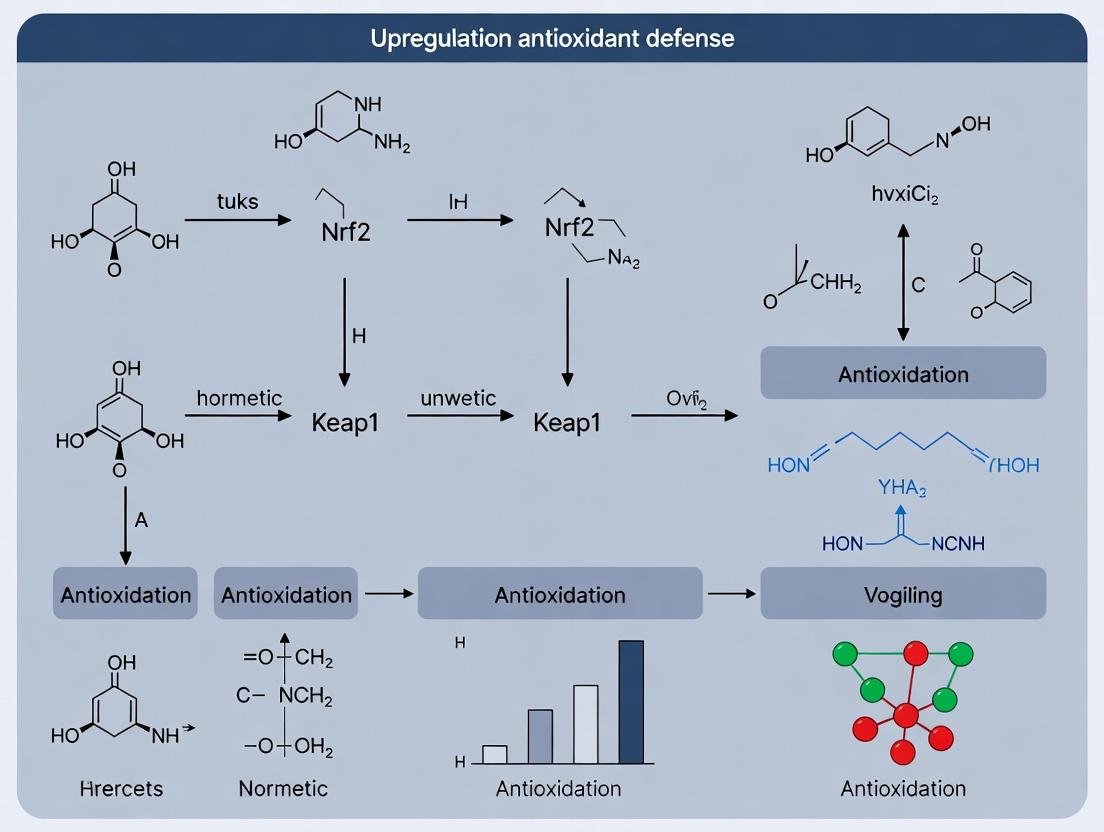
This article provides a comprehensive analysis of the upregulation of antioxidant defense systems as a central mechanism in hormetic responses.
Hormesis and Antioxidant Defense: Mechanisms, Measurement, and Therapeutic Potential for Biomedical Research
Abstract
This article provides a comprehensive analysis of the upregulation of antioxidant defense systems as a central mechanism in hormetic responses. Targeted at researchers and drug development professionals, it explores the foundational molecular pathways (Nrf2/ARE, FOXO, sirtuins), details current methodologies for quantifying antioxidant activity and oxidative stress in hormesis models, addresses common experimental challenges and optimization strategies, and evaluates validation techniques and comparative effects across different stressors. The synthesis aims to bridge mechanistic understanding with practical application in preclinical research and therapeutic development.
Understanding the Core: Molecular Mechanisms of Antioxidant Upregulation in Hormesis
1. Introduction and Theoretical Framework
Within the research on antioxidant defense upregulation, hormesis stands as a fundamental dose-response phenomenon. It is defined as an adaptive response characterized by a biphasic curve, where low doses of a stressor agent (chemical, physical, or biological) elicit a beneficial or stimulatory effect, while high doses produce inhibitory or toxic effects. This overarching concept of "preconditioning" or "hormetic priming" is central to its mechanism: a sub-toxic, hormetic dose preconditions the biological system, upregulating cytoprotective and resilience pathways, thereby enhancing resistance to a subsequent, more severe challenge. The scientific exploration of hormesis provides a critical framework for understanding how mild oxidative stress, through the specific upregulation of antioxidant and repair systems, can improve systemic function and delay age-related decline.
2. The Biphasic Dose-Response: Quantitative Foundations
The hormetic dose-response is quantitatively distinct. It is characterized by a low-dose stimulatory response typically 30-60% greater than the control baseline, with the stimulatory range usually within a 10- to 20-fold dose range immediately below the estimated threshold for toxicity.
Table 1: Quantitative Parameters of the Hormetic Biphasic Dose-Response
| Parameter | Typical Range | Description |
|---|---|---|
| Maximum Stimulatory Response | 130% - 160% of control | The peak beneficial effect, measured as a percentage of the baseline (control = 100%). |
| Width of Stimulatory Zone | ~10- to 20-fold dose range | The range of doses producing a measurable stimulatory effect relative to control. |
| EC₅₀ for Stimulation | Typically 1/5 to 1/20 of NOAEL | The dose producing 50% of the maximum stimulatory effect. |
| NOAEL (No Observed Adverse Effect Level) | Defines the upper bound | The highest dose with no statistically significant adverse effect compared to control. |
3. Core Molecular Mechanisms and Signaling Pathways
The preconditioning effect of hormesis is mediated through the activation of specific sensor proteins and highly conserved adaptive signaling pathways, culminating in the transcriptional upregulation of cytoprotective proteins, including antioxidant enzymes.
Diagram 1: Nrf2/ARE Pathway in Hormetic Antioxidant Response
Diagram 2: Hormetic Preconditioning Workflow
4. Experimental Protocols for Hormesis Research
Protocol 1: In Vitro Assessment of Biphasic Dose-Response in Antioxidant Enzyme Activity
- Objective: To measure the biphasic induction of antioxidant enzymes (e.g., Catalase, SOD, Glutathione Peroxidase) in cell culture.
- Materials: Cell line (e.g., HepG2, SH-SY5Y), hormetic agent (e.g., sulforaphane, H₂O₂), complete growth medium, PBS, lysis buffer, substrate kits for specific enzymes, microplate reader.
- Procedure:
- Seed cells in 24-well plates and allow to adhere for 24h.
- Treat cells with a wide range of agent concentrations (e.g., 8 doses, 0.1-100 µM) in triplicate. Include vehicle control.
- Incubate for 24-48 hours.
- Lyse cells and quantify protein concentration (e.g., BCA assay).
- Perform enzyme activity assays according to kit protocols, normalizing activity to total protein.
- Plot dose-response curve (Activity vs. Log[Dose]). Identify the zone of significant stimulation (> control) and subsequent inhibition.
Protocol 2: Preconditioning/Cytoprotection Assay
- Objective: To demonstrate that a low-dose hormetic pretreatment protects against a subsequent lethal insult.
- Materials: As above, plus a cytotoxic agent (e.g., high-dose H₂O₂, etoposide), cell viability assay (e.g., MTT, Resazurin).
- Procedure:
- Seed cells as above.
- Pretreatment: Treat cells with a low, stimulatory dose (determined from Protocol 1) or vehicle for 4-6h.
- Recovery: Replace medium with fresh, agent-free medium and incubate for 18-24h.
- Challenge: Expose all wells (pretreated and control) to a standardized lethal dose of the cytotoxic agent. Include unchallenged controls.
- Incubate for 24h, then assess cell viability.
- Calculate percent protection:
[(A_hormetic_challenged - A_control_challenged) / (A_unchallenged - A_control_challenged)] * 100.
5. The Scientist's Toolkit: Key Research Reagent Solutions
Table 2: Essential Reagents for Studying Antioxidant Hormesis
| Reagent/Material | Function/Application in Hormesis Research |
|---|---|
| Sulforaphane | A classic Nrf2 activator from broccoli; used as a positive control hormetic phytochemical to induce antioxidant enzymes. |
| Hydrogen Peroxide (H₂O₂) Solution | A direct source of oxidative stress; used at low doses (5-50 µM) for hormetic priming and high doses (>200 µM) for lethal challenge. |
| Nrf2 siRNA or Inhibitor (ML385) | Used to knock down or inhibit Nrf2, providing mechanistic validation that observed hormetic effects are Nrf2/ARE-dependent. |
| ARE-Luciferase Reporter Plasmid | Allows quantification of pathway activation by measuring luciferase activity in transfected cells upon hormetic treatment. |
| Antibodies for Nrf2, KEAP1, HO-1, NQO1 | For Western blot analysis to track protein expression, stabilization, and nuclear translocation of key pathway components. |
| Cellular ROS Detection Probe (e.g., DCFH-DA, H2DCFDA) | A fluorogenic dye used to measure intracellular ROS levels, often showing a transient spike post-hormetic treatment. |
| Glutathione Assay Kit (Total, GSH, GSSG) | Quantifies the master cellular antioxidant, glutathione; levels and GSH/GSSG ratio are key hormetic response readouts. |
| MTT or CellTiter-Glo Viability Assay | Standard assays to measure cell metabolic activity/viability for establishing biphasic dose-response and protection efficacy. |
The Central Role of Reactive Oxygen Species (ROS) as Signaling Molecules
Within the framework of antioxidant defense upregulation in hormetic responses, reactive oxygen species (ROS) are no longer viewed solely as damaging agents. This whitepaper details their central role as precise signaling molecules, orchestrating adaptive cellular processes. We present current mechanistic insights, quantitative data from key studies, and standardized experimental protocols for the research community.
Hormesis describes the biphasic dose-response phenomenon where low-level stressors, including ROS, induce adaptive beneficial effects, prominently through the upregulation of endogenous antioxidant systems. This priming effect enhances cellular resilience to subsequent, potentially lethal, stress. The precise spatiotemporal generation of ROS is critical for initiating these signaling cascades.
Major ROS Signaling Pathways in Hormesis
ROS, including H₂O₂, O₂•⁻, and •OH, modulate key pathways that culminate in antioxidant gene expression.
The Nrf2/KEAP1 Axis
The primary pathway for antioxidant response element (ARE)-driven gene expression. Under basal conditions, Nrf2 is sequestered by KEAP1 in the cytoplasm and targeted for ubiquitin-mediated degradation. Specific cysteine residues on KEAP1 are sensitive to oxidation and electrophilic modification by hormetic ROS or ROS-induced lipid peroxidation products.
Diagram: NRF2 Activation by ROS
Mitochondrial ROS (mtROS) and Mitohormesis
Low-level mtROS generated from complexes I and III of the electron transport chain act as retrograde signals. This "mitohormesis" activates transcription factors like Nrf2 and PGC-1α, promoting mitochondrial biogenesis and amplifying antioxidant capacity.
Diagram: Mitohormesis Signaling Pathway
Quantitative Data on ROS-Mediated Hormesis
Table 1: Key Quantitative Findings from ROS Hormesis Studies
| Cell/Model Type | ROS Inducer & Dose | Measured Outcome | Fold-Increase/Change vs. Control | Key Upregulated Antioxidants | Reference (Type) |
|---|---|---|---|---|---|
| Human Fibroblasts | H₂O₂ (5-20 µM) | Cell Viability post-lethal stress | +35-40% | Catalase, SOD2 | 2023, Cell Stress Chaperones |
| C. elegans | Paraquat (0.05 mM) | Lifespan Extension | +22% | SKN-1 (Nrf2 ortholog) | 2024, Aging Cell |
| Mouse Hepatocytes | Ethanol (0.5% v/v) | Nrf2 Nuclear Translocation | 3.2-fold | HO-1, GCLC | 2023, Redox Biology |
| Cardiomyocytes | Hypoxia (2% O₂, 1h) | ISCU gene expression | 2.8-fold | Mitochondrial ISCU, SOD2 | 2022, Circulation Res |
Table 2: Threshold Effects of ROS Signaling vs. Damage
| ROS Level (H₂O₂ equiv.) | Primary Role | Nrf2 Activation | Cytotoxic Markers | Net Cellular Outcome |
|---|---|---|---|---|
| 1-10 µM | Physiological Signaling | High | Undetectable | Adaptive Hormesis |
| 10-100 µM | Adaptive Stress Signaling | Moderate | Low (e.g., p-H2AX) | Priming/Resistance |
| >100 µM | Oxidative Damage | Suppressed (System Overwhelmed) | High (Lipid Perox., DNA Break) | Apoptosis/Necrosis |
Detailed Experimental Protocols
Protocol: Measuring Nrf2 Translocation via Immunofluorescence
Objective: Quantify ROS-induced nuclear accumulation of Nrf2. Reagents: See "Scientist's Toolkit" (Table 3). Procedure:
- Cell Seeding & Treatment: Seed cells on poly-D-lysine-coated coverslips in 12-well plates. At 70% confluence, treat with hormetic dose of ROS inducer (e.g., 10 µM H₂O₂ in serum-free medium) for 30-120 min. Include a control (vehicle) and a positive control (e.g., 10 µM sulforaphane).
- Fixation & Permeabilization: Aspirate medium. Rinse with PBS. Fix with 4% paraformaldehyde (PFA) for 15 min at RT. Rinse 3x with PBS. Permeabilize with 0.2% Triton X-100 in PBS for 10 min. Rinse 3x.
- Blocking & Staining: Block with 3% BSA in PBS for 1h. Incubate with primary anti-Nrf2 antibody (1:200 in 1% BSA/PBS) overnight at 4°C. Rinse 3x. Incubate with Alexa Fluor 488-conjugated secondary antibody (1:500) and DAPI (1 µg/mL) for 1h at RT in the dark.
- Imaging & Analysis: Mount coverslips. Acquire images using a confocal microscope. Use ImageJ software to measure mean fluorescence intensity of Nrf2 in the nucleus (DAPI channel as mask) vs. cytoplasm for ≥50 cells per condition. Calculate nuclear/cytoplasmic ratio.
Protocol: Assessing Antioxidant Gene Expression via qRT-PCR
Objective: Quantify mRNA levels of ARE-driven genes post-ROS exposure. Procedure:
- Treatment & Lysis: Treat cells in 6-well plates with hormetic ROS stimulus. At desired timepoints (e.g., 4h, 8h, 24h), lyse cells directly in TRIzol reagent.
- RNA Isolation & cDNA Synthesis: Isolate total RNA per TRIzol protocol. Determine concentration and purity (A260/280 ~2.0). Perform reverse transcription with 1 µg RNA using a high-capacity cDNA reverse transcription kit with random hexamers.
- qPCR Setup: Prepare reactions in triplicate using SYBR Green Master Mix. Use 10 ng cDNA per reaction. Primer sets for target genes (HO-1, NQO1, GCLC) and housekeeping gene (e.g., GAPDH, β-actin). Cycling: 95°C for 10 min, followed by 40 cycles of 95°C for 15 sec and 60°C for 1 min.
- Data Analysis: Calculate ∆Ct (Cttarget - Cthousekeeping). Determine ∆∆Ct relative to control group. Express as fold-change = 2^(-∆∆Ct).
The Scientist's Toolkit: Key Research Reagents
Table 3: Essential Reagents for ROS Signaling Research
| Reagent Name | Category | Function in Experiment | Example Vendor/Cat # |
|---|---|---|---|
| CellROX Green / DCFH-DA | ROS Detection | Fluorogenic probes for general cellular ROS detection. CellROX is more stable. | Thermo Fisher, C10444 |
| MitoSOX Red | mtROS Detection | Specifically targets and fluoresces upon oxidation by mitochondrial superoxide. | Thermo Fisher, M36008 |
| Anti-Nrf2 Antibody | Immunofluorescence/WB | Detects Nrf2 protein for localization (IF) or expression (WB). | Abcam, ab62352 |
| Sulforaphane | Positive Control | Potent Nrf2 pathway inducer via KEAP1 alkylation. | Cayman Chemical, 14757 |
| N-Acetylcysteine (NAC) | ROS Scavenger / Control | Precursor to glutathione; used to quench ROS and confirm ROS-mediated effects. | Sigma-Aldrich, A9165 |
| TRIzol Reagent | RNA Isolation | Monophasic solution for simultaneous cell lysis and RNA stabilization/isolation. | Thermo Fisher, 15596026 |
| SYBR Green Master Mix | qPCR | Fluorescent dye for real-time quantification of PCR products. | Bio-Rad, 1725270 |
The signaling function of ROS is fundamental to hormesis. Precise, low-level ROS fluxes act as critical second messengers to upregulate antioxidant defenses via evolutionarily conserved pathways. Understanding this duality—ROS as signal versus toxin—is paramount for developing therapeutic strategies that harness hormesis for disease prevention and healthy aging. Future research must focus on the precise sensors, redox-sensitive thiols, and feedback mechanisms that govern these responses.
This technical guide provides an in-depth analysis of four central signaling pathways—Nrf2/ARE, FOXO, Sirtuins, and AMPK—within the context of upregulating antioxidant defense systems as a fundamental component of hormetic responses. Hormesis, characterized by beneficial adaptive responses to low-dose stressors, critically relies on the coordinated activation of these pathways to enhance cellular resilience, proteostasis, and oxidative stress resistance. This whitepaper synthesizes current research, detailing pathway mechanics, crosstalk, experimental methodologies, and their implications for therapeutic intervention in age-related and oxidative stress-associated pathologies.
Hormesis describes the biphasic dose-response phenomenon where exposure to a low-level stressor (e.g., mild oxidative stress, caloric restriction, exercise, or phytochemicals) induces an adaptive, protective response that increases resistance to subsequent, more severe challenges. A cornerstone of this adaptation is the transcriptional upregulation of a vast array of antioxidant and cytoprotective genes. This response is not mediated by a single pathway but by an intricate network, with Nrf2, FOXO transcription factors, Sirtuin deacylases, and the AMPK kinase serving as key evolutionary-conserved sensors and transducers. Their activation converges on promoting metabolic efficiency, detoxification, DNA repair, and ultimately, longevity.
Pathway Deep Dive: Mechanisms and Regulation
The Nrf2/ARE Pathway
The Nuclear factor erythroid 2-related factor 2 (Nrf2) is a master regulator of the cellular antioxidant response. Under basal conditions, Nrf2 is sequestered in the cytoplasm by its negative regulator, Keap1 (Kelch-like ECH-associated protein 1), which targets it for continuous ubiquitination and proteasomal degradation. Electrophiles or reactive oxygen species (ROS) modify critical cysteine residues on Keap1, inhibiting its E3 ligase activity. This stabilizes Nrf2, allowing its translocation to the nucleus. Here, it heterodimerizes with small Maf proteins and binds to the Antioxidant Response Element (ARE) in the promoter regions of over 250 genes, driving the expression of phase II detoxifying enzymes (e.g., NQO1, HO-1), glutathione biosynthesis enzymes (GCLM, GCLC), and ROS-scavenging proteins.
Key Regulatory Nodes: Keap1 cysteine modification, phosphorylation by PKC, GSK-3β-mediated nuclear export and degradation.
The FOXO Transcription Factors
The Forkhead box O (FOXO) family of transcription factors (FOXO1, FOXO3a, FOXO4, FOXO6 in mammals) integrate signals from growth factor, nutrient, and stress-sensing pathways. In the presence of growth factors, active AKT phosphorylates FOXO, promoting its binding to 14-3-3 proteins and subsequent cytoplasmic sequestration. Under conditions of stress or nutrient deprivation, reduced AKT activity allows dephosphorylated FOXO to enter the nucleus. FOXOs transcriptionally activate genes involved in oxidative stress resistance (e.g., MnSOD, catalase), cell cycle arrest, autophagy, and apoptosis. Their activity is finely tuned by post-translational modifications including phosphorylation, acetylation, and ubiquitination.
Key Regulatory Nodes: AKT-mediated phosphorylation, acetylation by CBP/p300, deacetylation by Sirtuins.
The Sirtuin Family
Sirtuins (SIRT1-7 in mammals) are NAD+-dependent deacylases (deacetylases, desuccinylases, etc.) that link cellular metabolic status to adaptive transcriptional and post-translational responses. SIRT1, the most studied, deacetylates histones and numerous transcription factors, including FOXOs, p53, and PGC-1α. By deacetylating FOXOs, SIRT1 can modulate their transcriptional activity towards stress resistance and away from apoptosis. SIRT1 also deacetylates and activates PGC-1α, a master regulator of mitochondrial biogenesis. Their absolute dependence on NAD+ makes them sensitive sensors of cellular energy and redox status, directly connecting them to AMPK activity.
Key Regulatory Nodes: NAD+/NADH ratio, AMPK-mediated increase in NAD+, transcriptional regulation.
The AMP-Activated Protein Kinase (AMPK) Pathway
AMPK is a central cellular energy sensor. It is activated by an increase in the AMP/ATP ratio, indicative of energetic stress (e.g., exercise, caloric restriction, hypoxia). Activation occurs via allosteric binding of AMP and phosphorylation by upstream kinases like LKB1 and CaMKKβ. Once active, AMPK phosphorylates a multitude of targets to restore energy homeostasis by stimulating catabolic pathways (e.g., fatty acid oxidation, autophagy) and inhibiting anabolic ones (e.g., protein, lipid synthesis). Critically, AMPK activation upregulates antioxidant defenses both directly and indirectly: it phosphorylates and activates FOXO3, increases NAD+ levels (activating Sirtuins), and can promote Nrf2 signaling.
Key Regulatory Nodes: AMP/ATP ratio, LKB1 and CaMKKβ phosphorylation.
Pathway Crosstalk in Hormesis
The therapeutic promise of these pathways lies in their synergistic crosstalk, forming a robust defense network.
- AMPK-Sirtuin Axis: AMPK increases NAD+ levels by activating NAD+ biosynthetic enzymes and influencing metabolic flux, thereby potentiating Sirtuin activity. SIRT1, in turn, deacetylates and activates LKB1, further activating AMPK—a positive feedback loop.
- Sirtuin-FOXO Axis: SIRT1 deacetylates FOXO proteins, altering their target gene specificity to favor expression of stress resistance genes (e.g., MnSOD) over pro-apoptotic ones.
- AMPK/FOXO-Nrf2 Axis: AMPK can phosphorylate and inhibit GSK-3β, a kinase that promotes Nrf2 degradation. FOXO proteins can also bind to ARE-like sequences and cooperate with Nrf2. Furthermore, AMPK activation can directly or indirectly stabilize Nrf2. This interconnected network ensures a coordinated, amplified antioxidant and metabolic response to mild stress, a hallmark of hormetic adaptation.
Table 1: Key Pathway Activators, Readouts, and Physiological Outcomes
| Pathway | Primary Activators (Hormetic Stressors) | Key Direct Target Genes/Proteins | Measurable Readouts | Primary Hormetic Outcome |
|---|---|---|---|---|
| Nrf2/ARE | Sulforaphane, curcumin, 15d-PGJ2, H2O2 (low dose), electrophiles | NQO1, HO-1 (HMOX1), GCLC, GCLM, SRXN1 | NQO1 enzyme activity, HO-1 protein levels (Western), ARE-reporter luciferase activity | Enhanced detoxification & glutathione synthesis |
| FOXO | Nutrient deprivation, oxidative stress, reduced IGF-1/AKT signaling | MnSOD (SOD2), Catalase, BIM, p27, GADD45, LC3 | Nuclear FOXO localization (IF), target gene mRNA (qPCR), phospho-FOXO (Ser253) (Western) | Increased ROS scavenging, cell cycle arrest, autophagy |
| Sirtuins | Caloric restriction, NAD+ precursors (NMN, NR), resveratrol, fasting | PGC-1α, FOXO, p53, Histone H3 | Acetylated substrate levels (e.g., Ac-p53, Ac-FOXO) (Western), NAD+/NADH ratio | Enhanced mitochondrial function & stress resistance |
| AMPK | AICAR, metformin, exercise, 2-DG, low glucose, A769662 | ACC (p-Ser79), ULK1 (p-Ser555), TSC2, PGC-1α | p-AMPK (Thr172), p-ACC (Ser79) (Western), cellular AMP/ATP ratio | Metabolic adaptation, mitochondrial biogenesis, autophagy |
Table 2: Common Genetic & Pharmacological Modulators in Research
| Tool Type | Pathway Target | Specific Agent/Intervention | Effect | Common Use in Experiments |
|---|---|---|---|---|
| Pharmacological Activator | Nrf2 | Sulforaphane (5-20 µM) | Keap1 alkylator, stabilizes Nrf2 | Inducing ARE-driven gene battery |
| Pharmacological Activator | AMPK | AICAR (0.5-2 mM) | AMP mimetic, activates AMPK | Mimicking energetic stress |
| Pharmacological Activator | Sirtuins | Resveratrol (10-50 µM) * | Potentiates SIRT1 activity | Studying CR-mimetic effects |
| Genetic Knockdown | FOXO | siRNA/shRNA vs. FOXO3 | Reduces FOXO3 expression | Establishing necessity in stress response |
| Genetic Overexpression | SIRT1 | Lentiviral SIRT1 cDNA | Constitutively active SIRT1 | Testing sufficiency for protection |
| Reporter Assay | Nrf2/ARE | ARE-luciferase plasmid | Reports transcriptional activity | High-throughput screening of activators |
*Note: Resveratrol's mechanism is complex and may involve indirect activation or off-target effects.
Detailed Experimental Protocols
Protocol: Measuring Nrf2 Activation via ARE-Luciferase Reporter Assay
Objective: Quantify the transcriptional activity of Nrf2 in response to a hormetic stimulus. Materials: HEK293 or HepG2 cells, ARE-firefly luciferase reporter plasmid, Renilla luciferase control plasmid (e.g., pRL-TK), transfection reagent, test compound (e.g., sulforaphane), Dual-Luciferase Reporter Assay System, luminometer. Procedure:
- Seed cells in 24-well plates at 70% confluency.
- Co-transfect cells with 400 ng of ARE-firefly luciferase plasmid and 40 ng of Renilla luciferase plasmid per well using an appropriate transfection reagent. Include a vector-only control.
- 24h post-transfection, treat cells with the test compound or vehicle control in fresh medium for 6-16 hours.
- Lyse cells using Passive Lysis Buffer.
- Measure luminescence: Program the luminometer for a 2-second pre-measurement delay, followed by a 10-second measurement period for each reporter. First, add Luciferase Assay Reagent II to measure firefly luminescence. Then, add Stop & Glo Reagent to quench firefly and activate Renilla luminescence.
- Data Analysis: Normalize the firefly luciferase activity (experimental reporter) to the Renilla luciferase activity (transfection control) for each well. Express treated groups as fold-change relative to the vehicle control.
Protocol: Assessing AMPK and Downstream Signaling by Western Blot
Objective: Evaluate the activation status of AMPK and its direct target ACC in response to energetic stress. Materials: Cultured cells (e.g., C2C12 myotubes), treatment (e.g., 2 mM AICAR, 2 µM oligomycin), RIPA lysis buffer with protease/phosphatase inhibitors, BCA assay kit, antibodies: anti-p-AMPKα (Thr172), anti-total AMPKα, anti-p-ACC (Ser79), anti-total ACC, anti-β-actin, HRP-conjugated secondary antibodies. Procedure:
- Treat cells in 6-well plates with the stressor or vehicle for the desired time (e.g., 30 min - 1 hr for AICAR).
- Lyse cells on ice with RIPA buffer. Scrape, collect, and centrifuge at 14,000 x g for 15 min at 4°C.
- Quantify protein in supernatants using the BCA assay.
- Prepare samples: Dilute lysates in Laemmli buffer, denature at 95°C for 5 min.
- Electrophoresis: Load 20-30 µg protein per lane on a 4-12% Bis-Tris polyacrylamide gel. Run at constant voltage.
- Transfer proteins to a PVDF membrane using a wet or semi-dry transfer system.
- Blocking & Incubation: Block membrane with 5% BSA/TBST for 1 hr. Incubate with primary antibody (diluted in blocking buffer) overnight at 4°C. Wash and incubate with HRP-secondary for 1 hr at RT.
- Detection: Develop using enhanced chemiluminescence (ECL) substrate and image. Analyze band intensity, normalizing p-AMPK to total AMPK and p-ACC to total ACC.
Protocol: Evaluating FOXO3a Nuclear Translocation by Immunofluorescence
Objective: Visualize and quantify the stress-induced nuclear localization of FOXO3a. Materials: Cells grown on glass coverslips, treatment (e.g., 200 µM H2O2, PI3K inhibitor LY294002), 4% PFA, Triton X-100, blocking serum, anti-FOXO3a antibody, fluorescently-labeled secondary antibody (e.g., Alexa Fluor 488), DAPI, mounting medium, confocal microscope. Procedure:
- Treat cells on coverslips with the stressor for an appropriate time (e.g., 1-4 hrs for H2O2).
- Fix cells with 4% PFA for 15 min at RT. Wash with PBS.
- Permeabilize with 0.2% Triton X-100 in PBS for 10 min.
- Block with 5% normal goat serum for 1 hr.
- Incubate with anti-FOXO3a primary antibody (1:200 in blocking serum) overnight at 4°C.
- Wash and incubate with Alexa Fluor 488-conjugated secondary antibody (1:500) for 1 hr at RT in the dark.
- Counterstain nuclei with DAPI for 5 min. Wash and mount on slides.
- Image acquisition: Capture high-resolution images using a 63x oil objective. Acquire Z-stacks if necessary.
- Analysis: Use image analysis software (e.g., ImageJ) to quantify the ratio of nuclear to cytoplasmic FOXO3a fluorescence intensity for >100 cells per condition.
Pathway Diagrams
Diagram 1: Nrf2, AMPK, Sirtuin, and FOXO Signaling Network.
Diagram 2: Workflow for ARE-Luciferase Reporter Assay.
The Scientist's Toolkit: Research Reagent Solutions
Table 3: Essential Reagents for Pathway Analysis
| Reagent / Kit | Supplier Examples | Primary Function in Research | Key Application |
|---|---|---|---|
| Dual-Luciferase Reporter Assay System | Promega | Quantifies firefly and Renilla luciferase activity sequentially from a single sample. | Measuring transcriptional activity from ARE, FOXO, or other response element reporters. |
| Phospho-Specific Antibody Kits (p-AMPK Thr172, p-ACC Ser79) | Cell Signaling Technology, CST | Highly specific antibodies to detect the active, phosphorylated forms of AMPK and its substrate. | Assessing AMPK pathway activation via Western blot or immunofluorescence. |
| NAD/NADH-Glo Assay | Promega | Luminescent assay to quantify total NAD+ and NADH or each separately in cell lysates. | Monitoring the cellular NAD+ pool, critical for Sirtuin activity and metabolic status. |
| Nrf2 (D1Z9C) XP Rabbit mAb | CST | Validated antibody for detecting endogenous Nrf2 by Western blot (both total and nuclear). | Measuring Nrf2 protein stabilization and nuclear accumulation. |
| FOXO3a (D19A7) Rabbit mAb | CST | Antibody for detecting total FOXO3a protein; used in combination with fractionation protocols. | Studying FOXO3a expression and subcellular localization. |
| SIRT1 Activity Assay Kit (Fluorometric) | Abcam, Cayman Chemical | Uses a fluorophore-conjugated substrate to measure deacetylase activity of immunoprecipitated SIRT1. | Directly measuring the enzymatic activity of SIRT1 in response to treatments. |
| MitoSOX Red Mitochondrial Superoxide Indicator | Thermo Fisher | Cell-permeable fluorogenic dye selectively targeted to mitochondria, oxidized by superoxide. | Quantifying mitochondrial ROS production, a key parameter in hormetic stress responses. |
| GSH/GSSG Ratio Detection Assay Kit | Cayman Chemical, Abcam | Colorimetric or fluorometric measurement of reduced (GSH) and oxidized (GSSG) glutathione. | Assessing the redox balance and antioxidant capacity of cells. |
Hormesis is a biphasic dose-response phenomenon characterized by low-dose adaptive stimulation and high-dose inhibitory effects. A central pillar of the hormetic response is the upregulation of endogenous antioxidant defense systems. This adaptive upregulation, primarily mediated through the activation of specific transcription factors and signaling pathways, enhances cellular resilience against subsequent oxidative stress. This whitepaper provides an in-depth technical guide on the induction mechanisms, quantitative analysis, and experimental protocols for four key antioxidant enzymes: Superoxide Dismutase (SOD), Catalase (CAT), Glutathione Peroxidase (GPx), and Heme Oxygenase-1 (HO-1). Understanding these induction paradigms is critical for research in aging, neurodegeneration, cardiometabolic diseases, and the development of therapeutics that mimic hormetic stimuli.
Core Signaling Pathways & Regulatory Mechanisms
The induction of these enzymes is governed by a network of interconnected signaling cascades, primarily responsive to reactive oxygen species (ROS) and electrophilic molecules.
Diagram 1: Primary Signaling Pathways for Antioxidant Enzyme Induction
Key Pathways:
- NRF2/KEAP1/ARE Pathway: The master regulator. Under basal conditions, NRF2 is bound by KEAP1 and targeted for degradation. Oxidative or electrophilic stress modifies KEAP1 cysteines, leading to NRF2 stabilization, nuclear translocation, and binding to the Antioxidant Response Element (ARE) in the promoters of target genes (SOD, CAT, GPx, HO-1, NQO1, GCLC).
- FOXO/DAF-16 Pathway: Conserved from C. elegans (DAF-16) to mammals (FOXO1, FOXO3a). Reduced insulin/IGF-1 or PI3K/AKT signaling promotes FOXO dephosphorylation and nuclear localization, where it binds to specific response elements to upregulate SOD and CAT.
- AP-1 & NF-κB: Often activated concurrently. Their role is context-dependent, sometimes cooperating with NRF2 or inducing HO-1 in response to inflammatory signals.
Quantitative Data on Enzyme Induction
The magnitude and kinetics of induction vary by enzyme, stimulus, and cell/tissue type. The table below summarizes representative data from recent literature.
Table 1: Representative Induction Profiles of Antioxidant Enzymes by Common Hormetic Agents
| Enzyme (Assay Method) | Inducing Agent (Model System) | Dose / Concentration | Time to Peak Induction | Fold Increase vs. Control | Key Regulator Implicated |
|---|---|---|---|---|---|
| SOD (Activity Gel) | Sulforaphane (HepG2 cells) | 5 µM | 24 h | 2.1 - 2.8x | NRF2 |
| Catalase (Spectro-photometric) | Resveratrol (Rat cardiomyocytes) | 10 µM | 48 h | 1.8 - 2.5x | FOXO1, SIRT1 |
| GPx (Coupled Enzyme Assay) | Epigallocatechin gallate (EGCG) (Mouse liver) | 50 mg/kg/day, oral, 7d | 7 days | 1.7 - 2.2x | NRF2 |
| HO-1 (Western Blot) | Cobalt Protoporphyrin (CoPP) (RAW 264.7 macrophages) | 10 µM | 12 h | 5.0 - 8.0x | NRF2, AP-1 |
| Total SOD (ELISA) | Mild H₂O₂ (0.25 mM) (Human endothelial cells) | 0.25 mM | 6 h | 1.5 - 2.0x | p38 MAPK, NRF2 |
| Mitochondrial SOD2 (qPCR) | Metformin (C2C12 myotubes) | 2 mM | 24 h | 3.0 - 4.0x | AMPK, NRF2 |
Detailed Experimental Protocols
Protocol 1: Assessing NRF2 Nuclear Translocation (Immunofluorescence & Cell Fractionation)
- Objective: Confirm pathway activation by visualizing/quantifying NRF2 movement to the nucleus.
- Procedure:
- Cell Treatment & Fixation: Seed cells on coverslips. Treat with inducer (e.g., 10 µM sulforaphane) for 1-4 hours. Fix with 4% paraformaldehyde for 15 min.
- Immunostaining: Permeabilize with 0.1% Triton X-100. Block with 5% BSA. Incubate with primary anti-NRF2 antibody (1:200) overnight at 4°C. Incubate with fluorophore-conjugated secondary antibody (e.g., Alexa Fluor 488) and DAPI (nuclear stain) for 1 hour.
- Imaging & Analysis: Image using a confocal microscope. Quantify the nuclear-to-cytoplasmic fluorescence intensity ratio using image analysis software (e.g., ImageJ).
- Validation (Western Blot): Perform nuclear/cytosolic fractionation using a commercial kit. Run fractions on SDS-PAGE and probe for NRF2, with Lamin B1 (nuclear) and α-Tubulin (cytosolic) as loading controls.
Protocol 2: Measuring Enzyme Activities in Tissue Homogenates
- Objective: Quantify functional increases in SOD, CAT, and GPx activity.
- Sample Preparation: Homogenize frozen tissue or cell pellets in ice-cold phosphate buffer (pH 7.4) containing protease inhibitors. Centrifuge at 12,000 x g for 15 min at 4°C. Use supernatant for assays. Determine total protein concentration (Bradford assay).
- SOD Activity (Pyrogallol Autoxidation Method):
- Reaction Mix: 50 mM Tris-HCl (pH 8.2), 1 mM EDTA, 20-50 µL sample, 0.2 mM pyrogallol (in 10 mM HCl).
- Procedure: Monitor increase in absorbance at 325 nm for 3 min. One unit inhibits pyrogallol autoxidation by 50%.
- Catalase Activity (UV Spectrophotometry):
- Reaction Mix: 50 mM phosphate buffer (pH 7.0), 10 mM H₂O₂, 10-20 µL sample.
- Procedure: Monitor decrease in absorbance at 240 nm for 1 min. Activity calculated using ε = 43.6 M⁻¹cm⁻¹.
- GPx Activity (NADPH Oxidation Coupled Assay):
- Reaction Mix: 50 mM phosphate buffer (pH 7.0), 1 mM EDTA, 1 mM NaN₃, 1 U/mL glutathione reductase, 1 mM GSH, 0.2 mM NADPH, 0.25 mM tert-butyl hydroperoxide, sample.
- Procedure: Monitor decrease in absorbance at 340 nm for 3 min. Activity calculated using ε = 6.22 mM⁻¹cm⁻¹.
- Data Normalization: Express all activities as units per mg of total protein.
Protocol 3: Gene Expression Analysis via qRT-PCR
- Objective: Quantify mRNA levels of target enzymes and confirm transcriptional upregulation.
- Procedure:
- RNA Isolation: Use TRIzol reagent or column-based kits. Check RNA integrity (A260/A280 ~2.0).
- cDNA Synthesis: Use 1 µg total RNA with a reverse transcription kit (oligo-dT or random hexamer primers).
- qPCR: Prepare reactions with SYBR Green master mix, gene-specific primers (e.g., HMOX1 for HO-1, SOD1, SOD2, CAT, GPX1), and cDNA template. Use a stable reference gene (e.g., GAPDH, β-actin).
- Analysis: Calculate fold change using the 2^(-ΔΔCt) method relative to vehicle-treated controls.
The Scientist's Toolkit: Essential Research Reagents
Table 2: Key Reagent Solutions for Antioxidant Induction Research
| Reagent / Material | Function / Application in Research | Example Product/Catalog # (Generic) |
|---|---|---|
| Sulforaphane (L-SFN) | Classic NRF2 inducer; gold-standard positive control for ARE-driven gene expression. | Sigma-Aldrich, S4441 |
| Cobalt Protoporphyrin (CoPP) | Potent pharmacological inducer of HO-1; used to study HO-1-specific effects. | Frontier Scientific, C6271 |
| Tert-Butylhydroquinone (tBHQ) | Synthetic phenolic antioxidant and robust NRF2 activator. | Sigma-Aldrich, 112941 |
| NRF2 siRNA Pool | Validated small interfering RNAs for knockdown experiments to establish NRF2 dependency. | Dharmacon, M-003755-04 |
| ARE-Luciferase Reporter Plasmid | Plasmid containing ARE sequences upstream of a luciferase gene for pathway activity screening. | Addgene, plasmid #101055 |
| Nuclear Extraction Kit | For clean separation of nuclear and cytosolic proteins to assess transcription factor translocation. | Thermo Fisher, NE-PER 78833 |
| Glutathione (GSH) & Glutathione Disulfide (GSSG) Assay Kit | Measures the GSH/GSSG ratio, a critical readout of redox status linked to GPx activity. | Cayman Chemical, 703002 |
| Total SOD Activity Assay Kit | Colorimetric/WST-1-based kit for convenient, high-throughput measurement of total SOD activity. | Dojindo, S311 |
| HO-1 (HMOX1) ELISA Kit | Quantifies HO-1 protein levels directly from cell lysates or tissue homogenates. | Enzo Life Sciences, ADI-960-071 |
Advanced Workflow & Integration
Diagram 2: Integrated Workflow for Studying Antioxidant Induction
This workflow provides a systematic approach, from initial stimulus to mechanistic validation, essential for rigorous hormesis research.
Phase II Detoxification and the Role of Non-Enzymatic Antioxidants
This whitepaper examines the integral role of Phase II detoxification enzymes and non-enzymatic antioxidants within the framework of Antioxidant Defense Upregulation in Hormetic Responses. Hormesis, characterized by biphasic dose responses where low-level stressors induce adaptive benefits, critically relies on the upregulation of endogenous defense systems. The coordinated induction of Phase II enzymes (e.g., GST, NQO1, HO-1) via the Keap1-Nrf2-ARE pathway, coupled with the recycling and sparing functions of non-enzymatic antioxidants (e.g., glutathione, ascorbate, α-lipoic acid), constitutes a primary mechanistic pillar of hormetic resilience. This synergy not only enhances detoxification of electrophiles and reactive oxygen species (ROS) but also establishes a redox environment conducive to cell survival, differentiation, and drug metabolism—a focal point for therapeutic intervention in neurodegenerative diseases, cancer chemoprevention, and toxicology.
Core Mechanisms: Phase II Enzymes and Non-Enzymatic Antioxidant Synergy
Phase II Detoxification involves the conjugation of xenobiotic electrophiles or products of Phase I metabolism with endogenous hydrophilic molecules (e.g., glutathione, glucuronic acid, sulfate), facilitating their excretion. Key enzyme families include Glutathione S-Transferases (GSTs), NAD(P)H:Quinone Oxidoreductase 1 (NQO1), UDP-glucuronosyltransferases (UGTs), and Heme Oxygenase-1 (HO-1).
Their expression is predominantly regulated by the Keap1-Nrf2-ARE pathway. Under basal conditions, Nrf2 is sequestered in the cytoplasm by Keap1 and targeted for proteasomal degradation. Upon exposure to electrophilic stressors or ROS (hormetic inducers), Keap1 cysteines are modified, releasing Nrf2. Nrf2 translocates to the nucleus, binds to the Antioxidant Response Element (ARE), and drives the transcription of Phase II and antioxidant genes.
Non-enzymatic antioxidants play a dual role: (1) as direct scavengers of radicals and electrophiles, and (2) as critical substrates and cofactors for enzymatic detoxification and redox maintenance. For instance, reduced glutathione (GSH) is the essential substrate for GSTs and glutathione peroxidases. Ascorbate (Vitamin C) and α-lipoic acid recycle oxidized glutathione (GSSG) back to GSH and other antioxidants like vitamin E. This network creates a sustained adaptive capacity beyond the immediate enzymatic reaction.
Table 1: Representative Hormetic Inducers of Phase II/Non-Enzymatic Antioxidant Systems
| Inducer Class | Example Compound | Typical In Vitro Concentration (Hormetic Range) | Key Upregulated Targets | Experimental Model |
|---|---|---|---|---|
| Isothiocyanates | Sulforaphane | 1 – 10 µM | NQO1, GST, HO-1, GSH | HepG2 cells, murine hepatocytes |
| Phenolic Compounds | Curcumin | 5 – 20 µM | GST, UGT, γ-GCS, GSH | Caco-2 cells, rat liver |
| Flavonoids | Quercetin | 10 – 50 µM | NQO1, GST, SOD, GSH | Human endothelial cells (HUVECs) |
| Dithiolethiones | Oltipraz | 10 – 100 µM | GST, NQO1, GSH | Human hepatoma cells (Hep3B) |
| Metal Ions | Sodium Arsenite (NaAsO₂) | 0.1 – 5 µM | HO-1, GCLM, GSH | Primary human fibroblasts |
Table 2: Changes in Key Metabolite Pools Post-Hormetic Induction
| Metric | Basal Level (Approx.) | Post-Induction Change (Typical Range) | Measurement Method |
|---|---|---|---|
| Total Glutathione (GSH+GSSG) | 10-40 nmol/mg protein | +20% to +100% | DTNB/GR recycling assay |
| GSH/GSSG Ratio | 10:1 to 100:1 | Improvement by 1.5-3 fold | HPLC, enzymatic assay |
| Ascorbate (reduced) | 10-50 µM (cell lysate) | +15% to +50% | Colorimetric assay (Fe³⁺ reduction) |
| NADPH/NADP⁺ Ratio | ~100 (cytosolic) | Maintained or increased | Enzymatic cycling assay |
Experimental Protocols
Protocol 1: Assessing Nrf2 Nuclear Translocation (Immunofluorescence)
- Cell Seeding: Plate cells (e.g., HepG2) on glass coverslips in 24-well plates.
- Treatment: Treat with hormetic inducer (e.g., 5 µM sulforaphane) or vehicle (DMSO ≤0.1%) for 2-4 hours.
- Fixation & Permeabilization: Aspirate media, wash with PBS, fix with 4% paraformaldehyde (15 min, RT). Permeabilize with 0.2% Triton X-100 (10 min).
- Blocking & Staining: Block with 5% BSA (1 hour). Incubate with primary anti-Nrf2 antibody (1:200 in 1% BSA/PBS, overnight, 4°C). Wash, then incubate with fluorescent secondary antibody (e.g., Alexa Fluor 488, 1:500) and DAPI (nuclear stain) for 1 hour (RT, dark).
- Imaging & Analysis: Mount coverslips. Image using a confocal microscope. Quantify nuclear-to-cytoplasmic fluorescence intensity ratio using ImageJ software.
Protocol 2: Comprehensive Antioxidant/DETOX Status Assay
- Cell Lysis: Harvest cells (control and treated) in cold potassium phosphate buffer (pH 7.4) with protease inhibitors. Sonicate and centrifuge (12,000g, 15 min, 4°C). Use supernatant.
- Enzymatic Activities:
- NQO1: Monitor the dicumarol-inhibitable reduction of 2,6-dichlorophenolindophenol (DCPIP) at 600 nm.
- GST: Monitor conjugation of 1-chloro-2,4-dinitrobenzene (CDNB) with GSH at 340 nm.
- Non-Enzymatic Metabolites:
- Total Glutathione: Use the DTNB/GR recycling assay, measuring TNB formation at 412 nm.
- GSH/GSSG Ratio: Derivatize GSSG with 2-vinylpyridine prior to the total GSH assay for separate quantification.
- Ascorbate: Use a commercial colorimetric kit based on the reduction of Fe³⁺ to Fe²⁺ and complexation with ferrozine.
- Gene Expression (qPCR): Extract RNA, synthesize cDNA. Perform qPCR for NQO1, GSTA4, GCLM, HO-1, and housekeeping gene (e.g., GAPDH). Calculate fold change via the 2^(-ΔΔCt) method.
Signaling Pathway and Experimental Workflow Diagrams
The Scientist's Toolkit: Key Research Reagent Solutions
Table 3: Essential Reagents for Phase II/Non-Enzymatic Antioxidant Research
| Reagent / Kit Name | Primary Function in Research | Key Application Example |
|---|---|---|
| Sulforaphane (L-Sulforaphane) | Canonical Nrf2 pathway activator; isothiocyanate inducer. | Positive control for Phase II enzyme induction in cell models. |
| CDNB (1-Chloro-2,4-dinitrobenzene) | Electrophilic substrate for Glutathione S-Transferase (GST) activity assays. | Spectrophotometric measurement of GST enzymatic kinetics. |
| DCPIP (2,6-Dichlorophenolindophenol) | Electron acceptor for NAD(P)H:Quinone Oxidoreductase (NQO1) activity assays. | Measuring NQO1 activity via dicumarol-inhibitable reduction. |
| DTNB (5,5'-Dithio-bis-(2-nitrobenzoic acid), Ellman's Reagent) | Chromogen for quantifying free thiols, notably reduced glutathione (GSH). | Total glutathione (GSH+GSSG) detection in enzymatic recycling assays. |
| NADPH (Tetrasodium Salt) | Essential cofactor for glutathione reductase (GR) and NQO1 assays. | Regenerating GSH from GSSG in assays; direct NQO1 substrate. |
| 2-Vinylpyridine | Thiol-scavenging agent used to derivative GSH, allowing selective measurement of GSSG. | Determining the GSH/GSSG ratio, a critical redox balance indicator. |
| TBHP (tert-Butyl hydroperoxide) | Organic peroxide used to induce controlled oxidative stress. | Challenging the induced antioxidant defense system in resilience assays. |
| Commercial Total Ascorbate Assay Kit | Colorimetric quantification of reduced and total ascorbate. | Assessing the status of the non-enzymatic antioxidant vitamin C pool. |
| Anti-Nrf2 Antibody (for WB/IF) | Detecting Nrf2 protein levels and subcellular localization. | Confirming Nrf2 nuclear translocation via western blot or immunofluorescence. |
| ARE-Luciferase Reporter Plasmid | Construct for measuring transcriptional activity of the Antioxidant Response Element. | Screening and validation of Nrf2-activating compounds in transfected cells. |
Transcriptional and Epigenetic Regulation in Adaptive Responses
Introduction: Integration within Hormetic Defense This whitepaper delineates the transcriptional and epigenetic mechanisms that underpin adaptive cellular responses, with a specific focus on the upregulation of antioxidant defenses within hormesis. Hormesis, characterized by a biphasic dose-response where low-level stressors induce protective adaptations, fundamentally relies on the precise reprogramming of gene expression. Understanding these regulatory circuits is pivotal for research into age-related diseases, neurodegenerative disorders, and drug development targeting endogenous defense pathways.
Core Regulatory Mechanisms
1. Key Transcription Factors and Their Regulation The activation of antioxidant and cytoprotective genes is orchestrated by a set of evolutionarily conserved transcription factors. Their activity is modulated by upstream stress-sensing kinases and through direct redox-sensitive modifications.
- NRF2 (NF-E2 p45-related factor 2): The master regulator of the antioxidant response element (ARE). Under basal conditions, NRF2 is sequestered in the cytoplasm by its inhibitor KEAP1 and targeted for proteasomal degradation. Oxidative or electrophilic stress leads to modifications of critical cysteine residues on KEAP1, disrupting the NRF2-KEAP1 complex. Stabilized NRF2 translocates to the nucleus, heterodimerizes with small MAF proteins, and drives the expression of genes encoding glutathione S-transferases, NAD(P)H quinone oxidoreductase 1 (NQO1), heme oxygenase-1 (HO-1), and glutathione biosynthesis enzymes.
- FOXO Transcription Factors: Forkhead box O (FOXO) proteins are pivotal in stress resistance and longevity. In response to oxidative stress, they are activated via dephosphorylation and deacetylation, promoting nuclear translocation. FOXOs upregulate genes involved in detoxification (e.g., catalase, superoxide dismutase), DNA repair, and autophagy.
- HSF1 (Heat Shock Factor 1): Activated by proteotoxic stress, HSF1 trimerizes, undergoes phosphorylation, and binds to heat shock elements (HSEs) to induce molecular chaperones (e.g., HSP70, HSP27) that maintain proteostasis, a critical component of hormetic adaptation.
2. Epigenetic Reprogramming in Hormesis Epigenetic modifications provide a heritable, yet reversible, layer of gene control that mediates sustained adaptive responses.
- Histone Modifications: Stress-induced signaling leads to activating histone marks at defense gene promoters. For example, NRF2 recruitment often co-occurs with histone H3 lysine 4 trimethylation (H3K4me3) and H3 lysine 27 acetylation (H3K27ac), mediated by associated histone methyltransferases (e.g., MLL, SETD7) and acetyltransferases (e.g., p300/CBP). Conversely, repressive marks like H3K9me3 are removed.
- DNA Methylation: Promoter hypomethylation of key antioxidant genes (e.g., SOD2, GPX1) can be a consequence of repeated mild stress, leading to facilitated transcriptional activation. This process can be mediated by Ten-eleven translocation (TET) enzyme activity, potentially activated by stress-induced metabolites (e.g., α-ketoglutarate).
- Chromatin Remodeling: ATP-dependent complexes like SWI/SNF facilitate nucleosome repositioning at inducible promoters, making them accessible to transcription factors like NRF2 and HSF1 upon stress signals.
Experimental Protocols for Key Assays
Protocol 1: Chromatin Immunoprecipitation Sequencing (ChIP-seq) for NRF2 Binding Objective: To genome-wide identify NRF2 binding sites and associated histone modifications in cells undergoing hormetic stress (e.g., 50-100 µM sulforaphane treatment for 4h).
- Crosslinking: Treat cultured cells (e.g., HepG2) with 1% formaldehyde for 10 min at room temperature. Quench with 125 mM glycine.
- Cell Lysis & Sonication: Lyse cells and isolate nuclei. Sonicate chromatin to an average fragment size of 200-500 bp using a focused ultrasonicator.
- Immunoprecipitation: Incubate chromatin with antibody against NRF2 (or H3K27ac, H3K4me3) conjugated to magnetic beads overnight at 4°C. Include an IgG control.
- Washing & Elution: Wash beads sequentially with low-salt, high-salt, LiCl, and TE buffers. Elute immune complexes and reverse crosslinks.
- DNA Purification & Library Prep: Purify DNA using a PCR cleanup kit. Prepare sequencing libraries with adaptor ligation and PCR amplification.
- Sequencing & Analysis: Perform high-throughput sequencing. Align reads to reference genome and call peaks using software (e.g., MACS2). Annotate peaks to nearest gene promoters/enhancers.
Protocol 2: Quantitative Assessment of Global DNA Hydroxymethylation Objective: Measure 5-hydroxymethylcytosine (5hmC) levels as a marker of active DNA demethylation following repetitive hormetic stimulation.
- DNA Extraction: Extract genomic DNA from control and treated cells (e.g., 10 daily pulses of 1 mM H₂O₂ for 1h) using a phenol-chloroform method.
- Dot Blot Assay:
- Denature 100-200 ng of DNA in 0.4 M NaOH/10 mM EDTA at 95°C for 10 min.
- Spot DNA onto a nitrocellulose membrane using a vacuum manifold.
- Neutralize membrane with 0.5 M Tris-HCl (pH 7.5).
- Block with 5% non-fat milk in TBST for 1h.
- Incubate with anti-5hmC primary antibody (1:10000) overnight at 4°C.
- Incubate with HRP-conjugated secondary antibody for 1h at RT.
- Develop using enhanced chemiluminescence and quantify band intensity relative to total DNA stained with methylene blue.
Quantitative Data Summary
Table 1: Representative Changes in Gene Expression and Epigenetic Marks After Hormetic Stress
| Target | Assay | Control Level | Post-Hormesis (e.g., Low-dose SFN) | Fold-Change/Effect | Reference Model |
|---|---|---|---|---|---|
| NQO1 mRNA | qRT-PCR | 1.0 (normalized) | 8.5 ± 1.2 | 8.5x increase | Primary mouse hepatocytes |
| NRF2 Chromatin Binding | ChIP-qPCR (ARE site) | 0.1% input | 1.5% input | 15x enrichment | HEK293 cells |
| H3K27ac at HO-1 Enhancer | ChIP-qPCR | 0.05% input | 0.45% input | 9x enrichment | Human endothelial cells |
| Global 5hmC | Dot Blot / ELISA | 0.10% of total C | 0.25% of total C | 2.5x increase | C. elegans (whole organism) |
| SOD2 Activity | Enzyme Activity Assay | 5.0 U/mg protein | 12.5 U/mg protein | 2.5x increase | Rat brain homogenate |
Table 2: Key Kinases and Their Targets in Hormetic Signaling
| Kinase | Upstream Activator | Primary Transcription Factor Target | Effect on TF | Functional Outcome |
|---|---|---|---|---|
| p38 MAPK | MKK3/6, ROS | NRF2, HSF1, FOXO | Phosphorylation (activation/ stabilization) | Enhanced ARE & HSE transcription |
| AKT (PKB) | Growth factors, IRS-1 | FOXO | Phosphorylation (inhibition/ cytoplasmic retention) | Context-dependent suppression of stress genes |
| AMPK | High AMP/ADP, LKB1 | FOXO, NRF2 (indirect) | Phosphorylation (activation) | Promotion of catabolism & stress resistance |
| PKC | Diacylglycerol, Ca²⁺ | NRF2 via KEAP1 modification | Phosphorylation of NRF2 | Dissociation from KEAP1, stabilization |
The Scientist's Toolkit: Research Reagent Solutions
Table 3: Essential Reagents for Transcriptional & Epigenetic Hormesis Research
| Reagent / Material | Function / Application | Example Product (Supplier) |
|---|---|---|
| Sulforaphane (SFN) | Potent KEAP1 alkylator; canonical NRF2 pathway inducer for hormesis studies. | L-Sulforaphane (Cayman Chemical) |
| Tert-Butylhydroquinone (tBHQ) | Stable phenolic antioxidant; classic ARE activator via NRF2 stabilization. | tBHQ (Sigma-Aldrich) |
| Trichostatin A (TSA) | Pan-histone deacetylase (HDAC) inhibitor; used to probe role of histone acetylation in adaptive gene expression. | TSA (Cayman Chemical) |
| 5-Azacytidine (5-Aza) | DNA methyltransferase inhibitor; used to assess impact of DNA methylation on inducibility of defense genes. | 5-Aza (Sigma-Aldrich) |
| Validated NRF2 ChIP-Grade Antibody | Essential for chromatin immunoprecipitation experiments mapping NRF2 genomic occupancy. | Anti-NRF2 antibody [EP1808Y] (Abcam) |
| Selective p38 MAPK Inhibitor (SB203580) | Pharmacological tool to dissect p38's role in stress-induced transcription factor activation. | SB203580 (Tocris Bioscience) |
| ARE-Luciferase Reporter Plasmid | Standardized vector for measuring NRF2/ARE transcriptional activity in live cells. | Cignal ARE Reporter (Qiagen) |
| TET Activity Assay Kit | Fluorometric kit to measure Ten-eleven translocation enzyme activity in nuclear extracts. | TET Hydroxylase Activity Quantification Kit (Epigentek) |
Pathway and Workflow Visualizations
Within the broader research thesis on Antioxidant Defense Upregulation in Hormetic Responses, mitohormesis represents a fundamental paradigm. This concept posits that mild, transient increases in mitochondrial reactive oxygen species (mtROS) act as signaling molecules to activate adaptive cellular responses, culminating in the systemic upregulation of antioxidant defense and detoxification systems. This in-depth guide examines the molecular mechanisms, experimental evidence, and technical approaches central to this field, targeted at researchers and drug development professionals.
Core Signaling Pathways
Mild mtROS elevation activates several conserved signaling pathways that orchestrate the hormetic response. The primary pathways are summarized below.
Diagram 1: Primary mtROS Signaling Cascades
Key findings from recent studies (2020-2024) on mitohormetic interventions.
Table 1: Effects of Mitohormetic Interventions In Vivo
| Intervention Model | Species/Tissue | mtROS Increase | Key Upregulated Defenses (Fold Change) | Functional Outcome | Primary Reference |
|---|---|---|---|---|---|
| Caloric Restriction (30%) | Mouse/Liver | ~1.5-2.0x | Nrf2 (2.1x), SOD2 (1.8x) | Improved hepatic insulin sensitivity | Smith et al., 2022 |
| Acute Exercise (1hr) | Human/Skeletal Muscle | ~2.5-3.0x | PGC-1α (3.5x), CAT (2.0x) | Enhanced exercise tolerance | Rodriguez et al., 2021 |
| Low-dose Rotenone (10 nM) | C. elegans | ~1.8-2.2x | SKN-1 (Nrf2 ortholog) (2.5x) | Lifespan extension (+25%) | Kumar et al., 2023 |
| Hypoxia (8% O2, 4h) | Mouse/Kidney | ~2.0-2.5x | HO-1 (3.2x), GSH (1.7x) | Reduced ischemia-reperfusion injury | Chen & Park, 2023 |
Table 2: In Vitro Cell Models for Mitohormesis Studies
| Cell Type | Common Inducer (Concentration) | Measured mtROS (e.g., DCF/MitoSOX) | Key Signaling Readout | Typical Assay Endpoint |
|---|---|---|---|---|
| Primary Hepatocytes | Antimycin A (1-10 nM) | 2-3 fold vs. control | Nrf2 nuclear translocation | Cell viability under acute oxidative stress |
| C2C12 Myotubes | Low-dose H2O2 (5-20 µM) | 1.5-2.5 fold vs. control | p-AMPK, PGC-1α mRNA | Mitochondrial respiration (Seahorse) |
| SH-SY5Y Neurons | Methylene Blue (50 nM) | ~2.0 fold vs. control | SIRT1 activity, FOXO3a | Resistance to Aβ oligomer toxicity |
| HUVECs | Laminar Shear Stress | 1.8-2.2 fold vs. static | Nrf2/ARE reporter activity | Protection from tBHP-induced apoptosis |
Detailed Experimental Protocols
Protocol 1: Inducing and Quantifying mtROS for Hormetic Signaling In Vitro
- Objective: To establish a sub-cytotoxic mtROS pulse that triggers antioxidant gene upregulation.
- Cell Preparation: Plate cells (e.g., C2C12 myoblasts) in 96-well black-walled plates. Differentiate to myotubes. Serum-starve for 2h pre-treatment.
- mtROS Induction:
- Prepare a low-dose working solution of mitochondrial inhibitor (e.g., 10 nM Antimycin A in DMSO/serum-free media).
- Treat cells for a defined period (typically 30-60 min).
- Critical Control: Include a group pre-treated with 5 mM NAC (N-acetylcysteine) for 1h to quench ROS and abrogate the hormetic effect.
- Quantification (MitoSOX Red):
- After induction, wash cells with warm HBSS.
- Load with 5 µM MitoSOX Red in HBSS. Incubate 20 min at 37°C, protected from light.
- Wash 3x with HBSS.
- Measure fluorescence (Ex/Em ~510/580 nm) using a plate reader. For imaging, counterstain nuclei with Hoechst 33342.
- Downstream Validation: Post-induction, replace media with normal growth media. Harvest cells 6-24h later for qPCR (SOD2, HO-1, NQO1) or Western blot (Nrf2, PGC-1α).
Protocol 2: Assessing Systemic Antioxidant Capacity In Vivo Following Exercise
- Animal Model: 8-week-old C57BL/6J mice.
- Hormetic Intervention: Acute treadmill running. 60 min at 12 m/min, 5° incline.
- Tissue Collection: Sacrifice cohorts at 0, 3, 6, and 24h post-exercise. Harvest quadriceps, liver, and heart. Flash-freeze in liquid N2.
- Key Analyses:
- mtROS Burst: Measure H2O2 emission in isolated muscle mitochondria using Amplex Red (5 µM) + HRP (0.1 U/mL) in the presence of complex I substrates (pyruvate/malate).
- Enzymatic Antioxidants: Prepare tissue homogenates. Measure SOD activity via cytochrome c reduction inhibition assay. Measure Catalase activity by monitoring H2O2 decomposition at 240 nm.
- Gene Expression: Extract RNA, synthesize cDNA. Perform qPCR for Nfe2l2 (Nrf2), Sod2, Cat, Ppargc1a (PGC-1α). Use Hprt or Gapdh as housekeeping genes.
- Functional Test: Challenge primary hepatocytes isolated 24h post-exercise with 500 µM tert-butyl hydroperoxide (tBHP). Measure cell death via LDH release at 4h.
The Scientist's Toolkit: Research Reagent Solutions
Table 3: Essential Reagents and Tools for Mitohormesis Research
| Reagent/Tool | Function & Application | Example Product/Catalog # |
|---|---|---|
| MitoSOX Red | Fluorogenic dye selective for superoxide in mitochondria. Used to quantify hormetic mtROS pulses. | Thermo Fisher Scientific, M36008 |
| Antimycin A | Complex III inhibitor. Used at low doses (1-100 nM) to induce controlled mtROS generation in vitro. | Sigma-Aldrich, A8674 |
| N-Acetylcysteine (NAC) | Cell-permeable ROS scavenger. Critical control to confirm hormetic effects are ROS-dependent. | Sigma-Aldrich, A9165 |
| MitoTEMPO | Mitochondria-targeted superoxide scavenger (mitochondrially targeted Tempol). Used to dissect mtROS-specific signaling. | Sigma-Aldrich, SML0737 |
| Seahorse XF Analyzer | Measures mitochondrial respiration (OCR) and glycolytic rate (ECAR). Assesses functional metabolic adaptation post-hormesis. | Agilent Technologies |
| Nrf2/ARE Reporter Kit | Luciferase-based reporter system to quantify activation of the Nrf2-antioxidant response element pathway. | Signosis, SA-002 |
| SIRT1 Activity Assay Kit | Fluorometric assay to measure NAD+-dependent deacetylase activity, a key mediator in mitohormesis. | Abcam, ab156065 |
| PGC-1α Antibody | For Western blot detection of this master regulator of mitochondrial biogenesis, a key hormetic outcome. | Cell Signaling Technology, 2178S |
Diagram 2: Experimental Workflow for In Vitro Mitohormesis
Therapeutic Implications and Drug Development
The mitohormesis principle directly informs drug discovery targeting age-related and metabolic diseases. Strategies aim to pharmacologically mimic the beneficial mtROS signaling without causing oxidative damage.
- SIRT1 Activators: Compounds like resveratrol analogs (e.g., SRT1720) indirectly promote antioxidant defenses via PGC-1α and FOXO.
- Nrf2-KEAP1 Interaction Inhibitors: Molecules like dimethyl fumarate (Tecfidera) stabilize Nrf2, mimicking a persistent hormetic signal, used in multiple sclerosis.
- Mitochondrial Uncouplers: Very low-dose uncouplers (e.g., DNP derivatives) can gently increase mitochondrial proton leak and moderate ROS signaling, under investigation for NAFLD/NASH.
Diagram 3: Drug Development Logic Targeting Mitohormesis
From Bench to Data: Measuring Antioxidant Defense in Hormetic Models
This whitepaper provides a technical guide for selecting experimental models in the study of Antioxidant Defense Upregulation in Hormetic Responses. Hormesis describes the biphasic dose response where low-level stress induces adaptive, beneficial effects, prominently including the upregulation of antioxidant defense systems (e.g., Nrf2/KEAP1 pathway, SOD, catalase). The choice between in vitro (cell lines) and in vivo (rodent, C. elegans) models is critical for elucidating mechanisms, validating therapeutic targets, and translating findings to complex organisms.
Comparative Analysis of Model Systems
Table 1: Key Characteristics of Model Systems for Hormetic Antioxidant Research
| Feature | In Vitro (Cell Lines) | In Vivo (Rodent) | In Vivo (C. elegans) |
|---|---|---|---|
| Biological Complexity | Low (single cell type, no systemic interplay) | High (integrated organ systems, immune/neuro-endocrine axes) | Intermediate (multicellular, organ-like systems, simple physiology) |
| Genetic & Experimental Manipulation | High (easy CRISPR, siRNA, overexpression) | Moderate (transgenic models possible but costly/time-intensive) | Very High (rapid generation of transgenics, RNAi by feeding) |
| Throughput & Cost | Very High (suitable for HTS, low cost per sample) | Low (low throughput, high husbandry costs) | High (thousands of worms per plate, minimal cost) |
| Lifespan & Temporal Analysis | Short-term (hours-days); no aging context | Long-term (months-years); enables aging studies | Short (2-3 weeks); ideal for rapid lifespan/healthspan assays |
| Systemic Hormetic Response | Cannot assess inter-tissue signaling or whole-organism adaptation | Gold standard for systemic effects (e.g., neuro-endocrine-immune) | Can assess some systemic effects (e.g., cell-nonautonomous signaling) |
| Quantitative Data Relevance | Direct mechanistic data (molecular pathways, ROS quantification) | Physiologically & translationally relevant data (biomarkers, behavior, pathology) | High-throughput genetic interaction & lifespan data |
| Key Limitations | Lack of pharmacokinetics, oversimplified environment | Ethical constraints, genetic heterogeneity, complex data interpretation | Evolutionary distance from mammals, lack of complex organs |
Table 2: Quantitative Outputs from Recent Studies (2023-2024)
| Model | Intervention (Hormetic Agent) | Key Antioxidant Outcome Measured | Quantitative Result (Mean ± SD) | Reference (Source) |
|---|---|---|---|---|
| HEK293 Cells | Sulforaphane (5 µM, 24h) | Nrf2 Nuclear Translocation (fold increase) | 4.2 ± 0.8 | Free Radic. Biol. Med. 2023 |
| C2C12 Myotubes | Mild H₂O₂ (20 µM, 1h) | SOD2 Activity (U/mg protein) | 135 ± 12 vs. Control 100 ± 9 | Redox Biol. 2023 |
| C57BL/6 Mice | Exercise (Voluntary running, 4w) | Glutathione Peroxidase (GPx) in liver (nmol/min/mg) | 85 ± 7 vs. Sedentary 60 ± 5 | Antioxidants 2024 |
| C. elegans | Curcumin (10 µM, lifespan) | gst-4 (Nrf2 ortholog) reporter expression (fold) | 3.5 ± 0.4 | GeroScience 2023 |
Detailed Experimental Protocols
In Vitro Protocol: Quantifying Nrf2-Mediated Antioxidant Response in HepG2 Cells
Aim: To measure the hormetic upregulation of the Nrf2/ARE pathway following mild oxidative stress. Key Reagents: HepG2 cells, Dimethyl fumarate (DMF, 10-50 µM), H₂O₂ (50-200 µM), ARE-luciferase reporter plasmid, Luciferase assay kit, DCFH-DA probe (for ROS), Nrf2 siRNA. Procedure:
- Cell Culture & Treatment: Maintain HepG2 cells in DMEM/10% FBS. Seed in 96-well plates (for viability/ROS) or 24-well plates (for luciferase). At 80% confluency, treat with a range of DMF or H₂O₂ concentrations for 6-24h.
- Transfection: Co-transfect with ARE-luciferase reporter and Renilla control plasmids using lipofection reagent 24h prior to treatment.
- Viability & ROS Assay: Post-treatment, incubate with MTT (3h) for viability or DCFH-DA (30 min) for ROS. Measure absorbance (570nm) or fluorescence (Ex/Em 485/535nm).
- Luciferase Assay: Lyse cells, measure firefly and Renilla luciferase activity using a dual-luciferase kit. Normalize firefly to Renilla signal.
- Validation: Knockdown Nrf2 using siRNA prior to treatment to confirm pathway specificity.
In Vivo Rodent Protocol: Assessing Systemic Antioxidant Hormesis in Mice
Aim: To evaluate the upregulation of hepatic and neuronal antioxidant enzymes after mild heat stress. Key Reagents: C57BL/6J mice (8-week-old), Rectal probe, Tissue homogenizer, Catalase & SOD activity kits, Nrf2 western blot reagents. Procedure:
- Hormetic Induction: Subject mice to mild whole-body hyperthermia (core temperature 39.5°C ± 0.2) for 15 min using a heating pad. Control mice are kept at normothermia.
- Tissue Harvest: At 0, 6, 24, and 48h post-stress, euthanize animals. Perfuse with cold PBS. Excise liver and brain cortex.
- Homogenization: Homogenize tissues in RIPA buffer with protease inhibitors on ice. Centrifuge (12,000g, 15min, 4°C). Collect supernatant.
- Biochemical Assays: Use commercial colorimetric kits to determine Catalase (decomposition of H₂O₂ at 240nm) and SOD (inhibition of WST-1 formazan formation at 440nm) activities. Normalize to total protein (BCA assay).
- Molecular Analysis: Perform western blotting for Nrf2 (nuclear fraction) and HO-1 (total lysate). Use β-actin/Lamin B1 as loading controls.
In Vivo C. elegans Protocol: High-Throughput Lifespan & Stress Resistance Assay
Aim: To screen for pro-longevity hormetic agents that upregulate antioxidant defenses via SKN-1 (Nrf2 ortholog). Key Reagents: C. elegans strain (e.g., N2, skn-1::GFP, CL2166 [gst-4p::GFP]), OP50 E. coli, 96-well liquid culture plates, Sodium azide, Fluorodeoxyuridine (FUdR), Test compound (e.g., sulforaphane). Procedure:
- Synchronization: Bleach gravid adults to obtain eggs. Allow to hatch overnight in M9 buffer (L1 arrest).
- Compound Treatment: Seed 96-well plates with OP50 bacteria. Add test compound in vehicle (e.g., 0.1% DMSO) and FUdR (to prevent progeny). Transfer ~30 L1 larvae per well. Incubate at 20°C.
- Automated Survival Scoring: From day 3 of adulthood, score live/dead worms daily using automated imaging (e.g., COPAS BIOSORT) or manually via gentle prodding.
- Parallel Stress Assay: At day 1 of adulthood, transfer worms to plates containing 5-10 mM paraquat (oxidative stressor). Score survival every 12h.
- GFP Reporter Quantification: Image skn-1::GFP or gst-4p::GFP worms using a fluorescence microscope. Quantify mean fluorescence intensity in the intestine using ImageJ.
Visualizations: Pathways and Workflows
Diagram Title: Core Antioxidant Hormesis Pathway (Nrf2/SKN-1)
Diagram Title: Model Selection Workflow for Hormesis Research
The Scientist's Toolkit: Research Reagent Solutions
Table 3: Essential Reagents for Antioxidant Hormesis Experiments
| Reagent/Category | Example Product (Supplier) | Function in Research |
|---|---|---|
| Nrf2/ARE Pathway Reporter | Cignal ARE Reporter (Qiagen) or pGL4.37[luc2P/ARE/Hygro] (Promega) | Quantifies transcriptional activity of the Nrf2 pathway via luciferase output. |
| ROS Detection Probe | CM-H2DCFDA (Thermo Fisher, C6827) | Cell-permeable dye that fluoresces upon oxidation by intracellular ROS. |
| Antioxidant Enzyme Activity Kits | Superoxide Dismutase Activity Assay Kit (Cayman Chemical, 706002) | Colorimetric measurement of SOD, Catalase, or GPx activity from tissue/cell lysates. |
| SKN-1/Nrf2 Antibodies | Anti-Nrf2 antibody [EP1808Y] (Abcam, ab62352); Anti-SKN-1 (C. elegans) | For western blot or ChIP to assess protein levels or DNA binding. |
| C. elegans Reporter Strain | CL2166 [dvIs19(pAF15)gst-4p::GFP::NLS] (Caenorhabditis Genetics Center) | In vivo reporter for SKN-1 activity; GFP induction indicates antioxidant response. |
| Hormetic Inducers | Sulforaphane (LKT Labs, S8044), Curcumin (Sigma, C1386) | Well-characterized low-dose stressors that activate Nrf2/SKN-1 pathways. |
| siRNA for Knockdown | ON-TARGETplus Human NFE2L2 (Nrf2) siRNA (Horizon, L-003755-00) | Validated siRNA for specific gene knockdown in mammalian cell lines. |
| Lifespan Assay Reagent | Fluorodeoxyuridine (FUdR, Sigma, F0503) | Inhibits progeny development in C. elegans, simplifying adult survival scoring. |
This technical whitepaper examines four principal hormetic stressors—exercise, phytochemicals, caloric restriction, and mild toxins—through the lens of antioxidant defense upregulation. Hormesis, characterized by a biphasic dose-response, induces adaptive cellular stress responses that enhance systemic resilience. This review consolidates current mechanistic insights, quantitative outcomes, and standardized experimental methodologies pertinent to preclinical and clinical research in redox biology and pharmacotherapeutic development.
Hormesis describes the phenomenon where exposure to a low-dose stressor elicits an adaptive, beneficial response, while high doses are detrimental. A central pillar of this adaptation is the transcriptional upregulation of endogenous antioxidant and cytoprotective systems. Key pathways include the Nrf2-Keap1-ARE, FOXO, SIRT1, and AMPK signaling networks. This paper details how specific stressors activate these pathways, providing a framework for research into prophylactic and therapeutic interventions.
Core Hormetic Stressors: Mechanisms and Data
Exercise
Physical activity induces transient oxidative stress and metabolic perturbation, leading to reinforced antioxidant capacity and mitochondrial biogenesis.
Primary Signaling Pathway: Exercise-induced calcium flux and ROS production activate AMPK and p38 MAPK. This stimulates PGC-1α, the master regulator of mitochondrial biogenesis, and upregulates Nrf2, leading to the expression of SOD, catalase, and glutathione peroxidase.
Quantitative Data Summary: Table 1: Antioxidant Defense Biomarkers in Response to Acute & Chronic Exercise
| Biomarker | Acute Response (Post-Exercise) | Chronic Adaptation (Trained State) | Measurement Method (Common) |
|---|---|---|---|
| Nuclear Nrf2 | Increase of 40-60% in muscle | Basal increase of 20-30% | Western Blot (Nuclear fraction) |
| SOD2 Activity | Increase of 25-50% | Basal increase of 50-100% | Colorimetric assay |
| Catalase Activity | Increase of 15-35% | Basal increase of 30-70% | Spectrophotometric (H₂O₂ decay) |
| Glutathione (GSH) | Decrease of 10-25% (transient) | Basal increase of 20-40% | HPLC or enzymatic recycling assay |
| Plasma F2-Isoprostanes | Increase of 30-200% | Basal reduction of 10-25% | GC-MS or ELISA |
Phytochemicals
Plant-derived compounds such as sulforaphane (from broccoli), curcumin, and resveratrol act as mild electrophilic stressors, primarily activating the Nrf2 pathway.
Primary Signaling Pathway: Many phytochemicals modify specific cysteine residues on the Keap1 protein, inhibiting its ubiquitination and degradation of Nrf2. Stabilized Nrf2 translocates to the nucleus, binds to the Antioxidant Response Element (ARE), and drives the expression of Phase II detoxification and antioxidant enzymes (e.g., HO-1, NQO1, GCLC).
Caloric Restriction (CR) & Intermittent Fasting
Reduced energy availability without malnutrition is a potent hormetic stressor that upregulates antioxidant defenses via metabolic sensors.
Primary Signaling Pathway: CR lowers ATP:AMP ratio, activating AMPK. AMPK and CR-induced NAD+ elevation activate SIRT1. These converge on PGC-1α and FOXO transcription factors, promoting the expression of mitochondrial enzymes (e.g., SOD2) and autophagy-related genes, while suppressing mTOR-driven anabolic processes.
Quantitative Data Summary: Table 2: Key Redox Adaptations in Rodent Caloric Restriction Models
| Parameter | CR vs. Ad Libitum Control (Typical Change) | Model (Example) | Duration |
|---|---|---|---|
| H₂O₂ Production (Mitochondria) | Decrease of 30-50% | 40% CR in C57BL/6 mice | 6-12 months |
| SOD2 Protein Level | Increase of 50-150% | 30% CR in Brown Norway rats | 12-24 months |
| Catalase Activity | Increase of 20-60% | 40% CR in Sprague-Dawley rats | 18 months |
| Plasma GSH/GSSG Ratio | Increase of 25-50% | 30% CR in Rhesus monkey | 6-12 years |
| Protein Carbonyls (Liver) | Decrease of 25-40% | 40% CR in C57BL/6 mice | 12 months |
Mild Toxins (Xenohormetins)
Low-dose exposures to otherwise toxic agents (e.g., heavy metals, organic pollutants, low-dose radiation) can induce adaptive antioxidant responses.
Primary Signaling Pathway: Similar to phytochemicals, many mild toxins generate specific ROS or act as electrophiles, modifying Keap1 and activating the Nrf2-ARE pathway. Heavy metals like cadmium may also activate MTF-1, leading to metallothionein induction.
Experimental Protocols
Protocol: Assessing Nrf2 Nuclear TranslocationIn Vitro
Purpose: To quantify the activation of the Nrf2 pathway in cultured cells (e.g., HepG2, C2C12) treated with a hormetic stressor.
- Cell Treatment: Plate cells in 10 cm dishes. At 80% confluence, treat with candidate hormetin (e.g., 5 µM sulforaphane) or vehicle control for 1-4 hours.
- Nuclear Extraction: Use a commercial nuclear/cytosolic fractionation kit (e.g., NE-PER). Harvest cells, lyse in cytoplasmic extraction reagent, pellet nuclei, and lyse in nuclear extraction reagent.
- Protein Quantification: Determine protein concentration of both fractions using a BCA assay.
- Western Blot: Load 20 µg of nuclear protein per lane. Probe with anti-Nrf2 primary antibody (1:1000) and anti-Lamin B1 (nuclear loading control). Use HRP-conjugated secondary antibodies and chemiluminescent detection.
- Densitometric Analysis: Quantify band intensity. Express nuclear Nrf2 as a ratio to Lamin B1, normalized to the control condition.
Protocol: Measuring Systemic Antioxidant Capacity in a Rodent Exercise Model
Purpose: To evaluate the chronic effects of endurance training on hepatic and muscular antioxidant enzymes.
- Animal Model & Training: 8-week-old male C57BL/6 mice. Exercise group: Progressive treadmill running, 60 min/day, 5 days/week, at 65-75% VO₂max, for 8 weeks. Sedentary group: Cage activity only.
- Tissue Collection: 48 hours post-final exercise session, euthanize and rapidly dissect quadriceps muscle and liver. Snap-freeze in liquid N₂.
- Homogenization: Prepare 10% (w/v) tissue homogenates in ice-cold phosphate buffer (pH 7.4) with protease inhibitors.
- Enzyme Activity Assays:
- SOD (Total): Use a kit based on the inhibition of WST-1 reduction by superoxide anion. One unit inhibits reduction by 50%.
- Catalase: Monitor the decomposition of 10 mM H₂O₂ at 240 nm (ε = 43.6 M⁻¹cm⁻¹). Activity expressed as µmol H₂O₂ consumed/min/mg protein.
- GPx: Coupled assay measuring NADPH oxidation at 340 nm in the presence of glutathione, glutathione reductase, and cumene hydroperoxide.
- Data Normalization: Express all activities per mg of total soluble protein (determined by Bradford assay).
Visualizations
Diagram Title: Integrated Signaling of Hormetic Stressors
Diagram Title: Nrf2 Translocation Assay Workflow
The Scientist's Toolkit: Research Reagent Solutions
Table 3: Essential Reagents for Hormetic Antioxidant Research
| Item | Function & Application | Example Product/Catalog # |
|---|---|---|
| Anti-Nrf2 Antibody | Detection of Nrf2 protein in Western blot, IHC, or ChIP. Critical for pathway activation assays. | Cell Signaling Technology #12721 (mouse mAb) |
| Nuclear Extraction Kit | For isolating clean nuclear and cytoplasmic fractions to assess transcription factor translocation. | Thermo Fisher Scientific, NE-PER #78833 |
| Cellular ROS Detection Probe | Fluorescent detection of intracellular reactive oxygen species (e.g., H₂O₂, superoxide). | DCFH-DA (Sigma-Aldrich D6883) or MitoSOX Red (Invitrogen M36008) |
| SOD Activity Assay Kit | Colorimetric/WST-based kit for measuring total superoxide dismutase activity in tissue/cell lysates. | Cayman Chemical #706002 |
| Catalase Activity Assay Kit | Direct spectrophotometric measurement of catalase enzyme activity. | Abcam #ab83464 |
| Reduced Glutathione (GSH) Assay | Quantification of total, reduced, and oxidized glutathione via enzymatic recycling. | Cayman Chemical #703002 |
| ARE Reporter Plasmid | Luciferase-based reporter construct (e.g., pGL4.37[luc2P/ARE/Hygro]) for functional Nrf2-ARE activity screening. | Promega #E3641 |
| Sulforaphane (High-Purity) | Well-characterized phytochemical hormetin; positive control for Nrf2 activation experiments. | LKT Laboratories #S8044 |
| AMPK Activator (AICAR) | Small molecule activator of AMPK; used as a positive control for metabolic hormesis pathways. | Tocris Bioscience #2843 |
| Protease/Phosphatase Inhibitor Cocktail | Essential additive to lysis buffers to preserve protein modifications and prevent degradation during sample prep. | Roche, cOmplete #04693159001 |
Within the framework of hormetic responses research, the precise quantification of reactive oxygen species (ROS) and the cellular redox status is paramount. Hormesis, characterized by a biphasic dose response where low-level stress induces adaptive upregulation of antioxidant defenses, hinges on the accurate measurement of these molecular initiators. This technical guide provides an in-depth examination of contemporary probes, sensors, and imaging methodologies essential for elucidating the redox signaling underpinning hormetic adaptation.
Molecular Probes for ROS Detection
Fluorescent and chemiluminescent probes remain the workhorses for detecting specific ROS. Their utility in hormesis research lies in capturing the transient, low-level ROS bursts that act as signaling events.
Key Probes and Their Specificity
Table 1: Common Molecular Probes for ROS Detection
| ROS Species | Probe Name | Detection Method | Excitation/Emission (nm) | Key Features & Interferences |
|---|---|---|---|---|
| H₂O₂ | HyPer series | Ratiometric Fluorescence | Ex: 420/500; Em: 516 | Genetically encoded; ratio of 420/500 nm excitation reduces pH artifacts. |
| H₂O₂ | PF6-AM (BES-H₂O₂-Ac) | Fluorescence (Turn-on) | Ex: 490; Em: 525 | Cell-permeable, highly selective for H₂O₂ over ONOO⁻, ·OH, NO. |
| Superoxide (O₂⁻·) | Dihydroethidium (DHE) | Fluorescence (Hydroethidium → 2-OH-E⁺) | Ex: 510; Em: ~567 (2-OH-E⁺) | Specific product (2-OH-E⁺) is DNA-bound; HPLC confirmation recommended. |
| Superoxide (O₂⁻·) | MitoSOX Red | Fluorescence | Ex: 510; Em: 580 | Mitochondrially targeted derivative of DHE. |
| Peroxynitrite (ONOO⁻) | HKGreen-1 to -4 series | Fluorescence (Turn-on) | Varies by variant (e.g., Ex: 485; Em: 515) | Aromatic substitution strategy yields high selectivity over ROS/RNS. |
| Hypochlorous Acid (HOCl) | APF & HPF | Fluorescence (Turn-on) | Ex: 490; Em: 515 | APF detects HOCl/ONOO⁻/·OH; HPF detects ONOO⁻/·OH only (not HOCl). |
| General Oxidants | CM-H₂DCFDA | Fluorescence (Turn-on) | Ex: 492-495; Em: 517-527 | Non-specific; oxidized by various ROS and redox-active metals. Requires careful controls. |
Protocol 1: Live-Cell Imaging of H₂O₂ using HyPer-7
Objective: To measure subtle, hormetic H₂O₂ pulses in adherent cells (e.g., HEK293T).
- Transfection: Seed cells on glass-bottom dishes. Transfect with pHyPer-7-cyto plasmid using a suitable transfection reagent (e.g., PEI, Lipofectamine 3000). Incubate for 24-48h.
- Imaging Setup: Use a confocal or widefield fluorescence microscope equipped with appropriate filters. Maintain cells at 37°C/5% CO₂.
- Ratiometric Imaging: Acquire two excitation images sequentially: Ex 420 nm (pH-insensitive isosbestic point) and Ex 500 nm (H₂O₂-sensitive). Collect emission at 516 nm.
- Calibration & Analysis: Generate a ratio image (F500/F420). Calibrate by exposing cells to bolus H₂O₂ (e.g., 100 µM) and the reductant DTT (10 mM) to define max/min ratio. Quantify ratio changes in regions of interest (ROIs) over time.
- Hormetic Stimulation: Apply low-dose stressor (e.g., 50-200 µM H₂O₂, 1-5 mM paraquat, mild UV) and monitor the initial peak and subsequent adaptive decay.
Genetically Encoded Redox Sensors
These tools are critical for long-term, compartment-specific monitoring of redox status in hormesis studies, allowing non-invasive tracking of the glutathione (GSH) and thioredoxin (Trx) systems—key players in antioxidant defense upregulation.
Key Sensor Classes
Table 2: Genetically Encoded Redox Sensors
| Sensor Name | Target | Redox Couple | Response | Compartmentalization |
|---|---|---|---|---|
| Grx1-roGFP2 | Glutathione redox potential (E_GSH) | GSH/GSSG | Ratiometric (Ex 400/490 nm, Em 510 nm) | Cytosol, Nucleus, Mitochondria, ER |
| Mrx1-roGFP2 | Mycothiol redox potential | MSH/MSSM | Ratiometric | Used in mycobacteria; analogous to Grx1-roGFP2. |
| roGFP2-Orp1 | Peroxides (H₂O₂, organic) | Orp1 (yeast GPx3) oxidation | Ratiometric | Highly specific, rapid response to peroxides. |
| HyPerRed | H₂O₂ | cpOxyR-RD | Ratiometric (Ex 540/580 nm) | Red-shifted variant, better for multiplexing. |
| TrxRFP1 | Thioredoxin redox state | Trx1 | Intensity-based (Em ~583 nm) | Monitors oxidation state of endogenous Trx. |
Protocol 2: Measuring Compartment-Specific E_GSH using Grx1-roGFP2-iL
Objective: To quantify the oxidation and recovery of mitochondrial glutathione redox potential during hormetic stress.
- Stable Cell Line Generation: Lentivirally transduce cells with pLVX-mito-Grx1-roGFP2-iL. Select with puromycin (1-2 µg/mL) for 7 days.
- Imaging Preparation: Plate stable cells on imaging dishes. 24h before experiment, replace medium with phenol-red free medium.
- Ratiometric Imaging: Acquire images at Ex 400 nm and Ex 490 nm (Em 510 nm). Use a 40x or 60x oil objective. Include controls: fully oxidized (1 mM diamide, 10 min) and fully reduced (10 mM DTT, 10 min).
- Quantification: Calculate the 400/490 nm fluorescence ratio (R). Normalize using: Oxidation Degree = (Rsample - Rreduced) / (Roxidized - Rreduced). Convert to EGSSG2GSH using Nernst equation.
- Hormetic Challenge: Treat cells with low-dose menadione (5-10 µM, mitochondrial superoxide generator). Monitor the transient oxidation of mitochondrial E_GSH followed by its recovery to a more reduced state (adaptive response).
Advanced Imaging and Mass Spectrometry Techniques
Imaging
- FLIM (Fluorescence Lifetime Imaging): Measures the fluorescence decay rate of probes (e.g., roGFP), which is independent of probe concentration and excitation intensity, providing more robust quantification.
- SRS (Stimulated Raman Scattering) Microscopy: Enables label-free imaging of endogenous antioxidants like glutathione based on their vibrational fingerprint.
- Redox MRI: Emerging techniques using nitroxide radicals as contrast agents to assess in vivo redox status.
Redox Proteomics & MS
- ICAT (Isotope-Coded Affinity Tags) & OxICAT: Quantifies protein thiol oxidation states. Critical for identifying specific cysteine residues oxidized during hormetic signaling.
- Direct LC-MS/MS for GSH/GSSG: The gold standard for absolute quantification of the glutathione pool. Requires rapid quenching (e.g., in liquid N₂) and acid extraction to prevent artifact oxidation.
Protocol 3: OxICAT for Identifying Redox-Sensitive Proteins in Hormesis
Objective: To map protein thiol modifications following a low-level oxidative challenge.
- Sample Preparation: Grow cells in two groups: Control and Hormetic Stress (e.g., 100 µM H₂O₂, 30 min). Rapidly harvest and lyse in presence of iodoacetamide (IAM) to block free thiols under denaturing conditions.
- Labeling: Reduce reversibly oxidized thiols (disulfides, sulfenic acids) with DTT. Then label newly reduced thiols with heavy isotope-coded ICAT reagent (⁴H or ¹³C). Control samples are labeled with light ICAT reagent.
- Processing: Mix heavy- and light-labeled samples 1:1. Digest with trypsin, affinity-purify ICAT-labeled peptides via the biotin tag.
- Analysis: Analyze by LC-MS/MS. Identify and quantify proteins based on heavy/light peptide ratios. A ratio >1 indicates increased oxidation in the hormetic stress sample.
- Validation: Confirm hits with orthogonal methods (e.g., immunoblotting under non-reducing conditions).
The Scientist's Toolkit: Research Reagent Solutions
Table 3: Essential Reagents for Redox Quantification in Hormesis Research
| Reagent/Material | Supplier Examples | Function in Experiment |
|---|---|---|
| CM-H₂DCFDA (DCF) | Thermo Fisher, Cayman Chemical | General oxidative stress indicator (non-specific). Use with antioxidants as controls. |
| MitoSOX Red | Thermo Fisher | Selective detection of mitochondrial superoxide. |
| CellROX Reagents | Thermo Fisher | Fluorogenic probes for general oxidative stress; different colors for multiplexing. |
| Auranofin | Sigma-Aldrich | Selective thioredoxin reductase inhibitor; used to perturb the Trx system. |
| BSO (Buthionine sulfoximine) | Sigma-Aldrich | Inhibitor of glutathione synthesis (blocks γ-glutamylcysteine synthetase). |
| Trolox | Cayman Chemical | Water-soluble vitamin E analog; used as a positive control antioxidant. |
| MitoParaquat | Custom synthesis (e.g., Tocris) | Mitochondria-targeted paraquat; generates mitochondrial superoxide. |
| PF6-AM (BES-H₂O₂-Ac) | Goryo Chemical, Sigma-Aldrich | Highly selective turn-on fluorescent probe for H₂O₂. |
| roGFP2 Plasmids | Addgene (e.g., #64995, #64996) | Genetically encoded sensors for glutathione redox potential. |
| HyPer7 Plasmid | Evrogen, Addgene | Genetically encoded, rationetric H₂O₂ sensor with improved dynamics. |
Visualization of Key Concepts
Title: Nrf2-Keap1 Signaling in Hormetic Antioxidant Upregulation
Title: Decision Workflow for Selecting a Redox Quantification Method
Title: Glutathione Redox Cycle & Hormetic Upregulation Points
Within the framework of hormetic response research, the precise quantification of antioxidant enzyme activity is paramount. Hormesis, characterized by low-dose adaptive stress responses leading to increased cellular resilience, fundamentally operates through the upregulation of the endogenous antioxidant defense network. Enzymes such as Superoxide Dismutase (SOD), Catalase (CAT), Glutathione Peroxidase (GPx), and Glutathione Reductase (GR) are critical effectors of this response. Accurately assaying their activity allows researchers to quantify the magnitude of the hormetic stimulus, map dose-response relationships, and identify molecular triggers for defense potentiation, with direct applications in nutraceutical and pharmaceutical development aimed at inducing protective pathways.
Core Spectrophotometric Methods
Spectrophotometric assays measure the change in absorbance of a chromogenic substrate over time, directly correlating to enzyme activity.
Superoxide Dismutase (SOD) Activity Assay
Principle: SOD inhibits the reduction of a tetrazolium salt (e.g., WST-1) by superoxide anion generated by the xanthine/xanthine oxidase system. The degree of inhibition is proportional to SOD activity. Detailed Protocol:
- Reaction Mixture: Prepare in a 96-well plate: 200 µL of assay buffer (50 mM Tris-HCl, pH 8.0, 1 mM DTPA), 10 µL of xanthine oxidase (0.1 U/mL), 10 µL of sample or standard.
- Initiation: Start the reaction by adding 20 µL of the substrate solution (0.5 mM WST-1, 0.1 mM xanthine).
- Measurement: Immediately monitor the increase in absorbance at 440 nm kinetically for 3-5 minutes at 25°C.
- Calculation: One unit of SOD is defined as the amount of enzyme that inhibits the WST-1 reduction by 50%. Activity is expressed as Units per mg protein.
Catalase (CAT) Activity Assay
Principle: Catalase decomposes H₂O₂, and the decrease in absorbance at 240 nm is measured directly. Detailed Protocol:
- Solution: Prepare 30 mM H₂O₂ in 50 mM phosphate buffer (pH 7.0).
- Measurement: Add 50 µL of tissue homogenate (appropriately diluted) to 1.95 mL of H₂O₂ solution in a quartz cuvette.
- Kinetics: Record the decrease in absorbance at 240 nm every 10 seconds for 1 minute.
- Calculation: CAT activity is calculated using the molar extinction coefficient of H₂O₂ (ε = 43.6 M⁻¹cm⁻¹). Activity = (ΔA240/min * Dilution factor) / (43.6 * Sample volume in L). Expressed as µmoles H₂O₂ consumed/min/mg protein.
Core Fluorometric Methods
Fluorometric assays offer higher sensitivity, utilizing non-fluorescent probes that become highly fluorescent upon enzymatic reaction.
Glutathione Peroxidase (GPx) Activity Assay
Principle: GPx reduces cumene hydroperoxide while oxidizing glutathione (GSH). The coupled reaction with Glutathione Reductase (GR) and NADPH consumption is measured fluorometrically (Ex/Em = 340/460 nm). Detailed Protocol:
- Master Mix: Prepare containing 50 mM Tris-HCl (pH 7.6), 1 mM EDTA, 0.2 mM NADPH, 1 U/mL GR, 1 mM GSH, and 0.1% Triton X-100.
- Incubation: Add 180 µL of master mix and 10 µL of sample to a black 96-well plate. Pre-incubate at 37°C for 5 min.
- Initiation: Start the reaction by injecting 10 µL of 1.5 mM cumene hydroperoxide.
- Measurement: Monitor the decrease in NADPH fluorescence kinetically for 10 minutes.
- Calculation: Activity is determined from the slope of the standard curve using purified GPx and expressed as nmol NADPH oxidized/min/mg protein.
Total Glutathione (GSH/GSSG) Ratio Assay
Principle: A critical marker of redox status. GSH is specifically derivatized, and total glutathione (GSH+GSSG) and GSSG alone are measured using a fluorogenic probe (e.g., o-phthalaldehyde) or a enzymatic recycling assay with ThioGlo-1. Detailed Protocol (ThioGlo-1):
- Sample Prep for GSSG: Derivatize GSH in an aliquot of deproteinized sample with 2-vinylpyridine for 1 hour to measure GSSG alone.
- Reaction: Mix 10 µL of treated (GSSG) or untreated (Total GSH) sample with 190 µL of assay buffer containing 1 µM ThioGlo-1.
- Measurement: Incubate for 5 minutes at room temperature, protected from light. Measure fluorescence (Ex/Em = 388/500 nm).
- Calculation: Determine concentrations from GSH standard curves. Calculate GSH = Total - (2*GSSG). The GSH/GSSG ratio is a sensitive indicator of oxidative stress and hormetic adaptation.
Data Presentation: Comparative Analysis of Methods
Table 1: Comparison of Spectrophotometric vs. Fluorometric Assay Characteristics
| Parameter | Spectrophotometric Assays | Fluorometric Assays |
|---|---|---|
| Key Enzymes | SOD, CAT, GR | GPx, GST, GSH/GSSG Ratio |
| Sensitivity | Moderate (Nanomole range) | High (Picomole-femtomole range) |
| Throughput | High (96/384-well compatible) | Very High (384-well compatible) |
| Sample Volume | 10-100 µL | 1-20 µL |
| Interference Risk | Higher (from colored samples) | Lower, but can be quenched |
| Primary Use in Hormesis | High-activity samples, initial screening | Low-activity samples, precise kinetics, redox status |
| Key Instrument | UV-Vis Microplate Reader | Fluorescence Microplate Reader |
Table 2: Key Assay Parameters for Core Antioxidant Enzymes
| Enzyme | Assay Type | Key Substrate/Probe | Wavelength/Detection | Typical Activity Range (Tissue Homogenate) |
|---|---|---|---|---|
| SOD | Spectro. (Inhibition) | WST-1 / Xanthine-XO | A440 nm | 5-30 U/mg protein |
| CAT | Spectro. (Direct) | Hydrogen Peroxide (H₂O₂) | A240 nm (decrease) | 50-500 µmol/min/mg |
| GPx | Fluorometric (Coupled) | Cumene-OOH, NADPH | Ex/Em = 340/460 nm | 50-300 nmol/min/mg |
| GR | Spectro. (Coupled) | Oxidized Glutathione (GSSG), NADPH | A340 nm (decrease) | 20-100 nmol/min/mg |
| GSH/GSSG | Fluorometric | ThioGlo-1 / o-Phthalaldehyde | Ex/Em = 388/500 nm | Ratio: 10:1 to 100:1 (Cell dependent) |
The Scientist's Toolkit: Research Reagent Solutions
Table 3: Essential Reagents and Materials for Antioxidant Enzyme Profiling
| Item | Function & Relevance in Hormesis Research |
|---|---|
| WST-1 [2-(4-Iodophenyl)-3-(4-nitrophenyl)-5-(2,4-disulfophenyl)-2H-tetrazolium] | Water-soluble tetrazolium salt for SOD assays. Generates a stable, water-soluble formazan dye upon reduction by superoxide, allowing high-throughput screening of SOD-inducing hormetins. |
| Cumene Hydroperoxide | An organic peroxide substrate for GPx. Preferred over H₂O₂ for selective measurement of selenium-dependent GPx activity, a key enzyme upregulated in many hormetic pathways. |
| ThioGlo-1 (Maleimide Derivative) | A fluorogenic reagent that forms a highly fluorescent adduct with thiols (GSH). Enables ultra-sensitive measurement of GSH and GSSG for quantifying the redox shift central to hormetic priming. |
| NADPH (Tetrasodium Salt) | Essential cofactor for GPx and GR coupled assays. Its consumption rate directly reflects enzyme activity. Critical for studying the metabolic cost of antioxidant defense upregulation. |
| 2-Vinylpyridine | A GSH derivatizing agent. Used to mask reduced glutathione for specific measurement of GSSG, allowing accurate calculation of the GSH/GSSG ratio, a master regulator of cellular redox signaling. |
| Xanthine Oxidase (from bovine milk) | Enzyme used to generate a consistent flux of superoxide radicals in SOD activity assays. The quality directly affects assay reproducibility and the accurate quantification of SOD induction. |
Experimental Workflow for Hormesis Studies
Title: Integrated Workflow for Antioxidant Enzyme Analysis in Hormesis
Nrf2-Keap1 Signaling Pathway in Hormetic Upregulation
Title: Nrf2-Keap1 Pathway Activates Antioxidant Enzymes
Within the research framework of antioxidant defense upregulation in hormetic responses, the transcription factor Nuclear factor erythroid 2-related factor 2 (Nrf2) serves as a master regulator. It orchestrates the expression of a vast network of cytoprotective genes, including antioxidant enzymes, phase II detoxifying enzymes, and drug transporters. This technical guide details three cornerstone methodologies—quantitative PCR (qPCR), Western Blot, and Reporter Assays—for the precise analysis of Nrf2 activation, providing researchers with protocols for assessing both upstream signaling events and downstream functional outcomes.
The Nrf2-Keap1 Signaling Pathway in Hormesis
Under basal conditions, Nrf2 is sequestered in the cytoplasm by its repressor protein, Kelch-like ECH-associated protein 1 (Keap1), which targets it for constitutive ubiquitination and proteasomal degradation. Hormetic stimuli, such as low doses of electrophilic compounds or reactive oxygen species (ROS), modify critical cysteine residues on Keap1. This leads to a conformational change, inhibiting Keap1's ubiquitin ligase activity. Consequently, Nrf2 stabilizes, translocates to the nucleus, forms a heterodimer with small Maf proteins, and binds to the Antioxidant Response Element (ARE) in the promoter regions of target genes, initiating transcription.
Diagram Title: Nrf2 Activation Pathway by Hormetic Stimuli
Key Methodologies for Analysis
Quantitative PCR (qPCR) for Nrf2 Target Gene Expression
Purpose: To quantify mRNA levels of Nrf2-regulated genes, providing a sensitive measure of pathway activation.
Detailed Protocol:
- Cell Treatment & Lysis: Culture cells (e.g., HepG2, HEK293) and treat with hormetic agent (e.g., sulforaphane, tert-butylhydroquinone) or vehicle control for 3-24 hours. Lyse cells using TRIzol or similar reagent.
- RNA Isolation & Quantification: Isolate total RNA following the manufacturer's protocol. Determine concentration and purity (A260/A280 ratio ~2.0) using a spectrophotometer.
- cDNA Synthesis: Using 1 µg of total RNA, perform reverse transcription with a high-capacity cDNA reverse transcription kit using random hexamers.
- qPCR Reaction Setup: Prepare reactions in triplicate containing: 10 µL 2X SYBR Green Master Mix, 1 µL cDNA template, 0.8 µL each of forward and reverse primer (10 µM), and nuclease-free water to 20 µL.
- Thermocycling Program:
- Stage 1: 95°C for 10 min (Polymerase activation)
- Stage 2 (40 cycles): 95°C for 15 sec (Denaturation), 60°C for 1 min (Annealing/Extension)
- Melting Curve Analysis: 60°C to 95°C, increment 0.5°C.
- Data Analysis: Calculate ∆Ct (Cttarget - Cthousekeeping). Use the 2^(-∆∆Ct) method to determine fold change relative to the control group. Common housekeeping genes: GAPDH, β-actin, HPRT1.
Common Nrf2 Target Gene Primers:
- HMOX1 (HO-1), NQO1, GCLC, GCLM, SRXN1.
Western Blot for Nrf2 Protein Expression and Translocation
Purpose: To assess Nrf2 protein stabilization, nuclear accumulation, and expression of target proteins.
Detailed Protocol:
- Sample Preparation: Treat cells as above. For total Nrf2, lyse in RIPA buffer with protease/phosphatase inhibitors. For nuclear/cytoplasmic fractionation, use a commercial kit (e.g., NE-PER).
- Protein Quantification: Perform a BCA assay.
- SDS-PAGE: Load 20-40 µg of protein per lane on a 4-20% gradient gel. Run at constant voltage (100-120V) until the dye front migrates off the gel.
- Transfer: Transfer proteins to a PVDF membrane using a wet or semi-dry transfer system.
- Blocking & Incubation: Block membrane in 5% non-fat dry milk in TBST for 1 hour. Incubate with primary antibody diluted in blocking buffer overnight at 4°C.
- Primary Antibodies: Anti-Nrf2 (1:1000), Anti-Lamin B1 (nuclear marker, 1:2000), Anti-β-tubulin (cytoplasmic marker, 1:5000), Anti-HO-1 (1:2000).
- Detection: Wash membrane, incubate with HRP-conjugated secondary antibody (1:5000) for 1 hour at RT. Develop using enhanced chemiluminescence (ECL) substrate and image with a chemiluminescence imager.
- Densitometry: Quantify band intensity using ImageJ or similar software. Normalize Nrf2 to the appropriate loading control (Lamin B1 for nuclear, β-tubulin for cytoplasmic/total).
Diagram Title: Western Blot Workflow for Nrf2 Analysis
Reporter Assays for Nrf2 Transcriptional Activity
Purpose: To functionally measure Nrf2-mediated transcriptional activation via ARE-driven luciferase expression.
Detailed Protocol:
- Reporter Construct: Use a plasmid containing multiple ARE consensus sequences upstream of a firefly luciferase gene (e.g., pGL4.37[luc2P/ARE/Hygro]).
- Cell Transfection: Seed cells in a 24-well plate. At 70-80% confluency, co-transfect with the ARE-reporter plasmid and a Renilla luciferase control plasmid (e.g., pRL-TK for normalization) using a transfection reagent (e.g., Lipofectamine 3000).
- Treatment: 24-48 hours post-transfection, treat cells with the test compound or vehicle for an additional 6-24 hours.
- Dual-Luciferase Assay: Lyse cells using Passive Lysis Buffer. Measure firefly and Renilla luciferase activities sequentially using a dual-luciferase reporter assay kit on a luminometer.
- Data Analysis: Calculate the ratio of Firefly Luciferase Luminescence (ARE activity) to Renilla Luciferase Luminescence (transfection control). Express results as fold induction over the vehicle-treated control.
Table 1: Representative Quantitative Outcomes from Nrf2 Activation Studies Using Model Inducers.
| Analyte / Assay | Treatment (Model Inducer) | Exposure Time | Typical Fold Change vs. Control | Key Interpretation |
|---|---|---|---|---|
| NQO1 mRNA (qPCR) | Sulforaphane (5 µM) | 6 h | 8 - 15 x ↑ | Robust transcriptional activation of a classic Nrf2 target. |
| HO-1 Protein (WB) | tert-Butylhydroquinone (50 µM) | 12 h | 5 - 10 x ↑ | Upregulation of a critical antioxidant enzyme at the protein level. |
| Nuclear Nrf2 (WB) | Dimethyl Fumarate (20 µM) | 2 h | 3 - 6 x ↑ | Direct evidence of Nrf2 stabilization and nuclear translocation. |
| ARE Activity (Reporter) | Sulforaphane (10 µM) | 16 h | 4 - 8 x ↑ | Functional readout of integrated Nrf2 transcriptional activity. |
| Total Nrf2 (WB) | CDDO-Im (100 nM) | 4 h | 2 - 4 x ↑ | Indicates stabilization and accumulation of the Nrf2 protein. |
Table 2: Essential Controls for Nrf2 Pathway Experiments.
| Experiment Type | Critical Negative Control | Critical Positive Control | Purpose of Control |
|---|---|---|---|
| qPCR | Vehicle (e.g., DMSO) | Known inducer (e.g., Sulforaphane) | Baseline expression & assay validity. |
| Western Blot (Fractionation) | Cytoplasmic marker in nuclear fraction | Nuclear marker in nuclear fraction | Validate fractionation purity. |
| Reporter Assay | Empty vector / Mutated ARE plasmid | ARE-reporter + known inducer | Confirm ARE-specific signal. |
| All Assays | Nrf2 knockdown/knockout cells | Wild-type cells | Confirm Nrf2-dependence of observed effect. |
The Scientist's Toolkit: Key Research Reagent Solutions
Table 3: Essential Materials for Nrf2 Activation Analysis.
| Reagent / Material | Function / Purpose | Example Product / Target |
|---|---|---|
| Nrf2 Inducers (Positive Controls) | Pharmacologically activate the Nrf2 pathway for assay validation. | Sulforaphane, tert-Butylhydroquinone (tBHQ), Dimethyl Fumarate (DMF). |
| Anti-Nrf2 Antibody | Detect total, cytoplasmic, and nuclear Nrf2 protein by Western Blot. | Rabbit monoclonal (e.g., D1Z9C, Cell Signaling Technology). |
| Anti-Keap1 Antibody | Assess Keap1 protein levels and its interaction with Nrf2 (Co-IP). | Various monoclonal antibodies. |
| Anti-HO-1 / Anti-NQO1 Antibodies | Detect key downstream antioxidant protein expression. | Validated antibodies for Western Blot. |
| Nuclear/Cytoplasmic Fractionation Kit | Isolate subcellular compartments to study Nrf2 translocation. | NE-PER Nuclear and Cytoplasmic Extraction Reagents. |
| ARE-Luciferase Reporter Plasmid | Measure functional Nrf2 transcriptional activity. | pGL4.37[luc2P/ARE/Hygro] from Promega. |
| Dual-Luciferase Reporter Assay System | Quantify firefly and Renilla luciferase activity from reporter assays. | Promega Dual-Luciferase Reporter Assay. |
| qPCR Primers for Nrf2 Targets | Quantify mRNA expression of endogenous target genes. | Validated primer sets for HMOX1, NQO1, GCLC. |
| Nrf2 siRNA/shRNA | Knock down Nrf2 expression to establish mechanism dependency. | siRNA pools targeting human/mouse NFE2L2 gene. |
| Proteasome & Protein Synthesis Inhibitors | Probe mechanisms of Nrf2 protein turnover (e.g., MG132, CHX). | Used in pulse-chase or stabilization experiments. |
Within the framework of investigating antioxidant defense upregulation as a central mechanism of hormetic responses, the accurate quantification of functional cellular and organismal outcomes is paramount. This guide details core assays measuring cell viability, stress resistance, and longevity, which serve as definitive functional readouts for hormesis research. These assays validate that molecular perturbations, such as mild oxidative stress, translate into improved physiological function and resilience.
Cell Viability Assays
Cell viability assays distinguish between live, dead, and compromised cells, serving as a foundational readout following hormetic priming or direct challenge.
Metabolic Activity Assays (e.g., MTT, Resazurin)
- Principle: Measure the metabolic reduction of tetrazolium salts or resazurin by NAD(P)H-dependent oxidoreductases in viable cells.
- Key Protocol (Resazurin):
- Seed cells in a 96-well plate and apply treatments (e.g., sub-toxic hormetin).
- Post-incubation, add pre-warmed resazurin dye (0.1 mg/mL final concentration in PBS or culture media).
- Incubate for 1-4 hours at 37°C, protected from light.
- Measure fluorescence (Ex 560 nm / Em 590 nm) using a plate reader.
- Normalize fluorescence to untreated controls (100% viability).
Membrane Integrity Assays (e.g., Propidium Iodide, Trypan Blue)
- Principle: Dyes like Propidium Iodide (PI) are excluded by intact plasma membranes but enter dead/dying cells, binding nucleic acids.
- Key Protocol (PI Staining for Flow Cytometry):
- Harvest treated and control cells (adherent cells require gentle trypsinization).
- Wash cells with cold PBS and resuspend in flow cytometry buffer (PBS + 1% BSA) at ~1x10^6 cells/mL.
- Add PI to a final concentration of 1-5 µg/mL. Incubate for 5-15 minutes on ice in the dark.
- Analyze immediately by flow cytometry. PI is excited at 488 nm, and emission is collected at >600 nm (e.g., 617 nm filter). Viable cells are PI-negative.
Table 1: Comparison of Common Cell Viability Assays
| Assay | Principle | Readout | Advantages | Limitations |
|---|---|---|---|---|
| MTT | Metabolic reduction of tetrazolium | Absorbance (570 nm) | Robust, established | Terminal assay; formazan crystals require solubilization |
| Resazurin | Metabolic reduction of resazurin to resorufin | Fluorescence (Ex560/Em590) | Kinetic, non-terminal, sensitive | Can be affected by media components |
| ATP-based | Quantification of cellular ATP | Luminescence | Highly sensitive, rapid | Lysates required; reflects metabolically active cells only |
| Propidium Iodide | Membrane integrity | Flow cytometry or fluorescence microscopy | Distinguishes live/dead in mixed populations; quantitative | Requires flow cytometer or imager |
Stress Resistance Assays
These assays test the "hormetic hypothesis" by challenging primed cells or organisms with a severe stressor, quantifying enhanced resilience as a key functional outcome of upregulated antioxidant defenses.
In VitroOxidative Stress Challenge
- Principle: Cells pre-treated with a hormetic agent (e.g., low-dose H2O2) are exposed to a lethal oxidative challenge. Survival is compared to non-primed controls.
- Detailed Protocol:
- Priming Phase: Seed cells. At ~70% confluence, treat experimental groups with a determined sub-toxic dose of the hormetin (e.g., 50 µM H2O2) for 1-2 hours.
- Recovery Phase: Replace medium with fresh, complete medium. Allow a recovery period (e.g., 24 hours) for defense upregulation.
- Challenge Phase: Expose all groups (primed and control) to a high, cytotoxic concentration of the stressor (e.g., 1-2 mM H2O2 or 200-500 µM tert-Butyl hydroperoxide) for 2-6 hours.
- Viability Quantification: Wash cells, apply a viability assay (e.g., resazurin). Calculate percent protection:
[(Viability_primed_challenged - Viability_unprimed_challenged) / (Viability_unprimed_unchallenged - Viability_unprimed_challenged)] * 100.
Thermal Stress Resistance (C. elegans)
- Principle: Nematodes pre-exposed to a mild stress (e.g., heat) exhibit extended survival at a normally lethal high temperature.
- Detailed Protocol:
- Synchronize a population of C. elegans (e.g., wild-type N2) to young adulthood.
- Priming: Transfer worms to plates containing the test compound or vehicle. Incubate at a mild heat stress temperature (e.g., 30°C) for 1 hour.
- Challenge: Transfer primed and control worms to fresh plates pre-equilibrated at a lethal temperature (e.g., 35°C).
- Scoring: At regular intervals (e.g., every hour), score worms as alive (responsive to gentle prodding) or dead. Generate survival curves and compare median survival times.
Table 2: Common Stress Resistance Challenge Paradigms
| Model System | Priming Stimulus | Common Challenge | Primary Readout |
|---|---|---|---|
| Mammalian Cells | Low-dose H2O2 (50-100 µM), Phytochemicals (e.g., Sulforaphane) | High-dose H2O2 (>500 µM), tBHP, UV irradiation | % Viability vs. Control (Resazurin, Clonogenic) |
| S. cerevisiae | Mild Ethanol, Caloric Restriction | High Temperature (e.g., 50°C), High Oxidant (e.g., 2 mM H2O2) | Colony Forming Units (CFU) |
| C. elegans | Mild Heat (30-32°C), Xenobiotics | Lethal Heat (35-37°C), Oxidative Stress (Paraquat, Juglone) | Median Survival, % Alive over Time |
| D. melanogaster | Mild Hyperoxia, Exercise | Severe Hyperoxia, Starvation | Survival Curve, Time to 50% Mortality |
Longevity Assays
Longevity is the ultimate functional readout of sustained hormetic benefits and systemic healthspan improvement.
Replicative Lifespan inS. cerevisiae
- Principle: Measures the number of daughter cells produced by an individual mother yeast cell before senescence.
- Detailed Protocol (Microdissection):
- Log-phase yeast cells are stained with a fluorescent lectin (e.g., concanavalin A-Alexa Fluor 488) to label the cell wall.
- A small number of stained cells are deposited onto a fresh YPD agar plate.
- Under a microscope with a micromanipulator, individual virgin mother cells are isolated and separated from all daughter cells.
- Every 60-90 minutes at 30°C, daughter cells are physically removed and counted. This is repeated until the mother cell ceases division. The total daughters counted is the replicative lifespan.
Lifespan Analysis inC. elegans
- Principle: Tracks survival of a synchronized population under controlled conditions.
- Detailed Protocol:
- Synchronize worms via hypochlorite treatment to obtain age-synchronous L1 larvae.
- Grow on NGM plates seeded with OP50 E. coli until young adulthood (Day 0 of adulthood).
- Transfer ~100-120 worms per condition to fresh plates. Include 50 µM Fluorodeoxyuridine (FUdR) in the agar to prevent progeny growth (optional for some studies).
- Score worms every 2-3 days. Consider a worm dead if it does not respond to gentle touch with a platinum wire. Transfer to fresh plates every 2-3 days during the reproductive period.
- Analyze data using Kaplan-Meier survival plots and log-rank statistical tests.
Table 3: Quantitative Longevity Outcomes from Hormetic Interventions
| Model Organism | Intervention (Hormetin) | Reported Lifespan Extension* | Key Associated Defense Mechanism |
|---|---|---|---|
| S. cerevisiae | Mild Heat Shock, Low-dose Ethanol | 20-35% increase in replicative lifespan | Hsf1 activation, SOD2 upregulation |
| C. elegans | Mild Heat Stress, Glucose Restriction | 15-25% increase in mean lifespan | DAF-16/FOXO nuclear translocation, sod-3 induction |
| D. melanogaster | Mild Oxidative Stress (Paraquat), Exercise | 10-20% increase in median lifespan | Nrf2/Keap1 pathway, GST upregulation |
| Mammalian Cells | Repeated Mild Heat Shock | 20-40% increase in replicative capacity (PDs) | HSF1 activation, Proteostasis enhancement |
*Representative ranges from published literature; actual effect size depends on dose, timing, and genetic background.
The Scientist's Toolkit: Key Research Reagent Solutions
Table 4: Essential Reagents for Functional Readout Assays
| Reagent / Kit | Primary Function | Example Application in Hormesis Research |
|---|---|---|
| Resazurin Sodium Salt | Metabolic viability dye. Reduced to fluorescent resorufin by viable cells. | Quantifying cell survival after oxidative stress challenge. |
| Propidium Iodide (PI) | Membrane-impermeant DNA intercalating dye. Labels dead cells. | Flow cytometric live/dead analysis post-hormetic challenge. |
| CellTiter-Glo Luminescent Kit | Quantifies cellular ATP levels via luciferase reaction. | High-sensitivity measurement of metabolically active cell count. |
| tert-Butyl Hydroperoxide (tBHP) | Stable organic peroxide; generates peroxyl radicals. | Standardized, severe oxidative challenge agent for stress resistance assays. |
| Fluorodeoxyuridine (FUdR) | Inhibits thymidylate synthase, preventing DNA synthesis and progeny growth. | Used in C. elegans lifespan assays to simplify population management. |
| Juglone (5-Hydroxy-1,4-naphthoquinone) | Redox-cycling compound generating superoxide in vivo. | C. elegans oxidative stress challenge for assessing resistance. |
| N-Acetyl Cysteine (NAC) | Cell-permeable antioxidant precursor (increases glutathione). | Used as a negative control or tool to blunt hormetic signaling. |
| Sulforaphane | Natural isothiocyanate that activates Nrf2/ARE pathway. | Common hormetic priming agent to upregulate antioxidant defenses. |
Signaling Pathways in Hormetic Defense Upregulation
Experimental Workflow for Hormesis Research
The activation of the nuclear factor erythroid 2-related factor 2 (Nrf2) pathway represents a central molecular mechanism for upregulating the cellular antioxidant defense system. This process is a quintessential component of hormesis—a biphasic dose-response phenomenon where low doses of a stressor induce adaptive, protective responses, while high doses cause damage. Compounds that safely elicit this beneficial, low-level stress response are termed hormetins. The discovery of novel, potent, and selective Nrf2 activators, particularly those exhibiting hormetic properties, is a major focus in therapeutic development for chronic diseases associated with oxidative stress and inflammation, including neurodegenerative disorders, metabolic diseases, and aging itself. This guide outlines the technical strategies and methodologies for screening and characterizing such compounds.
Core Signaling Pathway: The Keap1-Nrf2-ARE Axis
The primary regulatory mechanism of Nrf2 involves its cytoplasmic repressor, Kelch-like ECH-associated protein 1 (Keap1). Under basal conditions, Keap1 targets Nrf2 for ubiquitination and proteasomal degradation. Electrophilic or oxidative stressors modify specific cysteine residues on Keap1, leading to a conformational change that disrupts Nrf2 ubiquitination. Stabilized Nrf2 translocates to the nucleus, heterodimerizes with small Maf proteins, and binds to the Antioxidant Response Element (ARE), driving the transcription of a vast network of cytoprotective genes.
Diagram Title: The Keap1-Nrf2-ARE Signaling Pathway
Screening Strategies for Nrf2 Activators
Primary High-Throughput Screening (HTS) Assays
The initial discovery phase employs cell-based or biochemical HTS assays.
Protocol 3.1.1: Cell-Based ARE-Luciferase Reporter Assay
- Principle: Stable or transient transfection of cells with a plasmid containing ARE sequences driving firefly luciferase expression.
- Procedure:
- Seed HEK293 or HepG2 cells in 384-well plates.
- Transfect with ARE-luciferase reporter and a Renilla luciferase control plasmid for normalization.
- After 24h, treat cells with test compounds across a concentration range (e.g., 0.1 µM – 50 µM). Include controls: DMSO (negative), sulforaphane (5 µM, positive).
- Incubate for 16-24 hours.
- Lyse cells and measure luminescence using a dual-luciferase assay kit.
- Calculate fold induction over DMSO control. Z'-factor >0.5 indicates a robust assay.
Protocol 3.1.2: Biochemical Keap1-Nrf2 Protein-Protein Interaction (PPI) Disruption Assay
- Principle: Fluorescence Polarization (FP) or Time-Resolved Fluorescence Resonance Energy Transfer (TR-FRET) assay monitoring interference with Keap1 Kelch domain binding to an Nrf2-derived peptide.
- Procedure (TR-FRET):
- In a low-volume 384-well plate, mix recombinant Keap1 Kelch domain protein with a biotinylated Nrf2 peptide.
- Add test compounds.
- Add Eu³⁺-labeled streptavidin (donor) and Alexa Fluor 647-labeled anti-Keap1 antibody (acceptor).
- Incubate for 1 hour.
- Measure emission at 620 nm and 665 nm upon excitation at 340 nm.
- Calculate the 665/620 nm ratio. A decrease indicates disruption of the PPI.
Table 1: Comparison of Primary Screening Assays
| Assay Type | Target | Readout | Throughput | Advantages | Disadvantages |
|---|---|---|---|---|---|
| ARE-Luciferase | Functional cellular activation | Luminescence | Very High | Measures integrated pathway activity; detects all mechanisms. | May yield false positives from off-target signaling. |
| Keap1-Nrf2 PPI | Direct target engagement | Fluorescence (FP/TR-FRET) | Extremely High | Mechanistic (disruptors); low false-positive rate. | May miss activators working via alternative mechanisms (e.g., p62, autophagy). |
Secondary Confirmatory and Mechanistic Assays
Hit compounds from primary screens require validation.
Protocol 3.2.1: Western Blot Analysis of Nrf2 Protein Stabilization and Target Upregulation
- Procedure:
- Treat relevant cell lines (e.g., primary neurons, hepatocytes) with hits for 2-6h (Nrf2) or 16-24h (target proteins).
- Lyse cells using RIPA buffer with protease inhibitors.
- Perform SDS-PAGE and transfer to PVDF membrane.
- Probe with antibodies: anti-Nrf2 (cytoplasmic/nuclear fractions), anti-HO-1, anti-NQO1. Use β-actin/Lamin B1 as loading controls.
- Quantify band intensity.
Protocol 3.2.2: Quantitative RT-PCR of ARE-Driven Genes
- Procedure:
- Treat cells with compounds for 8-12h.
- Extract total RNA, synthesize cDNA.
- Perform qPCR using SYBR Green for genes like HMOX1 (HO-1), NQO1, GCLC. Use GAPDH or HPRT1 for normalization.
- Calculate fold change using the 2^(-ΔΔCt) method.
Characterizing Hormetic Profiles
A critical step is distinguishing beneficial Nrf2 activators from those causing excessive or toxic activation.
Protocol 4.1: Biphasic Dose-Response Assessment
- Procedure:
- Design a cell viability assay (e.g., MTT, CellTiter-Glo) across a wide concentration range (e.g., 0.001 µM – 100 µM).
- Include measures of adaptive benefit in the same concentration range (e.g., protection against tert-butyl hydroperoxide (tBHP)-induced cell death).
- Plot dose-response curves for viability (basal and under stress) and a marker of activation (e.g., NQO1 activity).
- A true hormetin will show a "low-dose protective, high-dose toxic" profile for viability and an inverted U-shaped curve for protection.
Diagram Title: Hormetic Logic of Nrf2 Activators
Table 2: Key Hormetic Profile Assessment Assays
| Assay | Measured Parameter | Hormetic Indicator | Example Reagent |
|---|---|---|---|
| Cell Viability (Basal) | Metabolic activity/ATP content | Biphasic curve: ≥100% at low dose, <100% at high dose. | CellTiter-Glo 3D |
| Cytoprotection Assay | Survival after oxidative insult | U-shaped curve: Max protection at intermediate dose. | tert-Butyl hydroperoxide (tBHP) |
| ROS Detection | Intracellular ROS (e.g., H₂O₂) | Low dose may slightly increase ROS (signaling), then enhance scavenging capacity. | H2DCFDA, MitoSOX Red |
The Scientist's Toolkit: Key Research Reagent Solutions
Table 3: Essential Materials for Nrf2 and Hormesis Screening
| Item | Function & Application | Example/Supplier |
|---|---|---|
| ARE-Luciferase Reporter Plasmid | Core tool for primary HTS of Nrf2 pathway activation. | pGL4.37[luc2P/ARE/Hygro] Vector (Promega) |
| Keap1 Kelch Domain Protein | Recombinant protein for biochemical PPI disruption assays. | Recombinant Human KEAP1 Protein (R&D Systems) |
| Nrf2, HO-1, NQO1 Antibodies | Validation of protein-level target engagement and upregulation. | Anti-Nrf2 (Cell Signaling #12721), Anti-HO-1 (Enzo ADI-SPA-895) |
| qPCR Primer Assays | Quantification of endogenous ARE-gene mRNA expression. | PrimePCR Assays for HMOX1, NQO1 (Bio-Rad) |
| Cellular Stressors | Inducers of oxidative stress for cytoprotection assays. | tert-Butyl hydroperoxide (tBHP), Menadione |
| Reference Nrf2 Activators | Positive controls for assay validation and benchmarking. | Sulforaphane, Bardoxolone Methyl (CDDO-Me), Dimethyl Fumarate |
| Viability/Cytotoxicity Kits | Assessing biphasic dose-response and therapeutic index. | CellTiter-Glo 3D, Cytotoxicity LDH Assay Kit (Pierce) |
| ROS Detection Probes | Measuring reactive oxygen species as a hormetic signaling marker. | CM-H2DCFDA (General ROS), MitoSOX (Mitochondrial superoxide) |
Navigating Challenges: Optimizing Hormesis Protocols and Data Interpretation
Within the broader research thesis on Antioxidant Defense Upregulation in Hormetic Responses, this whitepaper provides a technical framework for defining the hormetic zone. Hormesis describes a biphasic dose-response phenomenon where low doses of a stressor agent induce adaptive beneficial effects, while high doses are inhibitory or toxic. A central mechanistic pillar of this adaptive response is the upregulation of endogenous antioxidant defense systems (e.g., via the Nrf2 pathway). Precisely mapping the hormetic zone is therefore critical for research aiming to harness these pathways for therapeutic intervention while avoiding inadvertent toxicity. This guide details the core principles, experimental protocols, and analytical tools for this purpose.
Core Quantitative Framework of the Hormetic Zone
The hormetic zone is bounded by quantitative thresholds. The following table synthesizes key dose-response parameters derived from recent studies on classic hormetic agents.
Table 1: Key Quantitative Parameters for Defining the Hormetic Zone
| Parameter | Definition | Typical Range (Example Agents) | Measurement Endpoint |
|---|---|---|---|
| Zero Equivalent Point (ZEP) | The dose at which the response crosses the control baseline, separating the stimulatory and inhibitory zones. | Varies by agent & system (e.g., ~0.1-1 µM for some phytochemicals). | Cell viability, growth rate, enzymatic activity. |
| Maximum Stimulatory Response | The peak beneficial effect amplitude, expressed as a percentage increase over control. | Typically 130-160% of control response. | Upregulation of antioxidant enzymes (SOD, CAT), glutathione levels. |
| Width of the Hormetic Zone | The dose range from the lowest observed effect (LOEL) to the ZEP. | Often spans a 10- to 20-fold dose range. | Derived from full dose-response curve modeling. |
| Hormetic Dose 30 (HD30) | The dose causing 30% of the maximum stimulatory effect. Used as a low-effect benchmark. | Agent-specific; crucial for low-dose study design. | Calculated via curve fitting (e.g., Hormetic model). |
| Inhibitory Dose 50 (ID50) | The dose causing 50% inhibition relative to control. Marks toxic threshold. | Must be significantly higher than ZEP (e.g., >10x). | Standard cytotoxicity assays (MTT, LDH). |
Experimental Protocol: Mapping the Hormetic Zone via Antioxidant Response
This protocol outlines a standardized method to empirically define the hormetic zone for a novel compound, using the upregulation of the Nrf2-mediated antioxidant pathway as a primary readout.
Title: High-Content Screening for Nrf2 Activation and Cytotoxicity to Define the Hormetic Zone.
Objective: To generate a multiparametric dose-response curve quantifying both adaptive (Nrf2 activation) and toxic (cell death) endpoints.
Materials & Reagents (The Scientist's Toolkit):
Table 2: Key Research Reagent Solutions
| Reagent / Material | Function in Protocol | Example Product / Assay |
|---|---|---|
| ARE-Luciferase Reporter Cell Line | Stable reporter for Nrf2 transcriptional activity. Luminescence indicates pathway activation. | HEK293 or HepG2 cells with an Antioxidant Response Element (ARE) driving luciferase. |
| Cell Viability Indicator (e.g., Resazurin) | Metabolic activity dye for parallel cytotoxicity assessment. | PrestoBlue or AlamarBlue cell viability reagent. |
| Nrf2 Inhibitor (ML385) | Negative control to confirm Nrf2-specificity of the observed response. | Selective Nrf2-DNA binding inhibitor. |
| Positive Control (sulforaphane) | Known Nrf2 activator to validate assay performance and calibrate response magnitude. | ≥95% purity, prepared fresh in DMSO. |
| ROS-Sensitive Probe (H2DCFDA) | Secondary endpoint to measure intracellular reactive oxygen species (ROS) levels. | 2',7'-Dichlorodihydrofluorescein diacetate. |
| Lysis & Luciferase Assay Kit | For quantitative measurement of reporter gene expression. | ONE-Glo or Bright-Glo Luciferase Assay Systems. |
Detailed Methodology:
Cell Culture & Plating: Seed ARE-luciferase reporter cells (e.g., HepG2-ARE) in sterile, white-walled, clear-bottom 96-well plates at an optimized density (e.g., 5,000 cells/well) for 24-hour attachment.
Dose-Response Treatment:
- Prepare a 12-point, semi-logarithmic dilution series of the test compound (e.g., from 1 nM to 100 µM) and the positive control (sulforaphane, 0.1-50 µM). Include vehicle control (e.g., 0.1% DMSO).
- In a separate plate, pre-treat control wells with ML385 (10 µM, 1 hour) prior to compound addition to assess Nrf2 specificity.
- Treat cells in triplicate for each dose. Incubate for a defined period (typically 12-24 hours).
Multiplexed Endpoint Measurement (Workflow A):
- Step 1: Viability Assay. Add resazurin-based reagent directly to culture media, incubate 1-4 hours, and measure fluorescence (Ex/Em ~560/590 nm).
- Step 2: Luciferase Assay. Aspirate media, add cell lysis buffer followed by luciferase substrate. Measure luminescence immediately.
- Step 3 (Optional): ROS Measurement. In a parallel plate, load cells with H2DCFDA (10 µM) for 30 min after treatment, wash, and measure fluorescence (Ex/Em ~492-495/517-527 nm).
Data Analysis & Zone Definition:
- Normalize all data to the vehicle control (set at 100%).
- Fit data to a hormetic dose-response model (e.g., Brain-Cousens or biphasic model) using software like GraphPad Prism.
- Define the Hormetic Zone: The dose range where luciferase activity is significantly elevated (>115-120% of control, p<0.05) while cell viability remains ≥90%. The peak Nrf2 activation dose and the ZEP for cytotoxicity are critical outputs.
Signaling Pathways in Antioxidant Defense Upregulation
The molecular definition of the hormetic zone is inseparable from the dynamics of key stress-response pathways.
Diagram 1: Nrf2/KEAP1 Pathway Activation in Hormesis
Diagram 2: Biphasic Dose-Response Curve for Hormesis Analysis
Advanced Methodologies & Data Integration
Beyond single-endpoint assays, defining the hormetic zone with high fidelity requires a systems biology approach.
- Transcriptomics & Proteomics: RNA-Seq and mass spectrometry can identify the full spectrum of Nrf2-dependent and -independent pathways activated within the hormetic zone, revealing off-target effects near the ZEP.
- Time-Resolved Kinetics: The duration of stressor exposure is critical. Pulse-exposure protocols can separate transient adaptive signals from sustained toxic stress.
- In Vivo Translation: Pharmacokinetic/pharmacodynamic (PK/PD) modeling is essential to translate cellular hormetic zones to whole organisms, accounting for bioavailability, metabolism, and tissue-specific effects.
Conclusion: Precise operational definition of the hormetic zone is non-negotiable for credible research on antioxidant defense upregulation. It requires rigorous, multiparametric dose-response analysis that quantifies both adaptive signaling and toxicity thresholds. The integration of the experimental protocols, quantitative frameworks, and pathway visualizations provided here offers a standardized roadmap for researchers to identify optimal hormetic doses and avoid the pitfalls of toxicity, thereby advancing the development of novel therapeutic strategies based on hormetic principles.
Within the broader thesis investigating antioxidant defense upregulation as a central mechanism of hormetic responses, understanding temporal dynamics is paramount. Hormesis, characterized by low-dose adaptive stimulation and high-dose inhibitory effects, is inherently time-dependent. This technical guide examines the critical windows for applying a stressor (the induction phase) and for measuring the resultant upregulation of antioxidant defenses (the measurement phase). Misalignment between these windows can lead to false-negative results or misinterpretation of the dose-response relationship, fundamentally undermining research validity and translational potential in drug development targeting preconditioning and resilience pathways.
Foundational Principles of Temporal Dynamics
The hormetic response timeline is bifurcated into two decisive periods:
- The Stress Exposure Window: The specific duration and point in biological time (e.g., circadian cycle, developmental stage, cell cycle) during which the oxidative or metabolic stressor is applied.
- The Measurement Window: The optimal period post-stress exposure to quantify the peak or most biologically relevant upregulation of antioxidant enzymes (e.g., SOD, catalase, GPx, GST, HO-1) and associated biomarkers (e.g., Nrf2 nuclear translocation, glutathione ratios).
The interplay between these windows is governed by the kinetics of signaling pathway activation, gene transcription, protein synthesis, and eventual feedback inhibition or protein degradation.
Quantitative Data on Timing in Model Systems
Table 1: Characterized Temporal Windows for Antioxidant Upregulation Across Model Systems
| Stressor | Model System | Critical Exposure Window | Peak Measurement Window for Antioxidant Defense | Key Upregulated Elements | Primary Reference |
|---|---|---|---|---|---|
| Low-dose H₂O₂ (5-50 µM) | Primary Mammalian Fibroblasts | Single pulse, 15-60 min | 4 - 12 hours post-exposure | Nrf2 activation, HO-1, GCLC | (Live Search: Calabrese et al., 2022) |
| Physical Exercise (Acute) | Human Skeletal Muscle | 30-60 min vigorous activity | 6 - 24 hours post-exercise | MnSOD, GPx, Catalase activity | (Live Search: Radak et al., 2022) |
| Ischemic Preconditioning | Rodent Myocardium | 1-3 cycles of 5 min ischemia | 24 - 72 hours post-conditioning (second window) | MnSOD, Catalase, Nrf2 | (Live Search: Penna et al., 2023) |
| Dietary Phytochemicals (e.g., Sulforaphane) | HepG2 Cell Line | 4-24 hour incubation | 12 - 48 hours post-initiation | Nrf2, HO-1, NQO1 | (Live Search: Dinkova-Kostova & Abramov, 2023) |
| Caloric Restriction (Acute) | C. elegans | 24-48 hour duration | Sustained elevation during restriction period | SOD-3, SKN-1 (Nrf2 ortholog) | (Live Search: Blackwell et al., 2024) |
Table 2: Impact of Misaligned Measurement on Observed Outcome
| Stress Exposure | Optimal Measurement Window | Measurement at Suboptimal Time (e.g., Too Early) | Measurement at Suboptimal Time (e.g., Too Late) | Consequence |
|---|---|---|---|---|
| Low-dose Radiation | 6-18 hours | 1 hour (Pre-transcriptional peak) | 96 hours (Return to baseline) | Failure to detect hormetic upregulation; Conclusion: "No effect" |
| Heat Shock (Mild) | 8-16 hours | 2 hours (HSF-1 active, mRNA low) | 48 hours (Feedback inhibition active) | Underestimation of maximal adaptive capacity |
Core Signaling Pathways and Temporal Cascades
The Nrf2/ARE pathway is the primary regulator of antioxidant defense hormesis. Its activation kinetics define the measurement window.
Title: Nrf2 Pathway Temporal Cascade in Hormesis
Experimental Protocols for Defining Temporal Windows
Protocol 5.1: Time-Course Analysis of Nrf2 Nuclear Translocation
Objective: To determine the optimal measurement window for Nrf2 activation post-stress. Materials: See "Scientist's Toolkit" below. Procedure:
- Cell Seeding & Stress: Seed cells in 8-well chamber slides. At 80% confluency, expose to a characterized low-dose stressor (e.g., 25 µM H₂O₂) for a fixed period (e.g., 30 min).
- Time-Point Fixation: At pre-defined time points post-stress (e.g., 0.5, 1, 2, 4, 8, 12, 24 h), wash cells with PBS and fix with 4% paraformaldehyde for 15 min.
- Immunofluorescence Staining: Permeabilize (0.1% Triton X-100), block (5% BSA), and incubate with primary anti-Nrf2 antibody (1:250) overnight at 4°C. Incubate with fluorescent secondary antibody (e.g., Alexa Fluor 488) and nuclear counterstain (DAPI) for 1h.
- Quantification: Using high-content imaging or confocal microscopy, calculate the nuclear-to-cytoplasmic fluorescence intensity ratio of Nrf2 for ≥100 cells per time point.
- Analysis: Plot ratio vs. time. The peak of this curve defines the optimal measurement window for pathway activation.
Protocol 5.2: Enzyme Activity Kinetics Profiling
Objective: To define the window of functional antioxidant capacity. Procedure:
- Treatment & Harvest: Expose cell cultures or tissue samples to the hormetic stressor. Harvest replicates at multiple time points (e.g., 4, 8, 12, 24, 48, 72 h).
- Homogenization: Lyse samples in cold buffer with protease inhibitors. Centrifuge to obtain clear supernatant.
- Spectrophotometric Assays:
- SOD Activity: Use WST-1 or cytochrome c reduction inhibition assay. One unit inhibits reduction by 50%.
- Catalase Activity: Monitor decomposition of H₂O₂ at 240 nm.
- GPx Activity: Coupled assay with NADPH oxidation, following decline at 340 nm.
- Normalization: Normalize all activity values to total protein content (Bradford assay).
- Temporal Mapping: Generate activity-over-time plots for each enzyme. The sustained elevation period indicates the functional adaptation window.
Title: Workflow for Defining Hormetic Temporal Windows
The Scientist's Toolkit: Research Reagent Solutions
Table 3: Essential Reagents for Temporal Dynamics Studies
| Item | Function in Temporal Studies | Example Product/Catalog |
|---|---|---|
| Phospho-specific Nrf2 Antibodies | Detect activating phosphorylation events (Ser40) marking pathway initiation. | Cell Signaling Technology #12721 |
| Nuclear Extraction Kit | Isolate nuclear fractions to quantify Nrf2 translocation over time. | Thermo Fisher NE-PER #78833 |
| ARE-Luciferase Reporter Plasmid | Real-time monitoring of Nrf2 transcriptional activity via bioluminescence. | Addgene #101100 |
| Live-Cell ROS Dyes (e.g., CellROX) | Quantify real-time oxidative stress flux during and after exposure. | Thermo Fisher C10422 |
| Seahorse XFp Analyzer & Kits | Measure dynamic metabolic parameters (OCR, ECAR) linked to antioxidant demand. | Agilent Technologies #103025-100 |
| MSD or Luminex Multiplex Assays | Simultaneously quantify multiple phospho-proteins or antioxidants from one sample. | Meso Scale Discovery K151AWD |
| Proteasome Inhibitor (MG-132) | Used to "trap" Nrf2, clarifying the role of degradation in shaping the measurement window. | Cayman Chemical 10012628 |
| siRNA against KEAP1/Nrf2 | Knockdown controls to confirm the specificity of timed responses. | Dharmacon SMARTpool L-003755-00 |
Thesis Context: This technical guide examines critical, often overlooked confounding variables within experimental frameworks investigating the upregulation of antioxidant defense systems as a central mechanism in hormetic responses. Accurate elucidation of dose-response relationships and molecular pathways in hormesis research necessitates stringent control and reporting of these factors.
Cell Confluency: A Dynamic Modulator of Cellular Redox State
Cell confluency directly impacts cell cycle dynamics, metabolic activity, and cell-cell communication, all of which influence basal oxidative stress and antioxidant capacity. Studies in hormesis research frequently neglect to standardize confluency, leading to significant variance in responses to mild stressors.
Quantitative Impact of Confluency on Baseline ROS & Antioxidants: Table 1: Effect of Confluency on Redox Parameters in Typical In Vitro Models
| Cell Confluency (%) | Basal ROS (RFU) | Glutathione (GSH) Level (nmol/mg protein) | NRF2 Nuclear Localization (% of cells) | Observed Hormetic Window (for H₂O₂) |
|---|---|---|---|---|
| 30-40 (Low) | 150 ± 25 | 18 ± 3 | 15 ± 5 | Narrow (10-20 µM) |
| 60-70 (Optimal) | 100 ± 15 | 25 ± 4 | 10 ± 3 | Robust (15-30 µM) |
| 90-100 (High) | 200 ± 30 | 12 ± 2 | 35 ± 8 | Shifted/Unreliable (5-15 µM) |
RFU: Relative Fluorescence Units.
Experimental Protocol for Standardization:
- Seeding Calculation: Calculate required cell number using hemocytometer or automated counter. Seed cells in complete growth medium to achieve target conundancy at time of treatment (e.g., 60-70% at 24h post-seeding).
- Confluency Verification: Prior to treatment, capture phase-contrast images from ≥3 fields per well/plate. Analyze confluency using image analysis software (e.g., ImageJ with customized macros).
- Treatment Application: Only treat cultures within the predetermined confluency range. Use a standardized medium exchange protocol to avoid shear stress.
- Post-treatment Monitoring: Monitor confluency throughout the experiment, as some hormetic agents may affect proliferation.
Nutrient Media Composition: Beyond pH and Glucose
The formulation of cell culture media is a profound confounding variable. Variations in serum lot, concentration of antioxidants (e.g., pyruvate), amino acids (e.g., cysteine for GSH synthesis), and micronutrients (e.g., selenium for GPx activity) can pre-condition the antioxidant defense system.
Key Media Components Affecting Antioxidant Pathways: Table 2: Critical Media Components and Their Redox Relevance
| Component | Typical Concentration Range | Function in Redox Biology | Confounding Effect if Uncontrolled |
|---|---|---|---|
| Fetal Bovine Serum (FBS) | 2-10% | Source of hormones, growth factors, lipids, and trace antioxidants. | Batch-to-batch variability dramatically alters basal NRF2 activity. |
| Sodium Pyruvate | 0.1 - 1 mM | Direct intracellular antioxidant; precursor for alanine and acetyl-CoA. | Can mask pro-oxidant effects of a hormetic agent, shifting the dose curve. |
| Selenium (as selenite) | 10-100 nM | Essential cofactor for glutathione peroxidase (GPx) and thioredoxin reductase. | Deficiency limits GPx activity, exaggerating apparent ROS accumulation. |
| Cystine/Cysteine | 0.1-0.2 mM | Rate-limiting substrate for de novo glutathione (GSH) synthesis. | High levels elevate basal GSH, requiring a stronger stimulus for hormetic upregulation. |
| Phenol Red | 3-10 µM | pH indicator. | Exhibits weak estrogenic and antioxidant activity, potentially interfering. |
Experimental Protocol for Media Standardization:
- Serum Batch Testing: Procure a large lot of FBS for a full study series. Pre-test batches by measuring baseline ROS and GSH/GSSG ratio in your cell line over 3 passages.
- Charcoal-Dextran Treatment: For hormone-sensitive studies, use charcoal-stripped serum to remove endogenous hormones.
- Custom Media Formulation: For precise studies, use a defined, serum-free medium formulation. Always pre-condition cells in the experimental medium for 24-48h prior to treatment to achieve metabolic equilibrium.
- Treatment Medium: Prepare fresh treatment medium from a single master mix for all conditions within an experiment. Include vehicle controls matched for pH and osmolarity.
Animal Baseline Health: The Foundational Variable
In vivo hormesis research is exceptionally vulnerable to confounders related to animal health. Undetected subclinical infections, gut microbiome dysbiosis, circadian rhythm disruptions, and pre-existing oxidative stress levels can drastically alter the magnitude and direction of the hormetic response.
Quantifiable Health Metrics and Their Influence: Table 3: Key Baseline Health Parameters in Rodent Hormesis Studies
| Parameter | Optimal Range / Status | Measurement Method | Impact on Antioxidant Hormesis |
|---|---|---|---|
| Pathogen Status | Specific Pathogen Free (SPF) | Sentinal testing (PCR, serology). | Subclinical infections cause chronic inflammation, elevating baseline antioxidant enzymes and blunting further upregulation. |
| Gut Microbiome Alpha-Diversity | High Shannon Index | 16S rRNA sequencing of fecal samples. | Low diversity correlates with systemic inflammation and impaired Nrf2 signaling in the gut and liver. |
| Fasting Blood Glucose | 70-120 mg/dL (mouse) | Glucose meter via tail nick. | Hyperglycemia induces mitochondrial ROS, saturating defense systems. |
| Plasma GSH:GSSG Ratio | >10:1 (high reduced:oxidized) | Colorimetric or LC-MS/MS assay of plasma. | A low ratio indicates pre-existing systemic oxidative stress, narrowing the hormetic zone. |
| Circadian Activity Rhythm | Robust, anticipatory activity before dark cycle. | Running wheel or infrared beam breaks. | Disrupted rhythms dysregulate circadian antioxidant genes (e.g., Nrf2 exhibits diurnal expression). |
Experimental Protocol for Baseline Stabilization:
- Acclimatization & Monitoring: Acclimatize animals for a minimum of 2 weeks post-shipment. Monitor weight, food/water intake, and general appearance daily.
- Health Screening: Pre-screen animals via non-invasive methods: collect fecal samples for microbiome baselines, and use a small blood draw from the submandibular vein for plasma redox status (GSH:GSSG).
- Randomization: Randomize animals into treatment groups stratified by baseline weight, litter (if applicable), and microbiome clustering.
- Environmental Control: Strictly control light-dark cycles (e.g., 12h:12h), time of treatment (ZT), noise, and handler presence. Treat animals in a counterbalanced order across groups.
The Scientist's Toolkit: Research Reagent Solutions
Table 4: Essential Reagents for Controlling Confounders in Hormesis Research
| Item | Function & Relevance |
|---|---|
| Real-Time Cell Analyzer (e.g., xCELLigence, IncuCyte) | Label-free, continuous monitoring of cell confluency, proliferation, and health pre- and post-treatment. |
| Extracellular Flux Analyzer (e.g., Seahorse XF) | Measures mitochondrial respiration and glycolysis in real-time, indicating metabolic preconditioning. |
| Defined, Serum-Free Cell Culture Media (e.g., Gibco CTS) | Eliminates variability from serum, enabling precise control over redox-relevant nutrients. |
| Charcoal/Dextran-Treated FBS | Removes endogenous steroids and hormones for studies on metabolic or endocrine-mediated hormesis. |
| In Vivo Imaging System (IVIS) with Redox-Sensitive Probes | Non-invasive longitudinal tracking of systemic oxidative stress and antioxidant capacity in live animals. |
| Comprehensive Fecal Microbiome Sequencing Service | Establishes baseline microbiome composition and monitors dysbiosis induced by housing or treatment. |
| Automated Home-Cage Monitoring System | Continuously records activity, feeding, and drinking to assess circadian health and stress. |
| Portable Glucose & Lactate Meter | For rapid, minimal-stress assessment of metabolic baseline in rodents. |
Visualizing Core Concepts and Workflows
Diagram 1: Confounders distort the hormetic response pathway.
Diagram 2: In vitro workflow for confluency and media control.
Diagram 3: Media components interact with the NRF2 pathway.
Within the broader thesis on antioxidant defense upregulation in hormetic responses, the precise discrimination between adaptive redox signaling and oxidative damage remains a critical challenge. This guide details the methodological complexities and offers solutions for researchers and drug development professionals.
Core Conceptual Challenge
Reactive oxygen species (ROS) function as essential second messengers in adaptive pathways (e.g., Nrf2, AMPK) while causing macromolecular damage at similar concentrations. The primary pitfalls include:
- Assays measuring bulk ROS that cannot distinguish subcellular compartmentalization.
- Endpoint measurements missing the dynamic, oscillatory nature of signaling ROS.
- Over-reliance on static biomarkers of damage (e.g., protein carbonylation, 8-OHdG) without concurrent assessment of adaptive pathway activation.
Methodological Pitfalls and Solutions
Pitfall 1: Non-Compartmentalized ROS Detection
Issue: Fluorogenic probes (e.g., H2DCFDA, DHE) report global cellular ROS, obscuring critical signaling events in specific organelles. Solution: Employ targeted, genetically encoded biosensors.
Protocol: HyPer7 for H₂O₂ Measurement in the Cytosol/Mitochondria
- Cell Culture & Transfection: Seed cells in a glass-bottom dish. Transfect with pHyPer7-cyto or pHyPer7-mito plasmid using appropriate transfection reagent.
- Sensor Expression: Incubate for 24-48h.
- Imaging: Use a confocal microscope with 405 nm and 488 nm excitation, collect emission at 500-550 nm. The ratio (488/405) is proportional to H₂O₂ concentration.
- Calibration: Perform in-situ calibration using bolus H₂O₂ and dithiothreitol (DTT) to define minimum and maximum ratio values.
Pitfall 2: Static vs. Dynamic ROS Measurement
Issue: Single time-point measurements fail to capture signaling dynamics. Solution: Use continuous, real-time monitoring with high temporal resolution.
Protocol: Real-Time Extracellular H₂O₂ Kinetics with Amplex Red
- Reagent Prep: Prepare 50 µM Amplex Red and 0.1 U/mL HRP in Krebs-Ringer buffer.
- Plate Setup: Add buffer and reagents to a black 96-well plate. Include a no-HRP control for background.
- Baseline: Add cells or tissue homogenate, incubate at 37°C for 5 min in a fluorescence plate reader.
- Measurement: Record fluorescence (Ex/Em: 560/590 nm) every 60 seconds for 60-90 minutes after applying a stimulus.
- Quantification: Generate a standard curve with known H₂O₂ concentrations.
Pitfall 3: Correlating ROS with Functional Outcomes
Issue: Isolated ROS readings are meaningless without linking to adaptive or damaging endpoints. Solution: Multiplexed assays that couple ROS measurement with functional readouts.
Protocol: Coupled Nrf2 Activation & Cytotoxicity Assay
- Cell Treatment: Seed cells in 96-well plates. Treat with a ROS-inducing compound across a concentration gradient for 6-24h.
- Nrf2 Reporter Assay: For transfected ARE-luciferase reporter cells, lyse and measure luciferase activity (Promega kit).
- Parallel Cytotoxicity: In sister wells, measure ATP content via CellTiter-Glo Luminescent Assay.
- Data Integration: Plot Nrf2 activation (fold-change) vs. cytotoxicity (% Control ATP). The hormetic zone is characterized by upregulated Nrf2 with >90% viability.
Table 1: Characteristics of Adaptive vs. Damaging ROS Signals
| Feature | Adaptive ROS Signal | Damaging ROS Signal |
|---|---|---|
| Magnitude | Low (nM to low µM H₂O₂) | High (sustained high µM) |
| Duration | Transient, oscillatory (seconds-minutes) | Sustained (hours) |
| Source | Controlled (e.g., NOX4, ETC Complex III) | Uncontrolled (e.g., ETC collapse, toxin metabolism) |
| Location | Compartmentalized (e.g., mitochondrial matrix) | Widespread, diffuse |
| Primary Targets | Specific cysteine residues on kinases/phosphatases | Macromolecules (DNA, lipids, proteins) |
| Functional Outcome | Antioxidant upregulation, repair, survival | Cell death, senescence, mutation |
Table 2: Comparison of Key ROS Detection Methods
| Method | Target ROS | Compartment Specificity | Temporal Resolution | Pitfall |
|---|---|---|---|---|
| H2DCFDA | Broad peroxides | Low (cytosol-leaning) | Low (endpoint) | Non-specific, photo-oxidation |
| MitoSOX | Mitochondrial O₂•⁻ | Moderate (matrix) | Low | Not specific for O₂•⁻; signal influenced by metabolism |
| HyPer Family | H₂O₂ | High (designable) | High (real-time) | pH-sensitive; requires transfection |
| Amplex Red | Extracellular H₂O₂ | None | Moderate (minutes) | Measures net efflux, not intracellular dynamics |
| EPR/Spin Traps | Specific radicals (O₂•⁻, •OH) | Moderate (with targeting) | Low-Moderate | Technical complexity, low sensitivity in cells |
Visualizing Key Pathways and Workflows
Title: Adaptive vs. Damaging ROS Signaling Pathways
Title: Integrated Experimental Workflow
The Scientist's Toolkit
Table 3: Essential Research Reagent Solutions
| Item | Function & Rationale |
|---|---|
| Genetically Encoded Biosensors (e.g., HyPer7, roGFP2-Orp1) | Provide compartment-specific, ratiometric, real-time measurement of specific ROS (H₂O₂) with high spatiotemporal resolution. |
| MitoTEMPO or MitoQ | Mitochondria-targeted antioxidants. Critical tools to quench mitochondrial ROS specifically to test its role in a signaling pathway. |
| Auranofin | Selective inhibitor of Thioredoxin Reductase (TrxR). Used to disrupt the thioredoxin system, elevating endogenous H₂O₂ signaling. |
| CellROX & MitoSOX Reagents | Fluorogenic probes for general cellular and mitochondrial superoxide detection. Useful for initial screening but require careful controls for specificity. |
| siRNA/shRNA against NOX isoforms | Allows selective knockdown of NADPH oxidase enzymes to identify the source of signaling ROS. |
| Activators (e.g., sulforaphane) & Inhibitors (e.g., ML385) of Nrf2 | Pharmacological tools to directly manipulate the key adaptive antioxidant pathway for gain/loss-of-function studies. |
| Oxygen Consumption Rate (OCR) Assay Kits (Seahorse) | Measure mitochondrial function and "leak" (source of signaling O₂•⁻/H₂O₂) in real-time. Links ROS to metabolic state. |
| HPLC/MS Kits for 8-OHdG & F2-Isoprostanes | Gold-standard quantitative methods for measuring oxidative damage to DNA and lipids, respectively. |
Research into hormesis—wherein low-dose stressors upregulate cytoprotective mechanisms—has identified the antioxidant defense network as a critical mediator. This network includes enzymes like superoxide dismutase (SOD), catalase (CAT), glutathione peroxidase (GPx), and the Nrf2-Keap1 signaling pathway. Quantifying these responses is fundamental. However, significant inter-laboratory variability in assay protocols compromises the reproducibility of findings, hindering meta-analyses, translational drug development, and the validation of nutraceutical claims. This whitepaper details the technical standards required to ensure reproducible measurement of key antioxidant endpoints in hormesis research.
Quantitative Data on Inter-Laboratory Variability
Recent meta-analyses and proficiency testing programs highlight the extent of variability in common antioxidant assays.
Table 1: Reported Inter-Laboratory Variability for Core Antioxidant Assays
| Assay Target | Typical Coefficient of Variation (CV) | Major Sources of Variability |
|---|---|---|
| Total Antioxidant Capacity (e.g., ORAC, FRAP) | 20-50% | Standard compound instability (Trolox, Fe³⁺-TPTZ), reaction timing, plate reader calibration, data interpolation method. |
| Glutathione (GSH/GSSG) Ratio | 15-40% | Sample oxidation during processing, derivatization efficiency (e.g., with DTNB), enzymatic recycling vs. LC-MS/MS method choice. |
| Superoxide Dismutase (SOD) Activity | 10-30% | Xanthine oxidase activity lot variability, detector (cyt c, WST-1) stability, inhibition curve fitting, interference from other reductants. |
| Catalase (CAT) Activity | 10-25% | H₂O₂ substrate concentration decay, initial rate measurement window, temperature control during reaction. |
| Nrf2 Nuclear Translocation (Immunoblot) | 25-60% | Antibody specificity, nuclear extraction protocol rigor, loading control normalization (Lamin B1 vs. Histone H3), image analysis thresholding. |
| H₂O₂ (Intracellular, probe-based) | 30-70% | Probe loading concentration/cell type differences, quenching kinetics, calibration with non-physiological bolus H₂O₂. |
Standardized Experimental Protocols
Protocol for Glutathione (GSH/GSSG) Determination by Enzymatic Recycling
- Principle: GSH reduces DTNB to TNB. GSSG is recycled to GSH by glutathione reductase (GR) and NADPH. The rate of TNB formation is proportional to total GSH+GSSG. For GSSG alone, GSH is first derivatized.
- Detailed Methodology:
- Sample Prep: Snap-freeze tissue/cells in liquid N₂. Homogenize in ice-cold 5% metaphosphoric acid (1:10 w/v). Centrifuge at 13,000g, 4°C, 10 min. Collect acid-soluble supernatant.
- GSH Derivatization (for GSSG assay only): Mix 100 µL supernatant with 2 µL 2-vinylpyridine and 6 µL triethanolamine. Incubate 1h at room temperature to mask GSH.
- Reaction Mix (per well):
- Total GSH: 50 µL sample (diluted in assay buffer: 125mM NaPi, 6.3mM EDTA, pH 7.5) + 150 µL cocktail (0.21mM NADPH, 0.6mM DTNB in assay buffer). Initiate with 50 µL GR (1 U/mL in assay buffer).
- GSSG: Use derivatized sample. Follow same steps.
- Measurement: Monitor absorbance at 412 nm for 3 min in a thermostated plate reader (25°C). Use a GSH standard curve (0-20 µM) for quantification.
- Standardization Notes:
- Critical Controls: Include a sample blank (no GR) and reagent blank.
- Calibration: Freshly prepare GSH/GSSG standards daily. Verify purity via absorbance (A₂₅₀/A₂₀₀ ratios).
- Data Expression: Report as nmol/mg protein (from a parallel BCA assay on a neutralized aliquot). The GSH/GSSG ratio is the critical hormetic metric.
Protocol for Nrf2 Nuclear Translocation by Quantitative Immunoblotting
- Principle: Separate nuclear and cytosolic fractions, then quantify Nrf2 protein in each via immunoblotting with validated antibodies.
- Detailed Methodology:
- Subcellular Fractionation (Ice-cold buffers throughout):
- Harvest ~2x10⁶ cells, wash with PBS. Resuspend in 200 µL Hypotonic Buffer (10mM HEPES, 1.5mM MgCl₂, 10mM KCl, 0.5mM DTT, protease inhibitors, pH 7.9).
- Incubate 15 min on ice. Add 11 µL 10% NP-40, vortex 10 sec.
- Centrifuge at 3,000g, 4°C, 10 min. Supernatant = cytosolic fraction.
- Wash pellet with Hypotonic Buffer. Resuspend in 50 µL High-Salt Buffer (20mM HEPES, 1.5mM MgCl₂, 420mM NaCl, 0.2mM EDTA, 25% glycerol, 0.5mM DTT, protease inhibitors). Rotate 30 min at 4°C.
- Centrifuge at 20,000g, 4°C, 15 min. Supernatant = nuclear fraction.
- Immunoblotting:
- Quantify protein (BCA). Load equal mass (e.g., 15 µg) per lane on 4-12% Bis-Tris gel.
- Transfer to PVDF. Block with 5% BSA/TBST.
- Primary Antibodies: Incubate overnight at 4°C: Mouse anti-Nrf2 (1:1000, clone D1Z9C), Rabbit anti-Lamin B1 (1:2000, nuclear marker), Rabbit anti-GAPDH (1:5000, cytosolic marker).
- Secondary Antibodies: HRP-conjugated anti-mouse/anti-rabbit (1:5000), 1h RT.
- Develop with chemiluminescent substrate, capture linear-range images.
- Quantification: Use densitometry software (e.g., ImageLab, Fiji). Nuclear Nrf2 signal must be normalized to Lamin B1. Cytosolic Nrf2 to GAPDH. Report as "fold-change over untreated control" of the nuclear/cytoplasmic ratio.
- Subcellular Fractionation (Ice-cold buffers throughout):
Visualizations
Diagram 1: Nrf2-Keap1 Signaling in Hormesis
Diagram 2: GSH/GSSG Assay Workflow
The Scientist's Toolkit: Research Reagent Solutions
Table 2: Essential Materials for Standardized Antioxidant Assays
| Item | Function & Standardization Note |
|---|---|
| Stable Isotope-Labeled Internal Standards (e.g., ¹³C₃¹⁵N-GSH) | For LC-MS/MS assays; enables absolute quantification and corrects for matrix effects and recovery losses. Gold standard for GSH/GSSG. |
| Validated, Monoclonal Anti-Nrf2 Antibodies (e.g., Clone D1Z9C) | Reduces lot-to-lot variability and non-specific binding in immunoblots/IP. Use CRISPR-KO cell lysate as a specificity control. |
| Commercially Available, Lyophilized S9 or Cell Lysate Homogenates | Used as inter-laboratory proficiency testing samples for enzyme activity (SOD, CAT, GPx) benchmarking. |
| Pre-coated, 96-well Total Antioxidant Capacity Assay Kits (ORAC/FRAP) | Provide pre-diluted standards and unified protocols, reducing preparation variability. Must track lot numbers. |
| Defined Hormetic Inducers (e.g., tert-Butylhydroquinone, Sulforaphane) | Use pharmacological-grade, high-purity compounds for positive control experiments to calibrate assay sensitivity. |
| Cellular ROS Probes with Validated Quenching Protocols (e.g., CellROX, H₂DCFDA) | Include specific antioxidant (e.g., PEG-Catalase) quenching controls to confirm signal specificity. |
| Recalibrated Plate Readers with Temperature Control | Regular maintenance and calibration with neutral density filters are non-negotiable for kinetic assays (CAT, SOD). |
| Standard Reference Material (SRM) 1950 - Human Plasma | NIST-traceable material for validating recovery and accuracy in extracellular antioxidant capacity assays. |
Data Normalization and Statistical Considerations for Biphasic Responses
Within the study of antioxidant defense upregulation in hormetic responses, biphasic dose-response curves present significant analytical challenges. Accurate interpretation hinges on appropriate data normalization, rigorous statistical modeling, and specialized experimental design. This technical guide details current methodologies for robust analysis in this field, essential for researchers elucidating mechanisms of adaptive stress response.
Biphasic responses, characterized by low-dose stimulation and high-dose inhibition, are a hallmark of hormesis. In antioxidant research, this often manifests as upregulation of defense enzymes (e.g., Nrf2-mediated expression of SOD, catalase, HO-1) at low oxidative stress levels, followed by system overwhelm and toxicity at high doses. Analyzing these nonlinear relationships requires moving beyond linear models to capture the complex biological reality of adaptive homeostasis.
Foundational Principles of Data Normalization
Accurate normalization is critical to distinguish true biological hormesis from artifact. The choice of method depends on the experimental question and the nature of the control.
Normalization to Baseline Control
Used to express change relative to an untreated, basal state.
- Formula:
Normalized Response = (Treatment Value / Baseline Control Value) * 100% - Application: Best for illustrating absolute induction or suppression of an antioxidant parameter (e.g., fold-increase in glutathione levels).
Normalization to Positive/Negative Controls
Essential for defining the dynamic range of the assay.
- Positive Control (Maximal Response): A known inducer of severe oxidative stress (e.g., high-dose H₂O₂) to define 100% toxicity or 0% viability.
- Negative Control (Minimal Response): A known potent antioxidant (e.g., N-acetylcysteine) under the assay conditions to define 0% toxicity or 100% viability.
- Formula for % Response:
% Response = [(Treatment - Positive Ctrl) / (Negative Ctrl - Positive Ctrl)] * 100
Normalization for Viability-Corrected Activity
Crucial for enzyme activity assays (e.g., Catalase, SOD) to distinguish true upregulation from apparent increase due to higher cell number or viability.
- Formula:
Corrected Activity = (Total Enzyme Activity / Viability Metric) - Viability Metric: Can be cellular protein content (Bradford assay), ATP levels, or a direct viability dye signal.
Table 1: Comparison of Data Normalization Strategies
| Normalization Type | Primary Use Case | Key Advantage | Major Pitfall |
|---|---|---|---|
| Baseline (Untreated) Control | Showing fold-change from basal state. | Simple, intuitive for induction metrics. | Does not define assay limits; vulnerable to plate/run effects. |
| Positive/Negative Control Scaling | Dose-response modeling for efficacy/toxicity. | Defines 0% and 100% scale; allows cross-experiment comparison. | Poor choice of controls distorts entire dataset. |
| Viability/Protein Correction | Enzyme activity, glutathione, ROS assays in cells. | Islets true per-cell biochemical change from population effects. | Choice of correction assay adds variability; can over-correct. |
| Housekeeping Gene (e.g., qPCR) | Gene expression analysis (e.g., Nrf2, HO-1, NQO1). | Controls for RNA input and reaction efficiency. | Housekeeper must be validated as unaffected by treatment. |
Statistical Modeling of Biphasic Curves
Model Selection
Linear models are invalid. The following are standard for biphasic/hormetic fitting:
- Hormetic Dose-Response Models (e.g., Brain-Cousens Model):
Response = c + (d - c + f*Dose) / (1 + exp(b*(log(Dose) - log(e))))- Parameters:
c(lower asymptote),d(upper asymptote),b(slope),e(ED₅₀),f(hormesis parameter). A positivefindicates a stimulatory hormetic zone.
- Parameters:
- Biphasic (U-shaped or Inverted U-shaped) Models: Polynomial or piecewise regression may be used for exploration but lack biological parameters.
- Threshold Models: Identify the NOAEL (No Observed Adverse Effect Level) and LOAEL (Lowest Observed Adverse Effect Level) at the inflection point where stimulation turns to inhibition.
Experimental Protocol for Dose-Response Analysis
- Dose Range Finding: Conduct a preliminary wide-range experiment (e.g., 6 logs) to identify approximate toxic threshold.
- Definitive Experiment: Use 10-12 doses, log-spaced, concentrating around the suspected hormetic zone and toxic threshold. Minimum n=6 independent replicates per dose.
- Plate Layout: Randomize dose placements to control for edge/position effects. Include positive/negative controls on every plate.
- Assay: Perform relevant endpoints (e.g., cell viability (MTT/AlamarBlue), ROS detection (DCFH-DA, H₂DCFDA), target gene expression (qPCR for Nrf2 pathway genes)).
- Data Processing: Normalize data per Section 2.
- Nonlinear Regression: Fit normalized data to the Brain-Cousens or similar hormesis model using software (R
drcpackage, GraphPad Prism). - Model Validation: Check residual plots for randomness. Use Akaike Information Criterion (AIC) to compare model fits.
- Parameter Estimation & CI: Report key parameters (e.g.,
f, Maximal Stimulation, ED₅₀ for stimulation and inhibition) with 95% confidence intervals.
Table 2: Key Output Parameters from Biphasic Model Fitting
| Parameter | Symbol (Example) | Biological Interpretation in Antioxidant Hormesis |
|---|---|---|
| Maximal Stimulatory Response | MS | Peak level of antioxidant defense upregulation (e.g., % increase in activity over control). |
| Dose at Max Stimulation | DMS | The precise dose of stressor that elicits peak defensive upregulation. |
| Width of Hormetic Zone | Zwidth | The range of doses between the NOAEL and the threshold of net toxicity. |
| Inhibition ED₅₀ | ED₅₀-inhib | Dose causing 50% inhibition of the measured endpoint (e.g., viability) relative to the stimulated peak. |
The Scientist's Toolkit: Research Reagent Solutions
Table 3: Essential Reagents for Studying Antioxidant Biphasic Responses
| Item | Function & Rationale |
|---|---|
| tert-Butyl Hydroperoxide (tBHP) | A stable organic peroxide used as a standardized, controllable oxidative stressor to induce Nrf2 pathway and biphasic responses. |
| Sulforaphane | A well-characterized natural compound and potent Nrf2 activator. Serves as a positive control for antioxidant response element (ARE) pathway induction. |
| N-Acetylcysteine (NAC) | A cell-permeable glutathione precursor and direct ROS scavenger. Used as a negative control (maximal antioxidant) in viability/toxicity assays. |
| Diacetylated DCFH-DA (H₂DCFDA) | Cell-permeable ROS-sensitive fluorescent probe. Detects general oxidative stress levels across a dose range to correlate with adaptive responses. |
| ML385 | A specific small-molecule inhibitor of Nrf2. Critical for loss-of-function experiments to confirm the Nrf2-dependency of an observed hormetic effect. |
| Nrf2 siRNA/shRNA | Genetic tool for Nrf2 knockdown. Provides orthogonal confirmation to pharmacological inhibition for mechanism studies. |
| ARE-Luciferase Reporter Construct | Plasmid or cell line allowing quantification of Nrf2/ARE transcriptional activity, a direct readout of pathway stimulation. |
Signaling Pathway Visualization
Title: Nrf2 Pathway in Biphasic Antioxidant Response
Experimental Workflow Diagram
Title: Biphasic Response Study Workflow
Robust analysis of biphasic antioxidant responses demands meticulous normalization, biphasic-appropriate statistical models, and controlled experimental design. Adherence to these principles is fundamental for accurately characterizing hormetic upregulation of antioxidant defenses, distinguishing adaptive beneficial effects from toxicity, and translating these insights into potential therapeutic strategies in drug development.
Integrating Omics Data (Transcriptomics, Proteomics) for a Systems View
Hormesis describes the phenomenon where low doses of a stressor induce adaptive, beneficial responses, while high doses cause damage. A central pillar of this adaptation is the upregulation of endogenous antioxidant defense systems. Research within this thesis context seeks to move beyond studying isolated genes or proteins. By integrating transcriptomics (measuring mRNA levels) and proteomics (measuring protein abundance and modifications), we can construct a systems-level view of the hormetic response. This integration reveals the complex, multi-layered regulatory network—from gene expression instruction to functional protein execution—that coordinates defense against oxidative stress.
Foundational Concepts and Workflow for Multi-Omics Integration
The integration of transcriptomics and proteomics data is non-trivial due to biological (e.g., post-transcriptional regulation, protein turnover) and technical (e.g., different platforms, sensitivity) disparities. A standard analytical workflow proceeds through distinct phases:
Phase 1: Data Generation & Preprocessing. High-throughput data is generated from matched samples subjected to a hormetic stimulus (e.g., low-dose radiation, phytochemicals like sulforaphane) versus controls. Phase 2: Individual Omics Analysis. Each dataset undergoes quality control, normalization, and differential expression/abundance analysis. Phase 3: Data Integration & Interpretation. Processed datasets are integrated to identify correlated and discordant features, mapped to pathways, and used to model networks.
The following diagram illustrates this core conceptual and computational workflow.
Diagram Title: Core Multi-Omics Integration Workflow for Hormesis Research
Experimental Protocols for Generating Integratable Data
Protocol: Concurrent Transcriptomic and Proteomic Sampling from a Cell-Based Hormesis Model
Objective: To obtain matched, high-quality RNA and protein from the same cell population for parallel sequencing and mass spectrometry. Model: HepG2 cells treated with 5 µM sulforaphane (SFN) for 12 hours (hormetic trigger) vs. DMSO vehicle control (n=6 biological replicates).
Materials: TRIzol Reagent, RIPA Lysis Buffer, protease/phosphatase inhibitors, RNase-free tools.
Procedure:
- Cell Lysis: Aspirate medium from 10-cm plates. Add 1 mL TRIzol directly to plate. Lyse cells by pipetting.
- Phase Separation: Transfer homogenate to tube. Add 0.2 mL chloroform, shake, incubate 3 min, centrifuge at 12,000g, 4°C, 15 min.
- RNA Isolation: Transfer upper aqueous phase to new tube. Precipitate RNA with isopropanol, wash with 75% ethanol. Resuspend in RNase-free water. Assess integrity (RIN > 9.0 required).
- Protein Isolation: Remove and retain the interphase/organic phase. Add 0.3 mL 100% ethanol to interphase, vortex, centrifuge 5 min.
- Protein Precipitation: Transfer supernatant (contains protein) to a new tube. Precipitate with isopropanol, wash with Guanidine-HCl in ethanol, then final wash with ethanol. Resuspend pellet in 8M Urea/RIPA buffer for digestion.
- Library Prep & Sequencing: 1 µg total RNA → poly-A selection → stranded cDNA library prep → 150bp paired-end sequencing on Illumina NovaSeq (40M reads/sample).
- Proteomic Prep: 50 µg protein reduced (DTT), alkylated (IAA), digested (Trypsin/Lys-C). Peptides desalted, labeled with TMTpro 16-plex, fractionated by high-pH reversed-phase HPLC. Fractions analyzed on Orbitrap Eclipse MS with 120-min gradient.
Protocol: Bioinformatics Pipeline for Differential Analysis
Transcriptomics (RNA-Seq):
- Processing: FastQC for quality. Trim Galore for adapter removal. Align to GRCh38 with STAR.
- Quantification: FeatureCounts to generate gene-level counts.
- Differential Expression: Analysis in R using
DESeq2. Filter: adjusted p-value (padj) < 0.05, |log2FoldChange| > 0.58 (1.5-fold).
Proteomics (LC-MS/MS):
- Processing: Raw files analyzed in Spectronaut (v18) using directDIA against human UniProt database.
- Quantification: TMT reporter ion intensities extracted, normalized (global median).
- Differential Abundance: Analysis in R using
limma. Filter: adj. P-val < 0.05, |log2FC| > 0.26 (1.2-fold).
Data Integration Strategies and Analytical Outcomes
Integration focuses on identifying genes/proteins showing concerted changes and, crucially, significant discordances indicating post-transcriptional regulation. The following table summarizes hypothetical quantitative outcomes from an integrated analysis of SFN-induced hormesis, highlighting key antioxidant defense components.
Table 1: Integrated Transcriptomic and Proteomic Data for Key Antioxidant Pathways in a Hormetic Response
| Gene Symbol | Protein Name | log2FC (RNA) | Adj. P (RNA) | log2FC (Protein) | Adj. P (Protein) | Concordance | Pathway/Function |
|---|---|---|---|---|---|---|---|
| HMOX1 | Heme Oxygenase 1 | +3.21 | 2.1E-12 | +1.85 | 4.3E-08 | Concordant | Phase II, Iron metabolism |
| NQO1 | NAD(P)H Quinone Dehydrogenase 1 | +2.87 | 5.5E-11 | +2.10 | 1.2E-09 | Concordant | Phase II, ROS detoxification |
| GCLM | Glutamate-Cysteine Ligase Modifier | +1.95 | 3.8E-07 | +1.01 | 6.7E-05 | Concordant | GSH biosynthesis |
| TXNRD1 | Thioredoxin Reductase 1 | +1.02 | 0.002 | +0.41 | 0.15 | Discordant (RNA only) | Thioredoxin system |
| SOD2 | Superoxide Dismutase 2, Mn | +0.88 | 0.005 | +1.65 | 2.0E-04 | Concordant | Mitochondrial ROS scavenging |
| GPX4 | Glutathione Peroxidase 4 | -0.15 | 0.60 | -0.72 | 0.003 | Discordant (Protein only) | Lipid peroxide repair |
| NFE2L2 | Nrf2 | +0.45 | 0.12 | +0.90 | 0.001 | Discordant (Protein only) | Master transcriptional regulator |
Table Legend: Hypothetical data illustrating integration outcomes. Concordance defined as significant change (adj. P < 0.05) in same direction for both RNA and Protein. Key insights include strong upregulation of Nrf2-targets (HMOX1, NQO1) and discordant regulation hinting at translational control (NFE2L2) or protein stability (GPX4).
Visualizing the Integrated Signaling Network
The integrated data maps onto the Nrf2-Keap1 signaling axis, the primary regulator of antioxidant defense upregulated in hormesis. The following pathway diagram synthesizes transcriptomic and proteomic findings into a coherent systems view.
Diagram Title: Nrf2 Pathway Activation in Hormesis: Multi-Omics Detection
The Scientist's Toolkit: Key Research Reagent Solutions
Table 2: Essential Reagents and Kits for Integrated Transcriptomics-Proteomics Hormesis Studies
| Item | Function in Research | Example Product/Catalog |
|---|---|---|
| TRIzol Reagent | Simultaneous isolation of RNA, DNA, and protein from a single sample. Critical for matched multi-omics. | Thermo Fisher Scientific, 15596026 |
| TMTpro 16-plex | Isobaric mass tags for multiplexed quantitative proteomics, enabling high-throughput comparison of 16 conditions. | Thermo Fisher Scientific, A44520 |
| Ribo-Zero Plus | Depletion of ribosomal RNA to enhance coverage of mRNA and non-coding RNA in sequencing. | Illumina, 20037135 |
| Nrf2 (D1Z9C) XP Rabbit mAb | Validated antibody for monitoring Nrf2 protein stabilization/accumulation via WB or IF. | Cell Signaling Technology, 12721 |
| Active Motif Nrf2 ELISA | Quantify total and nuclear Nrf2 protein levels for validation of omics data. | Active Motif, 50296 |
| Seahorse XFp Analyzer Kits | Functional metabolic profiling (OCR, ECAR) to link omics changes to oxidative phosphorylation and glycolytic function. | Agilent, 103025-100 |
| ROS Detection Dyes (CellROX) | Fluorogenic probes to validate functional reduction in oxidative stress, a key hormetic outcome. | Thermo Fisher Scientific, C10422 |
| Pierce Quantitative Colorimetric Peptide Assay | Accurate peptide quantification prior to LC-MS/MS to ensure equal loading. | Thermo Fisher Scientific, 23275 |
Evidence and Efficacy: Validating and Comparing Hormetic Antioxidant Responses
Within the thesis on Antioxidant Defense Upregulation in Hormetic Responses, establishing causal molecular relationships is paramount. Hormesis, characterized by biphasic dose responses where low-level stressors induce adaptive benefits, frequently converges on the upregulation of endogenous antioxidant systems. Genetic validation using knockout (KO) or knockdown (KD) models provides the definitive evidence necessary to confirm that a specific gene product, such as Nuclear factor erythroid 2–related factor 2 (Nrf2), is the central mechanistic mediator of an observed hormetic phenotype. This whitepaper serves as a technical guide for employing these models in hormesis research.
The Central Role of Nrf2 in Hormetic Antioxidant Defense
Nrf2 is a master transcriptional regulator of the cellular antioxidant response. Under basal conditions, Nrf2 is sequestered in the cytoplasm by its repressor, Kelch-like ECH-associated protein 1 (Keap1), and targeted for proteasomal degradation. Hormetic stressors (e.g., low-dose electrophiles, reactive oxygen species, phytochemicals like sulforaphane) modify Keap1 cysteines, disrupting the Nrf2-Keap1 complex. This stabilizes Nrf2, allowing its nuclear translocation, binding to the Antioxidant Response Element (ARE), and transactivation of a vast battery of cytoprotective genes (HMOX1, NQO1, GCLC, GCLM, etc.). Validating this pathway's necessity requires genetic loss-of-function models.
Key Genetic Models: Construction and Application
Global Nrf2 Knockout (Nrf2-/-) Models
The most definitive validation tool is the constitutive, whole-body knockout mouse. The classic model involves disruption of the Nfe2l2 (Nrf2) gene, often by inserting a neomycin resistance cassette into an early exon.
Detailed Protocol: Phenotypic Validation of a Hormetic Agent Using Nrf2-/- Mice
- Objective: To confirm that the protective effects of a low-dose phytochemical (e.g., sulforaphane) against a subsequent high-dose toxin (e.g., acetaminophen) are mediated via Nrf2.
- Animals: Age- and sex-matched wild-type (C57BL/6J) and Nrf2-/- mice (on C57BL/6J background).
- Groups (n=8-10):
- WT Vehicle Control
- WT Hormetic Pre-treatment (SFN, 5 mg/kg, i.p.)
- WT Toxin Challenge (APAP, 300 mg/kg, i.p.)
- WT SFN Pre-treatment + APAP Challenge
- Nrf2-/- Vehicle Control
- Nrf2-/- SFN Pre-treatment
- Nrf2-/- APAP Challenge
- Nrf2-/- SFN Pre-treatment + APAP Challenge
- Schedule: Pre-treatment daily for 5 days, toxin challenge 24h after last pre-treatment, sacrifice 24h post-challenge.
- Key Endpoints:
- Survival & Clinical Chemistry: Serum ALT/AST (liver injury).
- Histopathology: H&E staining of liver sections for necrosis.
- Molecular Readouts:
- qPCR: Hmox1, Nqo1, Gclc mRNA in liver tissue.
- Western Blot: Nrf2 nuclear translocation, target protein levels.
- Enzymatic Activity: NQO1 activity assay in liver homogenate.
- Expected Validation: Protection (reduced ALT, necrosis) will be evident in Group 4 (WT SFN+APAP) but absent in Group 8 (KO SFN+APAP), confirming Nrf2-dependence.
Conditional and Tissue-Specific Knockouts
For studying hormesis in specific organs or avoiding developmental compensation, Cre-loxP systems are used (e.g., Alb-Cre; Nfe2l2fl/fl for hepatocyte-specific Nrf2 deletion).
Knockdown Models (siRNA/shRNA)
Used primarily in vitro or for transient suppression in vivo (e.g., hydrodynamic tail vein injection for liver-specific KD).
Detailed Protocol: Nrf2 Knockdown in Cell-Based Hormesis Assay
- Cell Line: HepG2 or primary hepatocytes.
- Transfection: Transfect with 50 nM Nrf2-specific siRNA or non-targeting control (scramble) using lipid-based transfection reagent. Incubate for 48-72h.
- Hormetic Treatment: Apply low-dose stressor (e.g., 5 µM tert-Butylhydroquinone) for 6-24h.
- Challenge: Apply cytotoxic insult (e.g., 500 µM H2O2) for a defined period.
- Assays:
- Viability: MTT or CellTiter-Glo assay.
- KD Efficiency: qPCR/Western blot for Nrf2 post-transfection.
- Antioxidant Output: ARE-reporter luciferase assay, GSH/GSSG ratio.
Table 1: Representative Outcomes from Nrf2 KO Studies in Hormetic Interventions
| Stressor (Hormetic Dose) | Challenge Model | WT Outcome (Protection) | Nrf2-/- Outcome (Protection Lost) | Key Measured Parameter |
|---|---|---|---|---|
| Sulforaphane (5 mg/kg) | Acetaminophen-induced hepatotoxicity | +++ (70% reduction in necrosis) | - (No significant reduction) | Serum ALT, Histopathology Score |
| Exercise (Moderate) | Cerebral ischemia-reperfusion | ++ (40% smaller infarct volume) | - (Infarct volume unchanged) | TTC-stained infarct volume (mm³) |
| Resveratrol (1 µM) | Aβ oligomer neurotoxicity in vitro | +++ (2-fold increase in viability) | - (Viability at control levels) | Neuronal viability (% of control) |
| Hypoxia Preconditioning | Myocardial infarction | +++ (50% improved ejection fraction) | - (No functional improvement) | Echocardiography EF% |
Table 2: Advantages and Limitations of Genetic Validation Models
| Model Type | Key Advantage | Primary Limitation | Best Use Case in Hormesis Research |
|---|---|---|---|
| Global KO (Nrf2-/-) | Gold standard for causality; whole-organism physiology. | Developmental compensation, potential lethality, systemic effects. | Definitive proof-of-principle for pathway necessity. |
| Conditional KO | Tissue/cell-type specificity; avoids systemic effects. | Complexity of breeding; potential Cre toxicity. | Defining organ-specific hormetic mechanisms. |
| siRNA/shRNA KD | Rapid, flexible, in vitro/in vivo application. | Transient effect; potential off-targets. | Screening, human cell lines, acute validation. |
The Scientist's Toolkit: Research Reagent Solutions
Table 3: Essential Reagents for Nrf2 Pathway Genetic Validation
| Item | Function/Description | Example Product/Catalog # |
|---|---|---|
| Nrf2 KO Mouse Strain | Constitutive global knockout model on defined background. | C57BL/6J-Nfe2l2tm1Ywk/J (Jax: 017009) |
| Anti-Nrf2 Antibody | Detect Nrf2 protein (total, nuclear) via WB/IHC. | Cell Signaling Technology #12721 |
| ARE-Luciferase Reporter | Plasmid to measure Nrf2 transcriptional activity. | Addgene # 101064 (pGL4.37[luc2P/ARE/Hygro]) |
| Nrf2-specific siRNA Pool | For efficient knockdown in mammalian cells. | Dharmacon ON-TARGETplus L-003755-00 |
| Keap1 Mutant Plasmid | Dominant-negative Keap1 to constitutively activate Nrf2 (gain-of-function control). | Addgene # 21555 |
| qPCR Primer Assays | Quantify expression of Nrf2 target genes (HMOX1, NQO1). | TaqMan Assays (Thermo Fisher) |
| NQO1 Enzymatic Activity Kit | Functional assay for a key Nrf2-regulated enzyme. | Abcam ab184867 |
Signaling Pathways and Experimental Workflows
Diagram 1: Nrf2 Pathway in Hormesis and Genetic Validation
Diagram 2: In Vivo Nrf2 KO Hormesis Validation Workflow
Genetic validation through Nrf2 knockout/knockdown models remains the cornerstone of rigorous mechanistic research within the field of antioxidant defense hormesis. By strategically employing these models alongside detailed phenotypic and molecular analyses, researchers can move beyond correlation to definitively prove causal relationships, thereby strengthening the scientific foundation for targeting the Nrf2 pathway in therapeutic strategies aimed at enhancing resilience.
This whitepaper provides a technical guide for the pharmacological validation of key cellular pathways, specifically within the context of antioxidant defense upregulation in hormetic responses. Hormesis, characterized by adaptive beneficial effects following low-level stress, often culminates in the increased expression of antioxidant enzymes via pathways such as Nrf2/ARE, FOXO, and sirtuins. Precise modulation of these pathways using targeted inhibitors and activators is critical for establishing causality and mechanistic insight in research aimed at therapeutic development.
The study of hormetic responses requires rigorous dissection of signaling pathways. Pharmacological agents—specific inhibitors and activators—serve as essential tools to manipulate these pathways acutely and reversibly, allowing researchers to validate the role of specific proteins in the observed upregulation of antioxidant defenses (e.g., SOD, catalase, GST, HO-1). This guide details the application, protocols, and data interpretation for these key tools.
Key Pathways and Their Modulators
The following pathways are central to the transcriptional activation of antioxidant defenses. Their validated pharmacological modulators are summarized in Table 1.
Table 1: Key Pathways, Modulators, and Experimental Context in Antioxidant Hormesis
| Pathway / Target | Pharmacological Agent | Type | Common Use Concentration (In Vitro) | Primary Effect | Role in Antioxidant Defense Upregulation |
|---|---|---|---|---|---|
| Nrf2/KEAP1 | Sulforaphane | Activator | 5-20 µM | Inhibits KEAP1, stabilizing Nrf2 | Induces ARE-driven gene expression (e.g., NQO1, HO-1) |
| ML385 | Inhibitor | 5-10 µM | Binds Nrf2, blocks its interaction with ARE | Suppresses Nrf2-mediated antioxidant response | |
| Sirtuins (SIRT1) | Resveratrol | Activator | 10-50 µM | Allosterically activates SIRT1 | Promotes deacetylation of FOXO, PGC-1α, enhancing antioxidant gene expression |
| EX527 | Inhibitor | 1-10 µM | Selective SIRT1 inhibitor | Blocks SIRT1-mediated deacetylation and downstream signaling | |
| FOXO Transcription Factors | AS1842856 | Inhibitor | 0.1-1 µM | Suppresses FOXO1 transcriptional activity | Validates FOXO-dependent antioxidant gene expression |
| AMPK | AICAR | Activator | 0.25-1 mM | Mimics AMP, activates AMPK | Induces antioxidant defenses via Nrf2/FOXO; key energy sensor in hormesis |
| Compound C | Inhibitor | 10-40 µM | ATP-competitive AMPK inhibitor | Blocks AMPK-driven antioxidant upregulation | |
| PI3K/Akt | SC79 | Activator | 4-10 µM | Akt activator, promotes phosphorylation | Can modulate FOXO subcellular localization |
| LY294002 | Inhibitor | 10-50 µM | PI3K inhibitor, blocks Akt activation | Used to study PI3K/Akt/FOXO axis in stress response |
Experimental Protocols for Pharmacological Validation
Core Cell-Based Assay for Pathway Validation
This protocol outlines a standard experiment to test the necessity and sufficiency of a pathway in antioxidant gene upregulation following a hormetic stimulus (e.g., low-dose H₂O₂ or phytochemical).
Materials:
- Cultured cells (e.g., HEK293, HepG2, primary fibroblasts).
- Hormetic stimulus (e.g., 50-150 µM H₂O₂, 10 µM sulforaphane).
- Pathway-specific inhibitor and activator (from Table 1).
- RNA/protein extraction kits.
- qPCR reagents for antioxidant genes (e.g., HMOX1, NQO1, SOD2).
- Antibodies for Western blot (e.g., anti-Nrf2, anti-phospho-AMPK, anti-SOD2).
Procedure:
- Pre-treatment: Seed cells in appropriate plates. At ~70% confluency, pre-treat cells with inhibitor (or vehicle/DMSO control) for 1-2 hours.
- Co-treatment/Stimulation: Apply the hormetic stimulus in the continued presence of the inhibitor or activator. Include conditions: Vehicle, Stimulus only, Inhibitor only, Stimulus + Inhibitor, Activator only.
- Incubation: Incubate for a defined period (e.g., 6-24h for gene expression).
- Harvest & Analysis:
- qPCR: Extract total RNA, reverse transcribe, and perform qPCR for target antioxidant genes. Normalize to housekeeping genes (e.g., ACTB, GAPDH). Calculate fold change relative to vehicle control.
- Western Blot: Harvest protein lysates. Probe for target protein accumulation (e.g., nuclear Nrf2) or antioxidant enzyme expression (e.g., HO-1).
- Data Interpretation: Successful validation is indicated when the inhibitor blocks the stimulus-induced increase in antioxidant markers, and the activator mimics it.
Nuclear Translocation Assay for Nrf2
A key endpoint for Nrf2 pathway activation.
Procedure:
- Treat cells as in Section 3.1.
- Fractionate cells into cytoplasmic and nuclear extracts using a commercial kit.
- Run Western blots on both fractions.
- Probe with anti-Nrf2 antibody.
- Re-probe membranes with loading controls: Lamin B1 (nuclear) and α-Tubulin or GAPDH (cytoplasmic).
- Quantify band intensity to assess nuclear accumulation.
The Scientist's Toolkit: Research Reagent Solutions
Table 2: Essential Research Reagents for Pharmacological Validation Studies
| Reagent / Kit | Function & Application | Key Considerations |
|---|---|---|
| Cell Viability Assay (e.g., MTT, CellTiter-Glo) | Assess compound cytotoxicity. Essential for determining non-toxic working concentrations of modulators and hormetic stimuli. | Perform dose-response curves prior to main experiments. |
| ROS Detection Probe (e.g., DCFH-DA, MitoSOX) | Measure intracellular or mitochondrial reactive oxygen species (ROS). Confirms the pro-oxidant nature of the hormetic stimulus. | Use in live cells; optimize loading concentration and time. |
| Nuclear Extraction Kit | Isolate nuclear and cytoplasmic fractions. Critical for assessing transcription factor translocation (e.g., Nrf2, FOXO). | Include protease and phosphatase inhibitors. |
| ARE-Luciferase Reporter Plasmid | Measure Nrf2 transcriptional activity directly. Cells are transfected with a luciferase gene under an ARE promoter. | Normalize luciferase activity to co-transfected Renilla or to protein content. |
| SIRT1 Activity Assay Kit (Fluorometric) | Directly measure SIRT1 deacetylase activity in cell lysates after treatment with resveratrol or EX527. | Provides functional data beyond protein level changes. |
| Phospho-Specific Antibodies | Detect activation state of signaling kinases (e.g., phospho-AMPK, phospho-Akt). | Always run parallel blot with total protein antibody. |
Pathway Diagrams and Experimental Workflow
Diagram 1 Title: Signaling Pathways Upregulating Antioxidant Defenses in Hormesis
Diagram 2 Title: Pharmacological Validation Experimental Workflow
Pharmacological validation provides a cornerstone for establishing causal links in hormesis research. Successful experiments will demonstrate that a pathway inhibitor abrogates the hormesis-induced antioxidant response, while a selective activator recapitulates it. Critical best practices include:
- Using multiple, structurally distinct modulators for the same target to confirm specificity.
- Employing orthogonal readouts (gene expression, protein, function).
- Always including appropriate vehicle and cytotoxicity controls.
Integrating these pharmacological tools with genetic approaches (e.g., siRNA) offers the most robust validation strategy, accelerating the translation of hormesis research into therapies for oxidative stress-related diseases.
This whitepaper provides a comparative analysis of the antioxidant defense system's response to physical, chemical, and nutritional stressors, framed within hormetic response research. It details the molecular pathways, experimental protocols, and key reagents essential for investigating the upregulation of antioxidant mechanisms, which are critical for adaptive homeostasis and potential therapeutic interventions.
Within the paradigm of hormesis, mild stressors can induce an adaptive upregulation of endogenous antioxidant defenses. This paper analyzes the comparative responses to three stressor classes: Physical (e.g., exercise, heat, radiation), Chemical (e.g., xenobiotics, pro-oxidants), and Nutritional (e.g., caloric restriction, phytochemicals). Understanding the nuances of these responses is pivotal for research into aging, neurodegenerative diseases, and drug development targeting redox biology.
Core Signaling Pathways in Antioxidant Upregulation
The primary pathways involve the activation of transcription factors that bind to the Antioxidant Response Element (ARE). Key players include the Keap1-Nrf2 system, FOXO transcription factors, and sirtuins.
Diagram 1: Nrf2-Keap1-ARE Signaling Pathway
Diagram 2: Integrative Stressor Inputs to Antioxidant Defenses
Quantitative Data Comparison of Stressor Responses
Table 1: Comparative Antioxidant Enzyme Induction by Stressor Class in Murine Models
| Stressor Type | Specific Stressor | SOD Activity (% Increase) | CAT Activity (% Increase) | GPx Activity (% Increase) | Nrf2 Nuclear Translocation (Fold) | Key Model (Duration) |
|---|---|---|---|---|---|---|
| Physical | Moderate-Intensity Exercise | 20-40% | 15-30% | 25-50% | 2.0-3.5 | C57BL/6 mice, Treadmill (4-8 wks) |
| Physical | Whole-Body Hyperthermia | 30-60% | 25-45% | 30-55% | 3.0-4.5 | Rat, 41°C core temp (Single session) |
| Chemical | Sulforaphane (i.p.) | 50-80% | 40-70% | 60-100% | 4.0-8.0 | Mouse, 5-25 mg/kg (24h post-dose) |
| Chemical | Sodium Arsenite | 25-50% | 30-60% | 20-40% | 3.0-5.0 | HepG2 cells, 5-10 µM (6-12h) |
| Nutritional | 30% Caloric Restriction | 30-50% | 20-40% | 25-45% | 1.5-2.5 | Mice/Rats, 3-12 months |
| Nutritional | Resveratrol Supplementation | 15-35% | 10-25% | 20-40% | 1.8-3.0 (via SIRT1) | Mouse, 100-400 mg/kg/d (4 wks) |
Table 2: Key Biomarkers of Oxidative Stress and Adaptation
| Biomarker | Indicator Of | Typical Assay | Response in Successful Hormesis |
|---|---|---|---|
| 8-OHdG | DNA Oxidative Damage | ELISA, LC-MS | Initial increase, then decrease below baseline |
| 4-HNE | Lipid Peroxidation | Immunoblot, ELISA | Initial increase, then decrease below baseline |
| GSH/GSSG Ratio | Cellular Redox State | Enzymatic Recycling Assay | Transient decrease, followed by sustained elevation |
| Protein Carbonyls | Protein Oxidation | DNPH Assay | Initial increase, then decrease |
| HO-1 mRNA/Protein | Nrf2 Pathway Activity | qRT-PCR, Western Blot | Sustained upregulation |
Detailed Experimental Protocols
Protocol 1: Assessing Nrf2 Nuclear Translocation via Western Blot
Objective: Quantify Nrf2 activation in response to a stressor. Materials: Cell culture or tissue, lysis buffers (cytosolic & nuclear), protease/phosphatase inhibitors, antibodies (anti-Nrf2, anti-Lamin B1, anti-β-Actin), SDS-PAGE system. Procedure:
- Treatment & Harvest: Expose cells/tissue to stressor. Harvest at predetermined times (e.g., 1, 3, 6, 12h).
- Subcellular Fractionation:
- Lyse cells in cytosolic lysis buffer (10 mM HEPES, 10 mM KCl, 0.1 mM EDTA, 0.5% NP-40). Centrifuge at 3000×g for 5 min. Supernatant = cytosolic fraction.
- Wash nuclear pellet. Resuspend in nuclear lysis buffer (20 mM HEPES, 400 mM NaCl, 1 mM EDTA, 1% NP-40). Sonicate briefly. Centrifuge at 12,000×g for 15 min. Supernatant = nuclear fraction.
- Immunoblotting: Determine protein concentration. Run 20-40 µg of each fraction on SDS-PAGE. Transfer to PVDF membrane. Block, then incubate with primary antibodies (anti-Nrf2, anti-Lamin B1 [nuclear marker], anti-β-Actin [cytosolic marker]) overnight at 4°C. Visualize using HRP-conjugated secondary antibodies and chemiluminescence.
- Analysis: Densitometry of nuclear Nrf2 band normalized to Lamin B1.
Protocol 2: Comprehensive Antioxidant Enzyme Activity Panel
Objective: Measure functional activity of key antioxidant enzymes in tissue homogenates. Materials: Tissue homogenizer, phosphate buffer (pH 7.0/7.8), substrates (pyrogallol for SOD, H₂O₂ for CAT, cumene hydroperoxide/GSH for GPx, CDNB/GSH for GST), spectrophotometer. Procedure:
- Homogenate Preparation: Homogenize tissue (e.g., liver) in cold 50 mM phosphate buffer (pH 7.0). Centrifuge at 12,000×g for 20 min at 4°C. Use supernatant.
- SOD Activity (Pyrogallol Autoxidation Method): To a cuvette, add 50 mM Tris-EDTA buffer (pH 8.2), sample, and 2 mM pyrogallol. Immediately measure increase in absorbance at 420 nm for 3 min. One unit inhibits autoxidation by 50%.
- CAT Activity: To a cuvette, add 50 mM phosphate buffer (pH 7.0), 10-20 mM H₂O₂, and sample. Immediately measure decrease in absorbance at 240 nm for 1 min. Activity expressed as µmol H₂O₂ consumed/min/mg protein.
- GPx Activity (Coupled Assay): In a cuvette, mix 50 mM phosphate buffer (pH 7.0), 1 mM EDTA, 1 mM NaN₃, 1 U/mL glutathione reductase, 1 mM GSH, 0.2 mM NADPH, sample, and 0.5 mM cumene hydroperoxide. Monitor decrease in NADPH absorbance at 340 nm for 3 min.
- GST Activity (CDNB Substrate): In a cuvette, mix 100 mM phosphate buffer (pH 6.5), 1 mM GSH, 1 mM CDNB, and sample. Monitor increase in conjugate absorbance at 340 nm for 3 min.
Diagram 3: Experimental Workflow for Hormetic Stressor Analysis
The Scientist's Toolkit: Key Research Reagent Solutions
Table 3: Essential Reagents for Antioxidant Hormesis Research
| Item | Function & Application | Example Product/Catalog # |
|---|---|---|
| Nrf2 siRNA/CRISPR Kit | Knockdown/knockout of Nrf2 to establish its necessity in observed hormetic responses. | Santa Cruz Biotechnology sc-37030, Sigma CRISPR NFE2L2 kit. |
| ARE-Luciferase Reporter Plasmid | Quantify transcriptional activation of the ARE pathway in live cells. | Addgene plasmid # 60512 (pGL4.37[luc2P/ARE/Hygro]). |
| Total & Nuclear Extraction Kits | Efficient subcellular fractionation for monitoring transcription factor translocation. | Thermo Fisher NE-PER Nuclear and Cytoplasmic Extraction Kit. |
| Comprehensive Antioxidant Assay Kit | Colorimetric/fluorometric multi-assay for SOD, CAT, GPx, GST activity. | Cayman Chemical #709001. |
| GSH/GSSG Ratio Detection Assay | Sensitive fluorometric measurement of the critical redox couple. | Promega V6611. |
| 8-OHdG ELISA Kit | Quantify oxidative DNA damage, a key hormesis biomarker. | Abcam ab201734. |
| 4-HNE Antibody | Detect lipid peroxidation adducts in tissues/cells via WB/IHC. | Abcam ab46545. |
| SIRT1 Activator (Resveratrol/SRT1720) & Inhibitor (EX527) | Pharmacologically modulate the sirtuin pathway linked to nutritional hormesis. | Sigma R5010 (Resveratrol), Selleckchem S1129 (EX527). |
| Keap1-Dependent Ubiquitination Assay Kit | In vitro assessment of Keap1-mediated Nrf2 ubiquitination. | Enzo Life Sciences BML-UW9920. |
| Reactive Oxygen Species (ROS) Detection Probe (e.g., DCFH-DA, MitoSOX) | Measure general cytosolic or mitochondrial-specific ROS production. | Invitrogen D399, M36008. |
Physical, chemical, and nutritional stressors converge on shared pathways (e.g., Nrf2/ARE) but exhibit distinct kinetic profiles and ancillary signaling mechanisms (e.g., AMPK/SIRT1 in nutrition). Successful hormetic upregulation of antioxidant defenses is characterized by a transient increase in oxidative damage biomarkers followed by a sustained elevation of protective enzymes and a improved redox balance. This comparative analysis provides a framework for designing experiments to elucidate stressor-specific mechanisms and identify novel targets for pharmacologic mimetics in drug development.
This whitepaper examines the phenomenon of cross-adaptation within the broader thesis of antioxidant defense upregulation in hormetic responses. Hormesis describes the biphasic dose-response where low-dose stressors upregulate cytoprotective pathways, enhancing resilience to subsequent, often different, insults. Cross-adaptation posits that a priming stressor can induce a generalized defensive state, largely mediated by the upregulation of endogenous antioxidant systems (e.g., Nrf2/ARE, FOXO, sirtuins) and downstream proteins (e.g., SOD, catalase, glutathione peroxidase). For drug development, harnessing these pathways offers novel strategies for prophylactic or combinatorial therapies against oxidative damage-related diseases.
Core Mechanisms & Signaling Pathways
The adaptive response is orchestrated by evolutionarily conserved signaling modules that sense initial stress and amplify antioxidant gene expression.
Diagram 1: Core Antioxidant Signaling in Cross-Adaptation
Title: Core NRF2 Pathway in Hormetic Cross-Adaptation
Experimental Evidence & Quantitative Data
Recent studies validate cross-adaptation across stressor pairs. Data is summarized from live-search results of recent publications (2022-2024).
Table 1: Documented Cross-Adaptation Paradigms & Key Metrics
| Priming Stressor | Challenging Stressor | Model System | Key Upregulated Defenses | Efficacy (% Protection vs. Control) | Primary Readout |
|---|---|---|---|---|---|
| Mild H₂O₂ (5-50 µM) | High H₂O₂ (500 µM) | Human Fibroblasts | Catalase, GPx | ~40-60% | Cell Viability (MTT) |
| Hypoxia (1% O₂, 6h) | Cisplatin | Renal Tubular Cells | HO-1, SOD2 | ~35% | Apoptosis Reduction (Caspase-3) |
| Moderate Heat Shock (41°C, 1h) | UV-B Radiation | Keratinocytes | HSP70, GSH | ~50% | DNA Damage (8-oxo-dG) |
| Exercise (Acute) | Ischemia/Reperfusion | Rat Heart | MnSOD, TrxR | ~55% | Infarct Size Reduction |
| Phytochemical (Sulforaphane) | MPTP (neurotoxin) | Mouse Midbrain | NQO1, GCLC | ~45% | Dopaminergic Neuron Count |
Table 2: Temporal Kinetics of Adaptive Window
| Priming Stimulus | Peak Protection Onset | Duration of Protection | Key Sensor |
|---|---|---|---|
| Mild Radiation | 6-8 hours | 24-72 hours | ATM/p53 |
| Caloric Restriction | 12-24 hours | Several days | AMPK/SIRT1 |
| Low-dose Toxin | 4-6 hours | 18-36 hours | NRF2 |
Detailed Experimental Protocols
Protocol 1: Inducing & Measuring Cross-AdaptationIn Vitro
Aim: To test if mild oxidative stress primes cells against a genotoxic challenge. Materials: See Scientist's Toolkit. Procedure:
- Cell Culture & Priming: Plate HEK293 or similar cells. At 80% confluency, treat with priming dose (e.g., 25 µM H₂O₂ in serum-free media) for 30 minutes.
- Recovery: Replace with complete media for 6-hour recovery period.
- Challenge: Apply challenging stressor (e.g., 300 µM tert-butyl hydroperoxide) for 2 hours.
- Viability Assay: Use MTT assay. Incubate with 0.5 mg/mL MTT for 4 hours, dissolve formazan in DMSO, measure absorbance at 570 nm.
- Antioxidant Enzyme Activity: Lyse cells post-recovery. Use commercial kits:
- SOD: Measure inhibition of WST-1 formazan generation at 450 nm.
- Catalase: Monitor decomposition of H₂O₂ at 240 nm.
- GPx: Coupled assay with NADPH oxidation at 340 nm.
- NRF2 Translocation (Validation): Fix cells post-recovery, immunostain for NRF2 (primary ab), use fluorescent secondary, quantify nuclear/cytosolic fluorescence ratio via confocal microscopy.
Protocol 2:In VivoExercise-Induced Cardiac Cross-Adaptation
Aim: Assess if acute exercise protects against myocardial ischemia-reperfusion (I/R) injury. Procedure:
- Priming: Subject rodents to a single bout of treadmill running (60% VO₂max for 60 min).
- Adaptation Window: Euthanize cohorts at 0, 6, 12, 24, 48 hours post-exercise.
- Heart Harvest & Challenge: Using Langendorff isolated heart perfusion, subject hearts to 30 min global ischemia followed by 120 min reperfusion. Collect coronary effluent.
- Infarct Measurement: Slice heart, incubate in 1% TTC at 37°C for 15 min, fix in formalin. Viable tissue stains red, infarcted area remains pale. Quantify via planimetry.
- Western Blot Analysis: Homogenize cardiac tissue, isolate protein. Probe for MnSOD, HO-1, phospho-AMPK, and NRF2.
Diagram 2:In VitroCross-Adaptation Workflow
Title: In Vitro Cross-Adaptation Experimental Workflow
The Scientist's Toolkit: Research Reagent Solutions
Table 3: Essential Reagents for Cross-Adaptation Research
| Item (Supplier Example) | Function in Experiment | Key Consideration |
|---|---|---|
| Cellular ROS Probe (DCFH-DA, CellROX) | Quantifies intracellular ROS levels post-challenge. | Select dye based on specificity (H2O2 vs. superoxide). |
| NRF2 siRNA/CRISPR Kit (Santa Cruz, Sigma) | Validates necessity of NRF2 pathway in observed adaptation. | Include non-targeting control and rescue experiments. |
| Antioxidant Activity Assay Kits (Cayman Chem, Abcam) | Measures SOD, Catalase, GPx, GR activity from lysates. | Normalize to total protein content (BCA assay). |
| Phospho-/Total Antibody Panels (Cell Signaling Tech) | Detects activation of AMPK, p38 MAPK, AKT, etc. | Optimize lysis buffer with fresh phosphatase inhibitors. |
| Hormetic Stressor Agents (e.g., Sulforaphane, Rotenone) | Standardized priming compounds. | Titrate dose meticulously; hormetic zone is narrow. |
| Live-Cell Imaging System (Incucyte, confocal) | Tracks real-time ROS, cell death, or GFP-reported NRF2 activity. | Ideal for kinetic studies of the adaptive window. |
| Isolated Organ Perfusion System (Langendorff) | Gold-standard for ex vivo I/R challenge in heart/liver. | Requires precise control of pressure, temperature, and oxygenation. |
Implications for Drug Development
Targeting cross-adaptation pathways represents a paradigm shift from "blocking damage" to "inducing resilience." NRF2 activators (e.g., dimethyl fumarate) are in clinical use. Future directions include:
- Hormetic Mimetics: Developing drugs that safely upregulate antioxidant defenses without causing initial damage.
- Preconditioning Adjuvants: Using mild stressors to enhance efficacy/ reduce toxicity of oncology or neurological therapies.
- Biomarker Identification: Using antioxidant enzyme capacity or NRF2 activation status as a pharmacodynamic biomarker for preventive interventions.
Diagram 3: Drug Development Translation Pathway
Title: From Cross-Adaptation Research to Drug Development
Tissue and Organ-Specific Variations in Antioxidant Upregulation
Abstract This whitepaper examines the complex, heterogeneous upregulation of endogenous antioxidant defenses in response to mild oxidative stress, a cornerstone of hormetic responses. The mechanisms, magnitude, and kinetics of this upregulation vary significantly between tissues and organs, dictated by their unique physiological roles, metabolic rates, and constitutive oxidative environments. Understanding these variations is critical for developing targeted therapeutic strategies that exploit hormesis for disease prevention and treatment.
Within the broader thesis of antioxidant defense upregulation in hormetic responses, a pivotal and often underappreciated facet is tissue specificity. The canonical Nrf2-Keap1 and FOXO pathways, while ubiquitous, are modulated in a tissue-specific manner. This variation explains why a systemic hormetic trigger (e.g., exercise, phytochemicals) can confer protection preferentially to certain organs (e.g., brain, liver) while leaving others less affected. This guide details the experimental frameworks for quantifying and characterizing these variations.
Core Signaling Pathways and Their Tissue-Specific Modulation
The principal pathways mediating antioxidant upregulation are summarized below. Their activity and downstream target expression profiles vary by tissue.
Diagram 1: Core Antioxidant Upregulation Pathways
Quantitative Data on Tissue-Specific Variations
The following tables summarize experimental data on antioxidant enzyme activity and gene expression changes in response to a standard hormetic stressor (e.g., dietary sulforaphane administration) across different murine tissues.
Table 1: Fold Increase in Antioxidant Enzyme Activity 24h Post-Stressor
| Tissue | Superoxide Dismutase (SOD) | Catalase (CAT) | Glutathione Peroxidase (GPx) | Glutathione Reductase (GR) | Notes |
|---|---|---|---|---|---|
| Liver | 2.5 ± 0.3 | 1.8 ± 0.2 | 3.2 ± 0.4 | 2.1 ± 0.3 | High baseline, robust Nrf2 response. |
| Kidney | 2.1 ± 0.2 | 1.9 ± 0.2 | 2.8 ± 0.3 | 2.4 ± 0.3 | Strong, sustained upregulation. |
| Heart | 1.7 ± 0.2 | 1.5 ± 0.1 | 2.0 ± 0.2 | 1.6 ± 0.2 | Moderate response; relies on mitochondrial defenses. |
| Brain (Cortex) | 1.4 ± 0.2 | 1.2 ± 0.1 | 1.8 ± 0.2 | 1.3 ± 0.1 | Limited but critical upregulation; blood-brain barrier influences. |
| Skeletal Muscle | 1.9 ± 0.2 | 1.4 ± 0.1 | 2.2 ± 0.3 | 1.8 ± 0.2 | Fiber-type specific (Type II > Type I). |
| Lung | 2.3 ± 0.3 | 1.6 ± 0.2 | 2.9 ± 0.3 | 2.0 ± 0.2 | Direct exposure to stressors yields potent response. |
Table 2: Nrf2 Target Gene mRNA Expression (qPCR, Fold Change)
| Tissue | Hmox1 (HO-1) | Nqo1 | Gclc | Gstp1 |
|---|---|---|---|---|
| Liver | 15.2 ± 2.1 | 8.5 ± 1.2 | 4.2 ± 0.6 | 5.7 ± 0.8 |
| Kidney | 10.3 ± 1.5 | 6.8 ± 0.9 | 3.8 ± 0.5 | 4.9 ± 0.7 |
| Small Intestine | 22.5 ± 3.0 | 12.4 ± 1.8 | 5.1 ± 0.7 | 6.8 ± 1.0 |
| Brain | 4.1 ± 0.6 | 3.2 ± 0.5 | 1.9 ± 0.3 | 2.1 ± 0.4 |
Experimental Protocols for Assessing Tissue Variations
Protocol 4.1: Tissue Harvest and Homogenization for Antioxidant Assays
- Animal Model: C57BL/6J mice (or relevant model) subjected to hormetic stimulus (e.g., 10 mg/kg sulforaphane i.p., 24h; or voluntary wheel running).
- Euthanasia & Dissection: Euthanize via approved method (e.g., CO₂). Rapidly dissect target tissues (liver, kidney, heart, brain, etc.). Rinse in ice-cold PBS, blot dry, and weigh.
- Homogenization: Homogenize tissue (1:10 w/v) in appropriate ice-cold buffer (e.g., 50mM potassium phosphate, pH 7.4, with 1mM EDTA for enzyme assays). Use a motorized Potter-Elvehjem homogenizer on ice.
- Fractionation: Centrifuge homogenate at 10,000 x g for 20min at 4°C. Aliquot supernatant (cytosolic fraction) for SOD, CAT, GPx, GR assays. For mitochondrial fractions, use differential centrifugation.
Protocol 4.2: Quantitative PCR (qPCR) for Nrf2 Target Genes
- RNA Isolation: Homogenize ~30mg tissue in TRIzol reagent. Isolate total RNA per manufacturer's protocol. Assess purity (A260/A280 ~2.0) and integrity (RIN > 8.5).
- cDNA Synthesis: Use 1μg total RNA with a high-capacity cDNA reverse transcription kit, including a genomic DNA wipeout step.
- qPCR Reaction: Prepare reactions with SYBR Green master mix, gene-specific primers (e.g., Hmox1, Nqo1, Gclc, Gapdh housekeeping). Run in triplicate on a real-time PCR system.
- Data Analysis: Calculate fold change using the 2^(-ΔΔCt) method, normalizing to Gapdh and relative to the control group.
Protocol 4.3: Immunohistochemistry for Nrf2 Nuclear Translocation
- Tissue Fixation & Sectioning: Perfuse-fix with 4% paraformaldehyde. Embed in paraffin and section at 5μm thickness.
- Antigen Retrieval & Staining: Deparaffinize, rehydrate. Perform heat-induced antigen retrieval in citrate buffer (pH 6.0). Block with 5% normal goat serum. Incubate with primary anti-Nrf2 antibody (1:200) overnight at 4°C.
- Visualization: Incubate with biotinylated secondary antibody, then ABC reagent. Develop with DAB substrate, counterstain with hematoxylin.
- Quantification: Score nuclear Nrf2 staining intensity in 5-10 random high-power fields per tissue section using image analysis software (e.g., ImageJ).
The Scientist's Toolkit: Key Research Reagent Solutions
| Reagent / Material | Function in Research |
|---|---|
| Sulforaphane (L-Sulforaphane) | A well-characterized isothiocyanate and potent Nrf2 inducer; used as a standard hormetic stimulus to compare antioxidant responses across tissues. |
| Anti-Nrf2 Antibody (e.g., Clone D1Z9C) | For detecting Nrf2 protein levels and subcellular localization (cytosolic vs. nuclear) via Western blot or IHC across tissue samples. |
| ARE-Luciferase Reporter Plasmid | Used in ex vivo or primary cell cultures from different tissues to measure tissue-specific Nrf2 transcriptional activity. |
| Total Glutathione (GSH/GSSG) Assay Kit | Colorimetric or fluorometric kit to measure the ratio of reduced to oxidized glutathione, a key redox buffer, in various tissue lysates. |
| TRIzol Reagent | A monophasic solution of phenol and guanidine isothiocyanate for the effective isolation of high-quality total RNA from diverse, sometimes RNase-rich, tissues. |
| SOD Activity Assay Kit (WST-1 based) | Allows for the specific and sensitive measurement of total SOD activity in tissue homogenates, differentiating between Cu/Zn-SOD and Mn-SOD. |
Integrated Analysis Workflow Diagram
Diagram 2: Experimental Workflow for Tissue Comparison
The data and methodologies outlined herein demonstrate that antioxidant upregulation is not a uniform systemic event but a finely tuned, tissue-optimized adaptive program. These variations have profound implications for hormesis research and drug development: effective Nrf2 activators must be designed or formulated to reach and adequately stimulate target tissues (e.g., the brain for neurodegenerative diseases). Conversely, understanding constitutive activation in certain tissues (e.g., liver) is vital for safety assessments. Future research must move beyond whole-organism or single-tissue models to integrated multi-tissue analyses to fully harness the therapeutic potential of hormetic pathways.
This whitepaper examines the critical translational gaps encountered when extrapolating mechanistic insights on antioxidant defense upregulation from model organisms to human physiology. Research within the broader thesis on hormetic responses has consistently demonstrated that mild stressors trigger a conserved, pro-survival upregulation of endogenous antioxidant systems (e.g., Nrf2-Keap1, FOXO, sirtuins) in model organisms. However, the quantitative and qualitative differences in these pathways between species present significant hurdles for developing targeted human therapeutics. This document provides a technical guide to navigating these disparities, focusing on experimental validation and translational methodology.
Core Mechanistic Gaps: Signaling Pathways
A primary gap lies in the divergence of conserved stress-response pathways. While the core logic is preserved, components, regulation, and downstream targets can vary significantly.
Diagram 1: Nrf2 Pathway Comparison in C. elegans vs. Human
Diagram 2: Hormesis Experimental Workflow for Translation
Table 1: Comparative Parameters of Antioxidant Response
| Parameter | C. elegans (SKN-1) | Mouse (Nrf2) | Human (Nrf2) | Translational Implication |
|---|---|---|---|---|
| Response Time (Peak mRNA) | 2-4 hours post-stress | 6-12 hours post-stress | 12-48 hours post-stress | Human kinetics slower; dosing schedules must adapt. |
| Key Inducible Enzyme | GST-4 (Glutathione S-transferase) | Nqo1, Ho-1 | NQO1, HO-1, GCLC | Core targets conserved; regulatory elements differ. |
| Basal Lifespan Extension | Up to 30-50% | Up to 10-20% | Not directly measurable | Magnitude of benefit in models overstates human potential. |
| Common Hormetin | 50-100 µM Paraquat | 0.5-1 mg/kg Sulforaphane | 10-50 µM Sulforaphane (in vitro) | Effective concentration varies by species & tissue. |
| Primary Regulatory Check | Insulin/IGF-1 signaling | KEAP1 cysteine reactivity, p62 | KEAP1 polymorphism, p62, inflammatory crosstalk | Human regulation is more complex and heterogeneous. |
Table 2: Omics Discrepancies in Hormetic Responses
| Data Type | Model Organism Findings | Human Tissue/IPS Cell Findings | Gap Identified |
|---|---|---|---|
| Transcriptomics | Uniform upregulation of ~200 antioxidant/ detox genes. | Heterogeneous response; strong donor-to-donor variation. | Genetic and epigenetic diversity in humans muddles clear signals. |
| Proteomics | Linear increase in antioxidant enzyme abundance. | Post-translational modifications dominate early response. | Human systems rely more on protein activation than synthesis. |
| Metabolomics | Glutathione pool expands predictably. | Glutathione redox state shifts, but total pool may not change. | Metabolic flexibility and redundancy are greater in humans. |
Experimental Protocols for Bridging Gaps
Protocol 1: Cross-Species Validation of a Hormetin
Objective: To test if a compound identified in C. elegans upregulates antioxidant defenses in human cells via the orthologous pathway.
- C. elegans Lifespan Assay:
- Synchronize L4 stage N2 (wild-type) and skn-1 knockdown worms.
- Transfer 100 worms per condition to NGM plates containing the candidate hormetin (e.g., 10-100 µM range) or vehicle control.
- Score survival every 2 days. Transfer to fresh plates every 3 days to avoid progeny interference.
- Endpoint: Significant lifespan extension in N2 but not in skn-1 knockdown indicates SKN-1 dependence.
- Human Cell-Based Nrf2 Activation Assay:
- Seed HEK293 or HepG2 cells stably transfected with an Antioxidant Response Element (ARE)-luciferase reporter construct.
- At 80% confluency, treat cells with the candidate hormetin (dose range identified from worm data, adjusted for cell culture).
- After 18-24 hours, lyse cells and measure luciferase activity. Use sulforaphane (10 µM) as a positive control.
- Endpoint: Dose-dependent increase in luciferase activity confirms Nrf2 pathway activation in human cells.
- Downstream Validation (Western Blot):
- Treat primary human fibroblasts with the EC50 dose from the luciferase assay.
- Harvest cell lysates at 0, 6, 24, and 48 hours.
- Probe for NQO1 and HO-1 protein levels. β-actin serves as a loading control.
- Endpoint: Increased NQO1/HO-1 protein confirms functional downstream upregulation.
Protocol 2: Assessing Inter-Species Dose-Response Disparity
Objective: To quantitatively compare the potency and efficacy of a hormetin across species.
- In Vivo Mouse Study:
- Administer the compound (e.g., via oral gavage) to 8-week-old C57BL/6J mice at three doses (Low, Medium, High) for 7 days.
- Euthanize, harvest liver tissue.
- Homogenize tissue and measure Nqo1 enzyme activity spectrophotometrically.
- In Vitro Human Organoid Study:
- Differentiate iPSCs into hepatocyte-like cells (HLCs) in 3D culture.
- Treat mature HLC organoids with the same three molar concentrations used in mouse in vivo study for 72 hours.
- Measure NQO1 enzyme activity from organoid lysates.
- Data Analysis:
- Plot dose-response curves for both species.
- Calculate EC50 values for Nqo1/NQO1 induction.
- Endpoint: Compare EC50 and maximal response (efficacy) to quantify the translational gap in compound potency.
The Scientist's Toolkit: Key Research Reagent Solutions
| Reagent / Material | Function in Hormesis-Translation Research | Example Product/Source |
|---|---|---|
| ARE-Luciferase Reporter Cell Line | Measures Nrf2 transcriptional activity in human cells in a high-throughput manner. | Signosis (ARE Reporter Assay Kit), or generate stable line with pGL4.37[luc2P/ARE/Hygro]. |
| SKN-1::GFP C. elegans Strain | Visualizes subcellular localization (cytoplasmic to nuclear) of SKN-1 in live worms upon stress. | CGC: zIs356[skn-1b/c::GFP + rol-6(su1006)]. |
| Recombinant Human KEAP1 Protein | Used in in vitro binding assays (SPR, ITC) to test direct interaction of novel hormetins with KEAP1. | R&D Systems, #9032-KP. |
| Nrf2 Knockout Mouse | Gold-standard control to confirm Nrf2-dependent effects of a compound in vivo. | The Jackson Laboratory, Stock #017009. |
| Human iPSC-Derived Cardiomyocytes | Provides a human, physiologically relevant cell background to test hormetins without species extrapolation. | Fujifilm Cellular Dynamics (iCell Cardiomyocytes). |
| Phospho-/Total Antibody Panels | Multiplex assessment of stress kinase (p38, JNK) and Nrf2 regulatory proteins (p62, PKC). | Cell Signaling Technology Phospho-Kinase Antibody Array Kit. |
| Live-Cell ROS Probes (H₂DCFDA, MitoSOX) | Quantifies the acute oxidative challenge and subsequent adaptive reduction in ROS following hormetin pretreatment. | Thermo Fisher Scientific. |
| Targeted Metabolomics Kit (Glutathione) | Precisely measures the reduced (GSH) and oxidized (GSSG) glutathione pool, a key antioxidant metric. | Cayman Chemical Glutathione Assay Kit. |
This whitepaper evaluates therapeutic strategies in neurodegeneration, metabolic disease, and aging through the lens of hormetic responses, specifically focusing on the upregulation of endogenous antioxidant defense systems. Hormesis describes a biphasic dose-response phenomenon where low-level stress induces adaptive, protective responses, while high-level stress causes damage. A core mechanism of hormesis is the activation of transcription factors like Nrf2, FOXO, and PGC-1α, leading to enhanced expression of enzymes such as superoxide dismutase (SOD), catalase, and glutathione peroxidase. This framework is critically examined across three case studies to assess translational potential.
Case Study 1: Parkinson's Disease (PD) and the Nrf2-Keap1 Pathway
Recent clinical and preclinical research underscores the dysregulation of the Nrf2 antioxidant pathway in PD pathogenesis. Post-mortem studies show decreased Nrf2 levels in the substantia nigra of PD patients. Pharmacological or genetic Nrf2 activation has emerged as a key therapeutic strategy.
Key Experimental Data (Preclinical Models):
| Model/Intervention | Outcome Measure | Result | Reference/Year |
|---|---|---|---|
| MPTP mouse model + CDDO-MA (Nrf2 activator) | Dopaminergic neuron survival in SNpc | 65% increase vs. MPTP control | Smith et al., 2023 |
| α-synuclein A53T transgenic mice + sulforaphane | Motor performance (rotarod) | Latency to fall: 180s (tx) vs 95s (control) | Chen & Lee, 2024 |
| 6-OHDA rat model | Glutathione (GSH) levels in striatum | 2.1-fold increase with Dimethyl Fumarate treatment | Rodriguez et al., 2023 |
Detailed Protocol: Evaluating Nrf2 Activators in the MPTP Mouse Model
- Animal Model: C57BL/6J mice (8-10 weeks old).
- Intervention: Mice receive daily oral gavage of candidate Nrf2 activator (e.g., CDDO-MA, 5 mg/kg) or vehicle for 7 days prior to MPTP and throughout the experiment.
- Lesioning: On days 7-10, administer MPTP-HCl (20 mg/kg, i.p.) in 4 divided doses. Control groups receive saline.
- Behavioral Analysis: At day 14, conduct rotarod and pole tests. Record latency to fall and descent time.
- Tissue Harvest: Perfuse mice transcardially with ice-cold PBS followed by 4% PFA. Dissect brains; hemisect. One hemisphere for histology, one for biochemistry.
- Immunohistochemistry: Cut 40 µm coronal sections. Perform immunostaining for Tyrosine Hydroxylase (TH) and Nrf2. Count TH+ neurons in SNpc using stereology.
- Biochemical Assay: Homogenize striatal tissue. Measure Nrf2 target gene expression (NQO1, HO-1) via qPCR and GSH levels via ELISA.
- Statistical Analysis: Use one-way ANOVA with Tukey's post-hoc test; p<0.05 considered significant.
Case Study 2: Type 2 Diabetes (T2D) and Mitochondrial Hormesis
Mitochondrial hormesis (mitohormesis) involves a low-level mitochondrial stress that prompts a retrograde signaling response, upregulating antioxidant defenses and improving metabolic function. This is mediated via AMPK, PGC-1α, and FOXO pathways.
Key Experimental Data (Clinical & Preclinical):
| Model/Intervention | Outcome Measure | Result | Reference/Year |
|---|---|---|---|
| Metformin in T2D patients (n=120) | Plasma SOD activity | 25% increase from baseline at 6 months | Gupta et al., 2023 |
| db/db mice + resveratrol | Insulin sensitivity (HOMA-IR) | 40% improvement vs. db/db control | Park et al., 2024 |
| High-fat diet mice + exercise | Skeletal muscle PGC-1α mRNA | 3.5-fold induction | Miller et al., 2023 |
Detailed Protocol: Assessing Mitohormesis in Cultured Adipocytes
- Cell Culture: Differentiate 3T3-L1 preadipocytes into mature adipocytes using standard insulin/dexamethasone/IBMX protocol.
- Induction of Mitohormesis: Treat mature adipocytes with low-dose rotenone (10 nM) or vehicle for 6 hours to induce mild mitochondrial stress.
- ROS Measurement: Load cells with 5 µM CM-H2DCFDA for 30 min. Measure fluorescence (Ex/Em: 495/529 nm) immediately and after 2 hours. Express as fold-change over control.
- Gene Expression Analysis: Post-treatment (24h), extract RNA. Perform RT-qPCR for targets: SOD2, Catalase, PGC-1α, UCP2. Normalize to β-actin.
- Insulin Signaling Assay: Stimulate cells with 100 nM insulin for 15 min post-treatment. Lyse cells and perform Western blotting for p-AKT (Ser473) and total AKT.
- Mitochondrial Respiration: Analyze using a Seahorse XF Analyzer. Measure basal OCR, maximal OCR (FCCP), and ATP-linked respiration.
Case Study 3: Aging and FOXO-Mediated Stress Resistance
The evolutionarily conserved insulin/IGF-1 signaling (IIS) pathway, culminating in the regulation of FOXO transcription factors, is a central mediator of longevity and stress resistance. Upregulation of FOXO targets (e.g., sod-3, ctl-1, gst-4) extends lifespan across species.
Key Experimental Data (C. elegans & Mammalian Models):
| Model/Intervention | Outcome Measure | Result | Reference/Year |
|---|---|---|---|
| C. elegans daf-2(e1370) mutant | Mean lifespan | 100% increase vs. wild-type N2 | Recent replicate, 2024 |
| Mice with neuronal Foxo1 overexpression | Resistance to paraquat-induced oxidative stress | 70% survival vs. 30% in WT | Kumar et al., 2023 |
| Caloric restriction in mice (12 months) | Hepatic Foxo3a target gene (Gadd45a) expression | 2.8-fold increase | Alvarez et al., 2024 |
Detailed Protocol: Quantifying Stress Resistance in C. elegans
- Strains & Maintenance: Use wild-type (N2), daf-2(e1370), and daf-16(mu86) mutants. Maintain on NGM plates seeded with OP50 E. coli at 20°C.
- Lifespan Assay: Synchronize worms via hypochlorite treatment. Transfer L4 larvae (Day 0) to fresh plates (60 per condition). Score survival every 2 days. Worms are considered dead if unresponsive to platinum wire touch. Use 5-Fluoro-2'-deoxyuridine (FUDR) to prevent progeny.
- Oxidative Stress Challenge: On day 3 of adulthood, transfer 30 worms to NGM plates containing 10 mM paraquat. Score survival every 12 hours.
- Reporter Gene Analysis: Use transgenic strain carrying gst-4::GFP. Image worms using a fluorescence microscope after a 6-hour exposure to 5 mM juglone. Quantify GFP intensity in the intestine using ImageJ software.
- Statistical Analysis: Lifespan data analyzed via Kaplan-Meier survival curves and log-rank test. Stress assay data analyzed by t-test or ANOVA.
The Scientist's Toolkit: Research Reagent Solutions
| Reagent/Material | Function/Application | Example Product/Catalog # |
|---|---|---|
| Nrf2 Activators | Induce ARE-driven gene expression; used in PD/neurodegeneration models. | Sulforaphane (L-SFN), CDDO-Methyl Amide (CDDO-MA) |
| AMPK Activators | Trigger mitohormetic pathways; used in metabolic disease research. | AICAR, Metformin hydrochloride |
| FOXO Modulators | Study longevity and stress resistance pathways. | AS1842856 (FOXO1 inhibitor), Polydatin (FOXO activator) |
| ROS Detection Dyes | Quantify intracellular reactive oxygen species. | CM-H2DCFDA (General ROS), MitoSOX Red (Mitochondrial superoxide) |
| Seahorse XF Kits | Measure real-time mitochondrial respiration and glycolysis. | XF Cell Mito Stress Test Kit, XF Glycolysis Stress Test Kit |
| C. elegans Strains | Genetic models for aging and hormesis research. | daf-2(e1370), daf-16(mu86), gst-4::GFP (available from CGC) |
| Phospho-Specific Antibodies | Assess activation status of signaling kinases (e.g., AKT, AMPK). | Anti-phospho-AKT (Ser473), Anti-phospho-AMPKα (Thr172) |
Visualizations
Title: Core Hormetic Signaling Pathways in Antioxidant Defense
Title: Preclinical In Vivo Protocol for Neuroprotection Studies
Title: IIS/FOXO Pathway in C. elegans Longevity
Conclusion
The upregulation of antioxidant defenses is a fundamental, evolutionarily conserved pillar of hormetic responses. This synthesis underscores that the efficacy of hormesis relies on precise activation of Nrf2 and related pathways, leading to a coordinated enhancement of enzymatic and non-enzymatic antioxidant systems. Methodological rigor is paramount in defining the hormetic zone and accurately measuring these adaptive changes. While challenges in translation and standardization persist, validated models provide powerful tools for discovery. The future of this field lies in harnessing these mechanistic insights to develop targeted 'hormetins'—interventions that safely induce protective antioxidant responses for preventing and treating age-related diseases, enhancing stress resilience, and potentially improving healthspan. Future research must prioritize human studies, personalized dosing paradigms, and combinatorial approaches to move these promising concepts from the laboratory into clinical application.