Decoding Hormesis: How the AMPK/mTOR Nexus Mediates Low-Dose Stress for Therapeutic Benefit
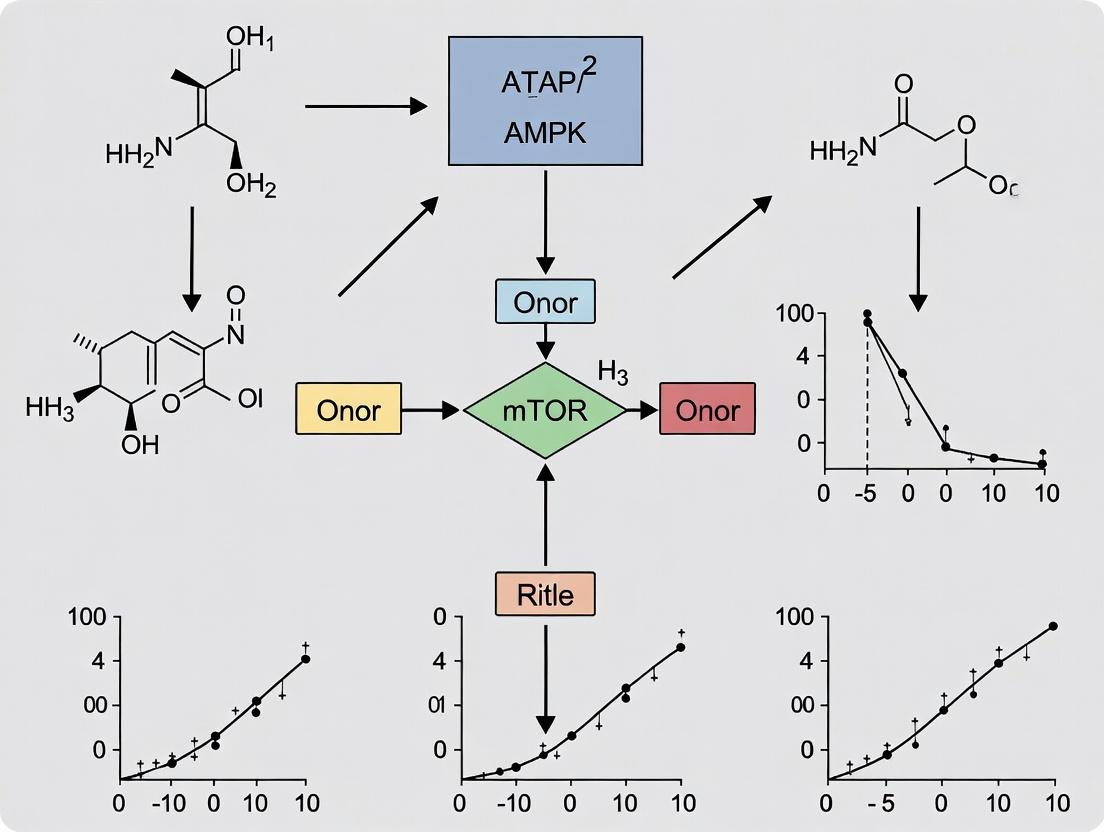
This article explores the pivotal role of AMP-activated protein kinase (AMPK) and mechanistic target of rapamycin (mTOR) signaling pathways in mediating hormetic dose responses—the biphasic biological phenomenon where low doses...
Decoding Hormesis: How the AMPK/mTOR Nexus Mediates Low-Dose Stress for Therapeutic Benefit
Abstract
This article explores the pivotal role of AMP-activated protein kinase (AMPK) and mechanistic target of rapamycin (mTOR) signaling pathways in mediating hormetic dose responses—the biphasic biological phenomenon where low doses of stressors (e.g., phytochemicals, exercise, caloric restriction, mild toxins) induce adaptive benefits that are lost or reversed at high doses. Targeted at researchers and drug developers, the content provides foundational mechanistic insights, discusses current methodological approaches for pathway interrogation, identifies common experimental pitfalls and optimization strategies, and critically evaluates model systems and pharmacological tools. The synthesis offers a roadmap for leveraging AMPK/mTOR-driven hormesis in developing novel, resilience-promoting therapeutic and preventive interventions.
Core Mechanisms Unveiled: Defining the AMPK/mTOR Balance in Hormetic Stress Signaling
Hormesis is a dose-response phenomenon characterized by a biphasic response: low-dose stimulation or beneficial effect and high-dose inhibition or toxicity. This evolutionary-conserved adaptive response is fundamental to how biological systems perceive and respond to stressors, including chemicals, radiation, heat, and exercise. At the molecular level, hormesis is orchestrated by intricate signaling networks that sense stress, amplify adaptive signals, and ultimately enhance cellular defense and repair mechanisms. This whitepaper frames hormesis within the critical regulatory context of the AMP-activated protein kinase (AMPK) and the mechanistic target of rapamycin (mTOR) signaling pathways—a central nexus determining cellular fate in response to energetic and nutritional stress.
AMPK/mTOR: The Central Signaling Nexus in Hormetic Responses
The AMPK and mTOR pathways function as a biological rheostat, integrating signals from hormetic stressors to direct cellular metabolism, growth, autophagy, and survival.
AMPK acts as a master energy sensor, activated by increases in the AMP:ATP ratio, indicative of low energy (e.g., from calorie restriction, exercise, or mitochondrial stress). Once activated, AMPK phosphorylates numerous targets to promote catabolic processes that generate ATP while inhibiting anabolic, energy-consuming processes.
mTOR, particularly within the mTOR Complex 1 (mTORC1), is the primary growth-promoting pathway, activated by nutrient and growth factor abundance. It drives protein synthesis, lipid synthesis, and inhibits autophagy.
The interaction is antagonistic: Activated AMPK directly inhibits mTORC1 through phosphorylation of Raptor and the upstream activator TSC2. This inhibition is a pivotal switch in hormetic responses. A low-dose stressor (e.g., mild oxidative stress, low-dose toxin, energy deprivation) activates AMPK, which subsequently inhibits mTOR. This coordinated shift:
- Induces autophagy via ULK1 activation, clearing damaged organelles and proteins.
- Enhances stress resistance by upregulating antioxidant response elements (e.g., via Nrf2) and mitochondrial biogenesis (e.g., via PGC-1α).
- Temporarily halts growth to divert energy to maintenance and repair.
Conversely, a high-dose stressor can cause irreversible damage, overwhelming AMPK's adaptive capacity, leading to sustained mTOR inhibition or paradoxical activation of detrimental pathways, resulting in cell death or dysfunction.
Diagram: AMPK/mTOR Signaling in Hormetic Dose-Response
Quantitative Data: Exemplary Hormetic Agents and AMPK/mTOR Modulation
The following table summarizes key hormetic agents, their effective low and high doses in common research models, and their documented effects on AMPK/mTOR signaling.
Table 1: Prototypical Hormetic Agents and Their AMPK/mTOR-Mediated Effects
| Agent / Stressor | Model System | Low Dose (Hormetic Zone) | High Dose (Toxic Zone) | Effect on AMPK | Effect on mTORC1 | Key Adaptive Outcome |
|---|---|---|---|---|---|---|
| Metformin | HepG2 cells | 0.1 - 2 mM | > 10 mM | Activates (via mitochondrial inhibition) | Inhibits | Enhanced insulin sensitivity, increased autophagy |
| Resveratrol | C2C12 myotubes | 1 - 10 µM | > 50 µM | Activates (via SIRT1/LKB1) | Inhibits | Mitochondrial biogenesis, improved oxidative metabolism |
| Rapamycin | Yeast, Mice | 1 - 100 nM (acute) | Chronic high dose | Can activate (indirectly via energy stress) | Directly inhibits | Lifespan extension, reduced senescence |
| Exercise | Human skeletal muscle | Acute bout | Overtraining syndrome | Strongly activates | Transiently inhibits | Improved glucose uptake, muscle adaptation |
| Calorie Restriction | Rodents, primates | 20-40% reduction | Starvation (>60%) | Chronically activates | Chronically inhibits | Lifespan extension, metabolic health |
| Hydrogen Peroxide (H₂O₂) | Neuronal PC12 cells | 5 - 20 µM | > 100 µM | Mild/Transient activation | Inhibits | Increased neurite outgrowth, preconditioning against severe stress |
Detailed Experimental Protocols
Protocol 1: Assessing AMPK/mTOR-Dependent Hormesis Using Resveratrol in Cultured Cells
Objective: To characterize the biphasic dose-response of resveratrol on cell viability and link it to AMPK activation and mTORC1 inhibition.
Materials: (See "Scientist's Toolkit" below) Cell Line: C2C12 mouse myoblasts differentiated into myotubes. Procedure:
- Cell Culture & Treatment: Differentiate C2C12 myoblasts in DMEM with 2% horse serum for 5 days. Seed differentiated myotubes in 96-well plates for viability assays or 6-well plates for protein analysis. Treat cells with a dose range of resveratrol (e.g., 0.1, 1, 5, 10, 25, 50, 100 µM) or vehicle control (DMSO, final conc. <0.1%) for 24 hours.
- Cell Viability Assay (MTT): After treatment, add MTT reagent (0.5 mg/mL final) to each well and incubate for 3-4 hours at 37°C. Carefully remove media, solubilize formed formazan crystals with DMSO, and measure absorbance at 570 nm with a reference at 650 nm. Normalize data to vehicle control.
- Protein Extraction & Western Blot: Lyse cells from 6-well plates in RIPA buffer with protease and phosphatase inhibitors. Determine protein concentration via BCA assay. Resolve 20-30 µg of protein by SDS-PAGE and transfer to PVDF membranes.
- Immunoblotting: Probe membranes with the following primary antibodies:
- Phospho-AMPKα (Thr172) and total AMPKα.
- Phospho-S6 Ribosomal Protein (Ser235/236) (a direct readout of mTORC1 activity) and total S6.
- LC3B (to monitor autophagy induction).
- β-Actin (loading control).
- Data Analysis: Plot cell viability (%) vs. log[Resveratrol] to identify hormetic (low-dose increase) and toxic zones. Correlate viability bands with immunoblot signal intensities (quantified via densitometry) for p-AMPK/AMPK and p-S6/S6 ratios.
Protocol 2: In Vivo Validation of Exercise-Induced Hormesis via AMPK/mTOR
Objective: To measure the transient, intensity-dependent modulation of AMPK/mTOR signaling in rodent skeletal muscle post-exercise.
Materials: Male C57BL/6J mice, rodent treadmill, tissue homogenizer. Procedure:
- Exercise Protocol: Acclimatize mice to treadmill running for 10 min/day at low speed for 3 days. Divide into groups: Sedentary (SED), Low-Intensity Exercise (LIE: 45 min at 10 m/min, 5% incline), High-Intensity Exercise (HIE: 5x 3 min bouts at 20 m/min, 10% incline, with 2 min rest).
- Tissue Harvest: Euthanize mice at defined time points post-exercise (e.g., 0, 30, 60, 180 min). Rapidly dissect gastrocnemius and quadriceps muscles, freeze in liquid nitrogen, and store at -80°C.
- Muscle Homogenization & Signaling Analysis: Powder frozen tissue under liquid nitrogen. Homogenize in lysis buffer. Perform Western blot analysis as in Protocol 1 for p-AMPK, p-ACC (AMPK target), p-S6, and p-4E-BP1 (mTORC1 target).
- Assessment of Adaptive Outcomes: In a separate longitudinal study, train mice with LIE protocol for 4 weeks. Assess endurance capacity (run-to-exhaustion test) and measure mitochondrial enzyme activity (e.g., citrate synthase) in muscle homogenates.
Diagram: Experimental Workflow for Cell-Based Hormesis Study
The Scientist's Toolkit: Key Research Reagent Solutions
Table 2: Essential Reagents for AMPK/mTOR Hormesis Research
| Reagent / Kit | Vendor Examples (Research-Use Only) | Function in Hormesis Studies |
|---|---|---|
| Phospho-Specific Antibodies (p-AMPKα Thr172, p-ACC Ser79, p-Raptor Ser792, p-S6 Ser235/236, p-4E-BP1 Thr37/46) | Cell Signaling Technology, CST; Abcam | Critical for detecting pathway activation/inhibition status via Western blot or immunofluorescence. |
| Total Protein Antibodies (AMPKα, ACC, S6, 4E-BP1, mTOR) | CST, Santa Cruz Biotechnology | Loading controls and for calculating phosphorylation ratios. |
| LC3B Antibody Kit | CST (Kit #4455) | Detects LC3B-I (cytosolic) and LC3B-II (lipidated, autophagosome-bound) to monitor autophagy flux. |
| AMPK Activators (e.g., AICAR, synthetic direct activators like 991) | Tocris, MedChemExpress | Positive controls for AMPK activation in hormesis experiments. |
| mTOR Inhibitors (e.g., Rapamycin, Torin1) | Cayman Chemical, Selleckchem | Positive controls for mTORC1 inhibition; used to mimic low-dose hormetic signaling. |
| Cell Viability/Cytotoxicity Kits (MTT, MTS, CellTiter-Glo) | Promega, Abcam, Sigma-Aldrich | Quantitatively measures the biphasic response (viability increase at low dose, decrease at high dose). |
| Seahorse XF Analyzer Consumables | Agilent Technologies | Measures mitochondrial respiration and glycolytic rate in real-time, a key functional outcome of AMPK-mediated hormesis. |
| RIPA Lysis Buffer with Protease/Phosphatase Inhibitors | Thermo Fisher, homemade formulations | Ensures complete and specific protein extraction while preserving post-translational modifications for signaling analysis. |
Therapeutic Promise and Translational Challenges
The pharmacological exploitation of hormesis via AMPK/mTOR modulation holds immense promise across several disease domains:
- Neurodegenerative Diseases (AD, PD): Low-dose stressors (e.g., phytochemicals, metabolic challenges) may induce autophagy via AMPK/mTOR to clear protein aggregates.
- Metabolic Disorders (T2D, NAFLD): Hormetic agents like metformin act through this axis to improve insulin sensitivity and hepatic lipid metabolism.
- Aging and Longevity: The conserved lifespan extension from calorie restriction and rapamycin is directly mediated by chronic, mild AMPK activation and mTORC1 inhibition.
- Oncology: Radiotherapy and certain chemotherapeutics exhibit hormetic effects on healthy tissue; preconditioning with mild stress could improve patient resilience.
Key Translational Hurdles:
- Precise Dose Definition: The hormetic zone is narrow and highly context-dependent (species, tissue, age, sex).
- Temporal Dynamics: The timing of intervention (acute vs. chronic) critically affects outcomes.
- Biomarker Development: A lack of validated, dynamic biomarkers for "optimal hormetic stress" in humans.
- Individual Variability: Genetic and epigenetic backgrounds significantly influence the hormetic response threshold.
Future research must focus on high-resolution mapping of the AMPK/mTOR signaling network in response to graded stressors, using systems biology approaches to predict personalizable hormetic interventions for disease prevention and treatment.
This whitepaper, framed within a broader thesis on hormetic dose responses, provides a technical overview of the antagonistic AMPK and mTOR signaling pathways. As core cellular energy and nutrient sensors, their dynamic balance dictates metabolic fate—catabolism versus anabolism—and is a critical mediator of hormesis. The coordinated inhibition of mTOR and activation of AMPK underpins the beneficial effects of numerous hormetic stimuli, including caloric restriction, exercise, and certain phytochemicals. This guide details their regulation, cross-talk, experimental interrogation, and relevance to therapeutic development.
Hormesis describes adaptive beneficial responses to low-dose stressors. A unifying mechanism is the transient energetic challenge that increases the AMP:ATP ratio, activating AMPK and inhibiting mTOR complex 1 (mTORC1). This switch from anabolic to catabolic processes enhances stress resistance, repairs macromolecules, and restores homeostasis. Chronic mTOR activation or AMPK suppression is associated with aging and metabolic disease, making this regulatory nexus a prime target for research and drug development.
Pathway Architecture and Core Regulation
AMPK: The Catabolic Activator
AMP-activated protein kinase (AMPK) is a heterotrimeric complex (α, β, γ subunits) activated by increases in AMP/ADP relative to ATP. It promotes ATP-generating catabolic pathways (e.g., fatty acid oxidation, glycolysis, autophagy) and inhibits ATP-consuming anabolic processes.
mTOR: The Anabolic Inhibitor
The mechanistic Target of Rapamycin (mTOR) exists in two complexes: mTORC1 and mTORC2. mTORC1, sensitive to rapamycin, is the primary anabolic hub, activated by growth factors, amino acids, and energy sufficiency. It promotes protein synthesis, lipid synthesis, and inhibits autophagy.
Table 1: Core Characteristics of AMPK and mTORC1
| Feature | AMPK | mTORC1 |
|---|---|---|
| Primary Trigger | Low energy (↑AMP:ATP, ↑ADP:ATP) | High energy & nutrients (AAs, growth factors) |
| Key Upstream Regulators | LKB1, CaMKKβ, Cellular AMP/ADP | PI3K/Akt, Rheb, Rag GTPases |
| Central Function | Catabolism, Energy Production | Anabolism, Biomass Accumulation |
| Key Downstream Targets | ACC (inhibited), ULK1 (activated), TSC2 (activated) | S6K1 (activated), 4E-BP1 (inhibited), ULK1 (inhibited) |
| Effect on Autophagy | Induction (via ULK1/2 activation) | Suppression (via ULK1/2 inhibition) |
| Canonical Activators | AICAR, Metformin, Phenformin, Exercise | Insulin, IGF-1, Amino Acids (Leucine) |
| Canonical Inhibitors | Compound C (Dorsomorphin) | Rapamycin, Torin 1, PP242 |
Figure 1: Hormetic Stressors Converge on AMPK/mTOR Signaling
Critical Cross-Talk and Integration Nodes
The pathways are interconnected via several key nodes:
- TSC2: AMPK phosphorylates and activates the TSC1/TSC2 complex, a potent inhibitor of Rheb and thus mTORC1.
- Raptor: AMPK phosphorylates Raptor, leading to 14-3-3 binding and inhibition of mTORC1.
- ULK1: Both pathways phosphorylate ULK1 at distinct sites to regulate autophagy initiation. AMPK activates, while mTORC1 inhibits.
- P53: AMPK can stabilize p53, which can transcriptionally repulate mTOR pathway components.
Figure 2: Key Molecular Cross-Talk Between AMPK and mTORC1
Experimental Protocols for Pathway Analysis
Protocol: Assessing AMPK/mTOR Activity in Cell Culture via Western Blot
Objective: Determine the phosphorylation status of key pathway components in response to a hormetic stimulus (e.g., glucose deprivation, drug treatment). Materials: See "Scientist's Toolkit" below. Procedure:
- Treatment: Seed cells in 6-well plates. At ~80% confluence, treat with vehicle (control), 2mM Metformin (AMPK activator) for 1h, or 100nM Rapamycin (mTOR inhibitor) for 1h.
- Lysis: Aspirate medium, rinse with ice-cold PBS. Lyse cells in 200µl RIPA buffer with protease/phosphatase inhibitors on ice for 15 min. Scrape and centrifuge at 14,000g for 15 min at 4°C.
- Protein Quantification: Use BCA assay to normalize protein concentration. Prepare samples with Laemmli buffer, denature at 95°C for 5 min.
- Western Blot: Load 20-30µg protein per lane on 4-12% Bis-Tris gels. Transfer to PVDF membranes. Block with 5% BSA in TBST for 1h.
- Antibody Incubation: Incubate with primary antibodies (diluted in 5% BSA-TBST) overnight at 4°C:
- p-AMPKα (Thr172)
- Total AMPKα
- p-ACC (Ser79) – AMPK substrate readout
- p-S6K1 (Thr389) – mTORC1 readout
- p-4E-BP1 (Thr37/46) – mTORC1 readout
- β-Actin (loading control). Wash 3x with TBST, incubate with HRP-conjugated secondary antibodies for 1h at RT.
- Detection: Use chemiluminescent substrate and image with a digital imager. Quantify band intensity relative to total protein and loading control.
Protocol: Measuring Autophagic Flux (LC3 Turnover Assay)
Objective: Functional readout of AMPK activation/mTORC1 inhibition. Procedure: Perform the Western blot protocol above with an additional critical step: treat parallel samples with 40µM Chloroquine (or 100nM Bafilomycin A1) for the final 4 hours of treatment to inhibit lysosomal degradation. Probe for LC3-I and LC3-II. Increased LC3-II in the presence of lysosomal inhibitor indicates increased autophagic flux.
Table 2: Key Phospho-Site Antibodies for Pathway Interrogation
| Target Protein | Phosphorylation Site | Significance | Indicator For |
|---|---|---|---|
| AMPKα | Thr172 | Activation loop; required for activity | AMPK Activation |
| Acetyl-CoA Carboxylase (ACC) | Ser79 | Direct AMPK target site | AMPK Activity |
| Raptor | Ser792 | Direct AMPK target; inhibits mTORC1 | AMPK-mediated mTOR Inhibition |
| ULK1 | Ser317/Ser777 | Direct AMPK target; activates autophagy | AMPK-mediated Autophagy Induction |
| ULK1 | Ser757 | Phosphorylated by mTORC1; inhibits autophagy | mTORC1 Activity |
| S6 Kinase 1 (S6K1) | Thr389 | Direct mTORC1 target; main readout | mTORC1 Activity |
| 4E-BP1 | Thr37/46 | Direct mTORC1 target; main readout | mTORC1 Activity |
The Scientist's Toolkit: Key Research Reagents
Table 3: Essential Reagents for AMPK/mTOR Research
| Reagent | Function & Mechanism | Example Use Case |
|---|---|---|
| Metformin | AMPK activator (indirectly via mitochondrial complex I inhibition) | Inducing cellular energy stress; mimicking caloric restriction effects. |
| AICAR | AMPK activator (direct AMP mimetic, converted to ZMP) | Acute, direct activation of AMPK in vitro/in vivo. |
| Rapamycin | Allosteric mTORC1 inhibitor (binds FKBP12, inhibits kinase) | Acute inhibition of mTORC1; studying autophagy induction. |
| Torin 1 | ATP-competitive mTOR kinase inhibitor (blocks both mTORC1/2) | Complete mTOR inhibition; studying mTORC2-specific effects. |
| Compound C (Dorsomorphin) | ATP-competitive AMPK inhibitor | Negative control to confirm AMPK-dependent effects. |
| Chloroquine / Bafilomycin A1 | Lysosomal acidification inhibitors (block autophagic degradation) | Essential for measuring autophagic flux in LC3 turnover assays. |
| RIPA Lysis Buffer | Cell lysis for protein extraction | Standard buffer for phospho-protein analysis by Western blot. |
| Phosphatase Inhibitor Cocktails | Inhibits serine/threonine/tyrosine phosphatases | Preserves phosphorylation status of proteins during lysis. |
| Anti-p-AMPKα (Thr172) Ab | Detects activated AMPK | Primary readout for AMPK activation in Western blot/IF. |
| Anti-p-S6K1 (Thr389) Ab | Detects mTORC1 activity | Primary readout for mTORC1 activity in Western blot/IF. |
The AMPK/mTOR axis is the definitive cellular rheostat for energy balance and a central executor of hormesis. In drug development, strategies to activate AMPK or inhibit mTORC1 are pursued for aging-related diseases, cancer, metabolic syndrome, and neurodegeneration. Critically, hormetic approaches seek transient, mild modulation of this axis—mimicking the natural, beneficial responses to exercise and nutrient scarcity—rather than chronic, potent inhibition, which may incur adverse effects. Future research must quantify the precise dynamics and dose-response relationships of this duo to harness their full therapeutic potential.
The AMP-activated protein kinase (AMPK) and the mechanistic target of rapamycin (mTOR) signaling pathways function as a central, evolutionarily conserved cellular energy sensor. Within hormetic dose response research—where low-level stressors elicit adaptive, beneficial effects while high-level stressors cause damage—this dyad is paramount. Hormetic agents (e.g., mild oxidative stress, calorie restriction, exercise, low-dose phytochemicals) consistently activate AMPK and subsequently inhibit mTOR. This reciprocal inhibition forms a core "toggle switch" mechanism, driving the shift from anabolic, growth-oriented states (mTOR-on) to catabolic, repair and maintenance-oriented states (AMPK-on). This whitepaper provides a technical dissection of this molecular toggle, its experimental validation, and its implications for therapeutic strategies in aging, metabolism, and oncology.
Core Mechanism of Reciprocal Inhibition
The toggle operates via direct and indirect phosphorylation events, creating a robust, bistable regulatory system.
AMPK Activation Suppresses mTORC1: AMPK phosphorylates two key nodes:
- TSC2: Phosphorylation at Ser1387 (and other sites) enhances the GTPase-activating protein (GAP) activity of the TSC1/TSC2 complex toward Rheb, maintaining Rheb in its GDP-bound, inactive state. This prevents Rheb from activating mTORC1 at the lysosomal surface.
- Raptor: Direct phosphorylation of Raptor (a core component of mTORC1) at Ser722/792 creates a binding site for 14-3-3 proteins, leading to mTORC1 inhibition and dissociation from regulators.
mTORC1 Activation Inhibits AMPK: mTORC1 phosphorylates and controls several pathways that negatively regulate AMPK:
- ULK1 Phosphorylation: While AMPK activates ULK1 to initiate autophagy, mTORC1 phosphorylates ULK1 at Ser757, disrupting its interaction with AMPK and suppressing autophagy initiation.
- Growth Signaling Feedback: Active mTORC1 promotes protein synthesis and cell growth, consuming ATP and lowering the AMP:ATP ratio, indirectly reducing AMPK activation.
- Regulation of IRS-1 & PI3K Signaling: Chronic mTORC1 activity can promote feedback inhibition of upstream insulin/PI3K signaling, which can indirectly influence AMPK's activation context.
Diagram 1: AMPK-mTOR Reciprocal Inhibition Core
Table 1: Quantifiable Effects of Hormetic Stressors on the AMPK/mTOR Toggle
| Hormetic Stressor | Experimental Model | Key AMPK Readout | Key mTORC1 Readout | Functional Outcome |
|---|---|---|---|---|
| Calorie Restriction | Mouse Liver | ↑ p-AMPK (Thr172) (2.5-3.0 fold) | ↓ p-S6K1 (Thr389) (60-70%) | Increased autophagy, improved insulin sensitivity |
| Metformin (Low Dose) | HEK293 Cells | ↑ p-AMPK (Thr172) (2.0 fold) | ↓ p-S6 (Ser240/244) (50%) | Cell cycle delay, reduced protein synthesis |
| Resveratrol | C2C12 Myotubes | ↑ p-ACC (Ser79) (3.0 fold) | ↓ p-4E-BP1 (Thr37/46) (40%) | Mitochondrial biogenesis, metabolic shift |
| Moderate Intensity Exercise | Human Skeletal Muscle Biopsy | ↑ AMPKα2 activity (1.8 fold) | ↓ p-mTOR (Ser2448) (30%) | Enhanced glucose uptake, mitophagy |
| Mild Oxidative Stress (H₂O₂) | MEF Cells | ↑ AMP:ATP Ratio (1.5 fold) | ↓ mTORC1 kinase activity (55%) | Temporary growth arrest, stress adaptation |
Key Experimental Protocols
Protocol 1: Assessing the Toggle via Immunoblotting in Cultured Cells
- Objective: Determine reciprocal phosphorylation changes in AMPK and mTORC1 substrates following a hormetic stimulus.
- Materials: See "Scientist's Toolkit" below.
- Method:
- Seed cells in 6-well plates. At ~80% confluence, serum-starve for 4-16 hours to lower basal signaling.
- Apply hormetic stimulus (e.g., 2 mM metformin, 10 µM resveratrol, or 100 µM H₂O₂) for defined durations (15, 30, 60, 120 min).
- Lyse cells on ice using RIPA buffer + protease/phosphatase inhibitors.
- Determine protein concentration via BCA assay.
- Load 20-30 µg protein per lane on 4-12% Bis-Tris gels for SDS-PAGE.
- Transfer to PVDF membrane, block with 5% BSA/TBST.
- Incubate with primary antibodies (diluted in 5% BSA/TBST) overnight at 4°C.
- Use HRP-conjugated secondary antibodies and chemiluminescent substrate for detection.
- Critical Antibody Panel: p-AMPKα (Thr172), total AMPKα, p-ACC (Ser79), p-Raptor (Ser792), p-ULK1 (Ser757), p-S6K1 (Thr389), p-S6 (Ser240/244), p-4E-BP1 (Thr37/46), and loading control (β-Actin/GAPDH).
Protocol 2: Kinase Activity Assay for AMPK
- Objective: Directly measure AMPK enzymatic activity via immunoprecipitation.
- Method:
- Prepare cell lysates in mild lysis buffer (without SDS).
- Pre-clear lysate with protein A/G beads.
- Immunoprecipitate AMPK using anti-AMPKα1/α2 antibody bound to beads for 2 hours at 4°C.
- Wash beads thoroughly with lysis buffer, then kinase assay buffer.
- Perform kinase reaction in buffer containing 200 µM AMP, 200 µM ATP, and a specific substrate peptide (e.g., SAMS peptide) at 30°C for 30 min.
- Terminate reaction and quantify phosphorylated product via phosphocellulose paper binding and scintillation counting or a coupled colorimetric/fluorometric assay.
- Normalize activity to immunoprecipitated AMPK protein.
Workflow Diagram for Experimental Validation
The Scientist's Toolkit: Research Reagent Solutions
Table 2: Essential Reagents for AMPK/mTOR Toggle Research
| Reagent/Material | Supplier Examples | Function & Application Notes |
|---|---|---|
| Phospho-Specific Antibodies | Cell Signaling Technology, CST; Abcam | Detect activation states (e.g., CST #2535 p-AMPKα Thr172; CST #5536 p-Raptor Ser792). Validate with genetic/ pharmacological controls. |
| Active Recombinant AMPK Protein | SignalChem, BPS Bioscience | Positive control for kinase assays, substrate validation in vitro. |
| Compound C (Dorsomorphin) | Sigma-Aldrich, Tocris | Widely used AMPK chemical inhibitor. Note off-target effects; use with appropriate genetic knockdown for validation. |
| Rapamycin | LC Laboratories, Sigma-Aldrich | Allosteric mTORC1 inhibitor (FKBP12-dependent). Used to validate mTOR-specific effects in experiments. |
| TORIN 1 | Tocris, Cayman Chemical | ATP-competitive mTORC1/mTORC2 inhibitor. Used to distinguish mTOR complex-specific effects. |
| SAMS Peptide | Upstate (Millipore), GenScript | Optimal substrate for in vitro AMPK activity assays (sequence: HMRSAMSGLHLVKRR). |
| AMPKα1/α2 siRNA | Dharmacon, Santa Cruz | For genetic knockdown to confirm AMPK-dependent effects of a stimulus. |
| Serum/GF Deprivation Media | Thermo Fisher, Formulated in-lab | Reduces basal PI3K/Akt/mTOR signaling to better detect AMPK activation upon treatment. |
| Seahorse XF Analyzer Kits | Agilent Technologies | Measure cellular bioenergetics (OCR, ECAR) to link AMPK/mTOR status to metabolic function. |
| RIPA Lysis Buffer + Inhibitors | Thermo Fisher, Formulated in-lab | Comprehensive extraction of signaling proteins while preserving phosphorylation states. |
The cellular response to low-dose stressors, or hormesis, is a fundamental biological concept with profound implications for longevity and metabolic health. The AMP-activated protein kinase (AMPK) and the mechanistic target of rapamycin (mTOR) signaling pathways function as a conserved, antagonistic axis that integrates energy and nutrient status to dictate cell fate between catabolism and anabolism. This whitepaper details how three canonical hormetic activators—exercise, calorie restriction (CR) mimetics, and specific phytochemicals—engage this axis, promoting adaptive cellular resilience. This content is framed within the broader thesis that precise modulation of the AMPK/mTOR axis is the primary mechanistic driver of the beneficial dose-responses observed in hormesis research.
Quantitative Data on Canonical Activators
Table 1: Comparative Impact of Hormetic Activators on AMPK/mTOR Pathway Markers
| Activator Class | Specific Agent/Intervention | Typical Dose/Regimen | Key AMPK Effect (p-AMPK Thr172) | Key mTOR Effect (p-mTOR Ser2448 / p-S6K1) | Primary Upstream Trigger | Primary Measured Outcome in Models |
|---|---|---|---|---|---|---|
| Exercise | Acute Aerobic Exercise | 60-70% VO₂max, 30-60 min | ↑ 2.5 - 4.0 fold | ↓ 40-60% | AMP/ATP Ratio, Ca²⁺ | Mitochondrial biogenesis, Glucose uptake |
| Exercise | Resistance Exercise | 70-80% 1RM, 3 sets | ↑ 1.8 - 3.0 fold | ↑ transiently, then ↓ | Ca²⁺, IGF-1/PI3K | Protein synthesis (acute), Hypertrophy (chronic) |
| CR Mimetic | Metformin | 50-500 µM (in vitro); 150-300 mg/kg/day (rodent) | ↑ 1.5 - 3.0 fold | ↓ 30-50% | AMP/ATP (indirect via mitochondrial complex I inhibition) | Improved insulin sensitivity, Lifespan extension |
| CR Mimetic | Rapamycin (Sirolimus) | 0.5-2.0 µM (in vitro); 1-4 mg/kg (rodent pulse) | Minimal direct effect | ↓ 70-90% (direct mTORC1 inhibition) | Direct mTORC1 binding | Autophagy induction, Delayed aging |
| Phytochemical | Resveratrol | 5-50 µM (in vitro); 100-400 mg/kg/day (rodent) | ↑ 2.0 - 3.5 fold (via SIRT1/LKB1) | ↓ 20-40% | SIRT1 activation, LKB1 | Mitochondrial function, Stress resistance |
| Phytochemical | Berberine | 10-100 µM (in vitro); 50-200 mg/kg/day (rodent) | ↑ 3.0 - 5.0 fold | ↓ 40-70% | AMP/ATP (mitochondrial uncoupling), LKB1 | Lipid lowering, Autophagic flux |
Table 2: Key Research Models and Lifespan/Healthspan Outcomes
| Model System | Intervention | Duration | Impact on Lifespan | Key AMPK/mTOR-Dependent Phenotype |
|---|---|---|---|---|
| C. elegans | Resveratrol (100 µM) | Lifespan | ↑ 10-20% | Requires AAK-2 (AMPK ortholog) for lifespan extension |
| D. melanogaster | Rapamycin Feeding (200 µM) | Lifespan | ↑ 15-30% | Inhibited dTOR, enhanced autophagy |
| Mouse (C57BL/6) | Voluntary Running Wheel | 10-12 months | ↑ 10-15% (healthspan) | ↑ PGC-1α, ↑ mitochondrial content, ↓ mTOR activity in tissues |
| Mouse (HFD-fed) | Metformin (300 mg/kg) | 6 months | No change in max lifespan; ↑ healthspan | Restored hepatic AMPK activity, ↓ hepatic lipogenesis |
Experimental Protocols for Key Assays
Protocol 3.1: Assessing AMPK and mTOR Activity in Cultured Cells Treated with Phytochemicals
- Cell Culture & Treatment: Seed HEK293, C2C12, or HepG2 cells in 6-well plates. At 70-80% confluence, serum-starve for 4-6 hours. Treat with vehicle (e.g., DMSO ≤0.1%) or compound (e.g., 50 µM Berberine) for a time course (e.g., 15, 30, 60, 120 min).
- Cell Lysis: Aspirate media, wash with ice-cold PBS. Lyse cells in RIPA buffer supplemented with protease and phosphatase inhibitors. Clarify lysates by centrifugation (14,000g, 15 min, 4°C).
- Western Blot Analysis: Determine protein concentration via BCA assay. Separate 20-40 µg protein by SDS-PAGE (8-12% gels) and transfer to PVDF membranes. Block with 5% BSA/TBST. Incubate overnight at 4°C with primary antibodies: p-AMPKα (Thr172), total AMPKα, p-mTOR (Ser2448), p-S6K1 (Thr389), total S6K1, and a loading control (e.g., β-Actin). Use HRP-conjugated secondary antibodies and chemiluminescent detection. Quantify band densitometry.
Protocol 3.2: In Vivo Assessment of Exercise-Induced Pathway Modulation in Skeletal Muscle
- Animal Exercise Protocol: Use 8-12 week-old male C57BL/6 mice. Acute Exercise: Single bout of treadmill running at 15 m/min, 5% incline for 60 minutes. Chronic Exercise: Voluntary wheel running for 4-8 weeks. Sedentary controls are housed without wheels.
- Tissue Harvest: Sacrifice animals at a specified time post-exercise (e.g., 0, 30, 90 min). Rapidly dissect quadriceps or gastrocnemius muscle, freeze in liquid nitrogen, and store at -80°C.
- Tissue Homogenization: Pulverize frozen tissue under liquid nitrogen. Homogenize in ice-cold lysis buffer using a motorized homogenizer. Process as per Protocol 3.1 for Western blot analysis.
- Mitochondrial Biogenesis Readout: Isolate total RNA from a separate aliquot of homogenate. Perform RT-qPCR for markers like Pgc-1α, Cox4i1, and Tfam. Normalize to a housekeeping gene (e.g., Hprt or 36B4).
Protocol 3.3: Measuring Autophagic Flux as a Functional Output of AMPK/mTOR Modulation
- Principle: Use lysosomal inhibitors (chloroquine or bafilomycin A1) to block autophagosome degradation, allowing measurement of their accumulation rate.
- Method: Treat cells with the hormetic activator (e.g., 10 µM Resveratrol) in the presence or absence of 50 µM chloroquine for 4-8 hours. Process for Western blot.
- Analysis: Probe for lipidated LC3 (LC3-II) and p62/SQSTM1. An increase in LC3-II with inhibitor vs. activator alone indicates increased autophagic flux. A decrease in p62 confirms enhanced degradation. This flux is typically blocked by mTOR activation and promoted by AMPK activation.
Signaling Pathways and Workflows
Diagram 1: Hormetic Stressors Converge on the AMPK/mTOR Axis (94 chars)
Diagram 2: Experimental Workflow for AMPK/mTOR Research (82 chars)
The Scientist's Toolkit: Key Research Reagent Solutions
Table 3: Essential Reagents for AMPK/mTOR Hormesis Research
| Reagent Category | Specific Item/Assay | Vendor Examples (Research-Use) | Primary Function in Experiments |
|---|---|---|---|
| Phospho-Specific Antibodies | Anti-phospho-AMPKα (Thr172) | Cell Signaling Technology (CST #2535), Abcam | Detects activated AMPK; key primary readout. |
| Anti-phospho-mTOR (Ser2448) | CST #5536, MilliporeSigma | Detects mTOR activity (often mTORC1-associated). | |
| Anti-phospho-S6K1 (Thr389) | CST #9234 | Downstream readout of mTORC1 activity. | |
| Anti-LC3B | CST #3868, Novus Biologicals | Marker for autophagosome formation (LC3-II). | |
| Activity Assays | AMPK Kinase Activity Assay Kit | Cyclex, Abcam | Measures AMPK activity via phosphorylation of an acetyl-CoA carboxylase (ACC) substrate. |
| mTOR Kinase Assay Kit | CST #9845 | In vitro measurement of mTOR kinase activity. | |
| Genetic Tools | AMPKα1/α2 siRNA or CRISPR KOs | Horizon Discovery, Sigma-Aldrich | Validates AMPK-dependency of observed effects. |
| Raptor/TSC2 siRNA | Dharmacon | Used to manipulate mTORC1 signaling upstream. | |
| Critical Inhibitors/Activators | Compound C (Dorsomorphin) | Tocris Bioscience | ATP-competitive AMPK inhibitor (control for off-target effects). |
| Rapamycin (Sirolimus) | LC Laboratories, Cayman Chemical | Direct mTORC1 inhibitor; positive control for mTOR inhibition. | |
| AICAR | Tocris Bioscience | AMP mimetic; direct AMPK activator (positive control). | |
| Chloroquine / Bafilomycin A1 | Sigma-Aldrich | Lysosomal inhibitors for measuring autophagic flux. | |
| Cell Lines & Models | LKB1-deficient HeLa cells | ATCC | Used to study LKB1-dependent AMPK activation. |
| AMPK-KO MEFs (Mouse Embryonic Fibroblasts) | Often generated in-house via CRISPR | Essential for confirming AMPK-specific phenotypes. | |
| Detection Kits | BCA Protein Assay Kit | Thermo Fisher Scientific, Bio-Rad | Accurate protein quantification for Western blot normalization. |
| Enhanced Chemiluminescence (ECL) Substrate | Thermo Fisher Scientific, Bio-Rad | High-sensitivity detection for Western blot signals. |
Abstract This technical whitpaper examines the principal downstream effectors of cellular adaptation, contextualized within AMPK/mTOR signaling. A hormetic dose response, characterized by low-dose stimulation and high-dose inhibition, critically regulates these effectors. We detail the molecular mechanisms by which autophagy, mitochondrial biogenesis, and cytoprotective gene expression are co-ordinately regulated to confer systemic stress resistance. The document provides current quantitative data, validated experimental protocols, and essential research tools for investigators in aging, metabolic disease, and pharmacological research.
1. Introduction: AMPK/mTOR as the Central Hormetic Switch The AMP-activated protein kinase (AMPK) and the mechanistic target of rapamycin (mTOR) form an evolutionarily conserved nutrient-sensing axis central to hormesis. Mild stressors (e.g., caloric restriction, exercise, mild oxidative stress) increase the AMP:ATP ratio, activating AMPK and inhibiting mTORC1. This reciprocal switch reprograms cellular metabolism away from anabolic growth and toward catabolic repair and adaptive homeostasis. The convergence of this signaling on downstream transcriptional regulators (e.g., PGC-1α, TFEB, Nrf2, FOXO) orchestrates the three pillars of adaptation: autophagy, mitochondrial biogenesis, and stress resistance.
2. Core Downstream Effectors: Mechanisms & Quantification
2.1. Autophagy: The Lysosomal Clearance Pathway Activated AMPK phosphorylates and activates ULK1 (initiation) and inhibits mTORC1, which relieves its suppression of the ULK1 complex and the transcription factor EB (TFEB). TFEB translocates to the nucleus, driving lysosomal biogenesis and autophagy gene expression.
Table 1: Key Quantitative Markers of Autophagic Flux
| Marker/Method | Baseline Level | Response to Mild Stress (Fold-Change) | Response to Chronic Stress/Inhibition (Fold-Change) | Notes |
|---|---|---|---|---|
| LC3-II/I Ratio (Immunoblot) | Cell-type dependent | 2.5 - 4.0 | 0.5 - 1.5 | Must measure with/without lysosomal inhibitors (e.g., Bafilomycin A1) for flux. |
| p62/SQSTM1 Degradation | Variable | Decrease by 40-60% | Increase by 200-500% | Inverse correlate of functional autophagy. |
| TFEB Nuclear Translocation (% Cells) | 10-20% | 60-80% | <5% | Measured by immunofluorescence; robust readout of pathway activation. |
| Autophagosome Count (EM) | 2-5 per cell profile | 8-15 per cell profile | 0-2 per cell profile | Gold standard but low-throughput. |
Diagram 1: AMPK/mTOR Regulation of Autophagy
2.2. Mitochondrial Biogenesis: The PGC-1α Axis AMPK directly phosphorylates and activates peroxisome proliferator-activated receptor gamma coactivator 1-alpha (PGC-1α). Concurrent mTOR inhibition reduces translational repression of nuclear-encoded mitochondrial genes. Activated PGC-1α co-activates transcription factors (NRF-1/2, ERRα) driving expression of mitochondrial components and the master regulator TFAM.
Table 2: Key Metrics of Mitochondrial Biogenesis & Function
| Parameter | Assay | Typical Adaptive Increase | Significance |
|---|---|---|---|
| mtDNA Copy Number | qPCR (ND1/18S ratio) | 1.5 - 2.2 fold | Direct indicator of biogenesis. |
| PGC-1α mRNA | RT-qPCR | 2.0 - 4.0 fold | Early transcriptional response. |
| Citrate Synthase Activity | Enzymatic assay | 1.3 - 1.8 fold | Indicator of mitochondrial content. |
| Oxygen Consumption Rate (OCR) | Seahorse XF Analyzer | Basal: +20-40%; Max: +30-50% | Integrated functional readout. |
| TFAM Protein Level | Immunoblot | 1.7 - 2.5 fold | Executor of mtDNA replication. |
Diagram 2: Signaling to Mitochondrial Biogenesis
2.3. Integrated Stress Resistance: Nrf2 & FOXO Pathways Hormetic activation of AMPK/mTOR signaling converges on the upregulation of antioxidant and detoxification systems. AMPK phosphorylates Nrf2, promoting its stabilization and nuclear translocation. Simultaneously, inhibition of mTOR and activation of AMPK promote the deacetylation and nuclear translocation of FOXO transcription factors, enhancing DNA repair and oxidative stress resistance.
Table 3: Markers of Antioxidant & Proteostatic Adaptation
| Pathway | Key Effector | Protective Target Genes | Functional Outcome |
|---|---|---|---|
| Nrf2/ARE | Nrf2 (NFE2L2) | HO-1, NQO1, GCLC, GCLM | Conjugation & elimination of reactive electrophiles/oxidants. |
| FOXO | FOXO1/3a | MnSOD, Catalase, GADD45, BIM | Scavenging of superoxide, H₂O₂ detoxification, cell cycle arrest/repair. |
| Heat Shock Response | HSF1 | HSP70, HSP27, HSP40 | Protein refolding, anti-apoptosis. |
Diagram 3: Convergence on Stress Resistance
3. Experimental Protocols
Protocol 1: Measuring Autophagic Flux (Immunoblot)
- Cell Treatment & Inhibition: Seed cells in 6-well plates. Treat with hormetic agent (e.g., 0.5 mM Metformin, serum starvation) for 4-24h. Include parallel wells treated with 100 nM Bafilomycin A1 (or 20 mM NH₄Cl) for the final 4h.
- Lysis: Lyse cells in RIPA buffer + protease/phosphatase inhibitors.
- Immunoblot: Resolve 20-30 µg protein on 12-15% SDS-PAGE. Transfer to PVDF.
- Primary Antibodies: Incubate with anti-LC3B (1:1000) and anti-p62 (1:2000) in 5% BSA/TBST overnight at 4°C.
- Quantification: Calculate LC3-II/GAPDH ratio. True flux = (LC3-II [+Baf]) - (LC3-II [-Baf]). p62 should decrease with functional autophagy.
Protocol 2: Assessing Mitochondrial Biogenesis (mtDNA/nDNA Ratio)
- DNA Isolation: Use DNeasy Blood & Tissue Kit. Treat RNAse A.
- qPCR Primers: Design primers for a mitochondrial gene (e.g., ND1) and a nuclear single-copy gene (e.g., 18S rRNA or β-actin).
- qPCR Reaction: Use SYBR Green master mix. Run in triplicate.
- Analysis: Use the ΔΔCt method. mtDNA/nDNA = 2^(Ct(nuclear) - Ct(mitochondrial)).
Protocol 3: Nuclear Translocation Assay for TFEB/Nrf2 (Immunofluorescence)
- Cell Seeding: Seed on glass coverslips in 24-well plate.
- Treatment & Fixation: Treat, then fix with 4% PFA for 15 min. Permeabilize with 0.1% Triton X-100.
- Staining: Block with 5% normal goat serum. Incubate with anti-TFEB (1:200) or anti-Nrf2 (1:200) overnight. Use Alexa Fluor-conjugated secondary (1:500).
- Imaging & Scoring: Use confocal microscopy. Score 100+ cells per condition for clear nuclear (>80% signal in nucleus) vs. cytosolic localization.
4. The Scientist's Toolkit: Research Reagent Solutions
Table 4: Essential Reagents for Investigating Adaptation Effectors
| Reagent/Catalog # | Supplier Examples | Function in Research |
|---|---|---|
| Compound C (Dorsomorphin) | Tocris, Sigma | Selective AMPK inhibitor; used to confirm AMPK-dependence of observed effects. |
| Rapamycin | Cell Signaling Tech, Sigma | Allosteric mTORC1 inhibitor; induces autophagy and mimics hormetic mTOR inhibition. |
| Chloroquine / Bafilomycin A1 | Sigma, Cayman Chemical | Lysosomal inhibitors used to block autophagic degradation and measure autophagic flux. |
| SR-18292 (PGC-1α Inhibitor) | Cayman Chemical | Selective PGC-1α inhibitor used to dissect its role in mitochondrial biogenesis. |
| ML385 (Nrf2 Inhibitor) | Sigma | Inhibits Nrf2 binding to DNA; validates Nrf2-dependent gene expression. |
| TFEB siRNA Pool | Dharmacon, Santa Cruz | Used to knock down TFEB and probe its specific role in lysosomal biogenesis and autophagy. |
| Seahorse XFp/XFe96 Analyzer Kits | Agilent Technologies | For real-time measurement of mitochondrial OCR and glycolytic ECAR. |
| LC3B (D11) XP / p62 (D5L7G) Antibodies | Cell Signaling Technology | Gold-standard antibodies for monitoring autophagy by immunoblot and IF. |
Cellular adaptation to metabolic and oxidative stress is orchestrated by a sophisticated transcriptional network. This in-depth guide examines the coordinated roles of the transcription factors FOXO, NRF2, and the coactivator PGC-1α as critical downstream effectors of AMPK/mTOR signaling within hormetic dose responses. Hormesis, characterized by low-dose adaptive and high-dose toxic effects, requires precise transcriptional reprogramming to enhance cellular resilience. AMPK activation and mTOR inhibition, hallmarks of low-level stress, converge on these regulators to shift cells from an anabolic, growth-oriented state to a catabolic, maintenance-focused one, promoting longevity pathways and stress resistance.
Core Transcriptional Regulators in Hormetic Signaling
FOXO Transcription Factors
Function: Forkhead box O (FOXO) proteins are evolutionarily conserved regulators of longevity, metabolism, apoptosis, and oxidative stress resistance. Under conditions of energy stress (AMPK activation) or growth factor withdrawal, FOXOs translocate to the nucleus and activate genes involved in autophagy (LC3, BNIP3), antioxidant defense (MnSOD, Catalase), DNA repair (GADD45), and gluconeogenesis (PEPCK, G6Pase).
Regulation by AMPK/mTOR: AMPK directly phosphorylates FOXOs (e.g., FOXO3 on Ser413) to promote their nuclear localization and transcriptional activity, independent of the canonical Akt pathway. Concurrently, mTORC1 inhibition reduces inhibitory phosphorylation of FOXOs via S6K, further enhancing their function. This dual control positions FOXOs as key integrators of energy status.
Nrf2 (NF-E2-related factor 2)
Function: Nrf2 is the master regulator of the antioxidant response. It controls the expression of a battery of Phase II detoxifying enzymes (e.g., NQO1, HO-1) and glutathione synthesis genes (e.g., GCLC, GCLM), crucial for neutralizing electrophilic stress and reactive oxygen species (ROS).
Regulation by AMPK/mTOR: AMPK phosphorylates Nrf2 at Ser550, promoting its stabilization and nuclear accumulation by disrupting its binding to the negative regulator Keap1. mTORC1 inhibition can enhance Nrf2 activity by reducing its sequestration by p62/Keap1 aggregates targeted for autophagy. Nrf2 activation is a hallmark of the adaptive phase of hormesis.
PGC-1α (Peroxisome Proliferator-activated Receptor Gamma Coactivator 1-alpha)
Function: PGC-1α is a transcriptional coactivator that drives mitochondrial biogenesis, fatty acid oxidation, and oxidative phosphorylation. It serves as a central node for metabolic adaptation, interacting with transcription factors like PPARs, ERRs, and NRF1.
Regulation by AMPK/mTOR: AMPK directly phosphorylates PGC-1α (Thr177, Ser538), increasing its stability and activity. Furthermore, AMPK activates SIRT1, which deacetylates and activates PGC-1α. Inhibition of mTORC1 reduces the translational repression of PGC-1α mRNA, allowing for its increased synthesis. This coordinated regulation enhances mitochondrial capacity under stress.
Table 1: Key Transcriptional Targets and Functional Outcomes of FOXOs, Nrf2, and PGC-1α
| Regulator | Primary Target Genes | Biological Process | Reported Fold Change (Low-Dose Stress) | Key Upstream Kinase |
|---|---|---|---|---|
| FOXO3 | SOD2 (MnSOD), CAT (Catalase) | Antioxidant Defense | 2.5 - 4.1x | AMPK, JNK |
| FOXO1/3 | LC3B, BNIP3 | Autophagy Induction | 3.0 - 5.5x | AMPK |
| Nrf2 | NQO1, HMOX1 (HO-1) | Electrophile/ROS Detoxification | 4.0 - 8.0x | AMPK, PKC |
| Nrf2 | GCLC, GCLM | Glutathione Synthesis | 2.8 - 3.7x | AMPK |
| PGC-1α | NRF1, TFAM | Mitochondrial Biogenesis | 3.5 - 6.0x | AMPK, p38 MAPK |
| PGC-1α | PDK4, CPT1B | Fatty Acid Oxidation | 2.2 - 4.0x | AMPK |
Table 2: Experimental Modulation of Regulator Activity and Phenotypic Consequences
| Intervention | Model System | Effect on Target | Measured Outcome | Reference (Example) |
|---|---|---|---|---|
| Metformin (AMPK activator) | HepG2 cells | ↑ p-AMPK, ↑ Nrf2 nuclear localization | 40% reduction in H₂O₂-induced cell death | Lee et al., 2022 |
| Rapamycin (mTORC1 inhibitor) | C2C12 myotubes | ↑ PGC-1α protein (2.1x), ↑ mitochondrial respiration | 35% increase in OCR | Smith et al., 2023 |
| FOXO3 siRNA Knockdown | HUVECs + Resveratrol | Abolished SOD2 induction (1.1x vs 3.8x) | Loss of protection from paraquat | Chen et al., 2021 |
| Keap1 Knockdown (Nrf2 constitutive) | Mouse liver | Baseline NQO1 elevated 5x | Resistance to acetaminophen toxicity | Johnson et al., 2020 |
| PGC-1α Transgenic Overexpression | Mouse skeletal muscle | ↑ Mitochondrial DNA (1.8x) | Enhanced exercise endurance | Lin et al., 2022 |
Experimental Protocols
Protocol: Assessing Nuclear Translocation of FOXO and Nrf2 via Immunofluorescence
Purpose: To visualize and quantify stress-induced nuclear accumulation of transcription factors.
- Cell Seeding: Plate cells (e.g., HEK293, primary hepatocytes) on poly-L-lysine-coated glass coverslips in 24-well plates. Grow to 60-70% confluence.
- Treatment & Hormetic Stimulus: Treat cells with a low-dose hormetic agent (e.g., 100 µM tert-butylhydroquinone (tBHQ) for Nrf2; 25 nM Rapamycin for FOXO) for 2-6 hours. Include a vehicle control (e.g., DMSO) and a high-dose toxic control (e.g., 1 mM H₂O₂ for 1h).
- Fixation: Aspirate media. Wash with PBS (pH 7.4). Fix with 4% paraformaldehyde in PBS for 15 min at RT. Wash 3x with PBS.
- Permeabilization & Blocking: Permeabilize with 0.2% Triton X-100 in PBS for 10 min. Block with 5% BSA + 0.1% Tween-20 in PBS (Blocking Buffer) for 1 hour.
- Primary Antibody Incubation: Incubate with anti-FOXO3a (1:500) or anti-Nrf2 (1:250) antibody diluted in Blocking Buffer overnight at 4°C.
- Secondary Antibody & Staining: Wash 3x. Incubate with Alexa Fluor 488-conjugated secondary antibody (1:1000) and DAPI (1 µg/mL) for 1 hour at RT in the dark.
- Imaging & Analysis: Mount coverslips. Acquire images using a confocal microscope. Quantify nuclear/cytoplasmic fluorescence intensity ratio using ImageJ software (plot profile function across nuclei). Analyze ≥50 cells per condition.
Protocol: Chromatin Immunoprecipitation (ChIP) for Binding Site Validation
Purpose: To confirm direct binding of FOXO/Nrf2/PGC-1α to promoter regions of target genes.
- Crosslinking & Lysis: Treat cells (1x10⁷ per condition) with hormetic stimulus. Crosslink proteins to DNA with 1% formaldehyde for 10 min. Quench with 125 mM glycine. Harvest cells, lyse, and sonicate chromatin to 200-500 bp fragments.
- Immunoprecipitation: Clarify lysate. Take 1% as "Input" control. Incubate the remainder overnight at 4°C with 2-5 µg of specific antibody (anti-FOXO3, anti-Nrf2) or species-matched IgG control, pre-bound to Protein A/G magnetic beads.
- Washing & Elution: Wash beads sequentially with low salt, high salt, LiCl, and TE buffers. Reverse crosslinks by incubating with 200 mM NaCl at 65°C for 4 hours.
- DNA Purification & qPCR: Digest RNA with RNase A, digest proteins with Proteinase K. Purify DNA using a spin column. Analyze enrichment by quantitative PCR (qPCR) using primers specific for the Antioxidant Response Element (ARE) in the NQO1 promoter or the Forkhead Binding Element in the SOD2 promoter. Express data as % of Input.
Protocol: Measuring Mitochondrial Biogenesis (PGC-1α Activity)
Purpose: To functionally assess the downstream outcome of PGC-1α activation.
- Mitochondrial DNA Quantification: Extract total genomic DNA from treated cells. Perform qPCR using primers for a mitochondrial gene (e.g., Cytochrome B, MT-ND1) and a nuclear reference gene (e.g., β-actin or 18S rDNA). Calculate the mtDNA/nDNA ratio (ΔCt method).
- Seahorse Extracellular Flux Analysis: Seed cells in a Seahorse XF96 cell culture microplate. Treat with hormetic agent (e.g., 0.5 mM AICAR, an AMPK activator) for 24h. On the day of assay, replace media with Seahorse XF Base Medium. Measure Oxygen Consumption Rate (OCR) in real-time in response to sequential injection of: (1) Oligomycin (ATP synthase inhibitor), (2) FCCP (mitochondrial uncoupler), (3) Rotenone & Antimycin A (Complex I/III inhibitors). Calculate basal respiration, ATP-linked respiration, maximal respiration, and spare respiratory capacity.
Pathway and Workflow Visualizations
Title: AMPK/mTOR Drives Transcriptional Adaptation
Title: ChIP-seq/qPCR Workflow for TF Binding
The Scientist's Toolkit: Research Reagent Solutions
Table 3: Essential Reagents and Tools for Studying Transcriptional Reprogramming
| Category | Reagent/Kit/Tool | Specific Example | Primary Function in Research |
|---|---|---|---|
| Activators/Inhibitors | AMPK Activator | AICAR (5-Aminoimidazole-4-carboxamide ribonucleotide) | Chemical mimetic of AMP; directly activates AMPK to probe downstream effects. |
| mTORC1 Inhibitor | Rapamycin (Sirolimus) | Specific allosteric inhibitor of mTORC1; used to induce autophagy and probe mTOR-sensitive transcription. | |
| Nrf2 Inducer | Sulforaphane (from broccoli sprouts) | Natural compound that modifies Keap1 cysteines, leading to Nrf2 stabilization and ARE-driven gene expression. | |
| Antibodies | Phospho-Specific Antibodies | Anti-phospho-AMPKα (Thr172), Anti-phospho-FOXO3a (Ser413) | Detect activation status of key signaling nodes via Western Blot or immunofluorescence. |
| Transcription Factor Antibodies | Anti-Nrf2, Anti-FOXO1/3/4, Anti-PGC-1α | Used for Western Blot (total protein), ChIP (binding studies), and IF (localization). | |
| Assay Kits | Luciferase Reporter Assay | ARE (Antioxidant Response Element) Reporter Kit | Measure Nrf2 transcriptional activity in live cells via luminescence. |
| Mitochondrial Function | Seahorse XF Cell Mito Stress Test Kit | Standardized reagents (Oligomycin, FCCP, Rotenone/Antimycin A) for profiling OCR in live cells. | |
| Gene Expression Analysis | RT-qPCR Master Mix with SYBR Green | Sensitive quantification of mRNA levels for target genes (e.g., NQO1, SOD2, TFAM). | |
| Cell Lines & Models | Knockout/KD Models | Keap1 Knockout HEK293 cells, PGC-1α siRNA/shRNA | Loss-of-function models to establish necessity of specific regulators. |
| Reporter Lines | Stable ARE-Luciferase HepG2 cells | Consistent, sensitive systems for high-throughput screening of Nrf2 activators/inhibitors. | |
| Software | Image Analysis | ImageJ/FIJI with plugins | Quantify nuclear/cytoplasmic ratios in immunofluorescence, analyze gel bands. |
| Pathway & Data Analysis | GraphPad Prism, R/Bioconductor | Statistical analysis, graphing, and GSEA (Gene Set Enrichment Analysis) of transcriptomic data. |
From Bench to Insight: Experimental Strategies to Probe AMPK/mTOR in Hormesis Models
The AMPK and mTOR signaling pathways form a central regulatory nexus governing cellular metabolism, growth, and survival. In hormetic dose response research, low-level stressors (e.g., mild oxidative stress, caloric restriction mimetics, low-dose toxins) often elicit a protective, adaptive cellular response, while high-level exposure causes damage. A critical hypothesis is that hormetic agents exert their beneficial effects by transiently activating the energy-sensor AMPK, subsequently inhibiting the anabolic regulator mTORC1, and stimulating autophagic flux for cellular cleanup and adaptation. Precise, quantitative cell-based assays to measure these three interconnected nodes—AMPK phosphorylation (activation), mTORC1 activity (via downstream S6K/S6 phosphorylation), and autophagic flux—are therefore fundamental for validating and characterizing potential hormetins.
Key Signaling Pathways: AMPK, mTOR, and Autophagy
Diagram Title: Core AMPK-mTOR-Autophagy Signaling in Hormesis
Experimental Workflow for Integrated Analysis
Diagram Title: Integrated Assay Workflow
Detailed Experimental Protocols
Cell Culture and Hormetic Treatment
- Cell Lines: Use relevant models (e.g., HEK293, HeLa, primary hepatocytes, or neuronal lines). Maintain in appropriate media (DMEM/RPMI) with 10% FBS and antibiotics.
- Treatment Protocol for Dose-Response:
- Seed cells in 6-well or 12-well plates 24h prior to reach 70-80% confluency.
- Prepare serial dilutions of the hormetic agent (e.g., Metformin: 0.1 mM to 20 mM; Resveratrol: 1 µM to 100 µM) in fresh, pre-warmed medium. Include a vehicle control (e.g., 0.1% DMSO).
- Aspirate old medium and add treatment media. Incubate for a defined period (e.g., 1h, 2h, 4h, 24h). Critical: For time-course studies, stagger treatments so all samples are harvested simultaneously.
- For positive controls: Include 1 µM A-769662 (direct AMPK activator) for AMPK phosphorylation. Include 100 nM Rapamycin for mTORC1 inhibition.
Sample Lysis and Western Blotting for AMPK/mTOR Signaling
- Lysis Buffer: Ice-cold RIPA buffer supplemented with: 1x protease inhibitors, 1x PhosSTOP phosphatase inhibitors, 1 mM NaF, 1 mM Na₃VO₄.
- Protocol:
- Place culture plates on ice. Aspirate media and wash once with ice-cold PBS.
- Add 100-150 µL lysis buffer per well of a 12-well plate. Scrape cells and transfer lysate to a microcentrifuge tube.
- Vortex briefly, incubate on ice for 15 min, then centrifuge at 14,000 x g for 15 min at 4°C.
- Transfer supernatant to a new tube. Determine protein concentration via BCA assay.
- Prepare samples (20-40 µg protein) with 4x Laemmli buffer + 10% β-mercaptoethanol. Denature at 95°C for 5 min.
- Resolve proteins on 4-12% Bis-Tris gels (50-75 µg for phospho-proteins) and transfer to PVDF membranes.
- Block membranes in 5% BSA in TBST for 1h at RT for phospho-antibodies (use 5% non-fat milk for total proteins).
- Incubate with primary antibodies (see Toolkit Table 1) overnight at 4°C.
- Wash, incubate with HRP-conjugated secondary antibodies (1:5000) for 1h at RT.
- Develop with enhanced chemiluminescence (ECL) and image. Perform densitometry using ImageJ or similar.
Autophagic Flux Measurement (LC3 Turnover / p62 Degradation Assay)
- Principle: Compare levels of LC3-II and p62 in the presence and absence of lysosomal protease inhibitors (e.g., Bafilomycin A1 or Chloroquine) to block autophagosome degradation.
- Two-Part Protocol:
- Part A (-Inhibitor): Cells treated with hormetic agent only.
- Part B (+Inhibitor): Cells treated with hormetic agent AND 100 nM Bafilomycin A1 (or 50 µM Chloroquine) for the final 4-6 hours of treatment.
- Execution:
- Split cells for each treatment condition into two identical plates/wells (A and B).
- Treat both A and B with the hormetic agent for the desired time.
- 4-6h before harvest, add Bafilomycin A1 (from 1000x stock in DMSO) to the "+Inhibitor" (B) wells. Add vehicle to the "-Inhibitor" (A) wells.
- Harvest and lyse cells as in Section 4.2.
- Perform Western blot for LC3 and p62 (see Toolkit Table 1). GAPDH or Actin serves as a loading control.
- Flux Calculation:
- LC3-II Flux: ΔLC3-II = [LC3-II level in (+Inhibitor)] - [LC3-II level in (-Inhibitor)].
- p62 Degradation: Lower p62 in (-Inhibitor) vs. (+Inhibitor) indicates active degradation. Calculate p62 clearance: (p62(+Inh) - p62(-Inh)) / p62(+Inh).
Table 1: Expected Immunoblot Signal Changes Under Hormetic Activation
| Signaling Node | Target Protein | Phospho-Site | Expected Change with Hormetic Agent | Rationale |
|---|---|---|---|---|
| AMPK Activation | AMPKα | Thr172 | Increase (↑ 2-5 fold) | Direct phosphorylation by upstream kinases (LKB1/CaMKKβ) in response to energetic stress. |
| mTORC1 Inhibition | S6 Kinase 1 | Thr389 | Decrease (↓ 50-90%) | mTORC1 phosphorylates and activates S6K1; inhibited when AMPK activates TSC2. |
| mTORC1 Inhibition | Ribosomal Protein S6 | Ser235/236 | Decrease (↓ 50-90%) | Downstream target of active S6K; reduction indicates pathway inhibition. |
| Autophagic Flux | LC3-II | NA | Increase in ΔLC3-II (↑ 2-4 fold) | Accumulation difference with/without inhibitor reflects flux rate. |
| Autophagic Flux | p62/SQSTM1 | NA | Decrease (↓ 30-70%) without inhibitor | Substrate degraded via autophagy; lower levels indicate increased flux. |
Table 2: Example Hormetic Agent Dose-Response Data (Hypothetical 4h Treatment in HEK293)
| Agent & Dose | p-AMPK/AMPK Ratio (fold vs. Ctrl) | p-S6/S6 Ratio (fold vs. Ctrl) | LC3-II Flux (ΔLC3-II, A.U.) | p62 Level (-Inh) (fold vs. Ctrl) | Interpretation |
|---|---|---|---|---|---|
| Control (0.1% DMSO) | 1.0 ± 0.2 | 1.0 ± 0.15 | 1.0 ± 0.3 | 1.0 ± 0.2 | Baseline activity. |
| Resveratrol, 1 µM | 1.8 ± 0.3 | 0.85 ± 0.1 | 1.5 ± 0.4 | 0.9 ± 0.2 | Mild AMPK activation. |
| Resveratrol, 10 µM | 3.2 ± 0.4 | 0.4 ± 0.08 | 3.0 ± 0.5 | 0.5 ± 0.1 | Optimal hormetic zone: Strong AMPK↑, mTOR↓, flux↑. |
| Resveratrol, 100 µM | 3.5 ± 0.5 | 0.9 ± 0.2 | 1.2 ± 0.4 | 1.1 ± 0.3 | High-dose toxicity; loss of specificity, flux impaired. |
| Rapamycin, 100 nM | 1.1 ± 0.2 | 0.1 ± 0.05 | 4.2 ± 0.6 | 0.3 ± 0.08 | mTORC1 inhibitor control (AMPK-independent). |
The Scientist's Toolkit: Key Research Reagent Solutions
Table 3: Essential Reagents for AMPK/mTOR/Autophagy Assays
| Item | Example Product (Supplier) | Function in Assay | Critical Notes |
|---|---|---|---|
| AMPKα pT172 Antibody | Rabbit mAb #2535 (CST) | Detects active, phosphorylated AMPK. | Validate with AMPK activator (A-769662) and inhibitor (Compound C). |
| S6K pT389 Antibody | Rabbit mAb #9234 (CST) | Primary readout for mTORC1 kinase activity. | More direct than p-S6; sensitive to mTORC1-specific inhibition. |
| S6 pS235/236 Antibody | Rabbit mAb #4858 (CST) | Downstream marker of S6K/mTORC1 activity. | Robust signal but can be regulated by other kinases (RSK). |
| LC3B Antibody | Rabbit mAb #3868 (CST) | Detects both LC3-I (cytosolic) and LC3-II (lipidated, autophagosome-bound). | Critical for flux assay; monitor the faster-migrating LC3-II band. |
| p62/SQSTM1 Antibody | Mouse mAb #88588 (CST) | Measures autophagy substrate clearance. | Degradation correlates with flux; levels increase when autophagy is blocked. |
| Lysosomal Inhibitor | Bafilomycin A1 (Sigma, B1793) | Blocks autophagosome-lysosome fusion/degradation for flux calculation. | Use at 100 nM for 4-6h; cytotoxic with longer incubation. |
| Direct AMPK Activator | A-769662 (Tocris, 3336) | Positive control for AMPK phosphorylation. | Use at 1-10 µM for 1-2h. |
| mTORC1 Inhibitor | Rapamycin (Cell Signaling, #9904) | Positive control for mTORC1 inhibition and autophagy induction. | Use at 100 nM for 4-24h. |
| Phosphatase/Protease Inhibitor Cocktails | PhosSTOP & cOmplete (Roche) | Preserves the native phosphorylation state during lysis. | Essential. Must be added fresh to ice-cold lysis buffer. |
| Chemiluminescent Substrate | Clarity Max ECL (Bio-Rad) | For detecting HRP-conjugated secondary antibodies. | Provides high sensitivity needed for phospho-proteins. |
This whitepaper provides a technical guide for investigating the AMPK/mTOR signaling axis using a defined set of pharmacological modulators. The context is hormetic dose-response research, where low-dose stimulation and high-dose inhibition of signaling pathways are critical phenomena. Precise use of activators and inhibitors in dose-response studies is fundamental to elucidating the complex crosstalk between AMPK (an energy sensor) and mTOR (a growth regulator), which is pivotal in aging, metabolism, and cancer.
Key Pharmacological Agents
Activators of AMPK
Metformin: A first-line type 2 diabetes drug and indirect AMPK activator. It inhibits mitochondrial complex I, increasing the AMP/ATP ratio, which leads to AMPK activation. AICAR (5-Aminoimidazole-4-carboxamide ribonucleotide): A cell-permeable nucleoside that is phosphorylated to ZMP, an AMP mimetic, leading to direct allosteric activation of AMPK. Resveratrol: A natural polyphenol found in grapes. It activates AMPK indirectly, potentially via inhibition of mitochondrial ATP synthesis or through upstream kinases like SIRT1.
Inhibitors
Compound C (Dorsomorphin): A reversible, ATP-competitive inhibitor of AMPK. It is widely used to confirm AMPK-dependent effects but has off-target effects, including inhibition of BMP signaling and other kinases. Rapamycin (Sirolimus): A specific allosteric inhibitor of mTOR complex 1 (mTORC1). It binds to FKBP12, and this complex then binds to and inhibits mTORC1, without directly affecting mTORC2 in acute treatments.
Table 1: Standard Dose-Response Ranges for Key Agents in Cell Culture Studies
| Agent | Primary Target | Typical Testing Range (Cell Culture) | Common Solvent | Key Off-Target Effects |
|---|---|---|---|---|
| Metformin | Mitochondrial Complex I → AMPK | 0.1 mM – 20 mM | PBS or Water | Mild antioxidant effects; GDF15 induction |
| AICAR | AMPK (via ZMP) | 0.1 μM – 2 mM | PBS or DMSO | Can affect purine biosynthesis; may alter cell cycle |
| Resveratrol | SIRT1/AMPK (indirect) | 1 μM – 100 μM | DMSO or Ethanol | Antioxidant; affects estrogen receptors; PDE inhibition |
| Compound C | AMPK (ATP-competitive) | 1 μM – 40 μM | DMSO | Inhibits BMP, ALK2, ALK3, ALK6; VEGF signaling |
| Rapamycin | mTORC1 (via FKBP12) | 1 nM – 100 nM | DMSO | Chronic use can inhibit mTORC2; immunosuppressive |
Table 2: Key Readouts for AMPK/mTOR Pathway Activity
| Readout | Method | Indicates Activation of | Indicates Inhibition of |
|---|---|---|---|
| p-AMPKα (Thr172) | Western Blot, ELISA | AMPK | - |
| p-ACC (Ser79) | Western Blot | AMPK | - |
| p-Raptor (Ser792) | Western Blot | AMPK | - |
| p-S6K1 (Thr389) | Western Blot | mTORC1 | AMPK (indirectly) |
| p-S6 Ribosomal Protein (Ser235/236) | Western Blot | mTORC1 | AMPK (indirectly) |
| p-4E-BP1 (Thr37/46) | Western Blot | mTORC1 | AMPK (indirectly) |
| p-AKT (Ser473) | Western Blot | mTORC2 | - |
Experimental Protocols
Protocol 1: Basic Dose-Response and Viability Assessment
Objective: Determine the non-toxic, bioactive concentration range for each agent.
- Seed cells (e.g., HEK293, HepG2, C2C12) in 96-well plates.
- Treat cells after 24h with serial dilutions of each agent. Include solvent controls (e.g., 0.1% DMSO).
- Incubate for 24h.
- Assay viability using MTT or Resazurin reduction. Measure absorbance/fluorescence.
- Calculate IC50/EC50 using non-linear regression (e.g., GraphPad Prism, 4-parameter logistic model).
Protocol 2: AMPK/mTOR Signaling Time-Course and Dose-Response
Objective: Assess pathway modulation over time and concentration.
- Seed cells in 6-well plates.
- Serum-starve cells (e.g., 2-4h) to reduce basal pathway activity.
- Treat with selected doses (e.g., low, medium, high from Protocol 1) for varying times (e.g., 15min, 30min, 1h, 2h, 4h, 8h, 24h). For inhibitors, pre-treat (e.g., 1h) before adding an activator.
- Lyse cells in RIPA buffer with protease/phosphatase inhibitors.
- Perform Western Blotting for key readouts (Table 2). Normalize phospho-proteins to total protein and loading controls (β-actin, GAPDH).
Protocol 3: Validating AMPK-Specificity using Compound C Rescue
Objective: Confirm observed effects are AMPK-dependent.
- Pre-treat cells with Compound C (e.g., 10-20 μM) or vehicle (DMSO) for 1 hour.
- Add AMPK activator (Metformin, AICAR, Resveratrol) at the intended stimulating dose.
- Incubate for the optimal time determined in Protocol 2.
- Analyze lysates by Western Blot. Expected Result: Compound C should block activator-induced increases in p-AMPK and p-ACC, and prevent the downstream inhibition of p-S6K1/p-S6.
Signaling Pathway Diagrams
AMPK-mTOR Signaling Pathway and Drug Action
Experimental Workflow for Dose-Response Studies
The Scientist's Toolkit: Key Research Reagent Solutions
Table 3: Essential Materials for AMPK/mTOR Dose-Response Studies
| Reagent / Material | Function & Importance | Example Vendor / Catalog |
|---|---|---|
| Cell Culture Plates (96-, 24-, 6-well) | For cell seeding, treatment, and replicate analysis. Essential for dose gradients. | Corning, Falcon |
| Dimethyl Sulfoxide (DMSO), Molecular Grade | Primary solvent for hydrophobic compounds (Resveratrol, Compound C, Rapamycin). Must be sterile and high-purity. | Sigma-Aldrich, D8418 |
| Phosphate-Buffered Saline (PBS) | Solvent for water-soluble compounds (Metformin, AICAR) and for cell washing. | Gibco, 10010023 |
| MTT or Resazurin Cell Viability Assay Kits | For determining cytotoxic concentration ranges in initial dose-response. | Thermo Fisher (MTT, M6494), Sigma (Resazurin, R7017) |
| RIPA Lysis Buffer | For efficient extraction of total cellular proteins, including phospho-proteins, for Western blot. | Cell Signaling Technology, #9806 |
| Protease & Phosphatase Inhibitor Cocktails | Preserves protein integrity and phosphorylation status during cell lysis. Essential for signaling studies. | Thermo Fisher, 78442 |
| Validated Phospho-Specific Antibodies | Critical for accurate detection of pathway activation/inhibition (See Table 2). | Cell Signaling Technology, CST |
| Chemiluminescent Western Blot Substrate | For sensitive detection of target proteins on immunoblots. | Bio-Rad, Clarity ECL |
| GraphPad Prism or Equivalent Software | Industry standard for statistical analysis and non-linear regression fitting of dose-response curves. | GraphPad Software |
Abstract This whitepaper provides a detailed technical guide for establishing rodent models of hormesis through two principal, non-genetic interventions: intermittent fasting (IF) and mild physical stress (exercise). The core thesis posits that these low-dose stressors exert their beneficial, hormetic effects primarily through the coordinated modulation of the evolutionarily conserved AMPK and mTOR signaling pathways. Precise experimental protocols are essential to reliably induce the adaptive, pro-survival responses characteristic of hormesis, thereby providing robust in vivo platforms for research into aging, metabolic disorders, and neuroprotection. All methodologies are framed within the context of investigating AMPK/mTOR-mediated dose-response relationships.
Hormesis is defined as a biphasic dose-response phenomenon where a low-dose stressor elicits an adaptive beneficial effect, while a high-dose causes damage. The metabolic sensors AMP-activated protein kinase (AMPK) and the mechanistic target of rapamycin (mTOR) are central to this response. AMPK, activated by energy depletion (e.g., fasting, exercise), promotes catabolic processes and stress resistance. mTOR, activated by nutrient abundance and growth signals, drives anabolic processes and growth. Hormetic stressors transiently and mildly activate AMPK, which subsequently inhibits mTOR, shifting the cellular state from growth to maintenance and repair. The protocols herein are designed to achieve this signaling shift without overwhelming the system.
Protocol I: Intermittent Fasting (IF) Models
The principle is to impose cyclical periods of energy deprivation followed by re-feeding, creating a mild metabolic stress that activates AMPK and inhibits mTOR.
2.1. Common IF Regimens for Rodents:
- Time-Restricted Feeding (TRF): Ad libitum access to food is restricted to a specific window each day within the active (nocturnal) phase.
- Alternate-Day Fasting (ADF): 24-hour periods of fasting alternate with 24-hour periods of ad libitum feeding.
- 5:2 Intermittent Fasting: Five days of ad libitum feeding per week, with two non-consecutive days of severe caloric restriction (typically 70-75% reduction).
2.2. Detailed Protocol for Time-Restricted Feeding (C57BL/6 Mice)
- Animals: Adult male C57BL/6 mice (10-12 weeks old). Acclimate for 1-2 weeks.
- Housing: Individual housing is recommended to accurately monitor food intake. Maintain standard 12:12 light-dark cycle (lights off at 6:00 PM).
- Intervention: Provide standard chow ad libitum only during a 6-10 hour window in the active phase (e.g., from 7:00 PM to 1:00 AM or 3:00 AM). Outside this window, remove food. Water is available ad libitum at all times.
- Control Group: Age- and sex-matched mice with ad libitum access to food 24 hours a day.
- Duration: Experimental periods typically range from 4 to 16 weeks.
- Key Monitoring: Daily body weight, weekly food intake during feeding window. Terminal analyses: blood (glucose, ketones, hormones), tissue collection (liver, muscle, brain) for phospho-AMPK (Thr172) and phospho-mTOR/S6K (Thr389) analysis via Western blot.
2.3. Data Summary: IF Physiological and Molecular Outcomes Table 1: Representative Outcomes from 8-12 Weeks of Time-Restricted Feeding (8-hour window) in Mice.
| Parameter | Ad Libitum Control | IF-TRF Group | Notes |
|---|---|---|---|
| Body Weight | Steady increase | ~10-15% reduction | Stabilizes after 2-3 weeks. |
| Fasting Glucose | ~150 mg/dL | ~110-130 mg/dL | Improved glycemic control. |
| β-Hydroxybutyrate | ~0.1-0.3 mM | ~0.5-1.0 mM (post-fast) | Indicator of ketogenesis. |
| Liver p-AMPK | Baseline | 1.8 - 2.5 fold increase | Peak at end of fast. |
| Muscle p-S6K | Baseline | ~40-60% reduction | Indicator of mTORC1 inhibition. |
| NAD+ Levels (Liver) | Baseline | ~30% increase | Sirtuin pathway activation. |
Protocol II: Mild Physical Stress (Exercise) Models
Controlled, sub-exhaustive exercise induces transient oxidative and metabolic stress, leading to AMPK activation and subsequent adaptive mitochondrial biogenesis and antioxidant defense.
3.1. Common Exercise Modalities:
- Forced Treadmill Running: Allows precise control of intensity, duration, and incline.
- Voluntary Wheel Running: Less stressful, but variable in individual dose.
- Swimming: A potent stressor; requires careful control to avoid extreme distress.
3.2. Detailed Protocol for Mild Forced Treadmill Running (Sprague-Dawley Rats)
- Animals: Adult male Sprague-Dawley rats (8-10 weeks old). Acclimate for 1 week.
- Habituation: 3-day habituation to treadmill: 5-10 min/day at 5-8 m/min, 0° incline.
- Intervention Protocol:
- Intensity: Mild (~60-70% of VO₂ max). Corresponds to ~65-75% of maximal running speed.
- Speed/Duration: 18-20 m/min, for 30 minutes per session.
- Frequency: 5 days per week.
- Incline: 5°.
- Control Group: Sedentary rats placed on a stationary treadmill for an equivalent time.
- Duration: 4 to 8 weeks.
- Key Monitoring: Body weight, pre- and post-exercise behavior. Terminal analysis 24-48 hours after last session to assess chronic adaptations: gastrocnemius/soleus muscle collection for analysis of PGC-1α (RT-qPCR), mitochondrial markers (COX IV), and phosphorylation states of AMPK and mTOR effectors.
3.3. Data Summary: Mild Exercise Physiological and Molecular Outcomes Table 2: Representative Outcomes from 6 Weeks of Mild Treadmill Training in Rats.
| Parameter | Sedentary Control | Mild Exercise Group | Notes |
|---|---|---|---|
| Maximal Running Speed | Baseline | ~20-25% increase | Tested via graded exercise test. |
| Citrate Synthase Activity | Baseline | 1.4 - 1.7 fold increase | Marker of mitochondrial content. |
| Muscle p-AMPK | Baseline | 2.0 - 3.0 fold increase (acute) | Returns to baseline in chronic adaptation phase. |
| PGC-1α mRNA | Baseline | 2.5 - 4.0 fold increase | Master regulator of mitochondrial biogenesis. |
| SOD2 Activity | Baseline | ~50% increase | Key mitochondrial antioxidant enzyme. |
| Plasma Lactate (post-exercise) | N/A | ~4-6 mM | Indicator of exercise intensity. |
The Scientist's Toolkit: Research Reagent Solutions
Table 3: Essential Reagents for Analyzing AMPK/mTOR Hormetic Responses.
| Reagent / Material | Function / Application | Example Target |
|---|---|---|
| Phospho-AMPKα (Thr172) Antibody | Detects active, phosphorylated AMPK. Key readout for energy stress. | p-AMPK |
| Phospho-S6 Kinase (Thr389) Antibody | Sensitive indicator of mTORC1 activity. Inhibition is a key hormetic response. | p-S6K |
| Phospho-4E-BP1 (Thr37/46) Antibody | Alternative readout for mTORC1 activity. | p-4E-BP1 |
| PGC-1α Antibody & PCR Primers | Measures transcriptional activation of mitochondrial biogenesis. | PGC-1α protein/mRNA |
| β-Hydroxybutyrate Assay Kit | Quantifies circulating ketone bodies, a systemic metabolic marker of fasting. | Ketosis |
| Commercial Treadmill w/ Shock Grid | Provides controlled, quantifiable mild physical stress. Adjustable speed/incline. | Exercise Model |
| Metabolic Caging Systems | Allows precise measurement of food intake, energy expenditure, and respiratory quotient. | IF Model Monitoring |
| Seahorse XF Analyzer | Measures real-time mitochondrial respiration and glycolysis in isolated tissues/cells. | Cellular Energetics |
| LC-MS/MS Platforms | For targeted metabolomics (e.g., ATP/ADP/AMP ratio, acyl-carnitines). | Metabolic Profiling |
Diagrammatic Representations
Diagram 1: Core AMPK/mTOR Signaling in Hormetic Responses
Diagram 2: Experimental Workflow for Rodent Hormesis Studies
This whitepaper details integrative omics methodologies essential for a broader thesis investigating the AMPK/mTOR signaling axis as the central regulator of hormetic dose responses. Hormesis, characterized by biphasic dose-response curves where low-level stressors induce adaptive benefits, is increasingly understood through the reciprocal dynamics of AMPK (energy sensor) and mTOR (growth regulator). This document provides the technical framework for capturing the concomitant transcriptomic and metabolomic signatures that define this signaling-mediated plasticity, enabling the decoding of preconditioning mechanisms relevant to aging, neurodegeneration, and cancer.
Core Signaling Dynamics and Hormetic Phenotype
Live search data confirms that hormetic inducers (e.g., mild oxidative stress, calorie restriction mimetics, low-dose toxins) transiently activate AMPK, inhibiting mTORC1. This initial inhibition triggers autophagy, stress resistance pathways, and mitochondrial biogenesis. Following removal of the mild stress, a rebound activation of mTOR facilitates reparative biosynthesis. This oscillatory signaling pattern produces distinct molecular signatures across omics layers.
Table 1: Quantitative Signatures of AMPK/mTOR-Mediated Hormesis
| Omics Layer | Acute Low-Dose Stress (AMPK High/mTOR Low) | Recovery/Adaptive Phase (mTOR Rebound) | Key Measurable Outputs |
|---|---|---|---|
| Transcriptomic | ↑ PPARGC1A, TFEB, SESN2, DNAJB family↓ RPS6KB1, EIF4EBP1 | ↑ MTOR, SREBF1, CCND1, growth-related genes | RNA-Seq: Differential expression of autophagy, biosynthesis, and oxidative stress response genes. |
| Metabolomic | ↑ AMP/ATP, NAD+/NADH, Acetyl-CoA, β-hydroxybutyrate↓ ATP, UDP-GlcNAc, Polyamines | ↑ ATP, UDP-GlcNAc, Phospholipids, Nucleotides↓ AMP/ATP ratio | LC-MS/GC-MS: Metabolite flux analyses, energy charge, precursor abundances. |
| Integrated Node | Enhanced mitophagy & glycolysis; PPP activation. | Increased anabolic flux: lipid, nucleotide synthesis. | Multi-omics: Correlation networks linking TFEB targets with lysosomal metabolites. |
Experimental Protocols for Signature Capture
1In VitroHormesis Induction & Sampling
Cell Model: Primary fibroblasts or hepatic HepG2 cells. Hormetic Stimulus: 100 µM Metformin or 0.2 mM Hydrogen Peroxide in serum-free media. Control: Vehicle-treated cells. Sampling Timepoints:
- T1 (Acute): 2 hours post-treatment (AMPK peak).
- T2 (Rebound): 24 hours after stimulus removal (mTOR rebound).
- T0 (Basal): Untreated.
Transcriptomic Profiling via RNA-Seq
- RNA Extraction: Use TRIzol followed by DNase I treatment. Assess integrity (RIN > 9.0, Bioanalyzer).
- Library Prep: Prepare stranded mRNA libraries (Illumina TruSeq). Use 150 bp paired-end sequencing on NovaSeq 6000 to a depth of 30-40 million reads/sample.
- Bioinformatics:
- Alignment: STAR aligner to GRCh38.
- Quantification: FeatureCounts for gene-level counts.
- Differential Expression: DESeq2 R package (|log2FC| > 1, adj. p-value < 0.05).
- Pathway Analysis: GSEA against KEGG and Reactome databases, focusing on "AMPK signaling", "mTOR signaling", "Autophagy".
Untargeted Metabolomic Profiling
- Metabolite Extraction: Use 80% methanol/water at -80°C on cell pellets. Centrifuge, dry supernatant under nitrogen.
- LC-MS Analysis:
- HILIC (Polar): BEH Amide column (Waters). Mobile phase: (A) 95% Acetonitrile/20mM Ammonium Acetate, (B) 50% Acetonitrile/20mM Ammonium Acetate.
- Reversed-Phase (Lipids): C18 column. Mobile phase: (A) Water/0.1% Formic Acid, (B) Acetonitrile/0.1% Formic Acid.
- Mass Spec: Q-Exactive HF (Thermo) in both positive and negative ESI modes. MS1 resolution: 120,000; MS/MS: 30,000.
- Data Processing: Use XCMS for peak picking, alignment, and annotation against HMDB and internal standards.
Data Integration & Network Analysis
- Multi-Omics Integration: Use MOFA2 (Multi-Omics Factor Analysis) to identify latent factors driving variation across transcriptome and metabolome.
- Pathway Mapping: Overlay significant metabolites and genes onto KEGG pathways (e.g., Glycolysis, TCA cycle) using Pathview.
- Correlation Networks: Calculate Spearman correlations between significant DE genes and metabolites. Visualize in Cytoscape (|r| > 0.8, p < 0.01).
Visualization of Pathways and Workflows
Diagram 1: Experimental Workflow & Hormetic Signaling Phases
Diagram 2: Core AMPK/mTOR Signaling Crosstalk in Hormesis
The Scientist's Toolkit: Research Reagent Solutions
Table 2: Essential Reagents for AMPK/mTOR Hormesis Studies
| Reagent / Material | Provider Examples | Function in Protocol |
|---|---|---|
| AMPK Activator (e.g., AICAR, Metformin) | Cayman Chemical, Sigma-Aldrich | Positive control for AMPK pathway induction in hormesis experiments. |
| mTOR Inhibitor (e.g., Rapamycin) | Cell Signaling Technology, Selleckchem | Tool to mimic the acute inhibitory phase of hormetic signaling. |
| Phospho-Specific Antibodies (p-AMPKα Thr172, p-S6K Thr389, p-S6 Ser240/244) | Cell Signaling Technology | Western Blot validation of signaling node activation/inhibition. |
| TRIzol Reagent | Thermo Fisher Scientific | Simultaneous isolation of high-quality RNA, DNA, and proteins for multi-omics. |
| Ribo-Zero rRNA Removal Kit | Illumina | Depletes ribosomal RNA for efficient transcriptome sequencing. |
| HILIC & C18 LC Columns | Waters, Phenomenex | Chromatographic separation of polar metabolites and complex lipids for LC-MS. |
| Mass Spectrometry Grade Solvents (Acetonitrile, Methanol, Water) | Fisher Optima, Honeywell | Critical for reproducible, high-sensitivity metabolomic profiling. |
| Metabolomics Standards (e.g., IROA Mass Spec Standards) | IROA Technologies | Enables peak identification and normalization in untargeted metabolomics. |
| Seahorse XFp Flux Pak | Agilent Technologies | Measures mitochondrial respiration and glycolysis in live cells (functional validation). |
| MOFA2 R/Bioconductor Package | Bioconductor | Primary tool for unsupervised integration of transcriptomic and metabolomic data. |
This technical guide examines the critical temporal parameters governing experimental design in hormetic dose-response research, specifically within the context of AMPK/mTOR signaling. The precise timing of stressor application and subsequent biomarker assessment is a fundamental determinant of data integrity and biological interpretation. Misalignment can lead to erroneous conclusions about cellular adaptation, metabolic switching, and therapeutic potential.
Temporal Phases of the Hormetic Response in AMPK/mTOR Signaling
The hormetic response to mild stress is a temporally defined process. The AMPK/mTOR axis acts as a central integrator, with dynamics that dictate the optimal windows for observation.
Diagram Title: Temporal Phases of Hormetic AMPK/mTOR Response
Quantitative Data on Key Signaling Dynamics
The following tables summarize critical time-course data for core biomarkers, derived from recent studies utilizing stressors like metformin, AICAR, glucose deprivation, and mild oxidative stress.
Table 1: Kinetics of Key Phospho-Protein Responses Post-Stressor
| Biomarker (Assay) | Peak Activation Time | Approximate Duration of Significant Change | Notes & Key References |
|---|---|---|---|
| AMPK (pT172) | 15 min - 1 hr | 1 - 4 hrs | Rapid, transient peak. Duration depends on stressor strength & cell type. |
| ACC (pS79) | 30 min - 2 hrs | 2 - 8 hrs | Direct AMPK substrate; good surrogate marker for AMPK activity. |
| Raptor (pS792) | 1 - 2 hrs | 2 - 12 hrs | AMPK-mediated inhibition of mTORC1. |
| S6K1 (pT389) | Suppressed: 1 - 4 hrs | 4 - 24 hrs | Downstream of mTORC1; suppression indicates mTORC1 inhibition. |
| 4E-BP1 (pT37/46) | Suppressed: 1 - 4 hrs | 4 - 24 hrs | Alternative mTORC1 readout; can exhibit complex banding patterns. |
| ULK1 (pS555) | 1 - 3 hrs | 3 - 12 hrs | AMPK-mediated activation for autophagy initiation. |
| mTOR (pS2448) | Variable | Variable | Often assessed, but complex regulation (IRS/PI3K feedback). |
Table 2: Functional Output Timing Post-Mild Stress
| Functional Readout | Earliest Detectable Change | Peak/Plateau Time | Recommended Assessment Window |
|---|---|---|---|
| Autophagy Flux (LC3B-II turnover) | 2 - 4 hrs | 6 - 24 hrs | 6-12 hrs (use lysosomal inhibitors). |
| Mitochondrial Biogenesis (PGC-1α, mtDNA) | 12 - 24 hrs | 48 - 72 hrs | 48-72 hrs (mRNA/protein) & >72 hrs (functional assays). |
| Global Protein Synthesis (Puromycin incorporation) | Suppressed: 2 - 6 hrs | 6 - 24 hrs | 6 hrs & 24 hrs for recovery phase. |
| ROS Scavenging Enzymes (SOD2, Catalase) | mRNA: 4 - 8 hrs; Protein: 12 - 24 hrs | Protein: 24 - 48 hrs | 24 hrs (mRNA) & 48 hrs (protein). |
| Cell Viability / Apoptosis (after mild stress) | N/A | Protective effect: 24 - 72 hrs | Compare pre-challenge vs. post-adapted state at 48-72 hrs. |
Detailed Experimental Protocols
Protocol: Time-Course Analysis of AMPK/mTOR Signaling
Objective: To capture the dynamic phosphorylation changes in the AMPK/mTOR pathway following a hormetic stressor (e.g., 0.5 mM Metformin).
Materials: See "Scientist's Toolkit" below. Procedure:
- Cell Seeding & Preparation: Seed cells in 6-well plates to reach 70-80% confluence at the time of treatment. Use a minimum of 3 biological replicates per time point.
- Stressor Application: Prepare fresh treatment medium. For Time = 0, lyse cells immediately prior to treatment. Replace medium in all other wells with treatment medium. Start a timer.
- Termination & Lysis: At predetermined time points (e.g., 0, 15min, 30min, 1h, 2h, 4h, 8h, 12h, 24h), aspirate medium and rapidly wash wells with 2 mL of ice-cold PBS.
- Add 150-200 µL of complete RIPA lysis buffer (with fresh protease/phosphatase inhibitors) directly to the well. Scrape cells on ice and transfer lysate to a pre-chilled microcentrifuge tube.
- Vortex briefly, incubate on ice for 15 min, then centrifuge at 14,000 x g for 15 min at 4°C.
- Immunoblotting: Determine protein concentration. Prepare samples in Laemmli buffer, denature at 95°C for 5 min. Load 20-30 µg protein per lane on 4-12% Bis-Tris gels. Transfer to PVDF membrane.
- Block with 5% BSA in TBST for 1h at RT. Incubate with primary antibodies (diluted in 5% BSA/TBST) overnight at 4°C.
- Wash, incubate with HRP-conjugated secondary antibody (1:3000) for 1h at RT. Develop with enhanced chemiluminescence (ECL) and image.
- Data Normalization: Normalize phospho-protein bands to corresponding total protein or a stable loading control (e.g., GAPDH, Vinculin). Express as fold-change relative to Time = 0 control.
Protocol: Assessing Autophagy Flux in a Time-Course Manner
Objective: To determine the rate of autophagic degradation (flux) during the adaptive phase. Procedure:
- Inhibitor Setup: For each time point (e.g., 4h, 8h, 12h), set up parallel wells treated with either 50 nM Bafilomycin A1 (or 10 mM Chloroquine) or vehicle control (DMSO). The inhibitor must be added 4 hours prior to lysis to accumulate LC3B-II.
- Treatment: Apply the hormetic stressor to all wells. Add lysosomal inhibitor to the appropriate wells at the correct pre-lysis time (e.g., if lysis at 8h, add Bafilomycin A1 at 4h post-stressor).
- Lysis & Immunoblot: Lyse cells as in 4.1. Perform immunoblotting for LC3B. Also probe for p62/SQSTM1, which should degrade with active autophagy.
- Flux Calculation: Quantify band intensity for LC3B-II. Autophagy Flux = (LC3B-II in inhibitor-treated) - (LC3B-II in untreated control) at each matched time point. This represents the amount of LC3B-II turned over during the inhibition period.
Signaling Pathway Integration Diagram
The following diagram integrates the core AMPK/mTOR dynamics with downstream functional outputs, highlighting key assessment timeframes.
Diagram Title: Integrated AMPK/mTOR Dynamics and Hormetic Outputs
The Scientist's Toolkit: Research Reagent Solutions
| Reagent / Material | Primary Function | Key Considerations for Temporal Studies |
|---|---|---|
| Phospho-Specific Antibodies (e.g., p-AMPKα T172, p-ACC S79, p-Raptor S792, p-S6K T389, p-4E-BP1 T37/46) | Detect transient phosphorylation events. | Validate specificity. Short half-lives require rapid, consistent lysis. Use fresh aliquots. |
| Lysosomal Inhibitors (Bafilomycin A1, Chloroquine) | Block autophagosome degradation to measure autophagy flux. | Critical for flux assays. Optimize concentration and pre-lysis incubation time (typically 4h). |
| Protease & Phosphatase Inhibitor Cocktails (e.g., PhosSTOP, cOmplete) | Preserve protein phosphorylation state at the moment of lysis. | Essential. Must be added fresh to ice-cold lysis buffer. |
| Rapid Lysis Systems (Ice-cold PBS, RIPA/CHAPS buffer, cell scrapers) | Instantaneous termination of cellular signaling. | All materials must be pre-chilled. Work quickly and consistently across time points. |
| Time-Lapse Live-Cell Imaging Systems (with Incubators) | Monitor real-time changes in cell health, ROS (e.g., CellROX), or metabolism (e.g., Seahorse). | Enables continuous data without discrete lysis. Use fluorescent biosensors (e.g., AMPK ARGO). |
| Metabolic Assay Kits (Seahorse XFp/XFe96 Analyzer, ATP, Lactate kits) | Quantify bioenergetic flux (ECAR/OCR) at specific time points. | Schedule instrument time for precise post-stressor intervals (e.g., 1h, 24h, 48h). |
| qPCR Reagents (SYBR Green, TaqMan probes, RNA isolation kits) | Assess early transcriptional changes (e.g., PGC-1α, NRF2 targets). | RNA is labile; use RNase inhibitors and rapid processing. |
| Puromycin & Anti-Puromycin Antibody (SUnSET) | Measure global protein synthesis rates at discrete times. | Incubate puromycin for short, precise pulses (e.g., 10-30 min) before lysis. |
The strategic repositioning of existing drugs and the rational development of nutraceuticals represent pivotal, cost-effective avenues for addressing complex diseases. This paradigm is profoundly informed by the molecular interplay between the AMP-activated protein kinase (AMPK) and the mechanistic target of rapamycin (mTOR) signaling pathways. These pathways serve as central energy and nutrient sensors, governing cellular homeostasis, metabolism, and survival. A hormetic dose-response framework—whereby low doses of a stressor induce adaptive, beneficial effects while high doses are inhibitory or toxic—is critical for understanding how pharmacological and nutraceutical agents modulate these pathways. This whitepaper provides a technical guide to conceptual frameworks and experimental methodologies for leveraging AMPK/mTOR signaling in hormetic responses for drug repurposing and nutraceutical development.
Core Signaling Pathways: AMPK/mTOR Crosstalk in Hormesis
The AMPK and mTOR pathways operate in a reciprocal, yin-yang relationship. AMPK activation, triggered by energy depletion (high AMP/ATP ratio), promotes catabolic processes and inhibits anabolic growth, partly by directly phosphorylating and inhibiting mTOR Complex 1 (mTORC1). Conversely, under nutrient-rich conditions, mTORC1 is active and promotes protein synthesis, lipid biogenesis, and cell growth while suppressing autophagy. Hormetic agents, such as phytochemicals (e.g., resveratrol, metformin) or mild metabolic stressors, often exert their beneficial effects by transiently and mildly activating AMPK, leading to subsequent inhibition of mTORC1, inducing autophagy and enhancing cellular stress resistance.
Diagram 1: AMPK/mTOR Crosstalk in Hormetic Response (Max 760px)
Conceptual Frameworks for Repurposing and Development
3.1. The Hormetic Screening Framework: This systematic approach evaluates existing drug libraries or nutraceutical compounds for their ability to induce a mild, AMPK-activating stress response. The ideal candidate exhibits a biphasic dose-response curve: low concentrations activate AMPK, inhibit mTORC1, and enhance markers of cytoprotection (e.g., Nrf2, FOXO), while high concentrations lead to cytotoxicity and pathway suppression.
3.2. The Network Pharmacology Framework: Moves beyond single-target thinking. Candidates are selected based on their predicted polypharmacology to modulate multiple nodes within the AMPK/mTOR network and related pathways (e.g., insulin/IGF-1, sirtuins). Computational tools analyze gene expression profiles, protein-protein interaction networks, and adverse event data to identify repurposing opportunities.
3.3. The Nutraceutical Synergy Framework: Focuses on designing combinations of bioactive food components (e.g., curcumin, EGCG, sulforaphane) that synergistically modulate the AMPK/mTOR axis at different points, allowing for lower, hormetic doses of each component to achieve a robust therapeutic effect with minimal off-target actions.
Experimental Protocols & Data Presentation
Protocol 1: Quantifying Hormetic AMPK/mTOR Dose-ResponseIn Vitro
Objective: To establish the biphasic dose-response of a candidate compound on AMPK/mTOR signaling and cell viability.
Materials: Human hepatocyte (HepG2) or primary cell line, candidate compound, DMEM culture medium, CCK-8 viability assay kit, antibodies for p-AMPKα (Thr172), total AMPK, p-S6K1 (Thr389, mTORC1 substrate), total S6K1, β-actin.
Methodology:
- Cell Seeding & Treatment: Seed cells in 96-well (viability) and 6-well (immunoblot) plates. After 24h, treat with a logarithmic dilution series of the candidate compound (e.g., 0.1 μM to 100 μM) for 6h (signaling) and 24h (viability). Include a positive control (e.g., 1 mM metformin for AMPK, 100 nM rapamycin for mTOR inhibition) and vehicle control.
- Cell Viability Assay (CCK-8): Add CCK-8 reagent to 96-well plates, incubate for 2-4h, measure absorbance at 450nm. Calculate viability relative to vehicle control.
- Immunoblot Analysis: Lyse cells in RIPA buffer. Resolve 30μg protein by SDS-PAGE, transfer to PVDF membrane, block, and incubate with primary antibodies overnight at 4°C. Use HRP-conjugated secondary antibodies and chemiluminescence detection. Quantify band intensity via densitometry.
- Data Analysis: Normalize p-AMPK/AMPK and p-S6K/S6K ratios to vehicle control. Plot viability and signaling activity versus log(concentration). A hormetic profile shows a peak of p-AMPK activation and p-S6K inhibition at low/intermediate doses, declining at high doses alongside viability.
Table 1: Representative Data from a Hypothetical Nutraceutical (Compound X)
| Conc. (μM) | Cell Viability (% Ctrl) | p-AMPK/AMPK (Fold Change) | p-S6K/S6K (Fold Change) | Interpretation |
|---|---|---|---|---|
| 0 (Vehicle) | 100.0 ± 5.0 | 1.00 ± 0.10 | 1.00 ± 0.08 | Baseline |
| 0.1 | 102.5 ± 4.2 | 1.25 ± 0.12 | 0.85 ± 0.07 | Mild hormetic activation |
| 1.0 | 108.3 ± 3.8 | 2.45 ± 0.20 | 0.45 ± 0.05 | Peak hormetic benefit |
| 10.0 | 92.1 ± 6.1 | 1.50 ± 0.15 | 0.70 ± 0.06 | Decline from peak |
| 100.0 | 65.4 ± 8.9 | 0.60 ± 0.18 | 1.20 ± 0.15 | Cytotoxicity, pathway suppression |
Protocol 2:In VivoValidation of Metabolic Hormesis
Objective: To assess the effects of a repurposed drug/nutraceutical on AMPK/mTOR signaling and metabolic health in a rodent model of diet-induced obesity.
Materials: C57BL/6J mice, high-fat diet (HFD), candidate compound, reagents for oral gavage, tissue homogenizer, ELISA kits for insulin/adiponectin, immunoblot equipment.
Methodology:
- Study Design: Randomize HFD-fed mice into: i) HFD + Vehicle, ii) HFD + Low-dose candidate, iii) HFD + High-dose candidate, iv) Chow control. Administer via daily oral gavage for 8 weeks.
- Endpoint Measures: Perform glucose/insulin tolerance tests. Euthanize, collect liver, muscle, and adipose tissue.
- Tissue Analysis: Homogenize tissues. Use immunoblot to assess AMPK/mTOR pathway status in liver. Measure serum insulin and adiponectin via ELISA.
- Expected Outcome: The low-dose group should show improved insulin sensitivity, elevated adiponectin, activated hepatic AMPK, and inhibited mTORC1 vs. HFD control. The high-dose may show diminished or adverse effects, confirming hormesis.
Diagram 2: Integrated Experimental Workflow (Max 760px)
The Scientist's Toolkit: Key Research Reagent Solutions
Table 2: Essential Reagents for AMPK/mTOR Hormesis Research
| Reagent / Kit | Supplier Examples | Function in Research |
|---|---|---|
| Phospho-AMPKα (Thr172) Antibody | Cell Signaling Tech, CST #2535 | Gold-standard primary antibody for detecting activated AMPK via immunoblot or ICC. |
| Phospho-p70 S6 Kinase (Thr389) Antibody | CST #9234 | Reliable readout for mTORC1 activity; phosphorylation at this site is directly inhibited by AMPK activation. |
| Compound C (Dorsomorphin) | Sigma-Aldrich, P5499 | Widely used, selective ATP-competitive inhibitor of AMPK; essential as a negative control to confirm AMPK-dependent effects. |
| Rapamycin (mTOR inhibitor) | CST #9904 | Specific allosteric inhibitor of mTORC1; positive control for mTORC1 inhibition and autophagy induction. |
| Metformin HCl | Sigma-Aldrich, D150959 | First-line antidiabetic drug; canonical AMPK activator used as a positive control in hormetic screening. |
| Seahorse XF Analyzer Kits | Agilent Technologies | Measures cellular metabolic rates (OCR, ECAR) in real-time; critical for assessing functional bioenergetic changes from AMPK activation. |
| LC3B Antibody Kit | CST #83506 | Detects LC3-I to LC3-II conversion, a definitive marker for autophagosome formation, a key outcome of AMPK activation/mTOR inhibition. |
| AMPKα1/α2 Knockout Cell Lines | Various (e.g., Horizon Discovery) | Genetically engineered cells to unequivocally prove the AMPK-dependence of a candidate compound's effects. |
The integration of AMPK/mTOR signaling within a hormetic dose-response model provides a robust conceptual and mechanistic foundation for rational drug repurposing and nutraceutical development. The experimental frameworks outlined enable the systematic identification of agents that promote adaptive cellular stress responses at low, non-toxic doses. Future advancements will rely on high-throughput hormetic screening platforms, sophisticated multi-omics integration, and the development of precision nutraceutical formulations tailored to individual genetic and metabolic profiles, ultimately translating the principles of hormesis into validated therapeutic applications.
Navigating Experimental Challenges: Pitfalls in Hormetic AMPK/mTOR Research and Solutions
The concept of hormesis—a biphasic dose-response phenomenon where low-dose stimulation yields beneficial effects, while high-dose exposure results in inhibition or toxicity—is epitomized by the J-shaped or U-shaped curve. In biomedical research, particularly in aging, metabolism, and cancer, the precise delineation of this "Goldilocks Zone" is critical. The opposing yet interconnected AMP-activated protein kinase (AMPK) and mammalian target of rapamycin (mTOR) signaling pathways serve as the primary molecular interpreters of cellular energy and nutrient status, making them central to understanding and quantifying hormetic responses. AMPK activation under low-energy/stress conditions promotes catabolism and cellular repair, while mTOR complex 1 (mTORC1) drives anabolic processes and growth. A hormetic stimulus, such as mild oxidative stress, caloric restriction, or low-dose phytochemicals, must tip this balance precisely towards a pro-survival, AMPK-dominated state without triggering the detrimental, senescence, or apoptosis-inducing pathways associated with excessive mTOR inhibition or chronic stress. This technical guide outlines methodologies for mapping this zone, with a focus on quantitative, pathway-centric approaches.
Core Signaling Pathways: The AMPK/mTOR Interaction
The following diagram illustrates the core antagonistic relationship between AMPK and mTORC1, highlighting key regulatory nodes and potential hormetic intervention points.
Diagram 1: Core AMPK/mTORC1 Antagonism in Hormesis
Quantitative Mapping of the Hormetic Zone: Key Biomarkers & Data
Defining the hormetic zone requires measuring a panel of biomarkers across a finely graded dose range. The table below summarizes critical quantitative endpoints for in vitro studies.
Table 1: Core Biomarkers for Mapping the AMPK/mTOR Hormetic Zone
| Biomarker Category | Specific Target/Analyte | Low-Dose Hormetic Response (Goldilocks Zone) | High-Dose Toxic Response | Primary Assay Methods |
|---|---|---|---|---|
| Energy/Nutrient Sensor Activity | Phospho-AMPKα (Thr172) / Total AMPK | ↑ 1.5 - 3.0 fold | ↑ >5.0 fold (acute stress) or ↓ (energy collapse) | Western Blot, ELISA |
| Phospho-ACC (Ser79) / Total ACC | ↑ 1.5 - 3.0 fold | Variable, often high ↑ | Western Blot | |
| Phospho-RAPTOR (Ser792) / Total RAPTOR | ↑ 1.5 - 2.5 fold | ↑↑ or ↓↓ | Western Blot (IP) | |
| mTORC1 Activity | Phospho-S6K1 (Thr389) / Total S6K1 | ↓ 30-60% | ↓ >80% | Western Blot |
| Phospho-S6 Ribosomal Protein (Ser235/236) / Total S6 | ↓ 30-60% | ↓ >80% | Western Blot, IHC | |
| Phospho-4E-BP1 (Thr37/46) / Total 4E-BP1 | ↓ 30-50% | ↓ >70% | Western Blot | |
| Autophagy Flux | LC3-II/LC3-I ratio | ↑ 2.0 - 4.0 fold | ↑↑ (overwhelming) or blocked | Western Blot with BafA1 |
| p62/SQSTM1 degradation | ↓ 20-40% | Accumulates (blocked flux) | Western Blot, ELISA | |
| Redox Status | Intracellular ROS (e.g., H₂O₂) | ↑ 10-40% (transient) | ↑ >100% (sustained) | Flow Cytometry (DCFH-DA) |
| Nuclear Nrf2 levels / ARE activity | ↑ 1.5 - 2.5 fold | May be suppressed | Imaging, Luciferase Reporter | |
| Functional Outcomes (Cell-Based) | Cell Viability (MTT/XTT) | 95-110% of control | <80% of control | Colorimetric Assay |
| Senescence (SA-β-Gal) | No change or slight ↓ | Significant ↑ | Histochemical Stain | |
| Apoptosis (Cleaved Caspase-3) | No change | Significant ↑ | Western Blot, Flow Cytometry |
Experimental Protocol: Determining the Zone via AMPK/mTOR Activity Profiling
Title: Multi-Parametric Dose-Response Profiling for Hormesis Using a Putative AMPK Activator (e.g., Metformin or a Natural Compound)
Objective: To establish the precise dose range of a compound that induces a beneficial hormetic response (characterized by moderate AMPK activation, mTORC1 inhibition, and enhanced autophagy flux) versus doses that induce toxicity or ineffective signaling.
Materials & Reagents: See The Scientist's Toolkit below.
Detailed Protocol:
Week 1: Cell Culture and Dose-Response Setup
- Cell Line Selection: Use a relevant cell line (e.g., primary fibroblasts, HepG2, C2C12). Culture in standard medium.
- Pilot Viability Screen: Seed cells in 96-well plates (3,000-5,000 cells/well). After 24h, treat with the test compound across a broad 8-point logarithmic dose range (e.g., 1 µM to 50 mM) for 24h and 48h. Include vehicle control (e.g., DMSO ≤0.1%).
- Viability Assay: Perform an MTT assay per manufacturer's protocol. Measure absorbance at 570 nm. Calculate % viability relative to vehicle control.
- Dose Refinement: Based on the viability curve (aiming to identify the ~90-110% viability "hump" of the J-curve), select 6-8 doses within and flanking this region for detailed pathway analysis.
Week 2: Pathway Activity Analysis via Western Blotting
- Advanced Seeding: Seed cells in 6-well plates at a density to reach 70-80% confluence at treatment.
- Treatment & Harvest: Treat cells with refined dose series for a key time point (e.g., 2h for acute signaling, 24h for adaptive responses). Include a positive control (e.g., 2 mM AICAR for AMPK, 100 nM Rapamycin for mTORC1 inhibition). For autophagy flux, include wells co-treated with 100 nM Bafilomycin A1 (BafA1) for the final 4 hours.
- Cell Lysis: Harvest cells in cold RIPA buffer supplemented with protease and phosphatase inhibitors. Centrifuge, collect supernatant, and quantify protein (BCA assay).
- Western Blot: Load 20-30 µg protein per lane on 4-12% Bis-Tris gels. Transfer to PVDF membranes. Block and probe with primary antibodies overnight at 4°C.
- Essential Antibody Panel: p-AMPKα (Thr172), total AMPK, p-ACC (Ser79), p-RAPTOR (Ser792), p-S6K1 (Thr389), p-S6 (Ser235/236), LC3B, p62, Cleaved Caspase-3, β-Actin (loading control).
- Imaging & Densitometry: Use a chemiluminescent imager. Quantify band intensity. Normalize phospho-proteins to their total protein or loading control. For LC3-II, calculate the ratio in the presence and absence of BafA1 to assess flux.
Week 3: Complementary Functional Assays
- ROS Measurement: Using the same dose series, load cells with 10 µM DCFH-DA for 30 min at 37°C post-treatment. Analyze immediately via flow cytometry or fluorescence plate reader (Ex/Em: 485/535 nm). Report fold change vs. control.
- Senescence Assay: For 24-72h treatments, perform a Senescence-Associated β-Galactosidase (SA-β-Gal) stain per kit instructions. Quantify % blue cells from 5 random fields per condition.
Data Integration & Zone Definition:
- Plot all quantified biomarkers (Y-axes) against the log-dose (X-axis).
- The hormetic zone is defined as the dose range where: p-AMPK/ACC is moderately elevated (1.5-3x), p-S6/S6K1 is suppressed (30-60%), autophagy flux is elevated (>2-fold BafA1-sensitive LC3-II increase), ROS is transiently/moderately elevated (<40%), and viability is ≥95%.
- Doses where p-AMPK plateaus or drops, p-S6 is fully suppressed, autophagy flux is blocked (p62 accumulation), ROS is high (>100%), and viability drops mark the toxic zone.
The following workflow diagram outlines this experimental pipeline.
Diagram 2: Experimental Workflow for Hormetic Zone Mapping
The Scientist's Toolkit: Essential Research Reagents
Table 2: Key Reagents for AMPK/mTOR Hormesis Research
| Reagent Category | Specific Item/Example | Function in Hormesis Research |
|---|---|---|
| AMPK Activators (Positive Controls) | AICAR (5-Aminoimidazole-4-carboxamide ribonucleotide) | AMP-mimetic; direct AMPK activator for validating AMPK-dependent responses. |
| Metformin Hydrochloride | First-line diabetes drug; indirect AMPK activator via mitochondrial complex I inhibition. | |
| mTOR Inhibitors (Positive Controls) | Rapamycin (Sirolimus) | Allosteric mTORC1 inhibitor; gold standard for inducing mTORC1 inhibition and autophagy. |
| Autophagy Modulators | Bafilomycin A1 (BafA1) | V-ATPase inhibitor that blocks autophagosome-lysosome fusion; essential for measuring autophagy flux vs. LC3-II accumulation. |
| Chloroquine Diphosphate | Lysosomotropic agent that inhibits autophagic degradation; used similarly to BafA1. | |
| ROS Detection | DCFH-DA (2',7'-Dichlorodihydrofluorescein diacetate) | Cell-permeable probe that fluoresces upon oxidation by intracellular ROS (H₂O₂, peroxynitrite). |
| Senescence Detection | SA-β-Gal Staining Kit (e.g., Cell Signaling #9860) | Histochemical detection of β-galactosidase activity at pH 6.0, a marker of cellular senescence. |
| Critical Antibodies | Phospho-AMPKα (Thr172) (CST #2535) | Detects active, catalytically competent AMPK. |
| Phospho-Acetyl-CoA Carboxylase (Ser79) (CST #3661) | Direct downstream target of AMPK; excellent reporter of AMPK activity. | |
| Phospho-S6 Ribosomal Protein (Ser235/236) (CST #4858) | Robust downstream readout of mTORC1 activity. | |
| LC3B Antibody (CST #3868) | Detects both cytosolic (LC3-I) and lipidated, autophagosome-associated (LC3-II) forms. | |
| Cell Viability Assays | MTT (3-(4,5-Dimethylthiazol-2-yl)-2,5-diphenyltetrazolium bromide) | Tetrazolium dye reduced by metabolically active cells to a purple formazan product. |
| Signaling Pathway Inhibitors | Compound C (Dorsomorphin) | ATP-competitive AMPK inhibitor; used for loss-of-function validation of AMPK's role in observed hormesis. |
Avoiding Pitfalls: Key Considerations for Robust Research
- Time-Dependence: The hormetic zone is dynamic. A 2-hour treatment may show optimal AMPK activation, while 24 hours may reveal adaptation or toxicity. Perform full time-course studies at selected low and high doses.
- Cell-Type Specificity: Metabolic and proliferative status drastically affect the zone. A dose that is hormetic in primary quiescent cells may be toxic in rapidly dividing cancer cells.
- Compound Mechanism: Not all AMPK activators are equal. Direct vs. indirect activators (via ROS, LKB1, etc.) can have different off-target effects that skew the J-curve.
- Functional Validation: Pathway data must be linked to a functional outcome (e.g., resistance to a subsequent oxidative challenge, improved mitochondrial function, reduced senescence). Hormesis is defined by a net functional benefit.
- In Vivo Translation: Account for pharmacokinetics (absorption, distribution, metabolism, excretion). The *in vitro hormetic dose must be physiologically achievable in vivo.
This whitepaper, framed within the broader thesis of AMPK/mTOR signaling in hormetic dose responses, examines the critical determinants of pathway activation. The interplay between AMP-activated protein kinase (AMPK) and the mechanistic target of rapamycin (mTOR) is a central hub for cellular metabolism, growth, and survival. However, the outcome of stimuli targeting this axis is not universal. This guide details how cell type-specific expression profiles, baseline metabolic status, and organismal age converge to generate heterogeneous and often contradictory signaling responses. Understanding this context-dependency is paramount for developing targeted therapies and accurately interpreting experimental data in aging and metabolic disease research.
The AMPK and mTOR pathways function as antagonistic sensors of cellular energy and nutrient availability. AMPK is activated under low-energy conditions (high AMP/ADP:ATP ratio), promoting catabolic processes to restore energy homeostasis. Conversely, mTOR complex 1 (mTORC1) is activated by nutrient sufficiency and growth factors, driving anabolic processes like protein synthesis and inhibiting autophagy. In hormesis research, mild stressors (e.g., calorie restriction, exercise, low-dose toxins) often exert beneficial effects through the transient activation of AMPK and subsequent inhibition of mTOR. However, the magnitude, duration, and functional consequences of this activation are profoundly shaped by cellular and organismal context.
Determinants of Heterogeneous Responses
Cell Type-Specific Molecular Landscapes
The baseline expression and activity of upstream regulators and downstream effectors vary significantly between tissues.
Table 1: Cell-Type Specific AMPK/mTOR Pathway Component Expression
| Cell/Tissue Type | High-Expression/Activity Components | Implication for Pathway Response |
|---|---|---|
| Skeletal Muscle | AMPKγ3 subunit, LKB1, Sestrin2 | Highly sensitive to energy stress (exercise); robust AMPK activation; potent mTORC1 inhibition post-exercise. |
| Liver | AMPKα2 subunit, LKB1, AMPKβ2 | Key for gluconeogenic regulation; response tightly linked to systemic glucagon/insulin balance. |
| Neurons | mTORC1, Rheb, NMDA receptors | High basal mTOR activity for synaptic plasticity; AMPK activation can be neuroprotective or detrimental based on intensity. |
| Cancer (e.g., HCC) | p-AMPK (low), p-mTORC1 (high), Akt | Often exhibits constitutively active mTOR; AMPK activation can either inhibit growth or promote survival under metabolic stress. |
| Adipose (White) | AMPKα1, Adiponectin receptors | AMPK activation enhances fatty acid oxidation and insulin sensitivity; response blunted in obesity. |
Metabolic Status as a Priming Signal
The pre-existing metabolic milieu of a cell sets the threshold for pathway activation.
Table 2: Impact of Metabolic Status on AMPK/mTOR Response to Identical Stimulus (e.g., 2-Deoxy-D-Glucose)
| Pre-Stimulus Metabolic Status | AMPK Activation Kinetics | mTORC1 Inhibition | Net Cellular Outcome |
|---|---|---|---|
| Fed / High Insulin | Delayed, Requires greater energy depletion | Robust, due to high baseline mTOR activity | Shift from growth to maintenance. |
| Fasted / Low Insulin | Rapid, Low energy threshold | Partial, as mTOR is already suppressed | Enhanced autophagy & mitochondrial biogenesis. |
| Obese / Insulin Resistant | Blunted, Impaired LKB1 signaling? | Resistant, Strong PI3K/Akt drive | Poor metabolic adaptation; continued anabolic drive. |
| Glycolysis-Dependent Cancer Cell | Extreme & Cytotoxic, Reliant on glycolysis | Severe, Leads to energy crisis | Potent cell death or therapeutic resistance. |
Age-Dependent Remodeling of Signaling Networks
Aging is associated with a progressive dysfunction in both AMPK and mTOR signaling, contributing to loss of homeostasis.
Table 3: Age-Related Changes in AMPK/mTOR Signaling
| Parameter | Young/Adult Organism | Aged Organism | Consequence for Hormetic Response |
|---|---|---|---|
| Basal AMPK Activity | Responsive, Dynamic | Generally Declined | Higher stress needed for activation. |
| Basal mTORC1 Activity | Tightly regulated | Often Dysregulated/High | Reduced autophagy, increased senescence risk. |
| Signal Fidelity | High, Clear antagonism | Attenuated, Cross-talk blurring (e.g., AMPK-mTOR feedback loops) | Hormetic stimuli may yield unpredictable outcomes. |
| Mitochondrial Function | High, Good energy sensing | Low, Elevated AMP/ATP ratio may be chronic | AMPK may be chronically partially active yet ineffective. |
Key Experimental Protocols for Disentangling Context
Protocol: Assessing Cell-Type Specific Response to Metabolic Stress
Aim: To compare AMPK/mTOR signaling kinetics between different cell lines treated with identical energy stress.
- Cell Culture: Maintain HepG2 (liver), C2C12 myotubes (muscle), and primary neurons in appropriate media. Serum-starve (0.5% FBS) for 4h prior to assay to standardize growth factor signaling.
- Treatment: Treat cells with 10mM 2-Deoxy-D-Glucose (2-DG) in low-glucose (1g/L) media. Harvest at t=0, 5, 15, 30, 60, 120 min.
- Lysis & Immunoblotting: Lyse cells in RIPA buffer with phosphatase/protease inhibitors. Perform SDS-PAGE and Western blot for:
- Phospho-AMPKα (Thr172) & Total AMPKα
- Phospho-Acetyl-CoA Carboxylase (Ser79) (AMPK substrate)
- Phospho-S6 Ribosomal Protein (Ser235/236) & Phospho-4E-BP1 (Thr37/46) (mTORC1 readouts)
- β-Actin (loading control).
- Analysis: Quantify band intensity. Plot phosphorylation ratio (p-protein/total protein) over time for each cell type.
Protocol: Evaluating the Impact of Metabolic Priming
Aim: To test how pre-conditioning alters the AMPK/mTOR response in adipocytes.
- Differentiation & Priming: Differentiate 3T3-L1 pre-adipocytes into mature adipocytes. Divide into three priming groups for 24h:
- High-Nutrient (HN): DMEM + 10% FBS + 25mM Glucose.
- Low-Nutrient (LN): DMEM + 1% FBS + 5mM Glucose.
- Insulin Resistant (IR): HN media supplemented with 250nM Insulin for final 6h to induce desensitization.
- Stimulation: Treat all groups with 500µM Metformin or vehicle for 1h.
- Assessment: Perform Western blot (as in 3.1) and measure glucose uptake via fluorescent 2-NBDG assay.
- Expected Outcome: LN-primed cells will show the greatest metformin-induced AMPK activation and glucose uptake; IR cells will show a blunted response.
Protocol: Measuring Age-Dependent Signaling ShiftsIn Vivo
Aim: To compare hepatic AMPK/mTOR response to fasting in young vs. aged mice.
- Animal Models: Young (3-month) and aged (22-month) C57BL/6 mice (n=8 per group).
- Intervention: Subdivide each age group into Ad Libitum Fed and Fasted (16h overnight) cohorts.
- Tissue Harvest: Euthanize, perfuse with PBS, and rapidly dissect liver. Snap-freeze in liquid N₂.
- Analysis:
- Immunoblotting: Analyze liver lysates for AMPK/mTOR pathway proteins.
- Metabolite Assay: Measure ATP, ADP, AMP levels via HPLC to calculate AMP:ATP ratio.
- Gene Expression: qPCR for AMPK target genes (Ppargc1a, Cat) and mTOR-regulated genes.
- Interpretation: Aged livers may show a less pronounced shift in AMP:ATP ratio and a weaker AMPK activation response to fasting.
Visualizing Signaling and Experimental Logic
Diagram 1: Context Factors Modulating AMPK-mTOR Signaling
Diagram 2: Workflow for Testing Context-Dependent Responses
The Scientist's Toolkit: Key Research Reagent Solutions
Table 4: Essential Reagents for AMPK/mTOR Context Research
| Reagent / Material | Supplier Examples | Function in Experimental Design |
|---|---|---|
| AMPK Activators: AICAR, Metformin HCl, 2-Deoxy-D-Glucose (2-DG) | Sigma-Aldrich, Cayman Chemical, Tocris | Induce energy stress or mimic AMP to activate AMPK experimentally. |
| mTOR Inhibitors: Rapamycin, Torin1, PP242 | Selleckchem, MedChemExpress, Tocris | Directly inhibit mTORC1 (Rapamycin) or both mTORC1/2 (Torin1) for control comparisons. |
| Phospho-Specific Antibodies: p-AMPKα (Thr172), p-S6 (Ser235/236), p-4E-BP1 (Thr37/46) | Cell Signaling Technology, Abcam | Critical for detecting pathway activation status via Western blot or immunofluorescence. |
| Metabolic Assay Kits: Glucose Uptake (2-NBDG), ATP Assay, Lactate Assay | Cayman Chemical, Abcam, Sigma-Aldrich | Quantify functional metabolic outcomes downstream of signaling changes. |
| Seahorse XF Analyzer Reagents | Agilent Technologies | Measure real-time mitochondrial respiration (OCR) and glycolysis (ECAR) in live cells. |
| siRNA/shRNA Libraries (AMPK isoforms, mTOR, LKB1) | Dharmacon, Santa Cruz Biotechnology | Knockdown specific pathway components to test necessity and cell-type specific roles. |
| Aged Mouse/Rat Models (C57BL/6, SD Rats) | Jackson Laboratory, Charles River, NIA Aged Rodent Colony | In vivo models for studying age-dependent changes in pathway response to interventions. |
| Cell Lines of Diverse Origin: HepG2 (liver), C2C12 (muscle), SH-SY5Y (neuron), 3T3-L1 (fat) | ATCC | Representative models for comparative cell-type-specific studies. |
Within the framework of AMPK/mTOR signaling in hormetic dose-response research, achieving precise experimental modulation is paramount. Off-target effects—unintended interactions of pharmacological agents or genetic tools with non-target molecules or genomic loci—compromise data integrity and biological interpretation. This guide provides a critical, technical evaluation of specificity challenges for key modulators of the AMPK/mTOR axis and the tools used to study them.
Pharmacological Agents Targeting AMPK/mTOR
Pharmacological agents offer acute, tunable modulation but often suffer from limited specificity due to structural similarities across kinase ATP-binding sites or allosteric pockets.
Common Activators & Inhibitors: Specificity Profiles
Table 1: Quantitative Off-Target Profiles of Key AMPK/mTOR Pharmacological Agents
| Agent (Primary Target) | Common Use in Hormesis Research | Key Documented Off-Targets (Kinase/Protein) | Reported Half-Maximal Inhibitory/Effective Concentrations (IC50/EC50) for Off-Target vs. Primary Target | Selectivity Index (Approx.) | Primary Experimental Caveat |
|---|---|---|---|---|---|
| AICAR (AMPK activator) | Mimics energetic stress, induces AMPK activation. | Adenosine receptors (A1, A2A, A3), CK2, others | EC50 for AMPK activation: ~50-70 µM; Binds Adenosine A1 receptor at similar µM range. | < 2 | Metabolic effects may be partially AMPK-independent. |
| Compound C/Dorsomorphin (AMPK inhibitor) | Inhibits AMPK to probe its necessity. | BMP receptor kinases, ALK2, ALK3, EGFR, PDGFR | IC50 for AMPK: ~0.1-0.2 µM; IC50 for ALK2: ~0.015 µM. | ~0.15 (i.e., more potent for off-target) | Highly promiscuous; unsuitable as a specific AMPK inhibitor. |
| Rapamycin/Sirolimus (mTORC1 inhibitor) | Inhibits mTORC1, used to study autophagy & feedback loops. | mTORC2 (with chronic treatment), FKBPs, other PPIase enzymes | IC50 for mTORC1: ~0.1-1 nM; Chronic use disrupts mTORC2 assembly. | High acute selectivity for mTORC1 over mTORC2 | Acute vs. chronic effects differ; does not inhibit mTORC1 kinase activity directly. |
| Torin 1/2 (ATP-competitive mTOR inhibitor) | Pan-mTOR (C1 & C2) inhibition for complete pathway blockade. | PI3K-related kinases (PIKKs) like ATR, ATM, DNA-PK at higher doses | IC50 for mTOR: ~2-10 nM; IC50 for PI3Kα: ~1800 nM. | ~200-900 for mTOR over PI3K | At high concentrations (>100 nM), PIKK family off-targets become significant. |
| Metformin (Indirect AMPK activator) | Used in hormetic/mitohormesis studies via mitochondrial complex I inhibition. | Mitochondrial complex I (primary), GPD2, other mitochondrial enzymes | Complex I inhibition IC50: ~40-150 µM; AMPK activation occurs indirectly at mM levels in vitro. | N/A (indirect mechanism) | Cell-type and metabolic context dependency is extreme; low in vitro potency. |
Experimental Protocol: Validating Pharmacological Specificity in AMPK/mTOR Studies
Title: Protocol for Counter-Screening Key AMPK/mTOR Pharmacological Agents
Objective: To confirm that observed phenotypic or signaling changes in a hormetic dose-response experiment are due to on-target modulation.
Materials: Target cell line, pharmacological agent(s), control compounds (inactive analogs if available), selective inhibitors for suspected off-targets.
Procedure:
- Dose-Response & Time-Course: Establish a detailed dose-response (e.g., 0.1x to 100x reported IC50/EC50) and time-course for the primary readout (e.g., p-AMPK, p-S6K, cell viability).
- Rescue with Genetic Modulation: Where possible, use genetic tools (see Section 3) to knock down/out the primary target (e.g., AMPK α1/α2 subunits). Treat control and knockout cells with the drug. Loss of drug effect in knockout cells supports on-target action.
- Off-Target Pathway Interrogation: Using the dose-response data, measure activity markers of key documented off-target pathways (e.g., for Compound C, assay SMAD phosphorylation as a BMP pathway readout). Perform these assays in parallel with the on-target readouts.
- Use of Inactive Analogs: If available (e.g., inactive stereoisomers or structurally related inactive compounds), treat cells with these at equivalent concentrations. The absence of effect strengthens the case for specific on-target action of the active drug.
- Kinase Profiling: For definitive small-molecule characterization, utilize in vitro kinase profiling services (e.g., DiscoverX KINOMEscan) to generate a comprehensive selectivity spectrum across hundreds of kinases.
Genetic Tools: siRNA & CRISPR
Genetic tools offer high specificity by targeting nucleic acid sequences but face off-targets through seed-region homology (siRNA) or guide RNA mismatch tolerance (CRISPR).
Specificity Challenges & Solutions
Table 2: Comparison of Off-Target Mechanisms and Mitigation Strategies for siRNA and CRISPR
| Tool | Mechanism of Off-Target Effect | Key Quantitative Metrics | Strategies for Enhancing Specificity |
|---|---|---|---|
| siRNA/shRNA | miRNA-like "seed region" (nucleotides 2-8 of guide strand) pairing with partial complementarity in 3' UTRs of non-target mRNAs, leading to transcript degradation or translational repression. | >80% mRNA knockdown common for effective siRNAs. Predicted off-targets: Typical siRNA designs have hundreds of predicted seed-region matches in the transcriptome. Validation: RNA-seq can identify transcriptomic changes beyond target. | 1. Use of pooled, multi-targeting siRNAs: Reduces concentration of any single seed sequence. 2. Chemical Modification (e.g., 2'-O-methyl): Especially at position 2 of guide strand to reduce seed-mediated off-targets. 3. Truncated siRNAs (e.g., 15-18mer): Reduce seed region stability. |
| CRISPR-Cas9 (Knockout) | gRNA tolerates mismatches, especially in the 5' "seed" region and with bulges, leading to DSBs at unintended genomic loci. Chromatin state and gRNA sequence influence risk. | Editing efficiency can vary from <5% to >80%. Off-target rate: Can range from undetectable to >50% of on-target for problematic gRNAs. Detection: GUIDE-seq, CIRCLE-seq, SITE-seq provide genome-wide off-target profiles. | 1. High-Fidelity Cas9 Variants (e.g., SpCas9-HF1, eSpCas9): Engineered to reduce non-specific DNA contacts. 2. Truncated gRNAs (tru-gRNAs, 17-18nt): Increase specificity by shortening the homology region. 3. Paired Nickases (Cas9n): Uses two offset gRNAs to create staggered nicks, reducing off-target DSBs. 4. Bioinformatic Design Tools: Use tools like MIT CRISPR Design, Chop-Chop, which incorporate off-target prediction scores. |
| CRISPR Inhibition/Activation (CRISPRi/a) | dCas9 fusion proteins can bind non-target sites, causing inadvertent transcriptional modulation or squelching of transcriptional regulators. | Similar to Cas9, but without DSB consequences. Off-target binding can still recruit epigenetic modifiers. | Use high-fidelity dCas9 variants. Employ minimal, effective concentrations of dCas9-effector proteins. |
Experimental Protocol: Design and Validation of Specific Genetic Perturbations
Title: Protocol for Specific Genetic Knockdown/Knockout in AMPK/mTOR Research
Objective: To generate a specific genetic perturbation of a component in the AMPK/mTOR pathway (e.g., PRKAA1/AMPKα1, RPTOR/mTORC1 subunit) with minimal off-target confounders.
Materials: Cells, siRNA reagents or CRISPR plasmids/RNPs, transfection/reagent, sequencing primers, antibodies for Western blot (validation).
Procedure for siRNA:
- Design & Selection: Select 3-4 independent, validated siRNAs targeting different regions of the same mRNA from a reputable vendor (e.g., Dharmacon ON-TARGETplus, Qiagen HiPerformance). Always include a non-targeting control (NTC) pool.
- Transfection Optimization: Perform a pilot transfection with a fluorescent control siRNA to optimize reagent concentration and efficiency (>70% recommended).
- Dose-Response: Transfect with a range of siRNA concentrations (e.g., 1-50 nM). Harvest cells 48-72h post-transfection.
- On-Target Validation: Quantify target mRNA (qRT-PCR) and protein (Western blot) knockdown. Proceed only if ≥70% knockdown is achieved.
- Phenotypic Analysis: Conduct the hormetic dose-response experiment (e.g., to a metabolic stressor) in the knockdown vs. NTC cells.
- Rescue Experiment (Gold Standard): Co-express an siRNA-resistant cDNA version of the target gene. Restoration of the wild-type phenotype confirms specificity.
Procedure for CRISPR-Cas9 Knockout:
- gRNA Design: Use at least two bioinformatically predicted high-efficiency, low off-target risk gRNAs (tools: Benchling, CRISPick). Target early exons to induce frameshifts.
- Delivery: Use Ribonucleoprotein (RNP) complexes of purified Cas9 protein and synthetic gRNA for reduced off-targets and transient exposure.
- Clonal Isolation: After delivery, single-cell clone and expand populations. Screen clones by genomic PCR of the target locus and Sanger sequencing (via TIDE or ICE analysis) to identify frameshift indels.
- Validation: Confirm loss of target protein via Western blot in candidate knockout clones.
- Control for Clonal Variation: Analyze a minimum of 2-3 independent knockout clones. Use an isogenic wild-type clone from the same editing experiment as the ideal control.
- Rescue: Re-introduce cDNA of the target gene into the knockout clone to confirm phenotypic reversibility.
The Scientist's Toolkit: Research Reagent Solutions
Table 3: Essential Research Reagents for Evaluating Specificity in AMPK/mTOR Studies
| Reagent Category | Specific Product/Example (Not Exhaustive) | Primary Function in Specificity Research |
|---|---|---|
| Validated Pharmacological Inhibitors/Activators | Torin 1 (vs. Rapamycin), A-769662 (direct AMPK activator), MK-8722 (pan-AMPK activator) | Provide more selective alternatives to classic, promiscuous tools (e.g., Compound C). |
| Inactive Control Compounds | Inactive stereoisomer of A-769662, Wortmannin (inactivated by pre-incubation) | Control for vehicle or non-specific effects of compound chemistry. |
| Validated siRNA Libraries | Dharmacon ON-TARGETplus SMARTpools, Qiagen FlexiTube | Pre-designed pools with chemical modifications to reduce seed-mediated off-target effects. |
| High-Fidelity CRISPR Nucleases | Alt-R S.p. HiFi Cas9 Nuclease V3, TrueCut Cas9 Protein v2 | Engineered Cas9 variants with significantly reduced off-target DNA binding and cleavage. |
| Off-Target Detection Kits | GUIDE-seq Kit, CIRCLE-seq Kit | Experimental kits for unbiased, genome-wide identification of CRISPR-Cas9 off-target sites. |
| Isogenic Control Cell Lines | Wild-type clones from CRISPR editing pipeline, Paired parental and knockout lines from core facilities | Critical controls for phenotypic comparisons, accounting for clonal variation and genetic background. |
| Kinase Profiling Services | DiscoverX KINOMEscan, Eurofins KinaseProfiler | Outsourced services to quantitatively profile small-molecule inhibitor specificity across hundreds of human kinases. |
Signaling Pathway & Experimental Workflow Visualizations
Diagram Title: AMPK/mTOR Signaling in Hormetic Adaptation
Diagram Title: Workflow for Specific Target Modulation in Hormesis Studies
The study of hormetic dose responses, characterized by low-dose stimulation and high-dose inhibition, is fundamental to understanding adaptive cellular stress responses. Central to this paradigm is the intricate crosstalk between the AMP-activated protein kinase (AMPK) and the mechanistic Target of Rapamycin (mTOR) signaling pathways. AMPK, an energy sensor, is activated under low-energy conditions (e.g., mild stress, exercise, or compounds like metformin), inhibiting the anabolic mTOR complex 1 (mTORC1) to promote catabolism and cell survival. This precise, often reciprocal, regulation is a cornerstone of hormesis. Validating biomarkers within this axis—specifically phospho-specific antibodies against proteins like phospho-AMPKα (Thr172) and phospho-S6 Ribosomal Protein (Ser235/236, a mTORC1 readout)—is therefore critical. Accurate measurement of these phosphorylation events allows researchers to map the precise tipping points in hormetic responses, distinguishing protective signaling from toxic overload. This guide provides a technical framework for validating these essential tools.
The Critical Challenge of Phospho-Antibody Specificity
Phospho-antibodies are prone to non-specific binding and cross-reactivity due to the subtle nature of the phospho-epitope. A signal in a western blot may represent:
- True target phosphorylation.
- Cross-reactivity with a similar phospho-epitope on a different protein.
- Non-specific binding to the unphosphorylated protein or other proteins.
- Detection of other post-translational modifications (e.g., sulfation).
Without rigorous validation, erroneous conclusions about pathway activation can derail research and drug development efforts.
Core Validation Protocol: A Stepwise Approach
Essential Research Reagent Solutions
| Reagent / Material | Function / Purpose in Validation |
|---|---|
| Validated Phospho-Specific Antibodies | Primary tool for detecting specific phosphorylation events. Must be sourced from reputable suppliers with published validation data. |
| siRNA/shRNA or CRISPR-Cas9 Knockout Cells | Genetic knockdown/knockout of the target protein provides a critical negative control for antibody specificity. |
| Phosphatase Treatment (λ-PPase, CIP) | Enzymatic removal of phosphate groups from blotted membranes confirms that the detected signal is phosphorylation-dependent. |
| Peptide Competition Assays | Synthetic phosphorylated and non-phosphorylated peptides corresponding to the target epitope compete for antibody binding. |
| Pathway-Specific Agonists/Antagonists | e.g., AICAR (AMPK activator), Compound C (AMPK inhibitor), Rapamycin (mTORC1 inhibitor), Insulin (activator of mTOR via Akt). Used to modulate phosphorylation states predictably. |
| Cell Lysis Buffer with Phosphatase/Protease Inhibitors | Preserves the native phosphorylation state of proteins during sample preparation (e.g., RIPA buffer with NaF, β-glycerophosphate, orthovanadate). |
| Positive/Negative Control Cell Lysates | Commercially available or self-prepared lysates from cells treated with known pathway modulators. |
| Total Protein Antibodies | Antibodies against the corresponding total (phospho-independent) protein for normalization and loading control. |
Detailed Experimental Methodologies
Experiment 1: Genetic Knockout/Knockdown Validation
Protocol: Generate a stable knockout of the target gene (e.g., PRKAA1/2 for AMPKα) using CRISPR-Cas9 in your relevant cell line. Alternatively, perform transient siRNA transfection targeting the gene of interest. Procedure:
- Lyse wild-type (WT) and knockout (KO) cells under identical conditions.
- Run equal protein amounts on the same SDS-PAGE gel and transfer to a membrane.
- Probe with the phospho-antibody of interest.
- Strip and re-probe with the corresponding total protein antibody. Expected Result: The phospho-antibody signal should be abolished in the KO/Knockdown lane, while the total protein signal should be absent (KO) or reduced (knockdown). Any remaining signal in the KO lane indicates non-specificity.
Experiment 2: Phosphatase Treatment
Protocol: After standard western blotting and transfer, treat the membrane with a broad-spectrum phosphatase. Procedure:
- Cut the membrane containing your samples (including positive and negative controls) into two identical strips.
- Incubate one strip in phosphatase reaction buffer with λ Protein Phosphatase (400 units/mL) at 30°C for 1 hour. Incubate the other strip in buffer without enzyme.
- Wash strips thoroughly and proceed with standard immunoblotting for the phospho-target and a loading control (e.g., β-Actin). Expected Result: The phospho-signal should be drastically reduced or eliminated in the phosphatase-treated strip, while the loading control signal remains unchanged.
Experiment 3: Peptide Blocking/Competition Assay
Protocol: Pre-absorb the phospho-antibody with its immunizing peptide. Procedure:
- Dilute the phospho-antibody to its working concentration in blocking buffer.
- Divide into three aliquots: (A) No peptide, (B) + 10x excess phosphorylated peptide, (C) + 10x excess non-phosphorylated peptide.
- Incubate at 4°C for 2 hours with gentle agitation.
- Use each aliquot to probe identical membrane strips containing your positive control sample. Expected Result: Signal should be completely blocked only by the phosphorylated peptide (B). Signal may be slightly reduced by the non-phosphorylated peptide (C) but should remain strong, confirming phospho-specificity.
Experiment 4: Pharmacological Modulation (Context: AMPK/mTOR Hormesis)
Protocol: Treat cells with pathway-specific modulators to induce predictable changes in phosphorylation. Procedure for AMPK/mTOR Hormetic Stimulus (e.g., Low-dose Metformin):
- Seed cells and serum-starve overnight.
- Treat with a low (hormetic) dose of metformin (e.g., 50 µM - 2 mM, time course 0.5-24h) and a high (inhibitory/cytotoxic) dose (e.g., 20-50 mM, 24h).
- Include controls: Untreated, AICAR (1 mM, 1h, positive for p-AMPK), Rapamycin (20 nM, 24h, positive for mTORC1 inhibition/p-S6 decrease).
- Prepare lysates and perform western blotting.
- Probe sequentially for: p-AMPKα (Thr172), Total AMPKα, p-S6 (Ser235/236), Total S6, β-Actin. Expected Result: A validated assay should show a transient, modest increase in p-AMPK and a corresponding decrease in p-S6 at low (hormetic) doses, distinct from the sustained, strong activation at high stressor doses.
Data Presentation & Quantitative Analysis
Table 1: Example Validation Results for Anti-Phospho-AMPKα (Thr172) Antibody
| Validation Method | Experimental Condition | Observed Signal (Band Intensity) | Specificity Conclusion |
|---|---|---|---|
| Genetic Knockout | AMPKα WT Cell Lysate | High at ~62 kDa | Pass: Signal is specific to AMPKα. |
| AMPKα KO Cell Lysate | No band at ~62 kDa | ||
| Phosphatase Treatment | Control Membrane Strip | High | Pass: Signal is phosphorylation-dependent. |
| λ-PPase Treated Strip | Absent | ||
| Peptide Competition | Antibody Alone | High | Pass: Binding is blocked only by phospho-peptide. |
| + Phospho-Peptide | Absent | ||
| + Non-Phospho-Peptide | Moderate/High | ||
| Pharmacological Modulation | Untreated Cells | Low (Basal) | Pass: Signal responds predictably to pathway modulators. |
| AICAR (1 mM, 1h) | High (5.2-fold increase)* | ||
| Compound C (10 µM, 2h) | Low (0.8-fold vs basal)* |
*Fold-change normalized to total AMPKα and loading control.
Table 2: Normalization Strategy Selection Guide
| Normalization Method | Best Used For | Advantages | Disadvantages |
|---|---|---|---|
| Total Target Protein (e.g., p-AMPK/Total AMPK) | Assessing activation state of a specific protein. | Controls for changes in target protein expression. | Does not control for global loading errors. Requires two valid antibodies. |
| Housekeeping Protein (e.g., β-Actin, GAPDH) | General loading control for total protein abundance. | Simple, widely accepted. | Expression can vary with treatments, cell type, and confluence. Unsuitable for some tissues (e.g., actin in muscle). |
| Total Protein Normalization (e.g., Stain-Free or Coomassie total stain) | Most experiments, especially when housekeepers vary. | Global control, no antibody variability. | Requires compatible imaging system. May be less sensitive for low-abundance targets. |
| Phospho-Target / Housekeeper | When total target protein levels are stable. | Simple single-antibody measurement. | Confounds changes in phosphorylation with changes in total protein expression. |
Signaling Pathway and Experimental Workflow Visualizations
Diagram 1: AMPK/mTOR Crosstalk in Hormetic Response
Diagram 2: Integrated Phospho-Antibody Validation & WB Workflow
Rigorous validation of phospho-antibodies and implementation of appropriate normalization controls are non-negotiable for robust research into AMPK/mTOR signaling and hormetic dose responses. The stepwise validation protocol—employing genetic, enzymatic, competitive, and pharmacological strategies—creates a compelling specificity dossier. Coupling this with thoughtful normalization (preferentially phospho-target/total-target normalized to total protein) ensures that observed changes reflect true biological regulation rather than technical artifact. This rigorous approach allows for the precise delineation of the hormetic zone, where subtle, adaptive shifts in AMPK/mTOR signaling culminate in enhanced cellular resilience, providing a solid foundation for scientific discovery and therapeutic development.
Within the framework of hormetic dose-response research, the dynamic interplay between AMP-activated protein kinase (AMPK) and mechanistic target of rapamycin (mTOR) signaling serves as a quintessential model for understanding cellular adaptation versus exhaustion. Hormesis describes a biphasic response where low-dose stressors induce adaptive, beneficial effects, while high-dose or chronic exposure leads to toxicity and dysfunction. This paradigm is fundamentally governed by the transient activation (adaptation) versus prolonged dysregulation (exhaustion/desensitization) of key signaling nodes.
Acute, intermittent activation of AMPK in response to energetic stress (e.g., exercise, caloric restriction, mild oxidative stress) promotes catabolic processes, autophagy, and mitochondrial biogenesis, while transiently inhibiting the anabolic mTOR complex 1 (mTORC1). This adaptive signaling enhances cellular resilience and is central to the beneficial effects of hormetic interventions. Conversely, chronic, unremitting stress leads to sustained AMPK activation, paradoxical mTORC1 reactivation via feedback loops, receptor desensitization, and ultimately, cellular exhaustion—characterized by eroded stress resistance, metabolic inertia, and apoptosis. Accurately differentiating these states is critical for developing therapeutics targeting metabolic diseases, aging, and cancer.
Core Signaling Pathways: Acute Adaptation vs. Chronic Dysregulation
Acute Adaptive AMPK/mTOR Signaling Cascade
In the adaptive phase, a transient stressor (e.g., a single bout of exercise, acute nutrient withdrawal) initiates a coordinated, self-limiting signaling response.
Chronic Stress Leading to Desensitization and Exhaustion
Prolonged or excessive stress disrupts the adaptive circuitry, leading to feedback inhibition, pathway exhaustion, and desensitization.
Quantitative Biomarkers for Differentiation
Key quantitative metrics to experimentally distinguish adaptive signaling from exhaustion are summarized below.
Table 1: Temporal and Magnitude Signatures of Key Markers
| Biomarker / Readout | Acute Adaptation (Hormetic) | Chronic Exhaustion | Measurement Method |
|---|---|---|---|
| AMPKα Thr172 Phosphorylation | Rapid, transient peak (2-30 min), 2-5 fold increase over baseline. Returns to baseline within 60-120 min. | Sustained elevation (>4-6 hrs) or blunted/absent response due to desensitization. May show paradoxical decrease. | Western blot, phospho-ELISA, activity assays. |
| mTORC1 Substrate Phosphorylation (p-S6K1, p-4E-BP1) | Transient inhibition (30-60% decrease) for 30-90 min, followed by recovery/slight overshoot. | Sustained inhibition initially, then rebound to baseline or supranormal levels despite ongoing stress (feedback escape). | Multiplex phospho-flow cytometry, Western blot. |
| Autophagic Flux (LC3-II turnover) | Marked, transient increase (e.g., 3-8 fold LC3-II accumulation with lysosomal inhibition). | Impaired flux: High basal LC3-II without further increase upon inhibition, indicating lysosomal dysfunction. | Western blot with/without bafilomycin A1, fluorescent LC3 reporter assays. |
| Mitochondrial Membrane Potential (ΔΨm) | Transient, mild depolarization (10-20%), followed by recovery and increase (hyperpolarization). | Progressive, sustained depolarization (>30%) indicating permeability transition and dysfunction. | TMRE or JC-1 staining with flow cytometry. |
| Reactive Oxygen Species (ROS) | Transient, low-amplitude burst (10-50% increase) acting as signaling molecules. | Chronic, high-level production (>100% increase) leading to oxidative damage. | DCFDA, MitoSOX staining. |
| Insulin Receptor Substrate 1 (IRS-1) Ser Phosphorylation | Minimal or transient increase (adaptive insulin sensitization). | Marked and sustained Ser307/636 phosphorylation, leading to insulin resistance. | Phospho-specific Western blot. |
Table 2: Functional and Transcriptomic Outcomes
| Parameter | Acute Adaptation | Chronic Exhaustion |
|---|---|---|
| Cellular ATP Content | Transient drop (15-30%), full recovery, then increase (mitochondrial biogenesis). | Progressive, irreversible decline. |
| Gene Expression (PGC-1α, NRF2 targets) | Synchronized, transient upregulation. | Blunted or absent response, or persistent upregulation of damage markers. |
| Apoptotic Markers (Cleaved Caspase-3) | Undetectable or minimal. | Significant increase. |
| Inflammatory Cytokines (IL-6, TNF-α) | Transient, mild increase (paracrine signaling). | Sustained, high-level secretion. |
Detailed Experimental Protocols
Protocol: Differentiating Acute vs. Chronic AMPK/mTOR Signaling In Vitro
Objective: To characterize the time- and dose-dependent transition from adaptive AMPK activation to pathway exhaustion in cultured cells (e.g., C2C12 myotubes, HepG2 cells).
Materials: See "The Scientist's Toolkit" below.
Procedure:
- Cell Preparation: Seed cells in appropriate growth medium. Differentiate if necessary (e.g., C2C12 myotubes). Serum-starve (0.5-1% serum) for 4-6 hours prior to experiment to reduce basal signaling noise.
- Stressor Application (Dose-Time Matrix):
- Acute/Low-Dose Condition: Treat cells with a hormetic dose of stressor (e.g., 0.5 mM AICAR for 30 min; 10 μM metformin for 1 hr; mild oxidative stress (50-100 μM H₂O₂) for 15 min). Include a washout/recovery time course (0, 15, 30, 60, 120 min post-washout).
- Chronic/High-Dose Condition: Treat cells with a high/constitutive dose (e.g., 2 mM AICAR for 24 hrs; 2 mM metformin for 24 hrs; 250 μM H₂O₂ for 6-24 hrs). Sample at multiple time points (1, 2, 4, 8, 24 hrs).
- Include vehicle controls for all time points.
- Pharmacological Inhibition/Stimulation: To probe feedback, pre-treat a chronic cohort with an mTORC1 inhibitor (e.g., 100 nM rapamycin, 1 hr) or an AMPK inhibitor (e.g., 10 μM Compound C, 1 hr) prior to and during chronic stressor application.
- Lysate Collection: Rapidly wash cells with ice-cold PBS and lyse in RIPA buffer containing phosphatase and protease inhibitors. Clarify by centrifugation.
- Analysis:
- Perform Western blotting for p-AMPKα (Thr172), total AMPK, p-ACC (Ser79), p-Raptor (Ser792), p-S6K1 (Thr389), p-4E-BP1 (Thr37/46), LC3-I/II, p-IRS-1 (Ser307). Normalize to housekeeping proteins (β-actin, GAPDH).
- Quantify autophagic flux by co-treating parallel wells with 100 nM Bafilomycin A1 for the final 2-4 hours of treatment before lysis. Calculate flux as LC3-II accumulation with vs. without BafA1.
- Measure ATP levels using a luciferase-based assay, mitochondrial membrane potential using TMRE staining/flow cytometry, and ROS using CellROX or MitoSOX dyes.
- Data Interpretation: Plot phosphorylation kinetics. Adaptation is indicated by transient, pulsatile changes that return toward baseline. Exhaustion/desensitization is indicated by sustained plateau, biphasic responses (e.g., mTORC1 reactivation), or blunted secondary responses.
Protocol: In Vivo Assessment of Hormetic Adaptation
Objective: To compare the effects of an acute exercise bout (adaptive) versus overtrained state (exhaustive) on skeletal muscle AMPK/mTOR signaling in a rodent model.
Procedure:
- Animal Groups:
- Sedentary Control (SED): No exercise.
- Acute Exercise (AE): Single bout of treadmill running (e.g., 60 min at 70% VO₂max). Sacrifice at 0, 30, 60, 180 min post-exercise.
- Chronic Overtraining (OT): 6-8 weeks of progressively increased volume/intensity without adequate recovery. Sacrifice 24-48 hrs after last session.
- Tissue Collection: Excise gastrocnemius/quadriceps muscle rapidly, freeze in liquid N₂. Pulverize for homogenization.
- Analysis: Perform the same Western blot and functional assays as in Protocol 4.1. Add assessment of glycogen content, inflammatory markers (TNF-α, IL-6 via ELISA), and histological analysis for immune infiltration.
- Interpretation: AE will show robust, transient phosphorylation of AMPK and downstream targets. OT will show attenuated p-AMPK response to a novel acute exercise challenge, elevated basal inflammatory markers, and signs of insulin resistance (elevated p-IRS-1 Ser307).
The Scientist's Toolkit: Research Reagent Solutions
Table 3: Essential Reagents for AMPK/mTOR Adaptation/Exhaustion Research
| Reagent / Material | Supplier Examples | Function in Experiments |
|---|---|---|
| AICAR (Acadesine) | Tocris, Sigma-Aldrich | AMP mimetic; direct activator of AMPK. Used to induce acute adaptive signaling (low dose) or chronic stress (high dose). |
| Metformin HCl | Sigma-Aldrich | Indirect AMPK activator via mitochondrial complex I inhibition. Standard for studying metabolic adaptation and insulin sensitization. |
| Rapamycin (Sirolimus) | Cell Signaling Technology, LC Labs | Allosteric inhibitor of mTORC1. Used to probe feedback loops and isolate mTOR-dependent effects. |
| Compound C (Dorsomorphin) | Tocris, Sigma-Aldrich | ATP-competitive inhibitor of AMPK. Used to inhibit AMPK activity and confirm AMPK-dependent phenotypes. |
| Bafilomycin A1 | Cayman Chemical, Sigma-Aldrich | V-ATPase inhibitor; blocks autophagosome-lysosome fusion. Essential for measuring autophagic flux. |
| Phospho-/Total Antibody Kits (AMPKα, ACC, S6K, 4E-BP1, ULK1) | Cell Signaling Technology, Abcam | For Western blot and ELISA. Critical for quantifying pathway activation status. |
| Seahorse XF Analyzer Kits | Agilent Technologies | Measures mitochondrial respiration (OCR) and glycolytic rate (ECAR) in live cells. Key for functional metabolic phenotyping. |
| TMRE, MitoSOX Red, CellROX Green | Thermo Fisher Scientific | Fluorescent dyes for measuring mitochondrial membrane potential, mitochondrial superoxide, and total cellular ROS, respectively. |
| C2C12 Mouse Myoblast Cell Line | ATCC | A standard model for studying skeletal muscle differentiation, metabolism, and AMPK/mTOR signaling in response to exercise-mimetics. |
| Pierce BCA Protein Assay Kit | Thermo Fisher Scientific | For accurate colorimetric quantification of protein concentration in cell lysates prior to Western blotting. |
This technical guide details critical protocols for studying the AMPK/mTOR signaling axis, a central regulator of cellular metabolism and stress responses. The optimization of assay conditions described herein is fundamental to a broader thesis investigating hormetic dose responses, where low-level stressors activate adaptive AMPK signaling, promoting cellular resilience, while high-level inhibition of mTOR drives distinct phenotypic outcomes. Precise control of nutrient and growth factor availability, coupled with targeted pharmacological inhibition, is essential for delineating these biphasic responses.
Foundational Concepts: AMPK/mTOR in Hormesis
AMP-activated protein kinase (AMPK) and the mechanistic target of rapamycin (mTOR) form a core nutrient-sensing network. AMPK, activated by low energy (high AMP/ATP ratio) or specific stressors (e.g., metformin, AICAR), inhibits anabolic processes by suppressing mTOR complex 1 (mTORC1) activity. mTORC1, activated by growth factors and amino acids, promotes protein synthesis and growth. Hormetic research posits that mild AMPK activation from sub-lethal stress can enhance cellular repair and longevity, while acute or chronic mTORC1 inhibition can trigger autophagy or apoptosis. Isolating these effects requires stringent environmental control.
Key Assay Condition Variables & Optimization
Nutrient Media Composition
The choice of basal media directly influences basal signaling activity. Standard high-glucose DMEM maintains robust mTORC1 activity, while low-glucose or glucose-free media can precondition cells for AMPK activation. Replacement of glucose with galactose forces oxidative phosphorylation, increasing cellular AMP/ATP ratio and sensitizing cells to AMPK activators.
Table 1: Common Basal Media for AMPK/mTOR Studies
| Media Type | Typical Glucose Concentration | Primary Utility in Signaling Studies | Key Consideration |
|---|---|---|---|
| DMEM (High Glucose) | 25 mM (4.5 g/L) | Maintaining proliferative conditions; baseline mTORC1 activity. | Can mask mild AMPK activation. |
| DMEM (Low Glucose) | 5.5 mM (1 g/L) | Studying energy stress; sensitizing cells to metabolic inhibitors. | Requires precise glutamine control. |
| RPMI 1640 | 11 mM (2 g/L) | Commonly used for hematologic and cancer cell lines. | Contains high phosphate, may affect downstream targets. |
| No-Glucose Media (e.g., DMEM w/o glucose) | 0 mM | Inducing severe energy stress; pairing with galactose for oxidative metabolism. | Must supplement with dialyzed serum and alternative energy sources. |
Serum Starvation Protocols
Reduction or removal of fetal bovine serum (FBS) depletes growth factors, reducing basal mTORC1 signaling and lowering the threshold for AMPK activation. This is critical for observing hormetic, low-dose agonist effects.
Detailed Protocol: Graded Serum Starvation
- Cell Preparation: Seed cells at 60-70% confluence in complete growth media (e.g., 10% FBS).
- Wash: After 24 hours, aspirate media and gently wash cells 2x with pre-warmed, serum-free basal media.
- Starvation Media Application: Replace with media containing the desired concentration of FBS (e.g., 0%, 0.5%, 2%). For full "growth factor withdrawal," use 0.1-0.5% Bovine Serum Albumin (BSA) fraction V in lieu of FBS.
- Duration: Starve cells for a defined window (typically 4-18 hours). Extended starvation (>24h) may trigger apoptosis in some lines.
- Stimulation: Following starvation, apply the hormetic stressor (e.g., low-dose compound, oxidative agent) or re-stimulate with serum/insulin to assay reactivation kinetics.
Concurrent Pharmacological Inhibition
Targeted inhibitors are used to isolate nodes within the pathway. Concurrent use requires careful titration to avoid off-target effects and synthetic lethality.
Table 2: Common Pharmacological Agents for AMPK/mTOR Modulation
| Compound | Primary Target | Common Working Concentration | Function in Protocol |
|---|---|---|---|
| Compound C (Dorsomorphin) | AMPK inhibitor | 10-40 µM | Blocks AMPK activation; used to confirm AMPK-dependent effects. |
| AICAR | AMPK activator (via conversion to ZMP) | 0.5-2 mM | Mimics energy stress; induces AMPK activation. |
| Metformin | AMPK activator (via mitochondrial complex I inhibition) | 1-10 mM (cell type dependent) | Induces mild energy stress for hormesis studies. |
| Rapamycin | Allosteric mTORC1 inhibitor (FKBP12-dependent) | 20-100 nM | Acutely inhibits mTORC1; used to dissect mTORC1-specific outputs. |
| Torin 1 | ATP-competitive mTORC1/2 inhibitor | 250-500 nM | Potently inhibits both mTOR complexes. |
| AZD8055 | ATP-competitive mTORC1/2 inhibitor | 10-100 nM | Similar to Torin1, high potency. |
| CHIR-99021 | GSK-3β inhibitor (upstream modulator) | 3-10 µM | Can indirectly affect mTOR via AKT; used in combinatorial screens. |
Detailed Protocol: Concurrent Inhibition Timing For studying sequential pathway activation (e.g., AMPK activation leading to mTOR inhibition):
- Pre-treat cells with an AMPK activator (AICAR, 1mM, 1h).
- Without washing, add an mTOR inhibitor (Rapamycin, 100 nM) for a subsequent incubation (e.g., 30 min).
- Terminate experiment and lyse cells for Western blot analysis (p-AMPKα Thr172, p-S6K1 Thr389, p-4E-BP1 Thr37/46). Critical Control: Include groups with Compound C (AMPK inhibitor) added 30 minutes prior to AICAR to confirm specificity.
Integrated Experimental Workflow for Hormetic Dose-Response
This workflow isolates the contribution of assay conditions to a hormetic outcome.
Step 1: Pre-conditioning (24h). Plate cells in standard (10% FBS, high glucose) media. Step 2: Environmental Modulation (6-18h). Switch to experimental media (e.g., 0.5% FBS, low glucose). Step 3: Hormetic Stimulation (1-24h). Apply a gradient of the test stressor (e.g., Metformin: 0.01 mM to 20 mM). Step 4: Concurrent Inhibition (Optional, co- or pre-treatment). Add pathway-specific inhibitors to defined arms. Step 5: Endpoint Analysis. Harvest for: a) Viability (MTT/CTB), b) Signaling (Western Blot/Luminex), c) Metabolic Readouts (Seahorse Glycolysis/OCR), d) Autophagy Flux (LC3-II/p62 turnover).
Signaling Pathway and Workflow Visualizations
Diagram 1 Title: AMPK/mTOR in Hormetic vs. Toxic Stress Responses
Diagram 2 Title: Integrated Workflow for Hormesis Assay Optimization
The Scientist's Toolkit: Essential Research Reagent Solutions
Table 3: Key Reagents for AMPK/mTOR Assay Optimization
| Item/Category | Example Product(s) | Function & Rationale |
|---|---|---|
| Low/No-Glucose Media | DMEM, no glucose, no glutamine (Gibco, A14430) | Provides a clean basal medium for precise nutrient reconstitution. |
| Dialyzed FBS | Dialyzed FBS, 10k MWCO (e.g., Gibco) | Removes low-MW metabolites (e.g., hormones, nucleotides) to reduce background signaling in starvation. |
| Energy Stress Mimetics | AICAR (Tocris), Metformin HCl (Sigma) | Direct (AICAR) or indirect (Metformin) pharmacological activators of AMPK for positive controls. |
| mTOR Inhibitors | Rapamycin (LC Labs), Torin 1 (Tocris) | Gold-standard tools for inhibiting mTORC1 (Rapamycin) or both complexes (Torin 1). |
| AMPK Inhibitor | Compound C (Dorsomorphin) (Tocris) | Validates AMPK-dependency of observed phenotypes. Note potential off-target effects. |
| Phospho-Specific Antibodies | p-AMPKα (Thr172) (CST #2535), p-S6K1 (Thr389) (CST #9234), p-4E-BP1 (Thr37/46) (CST #2855) | Essential for monitoring pathway activity by Western blot. |
| Viability Assay Kits | CellTiter-Glo 2.0 (Promega, measures ATP) | Correlates signaling changes with metabolic viability; luminescent readout. |
| Autophagy Flux Assay | Chloroquine diphosphate (Sigma), LC3B antibody (CST #3868) | Lysosomal inhibitor (Chloroquine) used with LC3-II blotting to measure autophagic flux, a key mTORC1 output. |
| Seahorse XF Media | XF Base Medium, Agilent | Phenotypic metabolic profiling (glycolysis and mitochondrial respiration) downstream of AMPK/mTOR. |
Evidence Synthesis: Validating Models and Comparing Pharmacological Modulators of Hormetic Pathways
The AMP-activated protein kinase (AMPK) and mechanistic target of rapamycin (mTOR) signaling pathways form a critical regulatory nexus governing cellular energy homeostasis, metabolism, and survival. Research within the broader thesis of AMPK/mTOR signaling in hormetic dose responses focuses on how mild metabolic stress induced by various activators can confer protective, adaptive benefits, while severe stress leads to damage. This analysis compares the efficacy, specificity, and mechanisms of natural product-derived AMPK activators against synthetic pharmaceuticals, providing a technical guide for researchers in pharmacology and drug development.
AMPK Activation Mechanisms: Direct vs. Indirect
AMPK is a heterotrimeric complex (α, β, γ subunits) activated by increases in the cellular AMP:ATP ratio, indicative of energy depletion. Activators function through distinct mechanisms:
- Direct Activators: Bind to specific sites on the AMPK complex, typically the allosteric drug and metabolite (ADaM) site on the α-subunit or the nucleotide-binding sites on the γ-subunit, promoting conformational change and activation.
- Indirect Activators: Primarily inhibit mitochondrial complexes I or IV, increasing the AMP:ATP ratio, which triggers canonical activation via upstream kinases like LKB1.
Analysis of Synthetic AMPK Activators
Synthetic drugs are designed for high potency and target specificity, often acting as direct activators.
Key Compounds:
- A-769662 & 991: Prototypical direct activators binding the ADaM site. They mimic the effects of AMP, promoting phosphorylation and inhibiting dephosphorylation.
- MK-8722: A potent direct pan-isoform activator with significant hypoglycemic effects but linked to cardiac glycogen accumulation in preclinical models.
- PF-06409577 (Formerly PF-739): A direct AMPK α1β1γ1-isoform selective activator developed for diabetic nephropathy.
Quantitative Data on Synthetic Activators:
Table 1: Profile of Key Synthetic AMPK Activators
| Compound | Primary Mechanism | Reported EC50 / IC50 | Key Target/Effect | Noted Limitation |
|---|---|---|---|---|
| A-769662 | Direct (ADaM site) | EC50 ~0.8 μM (cell-free) | Activates AMPK complexes; reduces hepatic gluconeogenesis. | Low oral bioavailability; poor pharmacokinetics. |
| 991 | Direct (ADaM site) | EC50 ~0.1 μM (cell-free) | More potent than A-769662; enhances insulin sensitivity. | Similar pharmacokinetic challenges. |
| MK-8722 | Direct (β1-site) | EC50 1-10 nM (skeletal muscle) | Robust glucose uptake; lowers blood glucose in models. | Cardiomyocyte glycogen accumulation. |
| PF-06409577 | Direct (α1β1γ1 selective) | EC50 ~6 nM (for α1-complex) | Renal-specific effects; reduces renal fibrosis. | Isoform selectivity may limit broad metabolic effects. |
Analysis of Natural Product AMPK Activators
Natural products typically act as indirect activators, inducing mild metabolic stress that fits within a hormetic dose-response framework.
Key Compounds:
- Metformin: The most widely prescribed anti-diabetic drug. It weakly inhibits mitochondrial complex I, elevating AMP:ATP ratio.
- Berberine: An isoquinoline alkaloid that inhibits mitochondrial function and may also have direct interaction with AMPK's γ-subunit.
- Resveratrol: A polyphenol whose activation is linked to sirtuin 1 (SIRT1) and subsequent LKB1-mediated AMPK phosphorylation.
- Curcumin: A diarylheptanoid that can activate AMPK via CaMKKβ pathway or through upstream kinase modulation.
Quantitative Data on Natural Product Activators:
Table 2: Profile of Key Natural Product AMPK Activators
| Compound | Primary Mechanism | Reported Effective Concentration | Key Biological Effect | Noted Limitation |
|---|---|---|---|---|
| Metformin | Indirect (Complex I inhibition) | IC50 ~40-100 μM (mito. complex I) | Hepatic gluconeogenesis suppression; widely clinical use. | GI side effects; variable efficacy. |
| Berberine | Indirect/Direct (Mitochondria/γ-subunit) | EC50 ~1-10 μM (in cells) | Lowers blood lipids & glucose; gut microbiota modulation. | Poor systemic absorption; potential drug interactions. |
| Resveratrol | Indirect (via SIRT1/LKB1) | 5-50 μM (in vitro cell studies) | Mimics caloric restriction; improves mitochondrial biogenesis. | Very low bioavailability; rapid metabolism. |
| Curcumin | Indirect (via CaMKKβ/LKB1) | 5-20 μM (in vitro cell studies) | Anti-inflammatory; improves insulin sensitivity. | Extremely poor bioavailability; unstable. |
Experimental Protocols for AMPK Activation Analysis
Protocol 5.1: In Vitro AMPK Activity Assay (Kinase Activity)
- Principle: Measure phosphorylation of an AMPK-specific substrate (e.g., SAMS peptide) by immunoprecipitated or recombinant AMPK.
- Method:
- Lysate Preparation: Treat cells (e.g., HEK293, HepG2, C2C12) with test compound for desired time. Lyse in buffer containing 40 mM HEPES, 1% Triton X-100, protease/phosphatase inhibitors.
- Immunoprecipitation: Incubate lysate with anti-AMPK α-subunit antibody coupled to Protein A/G beads for 2h at 4°C.
- Kinase Reaction: Wash beads and incubate with reaction mix (40 mM HEPES, 200 μM SAMS peptide, 200 μM ATP, 5 mM MgCl2, 0.2 μCi [γ-³²P]ATP) for 30 min at 30°C.
- Detection: Spot reaction mixture on P81 phosphocellulose paper, wash in 1% phosphoric acid, and quantify radioactivity by scintillation counting. Activity normalized to total immunoprecipitated AMPK (Western blot).
Protocol 5.2: Assessment of Direct vs. Indirect Activation (AMP:ATP Ratio)
- Principle: Direct activators work independently of energy status, while indirect activators increase AMP:ATP.
- Method:
- Treat cells in 6-well plates with compound (e.g., 10 μM A-769662 vs. 2 mM Metformin) for 1h.
- Rapidly extract metabolites using 80% ice-cold methanol.
- Quantify ATP and AMP levels using a luciferase-based assay kit (e.g., Promega ENLITEN) or HPLC-MS.
- Calculate AMP:ATP ratio. Indirect activators show a significant increase; direct activators show minimal change despite AMPK phosphorylation (assessed via p-AMPK Thr172 Western blot in parallel).
Protocol 5.3: In Vivo Efficacy in Metabolic Disease Model (e.g., HFD Mice)
- Principle: Evaluate glucose homeostasis improvement.
- Method:
- Model: C57BL/6J mice fed a high-fat diet (HFD) for 12 weeks to induce insulin resistance.
- Dosing: Administer compound (e.g., Berberine 200 mg/kg/day; Metformin 250 mg/kg/day; A-769662 30 mg/kg/day) via oral gavage for 4-8 weeks.
- Assessments:
- Weekly: Body weight, fasting blood glucose.
- Terminal: Oral Glucose Tolerance Test (OGTT), Insulin Tolerance Test (ITT).
- Tissue Collection: Harvest liver, muscle, adipose. Analyze p-AMPK, downstream targets (p-ACC), and pathway markers via Western blot/IHC.
Pathway and Workflow Visualizations
The Scientist's Toolkit: Research Reagent Solutions
Table 3: Essential Reagents and Tools for AMPK Research
| Reagent / Kit / Material | Vendor Examples | Primary Function in AMPK Research |
|---|---|---|
| Phospho-AMPKα (Thr172) Antibody | Cell Signaling Tech (#2535), Abcam (ab133448) | Gold-standard for detecting activated AMPK via Western Blot, IHC, IF. |
| Phospho-ACC (Ser79) Antibody | Cell Signaling Tech (#3661) | Readout of downstream AMPK kinase activity towards a key substrate. |
| SAMS Peptide (HMRSAMSGLHLVKRR) | MilliporeSigma, custom synthesis | Synthetic substrate for in vitro AMPK kinase activity assays. |
| AMPK Kinase Assay Kit | Cyclex, RayBiotech | Non-radioactive, ELISA-based kits for measuring AMPK activity. |
| ATP/ADP/AMP Assay Kit (Luciferase-based) | Promega, Abcam, BioVision | Quantifies nucleotide ratios to assess cellular energy status. |
| Recombinant AMPK (α1β1γ1, α2β1γ1) | SignalChem, BPS Bioscience | For direct in vitro screening of activators and structural studies. |
| Compound Libraries (Natural/Synthetic) | Selleckchem, MedChemExpress, Sigma | Source for known AMPK activators and novel screening candidates. |
| Seahorse XF Analyzer & Kits | Agilent Technologies | Measures mitochondrial respiration (OCR) and glycolysis (ECAR) in real-time to profile indirect activator effects. |
| LKB1-null / AMPK-null Cell Lines | ATCC, Horizon Discovery | Critical genetic controls to confirm on-target mechanism of action. |
The AMPK/mTOR signaling axis is a central regulator of cellular metabolism, growth, and survival, forming the molecular fulcrum of hormetic dose-responses. Hormesis, characterized by biphasic responses where low-level stressors are beneficial and high-level exposures are detrimental, is intricately linked to this axis. mTOR inhibition represents a critical pharmacological intervention to modulate this pathway. This guide provides a technical comparison of three primary mTOR inhibitor classes—Rapalogs, ATP-competitive mTOR kinase inhibitors (TORKi), and Dual PI3K/mTOR inhibitors—evaluating their distinct mechanisms, experimental outcomes, and implications within hormetic research paradigms.
Mechanism of Action & Signaling Pathway
mTOR exists in two complexes: mTORC1 and mTORC2. Inhibition strategies vary by class, differentially affecting these complexes and upstream signaling, leading to unique feedback loops and phenotypic outcomes.
Diagram 1: mTOR Inhibitor Classes & Core Signaling Pathway
Comparative Pharmacological Profiles
Table 1: Comparative Characteristics of mTOR Inhibitor Classes
| Feature | Rapalogs (e.g., Rapamycin, Everolimus) | ATP-competitive mTOR Inhibitors (TORKi) (e.g., AZD8055, INK128) | Dual PI3K/mTOR Inhibitors (e.g., BEZ235, Dactolisib) |
|---|---|---|---|
| Primary Target | Allosteric inhibition of mTORC1. | ATP-binding site of mTOR kinase in both mTORC1 & mTORC2. | ATP-binding sites of Class I PI3K isoforms and mTOR kinase. |
| Effect on mTORC2 | Acutely spared; chronic inhibition in some cells. | Potent and acute inhibition. | Potent and acute inhibition. |
| Feedback Loops | Relief of mTORC1-mediated feedback → Increased PI3K/Akt activation. | Strong suppression → Reduced Akt Ser473 phosphorylation. Variable effects on Thr308. | Potent suppression of both nodes → Profound reduction in Akt signaling. |
| Cellular Outcome | Cytostatic arrest (G1 phase), autophagy induction, reduced protein synthesis. | Cytostatic and cytotoxic effects, potent autophagy induction, reduced cap-dependent translation. | Cytotoxic, profound suppression of proliferation, metabolic shutdown. |
| Hormesis Potential | High. Low doses may promote autophagy & stress resistance (AMPK-driven). Moderate doses are cytoprotective; high doses immunosuppressive. | Moderate/Complex. Low doses may induce adaptive stress responses; narrow window due to potent cytotoxicity. | Low. Broad kinase inhibition leaves little room for adaptive, low-dose beneficial effects; typically monotonic toxicity. |
| Key Readouts | p-S6K1(T389)↓, p-4E-BP1↓, p-Akt(S473)/↑, LC3-II conversion↑. | p-S6K1(T389)↓, p-4E-BP1↓, p-Akt(S473)↓, p-AMPK(T172)↑. | p-AKT(S473)↓, p-AKT(T308)↓, p-S6↓, p-4E-BP1↓. |
Experimental Protocols for Hormesis Studies
Protocol 1: Quantifying Biphasic Cell Viability & Proliferation (MTT/CTG Assay)
- Objective: To establish the dose-response curve for each inhibitor class, identifying potential low-dose stimulatory (hormetic) zones.
- Materials: Cell line of interest (e.g., MCF-7, HCT116), inhibitor stocks (Rapamycin, INK128, BEZ235), DMSO, 96-well plates, CellTiter-Glo or MTT reagent, plate reader.
- Procedure:
- Seed cells at 20-30% confluence in 96-well plates. Incubate for 24h.
- Prepare 10-point, half-log serial dilutions of each inhibitor (e.g., 100 µM to 0.1 nM). Include DMSO vehicle controls.
- Treat cells in replicates of 6-8. Incubate for 72-96h.
- Add CellTiter-Glo reagent, shake, and measure luminescence.
- Analysis: Normalize to DMSO control (100%). Plot % Viability vs. log[Inhibitor]. Fit data to a biphasic (hormetic) model (e.g., Brain-Cousens model) and a monotonic model (e.g., 4-parameter logistic). Use statistical comparison (F-test) to determine if the hormetic model provides a superior fit.
Protocol 2: Monitoring Pathway Modulation via Western Blot
- Objective: To correlate viability phenotypes with molecular signaling events across the AMPK/mTOR axis.
- Materials: Treated cell lysates, RIPA buffer, antibodies: p-AMPKα(T172), total AMPK, p-S6K1(T389), p-S6(S240/244), p-4E-BP1(T37/46), p-Akt(S473), p-Akt(T308), total Akt, LC3B, β-actin.
- Procedure:
- Treat cells with low (potential hormetic), medium (IC50), and high (cytotoxic) doses of each inhibitor for 2h (acute signaling) and 24h (adaptive response).
- Lyse cells, quantify protein, and run 20-50 µg on SDS-PAGE gels.
- Transfer, block, and probe with primary antibodies overnight at 4°C.
- Use HRP-conjugated secondary antibodies and chemiluminescence detection.
- Analysis: Determine the dose at which each inhibitor class induces AMPK activation and suppresses specific mTORC1/2 readouts. Note feedback Akt activation with rapalogs.
Protocol 3: Assessing Autophagic Flux (LC3 Turnover Assay)
- Objective: To measure autophagy induction, a key hormetic mechanism, in response to different inhibitors.
- Materials: GFP-LC3 stable cell line or LC3B antibody, lysosomal inhibitors (Bafilomycin A1 or Chloroquine).
- Procedure:
- Seed cells expressing GFP-LC3. Pre-treat with/without Bafilomycin A1 (100 nM) for 1h.
- Add mTOR inhibitors at selected doses for 4-6h.
- Fix cells, image GFP puncta (≥5 cells/condition), or harvest for Western blot.
- Western Blot Analysis: Probe for LC3-I and LC3-II. Calculate autophagic flux as the difference in LC3-II levels with and without Bafilomycin A1.
Diagram 2: Experimental Workflow for Hormesis Profiling
The Scientist's Toolkit: Key Research Reagent Solutions
Table 2: Essential Reagents for mTOR Hormesis Research
| Reagent | Category | Key Function & Rationale |
|---|---|---|
| Rapamycin (Sirolimus) | Rapalog | Gold-standard allosteric mTORC1 inhibitor. Essential for establishing baseline rapalog-specific effects, including incomplete mTORC1 inhibition and feedback Akt activation. |
| AZD8055 or INK128 (Sapanisertib) | ATP-competitive mTOR Inhibitor (TORKi) | Potently inhibits both mTORC1 and mTORC2. Crucial for studying complete mTOR blockade and its distinct effects compared to rapalogs. |
| BEZ235 (Dactolisib) or GDC-0980 | Dual PI3K/mTOR Inhibitor | Simultaneously targets upstream PI3K and mTOR. Used to investigate the consequences of broad pathway suppression and the narrowing of the therapeutic/hormetic window. |
| Compound C (Dorsomorphin) | AMPK Inhibitor | Pharmacological AMPK inhibitor. Used in combination studies to test if the low-dose beneficial effects of mTOR inhibitors are AMPK-dependent. |
| Bafilomycin A1 | Lysosomal V-ATPase Inhibitor | Blocks autophagosome-lysosome fusion. Required for measuring autophagic flux (dynamic process) rather than static LC3-II levels, a critical distinction in hormetic autophagy. |
| CellTiter-Glo 3D | Viability Assay Kit | Luminescent ATP quantitation. Optimal for high-throughput dose-response curves due to wide dynamic range and sensitivity to metabolic changes induced by mTOR/AMPK modulation. |
| Phospho-/Total Antibody Panels | Detection Reagents | Antibodies against p-AMPK(T172), p-S6K1(T389), p-S6, p-4E-BP1, p-Akt(S473/T308). Necessary for mapping the precise molecular signature of each inhibitor class across the hormetic dose range. |
| GFP-LC3 Plasmid or Cell Line | Autophagy Reporter | Enables real-time visualization and quantification of autophagosome formation via fluorescence microscopy, a key hormetic phenotype. |
The spectrum of mTOR inhibition reveals a gradient of biological impact directly relevant to hormesis. Rapalogs, with their partial and feedback-inducing nature, most readily produce biphasic dose-responses, where low-dose mTORC1 inhibition can promote AMPK-driven pro-survival autophagy and stress adaptation. ATP-competitive inhibitors offer potent, complete mTOR blockade but with a potentially narrower hormetic window due to concurrent suppression of mTORC2. Dual inhibitors, by attacking the pathway at multiple nodes, often exhibit monotonic toxicity, challenging the observation of classical hormesis but highlighting the importance of pathway context. Within the thesis of AMPK/mTOR-driven hormesis, the choice of inhibitor class is not merely a technical decision but a fundamental determinant of the observed cellular response, underscoring the need for precise molecular profiling alongside phenotypic assessment in therapeutic research.
The study of hormetic dose responses—where low-level stressors induce adaptive benefits—is central to understanding aging, neurodegeneration, and metabolic disease. The AMPK/mTOR signaling axis is a primary mechanistic target, with AMPK activation and mTOR inhibition mediating many hormetic effects. Selecting an appropriate model system is critical for dissecting this conserved yet complex pathway. This guide evaluates four cornerstone models, focusing on their utility in AMPK/mTOR-driven hormesis research.
Comparative Analysis of Model Systems
Table 1: Quantitative & Qualitative Comparison of Model Systems for AMPK/mTOR Hormesis Research
| Model System | Typical Lifespan | Genetic Tractability | Throughput (Drug Screening) | Approx. Cost per Experiment (USD) | Key Strengths for AMPK/mTOR/Hormesis | Primary Limitations |
|---|---|---|---|---|---|---|
| C. elegans | 2-3 weeks | Very High (RNAi, CRISPR) | Very High (96/384-well) | $200 - $1,000 | Whole-organism aging assays; clear hormetic lifespan extension; conserved insulin/IGF-1-like signaling. | Lack of mammalian organs; simple nervous system; drug uptake via diffusion. |
| Drosophila melanogaster | 60-80 days | High (GAL4/UAS, CRISPR) | High | $1,000 - $5,000 | Complex organ systems (brain, muscle); behavioral outputs; conserved nutrient sensing pathways. | Limited genetic tools in some tissues; fewer mammalian orthologs than rodents. |
| Rodent Models (Mouse/Rat) | 2-3 years | Moderate (Transgenics, conditional KO) | Low to Moderate | $10,000 - $100,000+ | Integrated physiology; translational relevance; tissue-specific analysis of AMPK/mTOR. | High cost & ethical constraints; long lifespan for aging studies; complex genetics. |
| Human Cell Cultures | Limited (passages) | Moderate (CRISPR, siRNA) | High (96/384-well) | $500 - $5,000 | Direct human genetic background; high-throughput molecular phenotyping. | Lack of systemic interaction; often cancerous origin; no integrated organismal response. |
Table 2: Suitability for Key Experimental Readouts in AMPK/mTOR Pathways
| Experimental Readout | C. elegans | D. melanogaster | Rodent Models | Human Cell Lines |
|---|---|---|---|---|
| Lifespan / Survival Analysis | Excellent | Excellent | Good (but slow) | Not Applicable |
| Tissue-Specific Gene Knockout | Fair (tissue-specific RNAi) | Excellent (UAS/GAL4) | Excellent (Cre-LoxP) | Good (inducible systems) |
| Behavioral Assay (e.g., Mobility) | Good (thrashing, pharyngeal pumping) | Excellent (climbing, flight) | Excellent (rotarod, open field) | Not Applicable |
| High-Throughput Compound Screening | Excellent | Good | Poor | Excellent |
| Metabolic Tissue Crosstalk Analysis | Poor | Fair | Excellent | Poor (co-culture possible) |
| Phospho-Protein Analysis (p-AMPK, p-S6K) | Good (whole organism) | Good (per tissue) | Excellent (per tissue/organ) | Excellent |
Detailed Experimental Protocols
Protocol 1: Assessing Hormetic Lifespan Extension via AMPK Activation in C. elegans Objective: To measure the effect of a low-dose stressor (e.g., metformin) on lifespan, dependent on AMPK. Key Reagents: Synchronized L4 wild-type (N2) and aak-2 (AMPK ortholog) mutant worms; M9 buffer; 50mM metformin stock; Nematode Growth Medium (NGM) plates seeded with OP50 E. coli. Procedure:
- Prepare assay plates: Add metformin from stock to molten NGM to final low-dose concentration (e.g., 1-10mM) before pouring. Vehicle plates serve as controls.
- Synchronize worms via hypochlorite treatment and hatch overnight in M9.
- At L4 larval stage, transfer 60-100 worms per condition to fresh assay plates (Day 0).
- Transfer worms to new plates every 2-3 days to separate adults from progeny until egg-laying ceases.
- Score survival every 1-2 days. A worm is considered dead if it does not respond to gentle prodding.
- Perform statistical analysis (e.g., log-rank test) using software like OASIS 2. Expected Outcome: Wild-type worms show significant lifespan extension at low-dose metformin; this effect is abrogated in aak-2 mutants.
Protocol 2: Tissue-Specific Analysis of mTORC1 Activity in Drosophila Objective: To measure mTORC1 inhibition in fly muscle following dietary restriction (a hormetic intervention). Key Reagents: Mhc-GAL4 driver line; UAS-RagC.RNAi line (to inhibit nutrient sensing); antibodies for Drosophila p-S6K (Thr398); normal and calorically restricted diets. Procedure:
- Cross Mhc-GAL4 virgins to UAS-RagC.RNAi males. Raise progeny on control diet.
- At eclosion, separate flies into two cohorts: Control (standard diet) and Dietary Restriction (DR: 0.5X yeast/sugar).
- After 10 days, dissect thoracic flight muscle in cold PBS.
- Homogenize tissue in RIPA buffer with protease/phosphatase inhibitors.
- Perform Western blotting with anti-p-S6K and total S6K antibodies.
- Quantify band intensity. Expected Outcome: DR cohort shows reduced p-S6K/S6K ratio vs. control. RagC knockdown in muscle mimics this effect, indicating cell-autonomous mTORC1 inhibition.
Protocol 3: Ex Vivo AMPK/mTOR Signaling Flux in Primary Mouse Hepatocytes Objective: To test acute hormetic effects of a compound on AMPK/mTOR in a physiologically relevant cell type. Key Reagents: C57BL/6J mice; collagenase perfusion buffer; Williams' E Medium; compound of interest (e.g., 2-deoxy-D-glucose, 2-DG); antibodies for p-AMPKα (Thr172), p-ACC (Ser79), p-S6 (Ser235/236). Procedure:
- Perform two-step collagenase perfusion on anesthetized mouse to isolate primary hepatocytes.
- Plate cells on collagen-coated dishes in complete medium. Allow to adhere for 4-6h.
- Serum-starve cells overnight in low-glucose medium.
- Treat cells with a low dose of 2-DG (e.g., 0.5 mM) for 15, 30, 60 minutes. Include vehicle and a high-dose (50mM) control.
- Lyse cells and perform Western blot analysis for phospho-targets. Expected Outcome: Low-dose 2-DG induces a transient, mild increase in p-AMPK and p-ACC, with a corresponding mild decrease in p-S6, indicating a hormetic signaling flux.
Signaling Pathways and Workflow Visualizations
Title: Core AMPK/mTOR Interaction in Hormesis
Title: Model Selection Workflow for Hormesis Research
The Scientist's Toolkit: Key Research Reagent Solutions
Table 3: Essential Reagents for AMPK/mTOR Hormesis Studies
| Reagent / Material | Primary Function | Example Use-Case |
|---|---|---|
| Phospho-Specific Antibodies (p-AMPKα Thr172, p-S6K/S6) | Detects activation state of key pathway components. | Western blot, immunohistochemistry to measure signaling flux after hormetic treatment. |
| AICAR (AMPK Activator) & Rapamycin (mTOR Inhibitor) | Pharmacological tools to directly modulate pathway activity. | Positive controls in experiments; testing sufficiency of pathway activation/inhibition. |
| LC3-GFP Reporter Constructs (e.g., in C. elegans or cells) | Visualizes autophagosome formation, a key downstream process. | Quantifying autophagy induction via fluorescence microscopy or flow cytometry. |
| Seahorse XF Analyzer Consumables | Measures mitochondrial respiration and glycolysis in live cells. | Assessing bioenergetic changes underlying hormetic metabolic reprogramming. |
| Tissue-Specific Cre-driver Mouse Lines | Enables genetic manipulation in specific cell types in vivo. | Dissecting tissue-autonomous vs. systemic effects of AMPK/mTOR in hormesis. |
| Compound Libraries (e.g., Natural Products) | Source of potential novel hormetic agents. | High-throughput screening in C. elegans or human cells for AMPK activators. |
| Lifespan Machine or Gerostat Platforms | Automated, high-resolution survival analysis for invertebrates. | Objectively quantifying hormetic lifespan extension in C. elegans or Drosophila. |
1. Introduction within Hormetic Dose-Response Research This whitepaper elucidates the principle of cross-stressor validation within the framework of hormetic dose-response research on AMPK/mTOR signaling. Hormesis posits that low-level stressors can induce adaptive, beneficial cellular responses, while high-level exposures cause damage. The AMPK (energy sensor) and mTOR (growth regulator) pathways are central antagonistic hubs mediating these adaptations. Validating that diverse stressors converge on these hubs is crucial for developing therapeutic interventions that mimic hormetic triggers. This document compares the activation dynamics and downstream effects induced by three classic hormetic stressors: oxidative (e.g., H₂O₂), thermal (heat shock), and metabolic (glucose deprivation).
2. Quantitative Data Summary: Stressor-Specific AMPK/mTOR Activation Parameters
Table 1: Comparative Kinetics and Magnitude of Pathway Activation Across Stressors
| Stressor Type | Typical Experimental Dose/Intensity | AMPK Phosphorylation (p-AMPKα Thr172) Peak Time & Fold Increase | mTORC1 Inhibition (p-S6K/S6 RP Reduction) Peak Time & % Reduction | Key Upstream Activator(s) |
|---|---|---|---|---|
| Oxidative (H₂O₂) | 100-500 µM, 15-30 min | 15-30 min, 2.5-4.0 fold | 30-60 min, 60-80% | LKB1, CaMKKβ, ROS-induced ATP depletion |
| Thermal (Heat Shock) | 42-43°C, 30-60 min | 30-45 min, 3.0-5.0 fold | 60-90 min, 70-90% | LKB1, Changes in AMP/ATP & NAD+/NADH ratios |
| Metabolic (Glucose Deprivation) | 0 mM Glucose, 30-120 min | 30 min, 4.0-8.0 fold | 60 min, >90% | LKB1, Dramatic rise in AMP/ATP ratio |
Table 2: Downstream Effector and Adaptive Outcome Profile
| Stressor | Key AMPK-Mediated Event | Key mTOR-Mediated Repression | Primary Hormetic Adaptive Outcome (Low Dose) |
|---|---|---|---|
| Oxidative | ↑ Nrf2 signaling, ↑ Autophagy (ULK1 phos.) | ↓ HIF-1α synthesis, ↓ Protein synthesis | Enhanced antioxidant capacity (GSH, SOD) |
| Thermal | ↑ HSF1 activation, ↑ FOXO transcription | ↓ Global cap-dependent translation | Increased chaperone expression (HSP70, HSP27) |
| Metabolic | ↑ GLUT1/4 translocation, ↑ Fatty acid oxidation | ↓ Glycolysis, ↓ Lipogenesis | Enhanced mitochondrial biogenesis & insulin sensitivity |
3. Detailed Experimental Protocols for Cross-Stressor Validation
Protocol 1: Cell-Based Stimulation and Lysis
- Cell Culture: Seed HEK293, C2C12 myotubes, or HeLa cells in 6-well plates. Serum-starve (0.5% FBS) for 4-6 hours before stress to reduce basal signaling.
- Stressor Application:
- Oxidative: Treat with 200 µM H₂O₂ in pre-warmed serum-free medium. Incubate at 37°C, 5% CO₂ for times (e.g., 15, 30, 60 min). Include a N-acetylcysteine (NAC, 5 mM) pre-treatment control (1 hour).
- Thermal: Replace medium with pre-heated (42°C) serum-free medium. Place plates in a precision water bath or incubator set to 42°C for 30 minutes. Include a 37°C control plate.
- Metabolic: Wash cells twice with warm PBS. Add glucose-free DMEM supplemented with 10% dialyzed FBS. Incubate at 37°C for times (e.g., 30, 60, 120 min).
- Lysis: Immediately place plates on ice, wash with ice-cold PBS. Lyse with 150 µL/well RIPA buffer + protease/phosphatase inhibitors. Scrape, vortex, centrifuge at 14,000g for 15 min at 4°C. Collect supernatant.
Protocol 2: Western Blot Analysis for Core Pathway Markers
- Protein Quantification: Use BCA assay.
- Gel Electrophoresis: Load 20-30 µg protein per lane on 4-12% Bis-Tris gels. Run at 150V.
- Transfer: Use PVDF membrane, transfer at 100V for 70 min on ice.
- Blocking & Antibody Incubation: Block with 5% BSA in TBST for 1 hour. Incubate with primary antibodies in blocking buffer overnight at 4°C.
- Primary Panel: p-AMPKα (Thr172), total AMPKα, p-ACC (Ser79), p-S6K (Thr389) or p-S6 Ribosomal Protein (Ser235/236), total S6, β-Actin.
- Detection: Use HRP-conjugated secondary antibodies and chemiluminescent substrate. Image with a CCD system. Quantify band density via ImageJ.
Protocol 3: Immunofluorescence for Subcellular Localization
- Cell Preparation: Seed cells on glass coverslips. Apply stressors as in Protocol 1.
- Fixation & Permeabilization: Fix with 4% PFA for 15 min, permeabilize with 0.1% Triton X-100 for 10 min.
- Staining: Block with 5% normal goat serum. Incubate with anti-p-AMPKα and anti-LC3 (for autophagy) antibodies. Use Alexa Fluor-conjugated secondaries.
- Imaging: Mount with DAPI-containing medium. Image using a confocal microscope. Analyze co-localization (e.g., AMPK with mitochondria) using software like Fiji.
4. Signaling Pathway and Experimental Workflow Diagrams
Diagram 1: Core AMPK/mTOR Signaling Integration of Multiple Stressors (100 chars)
Diagram 2: Experimental Workflow for Cross-Stressor Validation (99 chars)
5. The Scientist's Toolkit: Essential Research Reagent Solutions
Table 3: Key Reagents and Materials for AMPK/mTOR Cross-Stressor Studies
| Item / Reagent | Function / Application in Protocol | Example Product (Research-Use) |
|---|---|---|
| p-AMPKα (Thr172) Antibody | Detects activated AMPK; primary readout for stress response. | Cell Signaling Technology #2535 |
| p-S6 Ribosomal Protein (Ser235/236) Antibody | Surrogate marker for mTORC1 activity; indicates pathway inhibition. | Cell Signaling Technology #4858 |
| Compound C (Dorsomorphin) | Selective AMPK inhibitor; used for negative control/loss-of-function validation. | Sigma-Aldrich P5499 |
| AICAR | AMPK activator; used as a positive control for AMPK-specific responses. | Tocris Bioscience 2843 |
| Rapamycin | mTORC1 inhibitor; used as a positive control for mTORC1 inhibition. | Sigma-Aldrich R0395 |
| RIPA Lysis Buffer | Efficient extraction of total cellular protein, including phospho-proteins. | Thermo Fisher Scientific #89900 |
| Halt Protease & Phosphatase Inhibitor Cocktail | Preserves phosphorylation state and prevents protein degradation during lysis. | Thermo Fisher Scientific #78440 |
| Glucose-Free DMEM | Essential for inducing controlled metabolic stress (glucose deprivation). | Gibco #11966025 |
| N-Acetylcysteine (NAC) | Antioxidant; used to scavenge ROS and validate oxidative stress-specific effects. | Sigma-Aldrich A9165 |
| HSF1 siRNA | Gene knockdown tool to probe necessity of HSF1 in thermal stress adaptation. | Santa Cruz Biotechnology sc-35611 |
This technical whitepaper synthesizes current human clinical data on three primary hormetic stressors—exercise, fasting, and phytochemical supplementation—within the unifying molecular framework of AMPK/mTOR signaling. It provides a rigorous, data-centric guide for researchers elucidating the dose-response relationships critical for therapeutic development targeting aging, metabolic syndrome, and oncology.
The metabolic sensors AMP-activated protein kinase (AMPK) and mechanistic target of rapamycin (mTOR) serve as the primary cellular interpreters of energetic and nutrient status. Hormetic stressors induce transient, low-magnitude perturbations in this signaling axis, culminating in adaptive transcriptional and translational responses that enhance cellular resilience. Precise clinical interpretation requires mapping the quantitative outputs of human studies onto this pathway logic.
Data Synthesis from Human Clinical Studies
The following tables consolidate key quantitative outcomes from recent randomized controlled trials (RCTs) and meta-analyses.
Table 1: Human Exercise Interventions & AMPK/mTOR-Mediated Outcomes
| Intervention Protocol (Dose) | Primary Biomarker Outcomes (Change from Baseline) | downstream Functional Adaptation (Clinical Correlation) |
|---|---|---|
| MICT (45-60min, 65-75% HRmax, 4x/wk, 12 wks) | p-AMPK↑ 65-80% (muscle biopsy); mTORC1 activity↓ ~40%; PGC-1α mRNA↑ 2-3 fold | Improved insulin sensitivity (HOMA-IR↓ 25%); Mitophagy flux↑ |
| HIIT (4-6 cycles of 30s all-out, 3x/wk, 8 wks) | p-ACC↑ 90% (AMPK surrogate); SIRT1↑ 50%; mTOR transient spike post-session | Peak VO₂↑ 15%; intramyocellular lipids↓ 30% |
| Resistance Training (3 sets of 8-12 RM, 3x/wk, 10 wks) | p-RPS6↑ 120% (mTORC1 readout); AMPK activity unchanged post-48h; MyoD synthesis↑ | Lean mass↑ 4%; Type II fiber hypertrophy |
Table 2: Fasting/Caloric Restriction Regimens in Humans
| Regimen (Dose) | Nutrient-Sensing Kinase Activity | Systemic Metabolic Biomarkers |
|---|---|---|
| Intermittent Fasting (16:8, 12 wks) | AMPK activity↑ ~60% in fasted window; mTORC1↓ 50% during fasting; FGF21↑ 3-5x | Body weight↓ 3-5%; LDL-C↓ 10%; BDNF↑ (variable) |
| Periodic Fasting (5-day FMD, monthly) | IGF-1↓ 30-40%; p-AMPK↑; Autophagy markers (LC3-II)↑ in PBMCs | Glucose↓ 10%; CRP↓ 25%; Stem cell regeneration markers↑ |
| Time-Restricted Feeding (10-h window, 12 wks) | Circadian AMPK entrainment; Post-prandial mTOR activation blunted | Systolic BP↓ 7%; sleeping metabolic rate optimized |
Table 3: Selected Phytochemical Supplementation Trials
| Phytochemical (Daily Dose, Duration) | Proposed Direct/Indirect AMPK/mTOR Modulation | Measured Clinical Endpoint |
|---|---|---|
| Resveratrol (500mg-1g, 12 wks) | AMPK activation via SIRT1/LKB1; mTOR inhibition via TSC2 | Endothelial function (FMD)↑ 2-3%; Mitochondrial density↑ (unclear) |
| Metformin (Control Reference) (850mg BID) | Direct AMPK activator (mitochondrial complex I inhibition) | Fasting glucose↓ 20%; Cancer incidence↓ (epidemiological) |
| Berberine (500mg TID, 16 wks) | AMPK activation (multiple tissues); mTOR inhibition | HbA1c↓ 0.9% (similar to metformin); Hepatic lipid↓ |
| Curcumin (1g + piperine, 8 wks) | Suppresses mTOR via Akt inhibition; modulates AMPK indirectly | Anti-inflammatory (TNF-α↓ 15%); muscle soreness↓ post-exercise |
| Sulforaphane (from 100g broccoli sprouts, 12 wks) | Nrf2 activation coupled with AMPK-mTOR cross-talk; autophagy induction | Oxidative stress markers (8-OHdG)↓ 20%; GST activity↑ |
Detailed Experimental Protocols for Key Cited Studies
Protocol 3.1: Muscle Biopsy Analysis for AMPK/mTOR Signaling Post-Exercise
- Objective: Quantify acute and chronic phosphorylation changes in AMPK/mTOR pathway components in human skeletal muscle.
- Materials: Bergström needle biopsy kit, liquid N₂, RIPA buffer with phosphatase/protease inhibitors, SDS-PAGE system, validated phospho-specific antibodies (e.g., p-AMPKα Thr172, p-RPS6 Ser235/236).
- Procedure:
- Pre-intervention biopsy: Obtain resting vastus lateralis sample under local anesthetic.
- Intervention: Administer standardized exercise bout (e.g., 60% VO₂max cycling for 1h).
- Post-intervention biopsies: Obtain samples immediately post, 1h, 3h, and 24h post-exercise from contralateral leg.
- Processing: Flash freeze in liquid N₂ within 15s. Homogenize, quantify protein, perform Western blot. Normalize to total protein & loading controls (β-actin, GAPDH).
- Analysis: Densitometry, expressed as fold-change from pre-exercise baseline.
Protocol 3.2: Quantifying Autophagy Flux in Human PBMCs During Fasting
- Objective: Assess autophagic induction as a downstream consequence of AMPK activation/mTOR inhibition.
- Materials: Ficoll-Paque for PBMC isolation, lysosomal inhibitors (chloroquine 50µM), LC3B-II ELISA or flow cytometry kit, BDNF & FGF21 ELISA kits.
- Procedure:
- Baseline fasted blood draw: 12h overnight fast.
- Intervention: Initiate prolonged fast (e.g., 36h water-only). Administer chloroquine (or placebo) 6h before terminal blood draw in a crossover design.
- Blood draws: At 0h, 18h, 36h. Isolate PBMCs immediately.
- Analysis: Lyse PBMCs. Measure LC3B-II accumulation with/without chloroquine to calculate flux. Correlate with serum BDNF, FGF21, and ketone bodies (β-hydroxybutyrate).
Protocol 3.3: RCT for Phytochemical Bioavailability & Target Engagement
- Objective: Establish pharmacokinetic/pharmacodynamic (PK/PD) relationship for a phytochemical (e.g., curcumin).
- Design: Randomized, double-blind, placebo-controlled, crossover.
- Procedure:
- Supplementation: Single dose of 1g curcumin-phosphatidylcholine complex or matched placebo. 7-day washout.
- PK Sampling: Serial plasma collection over 24h (0, 30min, 1, 2, 4, 8, 12, 24h). Analyze curcumin & metabolites via LC-MS.
- PD Biomarker: Isolate PBMCs at 0h and 4h. Perform phospho-flow cytometry for p-mTOR (S2448) and p-AMPK (T172).
- Correlation: Model PK/PD relationship between plasma AUC of curcumin glucuronide and fold-change in p-AMPK/p-mTOR ratio.
Visualizing the Signaling Pathways & Experimental Logic
Title: Hormetic Stressors Converge on AMPK/mTOR Signaling
Title: Human Hormesis Study Workflow & Data Integration
The Scientist's Toolkit: Key Research Reagents & Materials
Table 4: Essential Reagents for AMPK/mTOR Hormesis Research in Human Studies
| Reagent/Material | Function & Specificity | Example Product/Assay |
|---|---|---|
| Phospho-Specific Antibodies | Quantify activation state of key signaling nodes via Western/Flow. Critical for low-abundance phospho-proteins in limited human samples. | CST #2535 (p-AMPKα Thr172); CST #4858 (p-RPS6 Ser235/236); CST #5536 (p-4E-BP1 Thr37/46) |
| Multiplex Immunoassays (Luminex/MSD) | Simultaneously measure panels of cytokines, growth factors, and metabolic hormones from small volume serum/plasma samples. | Milliplex MAP Human Metabolic Hormone Panel; MSD U-PLEX Metabolic Group 1 |
| LC-MS/MS Kits for Metabolomics | Profile comprehensive metabolite shifts (acylcarnitines, amino acids, ketones, TCA intermediates) to map systemic metabolic adaptation. | Biocrates MxP Quant 500 kit; Cayman Chemical eicosanoid panel |
| Autophagy Flux Detection Kit | Differentiate autophagosome accumulation from true flux using lysosomal inhibitors in live cells (e.g., PBMCs). | Cayman Chemical Autophagy Flux Assay Kit (Flow cytometry based) |
| Stable Isotope Tracers | Quantify dynamic protein synthesis rates, mitochondrial oxidation, & gluconeogenesis in vivo in human subjects. | [1-¹³C]Leucine for muscle protein synthesis; [6,6-²H₂]Glucose for turnover |
| Muscle Biopsy System | Minimally invasive collection of fresh skeletal muscle for primary cell culture, mitochondrial respirometry, and protein analysis. | Bergström needle with suction modification |
| Seahorse XF Analyzer | Functional assessment of mitochondrial respiration and glycolytic rate in primary cells isolated from human subjects pre/post intervention. | Agilent Seahorse XFp Cell Mito Stress Test Kit |
Within the framework of AMPK/mTOR signaling in hormetic dose responses, emerging targets such as SIRT1 and FGF21 represent critical nodes for therapeutic intervention. This whitepaper provides a technical dissection of these pathways, their crosstalk, and their role in mediating adaptive stress responses. Emphasis is placed on quantitative data synthesis, reproducible experimental methodologies, and essential research tools for investigators in this field.
Hormesis describes the biphasic dose-response phenomenon where low-level stressors induce adaptive, beneficial effects, while high-level exposures cause damage. The energy-sensing AMP-activated protein kinase (AMPK) and the nutrient-sensing mechanistic target of rapamycin (mTOR) form a central regulatory network governing this response. AMPK activation under low-energy/stress conditions promotes catabolic processes and inhibits anabolic growth signaled by mTOR Complex 1 (mTORC1). This dynamic balance is pivotal for cellular adaptation, longevity, and resilience. Recent research identifies SIRT1 and fibroblast growth factor 21 (FGF21) as key interfaces, amplifying and modulating this core network in response to metabolic, oxidative, and proteotoxic stressors.
Core Pathway Analysis and Crosstalk
SIRT1 as an AMPK Amplifier and mTOR Regulator
Sirtuin 1 (SIRT1), an NAD+-dependent deacetylase, is activated under conditions of caloric restriction and oxidative stress. It interfaces with the AMPK/mTOR axis through multiple mechanisms:
- Direct Mutual Activation: AMPK increases cellular NAD+ levels, activating SIRT1. SIRT1 deacetylates and activates liver kinase B1 (LKB1), a key upstream kinase of AMPK, creating a positive feedback loop.
- mTOR Inhibition: SIRT1 deacetylates and activates tuberous sclerosis complex 2 (TSC2), a negative regulator of mTORC1. It also promotes the expression of negative mTOR regulators like Deptor.
- Downstream Convergence: Both AMPK and SIRT1 activate key transcriptional regulators such as PGC-1α (mitochondrial biogenesis) and FOXOs (stress resistance), while inhibiting pro-inflammatory NF-κB signaling.
FGF21 as a Systemic Hormetic Hormone
Fibroblast growth factor 21 (FGF21) is a hepatokine/adipokine induced by various cellular stresses, including mitochondrial dysfunction, protein misfolding, and nutrient deprivation. It acts as an endocrine mediator of the hormetic response:
- Induction by AMPK and SIRT1: Both AMPK activation and SIRT1-mediated deacetylation of PPARα/PGC-1α upregulate FGF21 expression.
- Systemic Metabolic Integration: FGF21 signaling through FGFR1/β-Klotho receptors enhances systemic insulin sensitivity, fatty acid oxidation, and gluconeogenesis, reinforcing energy homeostasis.
- Feedback on mTOR: FGF21 can inhibit mTORC1 signaling in peripheral tissues, aligning systemic metabolism with low-growth, stress-resistant states.
Additional Interfacing Pathways
- NRF2/KEAP1: Activated by oxidative stress and AMPK, NRF2 induces antioxidant gene expression, protecting against high-dose toxicity while enabling low-dose adaptation.
- TFEB: A master regulator of lysosomal biogenesis and autophagy, TFEB is phosphorylated and inhibited by mTORC1. AMPK and SIRT1 promote TFEB nuclear translocation, enhancing clearance of damaged organelles and proteins.
Table 1: Key Quantitative Effects of Pathway Modulation in Preclinical Models
| Intervention / Target | Model System | Key Measured Outcome | Quantitative Change (vs. Control) | Reference (Example) |
|---|---|---|---|---|
| Resveratrol (SIRT1 activator) | C57BL/6 mice, HFD | Insulin Sensitivity (HOMA-IR) | ↓ 45% | PMID: 17341747 |
| Hepatic SIRT1 Activity | ↑ 90% | |||
| Metformin (AMPK activator) | db/db mice | Blood Glucose (Fasting) | ↓ 30% | PMID: 11289008 |
| Hepatic mTORC1 Activity (p-S6) | ↓ 60% | |||
| FGF21 Administration | ob/ob mice | Body Weight | ↓ 20% over 2 weeks | PMID: 15834451 |
| Adiponectin Levels | ↑ 3-fold | |||
| NRF2 Knockout | NRF2-/- mice, toxin exposure | Cell Survival (Low-dose toxin) | ↓ 70% | PMID: 19805020 |
| TFEB Overexpression | HeLa cells, proteotoxic stress | Autophagic Flux (LC3-II turnover) | ↑ 250% | PMID: 22343943 |
Table 2: Common Biomarkers for Pathway Activity Assessment
| Pathway/Target | Direct Activity Readout | Functional/Transcriptional Readout |
|---|---|---|
| AMPK | p-AMPKα (Thr172) / total AMPK | p-ACC (Ser79), PGC-1α mRNA |
| mTORC1 | p-S6K1 (Thr389), p-RPS6 (Ser235/236) | Autophagy markers (p62, LC3-II) |
| SIRT1 | Deacetylase activity (fluorogenic assay) | Acetylation status of targets (e.g., p53, PGC-1α) |
| FGF21 | Serum/plasma FGF21 (ELISA) | p-ERK1/2 (downstream signaling) |
| NRF2 | Nuclear NRF2 protein (WB/IHC) | NQO1, HO-1 mRNA/protein |
| TFEB | Nuclear TFEB protein (WB/IF) | Lysosomal gene expression (CTSB, MCOLN1) |
Detailed Experimental Protocols
Protocol: Assessing the AMPK-SIRT1 Feedback Loop in Cultured Hepatocytes
Objective: To determine the interdependence of AMPK and SIRT1 activation under glucose restriction. Materials: Primary mouse hepatocytes or HepG2 cells, low-glucose DMEM, compound C (AMPK inhibitor), EX-527 (SIRT1 inhibitor), lysis buffer. Procedure:
- Seed cells in 6-well plates and allow to adhere overnight in complete medium.
- Pre-treat cells for 1 hour with: a) Vehicle (DMSO), b) 10 µM Compound C, c) 10 µM EX-527.
- Replace medium with either normal glucose (5.5 mM) or low glucose (1.0 mM) DMEM containing the respective inhibitors for 6 hours.
- Lyse cells in RIPA buffer supplemented with protease and phosphatase inhibitors.
- Perform Western blot analysis for:
- AMPK Pathway: p-AMPKα (Thr172), total AMPK, p-ACC (Ser79).
- SIRT1 Activity: Acetylated Lysine of PGC-1α (or p53).
- Downstream: PGC-1α protein levels.
- Quantify band densities and normalize to loading control (e.g., β-actin). Statistical analysis via two-way ANOVA.
Protocol: Measuring FGF21-Induced mTORC1 Inhibition In Vivo
Objective: To evaluate the acute effect of recombinant FGF21 on hepatic mTORC1 signaling in a diet-induced obesity model. Materials: C57BL/6 mice on high-fat diet (HFD) for 16 weeks, recombinant mouse FGF21, vehicle (PBS), injection supplies, tissue homogenizer. Procedure:
- Randomize HFD mice into two groups (n=8): Vehicle and FGF21 (1 mg/kg body weight).
- After a 4-hour fast, administer a single intraperitoneal injection.
- Euthanize animals 90 minutes post-injection and rapidly collect liver samples. Flash-freeze in liquid N₂.
- Homogenize ~50 mg of liver tissue in mTOR-stabilizing lysis buffer.
- Perform Western blot on homogenates for:
- mTORC1 Output: p-S6K1 (Thr389), p-RPS6 (Ser235/236).
- FGF21 Signaling: p-ERK1/2 (Thr202/Tyr204).
- Load Control: Total RPS6 or β-actin.
- Use densitometry to calculate the phosphorylation ratio. Compare via Student's t-test.
Pathway and Workflow Visualizations
Diagram 1: Core AMPK, SIRT1, and mTORC1 Crosstalk Network.
Diagram 2: FGF21 Induction and Systemic Hormetic Action.
The Scientist's Toolkit: Key Research Reagent Solutions
Table 3: Essential Reagents for Investigating Interface Pathways
| Reagent / Material | Primary Function in Research | Example Application |
|---|---|---|
| AICAR (AMPK activator) | Cell-permeable AMP analog that directly activates AMPK. | Positive control for AMPK pathway induction in vitro. |
| Rapamycin (mTORC1 inhibitor) | Specific allosteric inhibitor of mTORC1 complex. | Validating mTORC1-dependent effects; inducing autophagy. |
| EX-527 (SIRT1 inhibitor) | Potent and specific small-molecule inhibitor of SIRT1 deacetylase activity. | Probing SIRT1-dependent mechanisms in a pathway. |
| Recombinant FGF21 Protein | Active ligand for stimulating FGF21 receptor signaling. | In vivo/in vitro studies of FGF21 pharmacology and metabolism. |
| SR-18292 (PGC-1α inhibitor) | Suppresses PGC-1α expression and mitochondrial function. | Disrupting the AMPK/SIRT1/PGC-1α axis. |
| Sulforaphane (NRF2 activator) | Potent inducer of NRF2 by modifying KEAP1. | Studying antioxidant response element (ARE)-driven hormesis. |
| TFEB/TFE3 Translocation Assay Kit | Immunofluorescence-based kit to monitor TFEB nuclear translocation. | Quantifying lysosomal stress response and autophagy induction. |
| Phospho-/Total Antibody Panels | Selective antibodies for phosphorylation sites and total proteins of AMPK, S6K, RPS6, ACC, etc. | Western blot analysis of pathway activation status. |
| NAD+/NADH Assay Kit (Colorimetric/Fluorometric) | Quantifies cellular NAD+ levels, a critical cofactor for SIRT1. | Assessing the metabolic state linking AMPK to SIRT1. |
| Seahorse XF Analyzer Consumables | Cartridges and plates for real-time measurement of OCR (mitochondrial function) and ECAR (glycolysis). | Profiling bioenergetic changes upon pathway modulation. |
Conclusion
The AMPK/mTOR signaling axis emerges as a central, evolutionarily conserved regulatory module that translates low-dose stress into a coordinated adaptive program, underpinning the phenomenon of hormesis. Successfully harnessing this for therapeutic gain requires a nuanced understanding of its biphasic kinetics, context-dependence, and integrated network biology, as outlined across foundational mechanisms, methodological applications, troubleshooting, and comparative validation. Future research must prioritize the precise mapping of hormetic zones for specific interventions in defined biological contexts, the development of more specific and tissue-targeted AMPK modulators, and the design of robust clinical trials testing hormesis-based paradigms for age-related diseases, metabolic disorders, and resilience enhancement. Moving from phenomenological observation to mechanistic, predictive biology in this field holds significant promise for a new class of preventative and restorative medicines.