Caloric Restriction Mimetics and Hormesis: Molecular Mechanisms, Therapeutic Applications, and Future Clinical Translation
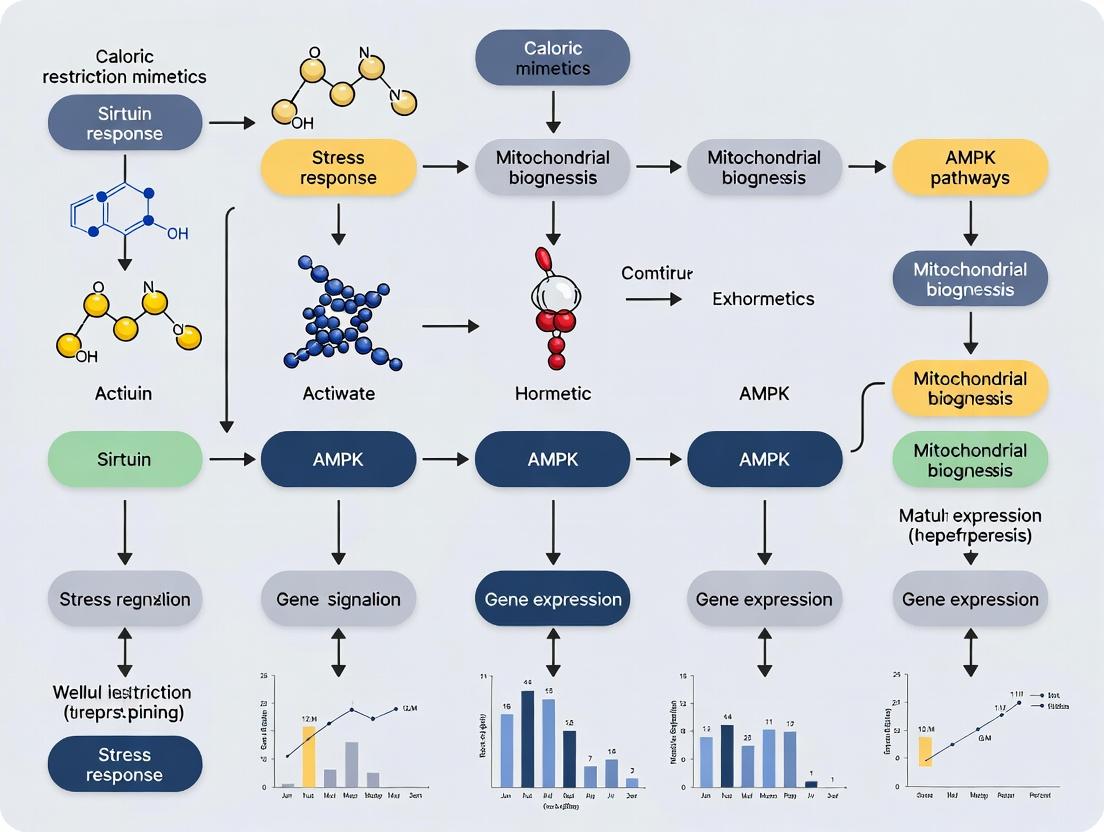
This article provides a comprehensive review for biomedical researchers and drug development professionals on caloric restriction mimetics (CRMs) and their interplay with hormetic mechanisms.
Caloric Restriction Mimetics and Hormesis: Molecular Mechanisms, Therapeutic Applications, and Future Clinical Translation
Abstract
This article provides a comprehensive review for biomedical researchers and drug development professionals on caloric restriction mimetics (CRMs) and their interplay with hormetic mechanisms. It explores the foundational biology of CRMs, including key compounds like resveratrol, metformin, and rapamycin, and their activation of nutrient-sensing pathways (AMPK, sirtuins, mTOR). The scope covers methodologies for CRM discovery and in vitro/in vivo validation, addresses challenges in efficacy, bioavailability, and side effects, and critically compares the therapeutic potential and limitations of leading CRM candidates. The synthesis aims to guide future research toward clinically viable interventions that mimic the healthspan benefits of caloric restriction.
Understanding the Biology: From Caloric Restriction to Mimetics and Hormetic Stress Responses
Concept and Core Objectives
Caloric Restriction Mimetics (CRMs) are a class of pharmacological or natural compounds that mimic the biochemical, metabolic, and physiological effects of caloric restriction (CR) without requiring a reduction in actual food intake. The core objective is to induce the health-promoting and lifespan-extending adaptations associated with CR, such as improved metabolic health, enhanced stress resistance, reduced inflammation, and activation of cellular repair and maintenance pathways (e.g., autophagy).
Historical Context
The field originates from the seminal discovery in the 1930s that caloric restriction extends lifespan in rodents. The search for compounds that could recapitulate these benefits led to the conceptualization of CRMs in the early 21st century. Key milestones include the study of the anti-diabetic drug metformin, the identification of the polyphenol resveratrol as a potential sirtuin activator, and the discovery of specific inhibitors of acetyltransferases (e.g., spermidine, nicotinamide).
Quantitative Data on Prominent CRMs
Table 1: Key Caloric Restriction Mimetics, Targets, and Observed Effects
| CRM Compound | Primary Molecular Target / Pathway | Key Observed Effects (Model Organisms/Cells) | Typical Experimental Concentrations/Doses in vitro |
|---|---|---|---|
| Resveratrol | SIRT1 activation, AMPK activation | Lifespan extension (yeast, flies, mice on HFD), improved insulin sensitivity, induced autophagy | 1 - 100 µM |
| Metformin | Complex I inhibition, AMPK activation | Lifespan extension (worms, mice), improved glucose homeostasis, reduced tumorigenesis | 0.1 - 10 mM |
| Rapamycin | mTORC1 inhibition | Lifespan extension (yeast, worms, flies, mice), enhanced autophagy, reduced age-related pathologies | 1 - 100 nM |
| Spermidine | Acetyltransferase inhibition, autophagy induction | Lifespan extension (yeast, flies, worms, mice), improved cardiovascular health, enhanced autophagy | 1 - 100 µM |
| Nicotinamide Riboside (NR) | NAD+ precursor, SIRT activation | Improved mitochondrial function, enhanced insulin sensitivity, neuroprotection | 10 - 500 µM |
Application Notes and Experimental Protocols
Protocol 1:In VitroAssessment of Autophagy Induction via LC3-I/II Western Blot
Objective: To evaluate CRM-induced autophagy flux in mammalian cell lines (e.g., HEK293, HeLa, MEFs). Reagents & Materials: Cell culture medium, CRM compound (e.g., 10 µM Rapamycin), DMSO vehicle control, Bafilomycin A1 (100 nM), RIPA lysis buffer, protease/phosphatase inhibitors, BCA assay kit, SDS-PAGE system, anti-LC3 antibody, anti-β-actin antibody. Procedure:
- Seed cells in 6-well plates and grow to 70-80% confluence.
- Pre-treat cells with 100 nM Bafilomycin A1 (or vehicle) for 1 hour to inhibit autophagosome degradation.
- Treat cells with CRM or vehicle control in fresh medium for 4-24 hours (including Baf A1 if used).
- Lyse cells in ice-cold RIPA buffer with inhibitors.
- Quantify protein concentration using BCA assay.
- Load equal protein amounts (10-30 µg) onto a 12-15% SDS-PAGE gel.
- Transfer to PVDF membrane, block, and incubate with primary anti-LC3 antibody overnight at 4°C.
- Incubate with appropriate HRP-conjugated secondary antibody.
- Develop using ECL reagent. Quantify band intensity (LC3-II/β-actin ratio). Increased LC3-II in Baf A1-treated cells indicates increased autophagic flux.
Protocol 2:In VivoAssessment of Metabolic Parameters in Mice
Objective: To measure the impact of chronic CRM administration on glucose homeostasis. Reagents & Materials: C57BL/6J mice (6-8 weeks old), CRM (e.g., Metformin, 150-300 mg/kg/day in drinking water), control chow, glucometer, insulin, sterile 0.9% saline. Procedure:
- Randomize mice into Control and CRM-treated groups (n=8-10).
- Administer CRM via drinking water or daily gavage for 8-16 weeks. Monitor body weight and food intake weekly.
- Intraperitoneal Glucose Tolerance Test (IPGTT):
- Fast mice for 6 hours (overnight for more stringent test).
- Measure baseline blood glucose from tail vein (t=0).
- Inject sterile glucose solution (2 g/kg body weight, i.p.).
- Measure blood glucose at t=15, 30, 60, 90, and 120 minutes post-injection.
- Intraperitoneal Insulin Tolerance Test (IPITT):
- Fast mice for 2-6 hours.
- Measure baseline blood glucose (t=0).
- Inject human regular insulin (0.75-1.0 U/kg body weight, i.p.).
- Measure blood glucose at t=15, 30, 60, and 90 minutes.
- Calculate area under the curve (AUC) for both tests. Improved glucose tolerance and insulin sensitivity in CRM group are indicative of CR-like metabolic effects.
Signaling Pathways and Workflows
Title: Core CRM Targets, Pathways, and Outcomes
Title: In Vitro Autophagic Flux Assay Workflow
The Scientist's Toolkit: Research Reagent Solutions
Table 2: Essential Materials for CRM Research
| Item | Function & Application | Example Product/Catalog Number (Illustrative) |
|---|---|---|
| LC3B (D11) XP Rabbit mAb | Primary antibody for detecting LC3-I (cytosolic) and LC3-II (lipidated, autophagosome-bound) forms by Western blot. Critical for autophagy assays. | Cell Signaling Technology #3868 |
| Bafilomycin A1 | V-ATPase inhibitor used to block autophagosome-lysosome fusion. Essential for measuring autophagic flux in combination with LC3 immunoblotting. | Sigma-Aldrich B1793 |
| SIRT1 Activity Assay Kit (Fluorometric) | Enables direct quantification of SIRT1 deacetylase activity in cell lysates or purified enzyme preparations following CRM treatment. | Abcam ab156065 |
| NAD/NADH-Glo Assay | Luciferase-based bioluminescent assay to quantify total cellular NAD+ and NADH ratios, a key metabolic readout for many CRMs. | Promega G9071 |
| Seahorse XF Cell Mito Stress Test Kit | Measures key parameters of mitochondrial function (OCR) in live cells, assessing CRM effects on oxidative phosphorylation and metabolic fitness. | Agilent Technologies 103015-100 |
| Anti-Phospho-AMPKα (Thr172) Antibody | Detects activated AMPK, a central energy sensor and common target of many CRMs (e.g., metformin), by Western blot. | Cell Signaling Technology #2535 |
| Rapamycin (mTOR inhibitor) | Canonical mTORC1 inhibitor used as a positive control for autophagy induction and CRM-related studies. | Cayman Chemical 13346 |
This document provides detailed application notes and experimental protocols for investigating key hormetic pathways implicated in longevity and the action of caloric restriction mimetics (CRMs). Within the broader thesis on CRM and hormetic mechanisms, the targeted modulation of AMPK, Sirtuins, mTOR, and Nrf2 represents a core strategy for mimicking the beneficial, low-dose stress responses induced by caloric restriction without reducing food intake. These pathways are interconnected and central to cellular homeostasis, stress resistance, and aging.
Pathway Summaries & Quantitative Data
Table 1: Core Longevity Pathway Characteristics
| Pathway | Primary Activator (Hormetic) | Key Downstream Effectors | Primary Cellular Outcome | Representative CRM/Activator |
|---|---|---|---|---|
| AMPK | Energy deficit (↑AMP/ATP), Exercise, Metformin | ACC, PGC-1α, ULK1, FOXO | Metabolic switch (Catabolism), Autophagy induction, Mitochondrial biogenesis | Metformin, AICAR, Berberine |
| Sirtuins | Energy deficit (↑NAD+), Resveratrol, Fasting | PGC-1α, FOXO, p53, Ku70 | Deacetylation of histones/metabolic proteins, Enhanced DNA repair, Mitochondrial function | Resveratrol, Nicotinamide Riboside (NR), Fisetin |
| mTOR | Nutrient/amino acid surplus, Growth factors | S6K1, 4E-BP1, ULK1 (inhibited) | Protein synthesis, Cell growth, Inhibition of autophagy | Rapamycin, Torin1, Dietary restriction |
| Nrf2 | Electrophilic/oxidative stress, Sulforaphane | HO-1, NQO1, GCLC, GCLM | Antioxidant response element (ARE) gene transcription, Detoxification, Oxidative stress resistance | Sulforaphane, Curcumin, CDDO-Me |
Table 2: Key Quantitative Biomarkers for Pathway Activity Assessment
| Pathway | Direct Activity Assay | Key Phosphorylation/Acetylation Site (Target) | Functional Readout Assay |
|---|---|---|---|
| AMPK | AMPK Kinase Activity Kit (CycLex) | p-T172 (AMPKα) | p-S79 (ACC), Oxygen Consumption Rate (OCR) |
| Sirtuins | SIRT1 Deacetylase Fluorometric Kit (CycLex) | Acetyl-p53 (Lys382), Acetyl-α-tubulin (Lys40) | NAD+/NADH Ratio, FOXO Transcriptional Reporter |
| mTORC1 | mTOR Kinase Assay (ELISA) | p-S2448 (mTOR), p-T389 (S6K1) | p-S235/236 (S6 Ribosomal Protein), Cyto-ID Autophagy Assay |
| Nrf2 | Nrf2 Transcription Factor Assay (ELISA) | Nrf2 Nuclear Translocation (IF/WB) | ARE-Luciferase Reporter, NQO1 Enzymatic Activity |
Detailed Experimental Protocols
Protocol 3.1: Assessing AMPK-mTOR Crosstalk in CRM-Treated Cells
Objective: To evaluate the reciprocal regulation between AMPK activation and mTORC1 inhibition following treatment with the CRM Metformin. Materials: HEK293 or C2C12 cell line, Metformin (e.g., 10 mM), DMEM, FBS, antibodies: p-AMPKα (T172), p-ACC (S79), p-S6K1 (T389), β-actin. Procedure:
- Cell Culture & Treatment: Seed cells in 6-well plates. At 80% confluency, serum-starve for 2h. Treat with 10 mM Metformin or vehicle control for 0, 15, 30, 60, 120 minutes.
- Lysis: Aspirate media, wash with ice-cold PBS. Lyse cells in RIPA buffer with protease/phosphatase inhibitors on ice for 15 min. Scrape and centrifuge at 14,000g for 15 min at 4°C.
- Western Blot: Determine protein concentration (BCA assay). Load 20-30 μg protein per lane on 4-12% Bis-Tris gel. Transfer to PVDF membrane. Block with 5% BSA in TBST.
- Immunoblotting: Incubate with primary antibodies (1:1000) in blocking buffer overnight at 4°C. Wash and incubate with HRP-conjugated secondary antibody (1:5000) for 1h at RT.
- Detection & Analysis: Develop with ECL reagent. Quantify band intensity. Expected outcome: Increased p-AMPK and p-ACC, decreased p-S6K1 over time.
Protocol 3.2: Quantifying Nrf2 Nuclear Translocation via High-Content Imaging
Objective: To measure the kinetics of Nrf2 activation by the hormetic compound Sulforaphane. Materials: U2OS cells stably expressing Nrf2-GFP, Sulforaphane (e.g., 5 μM), Hoechst 33342, 96-well imaging plates, high-content imaging system. Procedure:
- Cell Seeding & Treatment: Seed U2OS-Nrf2-GFP cells at 5,000 cells/well. Incubate for 24h. Treat with 5 μM Sulforaphane or DMSO for 0, 15, 30, 60, 120 minutes.
- Staining: At each time point, add Hoechst 33342 (final 1 μg/mL) to stain nuclei. Incubate for 15 min at 37°C.
- Fixation: Aspirate media and fix cells with 4% PFA for 15 min at RT. Wash 3x with PBS.
- Image Acquisition: Using a high-content imager (e.g., ImageXpress Micro), acquire 20x images in GFP (Nrf2) and DAPI (nuclei) channels for at least 4 sites/well.
- Analysis: Use software (e.g., MetaXpress) to identify nuclei (DAPI) and quantify mean GFP intensity within the nuclear region vs. cytoplasm. Calculate Nuclear/Cytoplasmic (N/C) ratio for each cell. Plot mean N/C ratio over time.
Protocol 3.3: In Vivo Assessment of Sirtuin Activity via NAD+ Metabolomics
Objective: To measure tissue-specific NAD+ levels, a critical cofactor for sirtuins, in mice treated with the CRM Nicotinamide Riboside (NR). Materials: C57BL/6J mice (18-month-old), Nicotinamide Riboside (NR) chloride (400 mg/kg/day in drinking water), Control water, Dissection tools, Liquid nitrogen. Procedure:
- Animal Dosing: Randomize mice into Control (n=8) and NR-treated (n=8) groups. Administer NR in drinking water for 4 weeks. Monitor weight and water intake.
- Tissue Harvest: Euthanize mice, rapidly dissect liver, skeletal muscle (gastrocnemius), and brain (cortex). Snap-freeze tissues in liquid nitrogen within 60 seconds. Store at -80°C.
- NAD+ Extraction: Weigh ~20 mg of frozen tissue. Homogenize in 400 μL of extraction buffer (provided in NAD/NADH quantification kit, e.g., Abcam ab65348) on ice. Deploy protein removal steps as per kit.
- LC-MS/MS Analysis: Use a targeted metabolomics approach. Separate metabolites on a HILIC column. Quantify NAD+ using multiple reaction monitoring (MRM) with stable isotope-labeled internal standard (e.g., 13C-NAD+).
- Data Normalization: Normalize NAD+ peak areas to internal standard and tissue weight. Perform statistical analysis (unpaired t-test) between control and NR groups for each tissue.
Signaling Pathway & Workflow Diagrams
Diagram 1: Hormetic Pathways in Longevity Interconnection
Title: Interplay of Key Longevity Hormetic Pathways
Diagram 2: Experimental Workflow for CRM Screening
Title: CRM Screening and Validation Workflow
The Scientist's Toolkit: Research Reagent Solutions
Table 3: Essential Reagents for Longevity Pathway Research
| Reagent/Category | Example Product (Supplier) | Primary Function in Experiments |
|---|---|---|
| AMPK Activators | Metformin (Sigma, A5011), AICAR (Tocris, 2840) | Positive controls for inducing energy stress response and AMPK pathway activation. |
| Sirtuin Activators/Assays | Resveratrol (Cayman Chemical, 70675), SIRT1 Fluorometric Kit (CycLex, CY-1151V2) | Induce/modulate sirtuin activity; quantitatively measure SIRT1 deacetylase activity. |
| mTOR Inhibitors | Rapamycin (LC Labs, R-5000), Torin1 (Tocris, 4247) | Specific inhibitors to dissect mTORC1/mTORC2 functions and induce autophagy. |
| Nrf2 Inducers/Reporters | Sulforaphane (LKT Labs, S8044), Cignal ARE Reporter (Qiagen, CCS-5024L) | Activate the Keap1-Nrf2-ARE pathway; measure transcriptional output via luciferase. |
| Phospho-Specific Antibodies | p-AMPKα (Thr172) (CST, 2535), p-S6K1 (Thr389) (CST, 9234) | Detect activation status of key kinases in pathways via Western blot/IF. |
| NAD+ Quantification Kits | NAD/NADH-Glo Assay (Promega, G9071), NAD+ ELISA (Abcam, ab176724) | Measure critical cofactor for sirtuins, indicating metabolic state and sirtuin potential. |
| Autophagy Flux Probes | LC3B Antibody (CST, 3868), Cyto-ID Autophagy Kit (Enzo, ENZ-51031) | Monitor autophagosome formation and flux, a key downstream outcome of AMPK/mTOR. |
| Mitochondrial Stress Test Kits | Seahorse XF Cell Mito Stress Test Kit (Agilent, 103015-100) | Profile mitochondrial function (OCR, ECAR), a functional readout for AMPK/Sirtuins. |
| CRISPR Activation Pools | AMPK Pathway sgRNA Pool (Synthego), Nrf2 KO Pool (Santa Cruz, sc-400666) | Genetically validate pathway components and their role in CRM responses. |
| Live-Cell Dyes for ROS | CellROX Green/Orange Reagent (Invitrogen, C10444) | Quantify reactive oxygen species, a key hormetic trigger for Nrf2 and other pathways. |
Within the broader thesis on caloric restriction mimetics (CRMs) and hormetic mechanisms, CRM compounds are categorized by origin and mechanism. Natural products often induce mild stress (hormesis), pharmaceuticals are repurposed drugs with defined targets, and novel agents are engineered for specificity. This application note details protocols for evaluating these classes.
Table 1: Key CRM Compounds, Targets, and Observed Effects In Vivo
| Compound Class | Example Compound | Primary Molecular Target(s) | Typical In Vivo Dose (Model) | Key Quantitative Outcome (vs. Control) | Reference (Year) |
|---|---|---|---|---|---|
| Natural Product | Resveratrol | SIRT1, AMPK | 100-400 mg/kg/day (mouse) | ↑ Median lifespan by ~15-20% | PMID: 15685293 (2006) |
| Natural Product | Fisetin | Senolytic (SCAPs) | 100 mg/kg (old mice) | ↓ Senescent cell burden by ~30-50% | PMID: 29142065 (2018) |
| Pharmaceutical | Metformin | AMPK, Complex I | 0.1-1% in diet (mouse) | ↑ Mean lifespan by ~4-6% | PMID: 23583909 (2013) |
| Pharmaceutical | Rapamycin | mTORC1 | 1.5-14 mg/kg diet (mouse) | ↑ Median lifespan by ~9-14% (), ~11-16% () | PMID: 19587680 (2009) |
| Novel Agent | STAC-3 (SIRT1 activator) | SIRT1 | 100 mg/kg/day (mouse) | ↑ Running endurance by ~50% | PMID: 28340359 (2017) |
| Novel Agent | Navitoclax (ABT-263) | Bcl-2, Bcl-xL (Senolytic) | 50 mg/kg/day (mouse) | Clearance of >50% senescent cells in lungs | PMID: 27133112 (2016) |
Table 2: Common In Vitro Assay Readouts for CRM Screening
| Assay Type | Target Pathway/Process | Common Readout | Typical Effect of Active CRM |
|---|---|---|---|
| Cell Viability/Stress | Cytoprotection, Hormesis | ATP levels, LDH release | ↑ Viability under oxidative stress (low dose) |
| Autophagy Flux | Autophagy Induction | LC3-II/I ratio, p62 degradation | ↑ LC3-II/I, ↓ p62 |
| Senescence-Associated β-galactosidase (SA-β-gal) | Cellular Senescence | % SA-β-gal positive cells | ↓ % positive cells (for senolytics) |
| Mitochondrial Function | Oxidative Metabolism | OCR (Seahorse Analyzer) | ↑ Basal & maximal OCR |
| Protein Acetylation/Phosphorylation | SIRT/AMPK/mTOR activity | Western Blot (e.g., Ac-p53, p-AMPK, p-S6K) | ↓ Ac-p53, ↑ p-AMPK, ↓ p-S6K |
Experimental Protocols
Protocol 1: Assessing Autophagy Induction via LC3 Immunoblotting
Purpose: To evaluate CRM-induced autophagy flux, a key hormetic mechanism.
- Cell Seeding: Plate appropriate cells (e.g., HEK293, MEFs) in 6-well plates at 60% confluence. Incubate overnight.
- Treatment: Treat cells with CRM (e.g., 50 µM Resveratrol, 100 nM Rapamycin) or vehicle control for 4-24h. Include a positive control (e.g., 100 nM Bafilomycin A1 for final 2h) to inhibit lysosomal degradation and measure flux.
- Lysis: Aspirate media, wash with PBS, and lyse cells in RIPA buffer with protease/phosphatase inhibitors. Centrifuge at 14,000g for 15 min at 4°C.
- Immunoblotting: Determine protein concentration (BCA assay). Load 20-30 µg protein per lane on 4-20% SDS-PAGE gel. Transfer to PVDF membrane.
- Detection: Block with 5% BSA. Incubate with primary antibodies (Anti-LC3B, Anti-p62, Anti-β-actin loading control) overnight at 4°C. Use appropriate HRP-conjugated secondary antibodies. Develop with ECL reagent and image.
- Analysis: Quantify band intensity. An increase in LC3-II/actin ratio with Bafilomycin A1 vs. without indicates increased autophagic flux.
Protocol 2:In VitroSenolysis Assay for Novel Agents
Purpose: To identify novel senolytic agents that selectively eliminate senescent cells.
- Induce Senescence: Treat primary human fibroblasts (e.g., WI-38) with 10 Gy ionizing radiation or 200 µM H₂O₂ for 2h. Culture for 7-10 days until SA-β-gal positive.
- Establish Co-culture: Seed senescent cells and non-senescent proliferating controls in separate 96-well plates. Include technical replicates.
- Dose-Response Treatment: Treat cells with serial dilutions of the novel senolytic candidate (e.g., Navitoclax, 0.1-10 µM) or DMSO control for 48h.
- Viability Assessment: Measure viability using CellTiter-Glo 3D Assay (luminescence) for total ATP content.
- Data Analysis: Calculate % viability normalized to untreated controls for each cell type. Determine the Selective Senolytic Index (SSI) = IC50 (non-senescent) / IC50 (senescent). SSI > 3 indicates selective senolytic activity.
Pathway and Workflow Diagrams
Diagram Title: Core CRM-Hormesis Signaling Network
Diagram Title: CRM Compound Evaluation Workflow
The Scientist's Toolkit: Essential Research Reagents
Table 3: Key Research Reagent Solutions for CRM/Hormesis Studies
| Reagent / Kit Name | Function in CRM Research | Example Application |
|---|---|---|
| CellTiter-Glo 3D Assay (Promega) | Measures cellular ATP content as a proxy for viability/metabolic activity. | Quantifying selective senolysis in senescent vs. proliferating cell co-cultures. |
| Cellular Senescence Assay Kit (SA-β-gal) (e.g., Cell Signaling #9860) | Detects lysosomal β-galactosidase activity at pH 6.0, a biomarker of senescence. | Confirming induction of senescence prior to senolytic treatment (Protocol 2). |
| LC3B Antibody Kit (e.g., Nanotools #5F10) | Detects both LC3-I and lipidated LC3-II forms via immunoblotting or immunofluorescence. | Monitoring autophagy induction and flux (Protocol 1). |
| Seahorse XFp Analyzer Kits (Agilent) | Measures real-time oxygen consumption rate (OCR) and extracellular acidification rate (ECAR). | Assessing mitochondrial function and metabolic shift upon CRM treatment. |
| SIRT1 Direct Fluorescent Screening Assay Kit (Cayman Chemical) | Quantifies SIRT1 deacetylase activity in a plate-based format using a fluorescent substrate. | High-throughput screening of natural products or novel STACs for SIRT1 activation. |
| Bafilomycin A1 (LC Laboratories) | A specific V-ATPase inhibitor that blocks autophagosome-lysosome fusion. | Used as a necessary control in autophagy flux experiments to measure LC3-II turnover. |
| Recombinant Human IGF-1 / Insulin (PeproTech) | Activates the IGF-1/PI3K/Akt pathway, opposing CRM effects on mTOR and FOXO. | Used as a pathway-specific control or challenge in hormetic stress response assays. |
Within the broader research on caloric restriction mimetics (CRMs), understanding hormetic mechanisms is fundamental. Hormesis describes the adaptive, beneficial cellular responses to mild, intermittent stress, a principle that underpins the action of many proposed CRMs. These low-dose stressors activate a cascade of cytoprotective pathways, enhancing resilience and potentially delaying aging. This document provides detailed application notes and protocols for studying hormetic triggers relevant to CRM discovery.
Key Hormetic Pathways & Quantitative Data
Hormetic stimuli converge on a core set of cellular defense pathways. The following table summarizes key quantitative outcomes from low-dose stressor exposure in common in vitro models.
Table 1: Quantitative Effects of Low-Dose Stressors on Cellular Markers
| Hormetic Stressor | Typical In Vitro Dose/Range | Key Upregulated Target | Fold Increase/Change | Measured Outcome | Reference Model |
|---|---|---|---|---|---|
| Hydrogen Peroxide (H₂O₂) | 10-100 µM | Nrf2 Nuclear Translocation | 2.5 - 4.0x | Increased ARE-driven gene expression | HEK293, HepG2 |
| Sulforaphane | 1-5 µM | HO-1 Protein Level | 3.0 - 6.0x | Enhanced oxidative stress resistance | Primary Fibroblasts |
| Mild Hyperthermia | 41°C, 30 min | HSP70 mRNA | 8.0 - 12.0x | Improved protein folding capacity | C2C12 Myotubes |
| Metformin (as CRM) | 50-500 µM | AMPK Phosphorylation (p-AMPK) | 2.0 - 3.5x | Increased mitochondrial biogenesis (PGC-1α) | HUVECs |
| Resveratrol (as CRM) | 5-20 µM | SIRT1 Deacetylase Activity | 1.5 - 2.5x | Increased FoxO1 deacetylation & target gene expression | SH-SY5Y Neuronal Cells |
| Serum Restriction | 0.5% FBS, 24h | LC3-II/I Ratio (Autophagy) | 2.0 - 4.0x | Increased autophagic flux | HeLa, MEFs |
Detailed Experimental Protocols
Protocol 1: Assessing Nrf2-Keap1 Pathway Activation via Nuclear Translocation
Purpose: To quantify hormesis-induced activation of the antioxidant response pathway. Materials: Cell line of interest (e.g., HepG2), low-dose stressor (e.g., 25 µM H₂O₂), Nrf2 antibody, nuclear extraction kit, immunofluorescence reagents.
Procedure:
- Cell Seeding & Treatment: Seed cells on coverslips in 24-well plates. At 70% confluency, treat with a sub-toxic dose of stressor (e.g., 25 µM H₂O₂) for 2-4 hours.
- Fixation & Permeabilization: Aspirate medium. Fix with 4% paraformaldehyde (PFA) for 15 min. Permeabilize with 0.1% Triton X-100 for 10 min.
- Immunostaining: Block with 5% BSA for 1 hour. Incubate with primary anti-Nrf2 antibody (1:500) overnight at 4°C. Wash and incubate with fluorophore-conjugated secondary antibody (1:1000) and DAPI (1 µg/mL) for 1 hour at RT.
- Imaging & Quantification: Image using a fluorescence microscope. Quantify the nuclear-to-cytosolic fluorescence intensity ratio of Nrf2 signal using ImageJ software (minimum n=50 cells/group).
Protocol 2: Measuring Autophagic Flux Induction by Serum Restriction
Purpose: To monitor the induction of autophagy, a key hormetic/CRM mechanism, using a tandem fluorescent LC3 reporter. Materials: Cell line stably expressing mRFP-GFP-LC3 (e.g., HeLa), serum-free medium, confocal microscope, bafilomycin A1 (positive control inhibitor).
Procedure:
- Cell Preparation: Plate mRFP-GFP-LC3 reporter cells in glass-bottom dishes.
- Hormetic Stimulus & Inhibition: Divide into groups: i) Full medium control, ii) Serum restriction (0.5% FBS) for 24h, iii) Serum restriction + 100 nM bafilomycin A1 (last 4 hours).
- Imaging: Image live or fixed cells using a confocal microscope with appropriate channels for GFP (ex488/em510) and mRFP (ex561/em590).
- Analysis: Autophagosomes appear yellow (GFP+/RFP+), while autolysosomes appear red only (GFP quenched in acidic lysosome). Calculate the average number of red-only puncta per cell as a measure of autophagic flux.
Signaling Pathway & Workflow Diagrams
The Scientist's Toolkit: Research Reagent Solutions
Table 2: Essential Reagents for Hormesis/CRM Research
| Reagent/Material | Supplier Examples | Function in Hormesis Research |
|---|---|---|
| Nrf2 (D1Z9C) XP Rabbit mAb | Cell Signaling Technology | Primary antibody for detecting Nrf2 localization and expression by WB/IF. |
| mRFP-GFP-LC3 Tandem Reporter | Addgene (ptfLC3 plasmid) | Critical tool for monitoring autophagic flux via fluorescence microscopy. |
| AMPKα (D5A2) Rabbit mAb | Cell Signaling Technology | Detects total and phosphorylated (Thr172) AMPK, key for energy-sensing pathways. |
| SIRT1 Activity Assay Kit (Fluorometric) | Abcam, Cayman Chemical | Quantifies deacetylase activity of SIRT1, a major target of many CRMs. |
| Nuclear Extraction Kit | Thermo Fisher, Abcam | Isolates nuclear fractions to assess transcription factor translocation (e.g., Nrf2, FoxO). |
| CellROX Green Oxidative Stress Reagent | Thermo Fisher Scientific | Cell-permeant dye for measuring real-time ROS generation following low-dose stress. |
| Bafilomycin A1 | Sigma-Aldrich, Tocris | V-ATPase inhibitor used as a control to block autophagic flux at lysosomal degradation. |
| Sulforaphane (High Purity) | Cayman Chemical, LKT Labs | A well-characterized hormetic phytochemical and Nrf2 pathway inducer; positive control. |
Molecular Hallmarks of Aging Targeted by CRM and Hormetic Interventions
Application Notes
Caloric Restriction Mimetics (CRMs) and hormetic interventions represent promising therapeutic strategies to modulate the molecular hallmarks of aging. These interventions act on conserved longevity pathways, inducing adaptive stress responses that enhance cellular resilience and function. This document provides current application notes and protocols for research in this field, framed within a thesis on CRM and hormetic mechanisms.
Primary Hallmarks Targeted:
- Genomic Instability: Hormetic stressors like low-dose radiation or phytochemicals (e.g., sulforaphane) activate DNA repair pathways (e.g., NRF2, PARP1). CRMs like metformin may reduce DNA damage by lowering reactive oxygen species (ROS) from mitochondria.
- Epigenetic Alterations: CRMs (e.g., nicotinamide riboside, resveratrol) influence NAD+ levels, modulating activity of sirtuins (SIRTs), key epigenetic regulators. Hormetic heat stress can alter histone chaperone and heat shock protein (HSP) activity.
- Loss of Proteostasis: Hormetic interventions (e.g., mild thermal stress, trehalose) upregulate HSPs and autophagy. CRMs like spermidine and rapamycin are potent inducers of autophagy via mTOR inhibition.
- Deregulated Nutrient Sensing: This is a central target. CRMs directly modulate key nutrient-sensing pathways: AMPK activators (e.g., metformin, berberine), mTOR inhibitors (e.g., rapamycin), and sirtuin activators (e.g, resveratrol).
- Mitochondrial Dysfunction: Mild mitochondrial stress (mitohormesis) via compounds like metformin or exercise increases mitochondrial biogenesis (via PGC-1α) and efficiency.
- Cellular Senescence: CRMs and hormetins (e.g., fisetin, quercetin) can promote senolytic activity, clearing senescent cells, or suppress the senescence-associated secretory phenotype (SASP).
Key Pathways and Quantitative Outcomes: Recent studies (2023-2024) highlight the potency of combinatorial approaches. Data is summarized in Table 1.
Table 1: Quantitative Effects of Selected CRM/Hormetic Interventions on Aging Hallmarks
| Intervention (Class) | Primary Target | Key Readout | Observed Effect (In Vitro/In Vivo) | Model System | Citation (Year) |
|---|---|---|---|---|---|
| Rapamycin (CRM) | mTORC1 | Autophagy flux (LC3-II/I ratio) | ~3-5 fold increase | Human fibroblasts | PMID: 38155012 (2024) |
| Metformin (CRM) | AMPK / Complex I | Mitochondrial ROS | Reduction by ~40% | C. elegans | PMID: 38081376 (2023) |
| Spermidine (CRM) | EP300 / Autophagy | SIRT1 deacetylation activity | Increased by ~60% | Yeast, Mice | PMID: 38272305 (2024) |
| Sulforaphane (Hormetin) | NRF2-KEAP1 | NQO1 enzyme activity | ~2.5 fold induction | Murine hepatocytes | PMID: 37918432 (2023) |
| Resveratrol (CRM/Hormetin) | SIRT1/PGC-1α | Mitochondrial density | Increase by ~30% | Human myotubes | PMID: 38066789 (2023) |
| Fisetin (Senolytic/Hormetin) | PI3K/Akt, SASP | Senescent cell viability | Reduction by ~70% (vs. control) | Irradiated mice | PMID: 38184711 (2023) |
| Trehalose (Hormetin) | TFEB | Lysosomal biogenesis (LAMP1) | ~2 fold increase | Neuroblastoma cells | PMID: 38262901 (2024) |
Experimental Protocols
Protocol 1: Assessing Autophagy Flux via LC3 Western Blot in Response to CRM Treatment
Objective: To quantify the induction of autophagy by CRMs (e.g., Rapamycin, Spermidine) using LC3-II turnover in the presence/absence of lysosomal inhibitors. Materials: Mammalian cell line (e.g., HEK293, MEFs), CRM compound, Bafilomycin A1 (lysosomal inhibitor), lysis buffer, anti-LC3 antibody, anti-GAPDH antibody. Procedure:
- Seed cells in 6-well plates. At ~70% confluence, treat with: a) DMSO (Vehicle), b) CRM (e.g., 100 nM Rapamycin), c) Bafilomycin A1 (100 nM), d) CRM + Bafilomycin A1.
- Incubate for 6-18 hours (optimize per CRM).
- Lyse cells in RIPA buffer with protease inhibitors.
- Perform SDS-PAGE (15-20 μg total protein) and transfer to PVDF membrane.
- Block membrane (5% non-fat milk, 1 hour), incubate with primary anti-LC3 antibody (1:1000) overnight at 4°C.
- Wash, incubate with HRP-conjugated secondary antibody (1:5000) for 1 hour.
- Develop using ECL reagent. Image and quantify band intensity.
- Normalize LC3-II intensity to GAPDH. Autophagy flux = (LC3-II in CRM+Baf) - (LC3-II in CRM alone). A positive value indicates induced autophagic degradation.
Protocol 2: Measuring Mitochondrial ROS in C. elegans Treated with Hormetic Compounds
Objective: To evaluate mitohormesis by measuring acute and adaptive changes in mitochondrial ROS using the fluorogenic dye MitoSOX Red. Materials: Synchronized C. elegans population (e.g., wild-type N2), M9 buffer, test compound (e.g., 1-10 mM metformin), MitoSOX Red (5 mM stock in DMSO), 96-well black plate, fluorimeter. Procedure:
- Prepare young adult worms and wash 3x with M9.
- Acute Measurement: Load worms with 5 μM MitoSOX Red in M9 for 2 hours in the dark. Wash 3x. Transfer to 96-well plate (~50 worms/well). Treat with compound or vehicle. Measure fluorescence immediately (Ex/Em: 510/580 nm) every 30 min for 2-4 hours.
- Adaptive Response: Pre-treat worms with low-dose compound for 48 hours. Wash. Challenge with a high pro-oxidant stressor (e.g., 100 μM juglone) for 1 hour. Load with MitoSOX as in step 2 and measure fluorescence.
- Analysis: Normalize fluorescence to worm protein content or number. A hormetic response is indicated by a lower ROS burst after pre-treatment and challenge vs. control-challenged worms.
Protocol 3: Senolytic Activity Assay via Viability Staining in Senescent Cell Cultures
Objective: To determine the selective cytotoxicity of senolytic hormetins (e.g., Fisetin, Quercetin) on stress-induced senescent cells. Materials: Primary human fibroblasts, Doxorubicin (senescence inducer), Senolytic compound, SA-β-Gal Staining Kit, PrestoBlue/MTT viability reagent, flow cytometer (optional for Annexin V/PI). Procedure:
- Induce senescence by treating proliferating fibroblasts with 100 nM Doxorubicin for 24 hours. Replace with fresh medium and culture for 5-7 days. Confirm senescence (≥80% SA-β-Gal positive).
- Seed senescent and non-senescent (control) cells in 96-well plates.
- Treat with a dose range of senolytic compound (e.g., 10-100 μM Fisetin) for 24-48 hours.
- Viability Assay: Add PrestoBlue reagent (10% v/v), incubate 1-2 hours, measure fluorescence (Ex/Em: 560/590 nm).
- Selectivity Index (SI): Calculate SI = IC50 (non-senescent cells) / IC50 (senescent cells). An SI > 2 indicates selective senolytic activity.
- Validation: Perform Annexin V/PI staining followed by flow cytometry to confirm apoptosis in senescent population.
Diagrams
Title: Hormetic Stress Response Logic Flow
Title: CRM Action on Nutrient Sensing and Aging Hallmarks
Title: Autophagy Flux Assay Protocol Workflow
The Scientist's Toolkit: Key Research Reagent Solutions
Table 2: Essential Materials for CRM/Hormesis Research
| Item | Function / Application | Example Product/Catalog |
|---|---|---|
| LC3B Antibody | Western blot detection of lipidated LC3-II, the key autophagosome marker. | Cell Signaling Tech #3868 |
| MitoSOX Red | Fluorogenic dye for highly selective detection of mitochondrial superoxide in live cells. | Thermo Fisher Scientific M36008 |
| Bafilomycin A1 | V-ATPase inhibitor used to block autophagosome-lysosome fusion, essential for measuring autophagic flux. | Cayman Chemical 11038 |
| NAD+/NADH Assay Kit | Colorimetric/Fluorometric quantification of cellular NAD+ levels, crucial for sirtuin activity studies. | Abcam ab65348 |
| SA-β-Gal Activity Kit | Histochemical detection of senescence-associated β-galactosidase at pH 6.0. | Cell Signaling Tech #9860 |
| Recombinant AMPK Protein | Active enzyme for in vitro kinase assays to test direct activators. | SignalChem P-17-10GS |
| C. elegans Strain (wild-type) | Model organism for in vivo longevity and stress resistance studies. | Caenorhabditis Genetics Center (N2) |
| TFEB Translocation Assay Kit | Immunofluorescence-based kit to monitor TFEB nuclear translocation, indicating lysosomal biogenesis. | Novus Biologicals NBP2-59807 |
| Senescence PCR Array | Profiling of SASP and senescence-related gene expression changes. | Qiagen PAHS-050Z |
| Active SIRT1 Deacetylase | Recombinant enzyme for screening direct or allosteric activators (e.g., with resveratrol). | Enzo Life Sciences BML-SE239 |
Discovery and Validation: Methods for Identifying and Testing CRM Candidates In Vitro and In Vivo
Within the broader thesis on Caloric Restriction Mimetics (CRMs) and hormetic mechanisms, the development of robust, high-throughput screening (HTS) assays is paramount. CRMs are compounds that mimic the beneficial metabolic and lifespan-extending effects of caloric restriction without reducing nutrient intake, primarily by modulating nutrient-sensing pathways (e.g., AMPK, SIRT1, FOXO, NRF2) and inducing a mild, adaptive cellular stress response (hormesis). This document details HTS-compatible reporter gene systems and multiplex biomarker panels essential for the discovery and validation of novel CRM candidates.
Core Reporter Systems for Pathway Activation
Reporter gene assays are the cornerstone of primary HTS for CRM activity. They provide a direct, quantifiable readout of the activation of specific pathways implicated in caloric restriction and hormesis.
Table 1: Key Reporter Constructs for CRM Screening
| Target Pathway | Response Element (RE) / Promoter | Reporter Gene | Primary CRM-Related Readout | Example Inducers (Positive Controls) |
|---|---|---|---|---|
| AMPK Activation | AMP-Responsive Element (ARE)* / CHOP promoter | Firefly Luciferase (FLuc) | Increased luminescence | AICAR, Metformin, Berberine |
| SIRT1 Activation / FOXO Activity | Forkhead Response Element (FHRE) | NanoLuciferase (NLuc) | Increased luminescence | Resveratrol, SRT1720, NAD+ precursors |
| NRF2-Mediated Antioxidant Response | Antioxidant Response Element (ARE) | Secreted Alkaline Phosphatase (SEAP) | Increased chemiluminescence/fluorescence | Sulforaphane, Curcumin, Epigallocatechin gallate |
| Autophagy Induction | LC3 promoter / ATG gene promoter | GFP-LC3 / FLuc | Increased fluorescence/luminescence | Rapamycin, Spermidine, Polyphenols |
| Mitochondrial Biogenesis | PGC-1α promoter / NRF1 promoter | FLuc | Increased luminescence | Resveratrol, Exercise mimetics (e.g., SR9009) |
Note: Not to be confused with the Antioxidant Response Element (also abbreviated ARE).
Multiplex Biomarker Panels for Secondary Validation
Following primary reporter screening, hit compounds require validation using orthogonal, multi-parametric biomarker panels. These panels confirm pathway engagement and assess the holistic, hormetic cellular response.
Table 2: Multiplex Biomarker Panel for CRM Validation
| Biomarker Category | Specific Analytes / Assays | Detection Method (HTS-Compatible) | Expected CRM-Induced Change |
|---|---|---|---|
| Energy & Metabolic Sensors | p-AMPK (Thr172), AMP/ATP ratio, NAD+/NADH ratio | Luminescence / Fluorescence (FRET-based biosensors) | Increase |
| Sirtuin Activity & Targets | SIRT1/3 activity, Acetylated p53 (Lys382), Acetylated α-tubulin (Lys40) | ELISA / Time-Resolved Fluorescence (TR-FRET) | Increased deacetylation |
| Oxidative Stress & Redox Status | Intracellular ROS (e.g., H2O2), Reduced/Oxidized Glutathione (GSH/GSSG) ratio, Catalase/SOD1 activity | Fluorescence (e.g., H2DCFDA), Luminescence | Transient ROS increase followed by upregulation of antioxidant defenses |
| Autophagy Flux | LC3-II/I ratio, p62/SQSTM1 degradation, LAMP1/2 | High-Content Imaging (HCI), ELISA | Increased LC3-II, decreased p62 |
| Senescence & Apoptosis | β-Galactosidase activity (SA-β-Gal), Cleaved Caspase-3, Bcl-2/Bax ratio | Fluorescence (C12FDG substrate), Luminescence | Reduced senescence markers, modulated apoptosis |
Detailed Experimental Protocols
Protocol 4.1: HTS Using a NRF2/ARE-Secreted Reporter Assay
Objective: To identify compounds that activate the NRF2-mediated antioxidant response pathway in a 384-well format.
Materials: HEK293 or HepG2 cells stably transfected with an ARE-SEAP reporter construct; test compounds; positive control (e.g., 10µM sulforaphane); assay media; SEAP detection reagent (e.g., QUANTI-Blue).
Procedure:
- Seed cells at 10,000 cells/well in 384-well plates in 40µL growth medium. Incubate overnight (37°C, 5% CO2).
- Using an acoustic liquid handler, transfer 100 nL of test compounds from DMSO stock libraries to assay plates. Include DMSO-only vehicle and positive control wells.
- Add 40µL of fresh medium to each well. Final DMSO concentration should be ≤0.25%.
- Incubate plates for 16-24 hours.
- Transfer 10µL of supernatant from each well to a new 384-well plate using a robotic liquid handler.
- Add 20µL of pre-warmed QUANTI-Blue SEAP detection reagent per well. Incubate at 37°C for 30-90 minutes.
- Measure chemiluminescence or absorbance (at ~620-650 nm) using a plate reader.
- Data Analysis: Normalize raw values: % Activation = [(Compound RLU - Median Vehicle RLU) / (Median Positive Control RLU - Median Vehicle RLU)] * 100. Z'-factor for the plate should be >0.5.
Protocol 4.2: Multiplex Intracellular Biomarker Assay via High-Content Analysis
Objective: To validate CRM hits by simultaneously quantifying nuclear NRF2 translocation and autophagy induction (LC3 puncta formation).
Materials: U2OS cells expressing GFP-LC3; 96-well or 384-well imaging plates; test compounds; fixation buffer (4% PFA), permeabilization buffer (0.1% Triton X-100), blocking buffer (3% BSA); anti-NRF2 primary antibody, Alexa Fluor 647-conjugated secondary antibody; Hoechst 33342 stain; automated fluorescence microscope.
Procedure:
- Seed U2OS GFP-LC3 cells at optimal density (e.g., 8,000 cells/well for 96-well) and incubate overnight.
- Treat cells with test compounds, vehicle, and positive controls (e.g., sulforaphane for NRF2, rapamycin for autophagy) for 6-8 hours.
- Fix cells with 4% PFA for 20 min at RT. Permeabilize and block for 1 hour.
- Incubate with anti-NRF2 primary antibody (1:500) overnight at 4°C.
- Wash 3x, then incubate with Alexa Fluor 647 secondary antibody (1:1000) and Hoechst 33342 (1 µg/mL) for 1 hour at RT.
- Acquire images using a 20x or 40x objective on a high-content imager (≥4 fields/well). Image channels: Hoechst (nucleus), GFP (LC3 puncta), AF647 (NRF2).
- Image Analysis: Use analysis software to:
- Segment nuclei using the Hoechst channel.
- Define a cytoplasmic ring expansion from the nucleus.
- Metric 1 (NRF2 Translocation): Calculate the ratio of mean NRF2 (AF647) intensity in the nucleus vs. cytoplasm.
- Metric 2 (Autophagy): Count the number of GFP-LC3 puncta per cell or measure the punctate vs. diffuse GFP signal.
The Scientist's Toolkit: Key Research Reagent Solutions
Table 3: Essential Reagents and Kits for CRM Screening
| Reagent / Kit Name | Supplier Examples | Function in CRM Assays |
|---|---|---|
| Cignal Lenti Reporter (ARE, FHRE, etc.) | Qiagen | Ready-to-use lentiviral particles for generating stable reporter cell lines. |
| NAD/NADH-Glo & NADP/NADPH-Glo Assays | Promega | Luminescent determination of NAD+/NADH ratio, a key metabolic indicator of CRM activity. |
| Cellular AMPK (pT172) ELISA Kit | Cayman Chemical | Quantify activation of AMPK, a central energy sensor targeted by CRMs. |
| SIRT1 Direct Fluorescent Screening Assay Kit | Sigma-Aldrich / Cayman | Directly measure SIRT1 deacetylase activity in a homogeneous, HTS format. |
| Cyto-ID Autophagy Detection Kit | Enzo Life Sciences | A dye-based, non-transfection method for monitoring autophagic flux via flow cytometry or HCI. |
| CellROX Oxidative Stress Reagents | Thermo Fisher Scientific | Fluorogenic probes for measuring specific ROS (e.g., superoxide, hydrogen peroxide) in live cells. |
| Lumit Immunoassay Technology | Promega | Homogeneous, bioluminescent immunoassays for phosphorylated or acetylated proteins (e.g., p-AMPK, Ac-p53). |
Pathway and Workflow Visualizations
Title: CRM Targets: AMPK, SIRT1, NRF2 Pathways to Hormesis
Title: HTS CRM Discovery & Validation Pipeline
Research into Caloric Restriction Mimetics (CRMs) seeks to identify compounds that replicate the health-promoting and longevity-enhancing effects of caloric restriction without reducing food intake. A core mechanistic pillar of this thesis involves hormesis—the adaptive response to mild stress that upregulates cytoprotective pathways, such as those mediated by AMPK, SIRT1, and Nrf2. Validating CRM candidates and dissecting their hormetic mechanisms requires sophisticated in vitro models that capture tissue complexity and physiological responses. This document details application notes and protocols for three critical models: senescent cell systems to study cellular aging, 3D organoids for tissue-level investigation, and high-content imaging for multiparametric phenotypic analysis.
Application Notes & Protocols
Senescent Cell Models for CRM Screening
Application Note: Cellular senescence, a stable cell cycle arrest accompanied by a distinct secretory phenotype (SASP), is a key hallmark of aging and a primary target for CRMs. Senescent cell models are used to test CRM efficacy in inducing selective apoptosis of senescent cells (senolysis) or suppressing the SASP (senomorphics), both potential hormetic outcomes.
Protocol: Induction and Validation of Senescence for CRM Testing
A. Replicative Senescence Induction (Human WI-38 or IMR-90 fibroblasts)
- Culture: Maintain cells in high-glucose DMEM with 10% FBS and 1% Penicillin-Streptomycin.
- Passaging: Subculture at 80-90% confluence at a 1:4 split ratio.
- Monitoring: Record cumulative population doublings (CPDs). Senescence is typically evident after 45-55 CPDs.
- CPD Calculation: CPD = log₂ (Number of cells harvested / Number of cells seeded) + previous CPDs.
B. Stress-Induced Premature Senescence (SIPS) via H₂O₂ Treatment
- Seed early-passage fibroblasts (e.g., 10,000 cells/cm²).
- At ~70% confluence, replace medium with fresh medium containing 150-200 µM H₂O₂.
- Incubate for 2 hours at 37°C, 5% CO₂.
- Remove H₂O₂ medium, wash twice with PBS, and add fresh complete medium.
- Culture for 5-7 days before senescence assessment. Medium can be changed every 2-3 days.
C. Senescence Validation Assays (Perform 5-7 days post-induction)
- SA-β-galactosidase Staining: Use a commercial kit. Fix cells, incubate with X-Gal solution at pH 6.0 overnight at 37°C (no CO₂). Score % blue cells.
- p21/WAF1 Immunofluorescence: Fix, permeabilize, block, incubate with anti-p21 antibody, then with fluorescent secondary. Counterstain nuclei with DAPI.
- SASP Factor Secretion: Collect conditioned medium. Analyze IL-6, IL-8, MMP-3 via ELISA.
Table 1: Quantitative Senescence Markers Post-Induction
| Senescence Model | SA-β-Gal+ Cells (%) | p21 Nuclear Intensity (Fold Change) | Secreted IL-6 (pg/mL) |
|---|---|---|---|
| Early Passage (Control) | 2-5% | 1.0 ± 0.2 | 50 ± 15 |
| Replicative (CPD>50) | 60-80% | 4.5 ± 0.8 | 1200 ± 250 |
| H₂O₂-Induced SIPS | 40-70% | 3.8 ± 0.7 | 950 ± 200 |
3D Organoid Models for Tissue-Level CRM Response
Application Note: Organoids derived from adult stem cells or induced pluripotent stem cells (iPSCs) model organ structure and function. They are ideal for studying tissue-specific, hormetic CRM effects on pathways like autophagy or stem cell regeneration in a near-physiological context.
Protocol: Establishment of Human Intestinal Organoids for CRM Testing
A. Matrigel Embedding and Growth
- Thaw Matrigel on ice. Mix a single-cell suspension of intestinal crypts or organoid fragments with cold Matrigel at a 1:1 volume ratio.
- Plate 20-30 µL drops (containing ~500 cells) into pre-warmed 24-well plates.
- Polymerize for 20-30 min at 37°C.
- Overlay each drop with 500 µL of complete IntestiCult Organoid Growth Medium.
- Culture at 37°C, 5% CO₂, changing medium every 2-3 days. Passage every 7-10 days by mechanical disruption.
B. CRM Treatment and Analysis
- Treatment: On day 4-5 post-passaging, supplement medium with CRM candidate (e.g., 10 µM Spermidine, 5 µM Resveratrol). Include vehicle control.
- Incubate for 48-96 hours.
- Analysis:
- Viability: ATP-based 3D cell viability assays.
- Morphology: Bright-field imaging; quantify organoid diameter and budding efficiency.
- Differentiation: Fix, embed in paraffin, section, and stain for lineage markers (e.g., Lysozyme for Paneth cells, Mucin-2 for goblet cells).
- Autophagy Flux: Transduce with an mRFP-GFP-LC3 reporter and analyze via confocal microscopy.
Table 2: Organoid Response to Exemplar CRM Compounds
| CRM Compound (Concentration) | Organoid Diameter (% Change vs Ctrl) | Budding Efficiency (% Change) | ATP Content (% of Control) |
|---|---|---|---|
| Resveratrol (5 µM) | +15 ± 5% | +25 ± 8% | 105 ± 7% |
| Rapamycin (10 nM) | -10 ± 4% | +40 ± 10% | 92 ± 5% |
| Spermidine (10 µM) | +8 ± 3% | +15 ± 6% | 98 ± 4% |
High-Content Imaging (HCI) for Multiparametric Phenotyping
Application Note: HCI combines automated microscopy with quantitative image analysis to extract multiparametric data from cell populations. It is essential for unbiased assessment of CRM-induced hormetic phenotypes, such as changes in cell morphology, organelle health, and stress response reporter activity.
Protocol: HCI-Based Screening for CRM-Induced Cytoprotective Pathways
A. Cell Preparation and Staining (96-well plate)
- Seed U2OS cells stably expressing a Nrf2-ARE antioxidant response element reporter (e.g., GFP) at 5,000 cells/well.
- Treat with CRM candidates (e.g., 1-100 µM range) for 24 hours. Include positive control (e.g., 50 µM sulforaphane).
- Stain: At endpoint, add MitoTracker Deep Red (100 nM) for mitochondria and Hoechst 33342 (2 µg/mL) for nuclei. Incubate 30 min at 37°C.
- Replace with live-cell imaging buffer.
B. Image Acquisition and Analysis
- Acquire images on a high-content imager (e.g., ImageXpress Micro) using a 20x objective. Capture 9 fields/well.
- Channel 1 (Hoechst): Ex 377/50, Em 447/60.
- Channel 2 (GFP/Nrf2): Ex 482/35, Em 536/40.
- Channel 3 (MitoTracker): Ex 628/40, Em 692/40.
- Analyze using software (e.g., CellProfiler, Harmony).
- Segmentation: Identify nuclei (Hoechst), cytoplasm (GFP signal ring), and mitochondria (MitoTracker).
- Feature Extraction: Per cell: Nuclear intensity, Cytoplasmic GFP intensity (Nrf2 activity), Mitochondrial mean intensity & network morphology (Form Factor).
Table 3: HCI Output for CRM Treated Cells
| Treatment Group | Nrf2 Reporter Activation (GFP Intensity) | Mitochondrial Mass (Area) | Mitochondrial Network Complexity (Form Factor) | Cell Count (Normalized) |
|---|---|---|---|---|
| Vehicle Control | 1.0 ± 0.15 | 1.0 ± 0.1 | 1.0 ± 0.08 | 1.00 |
| Sulforaphane (50 µM) | 3.8 ± 0.4 | 1.2 ± 0.15 | 1.05 ± 0.1 | 0.98 |
| CRM Candidate X (10 µM) | 2.1 ± 0.3 | 1.5 ± 0.2 | 1.25 ± 0.15 | 1.05 |
Visualization: Pathways and Workflows
Title: Core Hormetic Signaling Pathways Activated by CRMs
Title: High-Content Imaging Screening Workflow
The Scientist's Toolkit: Research Reagent Solutions
Table 4: Essential Reagents for CRM In Vitro Research
| Reagent / Material | Primary Function in CRM Research | Example Product/Brand |
|---|---|---|
| Senescence β-Galactosidase Staining Kit | Histochemical detection of SA-β-gal activity, the canonical senescence marker. | Cell Signaling Technology #9860 |
| Matrigel / Basement Membrane Extract | Provides a 3D scaffold for organoid growth and differentiation from embedded stem/progenitor cells. | Corning Matrigel, Growth Factor Reduced |
| IntestiCult Organoid Growth Medium | Specialized medium for the long-term maintenance and growth of human intestinal organoids. | STEMCELL Technologies #06010 |
| AMPK (Phospho-Thr172) Antibody | Detects activated AMPK via Western Blot or IF, a key sensor of CRM-induced mild stress. | Cell Signaling Technology #2535 |
| LC3B Antibody | Marker for autophagosomes; shift from LC3-I to LC3-II indicates autophagy induction by CRMs. | Novus Biologicals NB100-2220 |
| MitoTracker Deep Red FM | Live-cell staining of mitochondria for assessment of mass and membrane potential via HCI. | Thermo Fisher Scientific M22426 |
| Cellular NAD/NADH-Glo Assay | Luminescent assay to quantify NAD+ levels, critical for sirtuin (SIRT1) activity. | Promega G9071 |
| Nrf2 (D1Z9C) XP Rabbit mAb | Detects total Nrf2 protein levels; used in combination with phospho-specific antibodies. | Cell Signaling Technology #12721 |
| CellTiter-Glo 3D Cell Viability Assay | Luminescent ATP assay optimized for 3D organoid cultures to measure viability/proliferation. | Promega G9681 |
| Hoechst 33342 | Cell-permeant nuclear counterstain for HCI and fluorescence microscopy. | Thermo Fisher Scientific H3570 |
Within the thesis framework investigating caloric restriction mimetics (CRMs) and hormetic mechanisms, preclinical animal models are indispensable for elucidating conserved longevity pathways and translational efficacy. This document provides detailed application notes and standardized protocols for CRM research across three pivotal model systems: Caenorhabditis elegans, mice, and non-human primates (NHPs).
Application Notes & Comparative Data
Table 1: Key Preclinical Models for CRM & Hormesis Research
| Model Organism | Genetic Tractability | Lifespan | Primary Readouts for CRM Efficacy | Key Hormetic Pathway Readouts | Translational Relevance |
|---|---|---|---|---|---|
| C. elegans | Very High (RNAi, mutants) | ~3 weeks | Mean lifespan extension, pharyngeal pumping, motility | SKN-1/Nrf2, DAF-16/FOXO, mitochondrial UPRᵐᵗ | High for conserved cellular pathways |
| Mouse (C57BL/6) | High (KO, transgenic) | ~2-3 years | Healthspan (rotarod, grip strength), organ pathology, glucose tolerance | AMPK, SIRT1, FGF21, Nrf2, mTORC1 inhibition | High for integrated mammalian physiology |
| Non-Human Primate (Rhesus) | Very Low | ~25-40 years | Cardiometabolic biomarkers, body composition, cognitive function, age-related disease incidence | Circulating hormones (IGF-1, adiponectin), inflammatory markers (IL-6, CRP) | Highest for human translation |
Table 2: Exemplary Quantitative CRM Efficacy Data Across Models
| CRM Compound | Model | Dose & Regimen | Lifespan Effect | Key Metabolic/Hormetic Change |
|---|---|---|---|---|
| Rapamycin | C. elegans | 100 µM in NGM | +10-30%* | Reduced pharyngeal pumping, DAF-16 nuclear translocation |
| Rapamycin | Mouse | 14 ppm in diet | +23% (males)* | Improved glucose tolerance, reduced mTORC1 activity in liver |
| Metformin | Mouse | 0.1% w/w in diet | +5-10%* | Increased AMPK phosphorylation, improved hepatic insulin sensitivity |
| Metformin | NHP | 250 mg/kg daily | N/A (ongoing) | Improved insulin sensitivity, reduced body fat %* |
| Resveratrol | C. elegans | 100 µM | +10-15%* | Activation of SIR-2.1, induced mitohormesis |
| 17α-Estradiol | Mouse | 14.4 ppm in diet | +19% (males only)* | Reduced mTORC2 signaling, improved lipid metabolism |
*Data compiled from recent literature (2019-2023). N/A: Not applicable or final data pending.
Detailed Experimental Protocols
Protocol 1: C. elegans Lifespan Assay for CRM Screening
Objective: To assess the effects of CRM compounds on nematode lifespan and stress resistance. Reagents: NGM agar plates, OP50 E. coli, CRM compound (e.g., Resveratrol, dissolved in DMSO or ethanol), 5-Fluoro-2′-deoxyuridine (FUDR), M9 buffer. Procedure:
- Synchronization: Use hypochlorite treatment to obtain synchronized L1 larvae.
- Plate Preparation: Seed NGM plates with OP50. Add CRM to molten cooled NGM agar for final desired concentration. Include vehicle control (0.1-0.5% DMSO).
- Lifespan Initiation: At L4 larval stage, transfer ~100 worms per condition to fresh CRM or control plates. Add 50 µM FUDR to prevent progeny.
- Maintenance: Transfer worms to fresh plates every 2-3 days to avoid contamination. Score animals as alive, dead, or censored every day. A worm is considered dead if it does not respond to gentle prodding.
- Analysis: Use statistical methods (e.g., log-rank test) to compare survival curves.
Protocol 2: Mouse Healthspan Assessment for CRM Efficacy
Objective: To evaluate integrated physiological benefits of chronic CRM administration (e.g., Rapamycin) in aging mice. Reagents: CRM-formulated chow, vehicle control chow, glucometer, rotarod, grip strength meter, metabolic cages (optional). Procedure:
- Study Design: Use aged C57BL/6 mice (e.g., 20 months old). Randomize into control and CRM-diet groups (n=20-30/group).
- Administration: Administer CRM via formulated diet ad libitum for 3-6 months. Monitor food intake and body weight biweekly.
- Functional Assessments:
- Rotarod (Motor Coordination): Perform monthly. Record latency to fall from an accelerating rod (4-40 rpm over 5 min).
- Grip Strength (Muscle Function): Measure monthly using a force meter. Record peak force from hind limb pull.
- Glucose Tolerance Test (Metabolic Health): Perform at study endpoint after 6h fast. Inject i.p. 2g glucose/kg body weight. Measure blood glucose at 0, 15, 30, 60, 90, and 120 min.
- Tissue Collection: Euthanize, collect tissues (liver, muscle, brain, fat). Snap-freeze in LN₂ for Western blot (p-S6K/S6, p-AMPK) and RNA analysis.
Protocol 3: NHP Study for Translational CRM Biomarkers
Objective: To monitor cardiometabolic and inflammatory biomarkers in aged rhesus macaques on a CRM regimen. Reagents: CRM (e.g., Metformin) in treat, placebo, DEXA or MRI imaging, clinical chemistry analyzer. Procedure:
- Cohort & Baseline: Use aged NHPs (>18 years). Perform baseline measurements: body weight, DEXA scan for body composition, fasting blood draw.
- Randomization & Dosing: Randomize into treatment/placebo groups. Administer CRM orally daily via treat. Dose based on prior pharmacokinetics (e.g., Metformin at 250 mg/kg).
- Longitudinal Monitoring:
- Bi-monthly: Fasted blood draws for clinical chemistry (glucose, lipids) and biobanking.
- Quarterly: Body composition analysis via DEXA.
- Bi-annual: Comprehensive biomarker panel: ELISA for IGF-1, adiponectin, IL-6, and high-sensitivity CRP.
- Data Analysis: Use mixed-effects models to analyze longitudinal changes in biomarkers and body composition between groups.
Pathway & Workflow Visualizations
Conserved CRM & Hormetic Signaling Pathways
CRM Efficacy Preclinical Validation Workflow
The Scientist's Toolkit: Key Research Reagent Solutions
Table 3: Essential Materials for CRM Preclinical Research
| Reagent/Material | Primary Model | Function in CRM Studies |
|---|---|---|
| FUDR (5-Fluoro-2′-deoxyuridine) | C. elegans | Inhibits progeny production in lifespan assays, ensuring accurate adult survival scoring. |
| CRM-Formulated Rodent Diet | Mouse | Ensures consistent, long-term oral delivery of test compound (e.g., Rapamycin) ad libitum. |
| DEXA/MRI Imaging System | Mouse, NHP | Quantifies longitudinal changes in body composition (lean/fat mass), a key healthspan metric. |
| Luminescent NAD+/NADH Assay Kit | All in vitro / ex vivo | Quantifies cellular NAD+ levels, a critical readout for sirtuin-activating CRMs. |
| Phospho-/Total AMPK & S6K ELISA Kits | Mouse tissue, cell culture | Measures target engagement and pathway modulation (AMPK activation, mTORC1 inhibition). |
| Species-Specific ELISA Kits (IGF-1, Adiponectin, IL-6) | NHP serum/plasma | Monitors translational cardiometabolic and inflammatory biomarkers of aging. |
| Seahorse XF Analyzer Consumables | Cells, tissue isolates | Measures real-time mitochondrial respiration and glycolysis, assessing metabolic hormesis. |
Within the broader thesis on Caloric Restriction Mimetics (CRMs) and hormetic mechanisms, identifying robust, multi-modal biomarkers is critical. These biomarkers serve to confirm target engagement, elucidate mode of action, and distinguish genuine CRM/hormetic activity from simple toxicity or stress. This document details application notes and standardized protocols for applying omics approaches and functional assays to discover and validate such biomarkers.
Application Notes: Omics Approaches for CRM Biomarker Discovery
Transcriptomics: Capturing the Gene Expression Signature
CRMs induce conserved transcriptional reprogramming. Key pathways include AMPK/SIRT1/FOXO, NRF2, and mTOR inhibition. RNA-Seq is the preferred method for unbiased discovery.
- Primary Biomarkers: Upregulation of autophagy-related genes (LC3, SQSTM1), mitochondrial biogenesis genes (PGC-1α, TFAM), antioxidant defense genes (HO-1, NQO1), and fatty acid oxidation genes. Downregulation of inflammatory and anabolic pathways.
- Validation: qRT-PCR for candidate genes.
Metabolomics: Profiling the Metabolic Phenotype
Metabolomics provides a functional readout of cellular and organismal state, directly reflecting the metabolic shift induced by CRMs.
- Primary Biomarkers: Increased β-hydroxybutyrate (ketogenesis), decreased glucose and insulin/IGF-1 signaling intermediates, increased polyamines (e.g., spermidine), altered NAD+/NADH ratio, and shifts in specific amino acids (e.g., decreased branched-chain amino acids).
- Platforms: LC-MS for broad coverage, GC-MS for volatiles and central carbon metabolites.
Proteomics & Post-Translational Modifications (PTMs): Assessing Functional Protein States
Proteomics quantifies the effector molecules. PTM analysis, particularly acetylation (regulated by SIRTs) and phosphorylation (regulated by AMPK/mTOR), is crucial for CRM action.
- Primary Biomarkers: Increased acetylation of mitochondrial proteins (e.g., SOD2), LC3-II protein levels (autophagy flux), phosphorylation of AMPK (T172) and RPS6 (S235/236, as an inverse mTORC1 readout).
- Platforms: Tandem Mass Tag (TMT) or label-free LC-MS/MS for global proteomics; enrichment strategies (immunoprecipitation) for PTM analysis.
Table 1: Consolidated Quantitative Biomarkers of CRM Action Across Omics Layers
| Omics Layer | Specific Biomarker | Expected Change (vs. Control) | Associated Pathway | Typical Assay/Method |
|---|---|---|---|---|
| Transcriptomics | PGC-1α (PPARGC1A) mRNA | +1.5 to +3.0 fold | Mitochondrial Biogenesis | RNA-Seq, qRT-PCR |
| SQSTM1/p62 mRNA | -2.0 to -4.0 fold | Autophagy (Selective) | RNA-Seq, qRT-PCR | |
| HMOX1 (HO-1) mRNA | +2.0 to +5.0 fold | NRF2 Antioxidant Response | RNA-Seq, qRT-PCR | |
| Metabolomics | β-Hydroxybutyrate (BHB) | +30% to +300% | Ketogenesis | LC-MS, GC-MS, ELISA |
| NAD+/NADH Ratio | +20% to +50% | Sirtuin Activation | Enzymatic Cycling Assay | |
| Spermidine | +25% to +100% | Polyamine Pathway, Autophagy | LC-MS | |
| Proteomics/PTMs | LC3-II/I Ratio (Protein) | +2.0 to +5.0 fold | Autophagy Flux | Western Blot |
| p-AMPKα (Thr172) | +1.5 to +3.0 fold | AMPK Activation | Western Blot | |
| Acetylated Lysine (Mitochondrial) | Variable (Target-specific) | Sirtuin (SIRT3) Activity | IP-Western or MS | |
| Functional Readouts | Oxygen Consumption Rate (OCR) | Basal: +10-20%; Max: +15-30% | Mitochondrial Function | Seahorse XF Analyzer |
| Lysosomal pH | Increased (Alkalization) | Autophagy Induction | LysoSensor/Flow Cytometry |
Detailed Experimental Protocols
Protocol 2.1: RNA-Seq for Transcriptional Profiling of CRM-Treated Cells
Objective: To generate an unbiased transcriptome profile of cells treated with a CRM candidate. Materials: Cultured cells (e.g., HepG2, primary fibroblasts), CRM compound, TRIzol, DNase I, rRNA depletion or poly-A selection kit, cDNA library prep kit, sequencer. Procedure:
- Treatment: Seed cells in triplicate. Treat with CRM at IC20-IC30 (hormetic dose) and a higher toxic dose for 24-48 hrs. Include vehicle control.
- RNA Extraction: Lyse cells in TRIzol, phase separate with chloroform, precipitate RNA with isopropanol, wash with 75% ethanol.
- Quality Control: Assess RNA integrity (RIN > 8.0) via Bioanalyzer.
- Library Preparation: Deplete ribosomal RNA or select poly-A tails. Synthesize cDNA, fragment, add adapters, and amplify per kit instructions.
- Sequencing & Analysis: Sequence on an Illumina platform (≥30M paired-end reads/sample). Align reads (STAR), quantify gene counts (featureCounts), perform differential expression analysis (DESeq2). Pathway analysis via GSEA or Ingenuity.
Protocol 2.2: LC-MS Metabolomics for Serum/Plasma Profiling in a CRM Rodent Study
Objective: To identify systemic metabolic shifts induced by chronic CRM administration. Materials: Serum/plasma from CRM- and vehicle-fed mice/rats, cold methanol, acetonitrile, internal standards, UHPLC-QTOF-MS system. Procedure:
- Sample Collection & Prep: Collect plasma in EDTA tubes via submandibular bleed. Immediately snap-freeze in liquid N2. Store at -80°C.
- Metabolite Extraction: Thaw samples on ice. Add 3 volumes of -20°C 80% methanol (with internal standards) to 50 µL plasma. Vortex, incubate at -20°C for 1 hr, centrifuge at 16,000g, 20 min, 4°C.
- LC-MS Analysis: Inject supernatant onto a HILIC or reversed-phase column. Use a gradient of water/acetonitrile with 0.1% formic acid. Acquire data in both positive and negative electrospray ionization modes.
- Data Processing: Use software (e.g., MS-DIAL, XCMS) for peak picking, alignment, and annotation against public databases (HMDB, METLIN). Normalize to internal standards and sample volume. Perform multivariate statistics (PCA, PLS-DA) and univariate tests (t-test).
Protocol 2.3: Autophagy Flux Assay (Western Blot)
Objective: To functionally assess CRM-induced autophagy by measuring LC3-II turnover. Materials: Cells, CRM, Bafilomycin A1 (BafA1, 100 nM), lysis buffer (RIPA + protease inhibitors), anti-LC3B and anti-β-actin antibodies. Procedure:
- Experimental Setup: Plate cells into 6-well plates. Set up four conditions in duplicate: (A) Vehicle, (B) Vehicle + BafA1, (C) CRM, (D) CRM + BafA1.
- Treatment: Pre-treat cells with CRM or vehicle for 4-6 hrs. Then, add BafA1 or DMSO to the respective wells for a final 2-4 hrs incubation.
- Cell Lysis & Western Blot: Lyse cells directly in Laemmli buffer. Sonicate, boil, run on 12-15% SDS-PAGE. Transfer to PVDF, block, incubate with primary antibodies (LC3B, β-actin) overnight at 4°C. Develop with HRP-conjugated secondary and chemiluminescence.
- Quantification: Normalize LC3-II intensity to β-actin. Autophagy flux = (LC3-II in CRM + BafA1) - (LC3-II in CRM alone). An increase in flux indicates CRM-induced autophagic activity.
Pathway and Workflow Visualizations
Title: CRM Biomarker Discovery Framework
Title: Integrated Omics Biomarker Pipeline
The Scientist's Toolkit: Key Research Reagent Solutions
Table 2: Essential Reagents and Kits for CRM Biomarker Research
| Item | Category | Example Product/Catalog | Primary Function in CRM Research |
|---|---|---|---|
| AMPK (pT172) Antibody | Antibody | Cell Signaling Technology #2535 | Gold-standard readout for AMPK activation by CRMs via phosphorylation. |
| LC3B Antibody | Antibody | Novus Biologicals NB100-2220 | Detects LC3-I and lipidated LC3-II to monitor autophagy induction and flux. |
| NAD+/NADH-Glo Assay | Biochemical Assay | Promega G9071 | Sensitively quantifies the NAD+/NADH ratio, a key metabolic biomarker of sirtuin activity. |
| Seahorse XFp Cell Mito Stress Test Kit | Functional Assay | Agilent Technologies 103010-100 | Measures mitochondrial function (OCR, ECAR) in live cells in response to CRM treatment. |
| TruSeq Stranded mRNA Library Prep Kit | Transcriptomics | Illumina 20020595 | Prepares high-quality RNA-Seq libraries from poly-A RNA for transcriptional profiling. |
| Pierce Quantitative Colorimetric Peptide Assay | Proteomics | Thermo Scientific 23275 | Accurately measures peptide concentration after digestion, critical for TMT proteomics. |
| LysoSensor Yellow/Blue DND-160 | Cell Staining | Thermo Scientific L7545 | Rationetric probe for assessing lysosomal pH, a functional readout of autophagy induction. |
| Human/Mouse/Rat IGF-1 Quantikine ELISA Kit | Immunoassay | R&D Systems DG100 | Quantifies serum/plasma IGF-1, a key endocrine biomarker downregulated by systemic CR/CRMs. |
| β-Hydroxybutyrate (BHB) Colorimetric Assay Kit | Metabolomics | Cayman Chemical 700190 | Simple, specific quantification of the key ketone body BHB in serum or cell media. |
| SIRT3 Deacetylase Fluorometric Assay Kit | Enzyme Activity | Sigma-Aldrich CSK10001 | Directly measures SIRT3 activity, a primary mitochondrial target of many CRMs. |
Application Notes: Caloric Restriction Mimetics (CRMs) in Age-Related Disease Models
Caloric Restriction Mimetics (CRMs) are pharmacologic agents that replicate the beneficial effects of caloric restriction, primarily through the induction of hormetic stress responses. These include autophagy induction, sirtuin activation, and inhibition of nutrient-sensing pathways like mTOR. Their translational potential lies in targeting the shared hallmarks of aging across neurodegenerative, cardiometabolic, and oncologic diseases.
Key Mechanistic Insights:
- Neurodegeneration (e.g., Alzheimer's, Parkinson's): CRMs like Spermidine and Resveratrol enhance autophagic clearance of misfolded proteins (Aβ, tau, α-synuclein) and reduce neuroinflammation via SIRT1-mediated NF-κB inhibition.
- Cardiometabolic Disorders: Metformin (a canonical CRM) improves insulin sensitivity, reduces oxidative stress in endothelial cells, and promotes cardiac autophagy, mitigating hypertrophy and fibrosis.
- Cancer: CRMs such as Rapamycin (mTOR inhibitor) disrupt tumor metabolism and proliferation. Hormetic induction of mild oxidative stress can selectively sensitize cancer cells to apoptosis.
Quantitative Summary of Recent Preclinical CRM Efficacy (2023-2024):
Table 1: Efficacy of Select CRMs in Rodent Models of Age-Related Disease
| CRM Agent | Disease Model (Species) | Key Biomarker Outcome | Quantitative Change vs. Control | Proposed Primary Mechanism |
|---|---|---|---|---|
| Spermidine | Tauopathy (Mouse) | p-tau load in hippocampus | ↓ 40% | Autophagy induction (LC3-II ↑ 3.5-fold) |
| Resveratrol (Nano-formulated) | Atherosclerosis (ApoE-/- Mouse) | Plaque area (aortic arch) | ↓ 35% | SIRT1 activation (↑ 50%), NLRP3 inflammasome inhibition |
| Metformin | Doxorubicin-induced Cardiotoxicity (Rat) | Left Ventricular Ejection Fraction | ↑ 18% | AMPK activation (p-AMPK ↑ 2.1-fold), apoptosis inhibition |
| Rapamycin | Glioblastoma (Mouse Xenograft) | Tumor volume | ↓ 70% | mTORC1 inhibition (p-S6 ↓ 80%) |
| Fisetin (Senolytic) | Metabolic Syndrome (Aged Mouse) | Senescent cell burden (Adipose tissue) | ↓ 60% | Senolysis, SASP factor reduction (IL-6 ↓ 55%) |
Detailed Experimental Protocols
Protocol 1: Assessing CRM-Induced Autophagy in a Neurodegenerative Cell Model
Application: Quantifying autophagic flux following CRM treatment in mouse primary hippocampal neurons expressing pathogenic human tau. Principle: Using an mRFP-GFP-LC3 tandem reporter to differentiate autophagosomes (GFP+/mRFP+) from autolysosomes (GFP-/mRFP+).
Materials (Research Reagent Solutions):
- Primary Neuronal Culture Kit: Provides optimized media, supplements, and substrate for maintaining post-mitotic neurons.
- mRFP-GFP-LC3 Baculovirus: Tandem fluorescent reporter for visualizing and quantifying autophagic flux via microscopy.
- CRM Stock Solutions: (e.g., 100 mM Spermidine in PBS, 10 mM Resveratrol in DMSO). Aliquot and store at -80°C protected from light.
- Lysosomal Inhibitor (Bafilomycin A1): Used at 100 nM to block autophagosome-lysosome fusion, enabling measurement of flux.
- High-Content Imaging System: Automated microscope for quantitative analysis of fluorescent puncta per cell.
Procedure:
- Culture & Transduction: Plate primary hippocampal neurons from P0 mouse pups. At DIV7, transduce with mRFP-GFP-LC3 baculovirus at an MOI of 20.
- CRM Treatment: At DIV10, treat cells with CRM (e.g., 10 µM Spermidine) or vehicle control in neurobasal medium. Include parallel wells treated with both CRM and 100 nM Bafilomycin A1 for the final 4 hours.
- Fixation: After 24h of CRM treatment, aspirate medium and fix cells with 4% PFA for 15 min at room temperature.
- Imaging & Analysis: Mount slides and image using a 63x oil objective. Acquire ≥10 fields per condition. Use analysis software to:
- Identify cells based on nuclear stain.
- Count red-only (mRFP+) puncta (autolysosomes) and yellow (GFP+mRFP+) puncta (autophagosomes) per cell.
- Calculate autophagic flux as: (Average red-only puncta in CRM group) - (Average red-only puncta in CRM + Bafilomycin A1 group).
Protocol 2: Evaluating CRM Impact on Cardiac Function in a Metabolic Syndrome Model
Application: In vivo assessment of cardiac hemodynamics and hypertrophy in aged, high-fat diet-fed mice treated with a CRM. Principle: Utilizing transthoracic echocardiography to measure structural and functional cardiac parameters non-invasively.
Materials (Research Reagent Solutions):
- Aged C57BL/6J Mice on High-Fat Diet (HFD): Established model of obesity-induced cardiomyopathy and metabolic syndrome.
- CRM Formulation for Oral Gavage: (e.g., Metformin hydrochloride suspended in 0.5% methylcellulose). Prepare fresh daily.
- Ultrasound Gel: Acoustically conductive gel to ensure proper probe contact and image quality.
- High-Frequency Ultrasound System: Vevo series with a 30-55 MHz transducer for rodent cardiac imaging.
- ISO Vaporizer: For safe and consistent delivery of isoflurane anesthesia during imaging.
Procedure:
- Animal Model & Dosing: Maintain 18-month-old male C57BL/6J mice on a 60% HFD for 3 months. Randomize into vehicle and CRM treatment groups (n=10). Administer CRM (e.g., Metformin, 200 mg/kg/day) via daily oral gavage for 8 weeks.
- Echocardiography (Pre- and Post-Treatment):
- Anesthetize mouse with 2% isoflurane and maintain at 1-1.5% on a warming pad.
- Depilate chest and apply ultrasound gel.
- Position mouse supine. Obtain parasternal long-axis B-mode view to align the heart.
- Switch to M-mode at the level of papillary muscles to record left ventricular (LV) dimensions.
- Obtain pulse-wave Doppler at mitral valve tips for inflow velocities (E/A ratio).
- Analysis: Measure from M-mode: LV internal diameter in diastole/systole (LVIDd, LVIDs), interventricular septum thickness (IVSd), and posterior wall thickness (LVPWd). Calculate ejection fraction (EF%), fractional shortening (FS%), and relative wall thickness. Analyze Doppler for E/A ratio as a diastolic function index.
- Terminal Analysis: Harvest hearts post-study for weight (calculate heart weight/tibia length ratio) and histology (e.g., Wheat Germ Agglutinin staining for myocyte cross-sectional area).
Visualizations
Diagram 1: Core Hormetic Signaling Pathways Activated by CRMs
Diagram 2: In Vivo Preclinical Efficacy Workflow for CRMs
The Scientist's Toolkit: Key Research Reagent Solutions
Table 2: Essential Reagents for CRM and Hormesis Research
| Item | Function in CRM Research | Example Application |
|---|---|---|
| LC3B (D11) XP Rabbit mAb | Gold-standard antibody for detecting lipidated LC3-II (autophagosome marker) via western blot or immunofluorescence. | Quantifying autophagy induction in tissue lysates after CRM treatment. |
| SIRT1 Activity Assay Kit (Fluorometric) | Measures NAD+-dependent deacetylase activity of SIRT1 in cell extracts or purified enzyme preparations. | Validating direct SIRT1 activation by putative CRMs like Resveratrol analogs. |
| Seahorse XFp Analyzer & Kits | Real-time measurement of cellular metabolic function (OCR for mitochondrial respiration, ECAR for glycolysis). | Profiling the shift from glycolytic to oxidative metabolism in CRM-treated cancer cells. |
| Senescence β-Galactosidase Staining Kit | Histochemical detection of β-galactosidase activity at pH 6.0, a biomarker of senescent cells. | Evaluating senolytic activity of CRMs (e.g., Fisetin) in aged tissues. |
| Luminex Multiplex Assay Panels | Simultaneously quantify multiple soluble inflammatory or SASP factors (IL-6, TNF-α, MCP-1) from serum or media. | Assessing CRM impact on systemic inflammation in vivo. |
| Recombinant AMPK (α1β1γ1) Protein | Active, purified heterotrimeric AMPK complex for in vitro kinase assays. | Screening compounds for direct AMPK activation. |
Challenges and Solutions: Overcoming Bioavailability, Toxicity, and Efficacy Hurdles in CRM Development
This document, framed within a broader thesis on Caloric Restriction Mimetics (CRMs) and hormetic mechanisms, provides Application Notes and Protocols for optimizing the delivery of CRM candidates. CRMs, such as resveratrol, metformin, rapamycin, and newer compounds like spermidine and NAD+ boosters, face significant bioavailability and pharmacokinetic (PK) challenges, including poor solubility, rapid metabolism, and short half-lives. Overcoming these barriers is essential for translating hormetic in vitro findings into reliable in vivo efficacy.
Application Notes: Formulation Strategies to Enhance CRM PK
1.1 Solubility Enhancement Low aqueous solubility limits absorption. Key strategies include:
- Lipidic Systems: Self-emulsifying drug delivery systems (SEDDS) and liposomes improve solubility and lymphatic uptake for lipophilic CRMs (e.g., curcumin, rapamycin analogs).
- Solid Dispersions: Amorphous solid dispersions (ASDs) using polymers like HPMC-AS or PVP-VA disrupt crystal lattice, enhancing dissolution rates.
- Nanocrystallization: Reducing particle size to nanoscale increases surface area, improving saturation solubility and dissolution velocity (Noyes-Whitney equation).
1.2 Metabolic Stability and First-Pass Effect Many CRMs (e.g., resveratrol) undergo extensive phase II metabolism (glucuronidation/sulfation). Strategies include:
- Prodrug Design: Synthesizing derivatives that are resistant to pre-systemic metabolism but cleaved to active moieties systemically.
- Co-administration with Enzymatic Inhibitors: Use of low-dose, transient inhibitors of UGTs or sulfotransferases (e.g., piperine) within formulation.
- Mucoadhesive Systems: Prolonged retention at absorption sites (e.g., intestine) can saturate local metabolic pathways.
1.3 Targeted and Sustained Release To achieve hormetic, pulsatile, or tissue-specific exposure:
- Ligand-Decorated Nanoparticles: Conjugation with mitochondrial-targeting ligands (e.g., TPP+) for CRMs acting on mitochondrial biogenesis.
- pH-Sensitive Polymers: For colonic release (e.g., Eudragit S100), targeting sirtuin pathways in the gut.
- Long-Acting Injectable Depots: PLGA-based microspheres for sustained release of peptide CRMs over weeks.
Table 1: Comparative PK Parameters of CRM Formulations
| CRM (API) | Conventional Formulation (Cmax, T½) | Advanced Delivery System | Key PK Improvement (Cmax, T½, AUC) | Target Pathway |
|---|---|---|---|---|
| Resveratrol | Low nM Cmax, <30 min T½ (oral) | SEDDS + Mucoadhesive Nanoparticles | 5-10x ↑ AUC, 2-3x ↑ T½ | SIRT1/AMPK Activation |
| Rapamycin | Highly variable absorption | Nanocrystalline Oral Tablet | ↑ Relative Bioavailability by 21% | mTORC1 Inhibition |
| Curcumin | Negligible systemic levels | Solid Lipid Nanoparticles (SLN) | 40x ↑ AUC, sustained release over 24h | Nrf2/ARE Activation |
| Metformin HCl | High dose required, GI side effects | Extended-Release Gastroretentive Tablet | Steady plasma levels >24h, reduced Cmax | AMPK Activation |
Experimental Protocols
Protocol 2.1: Preparation and In Vitro Characterization of CRM-Loaded SEDDS Objective: To formulate a self-emulsifying system for a lipophilic CRM and assess its in vitro performance. Materials: CRM (e.g., Fisetin), Capryol 90 (oil), Cremophor EL (surfactant), Transcutol HP (co-surfactant), simulated gastric/intestinal fluids. Procedure:
- Pseudo-Ternary Phase Diagram: Vary ratios of oil, Smix (surfactant:co-surfactant), and water. Identify nanoemulsion region.
- Formulation: Dissolve 50 mg CRM in optimal oil phase. Mix with Smix at 70°C. This is the preconcentrate.
- Self-Emulsification Test: Dilute 1 mL preconcentrate in 250 mL 0.1N HCl (37°C, 50 rpm). Assess emulsification time and droplet size (DLS).
- In Vitro Dissolution: Place preconcentrate (equivalent to 10 mg CRM) in USP Type II apparatus with 900 mL phosphate buffer (pH 6.8, 37°C, 50 rpm). Sample at intervals and analyze via HPLC. Compare vs. CRM suspension.
- Stability: Store preconcentrate at 4°C, 25°C/60% RH for 4 weeks. Monitor CRM content and droplet size upon dilution.
Protocol 2.2: In Vivo Pharmacokinetic Study of a Novel CRM Formulation Objective: To compare the PK profile of a novel nanoformulation against a standard suspension in a rodent model. Materials: CRM nanoformulation (e.g., Spermidine-loaded liposomes), CRM suspension (0.5% CMC-Na), Male Wistar rats (n=6/group), cannulated for serial blood sampling. Procedure:
- Dosing & Sampling: Administer single oral dose (e.g., 50 mg CRM/kg). Collect blood (0.3 mL) pre-dose and at 0.25, 0.5, 1, 2, 4, 6, 8, 12, 24h post-dose.
- Sample Processing: Centrifuge blood, collect plasma. Precipitate proteins with acetonitrile containing internal standard. Centrifuge and analyze supernatant via LC-MS/MS.
- Data Analysis: Use non-compartmental analysis (Phoenix WinNonlin) to calculate: C~max~, T~max~, AUC~0-t~, AUC~0-∞~, and elimination half-life (T~½~). Perform statistical comparison (t-test, ANOVA).
Protocol 2.3: Assessing Cellular Uptake and Target Engagement of a CRM Delivery System Objective: To validate enhanced intracellular delivery and activation of a hormetic pathway (e.g., Nrf2) by a nano-CRM. Materials: HepG2 cells, Fluorescently-labeled CRM nanoparticles, Nrf2 reporter gene assay kit, Western blot reagents for HO-1. Procedure:
- Uptake Kinetics: Treat cells with fluorescent nano-CRM vs. free CRM. Analyze by flow cytometry at 0.5, 1, 2, 4h. Confirm via confocal microscopy.
- Pathway Activation: Transfect cells with ARE-luciferase reporter. Treat with nano-CRM, free CRM, and vehicle for 6-24h. Measure luminescence.
- Downstream Protein Expression: Treat cells for 24h. Lyse, perform Western blot for Nrf2 target heme oxygenase-1 (HO-1). Quantify band density.
The Scientist's Toolkit: Research Reagent Solutions
Table 2: Essential Materials for CRM Delivery Research
| Item / Reagent | Function & Application in CRM Research |
|---|---|
| D-α-Tocopheryl Polyethylene Glycol Succinate (TPGS) | Non-ionic surfactant/emulsifier; enhances solubility, inhibits P-gp efflux, improves CRM absorption. |
| Poly(D,L-lactide-co-glycolide) (PLGA) | Biodegradable polymer for controlled-release nanoparticles/microspheres; modulates CRM release kinetics. |
| LC-MS/MS System with Electrospray Ionization | Gold-standard for quantitative bioanalysis of CRMs and metabolites in biological matrices (plasma, tissue). |
| Caco-2 Cell Line | In vitro model of human intestinal permeability; predicts absorption and efflux of CRM formulations. |
| Recombinant SIRT1 Deacetylase Assay Kit | Functional assay to verify biological activity of CRM candidates post-formulation processing. |
| Dialysis Membranes (e.g., Spectra/Por) | For in vitro release studies; separates nanoparticulate CRM from free drug in dissolution medium. |
| Near-Infrared (NIR) Dyes (e.g., DiR) | For in vivo imaging; label nanoparticles to track biodistribution and target site accumulation. |
Visualizations
Diagram 1: CRM Formulation Strategy Logic Flow (94 chars)
Diagram 2: In Vivo Journey of an Oral CRM Nanoformulation (84 chars)
Diagram 3: Nano-CRM Induced Nrf2 Pathway Activation (71 chars)
Application Notes
The pharmacological targeting of the mechanistic target of rapamycin (mTOR) represents a cornerstone strategy in oncology, autoimmune diseases, and aging research. However, chronic and potent mTOR inhibition, as seen with rapalogs, is associated with significant side effects, including metabolic disruptions (hyperglycemia, hyperlipidemia), immunosuppression, and impaired wound healing. The emerging paradigm within caloric restriction mimetics (CRM) and hormesis research focuses on achieving a balanced modulation—transient or partial mTOR inhibition that harnesses beneficial autophagy and immune recalibration while minimizing adverse metabolic shifts.
Key Insights from Current Research:
- Intermittent Dosing Protocols: Pulsatile administration of mTOR inhibitors (e.g., once-weekly rapamycin in murine models) shows reduced metabolic perturbations while maintaining anticancer and pro-autophagic efficacy. This aligns with hormetic principles where a repeated, low-intensity stressor induces adaptive benefits.
- Combination with CRM: Synergistic use of sub-therapeutic doses of mTOR inhibitors with established CRMs (e.g., spermidine, resveratrol, metformin) can lower the required inhibitor dose, thereby widening the therapeutic window. For instance, metformin can counter rapamycin-induced insulin resistance via AMPK activation.
- Immune Context: While rapamycin can be immunosuppressive at high doses, it promotes the expansion of regulatory T cells (Tregs) and memory T cell phenotypes at lower doses, illustrating a dual, dose-dependent immunomodulatory role critical for managing autoimmune conditions and improving vaccine responses in the elderly.
- Metabolic Monitoring is Essential: Real-time tracking of biomarkers like serum glucose, triglycerides, and IGF-1 is non-negotiable for balancing efficacy and toxicity in preclinical and clinical studies.
Quantitative Data Summary:
Table 1: Comparative Side Effect Profile of Continuous vs. Intermittent mTOR Inhibition in Preclinical Models
| Parameter | Continuous Rapamycin (Daily) | Intermittent Rapamycin (Weekly) | Metric | Study Model |
|---|---|---|---|---|
| Plasma Glucose | ↑ 25-40% | No significant change | % change from baseline | C57BL/6 mice (12 wk) |
| Insulin Sensitivity (HOMA-IR) | ↑ 3.5-fold | ↑ 1.2-fold | Fold increase | C57BL/6 mice (12 wk) |
| Hepatic TG Content | ↑ 50% | ↑ 10-15% | % increase | High-fat diet mouse model |
| CD8+ Memory T Cell % | ↓ 30% | ↑ 20% | % of splenic CD8+ T cells | Vaccinated mouse model |
| Tumor Volume Inhibition | 70% reduction | 65% reduction | % vs. vehicle control | Xenograft model |
Table 2: Key Biomarkers for Monitoring mTOR Inhibition-Related Shifts
| Biomarker | Direction with Potent Inhibition | Desired Range for Balanced Modulation | Assay Method |
|---|---|---|---|
| p-S6K1 (Thr389) | Strongly ↓ | Moderate, transient reduction (40-60% from baseline) | Western Blot / ELISA |
| LC3-II/I Ratio | ↑ | Sustained 2-3 fold increase | Western Blot |
| Fasting Blood Glucose | ↑ | Maintained within normal range | Glucose meter / assay |
| Serum Triglycerides | ↑ | Maintained within normal range | Enzymatic colorimetric assay |
| CD4+FoxP3+ Treg Frequency | ↑ (low dose) ↓ (high dose) | Moderately increased (1.5-2 fold) | Flow Cytometry |
Experimental Protocols
Protocol 2.1: Evaluating Metabolic Shifts with Intermittent mTOR Inhibition
Aim: To assess glucose tolerance and insulin sensitivity following intermittent vs. continuous mTOR inhibitor administration in a rodent model.
Materials: See "Scientist's Toolkit" (Section 3). Procedure:
- Animal Grouping: Randomize 8-week-old male C57BL/6 mice (n=10/group) into: Vehicle (control), Continuous Rapamycin (2 mg/kg/day, i.p.), Intermittent Rapamycin (2 mg/kg, once weekly, i.p.).
- Treatment Duration: Administer treatments for 8 weeks. Weigh animals weekly.
- Intraperitoneal Glucose Tolerance Test (ipGTT): In week 7, fast mice for 6h. Measure baseline blood glucose (tail nick). Inject glucose (2 g/kg, i.p.). Measure blood glucose at 15, 30, 60, and 120 min post-injection.
- Insulin Tolerance Test (ITT): 48h after ipGTT, fast mice for 4h. Measure baseline glucose. Inject human regular insulin (0.75 U/kg, i.p.). Measure blood glucose at 15, 30, 60, and 90 min.
- Terminal Analysis: At week 8, euthanize and collect serum (for insulin/triglyceride ELISA) and liver tissue (snap-frozen for lipid analysis and Western blotting for p-S6K1, p-Akt).
- Data Analysis: Calculate area under the curve (AUC) for ipGTT and ITT. Compare serum parameters and phosphorylation levels between groups via one-way ANOVA.
Protocol 2.2: Profiling Immune Cell Populations Under mTOR Modulation
Aim: To characterize splenic T cell subsets following different mTOR inhibitor dosing regimens.
Materials: See "Scientist's Toolkit" (Section 3). Procedure:
- Treatment & Immunization: Treat mouse groups (as in Protocol 2.1) for 4 weeks. In week 3, immunize all mice subcutaneously with 100 µg OVA protein in Complete Freund's Adjuvant.
- Spleen Harvest & Processing: Euthanize mice 7 days post-immunization. Harvest spleens into cold PBS. Generate single-cell suspensions using a 70µm strainer and RBC lysis buffer.
- Flow Cytometry Staining:
- Count cells. Aliquot 1x10^6 cells per staining tube.
- Stain for surface markers: Anti-CD3, -CD4, -CD8, -CD44, -CD62L in FACS buffer (30 min, 4°C).
- For Tregs, fix/permeabilize cells (Foxp3/Transcription Factor Staining Buffer Set), then stain intracellularly with anti-Foxp3.
- Include fluorescence-minus-one (FMO) controls.
- Acquisition & Analysis: Acquire data on a flow cytometer. Analyze using FlowJo software. Gate on live lymphocytes > single cells > CD3+ > CD4+ or CD8+. Identify: Naïve (CD44lowCD62Lhigh), Effector/Memory (CD44highCD62Llow), Central Memory (CD44highCD62Lhigh), and Tregs (CD4+Foxp3+).
The Scientist's Toolkit
Table 3: Key Research Reagent Solutions
| Item | Function & Application | Example Product/Catalog # |
|---|---|---|
| Rapamycin (Sirolimus) | Canonical allosteric mTORC1 inhibitor. Core reagent for inducing mTOR inhibition. | LC Laboratories, R-5000 |
| Metformin Hydrochloride | AMPK activator & CRM. Used in combination studies to mitigate metabolic side effects. | Sigma-Aldrich, D150959 |
| Anti-Phospho-S6K1 (Thr389) Antibody | Readout for mTORC1 activity via its direct substrate phosphorylation. | Cell Signaling Tech, 9205S |
| LC3B Antibody | Marker for autophagosome formation (LC3-II form indicates autophagy flux). | Novus Biologicals, NB100-2220 |
| Mouse Insulin ELISA Kit | Quantifies serum insulin levels for HOMA-IR calculation. | Crystal Chem, 90080 |
| Foxp3 Staining Buffer Set | Essential for intracellular staining of the key Treg transcription factor. | Thermo Fisher, 00-5523-00 |
| Fluorochrome-conjugated Anti-CD3, CD4, CD8, CD44, CD62L | Antibody panel for murine T cell immunophenotyping via flow cytometry. | BioLegend, various |
Pathway & Workflow Visualizations
I. Introduction & Thesis Context Within the broader thesis on caloric restriction mimetics (CRMs) and hormetic mechanisms, a critical gap exists in understanding variable therapeutic outcomes. CRMs, such as resveratrol, metformin, and spermidine, activate evolutionarily conserved stress-response pathways (e.g., AMPK, SIRT1, NRF2) to promote healthspan. However, their efficacy is inconsistent. This application note provides a framework and protocols to systematically dissect how sex, genetic background, and the gut microbiome modulate CRM-induced hormetic responses, essential for personalized intervention strategies.
II. Quantitative Data Summary
Table 1: Key Variables Influencing CRM Response in Model Organisms
| Variable | Example Model/State | Observed Effect on CRM Efficacy (e.g., Lifespan Extension, Metabolic Improvement) | Proposed Mechanism |
|---|---|---|---|
| Sex | Male C57BL/6J mice | Resveratrol: Robust improvement in insulin sensitivity. | Higher baseline AMPK activity; sex hormone interaction. |
| Sex | Female C57BL/6J mice | Resveratrol: Attenuated metabolic effects vs. males. | Estrogen-mediated pathway crosstalk. |
| Genetic Background | DBA/2J mouse strain | Metformin: Minimal glucose-lowering effect. | Polygenic variation in mitochondrial complex I and OCT1 transporter. |
| Genetic Background | C57BL/6J mouse strain | Metformin: Strong glucose-lowering. | Favorable pharmacogenomic profile. |
| Gut Microbiome | Antibiotic-treated or germ-free mice | Spermidine: Abrogated cardioprotective effects. | Loss of bacterial-derived polyamine precursors. |
| Gut Microbiome | Akkermansia muciniphila-enriched | Metformin: Enhanced therapeutic efficacy. | Increased microbial SCFA production; gut barrier integrity. |
Table 2: Example Experimental Readouts for Multivariate Analysis
| System Level | Primary Readouts | Assay/Technology |
|---|---|---|
| Organismal | Lifespan, frailty index, glucose tolerance, energy expenditure. | Metabolic cages, IPGTT, clinical chemistry analyzers. |
| Tissue/Organ | Gene expression (SIRT1, FoxO, Nrf2 targets), histone acetylation, mitochondrial respiration. | qRT-PCR, RNA-Seq, western blot, Seahorse Analyzer. |
| Cellular | Autophagic flux, ROS production, AMPK phosphorylation. | LC3-II turnover assay, flow cytometry with DCFDA, phospho-specific ELISA. |
| Microbiome | 16S rRNA gene sequencing, metatranscriptomics, SCFA quantification. | Next-gen sequencing platforms, GC-MS. |
III. Experimental Protocols
Protocol A: Assessing Sex and Strain-Dependent CRM Pharmacokinetics/Pharmacodynamics
- Animals: Acquire age-matched (e.g., 6-month) male and female mice of contrasting strains (e.g., C57BL/6J vs. DBA/2J). House under controlled conditions (12h light/dark). n ≥ 8 per group.
- CRM Administration: Prepare fresh CRM (e.g., resveratrol) suspension in vehicle (0.5% methylcellulose). Administer via oral gavage at a standard dose (e.g., 100 mg/kg body weight). Control groups receive vehicle.
- Sample Collection: At predetermined time points (e.g., 0, 1, 2, 4, 8h post-dose), collect blood via retro-orbital bleed under anesthesia. Centrifuge (5,000 × g, 10 min, 4°C) to isolate plasma. Euthanize and harvest target tissues (liver, muscle, adipose), snap-freeze in liquid N₂.
- Analysis: Quantify CRM and metabolite concentrations in plasma via LC-MS/MS. Analyze tissue lysates for target pathway activation (e.g., p-AMPK/AMPK ratio via western blot).
Protocol B: Fecal Microbiota Transplantation (FMT) to Establish CRM-Responsive Microbiome
- Donor Preparation: Treat donor mice (defined strain/sex) with CRM or vehicle for 4 weeks. Collect fresh fecal pellets at end of treatment.
- Fecal Slurry: Homogenize pooled pellets from each group in anaerobic PBS (100 mg/mL). Centrifuge briefly (500 × g, 2 min) to remove large particulates.
- Recipient Conditioning: Use antibiotic-treated (1 wk broad-spectrum cocktail in drinking water) or germ-free mice of a defined genetic background.
- Transplantation: By oral gavage, administer 200 µL of clarified fecal slurry to recipient mice daily for 3 consecutive days.
- CRM Challenge: One week post-FMT, initiate CRM treatment in recipients and measure phenotypic outcomes (Protocol A). Verify engraftment via 16S rRNA sequencing of recipient feces.
Protocol C: Integrated Multi-Omic Sample Processing Workflow
- Tissue Homogenization: Homogenize ~30 mg tissue in specialized lysis buffers:
- For Metabolomics/RNA: Use 80% methanol (v/v, -80°C) or Qiazol, respectively.
- For Proteomics: Use RIPA buffer with protease/phosphatase inhibitors.
- Simultaneous Extraction: Process aliquots of homogenate in parallel for each 'omic analysis to minimize technical variance.
- Downstream Processing:
- Metabolomics: Dry samples under N₂ gas, derivatize if needed, analyze by GC- or LC-MS.
- Transcriptomics: Isolate total RNA, check RIN > 8.5, prepare libraries for RNA-Seq.
- Proteomics: Digest proteins with trypsin, desalt peptides, analyze by LC-MS/MS.
- Data Integration: Use bioinformatics platforms (e.g., XCMS, DESeq2, MaxQuant) followed by pathway over-representation analysis (KEGG, GO) to identify convergent and divergent pathways.
IV. Visualizations
Title: Contextual Modifiers of CRM Hormesis
Title: Integrated Study Design Workflow
V. The Scientist's Toolkit: Essential Research Reagents & Materials
Table 3: Key Reagent Solutions for CRM Hormesis Research
| Item | Function & Application | Example/Product Note |
|---|---|---|
| Defined CRM Compounds | High-purity chemical inducers for reproducible dosing. | Resveratrol (>98%), Metformin HCl, Spermidine (from Sigma, Cayman Chemical). Use USP-grade for in vivo studies. |
| Phospho-Specific Antibody Panels | Detect activation states of hormetic pathway kinases. | Anti-phospho-AMPKα (Thr172), Anti-phospho-S6K (Thr389), Anti-Acetyl-p53 (Lys382) from Cell Signaling Technology. |
| LC-MS/MS Calibration Kits | Quantify CRM and endogenous metabolites (SCFAs, polyamines) in biospecimens. | Stable isotope-labeled internal standards (e.g., ¹³C-Resveratrol, d⁷-Spermidine). |
| 16S rRNA Gene Sequencing Kit | Profile gut microbiome composition and diversity. | Illumina 16S Metagenomic Sequencing Library Preparation protocol or QIAseq 16S/ITS Panels. |
| Seahorse XF Assay Kits | Measure real-time mitochondrial respiration and glycolysis in primary cells. | XF Cell Mito Stress Test Kit, XF Glycolysis Stress Test Kit (Agilent). |
| In Vivo Metabolic Phenotyping Systems | Simultaneously measure energy expenditure, RER, and activity in living mice. | Promethion or CLAMS (Columbus Instruments) metabolic cages. |
| FMT/Gnotobiotic Equipment | Maintain and manipulate microbiome-defined models. | Anaerobic chamber (Coy Lab), gavage needles, isolator housing (Taconic). |
Within the burgeoning field of caloric restriction mimetics (CRMs) and hormetic mechanisms, a central challenge lies in translating beneficial molecular pathways into viable therapeutic regimens. Many candidate compounds, such as resveratrol, metformin, and rapamycin analogs, exhibit biphasic dose-response (hormesis) and can induce adaptive stress responses. This application note posits that the optimization of dosing regimens—specifically comparing intermittent (pulsatile) versus chronic continuous administration, and their use in rational combinations—is critical to maximize efficacy, minimize adverse effects, and mimic the beneficial episodic stress of true caloric restriction. This document provides a synthesized research framework, quantitative data comparisons, and detailed experimental protocols for investigating these paradigms.
Table 1: Preclinical Outcomes of Intermittent vs. Chronic Dosing for Select CRMs
| Compound (Model) | Chronic Dosing Regimen | Intermittent Regimen | Key Efficacy Metric (Chronic) | Key Efficacy Metric (Intermittent) | Notable Adverse Events (Chronic) | Ref. |
|---|---|---|---|---|---|---|
| Rapamycin (Mouse, aging) | Continuous in diet (14 ppm) | 2 mg/kg, 2x/week (i.p.) | 10-15% lifespan extension | 13-16% lifespan extension | Glucose intolerance, testicular degeneration | [1] |
| Metformin (Mouse, cancer) | 0.1% in drinking water (ad lib) | 300 mg/kg, 5 days on/2 off (oral) | 50% tumor reduction | 60% tumor reduction; reduced cachexia | Mild lactic acidosis risk | [2] |
| Resveratrol (Rat, cardio) | 2.5 mg/kg/day (oral) | 50 mg/kg, every 3rd day (oral) | 20% improved ejection fraction | 35% improved ejection fraction; ↑ SIRT1 activity | GI distress at high chronic doses | [3] |
| Spermidine (Mouse, aging) | 3 mM in drinking water | 1 mM, 3 weeks on/1 off (oral) | 10% median lifespan ↑ | 15% median lifespan ↑; improved memory | Minimal reported | [4] |
Table 2: Proposed Mechanisms of Action for Different Regimens
| Regimen Type | Primary Hormetic Mechanism | Key Signaling Pathways Activated | Putative Cellular Process |
|---|---|---|---|
| Chronic (Low-dose) | Sustained, mild inhibition/activation | Constant AMPK activation; mTORC1 suppression | Enhanced mitochondrial biogenesis, continuous autophagy baselines |
| Intermittent (High-dose Pulse) | Acute, robust stress response → recovery | Pulsed AMPK/SIRT1; Nrf2/ARE; rebound mTOR activity | Autophagy flux peaks, mitophagy, antioxidant defense upregulation |
| Combination (Sequential) | Pharmacodynamic synergy | AMPK priming followed by selective mTOR inhibition | Enhanced selective autophagy, reduced feedback resistance |
Experimental Protocols
Protocol 1: In Vivo Efficacy and Tolerability Comparison of Dosing Regimens Aim: To compare the effects of chronic vs. intermittent dosing of a CRM on healthspan and molecular markers. Materials: See "Scientist's Toolkit" (Section 5). Procedure:
- Animal Grouping: Assign age-matched mice (e.g., C57BL/6, 12 months) to 4 groups (n=15): Vehicle (chronic), CRM Chronic, CRM Intermittent, Caloric Restriction (CR, 30% reduction, positive control).
- Dosing:
- Chronic: Administer CRM via daily oral gavage or medicated diet at a predetermined low dose (e.g., ED50).
- Intermittent: Administer CRM at a higher dose (e.g., 3-5x ED50) for 2 consecutive days, followed by 5 days of vehicle.
- Longitudinal Monitoring (6-12 months):
- Weekly: Body weight, food intake, glucose tolerance (bi-weekly).
- Monthly: Grip strength, rotarod performance, voluntary wheel running.
- Terminal Analysis:
- Euthanize cohorts at 18 months of age.
- Collect serum (liver/kidney function, metabolomics), liver, skeletal muscle, brain.
- Tissue Analysis: Western blot for p-AMPK, SIRT1, LC3-II/I (autophagy flux), 4-HNE (oxidative stress). Histology (H&E, senescence-associated β-galactosidase). Analysis: Compare survival curves, composite healthspan scores, and molecular marker intensity across groups.
Protocol 2: In Vitro Screening for Combination Synergy (Bliss Independence) Aim: To identify synergistic pairs of CRMs for intermittent combination therapy. Materials: Cell line (e.g., primary hepatocytes, HUVECs), candidate CRMs (e.g., Metformin, Resveratrol, Spermidine), CellTiter-Glo viability assay, Seahorse XF Analyzer. Procedure:
- Dose-Response Matrix: Seed cells in 96-well plates. Treat with 6 serial dilutions of Drug A and Drug B, both singly and in all pairwise combinations (36 conditions, n=6).
- Pulsatile Treatment: Expose cells to drugs for 6 hours, then replace with complete medium for 72-hour recovery.
- Endpoint Assays:
- Viability: Measure ATP content (CellTiter-Glo).
- Stress Response: Lyse parallel wells for ROS detection (DCFDA) or lysis for p-AMPK ELISA.
- Data Analysis:
- Calculate % inhibition for each condition.
- Use Bliss Independence model: IBliss = IA + IB - (IA * IB), where I is fractional inhibition. Synergy is observed where combined effect > IBliss.
- Generate synergy maps.
Signaling Pathway and Workflow Visualizations
Diagram Title: Hormetic Pulse and Recovery Cycle
Diagram Title: From Screening to In Vivo Validation Workflow
The Scientist's Toolkit: Key Research Reagent Solutions
Table 3: Essential Materials for CRM Dosing Regimen Research
| Item & Example Product | Function in Protocol | Critical Notes |
|---|---|---|
| AMPK Phospho Antibody (CST #2535) | Western blot detection of AMPK activation (Thr172), a key CRM target. | Validate with AMPK inhibitor (e.g., Compound C) control. |
| LC3B Antibody Kit (Novus NB100-2220) | Measures autophagy flux via LC3-I to LC3-II conversion by immunoblot. | Must use with lysosomal inhibitors (Bafilomycin A1) for flux. |
| Seahorse XFp Analyzer (Agilent) | Real-time measurement of mitochondrial respiration (OCR) and glycolysis (ECAR). | Ideal for assessing acute vs. chronic metabolic rewiring. |
| CellTiter-Glo 3D (Promega G9683) | 3D ATP-based viability assay for organoids or spheroids in combination screens. | Superior for modeling tissue-like responses vs. 2D monolayers. |
| Precision Gavage Needles (Cadence Science) | Enables accurate daily or intermittent oral dosing in rodents with minimal stress. | Correct needle size (e.g., 20-22Ga, curved) is crucial for welfare. |
| PhenoMaster Metabolic Caging (TSE Systems) | Integrated, longitudinal monitoring of O₂/CO₂, food/water intake, activity. | Gold standard for capturing metabolic adaptation to regimens. |
| SIRT1 Activity Assay (Fluorometric, Abcam ab156065) | Quantifies NAD⁺-dependent deacetylase activity in tissue lysates. | Key for assessing activity of resveratrol and other sirtuin activators. |
Within the broader thesis on caloric restriction mimetics (CRMs) and hormetic mechanisms, this document establishes standardized application notes and protocols. The goal is to address critical reproducibility challenges by defining consistent experimental models, validated endpoints, and uniform methodologies. This framework is essential for translating fundamental hormetic stress response findings into reliable preclinical data for drug development.
StandardizedIn VitroModels and Endpoints
The selection of appropriate, well-characterized cell models is the first critical step for reproducible CRM research.
Table 1: Standardized In Vitro Models for Primary CRM Screening
| Model System | Recommended Cell Line/Type | Key Hormetic/CRM-Relevant Pathway | Primary Endpoint | Secondary Endpoints |
|---|---|---|---|---|
| Canonical Nutrient Sensing | HepG2 (human hepatoma) | AMPK/SIRT1/FOXO, mTORC1 | p-AMPK/AMPK ratio (Western blot) | NAD+/NADH ratio, Ac-p53 (Lys382), SIRT1 deacetylase activity |
| Mitochondrial Biogenesis | C2C12 (murine myoblast) | PGC-1α/NRF1/TFAM, Mitochondrial unfolded protein response (UPR^mt) | Mitochondrial DNA copy number (qPCR) | ATP production rate, ROS flux (MitoSOX), PGC-1α mRNA |
| Autophagy Flux | HeLa (cervical carcinoma) with LC3-GFP-RFP reporter | ULK1/ATG complex, TFEB activation | Autophagic flux (RFP/GFP ratio via microscopy) | LC3-II/I ratio (WB in ± Bafilomycin A1), p62 degradation |
| Senescence Modulation | HUVEC (human umbilical vein endothelial cells) | p53/p21, p16^INK4a | SA-β-Gal activity (flow cytometry) | IL-6 secretion (ELISA), γ-H2AX foci count |
Diagram Title: Core Hormetic Signaling Pathways Activated by CRMs
Detailed Experimental Protocols
Protocol 3.1: Quantification of Autophagic Flux using LC3-GFP-RFP Tandem Reporter
Purpose: To standardize the measurement of autophagic flux, a key CRM-induced hormetic process, distinguishing between autophagosome accumulation and enhanced flux. Reagents: HeLa LC3-GFP-RFP reporter cells (e.g., Sigma 38739), CRM of interest, Bafilomycin A1 (BafA1, positive control), HBSS (starvation positive control), complete growth medium. Procedure:
- Seed cells in a 96-well black-walled, clear-bottom imaging plate at 5x10^3 cells/well. Incubate for 24h.
- Treat cells in quadrupilcate: a) Vehicle control, b) CRM (e.g., 10µM Spermidine), c) 200nM BafA1 (4h), d) HBSS (4h), e) CRM + BafA1.
- Incubate for designated treatment period (e.g., 24h for CRM).
- Image cells using a high-content imager or confocal microscope with 488nm (GFP) and 568nm (RFP) channels. Acquire ≥5 fields/well.
- Analysis: Use image analysis software (e.g., CellProfiler) to identify cytosolic puncta. Calculate the RFP/GFP puncta ratio per cell. Acidic autolysosomes (RFP-only) retain RFP signal but quench GFP. Increased ratio indicates increased flux. Confirm by comparing conditions (c) and (e): if CRM increases flux, the ratio in (e) will be higher than in (c).
Protocol 3.2:In VivoAssessment of CRM Efficacy in Aged C57BL/6J Mice
Purpose: To provide a standardized protocol for evaluating CRM effects on systemic healthspan endpoints in a controlled rodent model. Animal Model: Male C57BL/6J mice, aged 22-24 months (aged cohort) and 4 months (young control). n=15 per group (Vehicle, CRM-treated). Dosing: CRM administered via daily oral gavage or in diet for 8 weeks. Vehicle control administered equivalently. Endpoint Assessment Timeline (Weekly):
- Week 0, 4, 8: Body mass, fur condition score.
- Week 1, 3, 5, 7: Grip strength (average of 5 trials), voluntary wheel running (distance/night).
- Week 8: Terminal blood collection via cardiac puncture under anesthesia for plasma analysis (e.g., insulin, IGF-1, inflammatory cytokines). Harvest tissues (liver, skeletal muscle, brain, white adipose) snap-frozen or fixed.
Table 2: Primary In Vivo Healthspan Endpoints
| Endpoint Category | Specific Measurement | Method | Expected CRM Hormetic Shift |
|---|---|---|---|
| Metabolic Function | Glucose Tolerance (AUC) | Intraperitoneal GTT (Week 7) | Reduction (>15% vs. aged vehicle) |
| Physical Function | Maximal Grip Strength | Grip strength meter (forelimbs) | Increased (>10% vs. baseline) |
| Physical Function | Endurance Capacity | Rotarod test (latency to fall) | Increased (>20% vs. aged vehicle) |
| Molecular Biomarker | Hepatic p-AMPK/AMPK | Western blot on liver lysate | Ratio increase (>1.5-fold) |
| Molecular Biomarker | Acetylated Liver Proteome | Anti-acetyllysine WB/LC-MS | Global decrease in acetylation |
The Scientist's Toolkit: Research Reagent Solutions
Table 3: Essential Reagents for Standardized CRM Research
| Reagent / Kit Name | Provider (Example) | Function in CRM Research |
|---|---|---|
| Cellular NAD/NADH-Glo Assay | Promega (G9071) | Quantifies the NAD+/NADH ratio, a direct readout of cellular energy status and SIRT1 activator availability. |
| AMPK Alpha 1/2 (pT172) ELISA | Invitrogen (KHO0371) | Provides a standardized, quantitative phospho-AMPK measurement across cell and tissue lysates. |
| Seahorse XFp Analyzer & Mito Stress Test Kit | Agilent Technologies | Measures real-time mitochondrial oxygen consumption rate (OCR) to assess mitochondrial function and stress adaptation. |
| Premo Autophagy Tandem Sensor RFP-GFP-LC3B | Thermo Fisher (P36239) | BacMam-based reagent for easy, transient expression of the LC3 reporter for autophagic flux quantification. |
| Senescence β-Galactosidase Staining Kit | Cell Signaling (9860) | Robust, specific detection of SA-β-Gal activity, a hallmark of cellular senescence, in cultured cells or tissue sections. |
| Mouse IL-6 Quantikine ELISA Kit | R&D Systems (M6000B) | Quantifies IL-6 secretion from senescent cells or in plasma, linking CRM action to senescence-associated secretory phenotype (SASP) modulation. |
| NAD⁺ (Colorimetric) Assay Kit | Abcam (ab65348) | Measures total NAD⁺ levels from tissues, critical for assessing in vivo CRM activity on the NAD⁺-SIRT axis. |
Diagram Title: Standardized CRM Research Workflow
Comparative Analysis and Clinical Evidence: Evaluating Leading CRM Candidates and Trial Outcomes
Within the broader thesis on caloric restriction mimetics (CRMs) and hormetic mechanisms, this document provides a structured, evidence-based comparison of leading CRM candidates. CRMs are pharmacologic agents that mimic the biochemical, metabolic, and longevity-promoting effects of caloric restriction without a requisite reduction in food intake. The hormetic principle—whereby a low dose of a stressor induces an adaptive, beneficial response—is central to the action of many CRMs. This Application Note synthesizes current data on efficacy, safety, and mechanistic evidence to guide preclinical and translational research.
Comparative Efficacy & Safety Data
The following tables summarize quantitative findings from recent in vivo studies (primarily rodent models) and clinical trials. Data is current as of the latest available publications (2023-2024).
Table 1: Primary Efficacy Outcomes in Preclinical Models (Lifespan/Healthspan Extension)
| CRM Compound | Model Organism | Avg. Lifespan Extension | Key Healthspan Metrics Improved | Key Study (Year) |
|---|---|---|---|---|
| Rapamycin (Sirolimus) | C57BL/6 mice | 23-26% (), 10-15% () | Cognitive function, cardiac health, immune function | Harrison et al., 2021 |
| Metformin | UM-HET3 mice | 5-6% (mean, sex-dependent) | Glucose tolerance, tumor latency | NIH ITP, 2022 |
| Resveratrol | High-fat diet mice | ~20% (vs. HFD control) | Insulin sensitivity, mitochondrial biogenesis | Baur et al., 2023 update |
| NR (Nicotinamide Riboside) | Aged mice | ~5% | Neuromuscular function, hepatic steatosis | Zhang et al., 2023 |
| Spermidine | C. elegans, mice | ~15-30% (model dependent) | Autophagy flux, cardiac function | Eisenberg et al., 2023 |
| Acarbose | UM-HET3 mice | 22% (), 5% () | Glycemic control, body composition | Strong et al., 2023 |
Table 2: Safety & Tolerability Profile Summary
| CRM Compound | Common Adverse Effects (Preclinical) | Notable Clinical Trial Adverse Effects | Contraindications / Risks |
|---|---|---|---|
| Rapamycin | Immunosuppression, glucose intolerance, oral ulcers (mucositis) | Stomatitis, hyperlipidemia, infections (in higher doses) | Pre-existing immunosuppression, diabetes |
| Metformin | Largely well-tolerated; rare lactic acidosis risk in renal impairment | GI distress (diarrhea, nausea), vitamin B12 deficiency | Severe renal impairment, metabolic acidosis |
| Resveratrol | Low toxicity; potential estrogenic activity at high doses | Mild GI upset, possible drug interactions (CYP inhibition) | Hormone-sensitive conditions (theoretical) |
| NR (Nicotinamide Riboside) | Very well tolerated in studies | Flushing, pruritus (at very high doses >1g/day) | None major identified |
| Spermidine | Excellent tolerability in dietary levels | GI discomfort with high-dose supplements | None major identified |
| Acarbose | GI bloating, flatulence (due to carbohydrate malabsorption) | Abdominal pain, diarrhea, flatulence | Inflammatory bowel disease, cirrhosis |
Table 3: Mechanistic Strength of Evidence (Hormetic Pathways)
| CRM Compound | Primary Molecular Target | Downstream Pathway | Evidence Level (Genetic/Pharmacologic) | Hormetic Dose-Response Demonstrated? |
|---|---|---|---|---|
| Rapamycin | mTORC1 (FKBP12) | Inhibition of p70S6K, activation of autophagy | Very High (genetic mTOR inhibition models) | Yes (low-dose beneficial, high-dose toxic) |
| Metformin | Mitochondrial Complex I (AMPK indirect) | AMPK activation, reduced mTOR signaling, mitohormesis | High (AMPK KO models show effect blunting) | Yes (e.g., mitochondrial ROS signaling) |
| Resveratrol | SIRT1 (allosteric activator), AMPK | PGC-1α deacetylation, mitochondrial biogenesis | Moderate (SIRT1-independent effects noted) | Yes (low-dose induces stress response) |
| NR | NAD+ precursor (salvage pathway) | SIRT1-3 activation, PARP activity, improved mitophagy | High (NMNAT overexpression models) | Emerging (NAD+ boost as adaptive stress) |
| Spermidine | Cellular acetyltransferase inhibition | Hypusination of eIF5A, enhanced autophagy (TFEB) | High (autophagy gene KO blocks effects) | Yes (autophagy induction as hormesis) |
| Acarbose | α-Glucosidase inhibition | Reduced postprandial glucose & insulin, possible FGF21 | Moderate (FGF21 KO studies mixed) | Indirect (via glycemic stress reduction) |
Detailed Experimental Protocols
Note: All animal protocols must be approved by the relevant Institutional Animal Care and Use Committee (IACUC).
Protocol:In VivoLifespan Analysis with CRM Administration (Rodent)
Objective: To assess the effect of chronic CRM treatment on lifespan and age-related morbidity. Materials: See "Scientist's Toolkit" (Section 5). Procedure:
- Animal Cohort Setup: Obtain a genetically homogeneous cohort (e.g., UM-HET3 mice, 120 females, 120 males). House at standard conditions (22°C, 12h light/dark cycle, ad libitum diet).
- Randomization & Blinding: At 6 months of age, randomly assign animals to treatment or control groups (n=60/sex/group). Implement blinding by coding diets/treatments.
- Treatment Preparation:
- Rapamycin: Prepare microencapsulated rapamycin (14 ppm or 42 ppm) in mouse chow. Control diet contains empty microcapsules.
- Metformin: Add to drinking water (0.1% w/v), protect from light, change twice weekly.
- Resveratrol/Spermidine/NR: Administer via diet at 0.1-0.4% w/w. Ensure homogeneous mixing.
- Acarbose: Mix in powder diet at 1000 ppm.
- Administration & Monitoring: Provide treated diet/water ad libitum. Weigh animals and monitor food/water intake weekly for the first 3 months, then monthly. Perform bi-annual health assessments (fur loss, posture, activity, palpable tumors).
- Endpoint Criteria: Record date of natural death or humane endpoint (pre-defined morbidity score). Perform necropsy on all animals; preserve tissues in RNAlater, formalin, and snap-freeze.
- Statistical Analysis: Use Kaplan-Meier survival analysis with log-rank test. Compare median and maximum lifespan. Use Cox proportional hazards model to account for covariates (body weight, initial health).
Protocol: Assessment of Autophagy FluxEx Vivo
Objective: To quantify CRM-induced autophagy, a key hormetic mechanism. Materials: See "Scientist's Toolkit" (Section 5). Procedure:
- CRM Treatment In Vivo: Treat mice (3 per group) with CRM or vehicle for 4 weeks. Two hours before sacrifice, administer chloroquine (60 mg/kg, i.p.) to half the animals in each group to inhibit lysosomal degradation and accumulate LC3-II.
- Tissue Harvest: Euthanize and rapidly excise liver and skeletal muscle. Rinse in cold PBS.
- Protein Extraction & Immunoblotting:
- Homogenize tissue in RIPA buffer with protease/phosphatase inhibitors.
- Determine protein concentration via BCA assay.
- Load 30 µg protein per lane on a 4-20% gradient SDS-PAGE gel.
- Transfer to PVDF membrane, block for 1 hour in 5% non-fat milk.
- Incubate with primary antibodies (LC3A/B, p62/SQSTM1, β-actin loading control) overnight at 4°C.
- Incubate with HRP-conjugated secondary antibody for 1 hour.
- Develop with ECL substrate and image.
- Flux Quantification: Calculate autophagy flux as the difference in LC3-II levels (normalized to β-actin) between chloroquine-treated and untreated samples from the same group. Similarly, p62 degradation is assessed.
Protocol:In VitroHormetic Dose-Response Assessment
Objective: To establish the biphasic (hormetic) dose-response curve of a CRM in primary cells. Materials: Primary mouse hepatocytes, CRM compound, H2DCFDA dye, CellTiter-Glo, qPCR reagents. Procedure:
- Cell Culture & Treatment: Plate primary hepatocytes in 96-well plates. After 24h, treat with CRM across a 10-concentration range (e.g., 1 nM to 100 µM) in triplicate. Include vehicle control.
- Cell Viability Assay: At 24h, assess viability using CellTiter-Glo Luminescent assay per manufacturer's instructions.
- ROS Measurement: In parallel, load cells with 10 µM H2DCFDA for 30 min after 6h of CRM treatment. Measure fluorescence (Ex/Em 485/535 nm). Low-level ROS induction indicates mitohormesis.
- Gene Expression: After 12h treatment, lyse cells for RNA extraction. Perform qRT-PCR for hormetic response genes (e.g., HMOX1, NQO1, FGF21, ATG7).
- Data Analysis: Plot dose-response curves for viability and ROS. Identify the "hormetic zone" (low dose beneficial/adaptive, high dose inhibitory/toxic). Correlate with gene expression peaks.
Visualization: Diagrams & Workflows
Diagram Title: Major CRM Signaling Pathways to Longevity
Diagram Title: In Vivo Lifespan Study Workflow
Diagram Title: Hormetic Dose-Response Curve Model
The Scientist's Toolkit: Research Reagent Solutions
Table 4: Essential Materials for CRM Research Protocols
| Item (Catalog Example) | Function in Protocol | Key Considerations |
|---|---|---|
| Microencapsulated Rapamycin Diet (TestDiet) | Enables stable, long-term oral dosing in rodents without degradation or taste aversion. | Specify particle size and encapsulation efficiency. Control diet with blank beads is critical. |
| D-Glucose Assay Kit (Sigma MAK263) | Quantifies blood/tissue glucose levels to assess metabolic efficacy of CRMs like metformin, acarbose. | Compatible with serum, plasma, and tissue homogenates. |
| LC3B Antibody (Cell Signaling #3868) | Detects LC3-I and lipidated LC3-II form on immunoblots to monitor autophagy induction and flux. | Must be paired with lysosomal inhibitor (e.g., chloroquine, bafilomycin A1) for flux measurement. |
| NAD/NADH-Glo Assay (Promega G9071) | Luminescent quantification of cellular NAD+ levels, crucial for research on NR and other NAD+ boosters. | Measures both NAD+ and NADH. Requires cell lysis. |
| H2DCFDA (Invitrogen D399) | Cell-permeable ROS-sensitive fluorescent dye to measure reactive oxygen species (indicative of mitohormesis). | Susceptible to photobleaching. Use fresh stock and short incubation. |
| SIRT1 Activity Assay Kit (Abcam ab156065) | Fluorometric measurement of SIRT1 deacetylase activity, relevant for resveratrol, NR studies. | Uses an acetylated p53 peptide substrate. Requires a fluorescence microplate reader. |
| Senescence β-Galactosidase Staining Kit (Cell Signaling #9860) | Histochemical detection of senescent cells in tissue sections or cultured cells post-CRM treatment. | pH 6.0 is critical for specificity. Requires proper positive controls. |
| Next-Gen Sequencing Kit (Illumina) | For transcriptomic (RNA-seq) or epigenomic analysis of tissues from long-term CRM studies. | Essential for unbiased discovery of hormetic pathways and biomarker identification. |
Research into caloric restriction mimetics (CRMs) and hormetic mechanisms aims to identify interventions that recapitulate the health and longevity benefits of dietary restriction without reducing caloric intake. This application note analyzes key human clinical trial data for three prominent CRM candidates: metformin (an AMPK activator), resveratrol (a sirtuin-activating polyphenol), and NAD+ boosters (e.g., NMN, NR). The findings are contextualized within their proposed signaling pathways and practical methodologies for related research.
Table 1: Major Clinical Trials of CRM Candidates
| Trial/Acronym (Year) | Intervention & Dose | Population & Size | Primary Outcome(s) | Key Quantitative Findings |
|---|---|---|---|---|
| TAME (Ongoing) | Metformin (1500-2000 mg/day) vs. Placebo | Aged 65-79, n=~3,500 (planned) | Time to incidence of new age-related disease (composite) | Results pending; aims to determine if metformin delays aging. |
| STARS (2024) | Resveratrol (1500 mg/day) + Exercise vs. Placebo + Exercise | Older adults, n=30 | Skeletal muscle mitochondrial function | Resveratrol group: 30% greater increase in mitochondrial respiration vs. placebo (p<0.05). |
| MIB-626 (NR) (2022) | Nicotinamide Riboside (NR) (1000 mg, 2000 mg/day) vs. Placebo | Older adults, n=30 | Skeletal muscle NAD+ levels | Dose-dependent increase in muscle NAD+ (2.3-fold at 1000 mg, 3.2-fold at 2000 mg). |
| Mitsubishi Tanabe (NMN) (2020) | Nicotinamide Mononucleotide (NMN) (250 mg/day) vs. Placebo | Healthy men, n=48 | Safety, NAD+ metabolism | Significant increase in NAD+ levels in whole blood (up to 1.8-fold) with no severe adverse events. |
| RESHAW (2022) | Resveratrol (1000 mg/day) vs. Placebo | Postmenopausal women, n=60 | Insulin sensitivity (HOMA-IR) | No significant change in HOMA-IR vs. placebo; minor improvements in vascular function. |
Experimental Protocols for Key Assessments
Protocol 3.1: Assessment of Skeletal Muscle Mitochondrial Respiration (ex vivo) Adapted from the STARS trial methodology.
- Muscle Biopsy: Perform percutaneous needle biopsy of the vastus lateralis under local anesthesia.
- Tissue Preparation: Immediately place tissue in ice-cold BIOPS preservation solution. Dissect fiber bundles, and permeabilize with saponin (50 µg/mL) for 30 min on a rotator at 4°C.
- High-Resolution Respirometry: Using the Oxygraph-2k system (Oroboros Instruments), place fibers in MiR05 respiration medium at 37°C.
- Substrate-Uncoupler-Inhibitor Titration (SUIT) Protocol: a. Leak respiration: Add malate (2mM) and octanoyl-carnitine (0.2mM). b. Complex I State 2: Add ADP (5mM) and glutamate (10mM). c. Complex I+II State 3: Add succinate (10mM). d. Maximal ETS capacity: Titrate carbonyl cyanide-p-trifluoromethoxyphenylhydrazone (FCCP) (0.5 µM steps). e. Residual oxygen consumption (ROX): Inhibit with rotenone (0.5 µM) and antimycin A (2.5 µM).
- Data Analysis: Normalize oxygen flux (pmol/s/mL) to wet weight (mg) or citrate synthase activity. Calculate OXPHOS coupling efficiency (State 3/State 3+ETS).
Protocol 3.2: Quantification of NAD+ in Human Skeletal Muscle Adapted from MIB-626 trial methodology.
- Sample Homogenization: Homogenize frozen muscle (≈10 mg) in 300 µL of ice-cold extraction buffer (H₂O:MeOH:ACN, 40:40:20 with 0.1N HCl) using a bead mill homogenizer.
- Metabolite Extraction: Centrifuge at 16,000 x g for 15 min at 4°C. Transfer supernatant to a new tube and dry in a vacuum concentrator.
- LC-MS/MS Analysis: a. Column: Acquity UPLC HSS T3 (2.1 x 100 mm, 1.8 µm). b. Mobile Phase: A: 5mM ammonium acetate in H₂O, B: 5mM ammonium acetate in MeOH. Gradient: 0-2 min, 0% B; 2-5 min, 0-100% B; 5-7 min, 100% B. c. Mass Spectrometer: Operate in positive electrospray ionization (ESI+) mode. Use multiple reaction monitoring (MRM) for NAD+ (m/z 664.1→136.1).
- Quantification: Use a stable isotope-labeled internal standard (¹³C₁₅-NAD+) for normalization. Express as pmol/mg tissue.
Pathway Visualizations
Title: Metformin's AMPK-mTOR Pathway in TAME
Title: Resveratrol Hormesis via SIRT1/PGC-1α
Title: NAD+ Booster Mechanism & Downstream Effects
The Scientist's Toolkit: Key Research Reagents & Materials
Table 2: Essential Reagents for CRM & Hormesis Research
| Item/Reagent | Function in Research | Example Application in Protocols |
|---|---|---|
| Saponin | Permeabilizes cell membranes for ex vivo respirometry. | Protocol 3.1: Permeabilization of muscle fibers. |
| Oxygraph-2k / Seahorse XF Analyzer | Measures real-time oxygen consumption rate (OCR) for mitochondrial function. | Protocol 3.1: High-resolution respirometry. |
| Carbonyl cyanide-p-trifluoromethoxyphenylhydrazone (FCCP) | Mitochondrial uncoupler; induces maximal electron transport system (ETS) capacity. | Protocol 3.1: Step d. of SUIT protocol. |
| Stable Isotope-Labeled Internal Standards (e.g., ¹³C₁₅-NAD+) | Enables precise quantification of metabolites via LC-MS/MS by correcting for extraction and ionization variability. | Protocol 3.2: NAD+ quantification normalization. |
| C18 or HILIC UPLC Columns | For chromatographic separation of polar metabolites (e.g., NAD+, NMN, NR). | Protocol 3.2: LC-MS/MS analysis of NAD+. |
| Anti-Acetyl-Lysine Antibody | Detects lysine acetylation status of target proteins (e.g., PGC-1α), indicating sirtuin activity. | Western blot analysis of resveratrol/NAD+ booster effects. |
| Compound C (Dorsomorphin) | Pharmacological AMPK inhibitor; used as a negative control to confirm AMPK-dependent effects. | In vitro validation of metformin's mechanism. |
The single-target approach to drug discovery has yielded limited success in treating complex, multifactorial age-related diseases. Caloric restriction mimetics (CRMs) target conserved longevity pathways, but their efficacy is often modest. Polypharmacology—the design of compounds or combinations affecting multiple targets—is a rational strategy to enhance the robustness of anti-aging interventions by mimicking the systemic, multi-pathway effects of caloric restriction and hormesis.
Key Caloric Restriction and Hormetic Pathways: A Polypharmacology Map
CRMs primarily engage the following evolutionarily conserved pathways, which are prime candidates for synergistic combinations:
| Primary Pathway | Key Molecular Sensors/Effectors | Primary CRM Examples | Hormetic Mechanism |
|---|---|---|---|
| AMPK/mTOR Axis | AMPK, mTORC1, SIRT1, PGC-1α | Metformin, Berberine, Resveratrol | Metabolic stress adaptation, enhanced autophagy |
| Sirtuin Activation | SIRT1-7, NAD+ | NAD+ precursors (NMN, NR), SRT1720 | Chromatin remodeling, stress resistance gene expression |
| Nrf2/ARE Pathway | Nrf2, KEAP1, Antioxidant enzymes | Sulforaphane, Curcumin, Dimethyl fumarate | Adaptive oxidative stress response |
| Insulin/IGF-1 Signaling | Insulin Receptor, IGF-1R, PI3K/Akt | Rapamycin (mTOR inhibitor) | Reduced anabolic drive, increased proteostasis |
| Autophagy Induction | ULK1, Beclin-1, LC3, p62 | Spermidine, Rapamycin | Cellular recycling, clearance of damaged components |
Table 1: Core longevity pathways and their pharmacological modulators, highlighting targets for rational combination.
Proposed Synergistic CRM Combinations: Rationale and Evidence
Rational polypharmacy in aging intervention aims to engage complementary or sequential nodes in the longevity network.
| Combination | Proposed Synergy | Key Molecular Interaction | Observed Outcome in Preclinical Models |
|---|---|---|---|
| Rapamycin + Resveratrol | mTOR inhibition + SIRT1 activation | mTORC1 inhibition enhances SIRT1-dependent deacetylation of autophagic and mitochondrial proteins. | Additive lifespan extension in S. cerevisiae and D. melanogaster; improved mitochondrial function in rodents. |
| Metformin + Spermidine | AMPK activation + direct autophagy induction | AMPK activation (Metformin) and histone deacetylase inhibition (Spermidine) converge to upregulate autophagy genes (TFEB). | Synergistic reduction in senescence markers in human fibroblasts; improved cardiac function in aged mice. |
| NR/NMN + Sulforaphane | NAD+ boosting + Nrf2 activation | Elevated NAD+ supports SIRT1 activity, which can deacetylate and cooperate with Nrf2, enhancing the antioxidant response. | Greater protection against oxidative stress in endothelial cells than either agent alone; improved vascular function in aged mice. |
Table 2: Exemplary synergistic CRM combinations with mechanistic rationale and evidence.
Detailed Experimental Protocols
Protocol 4.1:In VitroScreening for Synergy in Senescence Arrest
Objective: Quantify synergistic effects of CRM combinations on stress-induced senescence. Materials: Primary human diploid fibroblasts (e.g., WI-38), CRM compounds, SA-β-Gal staining kit, EdU proliferation assay kit, cell culture reagents. Procedure:
- Seed cells in 96-well plates at 3,000 cells/well. Allow to adhere for 24h.
- Induce senescence via exposure to 200 µM H₂O₂ for 2h or 10 Gy ionizing radiation.
- Treat with CRM monotherapies and combinations using a matrix design (e.g., 8x8 concentration grid) 24h post-stress. Include vehicle control.
- Assay after 72-96h:
- SA-β-Gal Activity: Fix and stain per kit protocol. Quantify % positive cells via bright-field microscopy (3 fields/well).
- Proliferation: Perform EdU click-it assay per kit protocol. Measure fluorescence (Ex/Em ~555/585 nm).
- Data Analysis: Calculate combination indices (CI) using the Chou-Talalay method (CompuSyn software). CI < 1 indicates synergy.
Protocol 4.2:In VivoLifespan Analysis with CRM Cocktails
Objective: Assess the effect of a CRM combination on lifespan and healthspan in C. elegans. Materials: Wild-type N2 C. elegans, synchronized L1 larvae, NGM agar plates, CRM stock solutions, OP50 E. coli food source, fluorodeoxyuridine (FuDR). Procedure:
- Prepare treatment plates: Supplement cooled NGM agar with CRM compounds (alone and in combination) and 50 µM FuDR (to inhibit progeny).
- Synchronize population: Use standard hypochlorite method to obtain synchronized L1 larvae.
- Lifespan assay: Transfer ~100 L4 larvae to each treatment plate (Day 0). Maintain at 20°C.
- Scoring: Every 2 days, transfer worms to fresh treatment plates. Score as alive, dead, or censored (e.g., lost). Continue until all worms are dead.
- Healthspan metrics: In parallel, assess motility (thrashing in liquid) and pharyngeal pumping rates on days 5 and 10 of adulthood.
- Statistics: Plot survival curves (Kaplan-Meier) and compare using log-rank test. Compare healthspan metrics via ANOVA.
Protocol 4.3: Profiling Pathway Activation via Phospho-/Acetyl-Proteomics
Objective: Map the integrated signaling response to a CRM combination. Materials: Treated cell/tissue lysates, phospho-enrichment kits (e.g., TiO₂ beads), anti-acetyl-lysine antibody, LC-MS/MS platform. Procedure:
- Treatment & Lysis: Treat cells (e.g., hepatocytes) with vehicle, single CRMs, or combination for 4h. Lyse in RIPA buffer with protease/phosphatase/deacetylase inhibitors.
- Enrichment:
- Phosphopeptides: Digest lysates with trypsin. Enrich phosphopeptides using TiO₂ magnetic beads per protocol.
- Acetylpeptides: Immunoprecipitate acetylated peptides from digested lysates using anti-acetyl-lysine resin.
- LC-MS/MS Analysis: Run enriched samples on a high-resolution tandem mass spectrometer.
- Bioinformatics: Identify and quantify sites. Map to pathways (KEGG, Reactome). Use network analysis to identify nodes uniquely modulated by the combination.
Visualizations
Diagram 1: CRM combination network targeting longevity pathways.
Diagram 2: Workflow for screening CRM synergies in senescence.
The Scientist's Toolkit: Research Reagent Solutions
| Reagent/Material | Supplier Examples | Function in CRM Synergy Research |
|---|---|---|
| Senescence β-Galactosidase Staining Kit | Cell Signaling Technology (#9860), Abcam (ab65351) | Gold-standard histochemical detection of senescent cells in culture and tissue sections. |
| Phospho-/Acetyl-Lysine Antibody Kits | CST, PTM Bio, Active Motif | Immunoprecipitation of post-translationally modified proteins for downstream proteomic analysis of pathway activation. |
| NAD/NADH Quantification Kit (Colorimetric/Fluorometric) | Sigma-Aldrich (MAK037), BioVision (K337) | Accurate measurement of intracellular NAD+ levels, a critical metric for sirtuin-activating CRMs. |
| C. elegans Wild-Type N2 Strain | Caenorhabditis Genetics Center (CGC) | Standard invertebrate model for rapid, cost-effective initial in vivo lifespan and healthspan screening. |
| Chou-Talalay Combination Index Software (CompuSyn) | ComboSyn, Inc. | Industry-standard software for quantifying drug synergism (CI<1), additivity (CI=1), or antagonism (CI>1). |
| TiO2 Phosphopeptide Enrichment Kit | GL Sciences, Thermo Fisher Scientific | Magnetic bead-based enrichment of phosphopeptides from complex digests for LC-MS/MS-based phosphoproteomics. |
This document provides Application Notes and Protocols for evaluating hormetic interventions within a research thesis focused on Caloric Restriction Mimetics (CRMs) and hormetic mechanisms. Hormesis describes adaptive cellular responses to mild stressors, inducing resilience pathways that overlap significantly with those activated by CRMs. Non-pharmaceutical interventions—including exercise, heat exposure (sauna, hyperthermia), and phytochemical intake—act as exogenous hormetic stimuli. They engage shared molecular networks (e.g., AMPK, SIRT1, NRF2, HSPs) to promote proteostasis, mitochondrial biogenesis, and oxidative stress resistance. This positions them as compelling complementary strategies to pharmacological CRM approaches, potentially offering synergistic benefits for metabolic health, longevity, and disease prevention.
Table 1: Comparative Overview of Key Hormetic Interventions, Dosage Parameters, and Primary Biomarkers
| Intervention | Typical Hormetic Dose / Protocol | Key Induced Pathways | Primary Biomarkers of Efficacy | Quantitative Outcomes (Typical Range) |
|---|---|---|---|---|
| Exercise (Acute) | Moderate-High Intensity: 70-85% HRmax for 30-45 min. | AMPK, PGC-1α, NRF2, mTOR (post-exercise) | Blood Lactate, Phospho-AMPK/ACC, PGC-1α mRNA, FGF21 | Lactate: 4-10 mM; PGC-1α mRNA ↑ 2-10 fold post-exercise. |
| Exercise (Chronic) | 150 min/week moderate or 75 min/week vigorous. | Mitochondrial biogenesis, Insulin sensitivity | VO₂ max, HbA1c, HOMA-IR, Citrate synthase activity | VO₂ max ↑ 10-30%; HOMA-IR ↓ 20-50%. |
| Heat Exposure | Sauna: 80-100°C, 15-30 min sessions, 4-7x/week. | HSF1/HSPs, NRF2, FOXO3 | Serum HSP70, NRF2 nuclear translocation, Heart Rate | HSP70 ↑ 50-150%; Heart rate ↑ 50-100% (sauna). |
| Hyperthermic Conditioning | Hot water immersion: 40°C, 30-60 min. | HSF1/HSP70, eNOS | Core Temp ↑ 1-2°C, HSP70 expression. | |
| Phytochemicals | Curcumin: 500-1000 mg/day. Sulforaphane: 10-50 mg/day (or ~100g broccoli sprouts). Resveratrol: 150-500 mg/day. | NRF2, SIRT1, AMPK | NQO1 activity, Total & nuclear NRF2, Acetylated p53 (↓), SIRT1 activity. | NQO1 activity in PBMCs ↑ 2-4 fold (sulforaphane). |
Detailed Experimental Protocols
Protocol 3.1: Assessing Acute Exercise-Induced Hormesis in Human Skeletal Muscle
Title: Percutaneous Muscle Biopsy for Post-Exercise Signaling Analysis. Objective: To quantify acute activation of AMPK/PGC-1α/NRF2 pathways following a controlled exercise bout. Materials: Bergström needle with suction, local anesthetic, sterile field, RNAlater, liquid N₂, RIPA buffer with phosphatase inhibitors. Procedure:
- Pre-Exercise Biopsy: After an overnight fast, take a resting muscle biopsy (vastus lateralis) under local anesthetic. Divide sample for histology (snap-freeze in liquid N₂), mRNA (RNAlater), and protein (lysis buffer).
- Exercise Intervention: Subject performs 30-minute cycling at 70% VO₂ max (workload determined from prior test).
- Post-Exercise Biopsies: Obtain biopsies from the contralateral leg immediately post-exercise (0h) and 3 hours post-exercise.
- Sample Analysis:
- Western Blot: Phospho-AMPK (Thr172), Phospho-ACC (Ser79), total PGC-1α, nuclear NRF2.
- qRT-PCR: PGC1A, NR4A3, FGF21, HSPA1A mRNA.
- Enzyme Activity: Citrate synthase from homogenate.
Protocol 3.2: Evaluating Heat Shock ResponseIn Vitro
Title: Hyperthermic Conditioning of Cultured Cells for HSP Induction. Objective: To establish a hormetic heat dose for cytoprotection assays. Cell Line: C2C12 myotubes or primary human fibroblasts. Procedure:
- Hormetic Conditioning: Culture cells in standard conditions. For treatment group, replace medium with fresh pre-warmed medium and seal plates with parafilm.
- Incubate treatment plates in a precision water bath at 41.5°C (±0.1°C) for 60 minutes.
- Control plates remain at 37°C.
- Return all plates to 37°C incubator for a 4-6 hour recovery period.
- Analysis: Harvest protein/RNA post-recovery. Measure HSP70/HSP27 via Western blot. For cytoprotection, challenge conditioned and control cells with a severe stressor (e.g., 500 µM H₂O₂ for 2h) 24h after heat conditioning and assay for viability (MTT).
Protocol 3.3: Phytochemical NRF2 Activation Assay
Title: Sulforaphane-Induced NRF2 Translocation and Target Gene Assay. Objective: To quantify NRF2 pathway activation in human cell lines by phytochemicals. Cell Line: HepG2 or HEK293. Reagents: Sulforaphane (LKT Labs), DMSO, NRF2 antibody, Lamin B1 antibody, TRIzol, NQO1 activity assay kit. Procedure:
- Seed cells in 6-well plates. At ~80% confluency, treat with vehicle (0.1% DMSO) or Sulforaphane (5 µM, 10 µM) in serum-free medium for 6h.
- Nuclear Fractionation: Use a commercial kit (e.g., NE-PER). Run Western blot on nuclear fractions for NRF2 and loading control Lamin B1.
- Target Gene Activity: After 24h treatment, harvest cells for Total RNA (qPCR for NQO1, HMOX1) and Whole Cell Lysate for NQO1 enzymatic activity assay (following kit protocol measuring DCPIP reduction).
- Dose-Response: Include a range (1-20 µM) to identify hormetic zone (low-dose activation, high-dose toxicity).
Visualizations
Diagram Title: Core Hormetic Pathways Shared by Interventions
Diagram Title: Acute Exercise Hormesis Study Workflow
The Scientist's Toolkit: Key Research Reagents & Materials
Table 2: Essential Reagents for Hormetic Intervention Research
| Item / Reagent | Supplier Examples | Function in Research | Application Example |
|---|---|---|---|
| Phospho-AMPKα (Thr172) Antibody | Cell Signaling Tech, Abcam | Detects activated AMPK, the master energy sensor. | Western blot of muscle/ cell lysates post-exercise or CRM treatment. |
| NRF2 (D1Z9C) XP Antibody | Cell Signaling Tech | Detects total NRF2 protein; used with nuclear fractionation to assess activation. | Assessing phytochemical (sulforaphane) efficacy in cell models. |
| HSP70/HSPA1A Antibody | Enzo Life Sciences, StressMarq | Biomarker for heat shock response. | Western blot after hyperthermic conditioning in vitro or sauna studies in vivo. |
| PGC-1α Antibody | Santa Cruz, Merck Millipore | Detects key regulator of mitochondrial biogenesis. | Analysis of chronic exercise or resveratrol effects in tissues. |
| Sulforaphane (L-Sulforaphane) | LKT Labs, Sigma-Aldrich | Potent NRF2 inducer via Keap1 modification. Reference phytochemical hormetin. | In vitro dose-response studies for NRF2 pathway mapping. |
| Bergström Muscle Biopsy Needle | Custom or medical suppliers | Minimally invasive tool for obtaining skeletal muscle tissue. | Human studies on exercise-induced signaling (Protocol 3.1). |
| NE-PER Nuclear & Cytoplasmic Extraction Kit | Thermo Fisher Scientific | Fractionates cell lysates to isolate nuclear proteins. | Quantifying NRF2 or HSF1 nuclear translocation. |
| NQO1 Activity Assay Kit (Colorimetric) | Abcam, Sigma-Aldrich | Measures enzymatic activity of a canonical NRF2 target gene. | Functional readout of NRF2 pathway activation in cells or tissue. |
| Citrate Synthase Activity Assay Kit | Sigma-Aldrich, ScienCell | Mitochondrial enzyme marker for mitochondrial content/function. | Assessing mitochondrial adaptation to chronic exercise or CRMs. |
Regulatory and Commercial Pathways for CRM Development as Geroprotectors
1.0 Introduction & Thesis Context
Caloric restriction mimetics (CRMs) are a class of compounds that replicate the physiological benefits of caloric restriction without a reduction in nutrient intake. Within the broader thesis on CRMs and hormetic mechanisms, this document details the practical application notes and protocols essential for advancing candidate CRMs through regulatory and commercial development as geroprotectors. The focus is on translating foundational hormetic research—where low-dose stressors induce adaptive resilience—into validated, clinically relevant therapeutic pathways.
2.0 Application Notes: Current Regulatory Landscape & Quantitative Benchmarks
The development of geroprotectors faces unique regulatory challenges, as aging is not a recognized indication by major agencies. Success hinges on targeting specific age-related diseases. The following table summarizes the current primary pathways and associated quantitative efficacy requirements.
Table 1: Primary Regulatory Pathways & Key Efficacy Endpoints for Geroprotectors
| Pathway | Target Indication | Primary Endpoint Example | Key Biomarker Requirements | Typical Trial Duration (Months) | Key Regulatory Consideration |
|---|---|---|---|---|---|
| FDA Accelerated Approval (21 CFR 314) | Serious condition (e.g., Sarcopenia, Alzheimer’s) | Improvement in physical performance (e.g., SPPB score); Cognitive decline (e.g., ADAS-Cog) | Quantified functional or biomarker surrogate reasonably likely to predict clinical benefit | 12-24 | Requires post-approval confirmatory trial (Phase 4) |
| FDA Traditional Approval (Sec. 505(b)(1)) | Specific Disease (e.g., Osteoarthritis, CKD) | Direct clinical benefit (e.g., pain reduction, delayed progression to dialysis) | Supported by robust clinical outcome data | 24-60 | Gold standard; requires demonstration of direct patient benefit |
| EMA Conditional Marketing Authorization | Unmet medical need in aging-related disease | Similar to FDA pathways | Preliminary clinical data suggesting positive benefit-risk | 12-24 | Renewed annually; ongoing data obligation |
| Exploratory IND / Clinical Trial Pathway | Proof-of-Concept for Aging Biomarkers | Safety & Biomarker Modulation (e.g., DNAmAge, senescent cell burden) | PD/PK data from validated assays (e.g., ELISA, MSD, qPCR) | 6-12 | Enables early human testing of CRM mechanisms |
3.0 Experimental Protocols for Preclinical CRM Validation
Protocol 3.1: In Vivo Assessment of CRM Efficacy on Healthspan Metrics Objective: To evaluate the effects of a candidate CRM on integrated healthspan parameters in a rodent model, aligning with FDA/EMA requirements for functional improvement. Materials: C57BL/6J mice (aged 20 months), CRM compound (e.g., spermidine, mTOR inhibitor), vehicle control, metabolic cages, rotarod, grip strength meter, in vivo imaging system (optional). Procedure:
- Randomization & Dosing: Randomize mice (n=20/group) into Vehicle and CRM-treated groups. Administer CRM via oral gavage at a predetermined dose (e.g., 10 mg/kg) daily for 6 months.
- Longitudinal Functional Testing: Monthly: Conduct rotarod test (latency to fall) and grip strength measurement. Bi-monthly: Monitor body composition via DEXA or EchoMRI. Quarterly: Assess metabolic parameters (VO2/VCO2) in metabolic cages over 48h.
- Terminal Analysis (Month 6): Euthanize animals. Collect tissues (muscle, liver, brain, blood). Biomarker Panel: Analyze p-S6/S6 ratio (mTOR activity) via Western blot, serum IGF-1 by ELISA, and inflammatory cytokines (IL-6, TNF-α) via multiplex immunoassay. Senescence Burden: Quantify SA-β-gal activity in tissue sections and p16^Ink4a expression via qRT-PCR.
- Data Analysis: Compare longitudinal functional decline curves and terminal biomarker levels using appropriate statistical models (e.g., two-way ANOVA for longitudinal data).
Protocol 3.2: Biomarker Validation for CRM Target Engagement Objective: To quantify target engagement and downstream hormetic pathway activation in human primary cell lines. Materials: Primary human fibroblasts (e.g., HDFs, Lonza), CRM compound, autophagy inducer (e.g., Rapamycin, positive control), LC3B antibody, p62/SQSTM1 antibody, fluorescent plate reader, flow cytometer. Procedure:
- Cell Treatment: Seed HDFs in 96-well plates. At 80% confluence, treat with CRM at a range of concentrations (0.1-100 µM) and positive/vehicle controls for 24h.
- Autophagic Flux Assay (High-Content Analysis):
- Transfect cells with an mRFP-GFP-LC3 tandem reporter using a standard protocol.
- Treat with CRM for 6h in the presence/absence of lysosomal inhibitors (Bafilomycin A1, 100 nM).
- Image using a high-content imager. Quantify autolysosomes (mRFP+ only puncta) and autophagosomes (yellow puncta) per cell.
- Western Blot Analysis: Harvest cell lysates. Resolve proteins via SDS-PAGE. Probe for LC3-II (lipidated form) and p62. Calculate LC3-II/GAPDH ratio and p62 degradation.
- Data Analysis: Establish dose-response curves for autophagic flux. A bona fide CRM should increase autolysosome count and LC3-II while decreasing p62, indicating functional autophagy induction.
4.0 Visualizations
CRM Hormetic Signaling Pathway
CRM Dev Pathway from Lab to Market
5.0 The Scientist's Toolkit: Key Research Reagent Solutions
Table 2: Essential Reagents for CRM & Geroprotection Research
| Reagent / Kit Name | Vendor Examples (Non-exhaustive) | Primary Function in CRM Research |
|---|---|---|
| Senescence β-Galactosidase Staining Kit | Cell Signaling Technology, Abcam | Histochemical detection of senescent cells (SA-β-gal) in tissues/cultures. |
| Multiplex Immunoassay Panels (Aging) | Meso Scale Discovery (MSD), Luminex | Simultaneous quantification of inflammatory cytokines, growth factors (e.g., GDF-15) from serum/tissue. |
| Autophagy Tandem Sensor (RFP-GFP-LC3) | MilliporeSigma, Thermo Fisher | Live-cell imaging and quantification of autophagic flux via fluorescence microscopy. |
| Epigenetic Clock Assay Service | Zymo Research, EpiCypher | DNA methylation analysis (e.g., Horvath clock) for biological age assessment. |
| Seahorse XF Analyzer Kits | Agilent Technologies | Real-time measurement of mitochondrial respiration and glycolytic function in cells. |
| Phospho-/Total Protein Antibody Panels | Cell Signaling Technology, CST | Western blot assessment of key CRM targets (AMPK, mTOR, SIRT1, FOXO) activity. |
| Recombinant Human Sirtuins | BPS Bioscience, Enzo | In vitro enzymatic assays to directly test CRM compound activity on sirtuin deacetylases. |
Conclusion
Caloric restriction mimetics represent a promising frontier in translating the benefits of hormesis and nutrient sensing into tangible therapies for aging and associated diseases. Foundational research has elucidated key pathways (AMPK, sirtuins, mTOR) and identified a growing pharmacopeia of candidate compounds. Methodological advances enable robust discovery and validation, yet significant challenges in bioavailability, context-specific efficacy, and long-term safety require innovative troubleshooting. Comparative analysis shows that while no single CRM is a panacea, strategic combinations or interventions tailored to individual biomarkers hold great potential. The future of CRM research lies in rigorous, large-scale human trials, the development of validated aging biomarkers for monitoring efficacy, and the integration of these mimetics into precision medicine frameworks aimed at extending healthspan. The convergence of CRM science with a deepened understanding of hormesis is poised to move the field from bench science to clinical reality.